Most of us have caught our cat watching us during a stressful moment, as if quietly taking stock of the situation. It doesn’t feel like coincidence, and as it turns out, it really isn’t. Research over the past several years has been peeling back the curtain on feline perception, and what scientists are finding challenges the long-held idea that cats are indifferent to human emotion.
You might live with someone who misses every cue when you’re overwhelmed or anxious. Your cat, however, probably doesn’t. Recent research suggests that cats may be more attuned to human emotions than previously thought, with studies showing that cats react to their owners’ visual and vocal signals and adjust their behavior based on human emotions. The science here is more layered and surprising than most people realize.
Your Cat Is Reading You Across Multiple Senses at Once
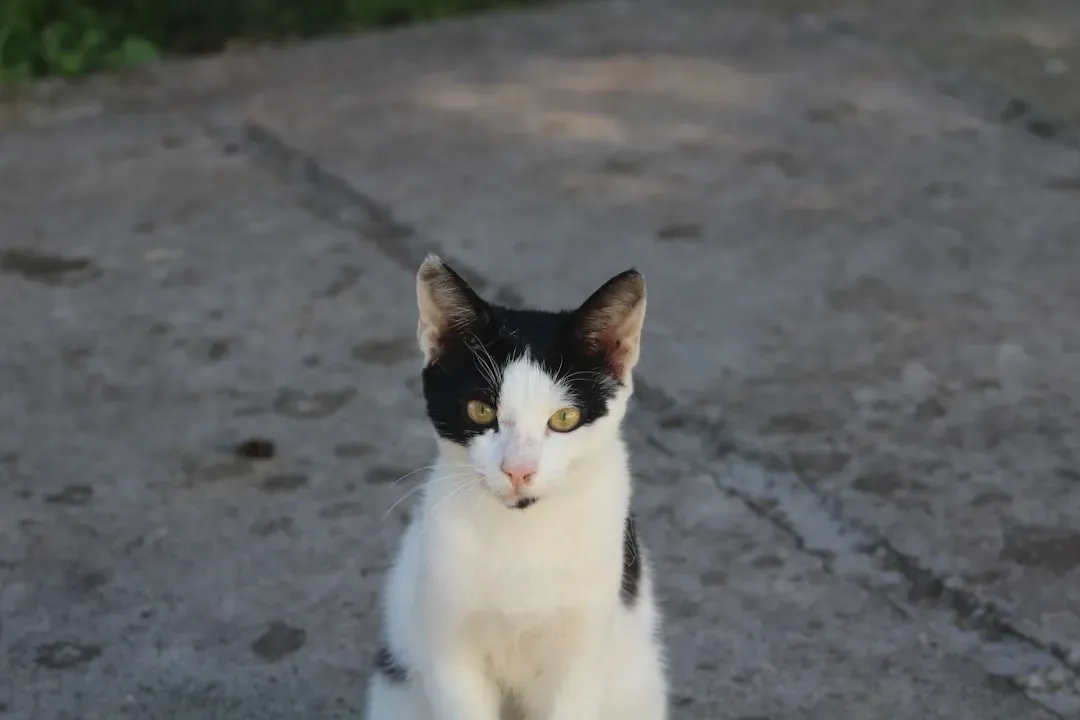
Dogs and cats have exceptionally developed sensory systems and abilities to recognize human signals and emotional states. What makes cats particularly interesting is that they don’t rely on just one channel to gather information about you. Cats don’t rely solely on your face and vocalizations to read your mood – they are also sensitive to changes in physiological parameters, such as heart rate, breathing cues, and blood pressure, which can all be symptoms of depression, stress, and anxiety.
While scent plays a crucial role, cats don’t rely solely on their sense of smell to detect fear. They combine olfactory information with visual and auditory cues to form a complete picture of emotional states. This multi-sensory approach allows them to respond appropriately to various situations and emotional contexts. This integrative ability is a real sign of cognitive sophistication, not just instinct.
The Surprising Science of Smelling Your Fear
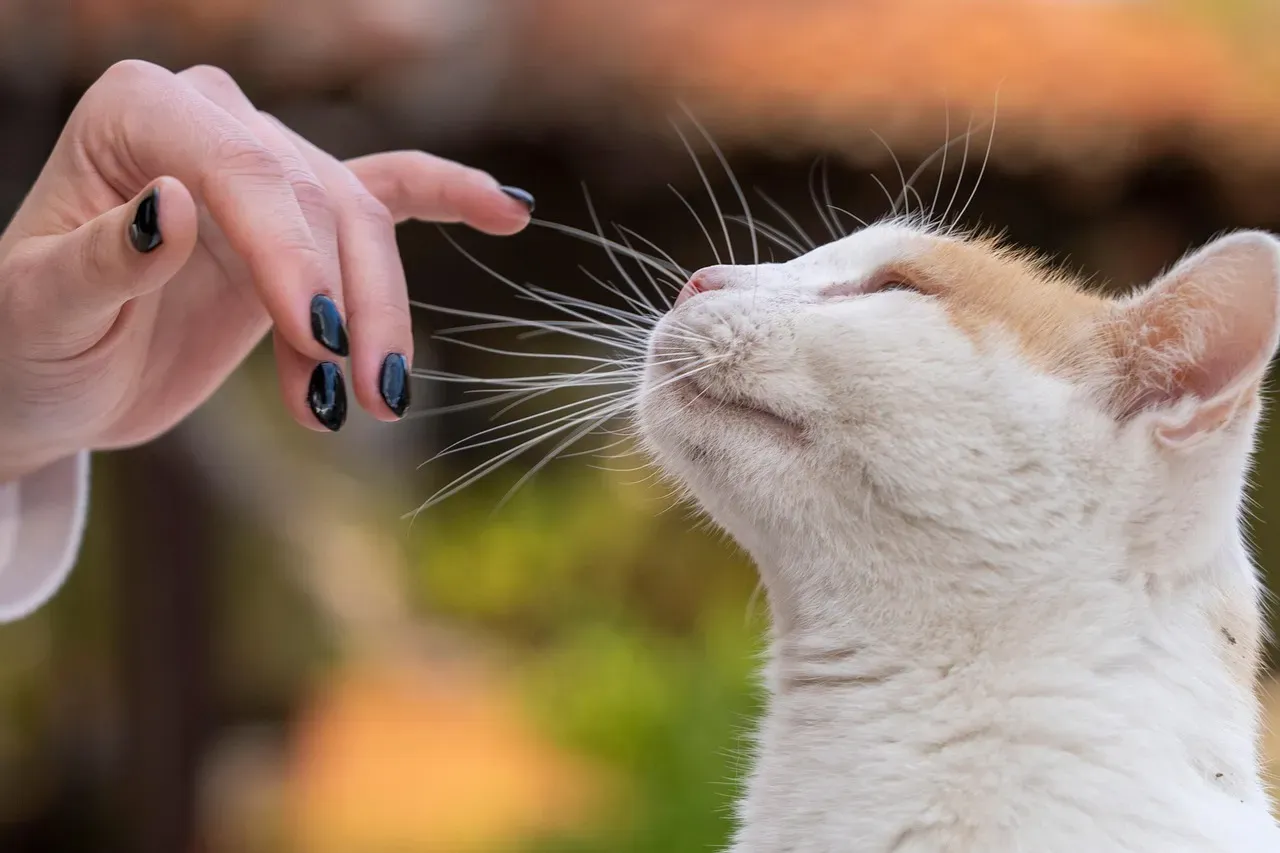
In a published study, cats were presented with human odors collected in different emotional contexts including fear, happiness, physical stress, and neutral, and “fear” odors elicited higher stress levels than “physical stress” and “neutral,” suggesting that cats perceived the valence of the information conveyed by “fear” olfactory signals and regulated their behavior accordingly. This means your cat may sense your anxiety before you’ve said or done anything visibly different.
Cats used both nostrils equally often but relied on their right nostril more when displaying severe stress behaviors while smelling “fear” and “physical stress” odors. Since the right nostril connects to the right hemisphere of the brain, responsible for processing arousal and intense emotions like anger and fear, this suggests that these odors trigger a higher emotional response in cats. The neurological specificity here is striking and points to a genuinely wired-in response.
Your Voice Tells Your Cat More Than You Think
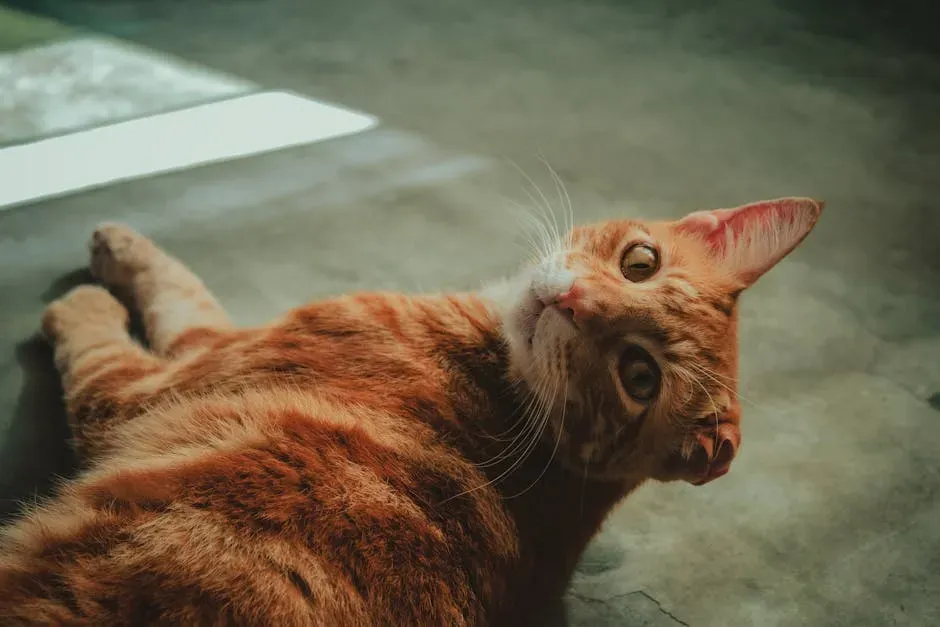
A 2020 study entitled “Emotion Recognition in Cats” published in the journal Animals demonstrated that cats are able to recognize both feline and human emotions through auditory and visual observations. In experiments designed to test cross-modal recognition, researchers found that cats responded differently depending on whether sounds were paired with emotionally matching faces. Cats spontaneously looked at the congruent facial expressions for longer when hearing the conspecific emotional vocalizations of “hiss” and human emotional vocalizations of “happiness” and “anger,” suggesting that they integrated visual and auditory signals into a cognitive representation of humans’ inner states.
Regarding the human emotional signals specifically, researchers found that cats correctly matched the human auditory and visual signals of “happiness” and “anger,” suggesting that they have a cognitive representation of these emotions which allows cats to discriminate between them. You’re not just background noise to your cat – your tone of voice carries real informational weight in their world.
How Your Cat Reacts When You’re Depressed or Sad
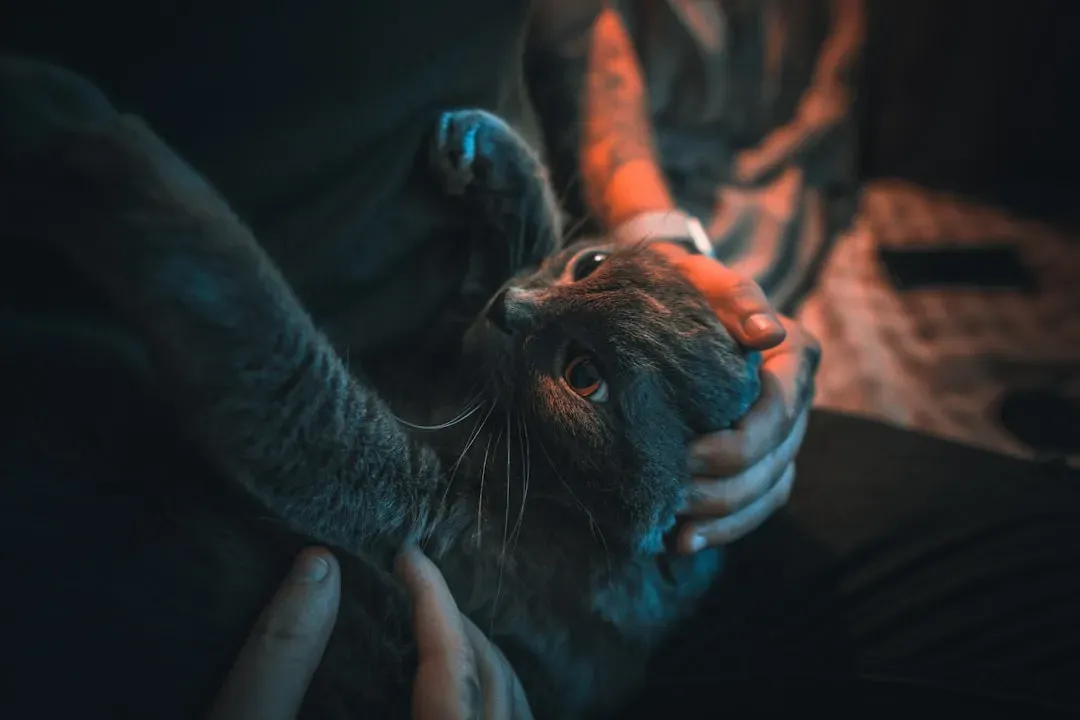
It has been found that cats are sensitive to human moods, and in particular, they engage more frequently in social interactions with depressed humans and approach more frequently owners feeling extroverted or agitated. This isn’t random curiosity. Cats may come in closer proximity when their owners are depressed, and some even purr and rub themselves more once they sense that their human is feeling down, though it also depends on individual cat personalities and how they choose to adjust their behavior.
As cats became domesticated, they developed cognitive and social skills in understanding human emotions to be able to behave accordingly in response to human cues in communication and expressing emotions. Cats are intuitive and can understand the moods and emotions of their humans. More specifically, they engage with their humans more often when they are sad or depressed, and approach them more frequently when their humans are anxious or agitated. It’s a quiet kind of attentiveness that doesn’t ask for anything in return.
Social Referencing: Your Cat Looks to You for Guidance
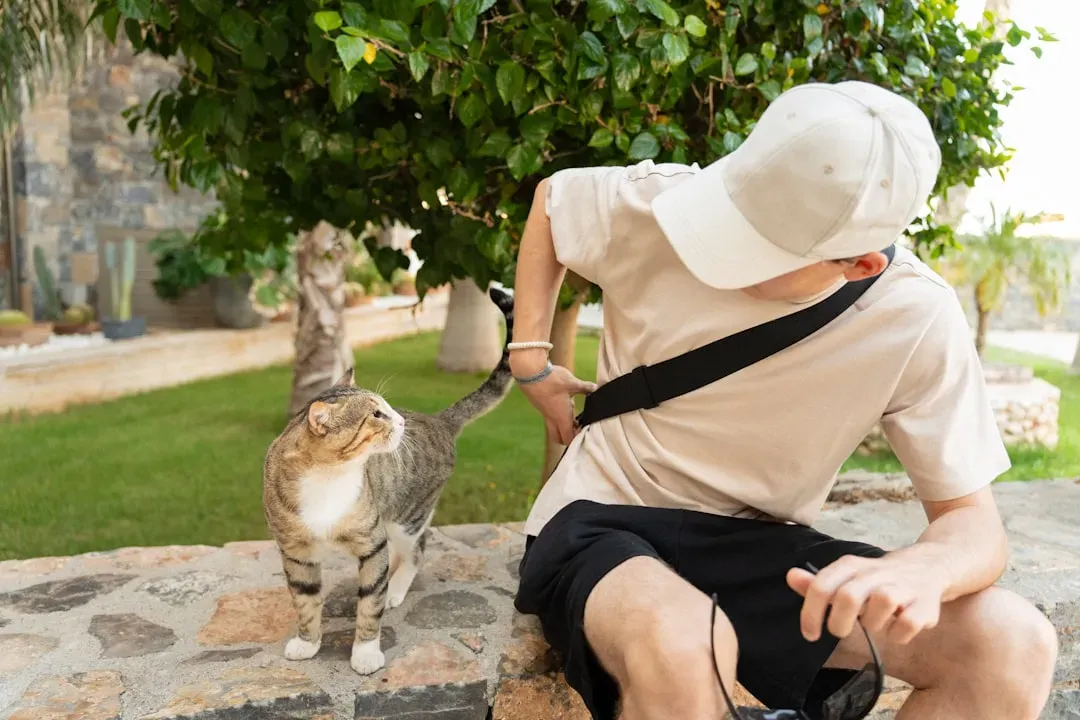
Cats’ communicative behaviour towards humans was explored using a social referencing paradigm in the presence of a potentially frightening object. One group of cats observed their owner delivering a positive emotional message, whereas another group received a negative emotional message. The aim was to evaluate whether cats use the emotional information provided by their owners about a novel or unfamiliar object to guide their own behavior towards it.
Most cats – about four out of five – exhibited referential looking between the owner and the object, and also to some extent changed their behavior in line with the emotional message given by the owner. For example, cats spend more time with owners when shown positive cues but look for an exit when owners respond in a fearful way to a new object. You are, in a very real sense, your cat’s emotional compass.
Cats Have Nearly 300 Facial Expressions, Yet Humans Struggle to Read Them
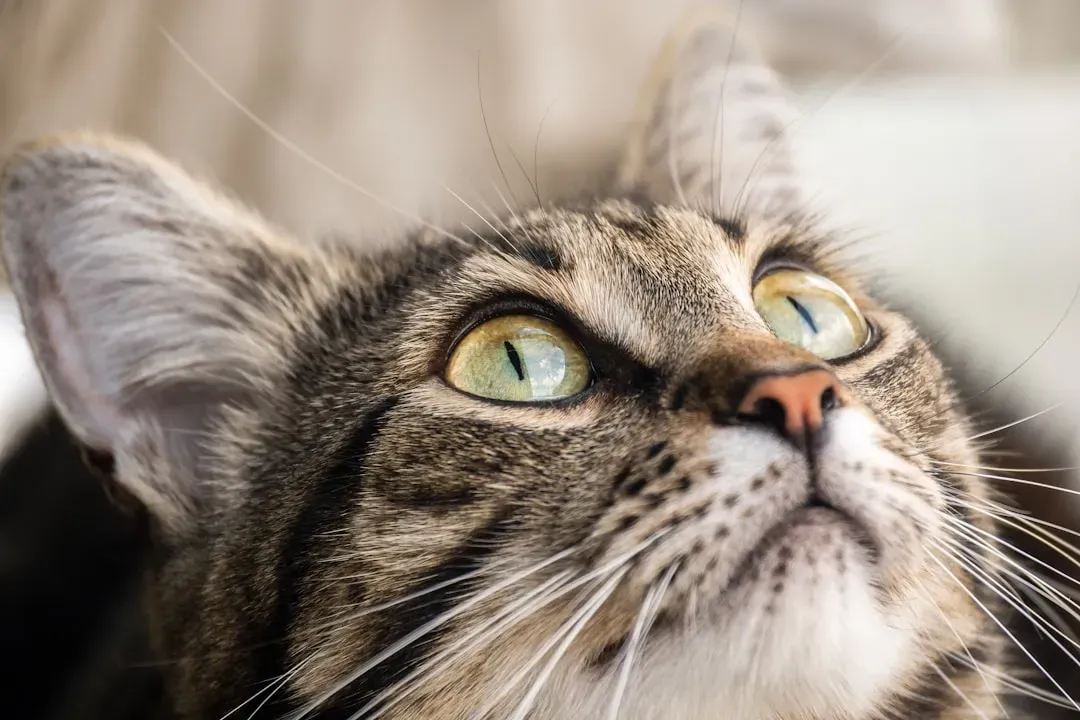
Here’s an interesting reversal: while your cat is busy reading you, most humans are surprisingly poor at reading their cats back. In a study published in Behavioural Processes, researchers tallied 276 different feline facial expressions used to communicate hostile and friendly intent and everything in between, and the team found that humans may be to thank – feline friends may have evolved this range of expressions over the course of their 10,000-year history with us.
A study shows that cats do in fact have facial expressions, but humans just aren’t that good at interpreting them. Researchers created a quiz with 20 videos of cats engaged in various activities and asked more than 6,000 people to judge whether each expression was positive or negative. Respondents correctly interpreted about 59 percent of the cats’ emotional states. A small group, often veterinarians or others who worked closely with animals, scored extremely well – above 75 percent correct – leading researchers to call them “cat whisperers.”
Your Stress Doesn’t Just Affect You – It Affects Your Cat Too
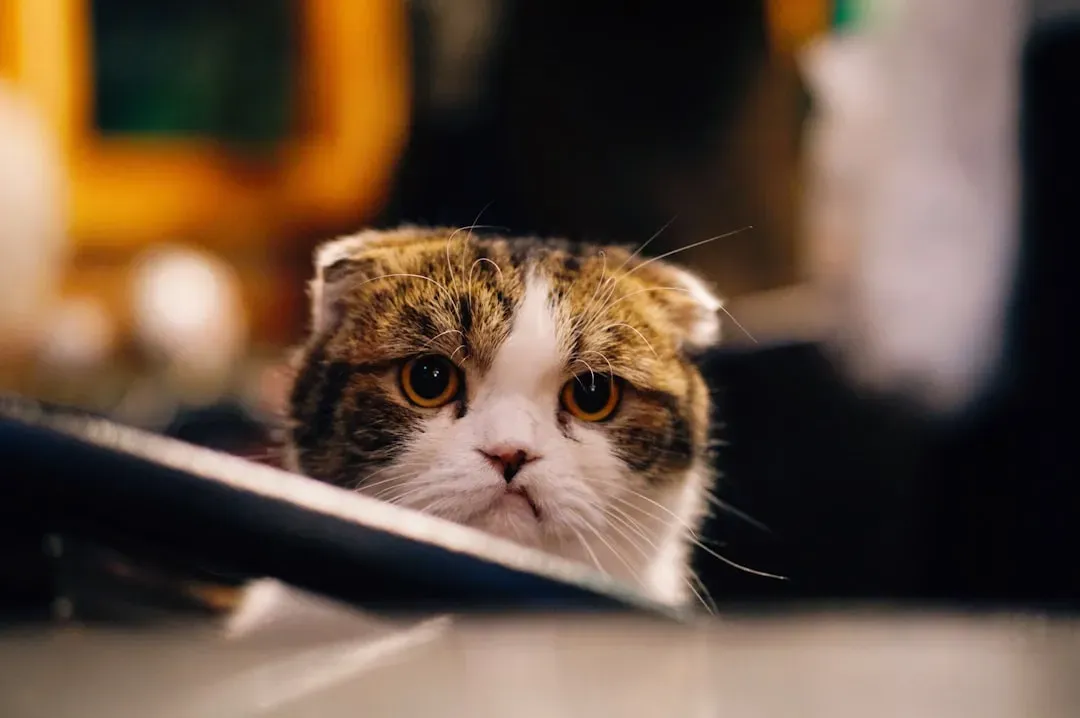
Your behavior and mood can have a huge impact on your cat’s behavior. Studies on cats’ ability to read emotions of humans show that cats can both tell how humans are feeling and may alter their behavior based on those emotions. This is a two-way street that many cat owners don’t fully consider. Some cats will pick up on your stress and become anxious themselves, especially if their routine changes or the person interacts with them differently.
Stress can cause health problems in cats, and your stress can affect your cat’s health. Many medical illnesses can cause behavior changes in cats, so if your own mood or behavior is affecting your ability to care for your cat’s health, it may result in changes to their behavior. Caring for your own emotional wellbeing, in a genuinely practical sense, is also a form of caring for your cat.
The Bond Between Cat and Owner Is Built on Emotional Attunement
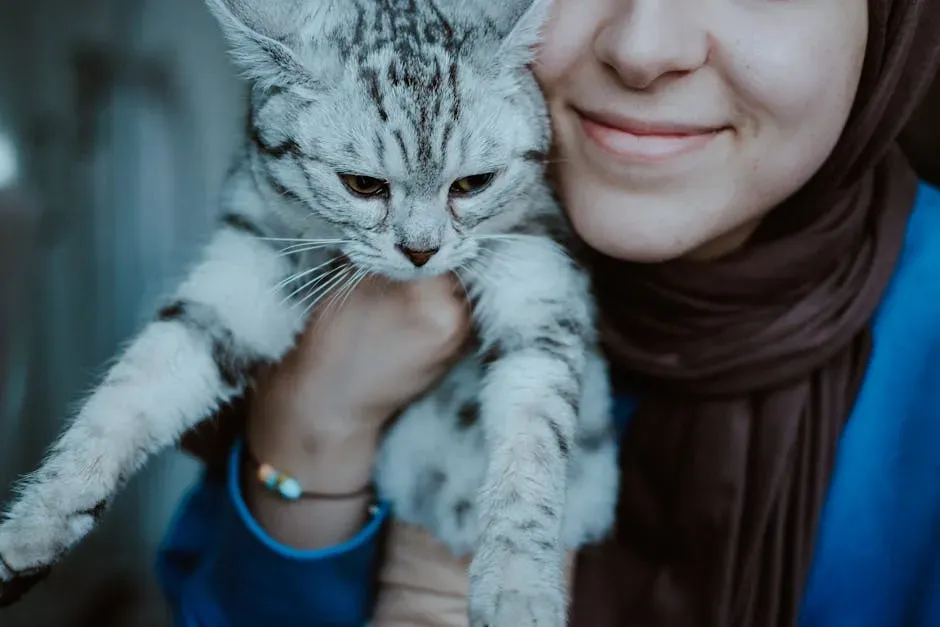
Research has shown that cats form strong emotional bonds with their owners, just like dogs do, and this bond can be strengthened through affectionate behaviors such as petting and playing together. Cats are excellent at picking up on their owners’ moods and adjusting their behavior accordingly. If their owner is feeling playful, a cat may engage in energetic play. If their owner is feeling tired or stressed, a cat may curl up next to them and offer comfort.
There is consistent variability between individual cats in their emotional reactions to human cues, suggesting the influence of developmental factors on the processing of human emotional signals. This hypothesis is supported by studies showing that social experiences during life with humans, particularly in early developmental periods, could impact a cat’s sensitivity to human emotional signals. How well your cat reads you may partly depend on the depth and history of your shared relationship.
What This Means for How You Live With Your Cat
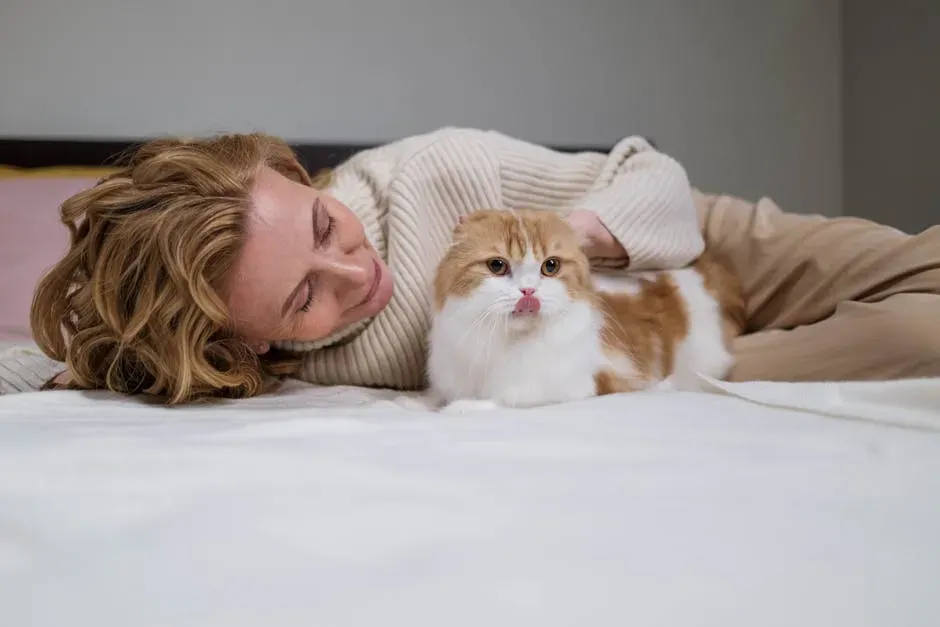
Some cats may comfort their owner by showing more affection or just being present with them, providing company and love. They might rub themselves against you, spreading comforting pheromones to try to reduce anxiety. This may appear as the cat being more clingy or needy, or simply getting in your way more than usual. Recognizing this behavior for what it is – a response to your emotional state – changes how you might interpret it.
To truly understand your cat, you should not only pay attention to their facial expressions and body language but also to yourself. Sometimes the greatest distortion lies in your own perspective. These findings challenge the stereotype of cats as indifferent to human emotions. While they may not express their attachment in the same overt ways as dogs, cats are clearly tuned into the emotional states of their humans. Once you see the relationship through that lens, it becomes harder to dismiss your cat’s quiet attention as mere self-interest.
Conclusion
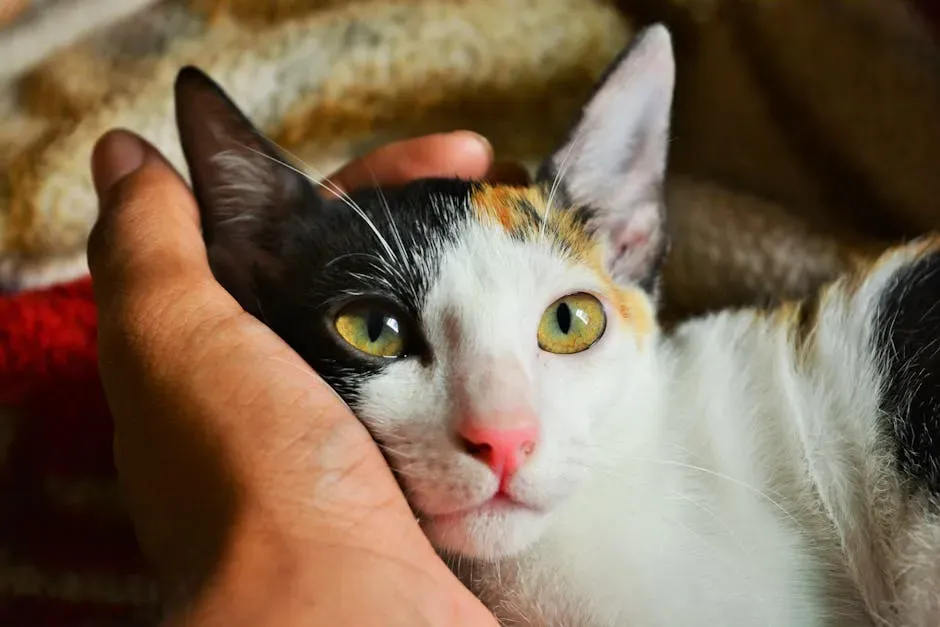
The picture that emerges from all this research is both humbling and oddly comforting. Your cat is paying attention to you in ways that go well beyond waiting for dinner. They’re tracking your voice, your scent, your face, and even the subtle shift in your breathing. The science is still growing, and individual cats vary widely in how and how much they respond, but the core finding holds: your emotional state matters to your cat in a measurable, behavioral way.
There’s something worth sitting with in that. In a household where a cat has learned your rhythms over months or years, you may have a companion who notices when something is wrong before you’ve found the words for it yourself. That quiet kind of attunement, unhurried and without judgment, is rarer than we sometimes acknowledge.
Kristina is a young writer from India. An arts graduate and an avid content creator, Kristina is passionate about animals and wildlife. She enjoys exploring topics related to pet care, animal behavior, conservation, and nature, combining thorough research with engaging storytelling.