You’ve probably watched your cat collapse onto the sofa mid-afternoon, looking utterly boneless, completely unbothered by the world. It might seem like sheer indulgence. In reality, what you’re witnessing is one of the most finely tuned biological strategies in the animal kingdom.
Cats are known for their polyphasic sleep pattern, meaning they take multiple short sleeps throughout the day rather than one long, continuous sleep period like humans. This unique pattern is believed to be an evolutionary adaptation, allowing cats to conserve energy between hunting activities. There’s serious science behind the slouching, and once you understand it, you’ll never look at your cat’s lazy afternoon the same way again.
The Hunter’s Blueprint: Why Rest Is Part of the Strategy
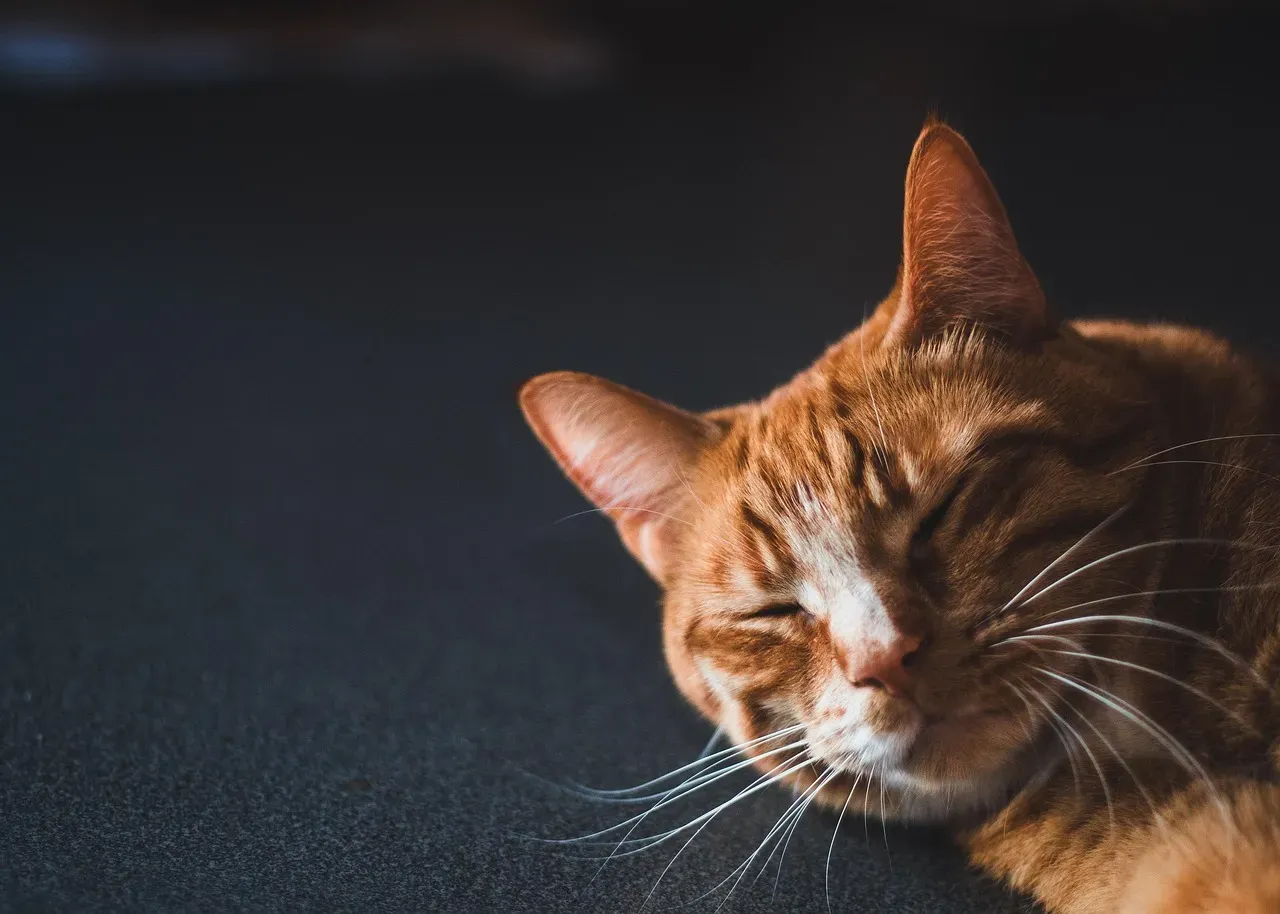
Your cat didn’t invent laziness. It inherited a survival playbook. This behavior is rooted in feline biology. As predators, cats evolved to conserve energy between hunts through frequent, light naps. They rarely enter deep sleep unless they feel completely safe.
In the wild, feline ancestors needed to conserve energy for hunting, a high-energy activity. This energy-conservation strategy has carried over into the domestic cats we know today. So when your cat curls up on the armchair for the third time before noon, it’s not being lazy. It’s running an ancient operating system that was optimized long before it ever met a food bowl.
How Much Sleep Is Actually “Normal” for a Cat?
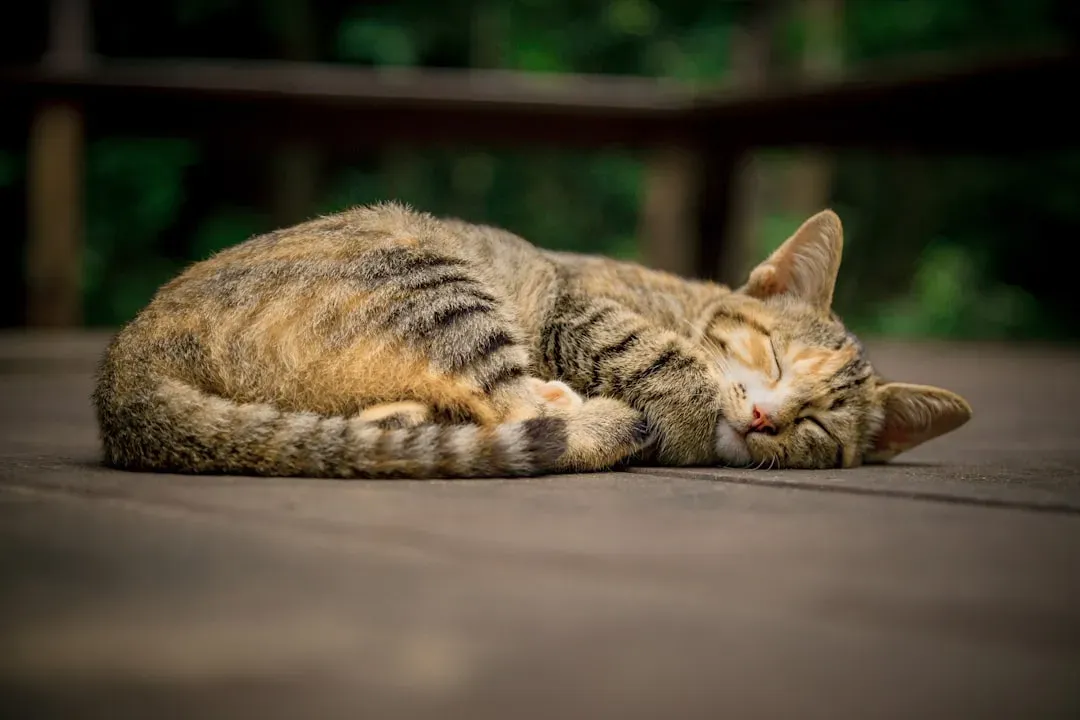
More than half of cats sleep between 12 and 18 hours a day, and nearly 40% of cats sleep more than 18 hours per day. For most people, those numbers feel staggering. It helps to remember that your cat’s entire biology is geared toward short, explosive bursts of effort, not sustained activity.
Energy conservation is crucial for cats. They rely on short bursts of energy for hunting, which is why long periods of rest are important. A typical domestic cat sleeps roughly 12 to 16 hours a day. That rest isn’t idle time; it’s a calculated recovery between what evolution still tells your cat could be life-or-death effort.
Polyphasic Sleep: The Many-Nap System Explained
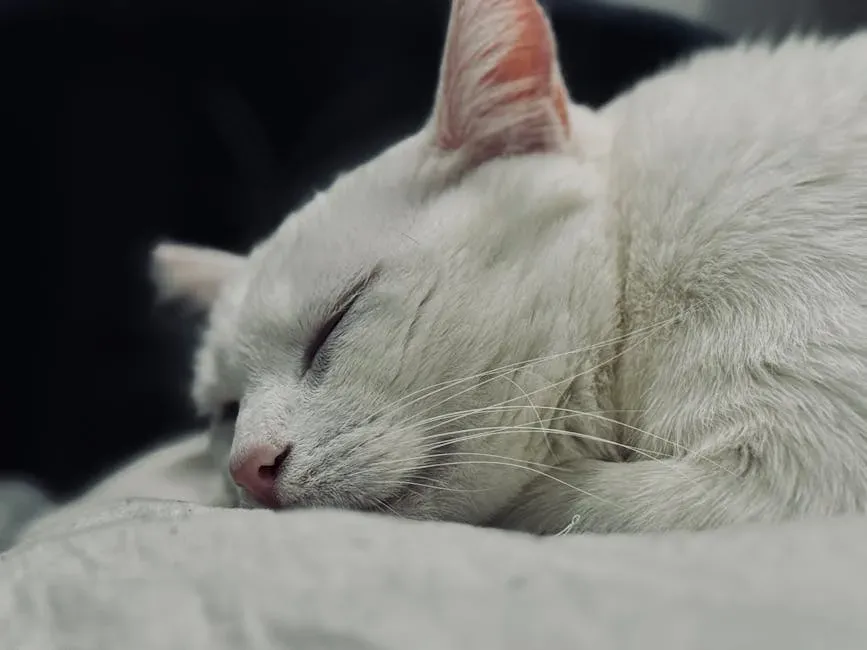
Cats have a polyphasic sleep pattern, which means they sleep multiple times each day rather than in one long period like humans generally sleep. These cat naps average 78 minutes in length, though cats commonly sleep for periods ranging from 50 to 113 minutes. That variability isn’t random. It reflects what the body needs at a given moment.
Some research shows that modern cats now time their naps to mirror their owners’ sleep schedules and stay awake when we interact with them the most. Interestingly, over three-quarters of mammals share cats’ polyphasic sleep habits – humans are actually the exception with our one long sleep period. So in a broader biological sense, your sleep routine is the strange one.
Light Sleep vs. Deep Sleep: A Delicate Balance
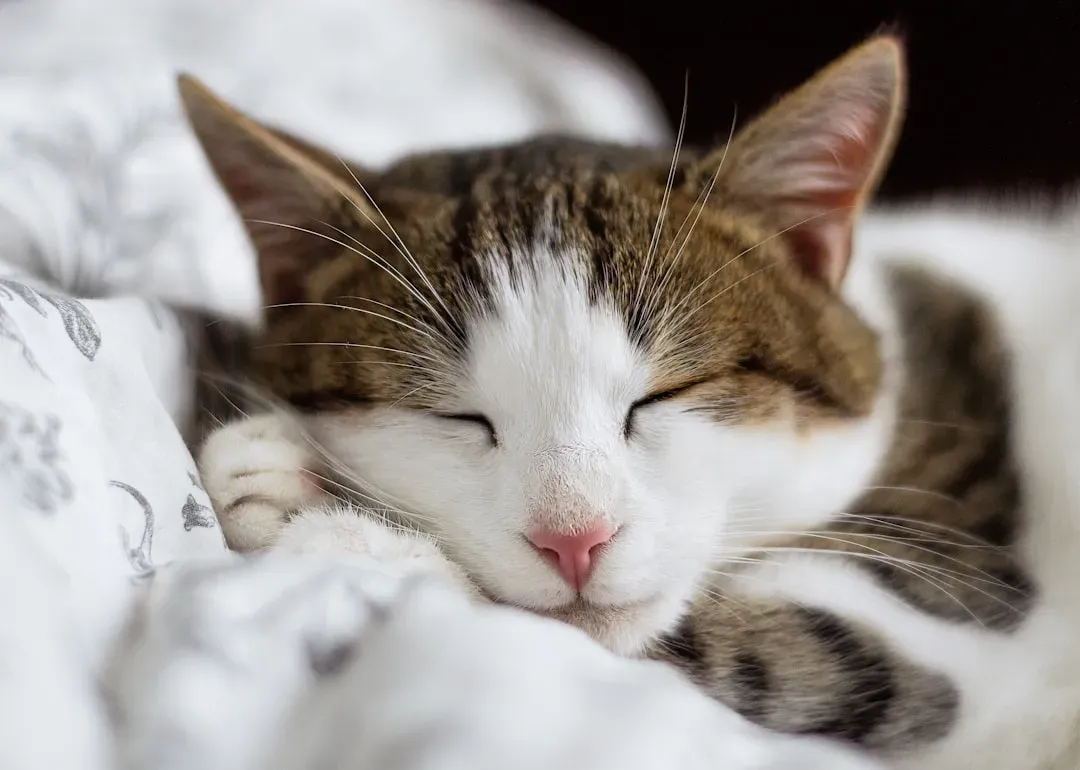
A cat’s rest is divided into two distinct states: the light dozing known as a “cat nap,” and deep, restorative sleep. Roughly 75% of a cat’s rest is spent in the lighter phase of non-rapid eye movement sleep, during which the cat is merely snoozing, often in a curled or upright position, with muscles somewhat tensed and senses highly active.
Once a cat enters deeper sleep, their muscles relax entirely, and you may observe twitches or subtle movements as they likely experience dreams. The deep REM period is surprisingly brief, often lasting only about five to seven minutes before the cat cycles back into light sleep or full wakefulness. This constant cycling between light and deep rest is the defining characteristic of a cat’s polyphasic sleep pattern.
Always Half-Awake: The Art of Sleeping on Alert
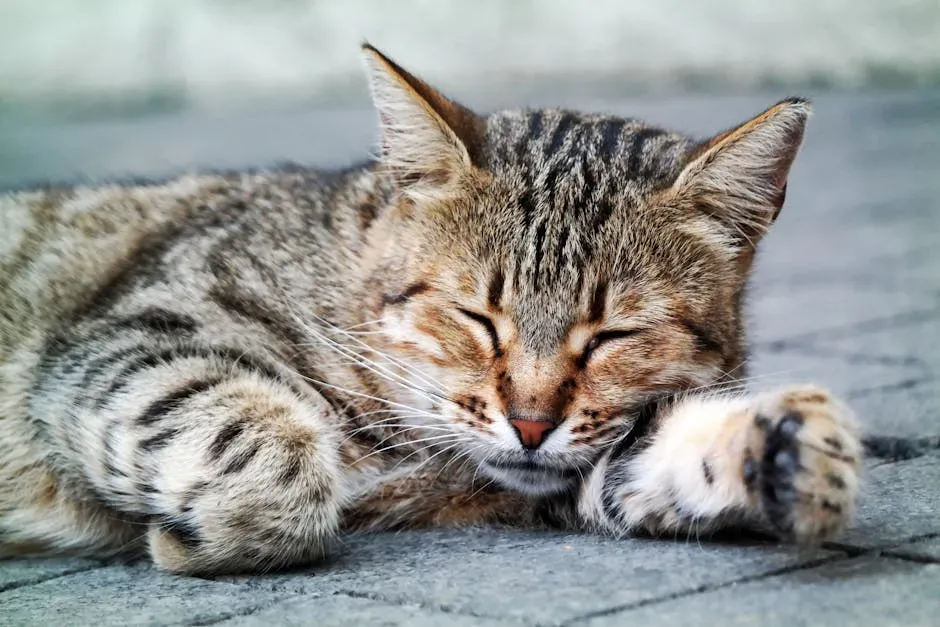
One of the more remarkable things about the way cats sleep is how aware they remain during it. While a cat can appear fast asleep on your favorite armchair, their brain is still very much alert and receiving information about its environment. Even the slightest sound can trigger an ear to turn or whiskers to twitch.
This allows cats to remain semi-alert, able to wake at the slightest disturbance as a survival mechanism harkening back to their predatory origins. Yet they still manage to achieve a level of deep restorative sleep required to recharge their bodies through these fractured sleep phases. It’s the biological equivalent of sleeping with one eye open, taken to a precise extreme.
REM Sleep and Dreaming: Yes, Your Cat Probably Dreams
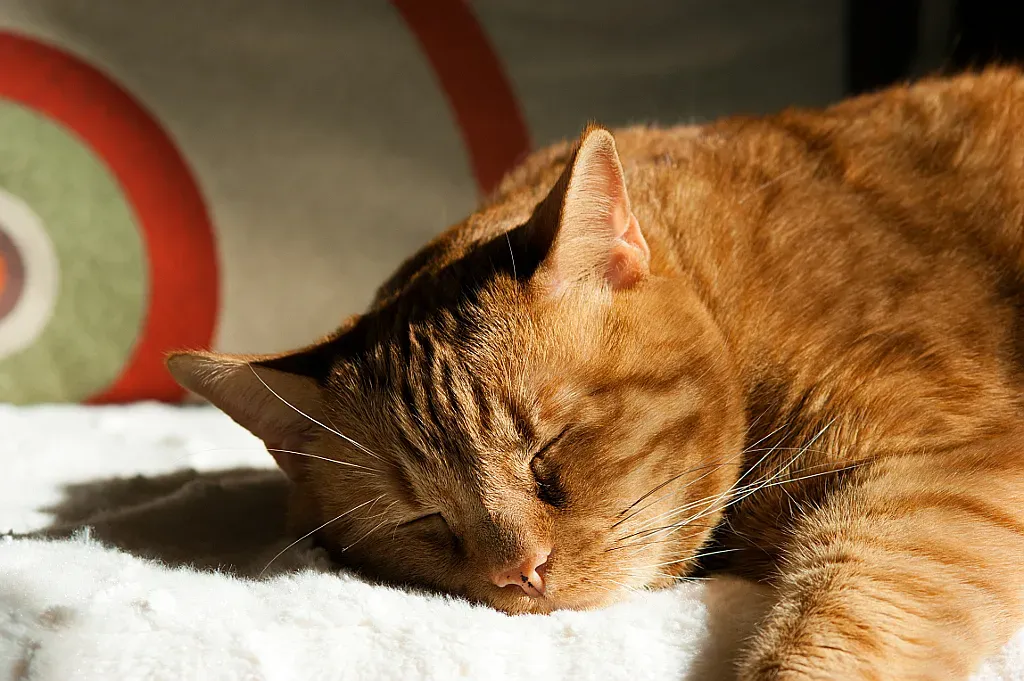
Research supports the idea that cats experience dreams during their sleep, much like humans. This dreaming occurs primarily during the REM stage, where a cat’s brain is almost as active as when awake. Indications of dreaming include subtle movements like twitching whiskers, softly moving paws, or even faint vocalizations.
Cats and humans share the REM and non-REM sleep stages, but the structure and duration of these cycles differ significantly. Cats enter REM sleep more frequently and for shorter durations than humans. This difference highlights the evolutionary adaptation of cats to remain alert to environmental dangers, even while resting. That twitching paw mid-nap isn’t just cute – it’s a window into an active, processing mind.
Age Changes Everything: Kittens, Adults, and Senior Cats
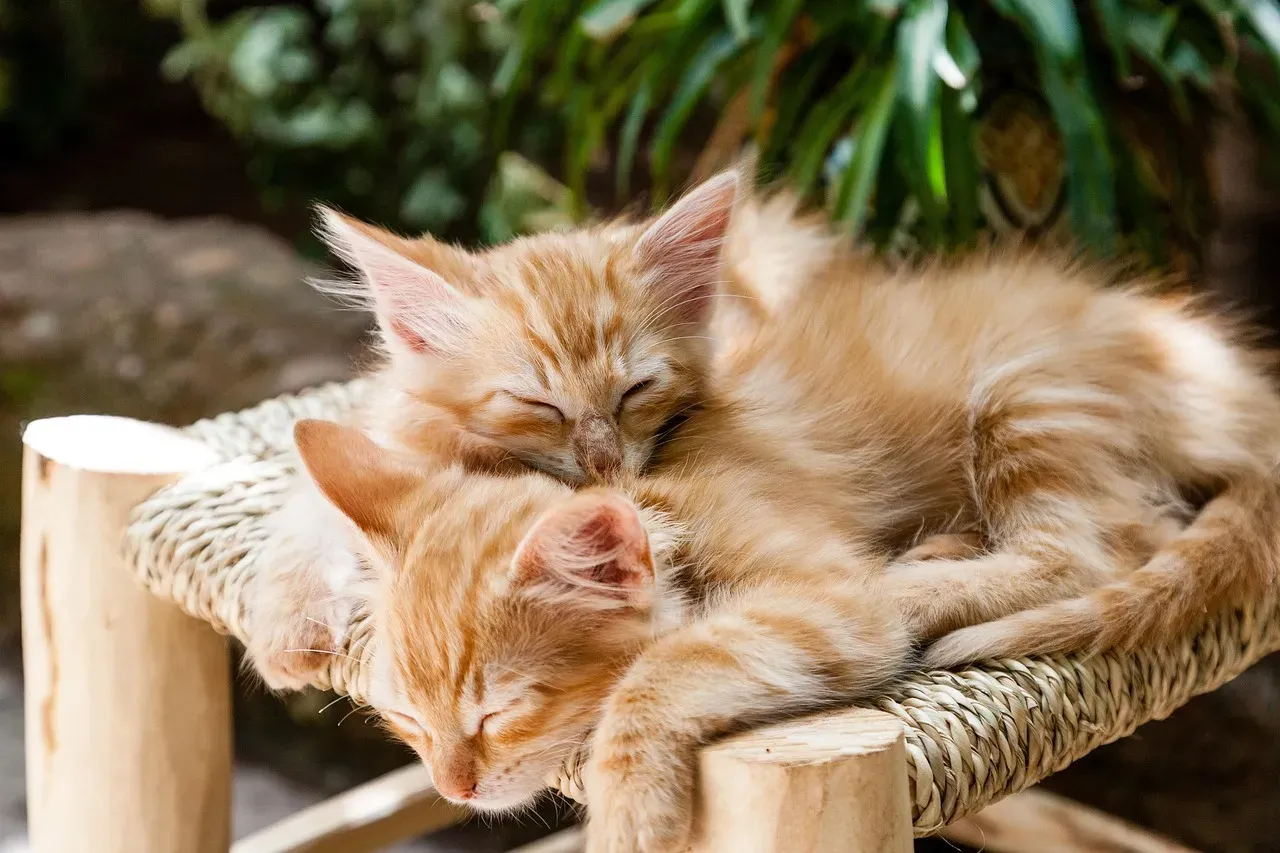
Kittens may sleep for up to 20 to 22 hours per day to support rapid physical and neurological development. Senior cats often increase their total sleep time to 16 to 20 hours daily due to decreased energy levels and the need for more recovery time from age-related stiffness or mobility changes.
Older cats may also experience changes in sleep due to health issues like arthritis, which can make them seek more rest to alleviate discomfort. Understanding these age-related changes in sleep patterns is key for cat owners to ensure their pets are healthy and comfortable at every stage. The nap is not one-size-fits-all. It adjusts across a lifetime, serving the body’s shifting demands at each stage.
Environment, Temperature, and the Quality of Rest
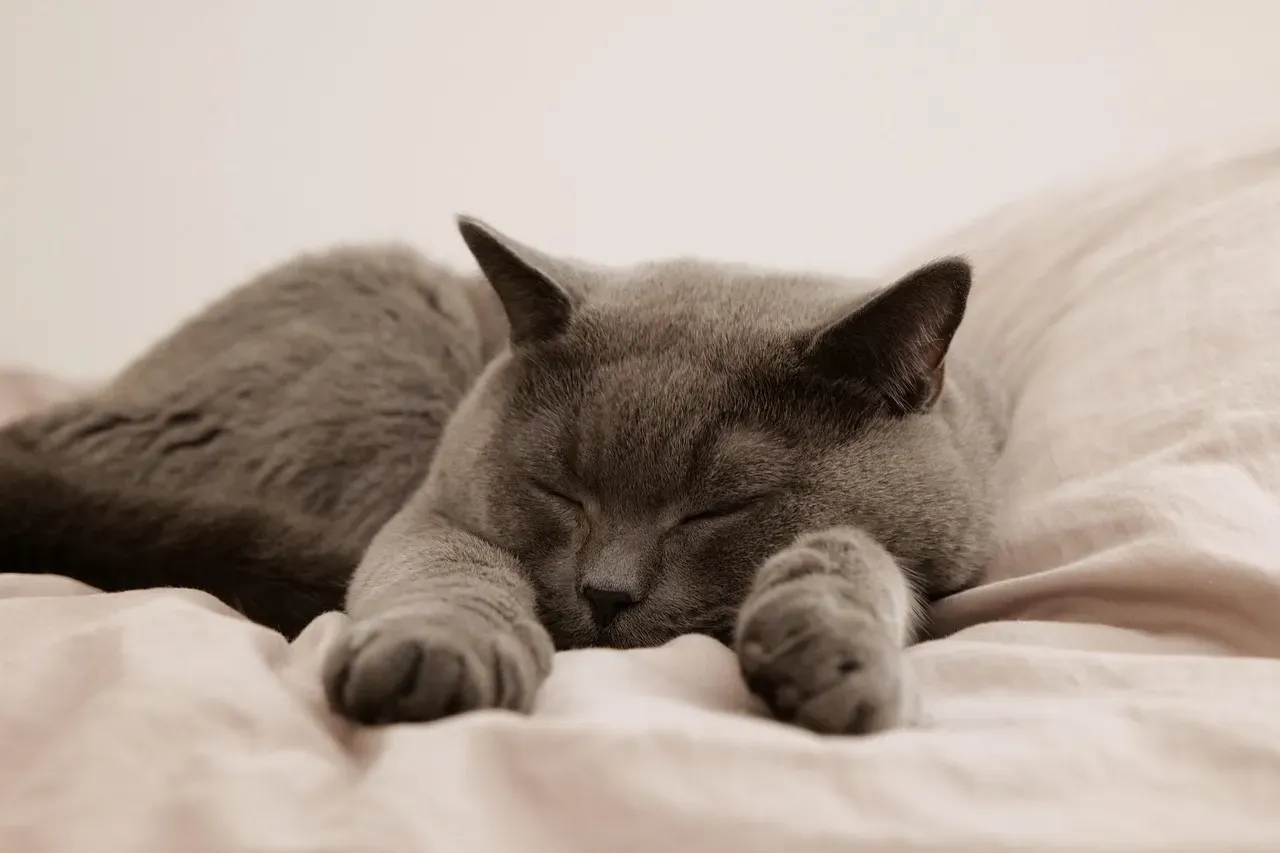
Cats sleep to help regulate their body temperature. In hot climates or during summer months, you might notice your cat sleeping more. This increased sleep helps them stay cool and conserve energy, preventing overheating. The nap is doing metabolic work even when your cat looks like it’s doing nothing at all.
The environment plays a substantial role in determining the quality and length of a nap. A secure, quiet home environment allows a cat to relax fully and enter deeper, slightly longer cycles of rest. In contrast, a noisy or insecure setting will cause a cat to take shorter, more frequent, and lighter naps, as they remain in a heightened state of readiness. Where your cat chooses to sleep tells you something real about how safe it feels.
What Cat Sleep Can Teach Us About Our Own Rest
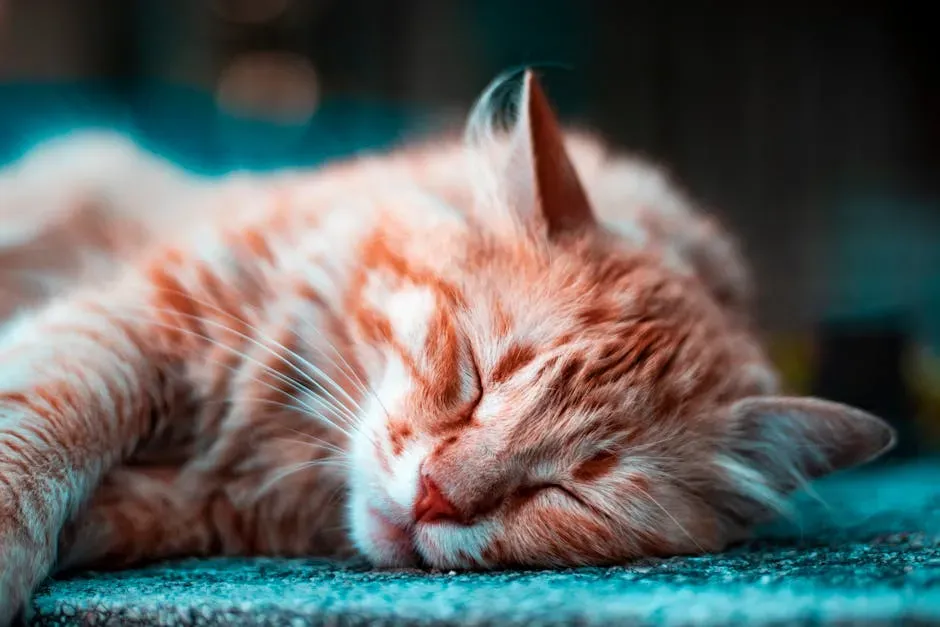
Energy savings during sleep have been measured in diverse animals, from cats and rats to fishes and flies. Sleep isn’t passive downtime for any of them. Much of organismal biology is optimized to conserve caloric energy, raising the possibility that sleep evolved in early animals to support a similar aim. That’s a striking thought – rest as a foundational survival tool, not a luxury.
A correctly executed cat nap can improve alertness and cognitive function, making it a valuable tool in managing daily energy levels. A cat nap is physiologically distinct from a full sleep cycle because it is intentionally limited to the initial, lighter stages of non-REM sleep. While cat naps are excellent for short-term alertness and mood boosts, they cannot replace the deep sleep, REM sleep, and full sleep cycles your body needs during nighttime rest. Think of cat naps as a supplement, not a substitute.
Conclusion
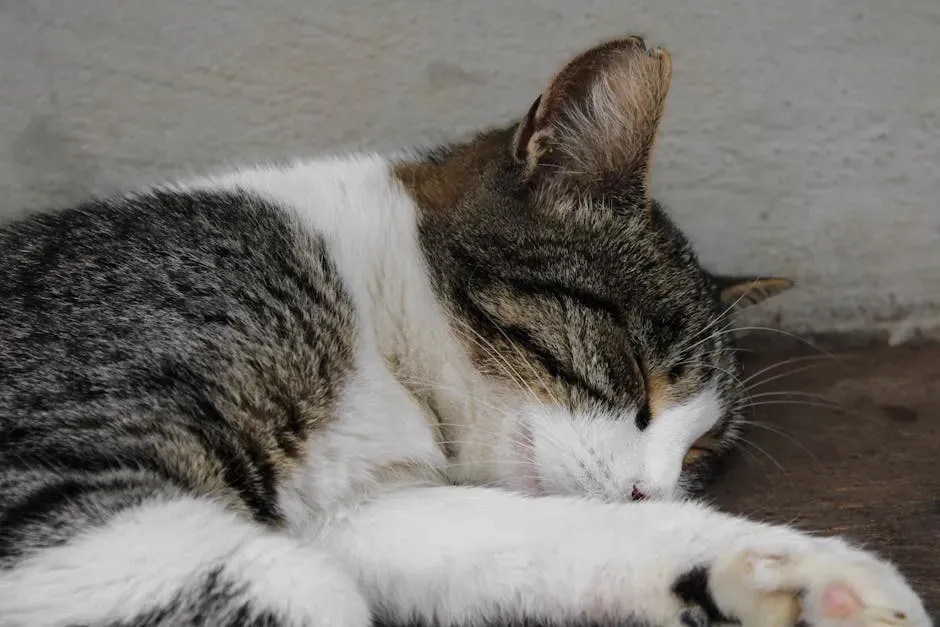
There’s something oddly reassuring about understanding why your cat sleeps the way it does. What looked like indifference turns out to be precision. Cats sleeping a lot is part of their evolutionary design. It’s how they conserve energy and stay ready. As long as naps fit the normal range and your cat eats, plays, and explores, they’re doing just fine.
The cat nap, in all its quiet, unhurried glory, is a reminder that efficiency isn’t always about doing more. Sometimes the most effective thing a body can do is pause. Your cat figured that out millions of years ago, and it’s been sleeping soundly on that knowledge ever since.
Kristina is a young writer from India. An arts graduate and an avid content creator, Kristina is passionate about animals and wildlife. She enjoys exploring topics related to pet care, animal behavior, conservation, and nature, combining thorough research with engaging storytelling.