Most people think their cat is just being mysterious. You watch them stare at the wall, knead your blanket at midnight, or chirp at the window, and you assume it’s one of those inexplicable cat things. The truth is considerably more interesting.
Cats use a range of communication methods, including vocal, visual, tactile, and olfactory signals, and they’re directing many of them straight at you. When a cat lives with a human, it very quickly learns to read your mood from your body language, the sound of your voice, and eye contact. Cats are extremely good at picking up on emotions such as nervousness, fear, affection, and joy. If you’re not fluent in their language yet, you’re probably missing more than you realize.
1. The Slow Blink Is Their Version of “I Love You”
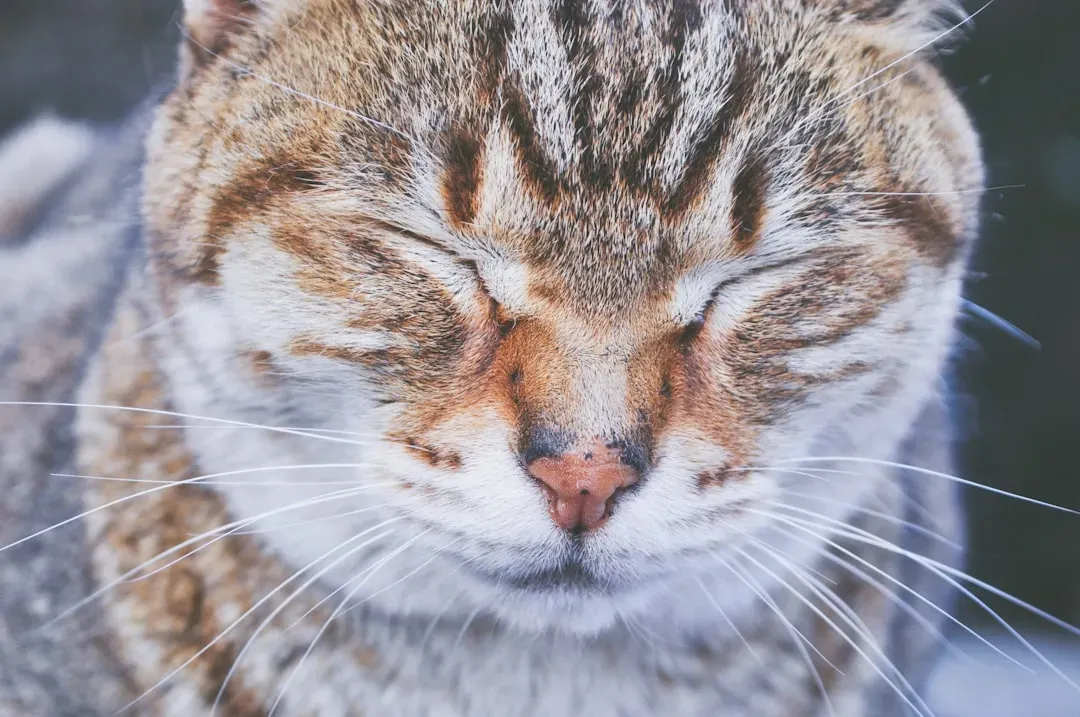
You’ve probably caught your cat gazing at you from across the room and slowly letting their eyelids fall shut. That’s not a coincidence, and it’s definitely not boredom. A study published in 2020 confirmed that slow blinking plays a key role in feline communication.
Research from the University of Sussex shows evidence that cats perceive human slow blinking in a positive way, suggesting it can be used as a method of cat-owner communication. When your cat does this, they’re essentially lowering their guard and showing you they feel safe. Often referred to as a “cat kiss,” slow blinking is a sign of trust and affection. If your cat slowly blinks at you, try returning the gesture to strengthen your bond.
2. A Raised Tail Is a Friendly Hello

When your cat walks toward you with their tail pointing straight up like a flagpole, they’re not showing off. The “tail up” position, where the tail is held vertically in the air at a right angle to the ground, signals friendly intent when a cat approaches another cat, animal, or person. It’s one of the clearest positive signals they can give you.
In cat-human interactions, the cat most often approaches with its tail up prior to rubbing itself against the human. Think of it as a wave. An upright tail with a slight curve at the tip is the universal feline greeting, indicating happiness and confidence. So next time your cat trots over tail-first, they’re genuinely glad you’re there.
3. Head Bunting Means You’ve Been Claimed
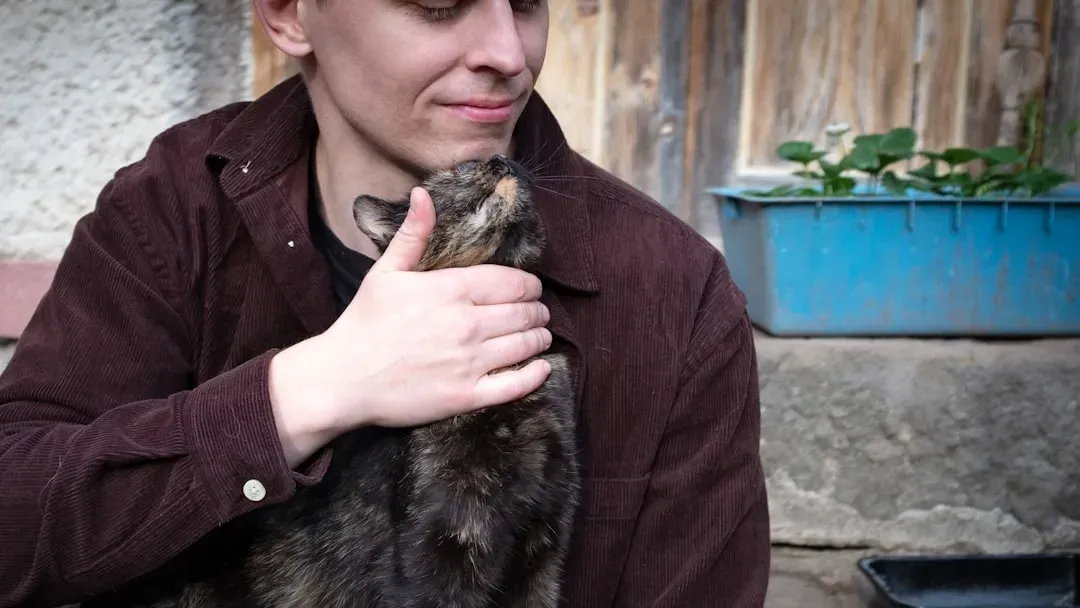
When your cat pushes the top of their head firmly against your chin, hand, or face, they’re doing something that goes deeper than affection. Headbutting and rubbing are forms of cat communication that allow cats to mark their territory by transferring scent from glands located around their cheeks and jaw. These behaviors signal comfort, affection, and familiarity.
When your cat rubs their head and body along you, they are releasing pheromones, marking you as a bonded, trusted, and safe member of their social group. You can’t smell it, but the message is real. Rubbing against you is a way for them to mark their “territory” with their scent. If you are included in this marking territory, they are essentially letting you know they are quite fond of you.
4. Tail Thrashing Is a Warning You Shouldn’t Ignore

A wagging tail means happiness in dogs, but in cats, fast tail movement means something very different. Tail thrashing or aggressive swishing indicates irritation or overstimulation, serving as a warning that the cat needs space. Many cat bites could be prevented if people recognized this clear signal to back off and give the cat time to calm down.
The slow and soft tail wag means a cat is enjoying your attention and feeling happy. However, if that tail begins wagging faster and more aggressively, almost like a thrash, then the cat is getting irritated and you should stop what you’re doing. Paying attention to the speed and force of that movement could save you a scratch or two. Your cat isn’t being mean. They’re just asking, with increasing urgency, for a break.
5. Kneading Is a Comfort Signal Rooted in Kittenhood
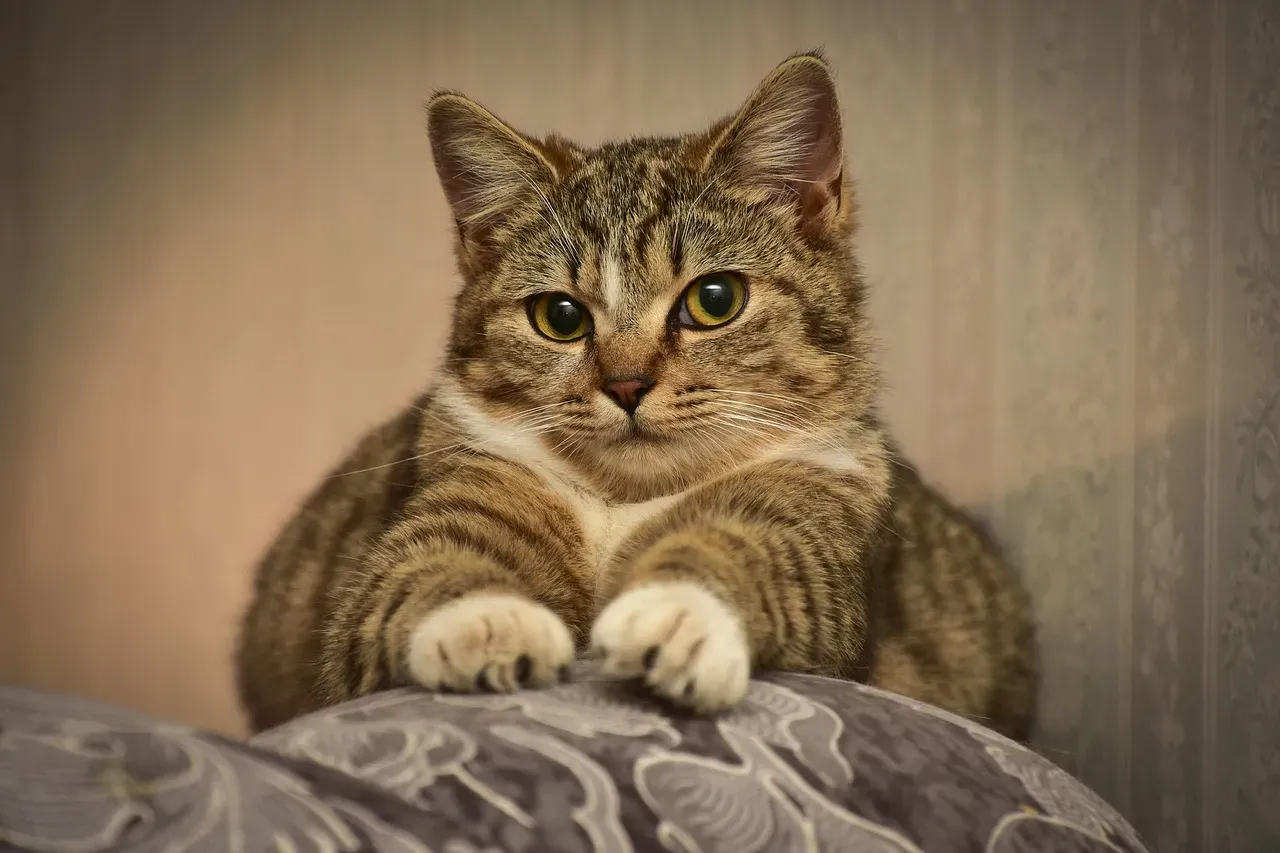
If your cat climbs onto your lap and starts rhythmically pressing their paws into you, you’re witnessing a behavior that traces back to their very earliest days of life. Cats sometimes repeatedly tread their front paws on humans or soft objects with a kneading action. This is instinctive to kittens and adults and is presumably derived from the action used to stimulate milk let-down from the mother during nursing.
Some cats may gently knead or “make biscuits” on soft surfaces, such as blankets or your lap. This behavior is often associated with contentment and relaxation, as it mimics the actions kittens perform while nursing. When your cat kneads on you specifically, it’s a sign that they associate you with comfort and security. That’s about as high a compliment as a cat can pay.
6. Ear Position Tells You Exactly How They’re Feeling
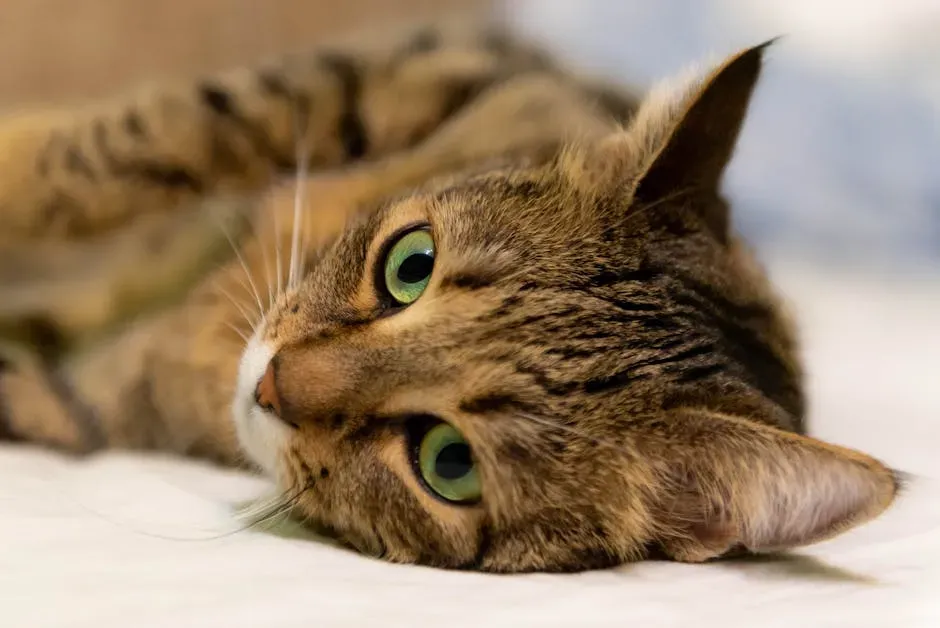
Your cat’s ears are remarkably expressive, rotating almost independently to pick up sounds, but their position also broadcasts emotional information in real time. Flattened ears against the head are a sign of fear, whereas ears held erect signal alertness. Ears rotated outward can be a sign of aggression.
Ears that are erect and rotated out, along with narrow pupils, are usually a signal of frustration, whereas dilated pupils with ears held flat against the head are often a sign of fear. Relaxed cats tend to have their ears facing forward in the normal position. So a quick glance at those ears before you reach down to pet your cat can spare you both a tense moment. Ears turned back may signal that your cat is annoyed or angry, and it’s best to give them some space.
7. Purring Isn’t Always About Happiness
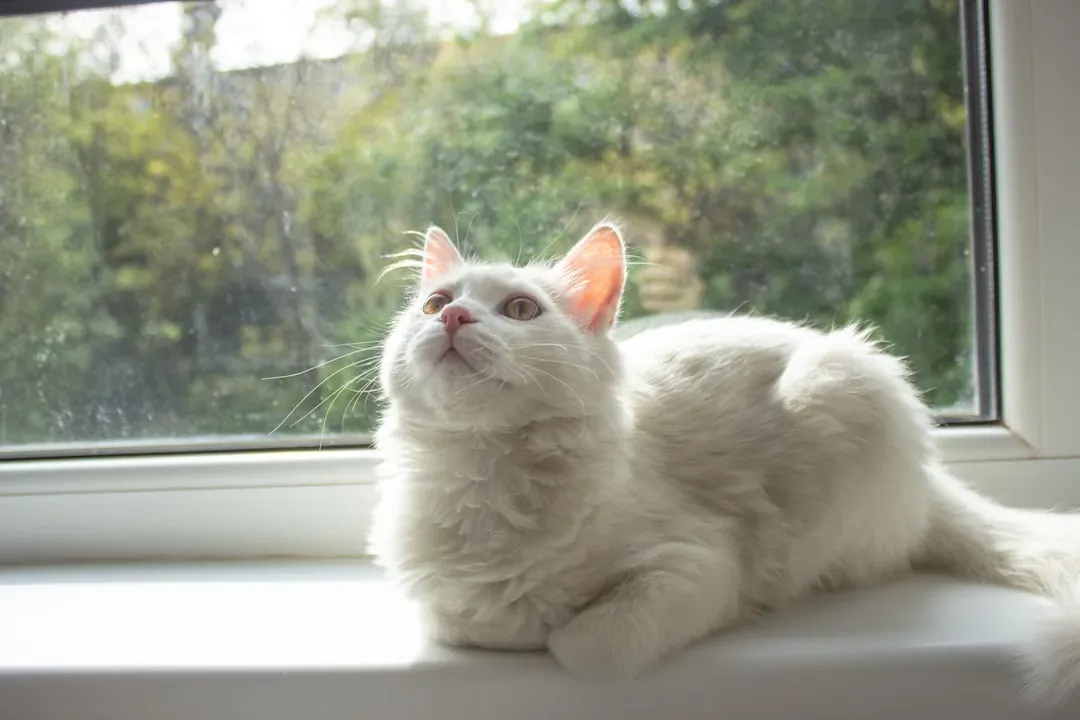
Almost everyone assumes a purring cat is a happy cat. That’s often true, but it’s not the whole story. While most people associate purring with happiness, scientific research reveals that cats purr in various emotional states, including stress, pain, and anxiety.
Purring, though often a sign of happiness, can also occur when a cat is extremely distressed or even in pain, serving as a self-soothing mechanism. If your cat is purring but also has a tense body, hunched posture, or half-closed dull eyes, it’s worth paying closer attention. A cat’s body language can reveal if the cat is sick or in pain. Cats are skilled at masking physical illness, so changes in their body language may be the first signs that something is wrong.
8. Meowing Is a Language Developed Just for You

Here’s something most people don’t know: your cat doesn’t actually meow to communicate with other cats. They do it almost exclusively for humans. Studies have shown that domestic cats tend to meow much more than feral cats. They rarely meow to communicate with fellow cats or other animals.
Domesticated cats have adapted their vocal behavior to communicate with humans. They’ve learned that meowing gets them what they want, whether it’s food, attention, or access to a room. The pitch and frequency of meows also carry distinct meaning. Meowing is one of the most ambiguous types of cat vocalizations because a cat meows for many reasons. It could mean almost anything, from hunger to simple chattiness. Context, as always with cats, is everything.
9. Hiding or Withdrawing Can Signal Distress
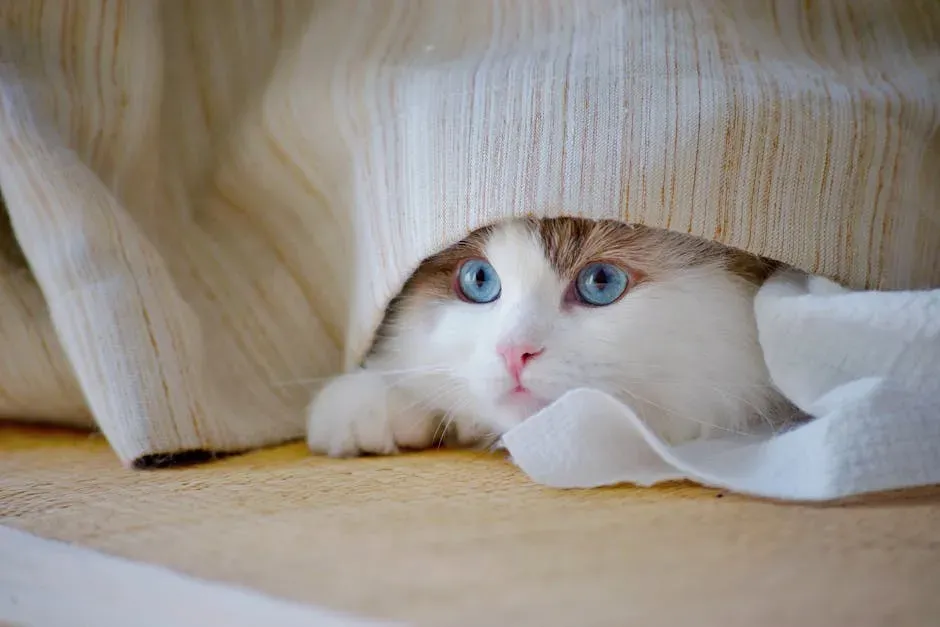
When your usually sociable cat suddenly disappears under the bed or behind the sofa, it’s easy to chalk it up to mood. Occasionally, though, it means something more significant. Unlike dogs, which were domesticated primarily for hunting and companionship, cats domesticated themselves by adapting to human settlements to control vermin. This self-sufficient nature meant cats retained much of their wild instincts, including a tendency to conceal pain and illness as a survival strategy. In the wild, showing weakness could make a cat a target for predators or competitors.
A pivotal study published in the Journal of Veterinary Behavior examined the relationship between human awareness of feline body language and the early detection of health issues. The researchers found that pet parents who could interpret subtle signs of pain or stress in their cats were significantly more likely to seek veterinary care sooner, leading to earlier diagnosis and treatment of potentially serious conditions. If hiding is sudden and out of character for your cat, consider it a prompt to check in more closely on their health and wellbeing.
10. Weaving Through Your Legs Means They Want Something from You
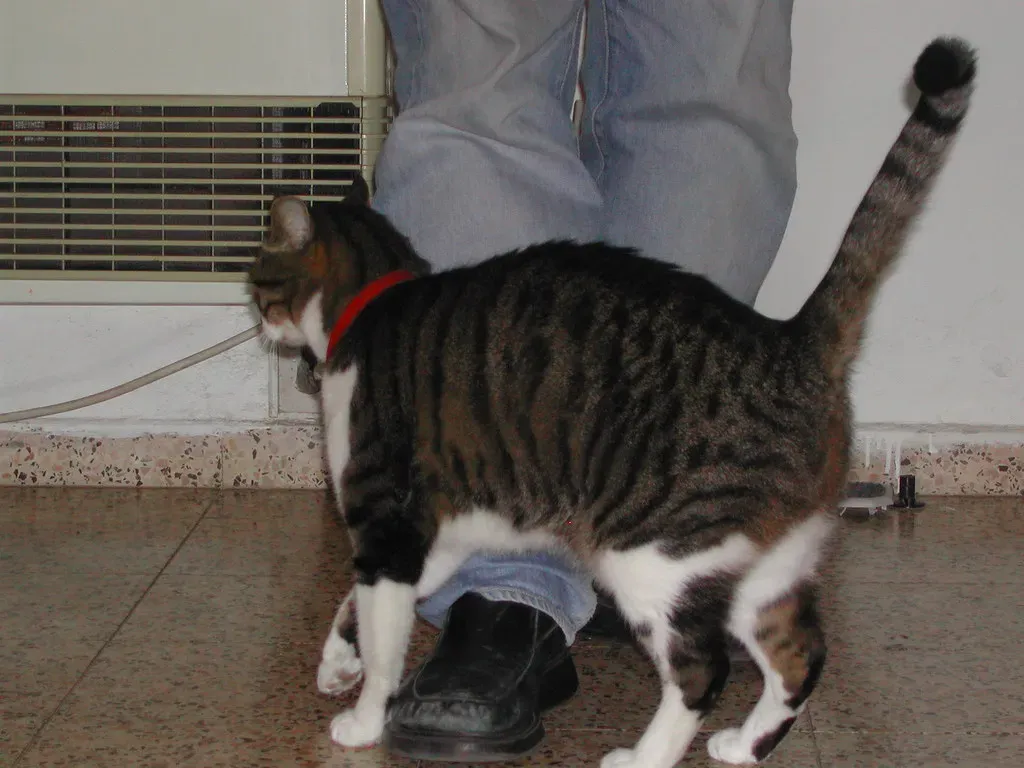
It happens constantly near feeding time: your cat appears from nowhere and starts threading themselves repeatedly between your ankles. This is deliberate and targeted communication. Cats that want to show their love to humans will often walk in front of you back and forth, entwining themselves around your legs. They are communicating a need for love, attention, and potentially a snack.
When cats communicate with humans, they do so to get what they need or want, such as food, water, attention, or play. The weaving behavior combines scent-marking, physical contact, and proximity into one efficient signal. It’s your cat using every tool available to make sure their message lands. If you make a point of observing your cat’s behavior, mutual understanding is entirely possible. Once you know what to look for, you’ll start noticing just how much they’re saying.
Conclusion
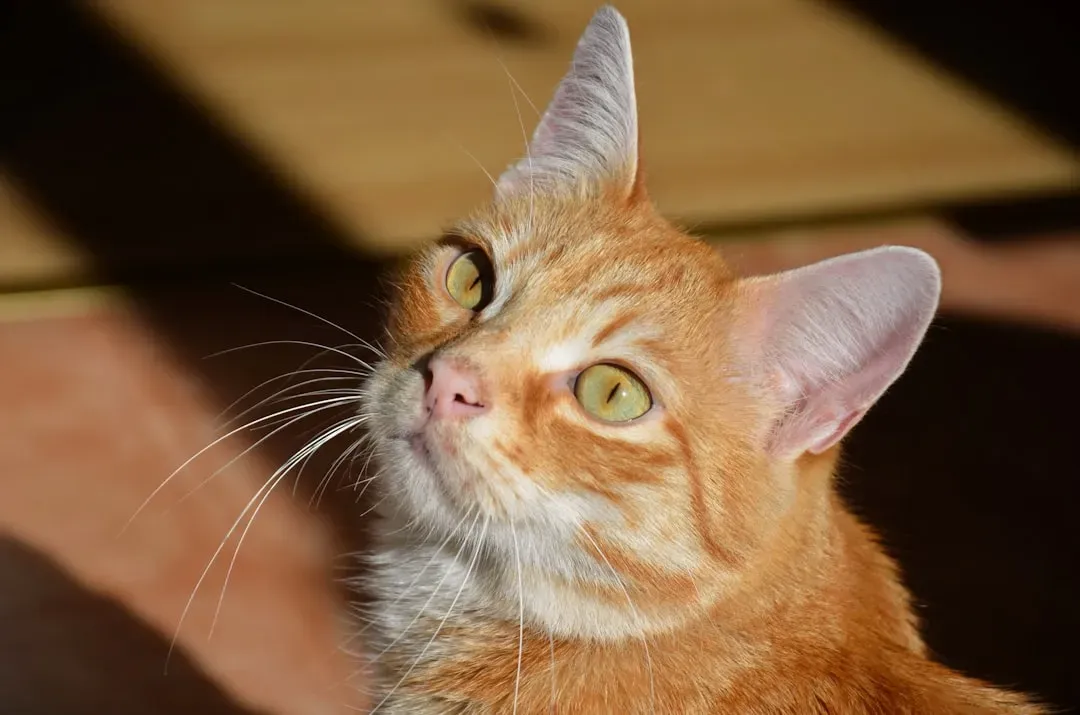
Your cat has never been silent. Cats use body language and movement to communicate a wide range of feelings and information. They’ve been directing a steady stream of signals at you all along, through their tails, their ears, their eyes, and their voice, hoping you’d eventually catch on.
Fluency in cat body language can enhance the bond between cats and their owners and improve feline wellbeing. By fostering this understanding and keeping informed through ongoing research, cat owners can ensure they provide the best possible care. The more you tune in, the more you realize that living with a cat is less like owning a pet and more like sharing a home with a quiet, perceptive being who’s been trying to talk to you this whole time. All it takes is learning how to listen.
Kristina is a young writer from India. An arts graduate and an avid content creator, Kristina is passionate about animals and wildlife. She enjoys exploring topics related to pet care, animal behavior, conservation, and nature, combining thorough research with engaging storytelling.