Cats have a reputation for being mysterious, and honestly, that reputation is well earned. They don’t advertise their emotions the way dogs do. You won’t find them wagging their tails or bounding toward you the moment you walk through the door, at least not in the same obvious way. Their comfort tends to show up quietly, in small, easy-to-miss moments woven into everyday life.
Cats communicate largely through body language and subtle behaviors, which can make it genuinely hard to know if they’re content in their home. The good news is that once you know what to look for, the signals become surprisingly readable. Your cat may already be telling you something important, and you might have been missing it all along.
They Sleep Out in the Open Without a Care
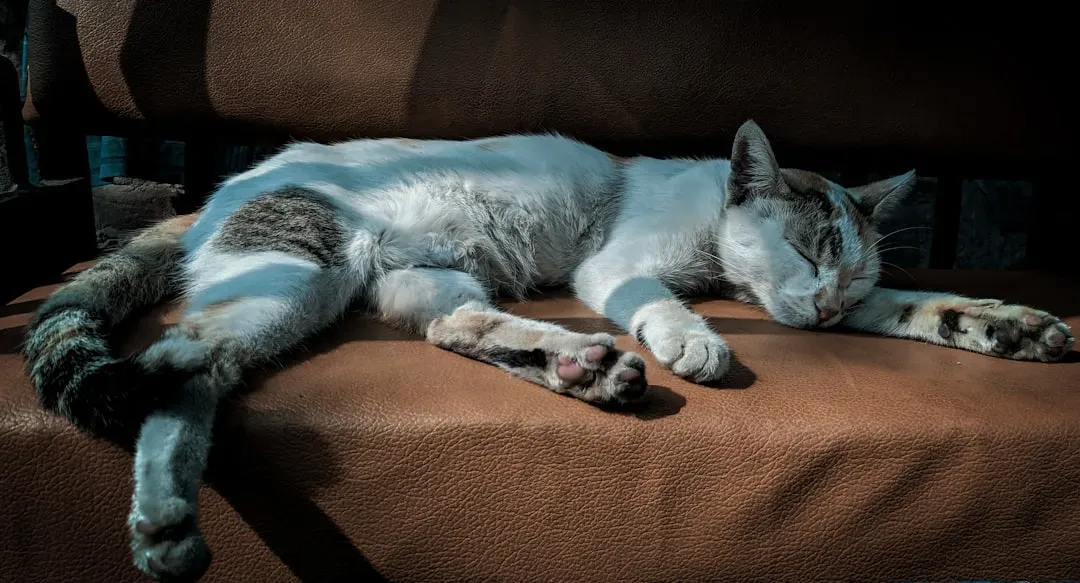
There’s something quietly wonderful about watching your cat stretch out in the middle of the living room floor, completely unbothered. Cats that are nervous or anxious often hide or seek out secure spots when it’s time to sleep. In contrast, a cat that feels safe and comfortable in their home will confidently sleep in vulnerable positions, like lying in the middle of the living room with their belly fully exposed.
Cats are naturally cautious about where they nap. In the wild, they’d hide away to avoid predators. So when your cat chooses the middle of the bed, the arm of the couch, or even the sunny spot on the floor to snooze, it’s a sign of deep trust. If your cat can drift off in an exposed space without so much as twitching an ear, you’ve genuinely created a place where they feel no need to stay on guard.
They Give You the Slow Blink
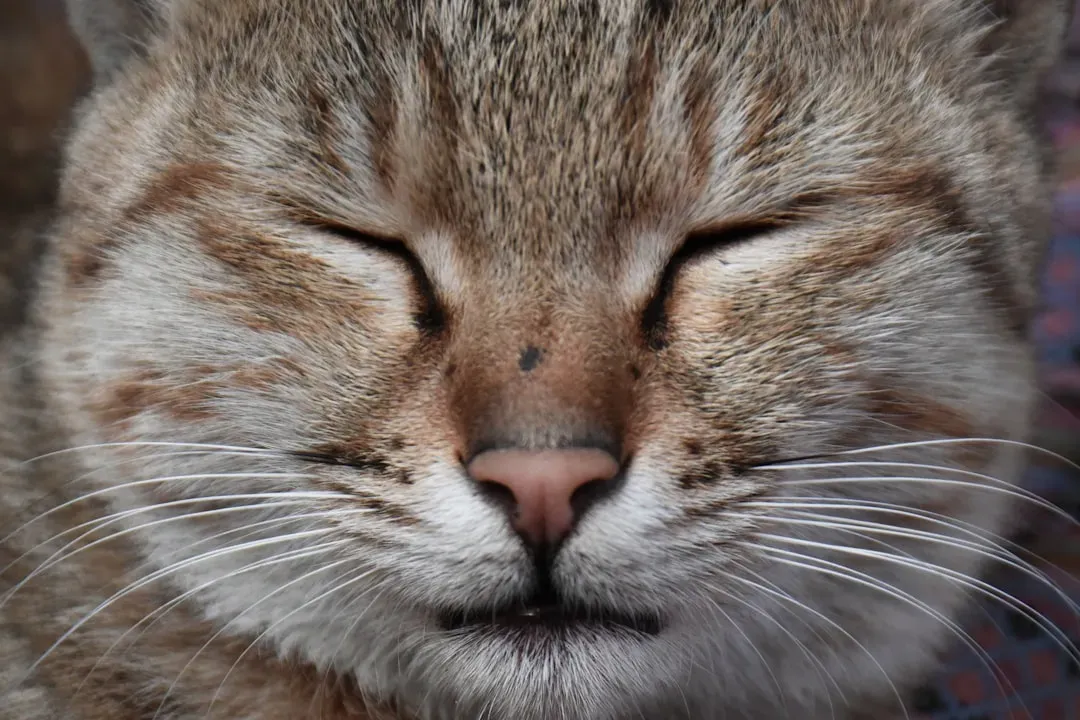
Slow blinking is one of the most heartwarming signals in cat body language. Often called a “cat kiss,” this gesture reflects trust and relaxation. Many cats will return the gesture if you slow blink at them first. It’s a quiet, almost meditative form of communication that most people walk right past without realizing its significance.
Slow blinking is one of the most reliable affection signals cats exhibit. When cats look directly at you and slowly close and open their eyes, the message translates roughly to “I love and trust you.” If your cat is telling you through their body language that they feel comfortable and relaxed around you, you can tell them the same. Slowly blink at them and move your head slightly to the side. If you’re lucky, your cat will do the same back.
They Knead on You or Their Favorite Spot
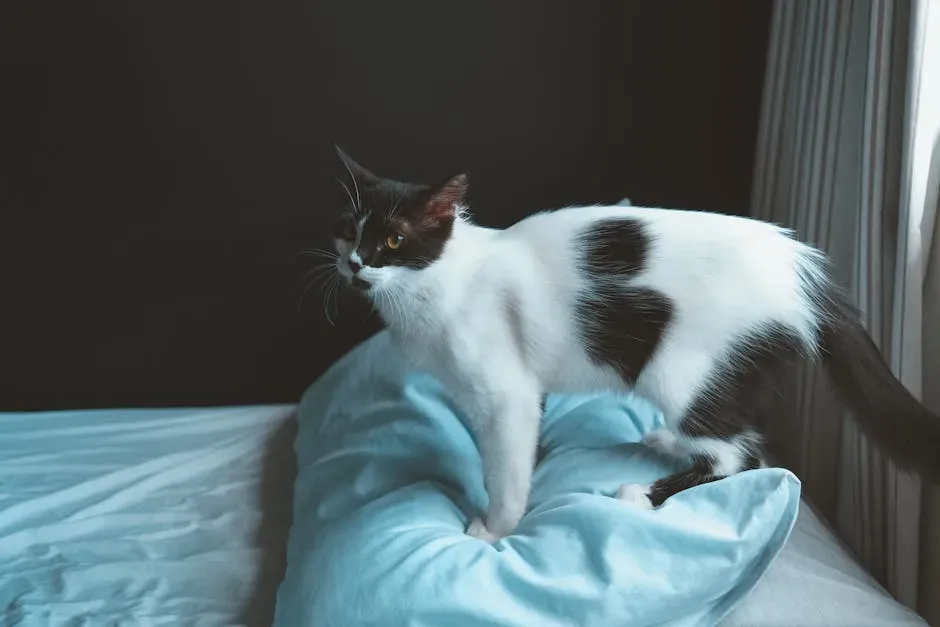
Kneading, often called “making biscuits,” is an instinctive behavior that starts in kittenhood. When your cat rhythmically presses their paws into your lap, a blanket, or even your chest, they’re showing deep comfort and trust. This action is soothing for them, and it’s a throwback to the nurturing bond with their mother.
When grown cats knead, it usually means they feel super safe and relaxed around you. It’s a cozy, happy behavior that shows your kitty really trusts their home and you. Pay attention to where your cat tends to knead most often. That spot, whether it’s your lap or a particular blanket, essentially functions as their personal comfort zone within your home.
They Groom Themselves Calmly in Your Presence
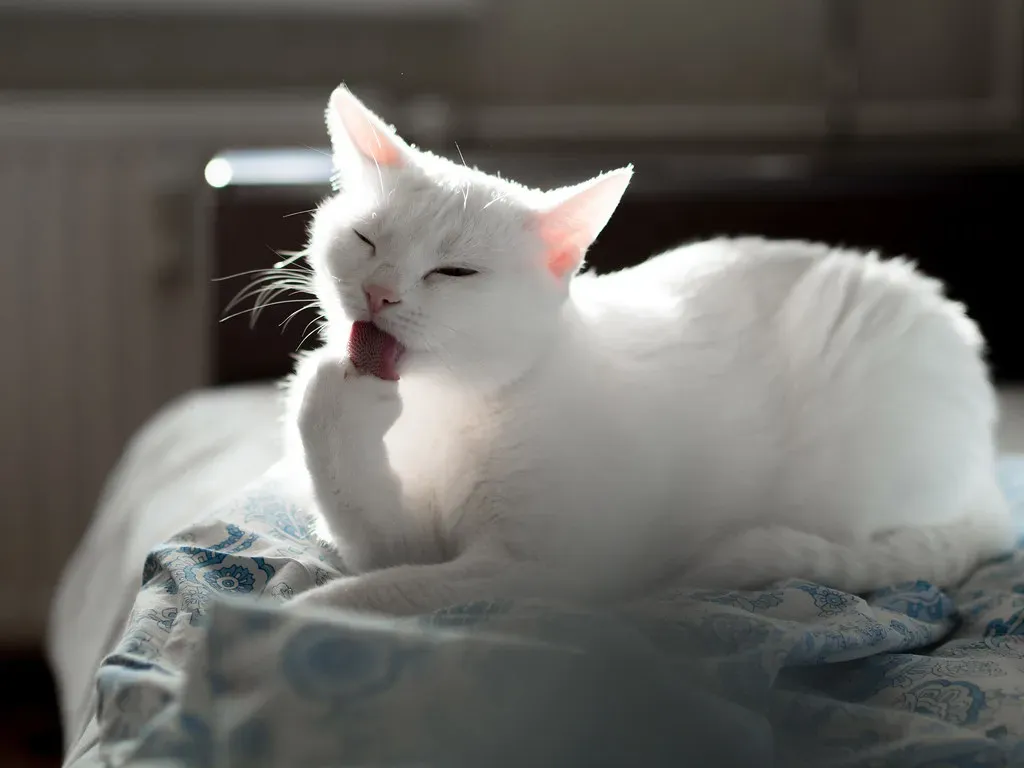
Cats are meticulous about their grooming, but they only do it when they feel comfortable. If your cat is licking its fur or even grooming you or other pets in the household, it’s a strong sign of security. Open grooming means they aren’t worried about being caught off guard.
Cats are famously fastidious about their grooming, but they only do it openly when they feel secure. If your cat calmly licks their fur or even grooms you while you’re nearby, it’s a strong indicator of trust. Sometimes, they’ll offer you a few licks on your hand or arm, sharing the grooming ritual as a sign of affection. It’s one of those behaviors that looks completely ordinary but is actually saying quite a lot.
They Bring You Their Prized Possessions
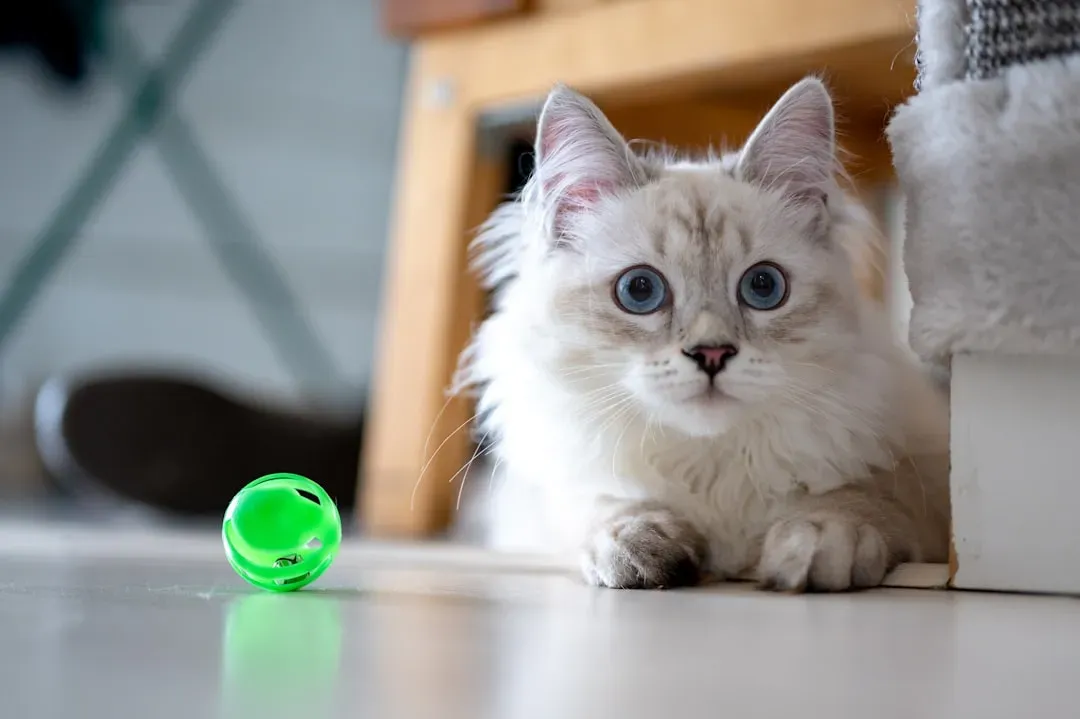
Does your cat ever drop a toy mouse at your feet, or even bring in something from the outdoors? While it might not be your favorite surprise, this behavior is actually a sign your cat sees you as part of their family. In the wild, cats bring prey to those they trust and care for. When your cat proudly presents you with a “gift,” they’re sharing and expressing security in your relationship.
This behavior is easy to dismiss or misread, but it deserves more credit than it usually gets. Your cat isn’t just depositing a random toy at your feet. They’re treating you the way a cat in the wild would treat a trusted companion, someone worth sharing resources with. It reflects a sense of ownership and belonging in the home that goes deeper than simply tolerating their surroundings.
They Follow You from Room to Room
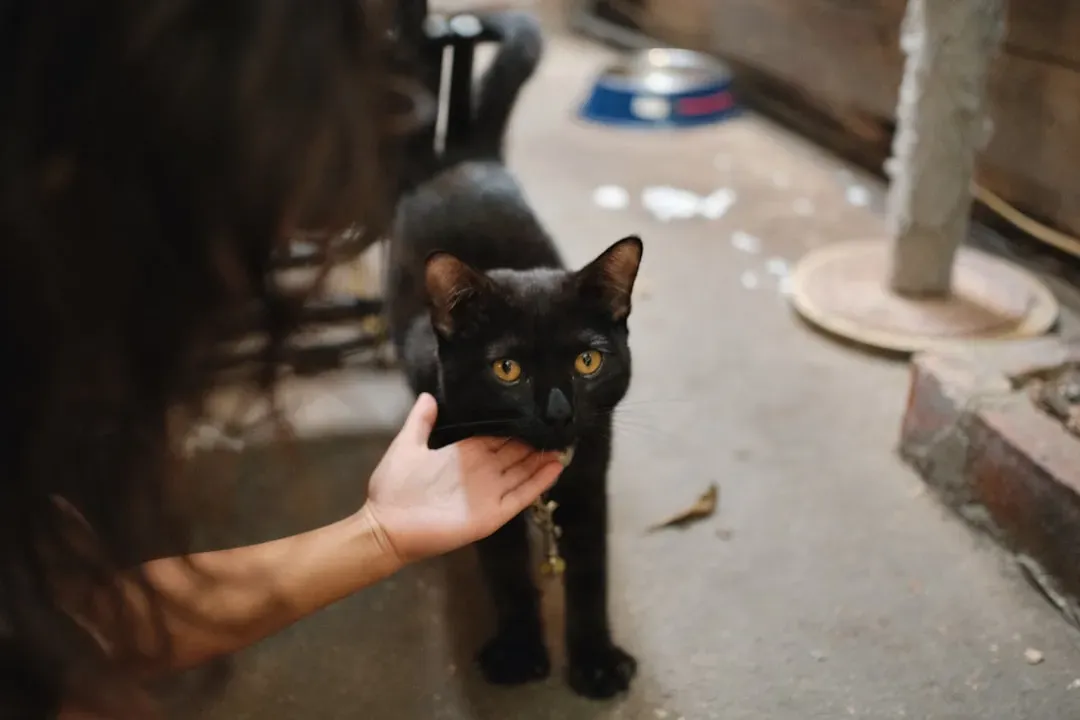
If you have a little shadow that follows you from room to room, take it as a huge compliment. Cats that feel safe often want to be close to their favorite humans, even if they’re just lounging nearby. Your cat might settle on a windowsill while you work, perch on the bathroom mat while you shower, or sit quietly beside you during movie night. This behavior shows that your cat enjoys your company and feels secure enough to want to be part of your world.
If your cat chooses to spend the majority of their time in the same room as you, that’s a good indicator that they feel safe. This doesn’t necessarily mean they are always cuddled up next to you, as some cats simply don’t like being touched. Given the option, though, a cat who feels safe with you will usually choose to at least be in the same room as you, rather than off on their own.
They Display Soft, Relaxed Body Language Throughout the Day
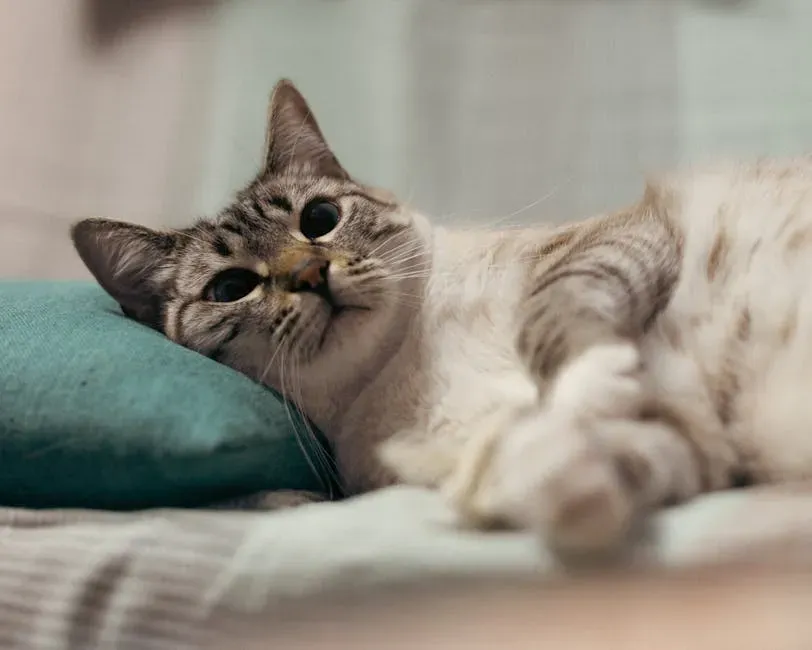
A peaceful cat’s body language is unmistakable. You’ll see loose, relaxed muscles, a tail that lies softly rather than puffed or twitching, and ears facing forward or slightly to the side. Sometimes your cat may sprawl out, taking up more space than you thought possible, or curl into a loose ball. Their eyes might be half-closed, giving them a dreamy, serene appearance.
When a cat feels secure, their body language changes in gentle but noticeable ways. Learning to recognize those signs strengthens your bond and helps you create an emotionally supportive environment. Neutral, relaxed whiskers suggest calm, comfortable cats. Whiskers pulled back against faces indicate fear or defensiveness. Forward-positioned whiskers show interest, curiosity, or hunting focus. When everything from tail to whiskers reads as calm, your cat is essentially signing off on your home as a place they genuinely feel at peace.
The Quiet Language of a Contented Cat
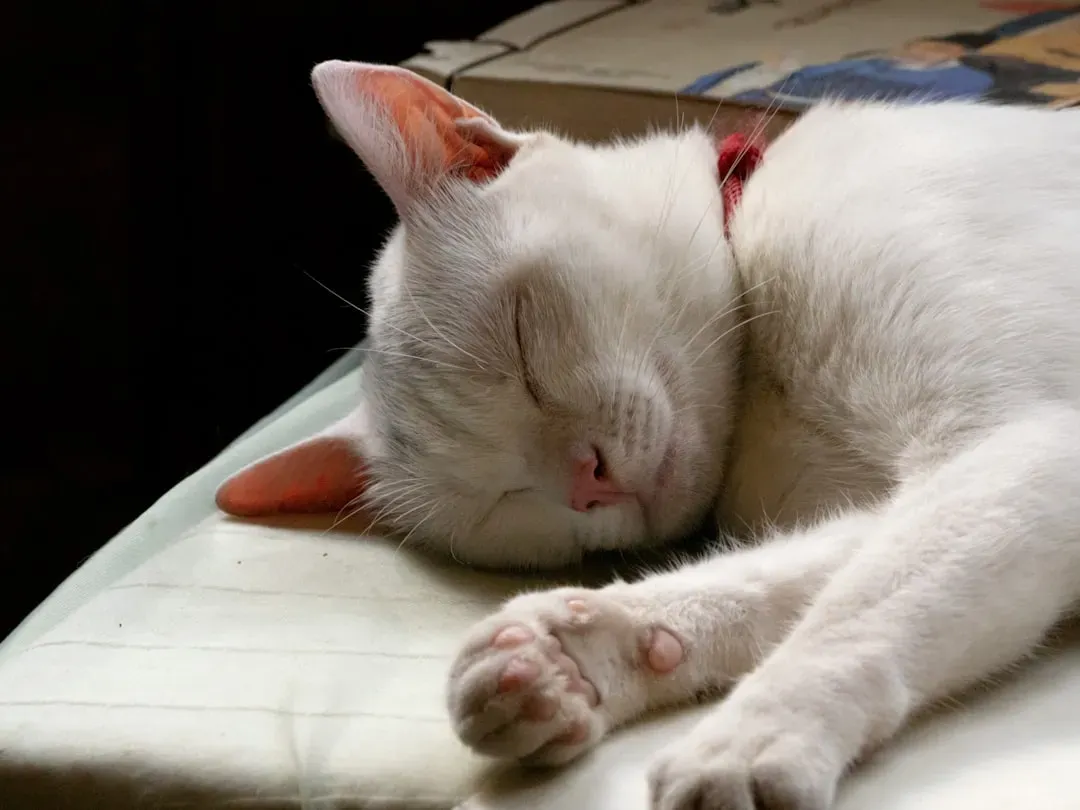
Most of these signs ask nothing dramatic of your cat. They don’t require an elaborate greeting or a theatrical display of affection. They show up in the unhurried way your cat stretches across the sofa, in the blink that lasts just a half-second too long, or in the soft thud of a toy left at your feet.
Cats thrive on predictability. Consistent feeding, playtime, and sleeping patterns strengthen emotional balance. Cat behavior psychology shows that predictability reduces uncertainty. The comfort your cat displays isn’t just about your house as a physical space. It’s about the rhythms and routines you’ve built together inside it.
A cat that treats your home as its ultimate sanctuary is one of the quietest, most genuine forms of trust an animal can offer. You don’t need them to say it out loud. They already are.
Kristina is a young writer from India. An arts graduate and an avid content creator, Kristina is passionate about animals and wildlife. She enjoys exploring topics related to pet care, animal behavior, conservation, and nature, combining thorough research with engaging storytelling.