Most cat owners assume they know their pet pretty well. You fill the bowl, you offer the occasional scratch behind the ear, and you’ve accepted that your couch is basically communal property now. But beneath those everyday routines, your cat is communicating, claiming, coping, and connecting in ways that most of us never fully register.
The items scattered around your home, things as ordinary as a cardboard box or a window ledge, are rarely just objects to your cat. They’re tools, territory, emotional anchors, and outlets for instincts that trace back millions of years. Once you start reading these interactions a little more carefully, your cat begins to make a whole lot more sense.
Your Sofa: A Billboard of Ownership
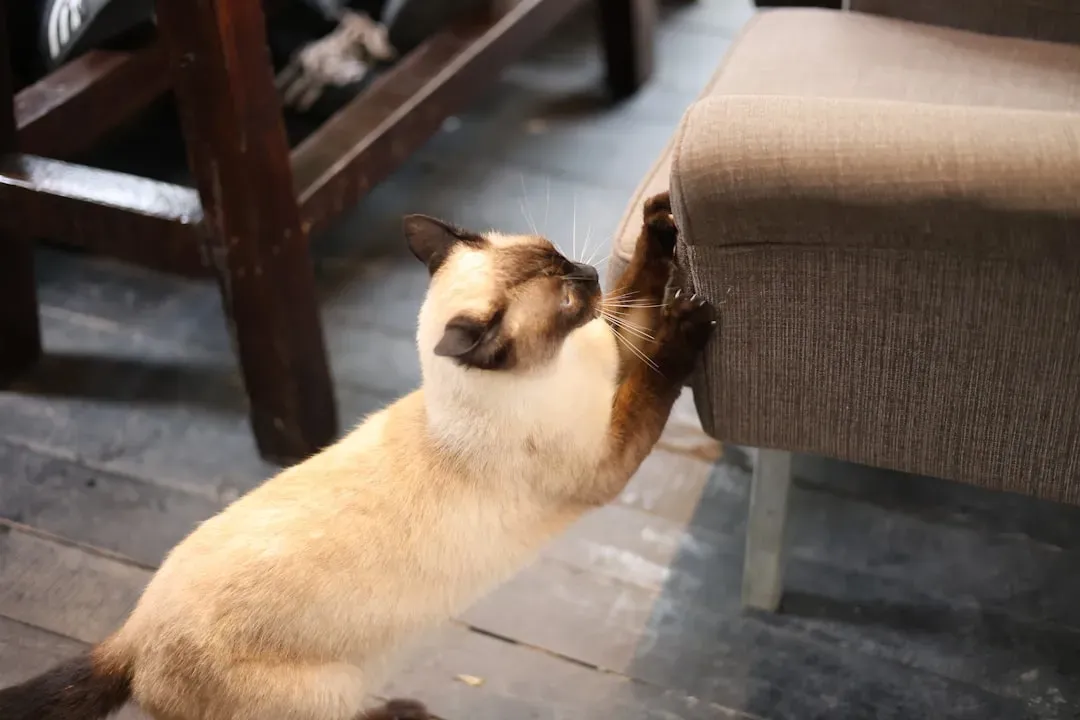
When your cat digs its claws into the arm of your sofa, it’s not staging a personal vendetta against your furniture choices. Cats’ paws contain scent glands, and when they scratch objects, they release both a visible and a chemical scent marker that identifies their territory in the home. Your sofa, being large and central to your living space, is practically prime real estate for this kind of declaration.
Scratching also serves as a form of natural claw maintenance. A cat’s claw is made of keratin, composed of several layers, and when your cat scratches, the older layers peel off to reveal newer, sharper claws underneath. So the next time you notice shredded fabric near the armrest, you’re looking at both a territorial marker and a grooming session rolled into one. It’s efficient, if not exactly decorative.
The Cardboard Box: A Fortress, Not Just Packaging
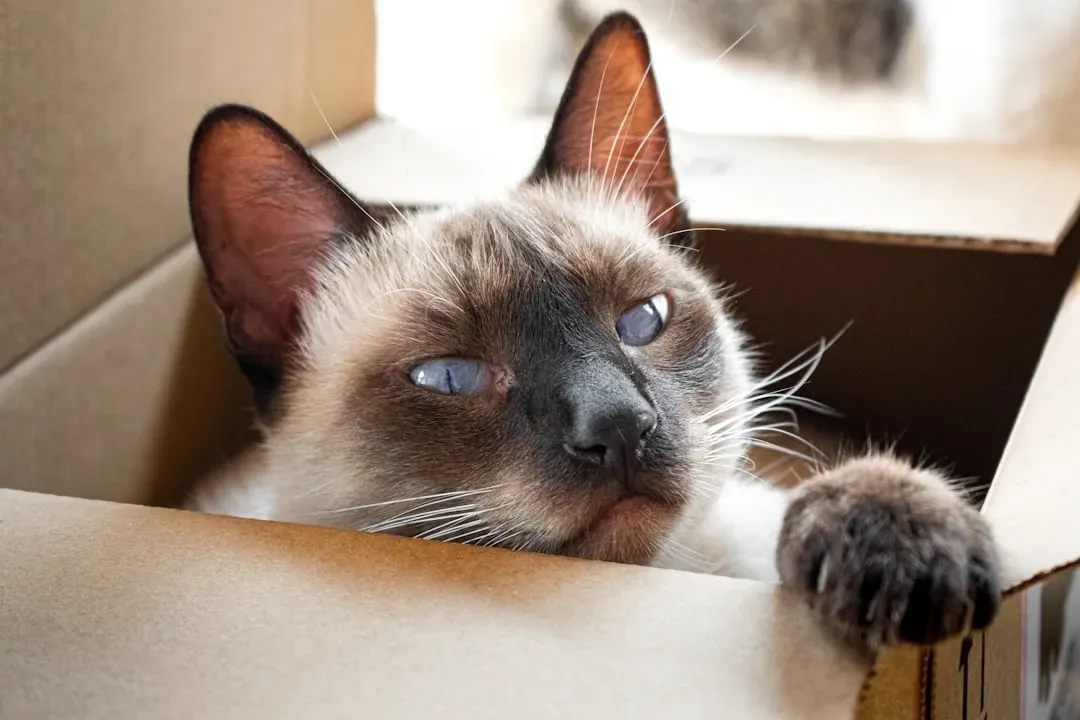
You order something online, set the box on the floor for two seconds, and suddenly your cat is inside it like they’ve been waiting for it their whole life. Cats’ love for boxes has deep-seated psychological reasons: the enclosed, den-like space simulates a hiding spot in the wild, offering a retreat from the outside world where cats can observe their surroundings while feeling protected. It’s not quirky behavior. It’s survival logic dressed up in domestic clothing.
A study from the University of Utrecht in the Netherlands showed that newly arrived shelter cats who had access to boxes recovered faster and adapted more quickly to their new environment compared to cats who did not have access to boxes, because the boxes offered an opportunity to hide and provided comfort and security. That plain brown box you’re about to recycle is, to your cat, a genuine stress-relief tool with ancient roots.
Door Frames and Furniture Corners: The Scent Map of Your Home
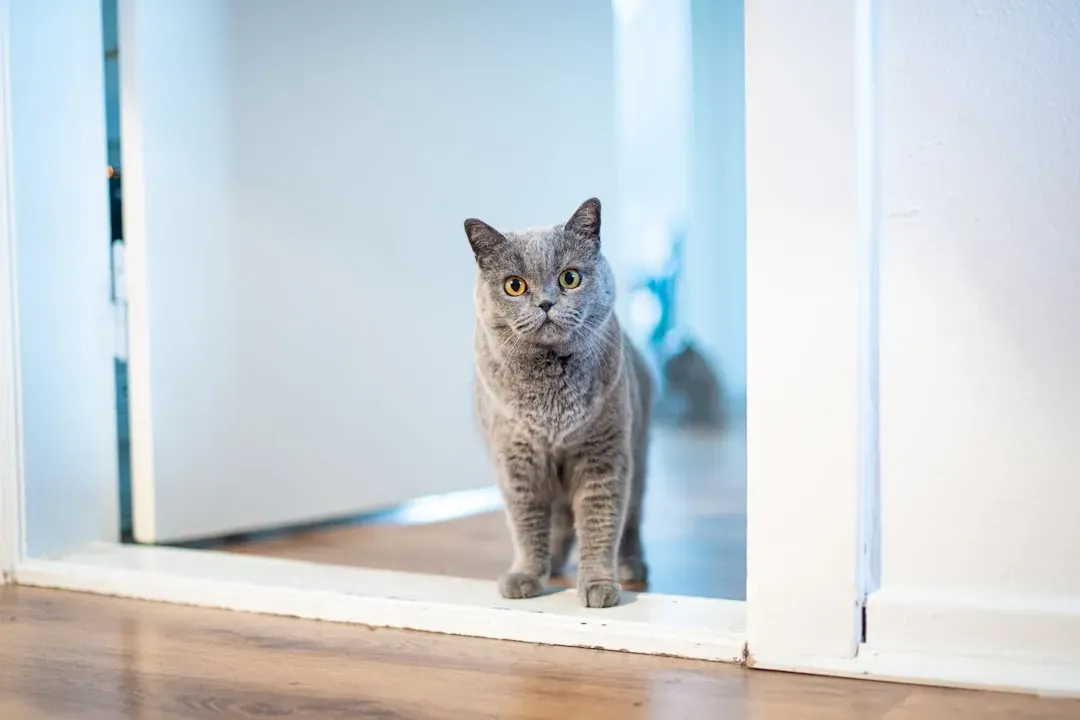
You’ve probably noticed your cat casually rubbing their face along a door frame or the corner of a table as they walk past. It looks nonchalant, almost accidental. Cats are highly territorial animals, and scent marking is one of their primary ways of establishing boundaries. They have scent glands located in multiple areas including their cheeks, forehead, paws, flanks, and the base of their tail, and when a cat rubs its face against furniture or doorways, it deposits pheromones that signal ownership and familiarity.
When a cat is comfortable with their surroundings, they release feline facial pheromones during facial rubbing in order to leave those pheromones on the objects around them. These secretions can communicate information about the animal’s age, sex, and identity to other cats. In other words, your door frame is not just architecture. For your cat, it’s a personal signature written in a language only other felines can read.
Your Lap and Soft Blankets: Where Kittenhood Lives On
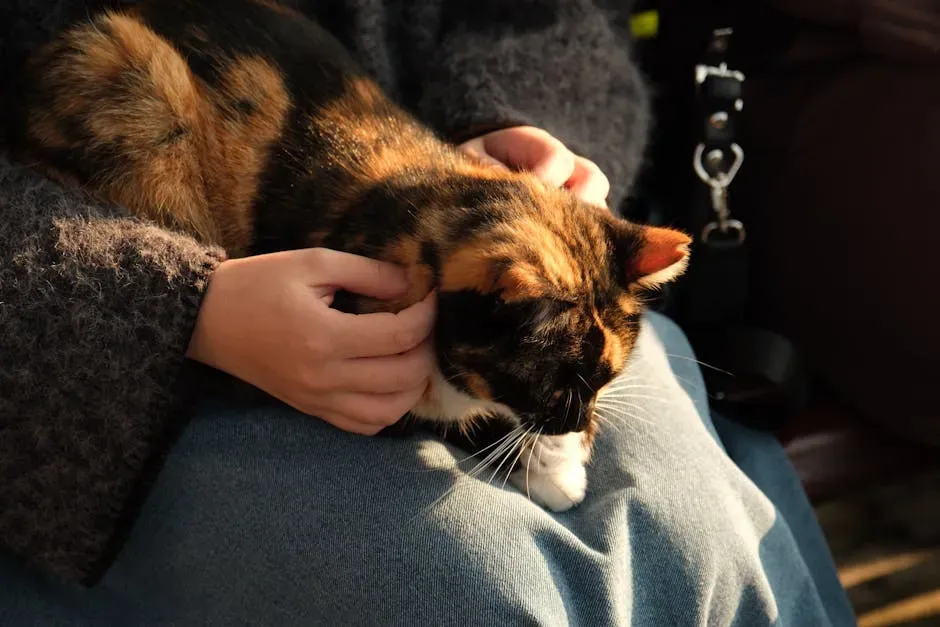
If your cat climbs onto your lap and starts rhythmically pressing their paws into you, you’re witnessing something that goes all the way back to their earliest days. Baby kittens knead their mother’s belly to stimulate milk production, and even though your adult cat knows you’re not lactating, the behavior sticks around as a comfort mechanism. When your cat kneads you, they’re communicating that they feel safe and content.
Because cats have scent glands in their paws, kneading also serves as a territorial marker. Your cat is literally claiming you as their own personal property. So yes, that slightly painful rhythmic pressing is a layered act of love, nostalgia, and ownership all at once. It’s probably the most affectionate thing that ever leaves tiny claw marks.
The Scratching Post: A Confidence Statement in Sisal
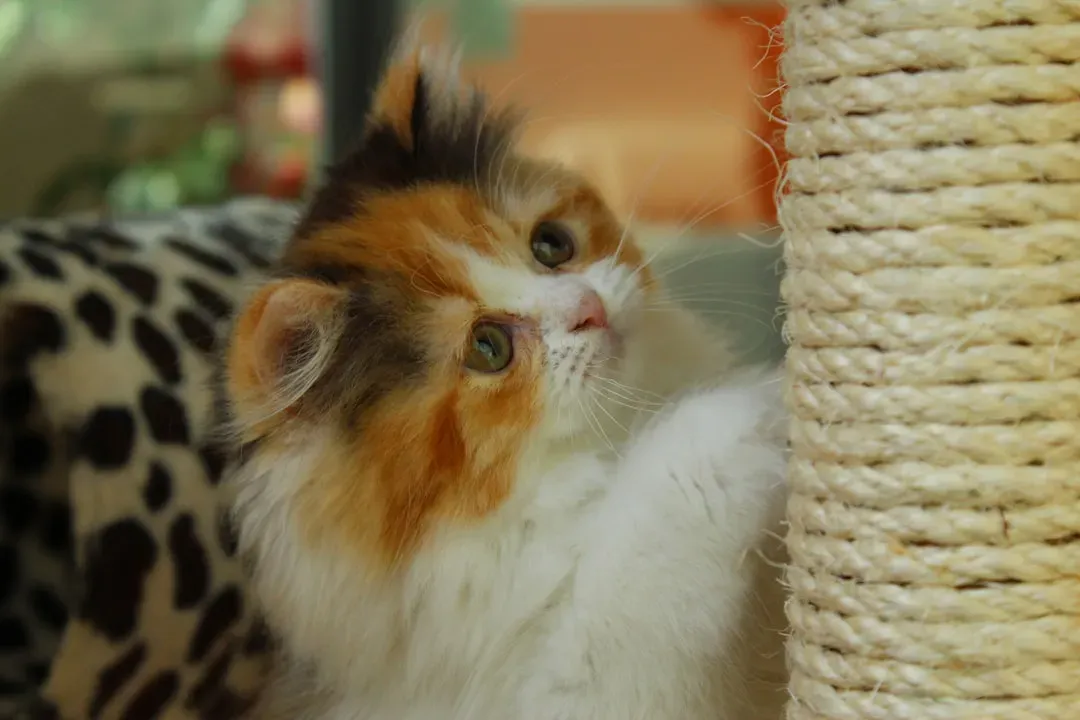
Cats scratch to maintain healthy claws, exercise the muscles in their front legs and spine, and as a form of territorial communication and marking behavior. Kittens start to scratch from around five weeks of age. By the time your cat is an adult, scratching is as natural and necessary as stretching after a nap. The post isn’t just a piece of pet furniture. It’s a working tool for both physical and emotional wellbeing.
Cats will often scratch vigorously in the presence of their owners or other cats as a sign of territorial confidence. If the scratched locations are widespread throughout the home, particularly around doorways and windows, your cat may be signalling a general sense of insecurity. Where your cat chooses to scratch, and how often, can actually tell you quite a bit about how settled or anxious they’re feeling at any given time.
The Window Ledge: Control Tower and Hunting Simulation
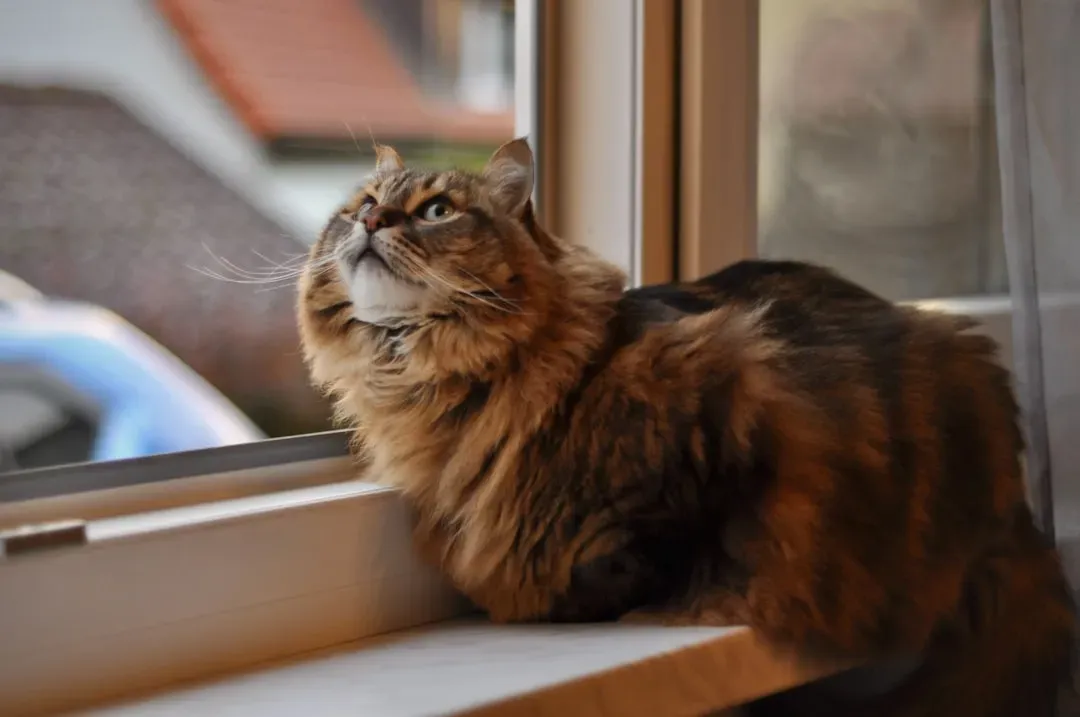
Your cat’s devotion to the window is not just passive entertainment. Cats love seeking high places because they feel more secure and comfortable there. The height gives them the confidence to look over and observe their environment. From their elevated perch, they’re not just watching birds, they’re running surveillance on their territory and maintaining a mental map of everything happening outside.
The clicking or chattering sound your cat makes while watching birds through the window is one of the most fascinating feline behaviors. Scientists aren’t entirely sure why cats do this, but the most popular theory is that it’s connected to their predatory instincts, with some researchers believing the chattering mimics the rapid jaw movements a cat would make when delivering a killing bite to prey. Your cat staring at a pigeon with their jaw vibrating is, in its own way, deeply primal.
Your Clothing and Personal Items: Scent Anchors They Actually Need
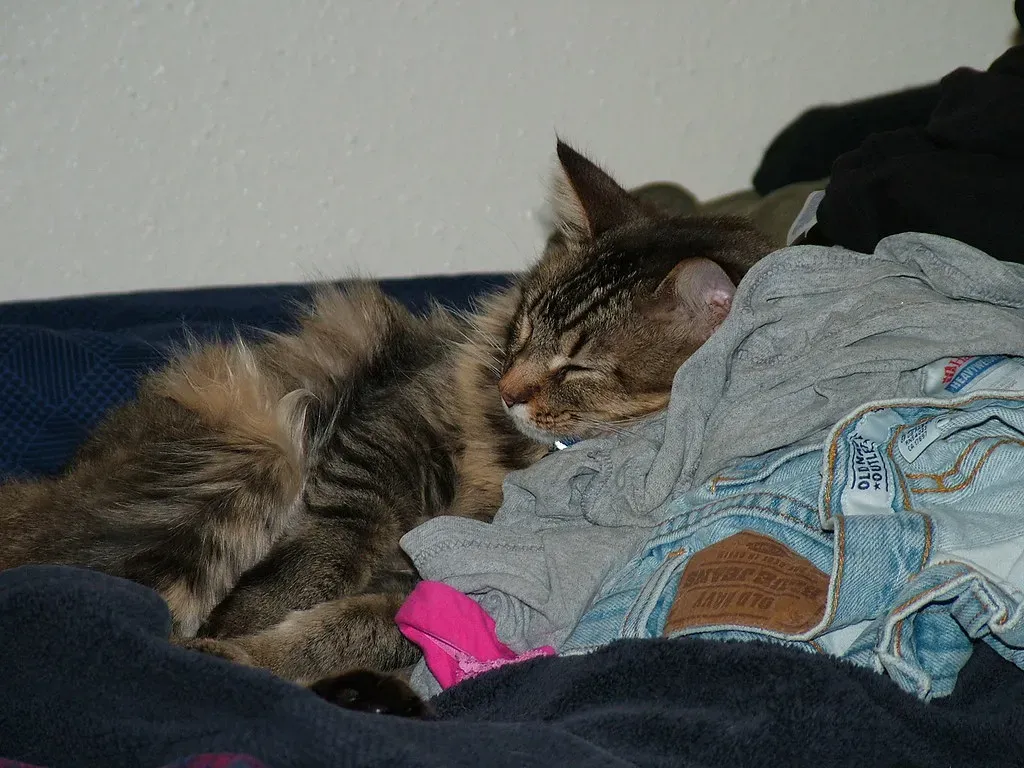
When your cat curls up on a worn T-shirt or drapes themselves across your jacket on the floor, it’s not random. Once you come home from being out in the world, your cat’s personal scent on you has faded. So they may want to mark you again by rubbing, headbutting, licking, or even gently biting you. This allows them to reclaim you, and it’s thought that these behaviors release endorphins, giving your cat a sense of calm, happiness, and safety.
This signature helps cats feel more secure by marking their surroundings as “safe” or “owned,” and it also plays a role in reducing stress and anxiety by reinforcing a sense of familiarity. Your unwashed laundry, the item you might feel vaguely embarrassed to leave on the floor, is genuinely calming for your cat. It smells like you, which to them is essentially the same as a security blanket.
Their Food Bowl: Territory Within Territory
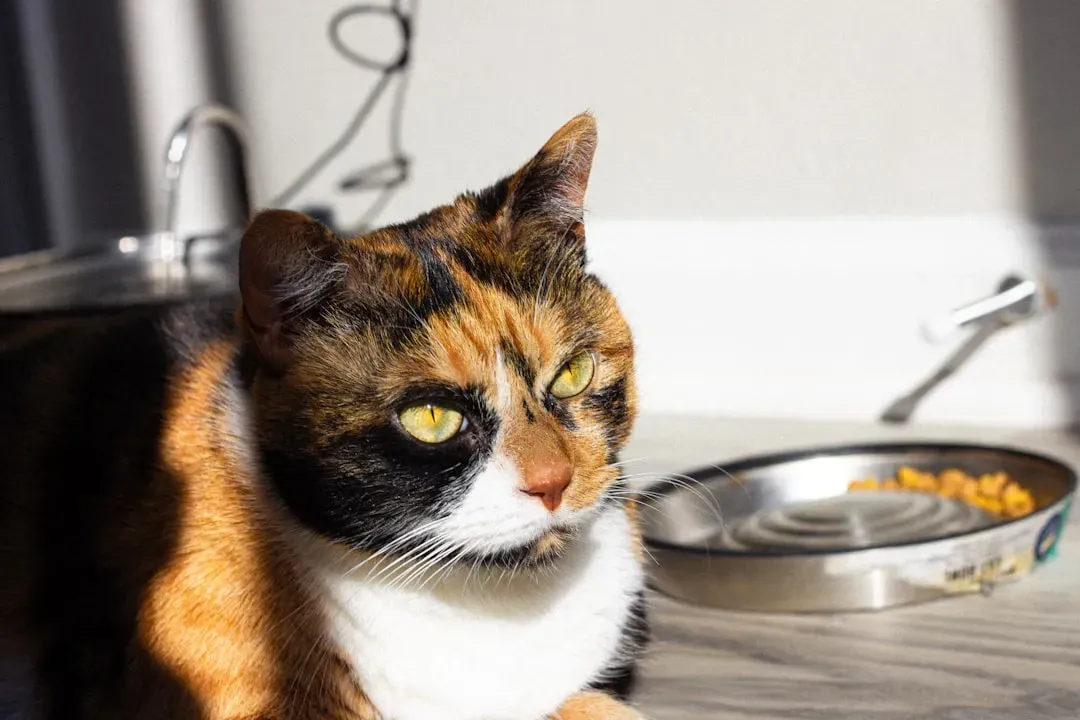
The food bowl might seem like the most transactional item in your cat’s life, but it carries more weight than you’d expect. If your cat is rubbing against the cabinet that contains their food or treats, it’s likely that they’re alerting you that they’re hungry. That rubbing is deliberate communication, a purposeful request spoken in the only language available to them. Ignoring it, as many cat owners discover, is rarely a viable option.
In your cat’s world, their food and water dishes are part of their territory, a secure place to stash their valuables, much as if they were in the wild, hiding prizes from potential predators. Cats approach their bowls with a sense of ownership that mirrors how they approach any valued part of their space. Placement matters too. Cats tend to prefer feeding spots that aren’t exposed or cramped, which speaks directly to their instinct to eat without vulnerability.
Conclusion
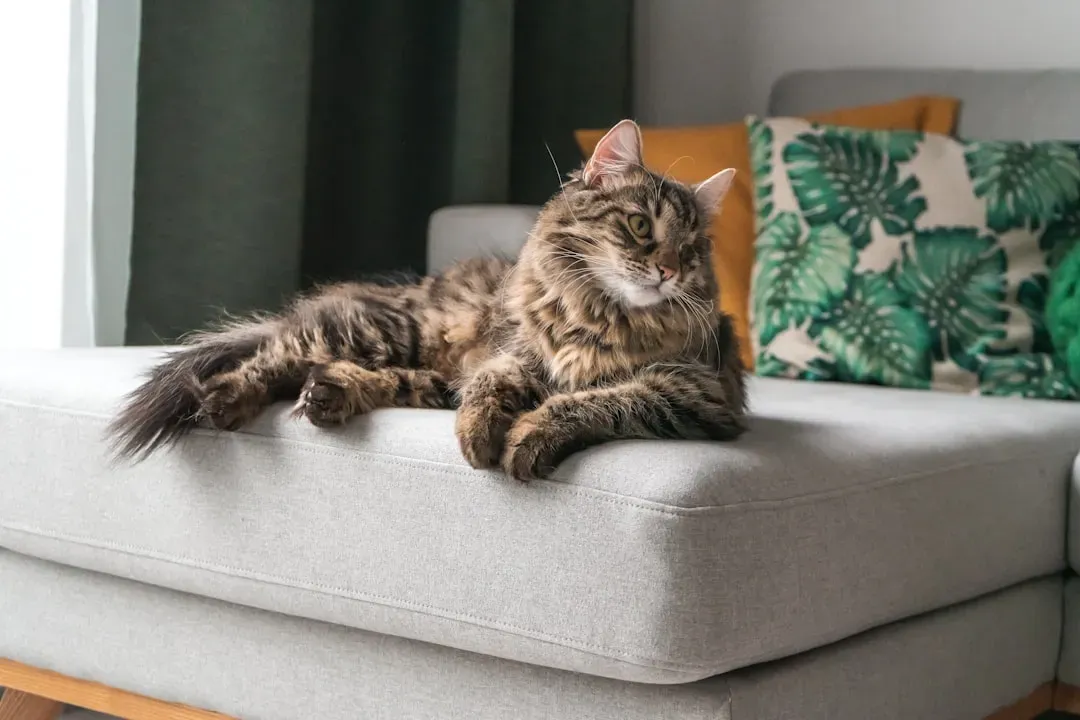
Every time your cat rubs against the sofa leg, squeezes into a box, or kneads your lap, there’s a coherent story behind it. From body language and vocalizations to playful activity and territorial instincts, each behavior reflects a cat’s emotional state and natural instincts, and learning to recognize these signals helps you respond appropriately and create a comfortable, supportive environment for your pet.
The objects in your home aren’t neutral to your cat. They’re a map of security, a canvas of communication, and a stage for instincts that no amount of domestication has fully quieted. You don’t need to redesign your living room, just pay a little more attention. The more you observe, the more you’ll realize your cat has been telling you quite a lot all along.
Kristina is a young writer from India. An arts graduate and an avid content creator, Kristina is passionate about animals and wildlife. She enjoys exploring topics related to pet care, animal behavior, conservation, and nature, combining thorough research with engaging storytelling.