You probably already know that coming home to a purring cat at the end of a long day feels good. What you may not know is that there’s a growing body of science to explain exactly why that is, and what it’s quietly doing to your body and mind in the background.
Cats have long been underestimated as health companions compared to dogs. Yet research tells a different story. While your feline friend may not always be good for your furniture, they likely contribute to your physical and mental health in more ways than most people realize. From your heart to your sleep to your ability to handle stress, here are ten genuinely surprising .
1. Your Stress Levels Drop, Often Without You Noticing
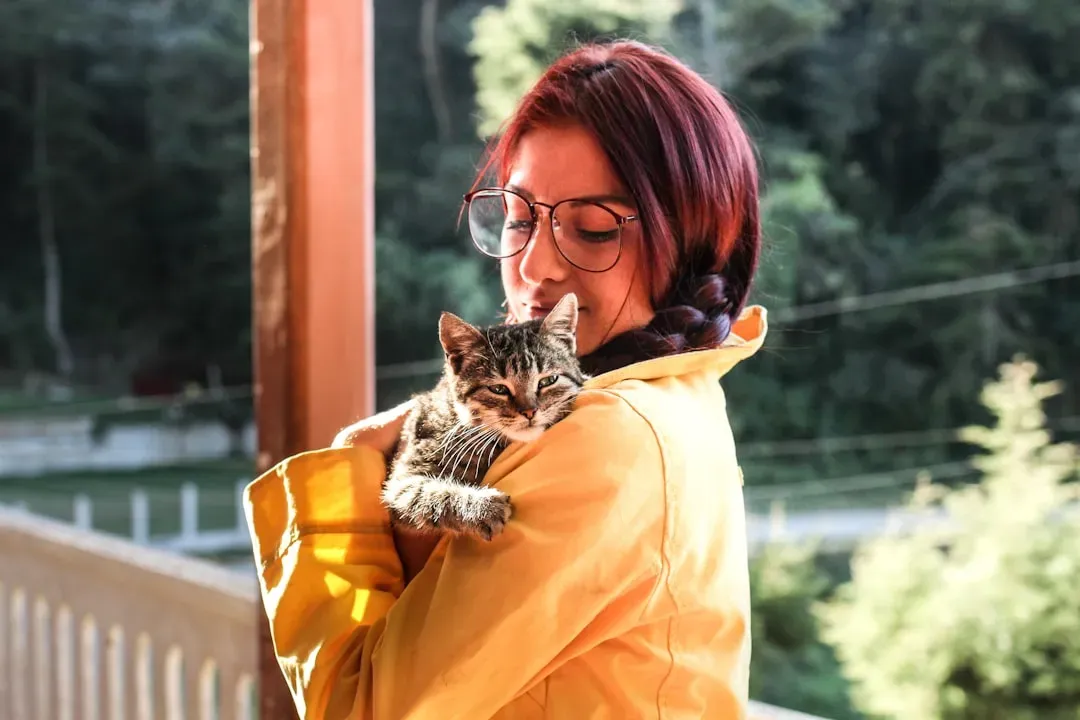
One of the most well-documented benefits of cat ownership is stress reduction, and it happens faster than you’d expect. In one study, college students who spent as little as 10 minutes per day petting a cat experienced decreased levels of cortisol, the hormone associated with stress. That’s a remarkably short window of time for a measurable biological effect.
Studies show that spending time with cats can reduce cortisol and boost oxytocin, a “feel-good” hormone that helps people relax. The softness of fur, rhythmic purring, or even the sound of a tail wagging provides grounding sensations that help people focus on the present moment rather than their worries. In other words, your cat isn’t just being cute. It’s physically recalibrating your stress response.
2. Your Heart Health Improves in Measurable Ways
This one tends to surprise people. The connection between cats and cardiovascular health is supported by some fairly rigorous data. One study published in the Journal of Vascular and Interventional Neurology found that cat owners have a lower risk of cardiovascular disease, including heart attacks. The presence of a cat is believed to create a calming effect, leading to reduced blood pressure and a decreased risk of hypertension.
After adjustment for differences in age, gender, ethnicity, systolic blood pressure, cigarette smoking, diabetes, and body mass index, a significantly lower risk for death due to heart attack was observed in participants with past cat ownership compared to those who had never owned a cat. Studies observing owners’ blood pressure during social interaction versus interaction with their cat found that cats help maintain a steadier, calmer heart rate, likely reducing strain on the cardiovascular system. That’s not something most people would associate with having a pet.
3. Your Cat’s Purr May Actually Heal You
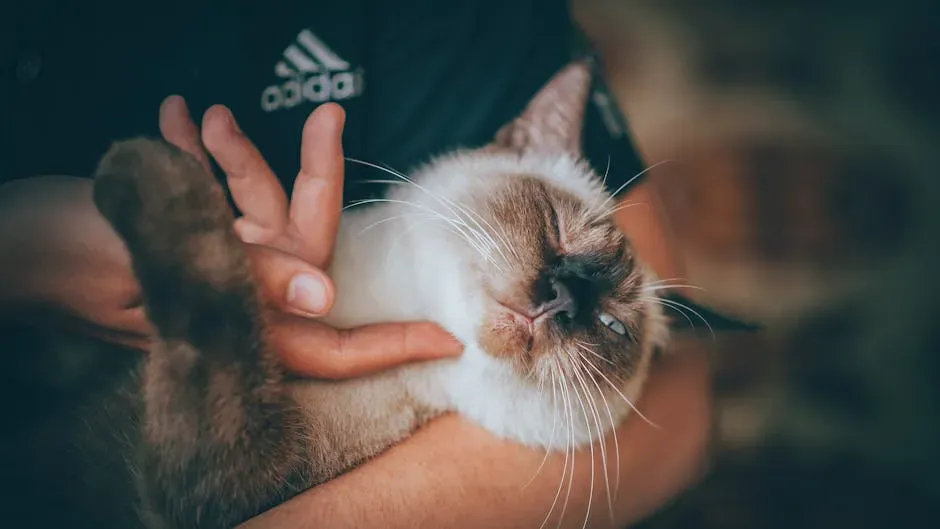
The purring of a cat is more than ambient noise. It turns out the frequency at which cats purr falls within a therapeutically significant range. A study reported by the Journal of the Acoustical Society of America stated that the frequency of a cat’s purr, somewhere between 25 and 150 Hertz, falls within the same range as vibrational and electrical frequencies used in therapeutic or clinical settings to treat pain, swelling, wounds, and other injuries.
The low-frequency vibrations of a cat’s purring are often used in sound therapy, a form of vibrational healing that applies specific frequencies to the body. These vibrations can help reduce inflammation, improve circulation, and stimulate the healing of damaged tissues. The repetitive sound of a cat’s purring has a calming, meditative quality that can reduce anxiety and promote mindfulness. You’re essentially getting a gentle therapeutic session every time your cat settles on your lap.
4. You Sleep Better with a Cat in the Home
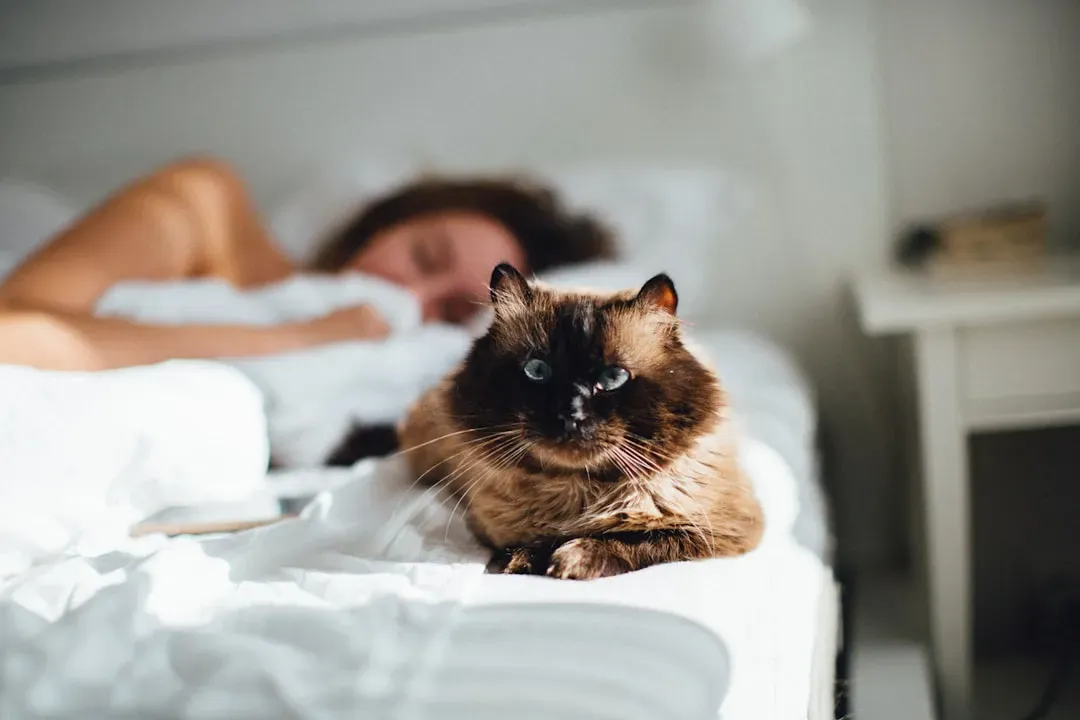
Sleep is one of those health foundations that everything else depends on, and your cat may be quietly improving yours. Sharing your space with a cat can actually improve your sleep quality. Having a cat in your bedroom can provide a sense of security and companionship, leading to better sleep. The rhythmic sound of a cat’s purring has a soothing effect, promoting relaxation and reducing stress levels, which in turn can aid in falling asleep faster and enjoying a deeper sleep.
According to one Australian study, cat owners do have better psychological health than people without pets. On questionnaires, they claim to feel more happy, more confident, and less nervous, and to sleep, focus, and face problems in their lives better. Of course, this doesn’t apply to everyone, particularly those who may have allergies or whose cats insist on treating a sleeping face as a landing pad at 3 a.m. Still, the overall pattern leans toward improved rest.
5. Your Mental Health Gets Quiet but Consistent Support

The mental health case for cat ownership is one of the more nuanced ones, but it’s real. Cat ownership is associated with lower levels of depressive symptoms and improved mood. In addition, cat owners have been found to laugh more frequently and spontaneously than non-owners, particularly in response to something their cat has done. Laughter might seem like a small thing, but its effects on mental resilience are well established.
In a poll by the American Psychiatric Association, the vast majority of respondents reported that their cats had a positive impact on their mental health, providing a calming presence and helping reduce stress and anxiety. Caring for a cat helped people lower levels of stress, better manage their emotions, and even increased their ability to handle difficult life circumstances. That’s a quiet form of daily therapy that requires no appointment.
6. Your Brain Stays Sharper as You Age
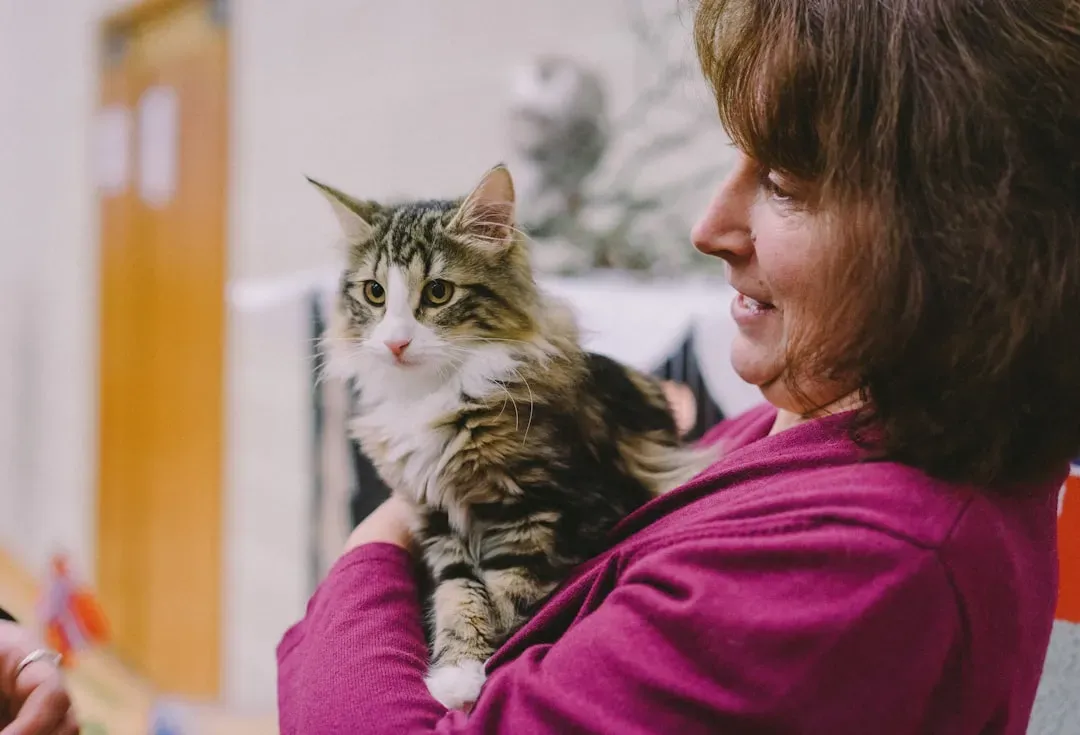
Cognitive decline is something most people worry about but feel they have little control over. Your cat may give you a modest edge here. Owning a dog or cat might help keep your brain sharp as you age, according to a study published in Scientific Reports. Researchers examined 18 years’ worth of data from 16,582 people aged 50 and older and assessed the link between pet ownership and cognitive decline.
Cat owners in particular experienced a slower decline in verbal fluency, which is the ability to easily and rapidly produce words. That’s a specific, measurable cognitive benefit tied directly to having a cat around. Research has also shown that cats have positive effects on their owners’ physiological and psychological health, including improved mood and activation of the human prefrontal cortex and inferior frontal gyrus in the brain. The long-term implications of that kind of brain activation are still being studied, but the early indicators are promising.
7. Your Sense of Purpose Grows in Small but Meaningful Ways
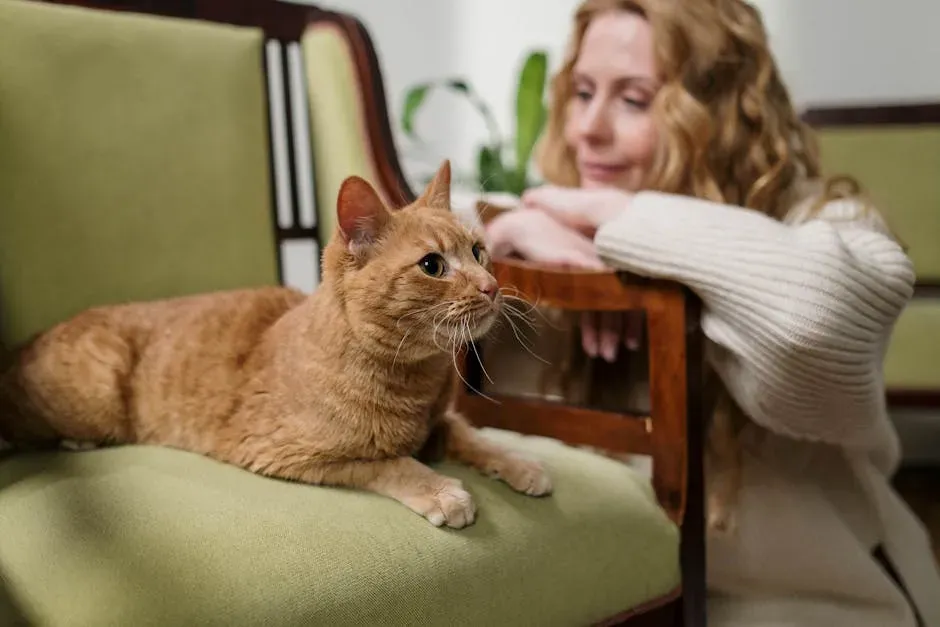
Purpose is one of the more underrated pillars of long-term health. Having something that depends on you, even something as self-sufficient as a cat, changes your orientation toward the day. A cat can help reduce feelings of loneliness while also providing the stability of a routine. Having someone else to take care of can give your life a sense of focus and meaning, even in the smallest ways.
Pets often give people a sense of identity and responsibility. Knowing that an animal depends on you for food, shelter, and love fosters a sense of purpose, which psychologists link to resilience against anxiety and depression. Having a cat helps establish a structured routine, which can be beneficial for mental health and time management. Cats thrive on routine feeding times, play schedules, and grooming, which in turn encourages their owners to maintain a regular daily schedule. This structure can help with productivity and create a sense of normalcy and stability in everyday life.
8. Your Social Skills and Relationships Can Improve

This benefit is probably the one most people would rank as least likely. It turns out that owning a cat can influence how you relate to other people in meaningful ways. Research has found that cat owners are more socially sensitive, trust other people more, and like other people more than people who don’t own pets. The cross-species bond seems to carry over into human relationships.
This cross-species bonding may benefit human-to-human relationships. For cat lovers, their cats can be part of their social network, and when someone, human or animal, makes you feel good and connected, it builds your capacity for kindness and generosity. This boost in social health may contribute to improved physical and mental health. People experiencing loneliness or social isolation are more likely to develop heart disease, dementia, and depression. So in an indirect but genuine sense, your cat may be keeping those risks at bay.
9. Children in Your Home May Build Stronger Immune Systems

If you have kids, the presence of a cat in the household during their early years may be doing something useful at the immune system level. Scientific research has demonstrated the positive impact of early exposure to pets on the development of allergies and asthma later in life. In a study of lifetime cat exposure and sensitization, teenagers who lived with a cat during the first year of their life had a significantly lower risk of cat allergy than their peers. Overall, teens with an indoor cat in the first year of life had a decreased risk of being sensitized to cats.
Exposure to cat dander and fur early in life helps children build resistance to allergens, reducing their chances of allergic reactions later on. The microbiomes introduced by cats can also stimulate the immune system, helping the body adapt to various allergens and pathogens. It’s worth noting that the research here is still developing and individual outcomes vary based on genetics and timing. Pet exposure during the first year of life was associated with a lower prevalence of allergic rhinitis and asthma in school-age children across multiple studies, which is a trend worth knowing about.
10. Your Loneliness Decreases, Even During Hard Times
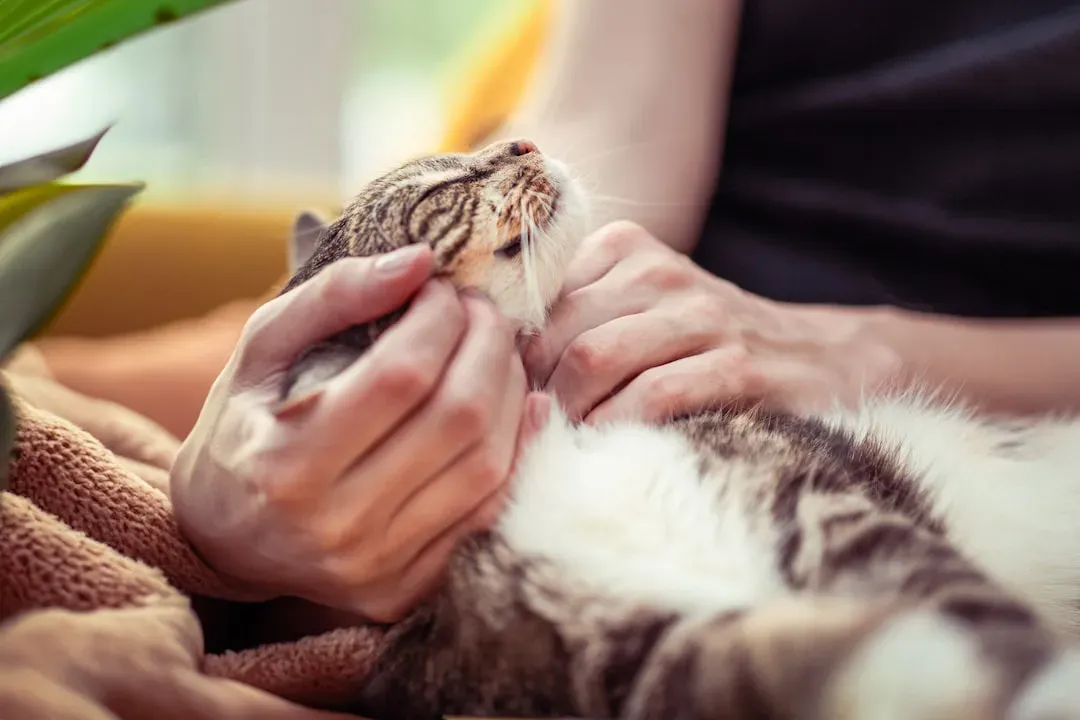
Loneliness is increasingly recognized as a serious health issue. It’s linked to a range of physical and psychological conditions, and cats offer a form of companionship that doesn’t ask for anything complicated in return. Cats aren’t simply small beings who are dependent on us. We also receive comfort from them. There’s even a scientific scale that measures how much emotional support you get from your cat, based on how likely you are to seek them out in different stressful situations. Cats offer a constant presence, unburdened by the cares of the world, that can make all our little worries and anxieties seem superfluous.
Cat companionship provides a unique form of emotional support that doesn’t require reciprocal social energy, making it ideal for those managing anxiety or depression. Unlike human relationships, cats offer unconditional presence without judgment or demands for conversation. Emotional support animals like cats offer vital relief to those experiencing anxiety, depression, or other mental health conditions. Their presence fosters trust, security, and companionship, helping people cope with stress and emotional challenges. The bond with a cat provides a sense of comfort, making them valuable partners in managing mental health.
Conclusion
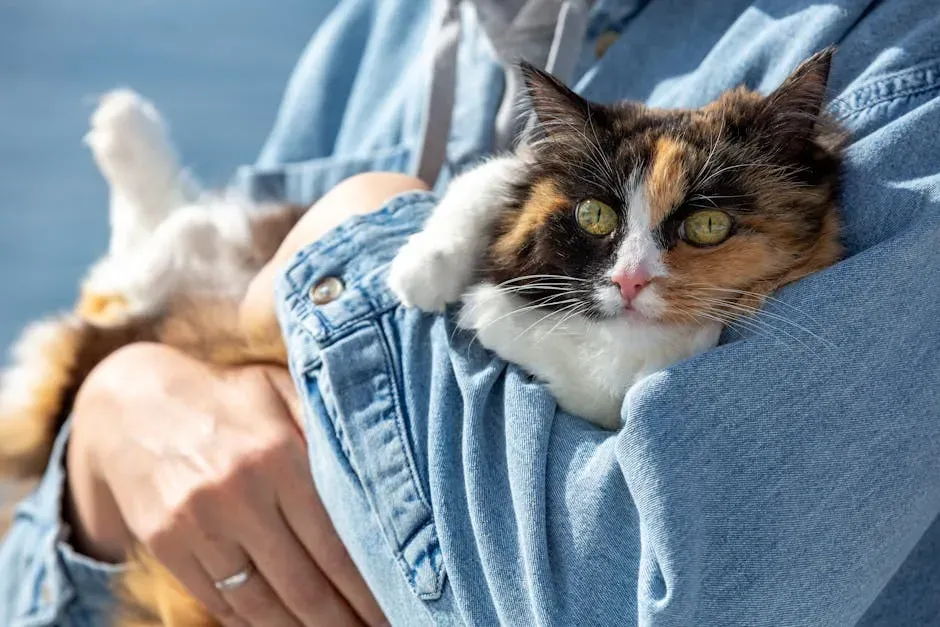
None of this means a cat is a replacement for medical care, therapy, or meaningful human relationships. The research is honest about that. What it does suggest is that the daily, ordinary presence of a cat in your life is doing more than you probably give it credit for.
Your cardiovascular system, your stress hormones, your sleep, your cognitive sharpness, and your sense of purpose can all be quietly supported by the creature currently napping on your couch. A 2024 study confirmed that people who have a pet are generally much happier than those without, and the mechanisms behind that happiness are increasingly well understood.
There’s something grounding about the fact that one of the more effective daily health interventions available to you requires no subscription, no equipment, and no schedule. It just requires a cat, a little patience, and the willingness to sit still long enough for one to climb onto your lap.
Kristina is a young writer from India. An arts graduate and an avid content creator, Kristina is passionate about animals and wildlife. She enjoys exploring topics related to pet care, animal behavior, conservation, and nature, combining thorough research with engaging storytelling.