Most of us have settled into a cozy evening with a cat rumbling away on our chest and assumed, without much question, that this means one simple thing: the cat is happy. It’s a reasonable conclusion, and honestly, sometimes it’s exactly right. Yet that steady, rhythmic sound turns out to carry far more meaning than most people realize, and the science behind it keeps getting more interesting.
Your cat purrs for multiple reasons, including contentment, pain relief, self-healing, anxiety, and communication with humans or kittens. Purring is not exclusively a happiness signal – it is a multi-purpose physiological and communicative tool. Once you start looking at a purr through that wider lens, your relationship with your cat shifts in a subtle but meaningful way.
How Your Cat Actually Makes That Sound
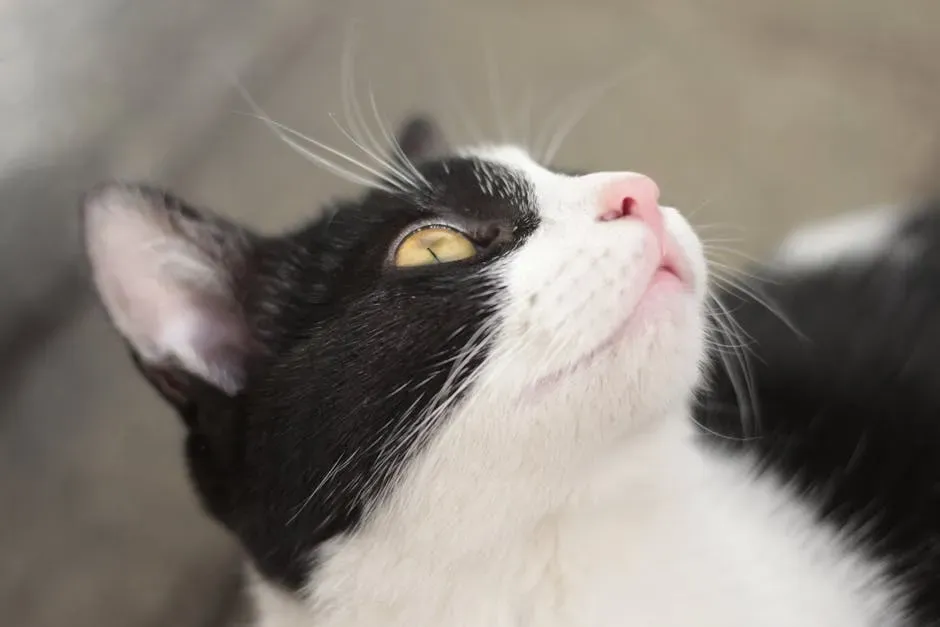
You might assume the mechanics of a purr are well understood by now, but the truth is that scientists have only recently pieced together a clearer picture. Research published in the highly respected journal Current Biology, by voice scientist Christian T. Herbst, showed that cat purring resembles human voice production more than previously thought, with purring in the cat larynx being functionally similar to the human “vocal fry” mechanism used in speech and pop and rock singing.
Domestic cats possess “pads” embedded within their vocal cords, which add an extra layer of fatty tissue that allows them to vibrate at low frequencies. Researchers had long puzzled over how these relatively small animals manage to generate the low-frequency vocalizations, typically between 20 and 30 hertz, involved in purring, since such frequencies are usually only observed in much larger animals, such as elephants, which have far longer vocal cords. The answer, it turns out, lies in that unique anatomy.
The Frequency Range That Sets It Apart
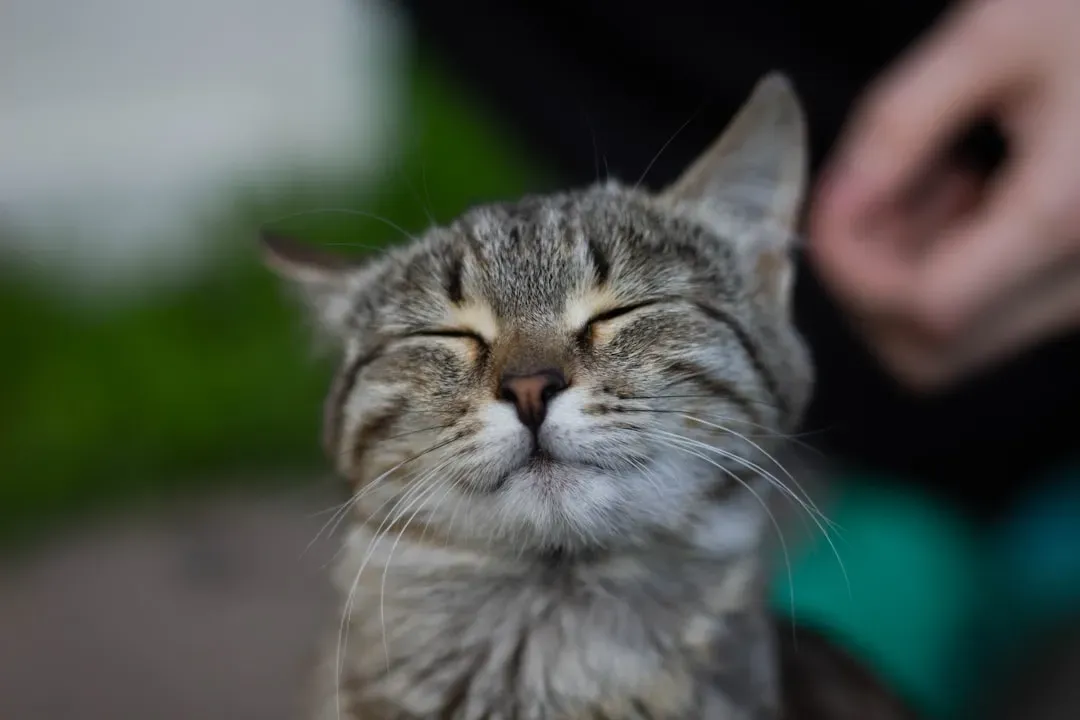
While cats are known for their playful personalities and independent nature, their purring may offer more than a soothing sound. Research suggests that the frequency of a cat’s purring, typically between 25 and 150 hertz, could have therapeutic effects on both the body and the mind. That range is not random, and it isn’t incidental.
Every felid in one recorded study generated strong frequencies between 25 and 150 hertz. Purr frequencies correspond to vibrational and electrical frequencies used in treatment for bone growth, fractures, pain, edema, muscle growth, joint flexibility, and wounds. Domestic cats, servals, ocelots, and pumas produce dominant frequencies at exactly 25 hertz and 50 hertz – the two low frequencies that best promote bone growth and fracture healing. That’s a remarkable alignment, and one that researchers continue to investigate.
Purring as a Self-Healing Mechanism
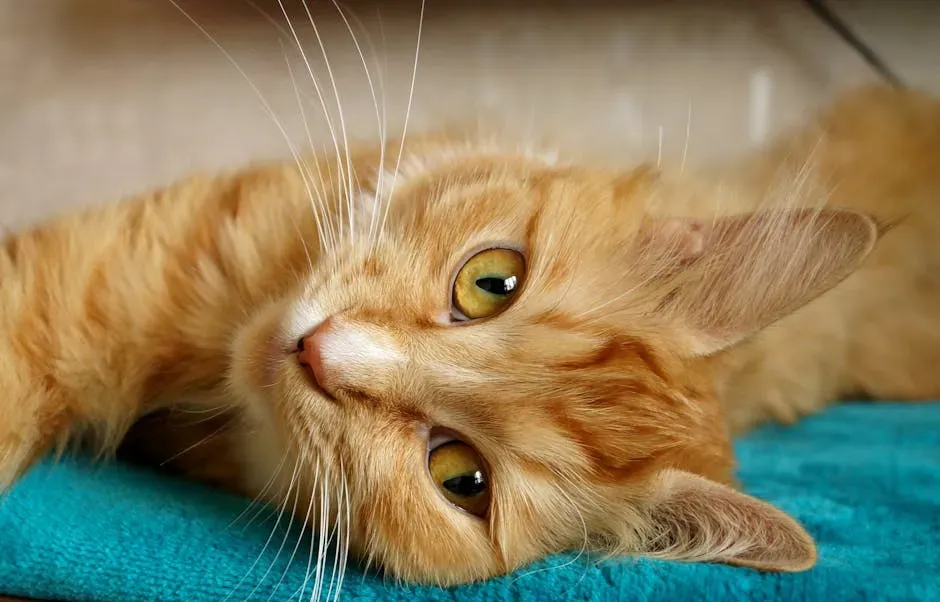
The vibrations produced during purring occur at a frequency of 25 to 150 hertz, which has been shown to promote healing and tissue regeneration and is known to positively affect bone density and tendon and muscle repair. What’s interesting is that this benefit appears to extend to the cat itself, not just to the humans nearby.
Cat purring falls between 25 and 140 hertz, the same frequency range shown to aid in the healing of broken bones, joint and tendon repair, and wound healing. Cats are well-known for their ability to heal quickly from their own broken bones, and the incidences of joint problems and bone cancer in cats are notably low. Whether the purr is a direct contributor to that resilience is still being studied, but the correlation is hard to dismiss.
When Your Cat Purrs in Pain or Fear
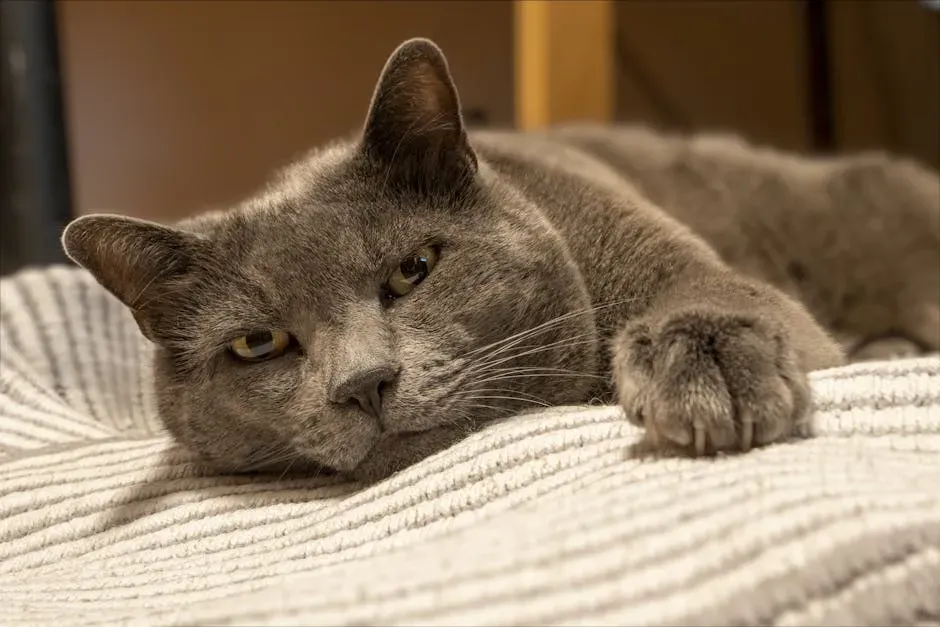
A current hypothesis suggests the purr indicates contentment, however, cats purr when they are severely injured or frightened. This surprises many cat owners, who interpret any purring as a sign that their pet is comfortable. Context, it turns out, matters enormously.
While it isn’t as common as happy purring, cats do purr when they are nervous or stressed. It’s a form of self-soothing that can help a cat calm down and put them more at ease. When cats are purring out of happiness, the purr tends to be lower-pitched, while a stressed-out cat might have a higher-pitched purr. It’s thought that when cats purr because they are anxious, it is done intentionally, whereas when cats purr out of contentment, it seems to be an almost automatic response.
The Purr That Cats Use to Manipulate You
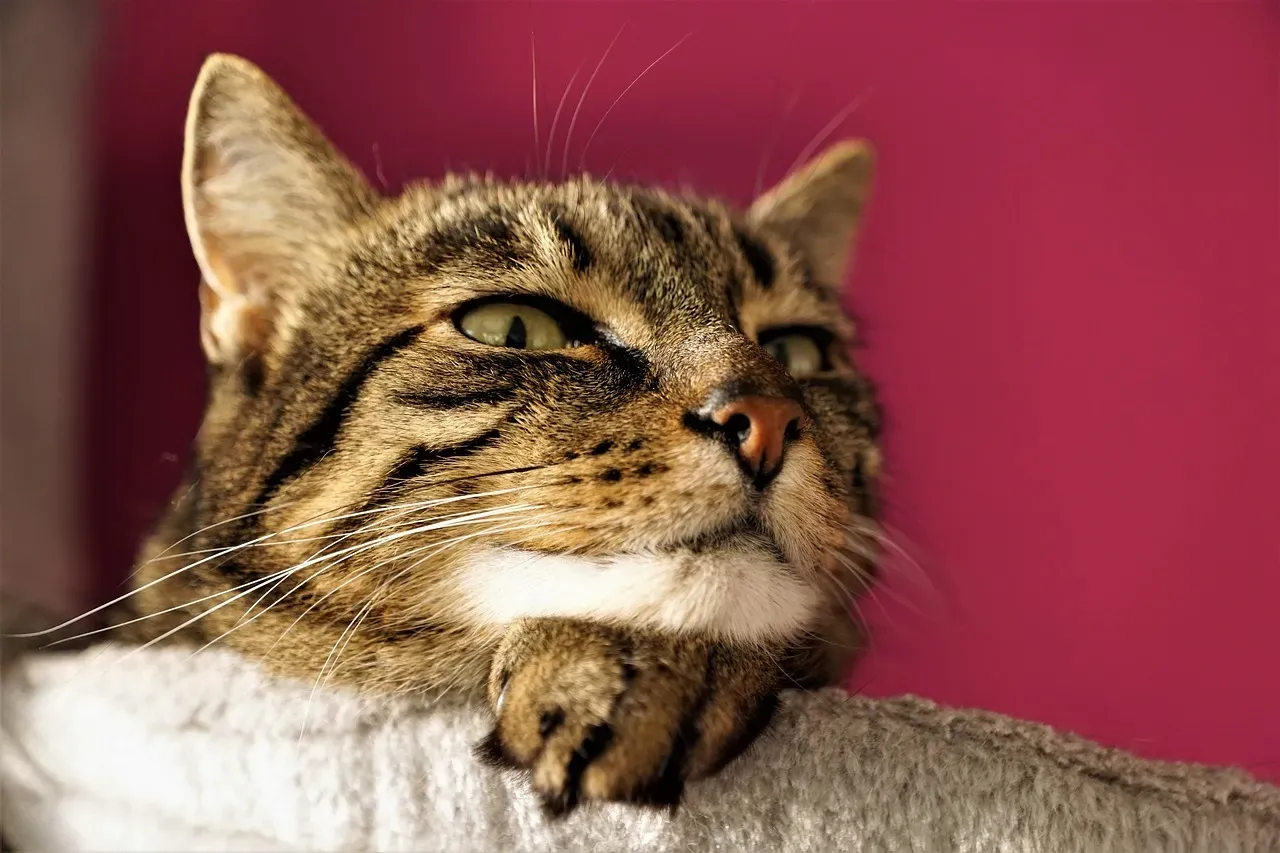
This is one of the more fascinating discoveries in feline research, and if you’ve ever been jolted awake at 5 a.m. by a cat insistently rumbling near your ear, it will ring true immediately. A team of Sussex psychologists discovered that cat owners find a specific “solicitation” purr irresistible because a high-frequency element embedded within it, similar to a cry or meow, subtly triggers a sense of urgency. By employing such an embedded cry, cats appear to be exploiting innate tendencies that humans have for nurturing offspring.
When researcher Karen McComb analysed the acoustic structures of different purrs, she found that solicitation purrs have an unusual high-frequency peak that doesn’t fit with the rest of the call. At a frequency of around 380 hertz, this extra sound stands out from the typical low frequencies of a purr and is more like a cry or a meow. Notably, this form of purring seems to most often develop in cats that have a one-on-one relationship with their owners, rather than those living in large households where their purrs might be overlooked.
The Bond Between Mother Cats and Kittens
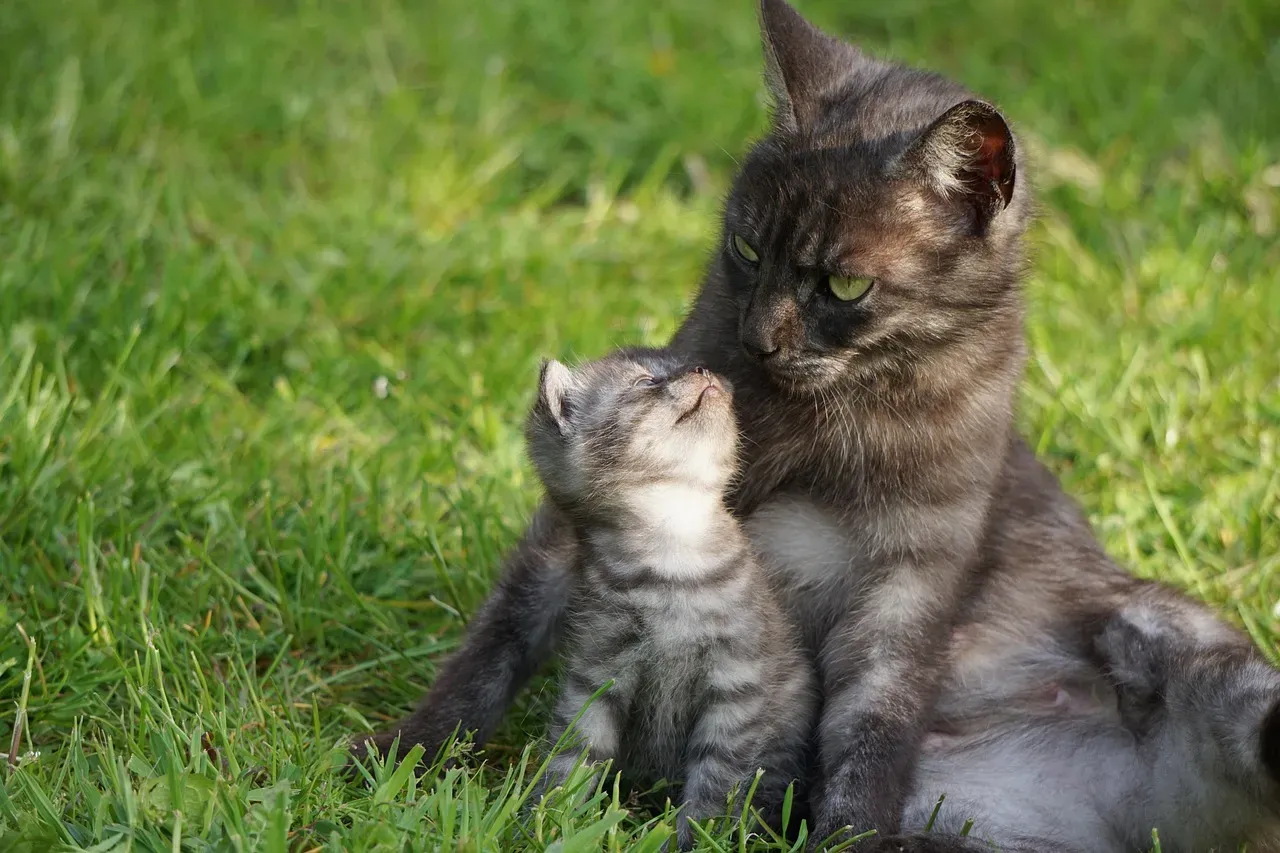
Kittens are born blind and deaf, so they rely heavily on their sense of touch and smell. Mother cats use soft vibrations to communicate with their kittens, signaling that it’s safe to come closer and nurse. Kittens, in turn, purr back to their mothers, creating a mutual sense of comfort and security. It’s one of the earliest and most essential uses of the purr in a cat’s life.
Mother cats purr to lead their blind and deaf newborns to them for warmth and milk, while kittens start purring when they’re only a few days old during nursing. The act of purring can be self-soothing for cats, much the way people feeling anxious hum or sing to themselves. That instinct, it seems, starts from the very first hours of life.
What a Purring Cat Does to Your Body
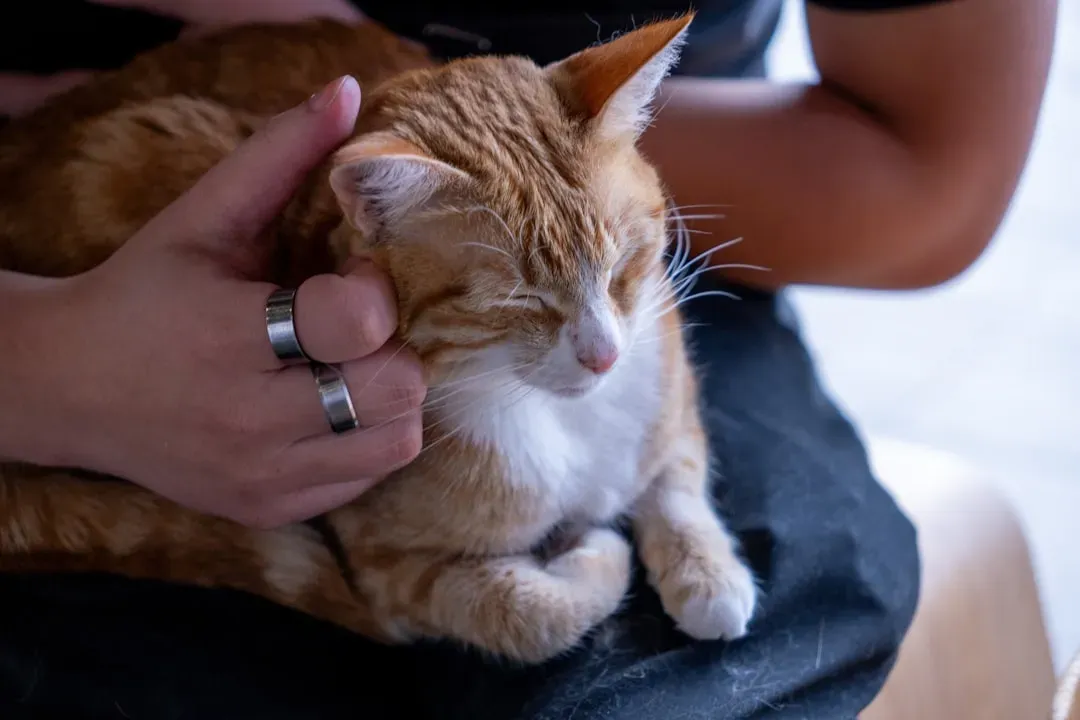
You may not have realized it, but sitting near a purring cat involves some genuine physiological changes on your end too. Studies suggest that the frequency of a cat’s purr, typically between 25 and 150 hertz, has a relaxing effect on the human nervous system. Cat purring stimulates the production of endorphins, natural chemicals that promote feelings of happiness and well-being. This physiological response can help lower cortisol levels, the primary hormone associated with stress.
Studies have shown that cat owners are less likely to suffer from heart disease compared to those without cats. The soothing effects of purring help reduce blood pressure, which can lower the risk of heart attacks and strokes. The calming presence of a cat, combined with the rhythmic vibrations of its purr, contributes to a healthier cardiovascular system. These are measurable effects, not just warm feelings.
Purring in Therapeutic Settings
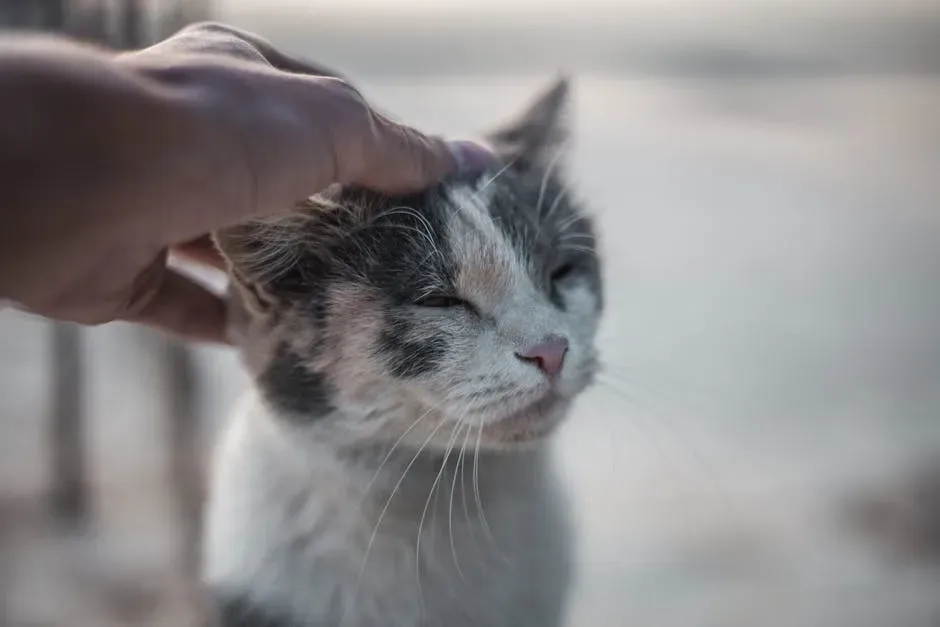
While cat purring is not a substitute for professional treatment, it can complement therapy and other interventions for individuals dealing with anxiety disorders. The cat purring effect on humans has been explored in therapeutic settings, including animal-assisted therapy, where cats play a role in providing emotional support. Therapy animals are increasingly recognized for their role in mental health treatment, and cats are no exception. Therapy cats visit hospitals, nursing homes, and schools to provide comfort to people experiencing stress or trauma.
Advances in technology have opened doors to innovative approaches in harnessing the healing potential of a cat’s purr. By simulating the frequencies of a cat’s purr, researchers have explored its effects on human wellbeing. Recent studies have shown that technology mimicking a cat’s purr can induce a significant increase in parasympathetic activity, effectively reducing stress and anxiety levels. This promising outcome suggests that technology can replicate the calming effects of a cat’s purr, making it accessible to those without a feline companion.
What the Genetics of Purring Reveal
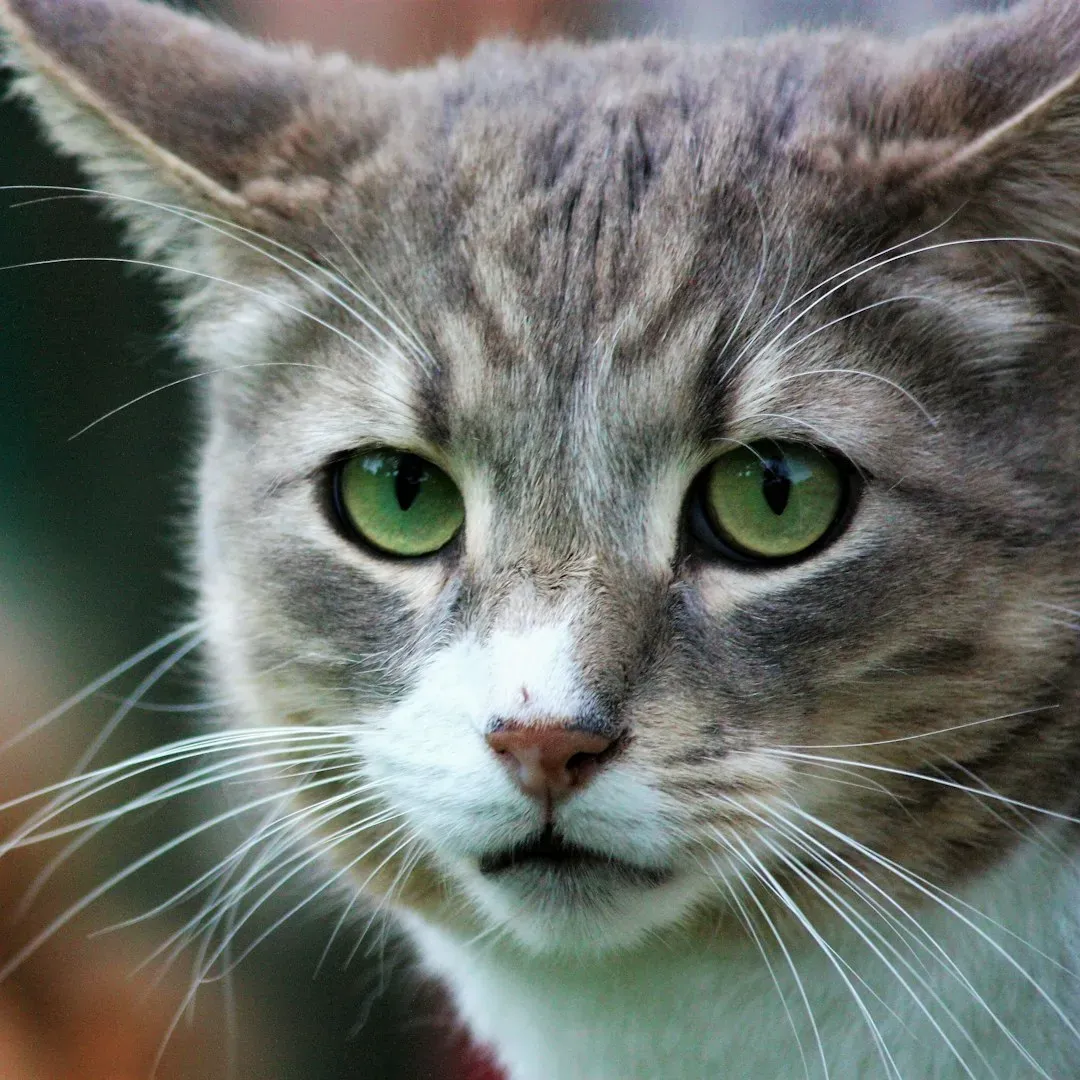
Science continues to dig deeper, and recent genetic research has added another layer to our understanding. Variation in the androgen receptor gene in domestic cats is linked to differences in purring and vocal communication. Association analysis of neutered and spayed animals suggested an effect on owner-assessed “purring,” where cats with the short-type alleles displayed higher purring scores than those with longer alleles.
The comparison among Felidae species confirmed that the longer alleles were unique to domestic cats, while shorter alleles were observed in the closely related leopard cat lineage. This suggests that longer alleles may be a cat-specific feature, potentially linked to domestication. In other words, the domestic cat’s relationship with humans may have literally shaped the biology of the purr over thousands of years of shared living.
Conclusion
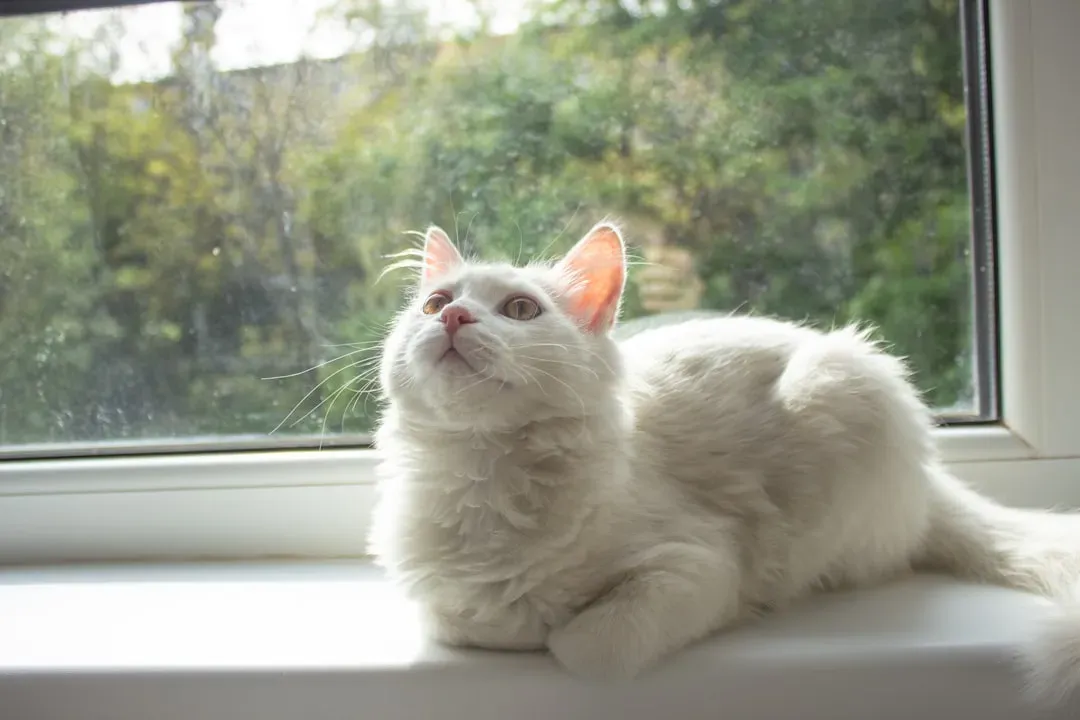
The purr is one of those things that seems simple right up until you look closely. One of the most enchanting and somewhat mysterious aspects of feline communication is the cat’s purr. While we often associate it with contentment, the reasons for a cat’s purr go far deeper and are more intricate than most realize.
Cat purring is a complex and multifaceted behaviour that serves various purposes. From expressing contentment to communicating needs and soothing pain, purring is a vital part of a cat’s life. Paying attention to when and how your cat purrs, not just assuming it means happiness, gives you a richer window into what your cat is actually experiencing.
A purr is never just background noise. It’s a signal, a tool, a healing mechanism, and on some occasions, a calculated nudge to get you out of bed to fill a food bowl. The more you understand it, the more impressive the whole arrangement becomes. Cats have been sharing space with humans for millennia, and it turns out, the purr has been doing a lot of quiet, steady work the entire time.
Kristina is a young writer from India. An arts graduate and an avid content creator, Kristina is passionate about animals and wildlife. She enjoys exploring topics related to pet care, animal behavior, conservation, and nature, combining thorough research with engaging storytelling.