You’ve probably spent good money on a fancy feather wand or plush toy mouse, only to watch your cat walk right past it and spend the next hour obsessing over the cardboard box it arrived in. Sound familiar? You’re not alone. Cats have a deeply instinctual relationship with their environment, and the everyday objects scattered around your home tap into that instinct in ways even seasoned cat owners find surprising.
The reasons behind these obsessions are a mix of evolutionary biology, sensory sensitivity, and the occasional quirk that no one has fully figured out yet. Whether your cat is stealing your hair ties, sprawling across your laptop, or diving headfirst into a paper grocery bag, there’s usually a real explanation behind it. Here are ten , and what’s actually going on.
1. Cardboard Boxes
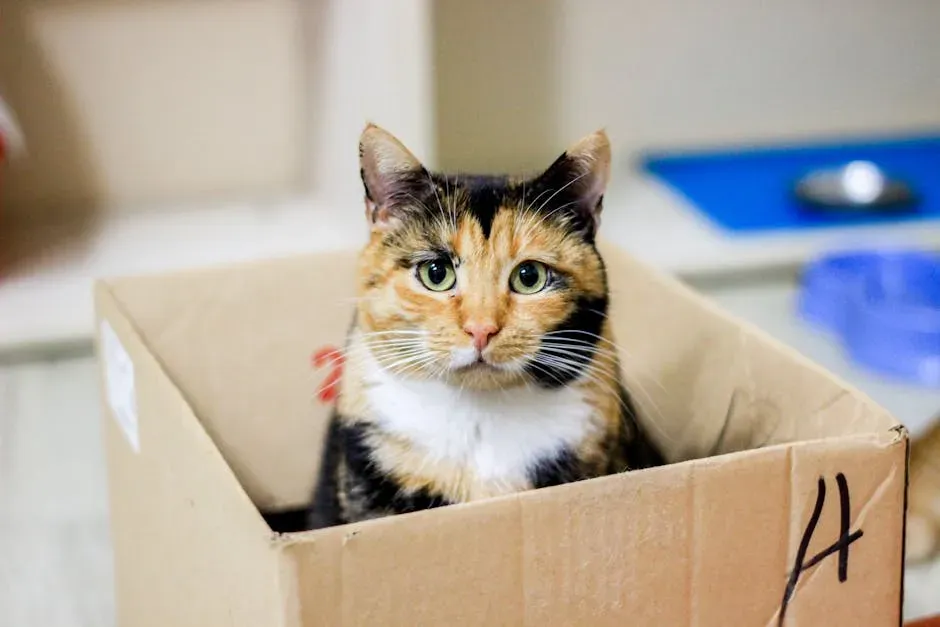
If you’ve ever set an empty cardboard box on the floor and watched your cat claim it within minutes, you’ve witnessed one of the most reliably feline behaviors there is. Cats love concealed spaces, and boxes offer a tight enclosure that acts perfectly as a mini cave, helping your cat feel safe and secure. It’s not random. It’s hardwired.
One of the reasons cats enjoy cardboard boxes is because it gives them a sense of safety and security. Cardboard boxes allow cats to observe their surroundings without feeling exposed. Another possible explanation is that cats like boxes because they are ambush predators. House cats love to use boxes, corners, and just about any elevated surface to conceal themselves before pouncing on an unsuspecting toy or human. It’s the thrill of the hunt, happening right in your living room.
2. Plastic Bags
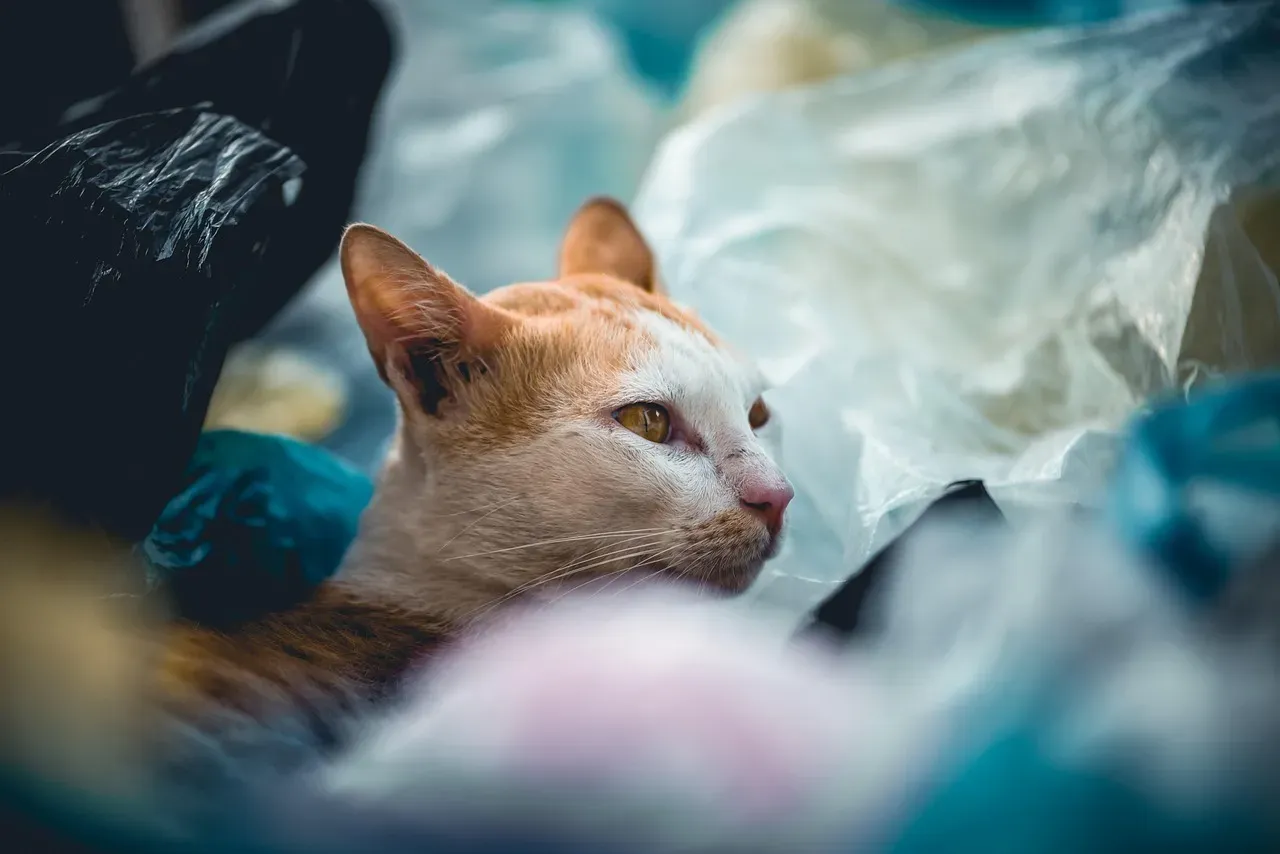
There’s something about a plastic grocery bag that drives certain cats absolutely wild. They pounce on them, burrow into them, and sometimes just sit on top of them with obvious satisfaction. Some believe that cats’ strong sense of smell can pick up on the previous contents, since plastic is porous and retains odors easily. Others think the interest stems from the crinkling sounds the plastic can create, which may mimic the scurry of rodents and other small critters that appeal to felines.
Cats can be attracted to plastic bags because sometimes they can carry the scent or even the taste of food, especially if the bag is coming from a grocery store. That said, plastic bags are genuinely dangerous for cats. Whatever the explanation, plastic bags do serve as serious choking hazards for any living being, so be cautious if you let your pet play with them. Supervised play only, and even then, keep it brief.
3. Hair Ties and Rubber Bands
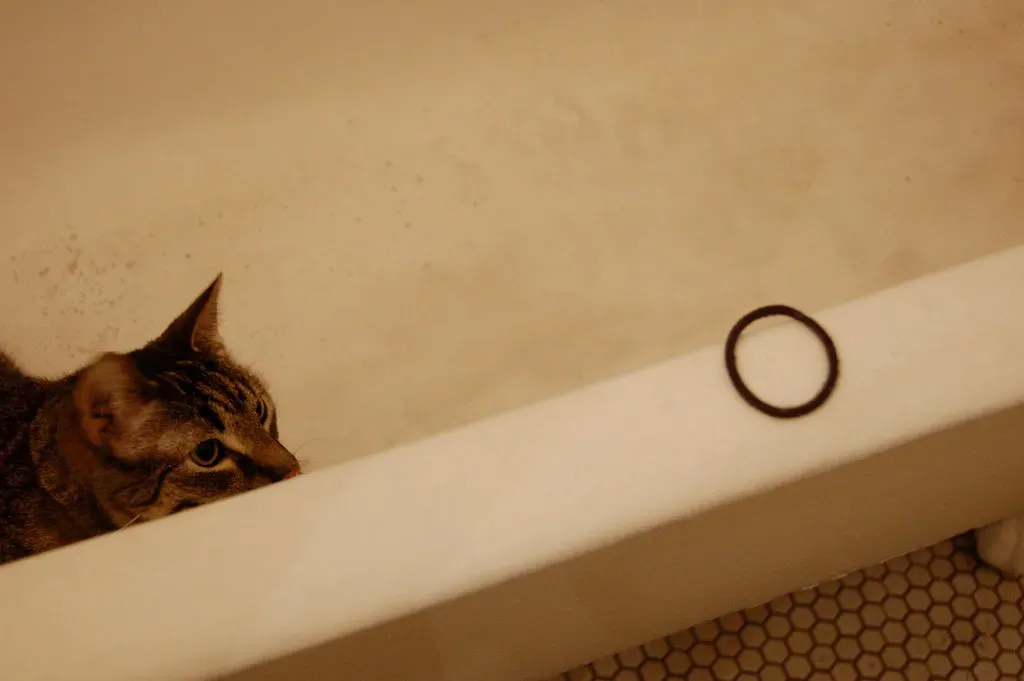
Leave a hair tie on the bathroom counter for more than five minutes and you’ll likely find it gone, batted under the couch, or sitting triumphantly in your cat’s water bowl. Many cats love to play with hair ties because they make ideal prey, stimulating their natural hunting instincts. The elastic snap, the unpredictable bounce, the light weight – all of it checks the right predator boxes.
Along with an interesting smell, your cat might enjoy the texture as they chew on it and the sound it makes when they run around chasing it. A hair tie can also carry your scent, which might attract your cat because it gives them a sense of familiarity. Still, this is one obsession worth managing carefully. Hair ties and rubber bands are dangerous to cats since they can be lethal if swallowed. Keep them in a drawer when you’re not using them.
4. Your Laptop
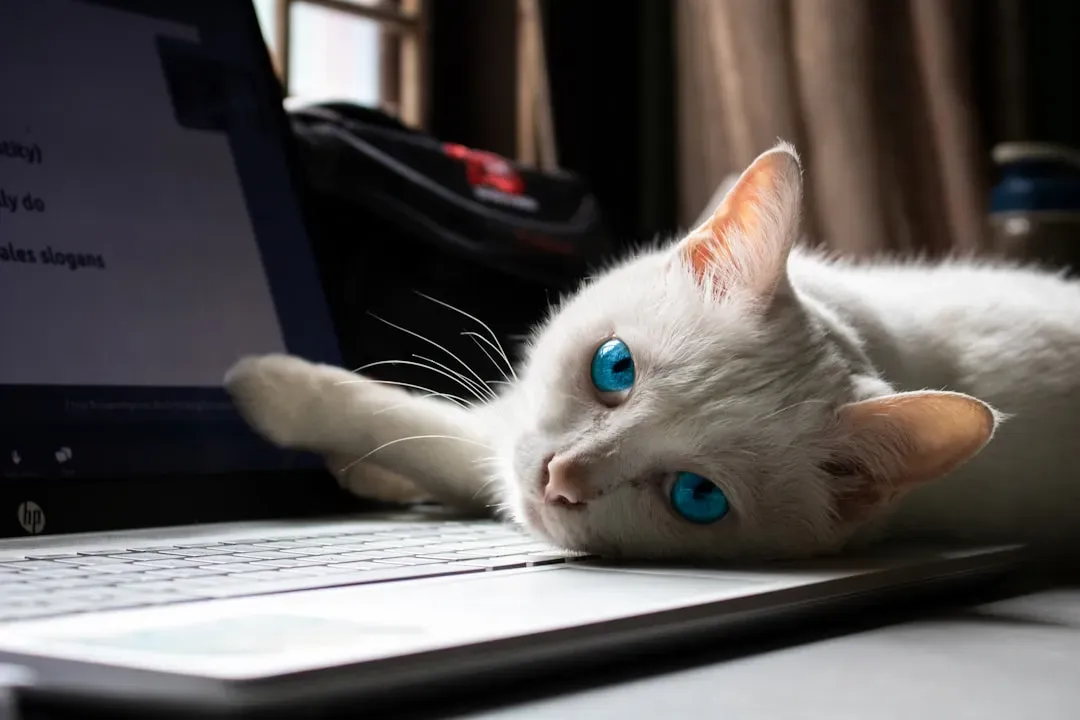
You open your laptop to get work done. Within two minutes, your cat is sprawled across the keyboard. This is not a coincidence, and it’s not spite either. Cats love plopping themselves in unusual places like laptops because their thermoneutral zone, where they’re not expending energy to cool off or get warm, is between 85 and 100 degrees. Cozy zones like blankets and computer keyboards can help cats keep their body temperature nice and high.
Warmth isn’t the only reason though. The real attraction of your laptop to cats is its scent. Or, to be more precise, the scent you regularly deposit there. You won’t be able to sniff it, but a cat can smell you all over the keyboard. Many cats will sit on your laptop because they love the attention it gets from you. You move them, they come back. You look at them, they purr. You’ve accidentally trained them to do exactly this.
5. Paper Bags
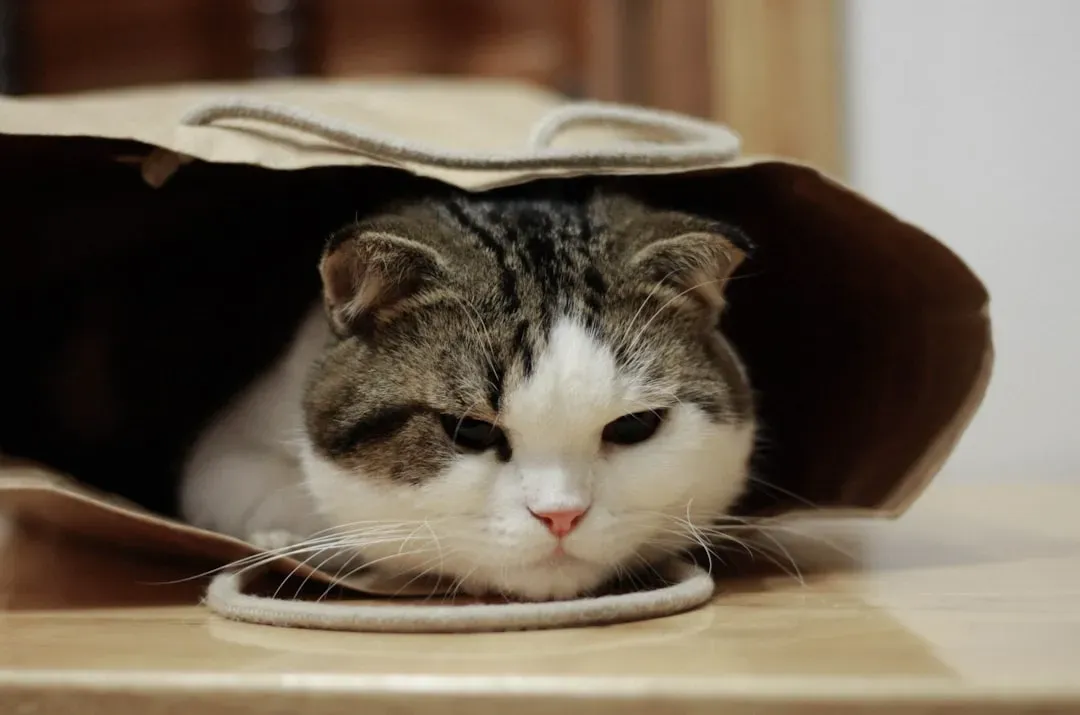
Unlike their plastic counterparts, paper bags are generally considered a safer option for feline play, and cats seem to know it. The moment you set a paper bag on the kitchen floor, some cats treat it like the most important discovery of the day. Paper bags still have that beloved crinkle noise and are good to lay on. That sound alone is enough to send many cats into full predator mode.
Cats are naturally attracted to small, enclosed spaces because they provide a sense of security and safety. Bags, boxes, and other confined spaces mimic the feeling of being in a den or burrow, which appeals to a cat’s instinctual desire to seek out cozy resting spots. A paper bag with the handles removed is actually a reasonable enrichment item. Just watch for any signs of chewing, and remove it if it starts to fall apart.
6. Bed Sheets and Laundry
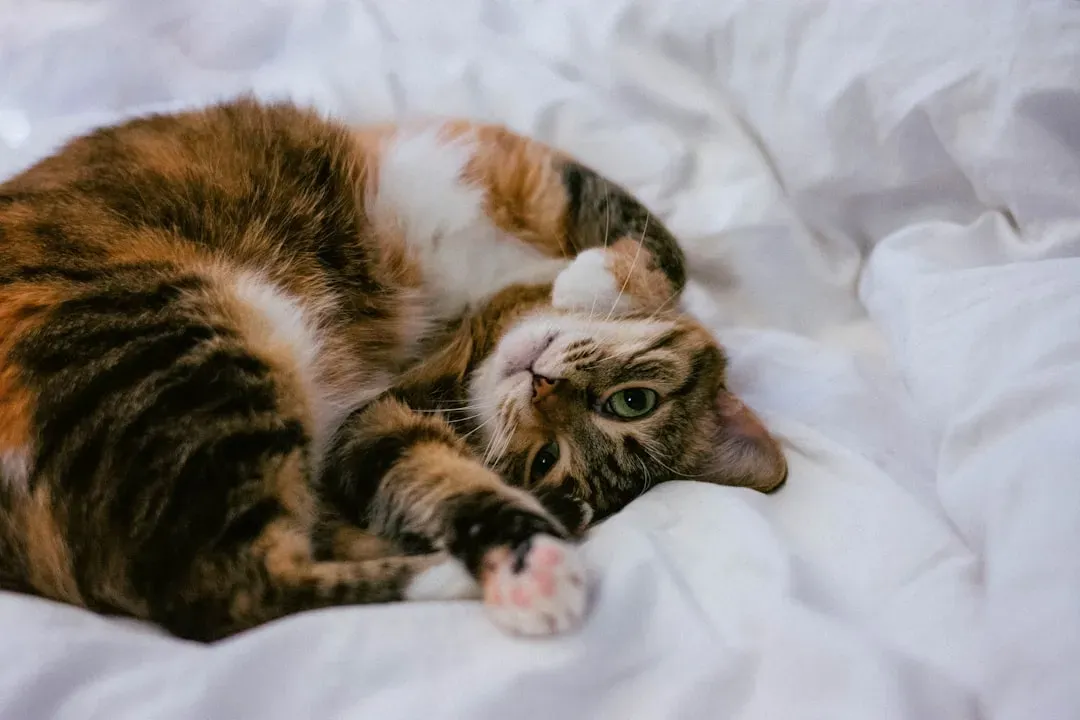
Fresh out of the dryer, or bundled on the bed, your laundry has a magnetic effect on cats. Like boxes, bed sheets provide a flowy enclosure that’s soft, warm, and filled with your scent. That combination is essentially everything a cat could want in a resting spot. Warmth, softness, and the comforting smell of the person they trust most.
When cats sit on items that smell like them or items that have their owner’s scent, they feel secure. This could be your laundry or bedding. Fresh laundry can also be appealing to them, as cats are very clean and often choose clean and comfortable places to sleep. It might feel inconvenient when your clean clothes become a cat bed moments after being folded, but from your cat’s perspective, it’s a completely logical choice.
7. Paper on Your Desk
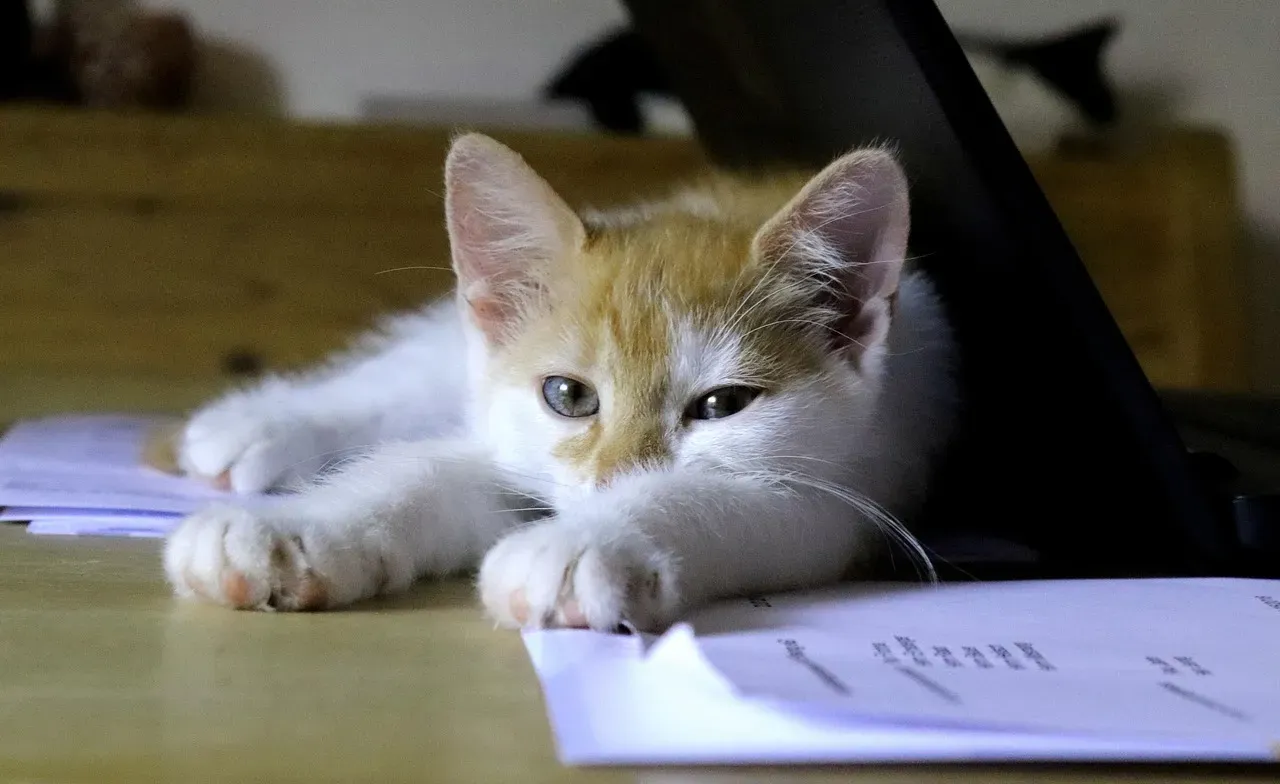
You’re working through an important document. Your cat approaches, sniffs the paper, and then sits directly on top of it. This is baffling to most people, but it makes complete sense once you understand feline psychology. One likely reason cats gravitate to paper is that it appeals to their sense of territoriality by establishing a clear delimitation. Another possibility is that it appeals to their sense of security and familiarity by absorbing your cat’s pheromones and your own scents. Paper may also simply allow them to preserve their body temperature due to its insulating properties.
Researchers used a citizen science approach with over 500 pet cats to test whether cats are attracted to two-dimensional shapes on the floor. They placed square outlines made of tape on the ground, along with a visual illusion that creates the impression of a square that isn’t really there. The cats selected the illusory square just as often as the real taped square. In other words, cats treat even the suggestion of an enclosed space as a place worth sitting in. Your document, it turns out, is basically an irresistible invitation.
8. Shoelaces and String
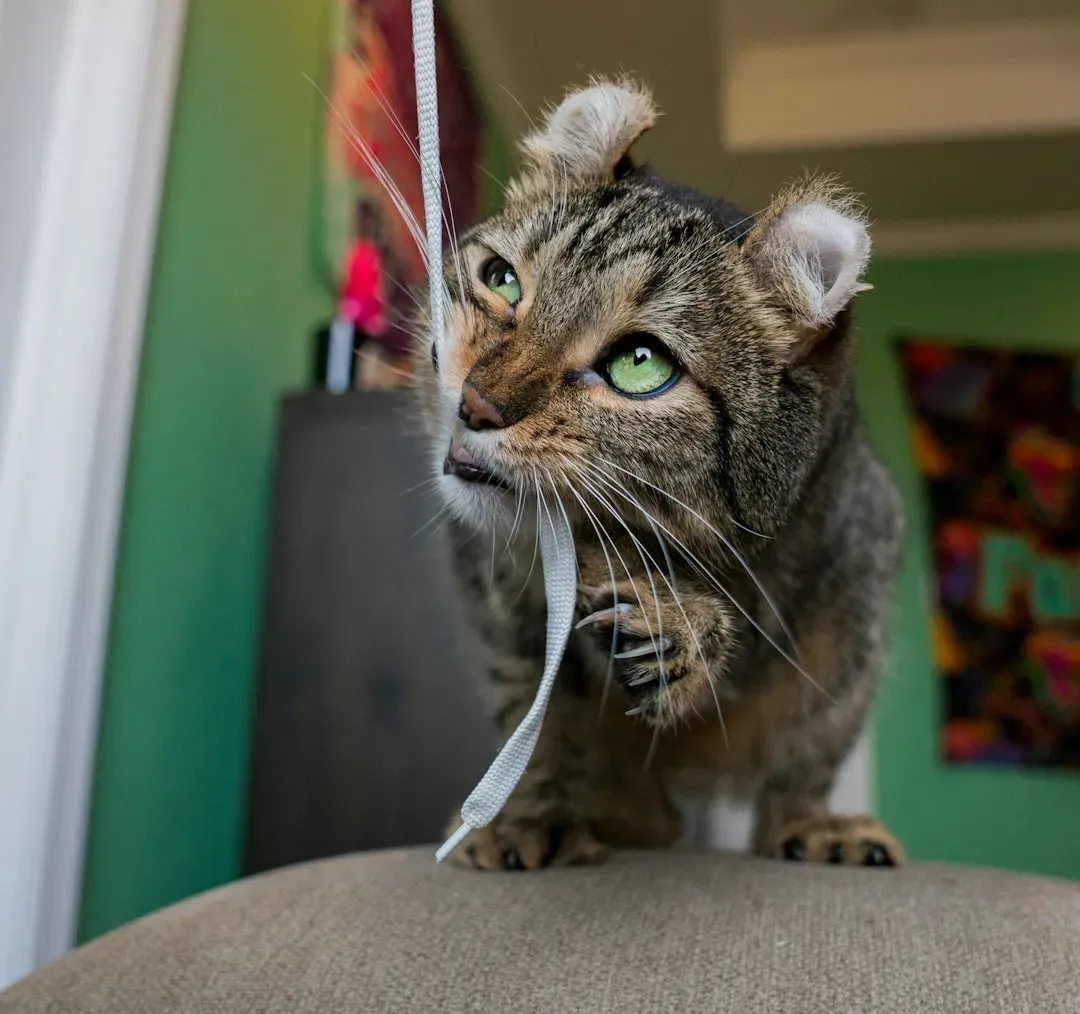
You bend down to tie your shoes and suddenly there’s a paw – or a whole cat – interfering with the process. Shoelaces, string, twine, ribbon: all of these trigger something deep in a cat’s brain. Cats love strings. Yarn, ribbon, tinsel, thread, twine, shoelaces, rubber bands, hair ties, and cords are all prime targets for a cat’s stalking, pouncing, and thrashing instincts.
Small household items like pens, hair ties, or jewelry can also become targets. Cats are attracted to these because they resemble prey, and their unpredictable movement when batted can stimulate a cat’s predatory instincts. The wriggling, snake-like movement of a shoelace being pulled through an eyelet is basically a live hunting simulation as far as your cat is concerned. Unfortunately, these are all very dangerous items for your cat to play with unsupervised. Always supervise string play, no exceptions.
9. Nail Files and Grooming Items
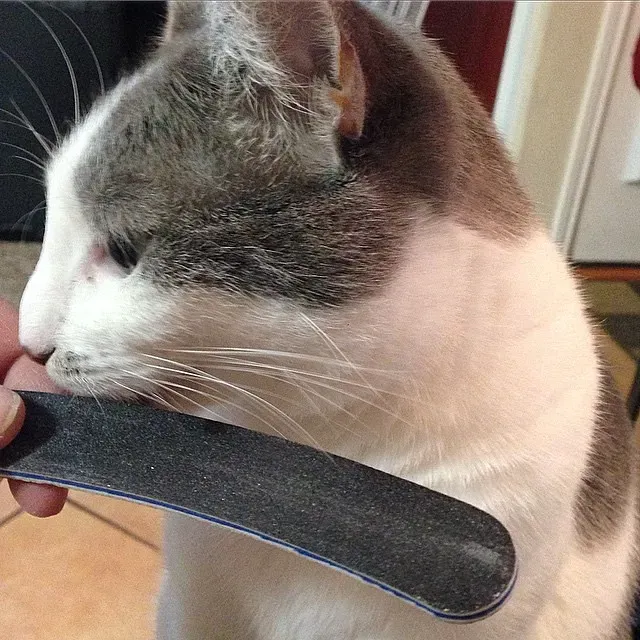
This one surprises a lot of people, but grooming tools like nail files and emery boards often end up as cat favorites. Cats are attracted to nail files because they smell like you. Your cat likes your smell, so they are drawn to objects that smell like you. A nail file also has a rough texture and may remind your cat of another cat’s rough tongue, which is used in grooming. That textural similarity to a cat’s own tongue is a detail most owners would never guess.
Filing nails leaves traces of keratin and calcium on the file. If your cat is obsessed with your nail kit, they might be experiencing a nutritional deficiency and trying to get these from your file. It’s worth keeping an eye on. For most cats, it’s purely about scent and texture, but if the behavior is intense or frequent, a quick chat with your vet to rule out dietary gaps is a reasonable step.
10. Aluminum Foil
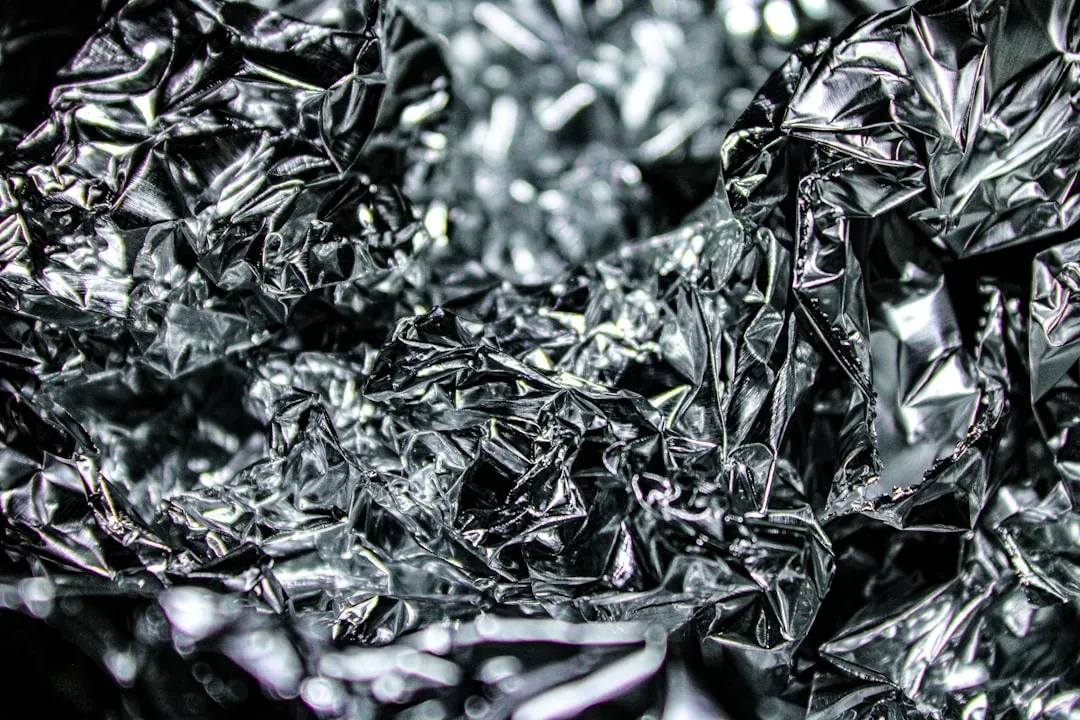
Pull a sheet of aluminum foil off the roll and watch your cat materialize from wherever they were napping. The crinkle is almost impossibly loud to feline ears, and the reflective surface adds a visual element that many cats can’t resist. Every time you grab some foil to wrap up food, your cat stops what it’s doing and pounces the second it hears the foil being ripped. It is as if the foil is taunting them.
The combination of sound, texture, and movement makes foil a surprisingly effective cat toy. Cats love to play, and they love things that move, make weird noises, and have interesting textures. A crumpled foil ball is lightweight, skitters unpredictably across hard floors, and makes an ongoing noise that keeps a cat engaged far longer than many purpose-built toys. Just make sure pieces aren’t small enough to swallow, and replace the ball when it starts to shred.
Conclusion
There’s a pattern running through all ten of these items: your cat’s attraction to them is rarely random. It’s driven by scent, warmth, texture, sound, or the primal pull of something that looks and moves like prey. What attracts cats ultimately comes down to a combination of scents, textures, sounds, tastes, and experiences that trigger their natural instincts and create a sense of safety, comfort, and enrichment.
Understanding what pulls your cat toward certain objects gives you a practical advantage. You can redirect them toward safer alternatives that satisfy the same instincts, and you can stop feeling puzzled, or mildly offended, when they choose a crumpled grocery bag over the toy you just bought them. Cats aren’t being difficult. They’re just being cats, following a set of instincts that are millions of years older than your furniture.
The next time your cat claims your fresh laundry, disrupts your work by planting themselves on your keyboard, or disappears into a cardboard box for an hour, you’ll know exactly why. And honestly, once you understand the logic, it’s hard not to find it a little charming.
Kristina is a young writer from India. An arts graduate and an avid content creator, Kristina is passionate about animals and wildlife. She enjoys exploring topics related to pet care, animal behavior, conservation, and nature, combining thorough research with engaging storytelling.