You settle in for a long evening of binge-watching, popcorn in hand, and your cat walks into the room, takes one look at what’s on the screen, and very deliberately turns their back. Coincidence? Maybe. Verdict rendered? Almost certainly.
Cats are perceptive, instinct-driven creatures who process the world through senses sharper than ours. They notice everything happening around them, including what’s playing on the television. Understanding how your cat actually experiences your TV time can help you make small adjustments that benefit both of you, while also giving you a cheeky new lens through which to view your viewing habits.
1. You’re Watching Slow, Dialogue-Heavy Drama and Your Cat Has Already Left the Room
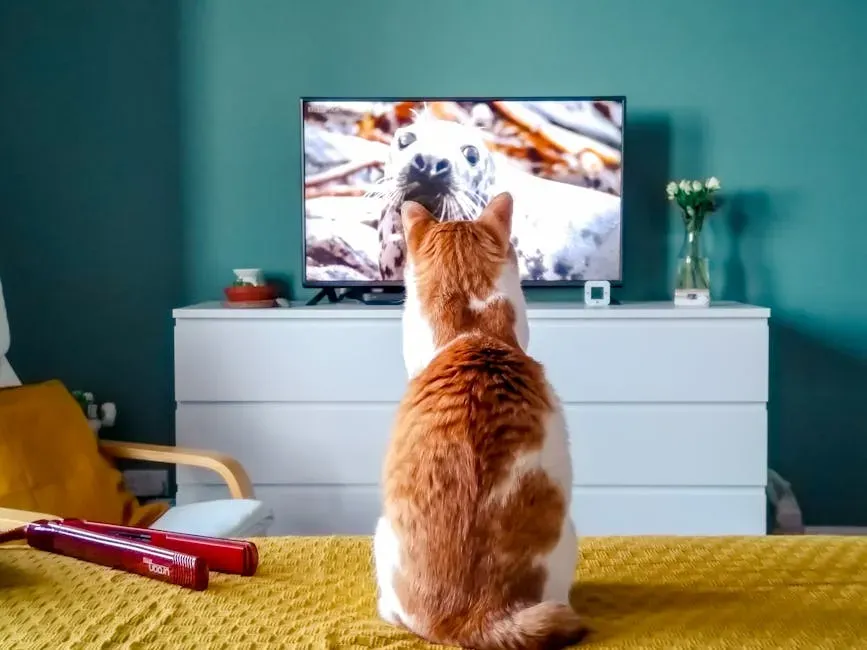
Your cat’s visual system is wired for movement. Cats instantly notice movements that resemble prey, particularly small, erratic motions that trigger their hunting instincts. A slow-burn drama with long stretches of people sitting at tables and talking gives them absolutely nothing to lock onto. Don’t be surprised when your cat quietly exits the room about ten minutes into an episode.
Your cat isn’t following the storyline of your favorite drama, but they are processing and responding to specific visual and audio cues that resonate with their natural instincts. This is why wildlife documentaries often elicit stronger reactions than dialogue-heavy shows. If you’re committed to your prestige drama habit, consider placing a window perch nearby so your cat can access their own version of live entertainment while you enjoy yours.
2. Your Cat Stares at the Screen During Wildlife Docs Like You’re Finally Making Decent Choices
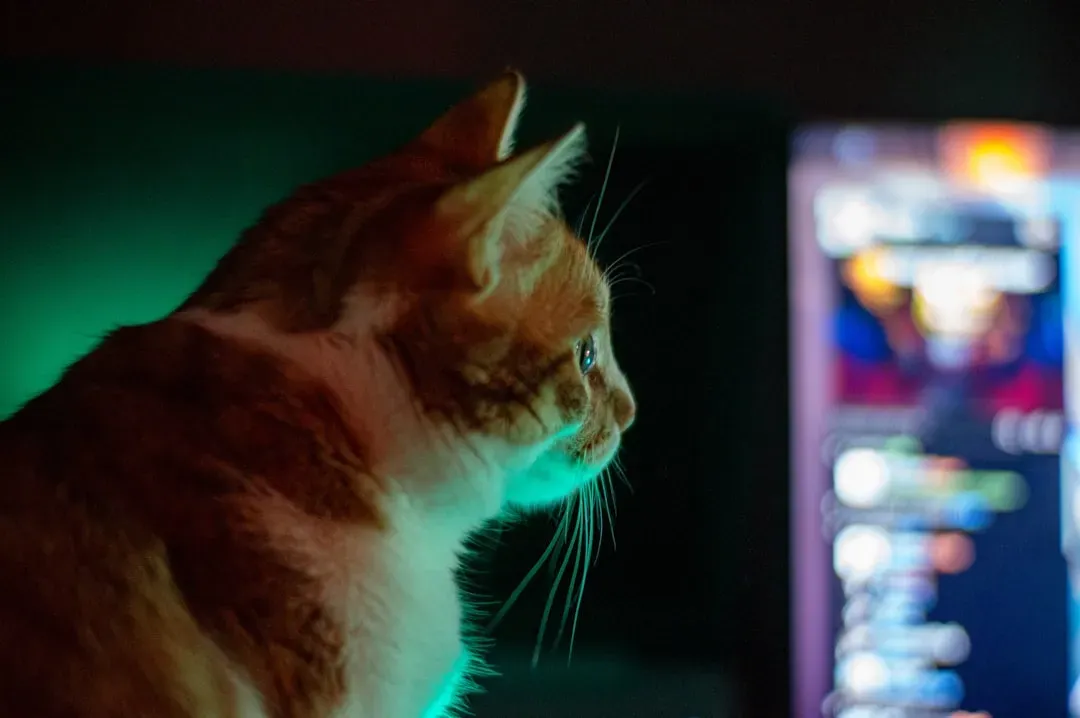
Nothing gets a cat’s full, undivided attention like a bird fluttering across the screen or a fish darting through water. Cats may be interested in other animals on screen, particularly their natural prey. Birds, fish, and rodents such as mice and rats are the common prey of cats. When a nature documentary happens to feature one of those creatures, your cat isn’t just watching. They’re evaluating the situation.
When cats see small prey animals like mice and birds on the screen, they believe that they are really there, which may be enough to trigger their prey drive. Initially, this may mean your cat watches the moving images to determine if there is any prey to catch. If their interest is piqued enough, they may even try to chase or catch the small animal. So if your cat is suddenly glued to the television, check what’s on. There’s probably something feathered involved.
3. Their Ears Tell You Everything About Whether They Approve of Your Volume Level
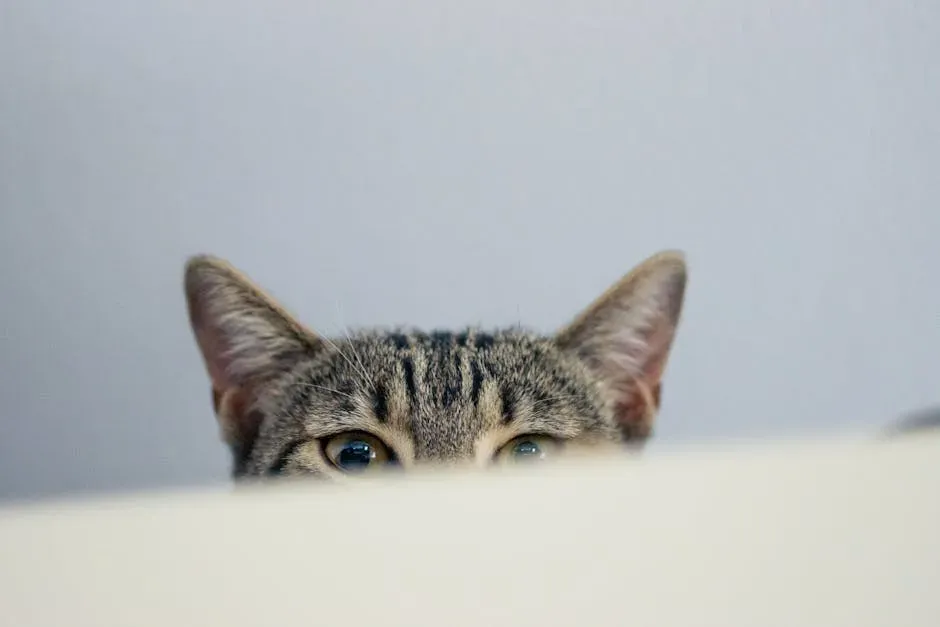
You probably assume your TV volume is fine because it sounds fine to you. Your cat would respectfully disagree. Cats can hear frequencies ranging from about 48 Hz up to 64 to 85 kHz, far beyond the upper range of human hearing. This means many high-pitched or electronic sounds are louder, sharper, and more intense for cats than for people. What registers as a comfortable living room volume to you can land quite differently for the animal sharing the couch.
A cat’s ears can also reveal emotional states. Forward-facing ears typically show curiosity or relaxation, while flattened ears may indicate irritation or fear. Observing these subtle signs helps pet owners respond appropriately to their cat’s mood. Watch your cat’s ears during your next viewing session. If they rotate backward or flatten, that’s a polite request to turn it down a notch.
4. The Slow Blink Disappears the Moment You Put on Action Movies
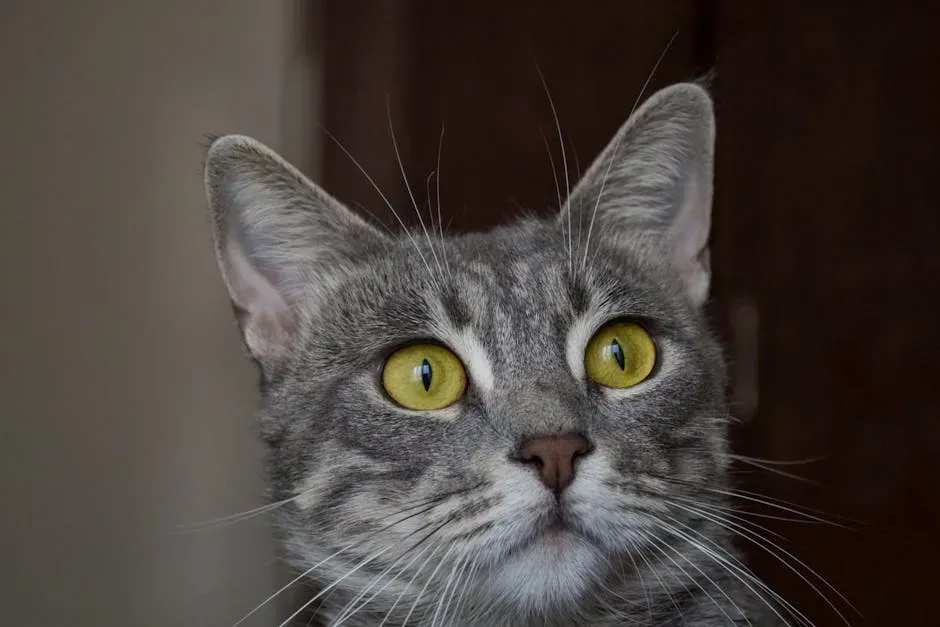
You know that soft, half-closed eye expression your cat gives you when they’re relaxed and content? That’s a meaningful signal. Cats communicate relaxation and trust through slow, intentional eye blinking. This behavior, often referred to as a “kitty kiss,” signifies contentment and a sense of security. When a cat looks at you and blinks slowly, it’s their way of saying, “I trust you, and I feel safe in your presence.” Action movies, with their rapid cuts, gunshots, and explosive sound design, are not exactly a slow-blink kind of experience.
Noise also triggers a measurable physical stress response. A study published in Veterinary Sciences found that cats exposed to environments above 85 decibels showed significantly elevated stress markers, including changes in breathing rate, compared to cats kept in quieter rooms below 60 decibels. Even moderate noise levels between 60 and 85 decibels produced detectable differences. If the action film is shaking the walls, your cat has already made their ruling on your taste.
5. Your Cat Tail-Flicks During Competitive Sports Because the Movement is Actually Irresistible
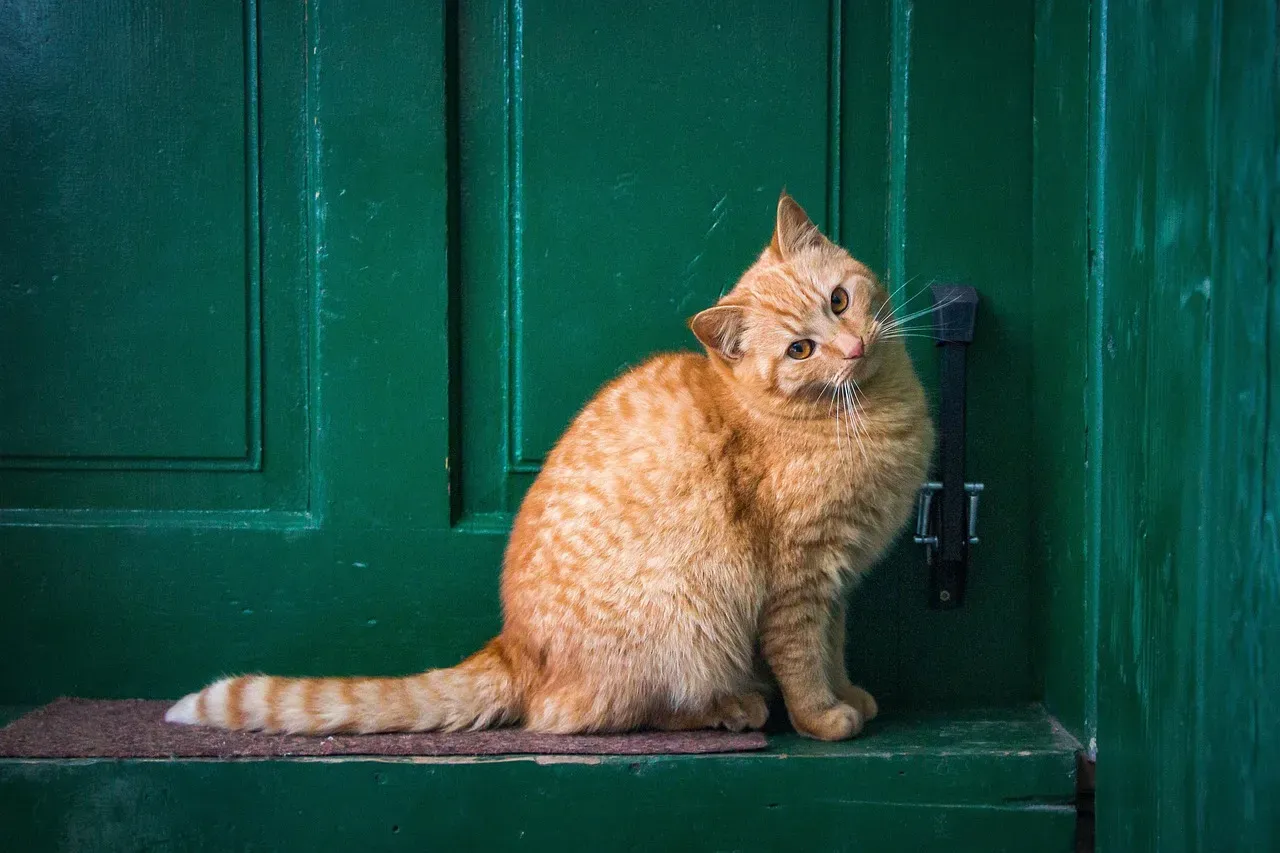
Sports broadcasts, ironically, tend to get a warmer reception from cats than a lot of other programming. As natural-born hunters, cats are attracted to fast movements. This is what they look out for when playing or hunting their prey. Sports programmes, including football matches, with lots of fast-paced action may grab their attention. The rapid movement of a ball across a screen activates something genuinely deep in a cat’s wiring.
Cats who are engaged in hunting behaviors will often flick their tail from side to side as they watch whatever is captivating their attention. However, a flicking tail when the cat is not stalking something most likely means that the cat is annoyed. So the tail flick during the game might not be irritation at your cheering. It might just be that the fast-moving ball has activated your cat’s inner predator, and they’re making their interest known.
6. Horror Movie Sound Effects Send Your Cat Under the Bed Immediately
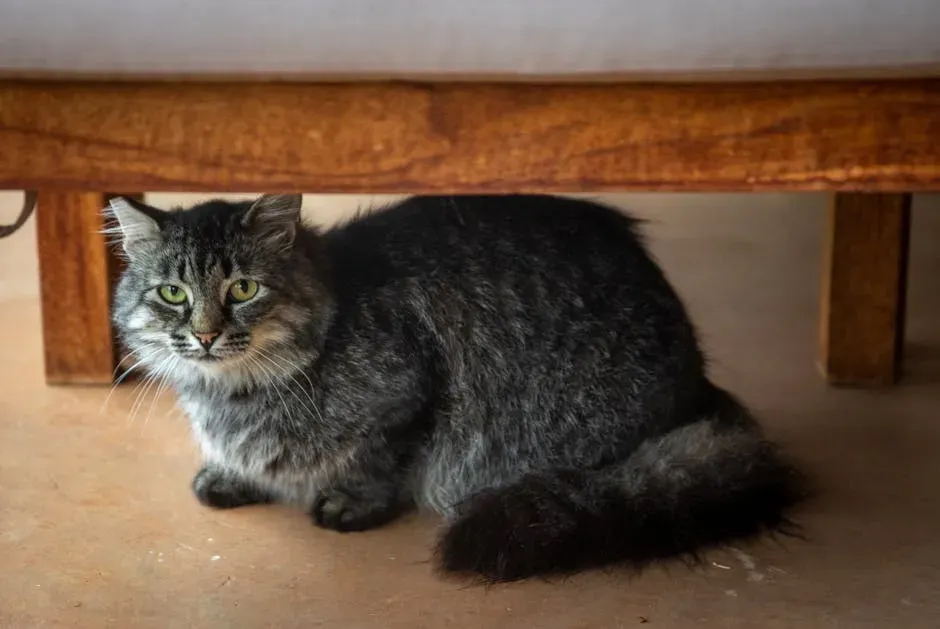
Horror films are built around sudden, jarring sounds designed to unsettle audiences. For your cat, that experience is considerably more intense. In the wild, sudden or unfamiliar noises often signal danger. When an alarm blares or a phone rings unexpectedly, your cat’s nervous system may instantly shift into fight-or-flight mode. A horror film’s arsenal of screams, slams, and orchestral stingers hits your cat’s nervous system the same way those genuine threats do.
Noise aversion is generally a fear response to a certain sound or loud noises. Typically, noise aversion develops in response to loud or startling sounds that do not come in a pattern, such as thunder, fireworks, or gunshots. Your cat sprinting for cover during a horror film isn’t being dramatic. Their evaluation of your genre choices is simply arriving faster than yours does.
7. Your Cat Chirps and Chatters at the Screen When Birds Appear, Which is a Very Specific Review
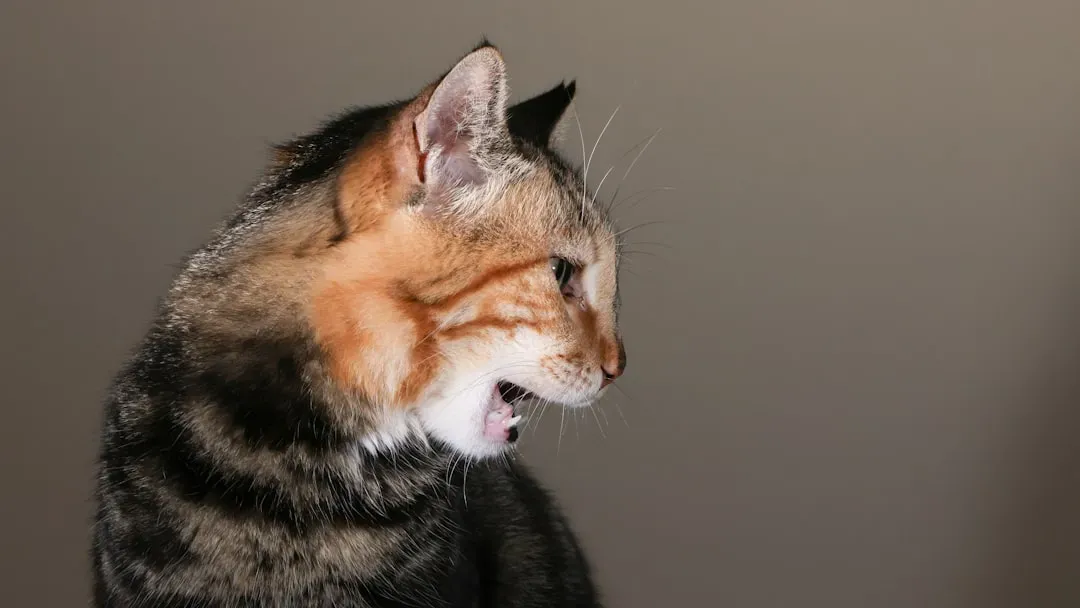
You’ve likely heard that clicking, rapid-fire sound your cat makes at the window when a bird lands outside. It happens on screen too. Chattering, chittering, or twittering are the noises your cat makes when they’re sitting in the window watching birds or squirrels. It usually translates to excitement, or they may be contemplating snack time. It’s one of the more endearing and honest responses a cat offers, and it tells you, without ambiguity, that what’s playing has their full endorsement.
The researchers determined that two-dimensional screen time does provide a level of enrichment for cats, particularly those images with “elements of prey items and linear movement.” Chattering at the television is your cat engaging genuinely with content that speaks to their instincts. It’s the feline equivalent of leaning forward in your chair. Take that as a rare, enthusiastic seal of approval.
8. Your Cat’s Paw on the Screen is Not a Compliment to the Show’s Quality
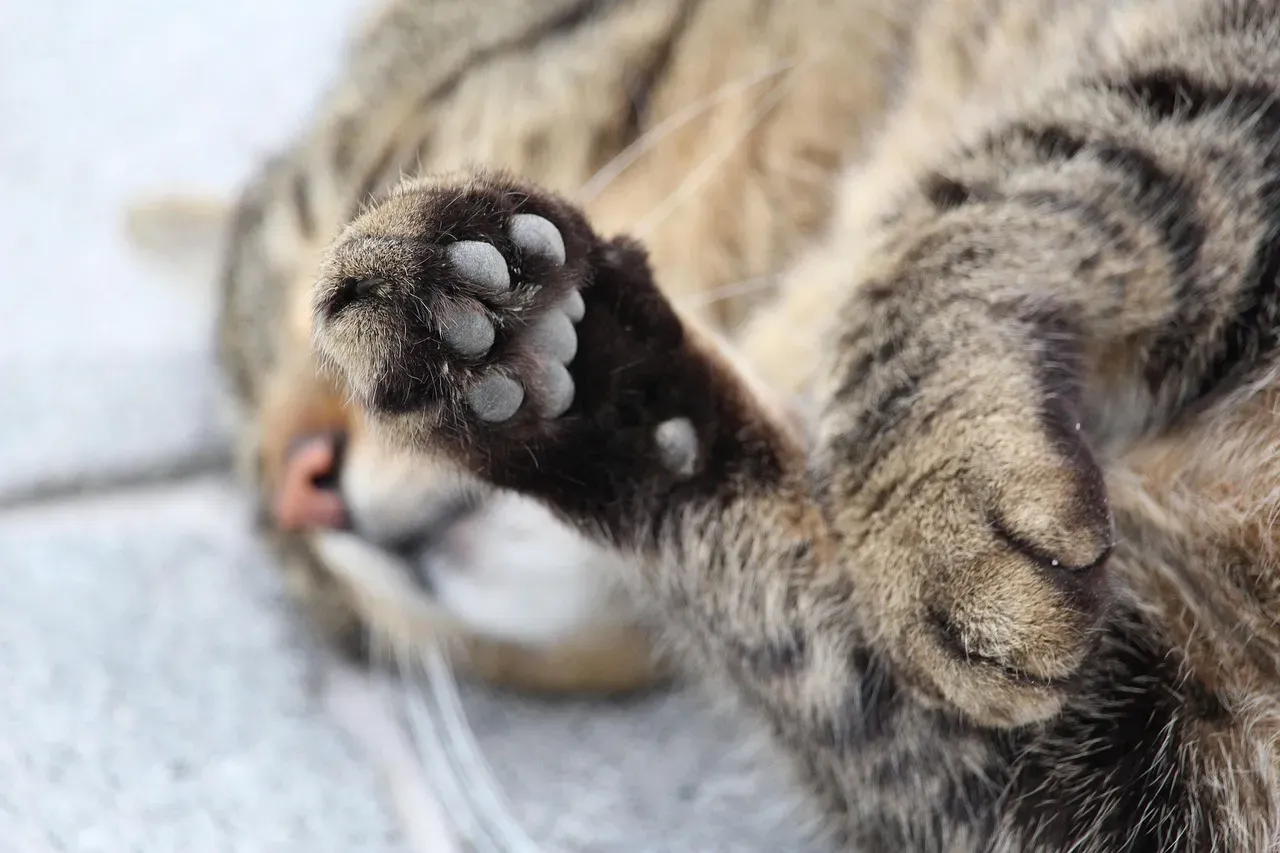
Watching your cat paw at the screen might look cute, even flattering to the content. In reality, it signals something slightly more frustrated. Because cats are such instinctive hunters and love to swat at birds on-screen or hunch down to pounce on an animated squirrel, they may get frustrated when they are unable to catch their electronic prey. They aren’t applauding the cinematography. They’re trying to complete a hunt that the screen keeps preventing.
It’s fun for a cat to see birds, fish, and squirrels, even if they aren’t really present. But if they get to see them but never catch them, it can become quite frustrating. This can lead to aggression towards people, other pets, or even the TV itself. The fix is practical: keep an interactive toy nearby. When your cat starts pawing the screen, redirect them to something they can actually catch and “defeat.”
9. Certain Show Sounds Make Your Cat Freeze Mid-Groom, and That’s Worth Noticing
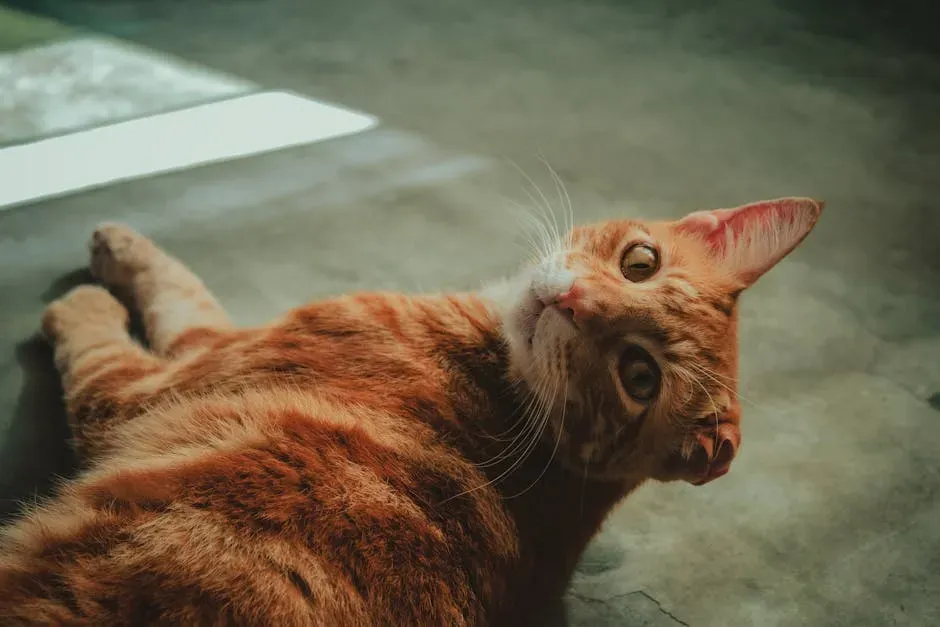
There’s a particular look a cat gets when something captures their full attention mid-activity. One moment they’re grooming, the next they’re perfectly still, ears swiveling. Cats rely much more on other senses, such as hearing and smell, to understand the world around them. For some cats, it may be the noises and fast movements that attract their attention towards the screen. A specific sound from the television, often something high-pitched or resembling prey, is what causes that sudden freeze.
The audio component matters too, programs with chirping birds or squeaking mice often attract cats even when they’re not watching the screen. The combination of appealing visuals and sounds that mimic prey is particularly engaging for most felines. You can use this knowledge intentionally. If you want your cat engaged and mentally stimulated during the day, nature videos with appropriate audio tend to be far more effective than any random background noise.
10. Your Cat’s Decision to Sit Between You and the Screen is Not Random
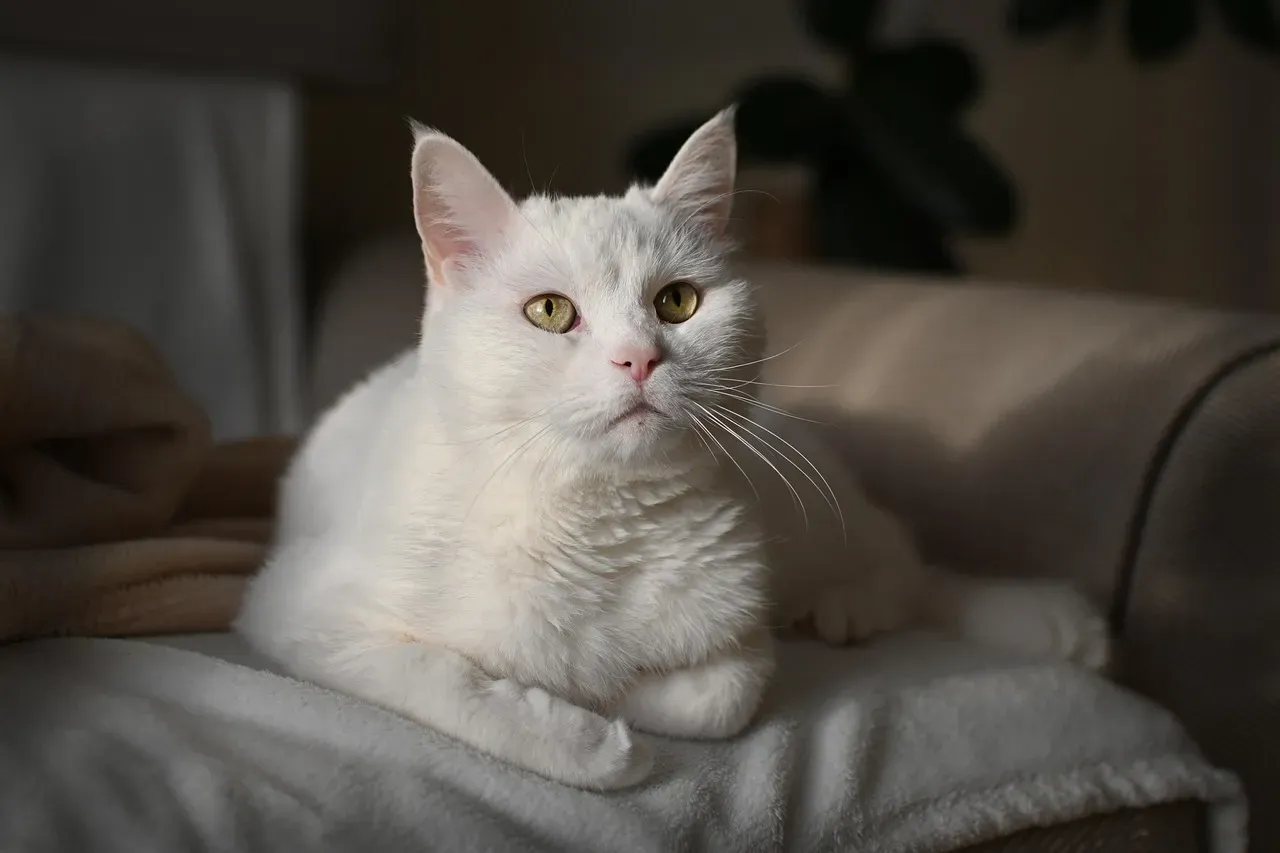
At some point during your viewing, your cat will plant themselves directly in your line of sight. This isn’t accidental. The TV is the central point in most rooms. We direct our furniture to face the TV, and family members congregate around the box for hours on end. Your cat understands, on some level, that the screen commands your attention. Placing themselves between you and it is a social move, not a critique of the programming.
Still, consider what the behavior is actually telling you. When you are home, make sure you spend one-on-one time with your cat, playing and cuddling. Watching TV can’t replace the social and emotional connection your cat gets when spending time with you. The screen-blocking maneuver is often your cat’s most direct way of reminding you that the remote control is not the most important thing in the room right now.
11. Modern High-Definition TVs Have Changed the Whole Relationship
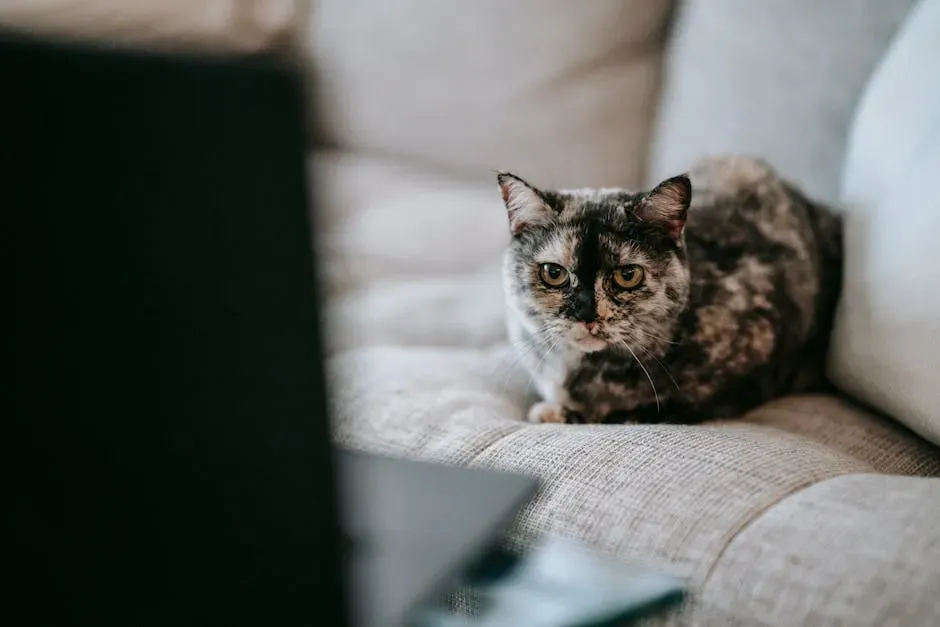
The way your cat interacts with your television has a lot to do with the set itself, not just what’s playing on it. Old TVs ran at a frequency of 50 Hertz or below. Because cats process images much quicker than we do, a 50-Hz display would appear like a series of flickering images, similar to a stop motion series of images. Modern TVs, on the other hand, can have a frequency of 100 Hz or higher, and cats likely see the images on these sets as true video footage. The images look more lifelike, which means that they are more likely to get the attention of your cat.
Cats are also likely attracted to videos with blue and green tones, since those are the colors they see best; other colors are likely to appear gray. Many cats will enjoy high-pitched squeaking and chirping sounds similar to those made by birds and mice. This means that the combination of a modern, high-refresh-rate screen and content with the right color palette and audio profile is genuinely meaningful to your cat. It’s not just a box of light to them anymore.
12. Boredom Makes Your Cat Hyperaware of Everything You Watch, Including the Bad Choices
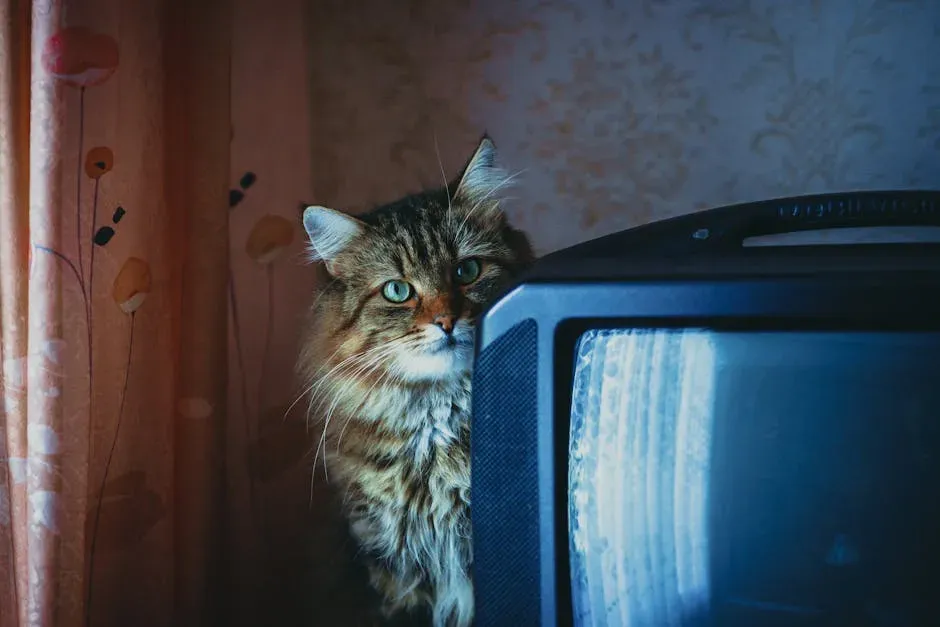
When a cat lacks mental stimulation, the television becomes disproportionately interesting, whether the content deserves that attention or not. A cat watching TV may be a sign of boredom or that your cat lacks adequate mental stimulation. Cats might sleep 16 hours a day and spend much of the time out of the way, but they still require some kind of mental activity to keep alert. A bored cat will scrutinize whatever happens to be on screen with an intensity that has nothing to do with the content’s quality.
Offering safe, stimulating experiences can improve their wellbeing, reduce stress, and help prevent or manage behavioral challenges. Enrichment supports both mental and physical health by encouraging natural behaviors, like exploring, hunting, and problem solving. Rotating interactive toys, using puzzle feeders, and ensuring daily play sessions can reduce your cat’s dependence on the television as their primary source of stimulation. A well-enriched cat is less concerned with judging your viewing habits because they have better things to do.
A Final Thought on Sharing Your Couch with a Critic
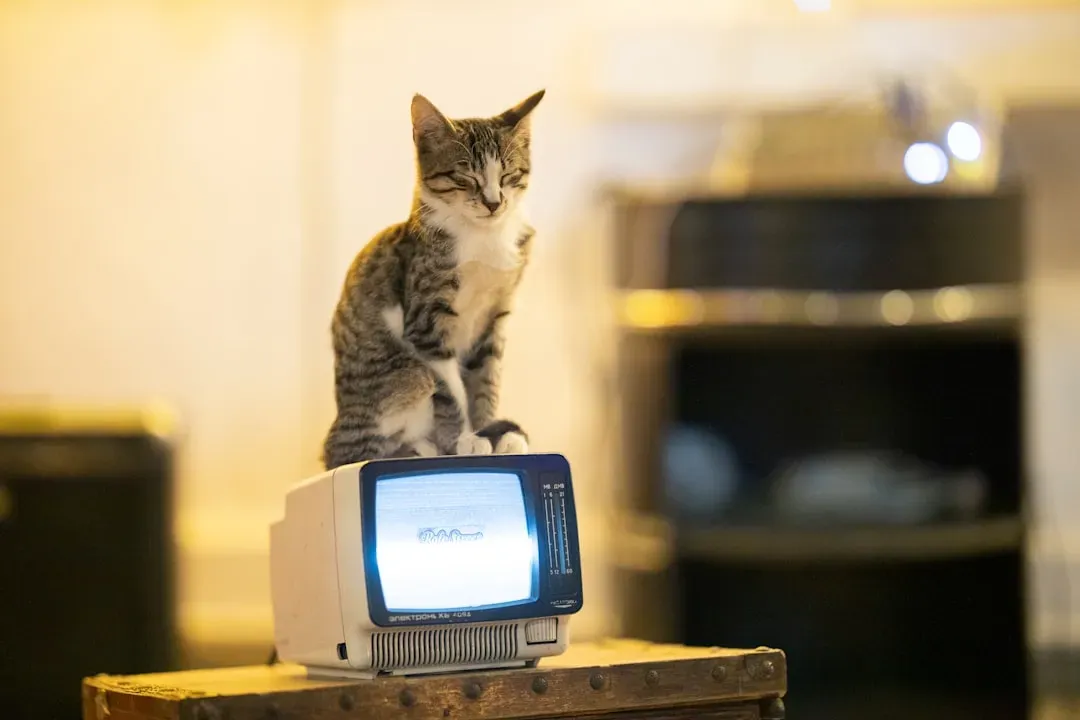
Your cat is not actually watching your shows with a scorecard. Their reactions come from something far more fundamental: instinct, sensory sensitivity, and a deep, ancient drive to understand their environment. When they walk out during your crime thriller or stare intensely at a documentary, they’re responding to what their senses are picking up, not rendering a verdict on your cultural taste.
That said, paying attention to those reactions is genuinely useful. Understanding a cat’s body language is essential for understanding their emotions and needs, which will make you a better cat parent and advocate for your cat’s well-being. Your cat’s body language around the television is one more layer of communication in an already rich, often misread dialogue. Learn to read it and you’ll find that the best TV companion you have isn’t judging you at all. They’re just keeping an eye on things, as cats have always done.
Kristina is a young writer from India. An arts graduate and an avid content creator, Kristina is passionate about animals and wildlife. She enjoys exploring topics related to pet care, animal behavior, conservation, and nature, combining thorough research with engaging storytelling.