Most people assume cats are indifferent to their surroundings, but their relationship with sound tells a very different story. Your cat is processing the acoustic landscape of your home every single day, sorting signals into categories that essentially boil down to one question: is this safe, or should I be alert?
A cat’s sensitivity to sound is an evolutionary advantage, but it also means that cats register every sound in their environment as a potential signal about safety or danger. What’s remarkable is that many of the sounds your cat finds most reassuring aren’t exotic or engineered. They’re happening in your home right now. Here are the eight everyday sounds that genuinely matter for your cat’s sense of comfort and wellbeing.
1. Your Familiar Voice Speaking Softly

Of all the sounds in your cat’s world, yours might carry the most meaning. Your cat learns your voice over time and associates it with daily routines like meals, playtime, and comfort, which is why many cats will perk up when their favorite human speaks, even from another room. This isn’t just affection for the sake of it. It’s deeply wired recognition built through consistent positive experience.
Research in animal cognition has found that cats may change their behavior when their humans are talking in a tone directed at them, but they don’t react the same way to a stranger who is talking that way or when the voice is directed elsewhere. So when you talk to your cat in that slightly higher, gentler voice, you’re not being silly. Cats tend to favor voices that are familiar, calm, and emotionally positive, and your tone helps shape how your cat experiences the world and how safe they feel within it.
2. The Steady Sound of Your Footsteps
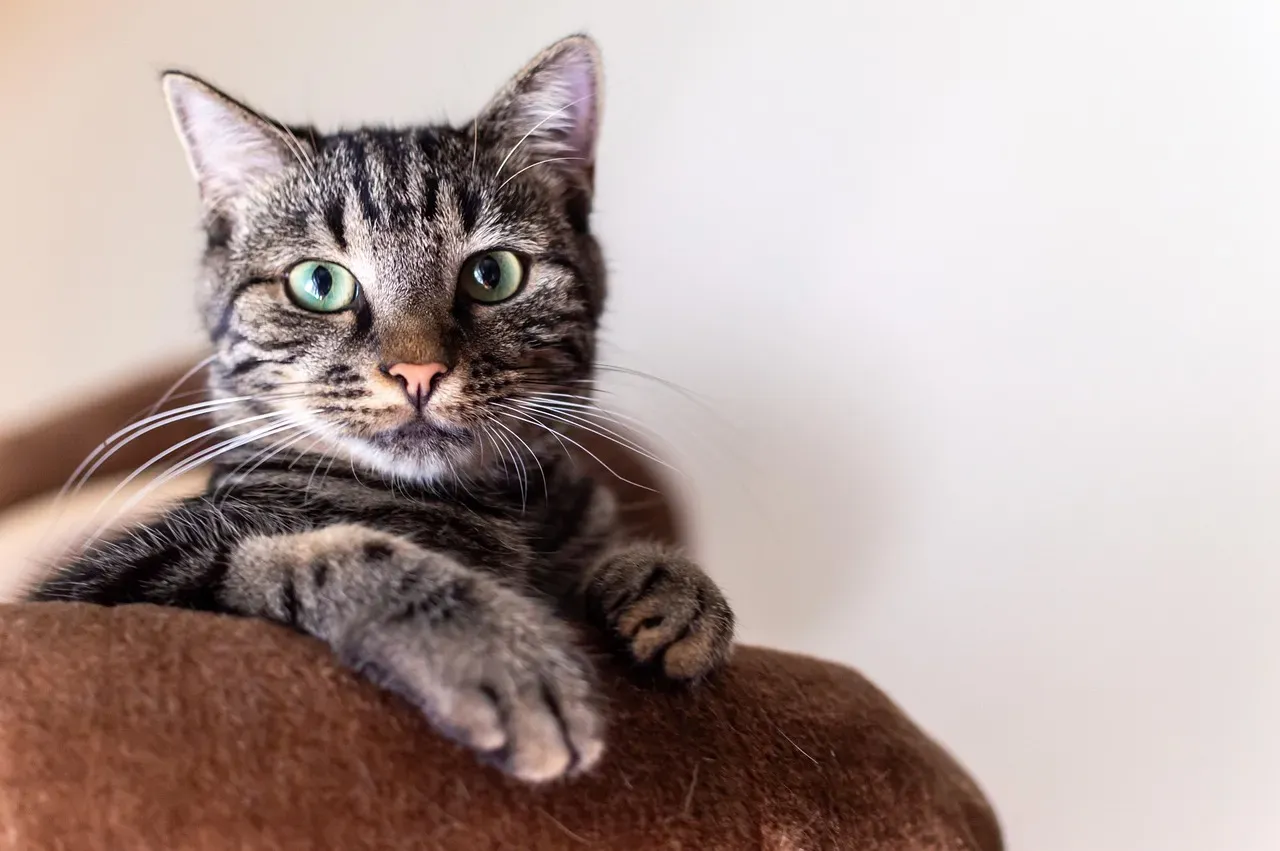
Your footsteps are one of the most underestimated comfort signals in a cat’s life. Cats follow humans to feel secure, and your voice, scent, and even footsteps become familiar cues of calm. In a busy household, you’re their moving anchor, a portable version of “home.” The rhythm of your walk through the house tells your cat exactly where you are and, more importantly, that everything is proceeding as expected.
Cats are creatures of routine, and following you helps them maintain a sense of order. In a changing environment with new furniture, guests, or unfamiliar sounds, your presence becomes the constant that keeps them calm. Even if your cat isn’t following you room to room, the familiar sound of your movement throughout the home provides a kind of ambient reassurance that carries genuine weight.
3. Soft Classical Music or Gentle Instrumental Tones
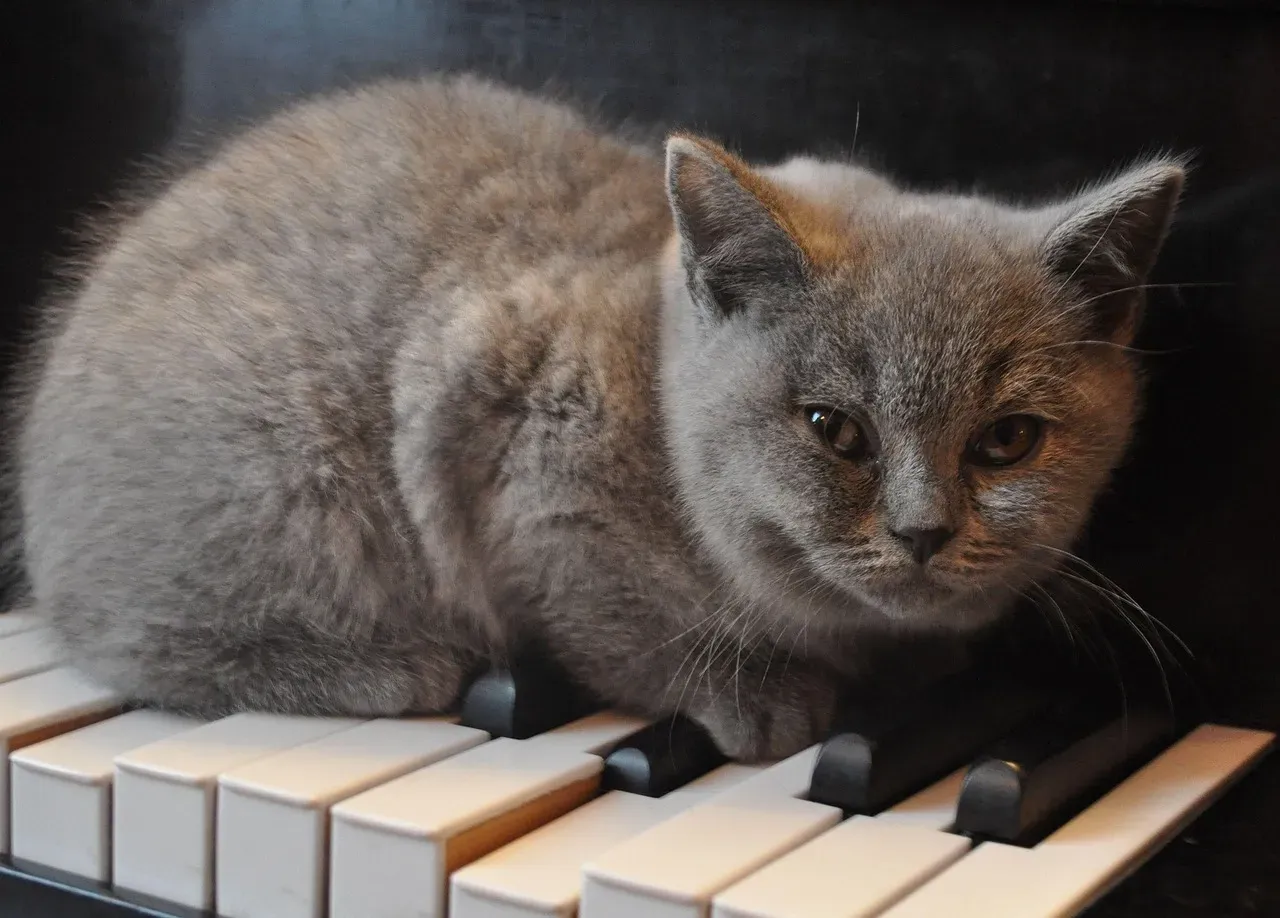
Like many animals, cats tend to enjoy most classical music. The soft sounds provide a relaxing atmosphere for cats, and other kinds of soft music, like instrumental or even certain kinds of jazz, can also create a calming effect for a nervous kitty. The key is keeping the volume low and the rhythms unhurried. Scientists know that cats don’t have a preference for any particular genre of music, but the music needs to be species-appropriate, meaning within a cat’s comfort hearing range and similar in frequency and tempo to the sounds naturally used by cats to communicate.
In some settings such as catteries, shelters, and vet clinics, playing classical music in the background can help create a calm and relaxing environment for cats. You can apply the same thinking at home. Music for cats should never be too loud since cats have a much more sensitive hearing than humans. Think of it less like entertainment and more like creating a quiet, steady backdrop that signals nothing unusual is happening.
4. Cat-Specific Music Built Around Purring and Suckling Sounds
Researchers observed that just like humans, cats prefer music containing a beat similar to their resting pulse rate, and they also prefer specific cat-related sounds and frequencies within their vocal range. This is the foundation of cat-specific music, a growing field of sound design intentionally built around feline perception. Cat-specific music is composed of lines based on affiliative cat vocalizations, such as purring and suckling sounds, as well as frequencies similar to the feline vocal range, which is two octaves higher than for humans.
Cats who listened to cat-specific music during wellness visits to a veterinarian were less stressed, physically and emotionally, compared with cats that had their checkups in silence or with classical music playing. The practical takeaway for you at home is real. Adding cat-specific music as an environmental modification offers a potential solution for cat owners trying to acclimate their pets to new areas and people. It’s especially useful during moves, renovations, or any disruption to your cat’s regular routine.
5. The Gentle Sound of Flowing or Running Water
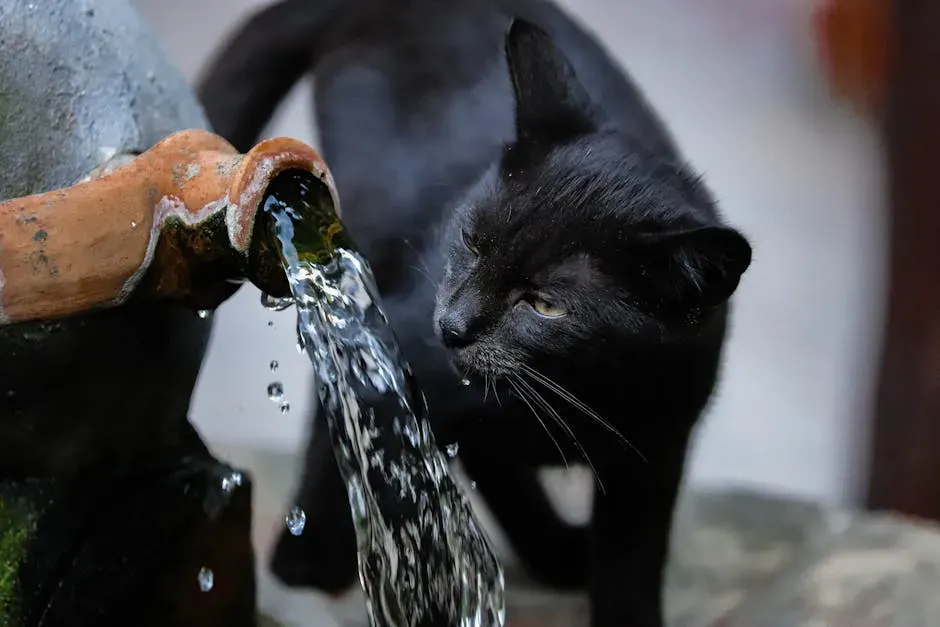
Soothing sounds from nature that we humans find relaxing, such as gentle rain or running water, will also be calming for your cat. There is very little research that proves exactly why cats prefer certain soothing sounds, but we do know that cats like silence and a peaceful environment when they want to rest, and these sounds may help them switch off their hunting instincts when it’s time to sleep. Nature sounds occupy a softer category of stimulation for cats, one that doesn’t trigger the hunt-or-hide response.
Calming sounds that feature birds, the sound of wind, or even light rain can be helpful for keeping cats calm. Try to avoid anything with extra loud noises like thunder that could cause anxiety, and instead stick to quiet and soothing sounds. A gently bubbling water fountain placed near a resting spot can serve double duty as both a hydration encouragement tool and a low-level comfort signal, especially for cats who are sensitive to environmental noise.
6. The Hum of Familiar Household Appliances
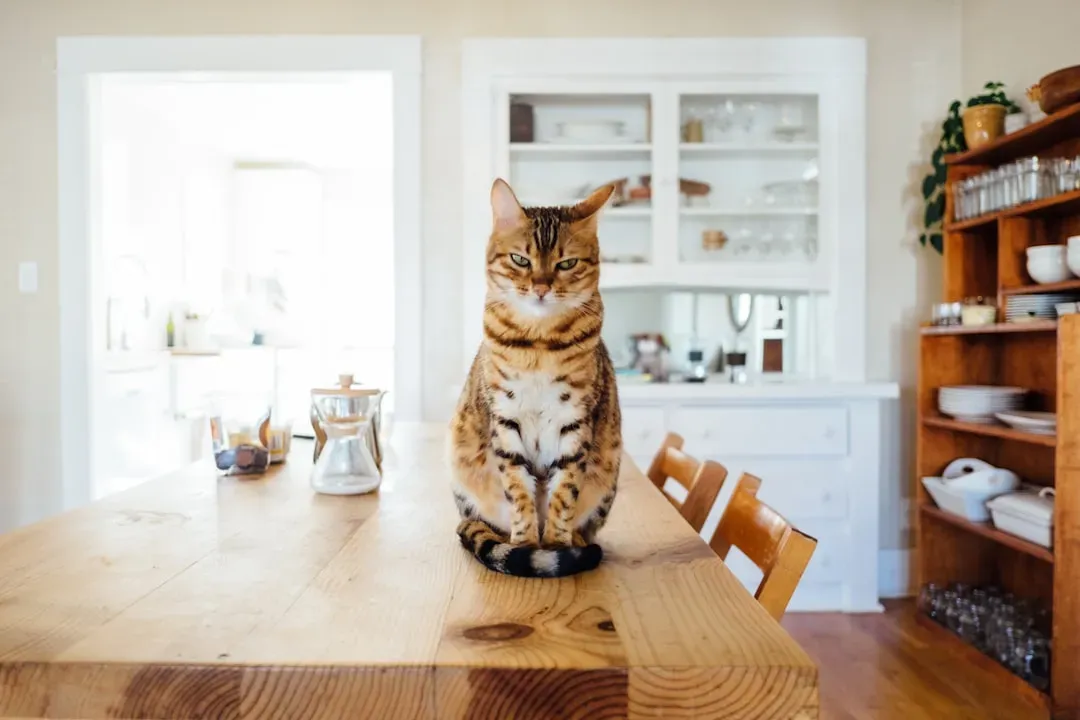
It might surprise you, but the background hum of everyday appliances in your home can actually be a comfort anchor for your cat. Everyday sounds like appliances and footsteps can mean different things to your cat. When these sounds are consistent and predictable, they function as a kind of sonic wallpaper that signals nothing has changed. From the gentle whir of the fridge to the rhythmic thump of the washing machine, these sounds can be oddly comforting.
Scientists have found out that sounds perceived as pleasant during the first weeks of childhood remain the most enjoyable ones for cats throughout their lives. This is worth sitting with for a moment. If your cat grew up in a home with a certain ambient soundscape, those sounds are deeply associated with safety. Sudden silence or a dramatic change in the household’s sound environment can, by contrast, create a low-level unease that many owners never connect to behavior shifts they might be observing.
7. Bird Sounds and Quiet Nature Audio From Outside or a Window
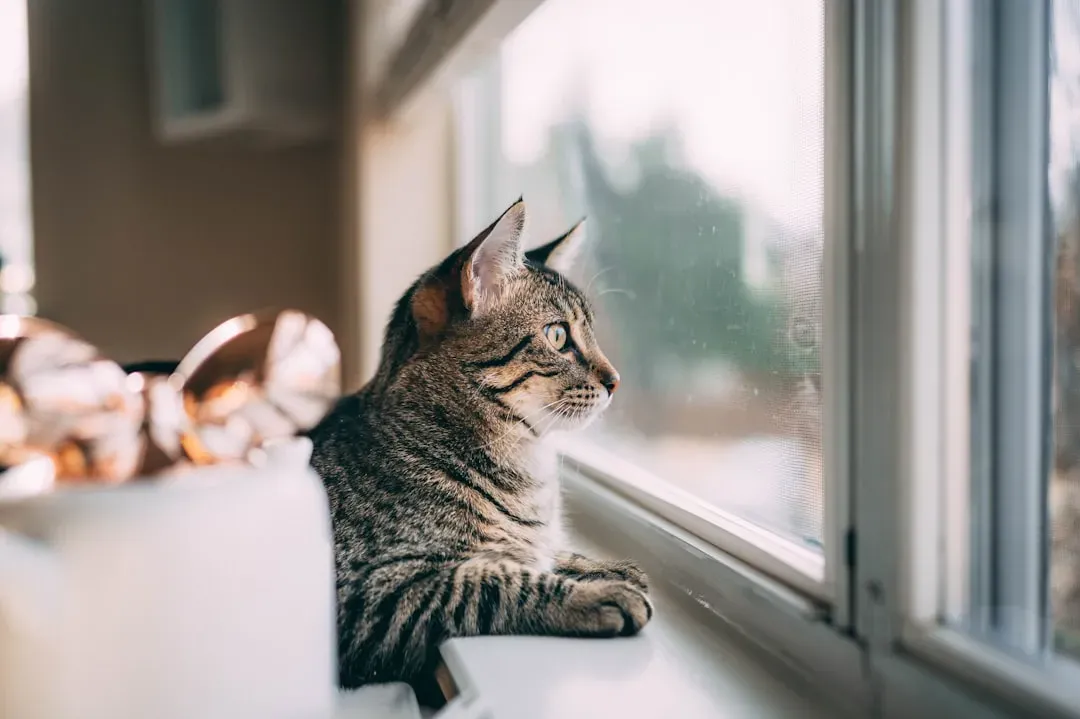
Outdoor sounds can be a real mixed bag for cats. One moment they’re lounging in the sun, and the next they hear the delightful chirping of birds or the rustling of squirrels. These sounds can spark curiosity and make cats feel engaged with their environment. Interestingly, the distinction between stimulating and comforting can be a fine one. Bird sounds near a window typically activate a cat’s interest without triggering genuine fear, which means they land in a sweet spot of safe engagement.
You’ve probably noticed your cat chattering or chirping when they spot a bird outside the window, which usually means they’ve seen something interesting and lets other cats know that there might be some prey around. This reaction is actually a sign your cat feels comfortable enough to engage with the outside world from a position of security. The jingle of toy bells or the familiar sound of prey-like rustling can instantly engage your cat’s hunting instincts and curiosity, and these sounds work because they tap into your cat’s natural predatory behaviors. Keeping a window perch open or playing gentle nature audio can fulfill this need on quieter days.
8. The Sound of Your Cat’s Own Purring
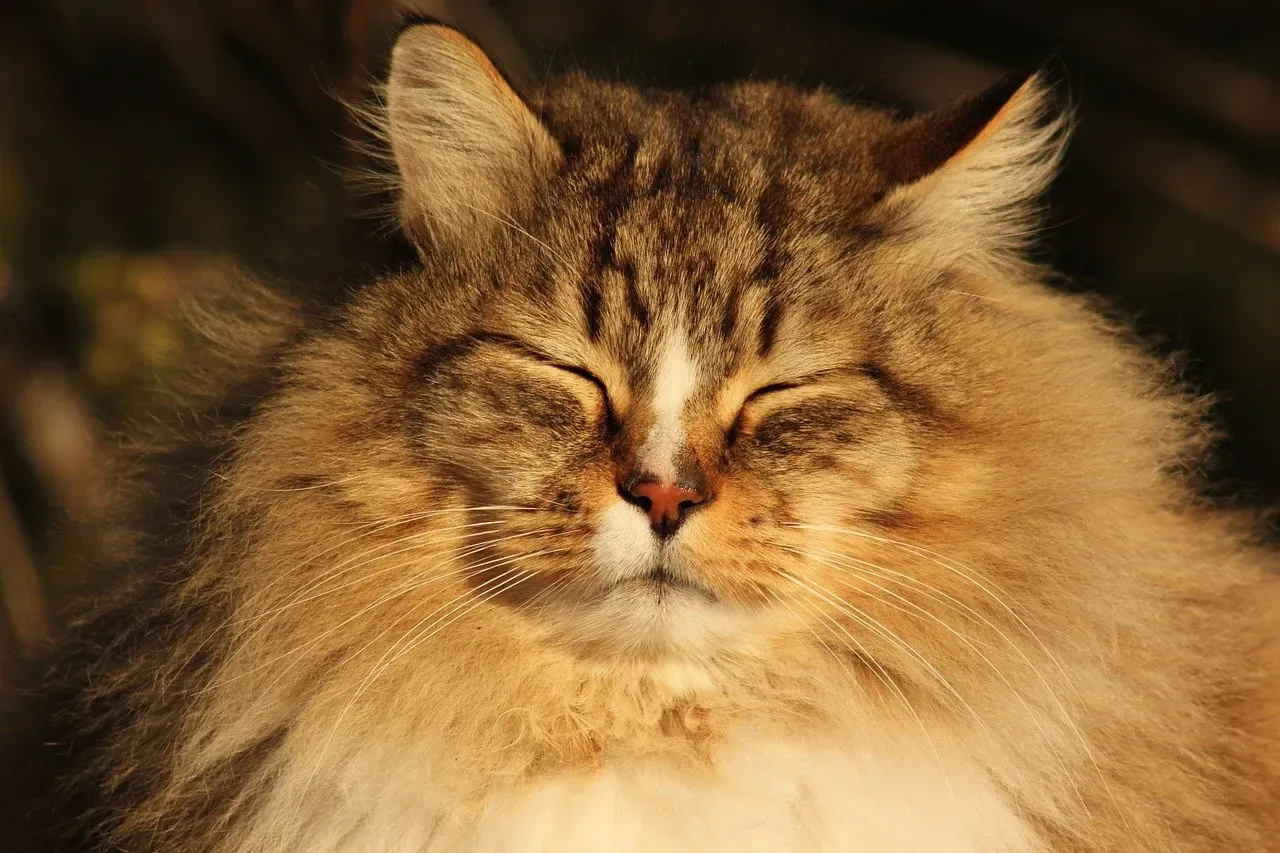
The majority of the time, a purr is a sign of being at peace. Your cat may purr and knead you when you’re sitting on the couch or laying in bed as they’re getting ready to cuddle with you. What many people don’t realize is that purring isn’t just a response to comfort. It also functions as a self-soothing mechanism. In some cases, cats will purr when they’re afraid or in pain, or even if they’re feeling sleepy or drowsy, and it’s believed they do this to comfort and calm themselves.
If you’ve always thought there’s something comforting and relaxing about the sound of your cat’s purr, you’re absolutely right. A cat’s purr has a frequency of roughly 25 to 30 Hz, and it’s thought that sounds in this range have healing properties. So when your cat settles in next to you and that familiar rumble starts, both of you are benefiting. The first rhythms that a kitten perceives are the vibrations of their mother’s heartbeat, purring, or the drinking noises they make when nursing, and these sounds are connected with comfort and security. In that sense, your cat’s purring carries one of the oldest emotional associations in their entire sensory world.
A Final Thought
Your cat’s comfort isn’t only about the softness of their bed or the quality of their food, though those things matter too. Sound shapes how safe your cat feels in the space you share, often in ways you’d never consciously notice. Cats are incredibly sensitive creatures, especially when it comes to sound, and as a cat owner you may notice how your furry friend reacts to different noises in your home.
Simply being mindful of your tone and staying calm and consistent can make a noticeable difference. Speak gently, avoid sudden loud sounds, and let your voice become a source of reassurance. The most comforting sounds in your cat’s life are often the most ordinary ones. The real question is whether you’re paying enough attention to protect them. Understanding how your cat hears allows you to interpret behavior more accurately and respond with compassion rather than frustration. That shift in awareness might be the simplest and most meaningful thing you can offer.
Kristina is a young writer from India. An arts graduate and an avid content creator, Kristina is passionate about animals and wildlife. She enjoys exploring topics related to pet care, animal behavior, conservation, and nature, combining thorough research with engaging storytelling.