You’ve been jolted awake at 3 a.m. by the sound of something skidding across your hardwood floor. You turn over, half-expecting a burglar, and find your cat in a full sprint around the living room, pupils blown wide, tail bushed up like a bottle brush. It looks like pure chaos. It isn’t.
What you’re watching is actually a finely tuned biological program running exactly as it was designed to, thousands of years before your cat ever set a paw on your sectional sofa. Understanding that program changes everything about how you interpret your cat’s behavior after dark – and it might even help you both sleep better.
Your Cat Is Not Nocturnal – and That Distinction Actually Matters
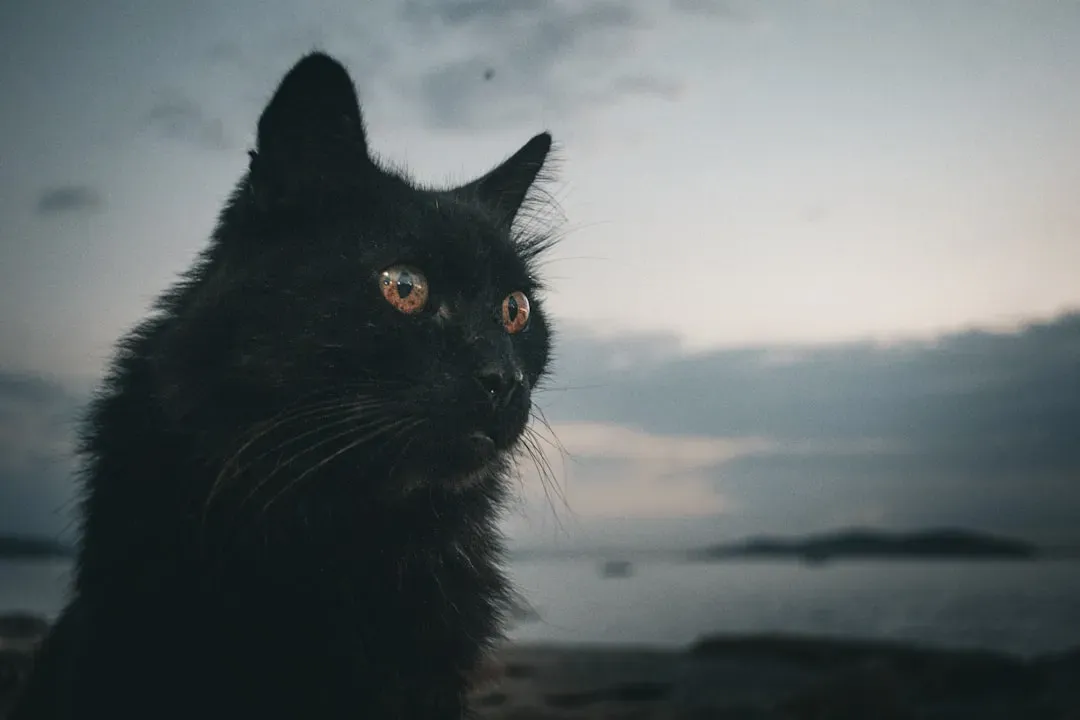
Here’s one of the most persistent myths in the cat world: that your cat is a creature of the night. Despite popular belief, domestic cats are not nocturnal. They are crepuscular, meaning they’re most active at twilight – dawn and dusk. That’s a meaningful biological difference, not just a technicality.
Crepuscular animals are most active in the hours around dawn and dusk when light levels are low. The word itself comes from the Latin “crepusculum,” which means twilight. Many people never encounter this term, which is probably why the nocturnal label has stuck around so long. Your cat isn’t confused about what time it is – their internal clock is simply set differently from yours.
The Evolutionary Logic Behind the Twilight Timing
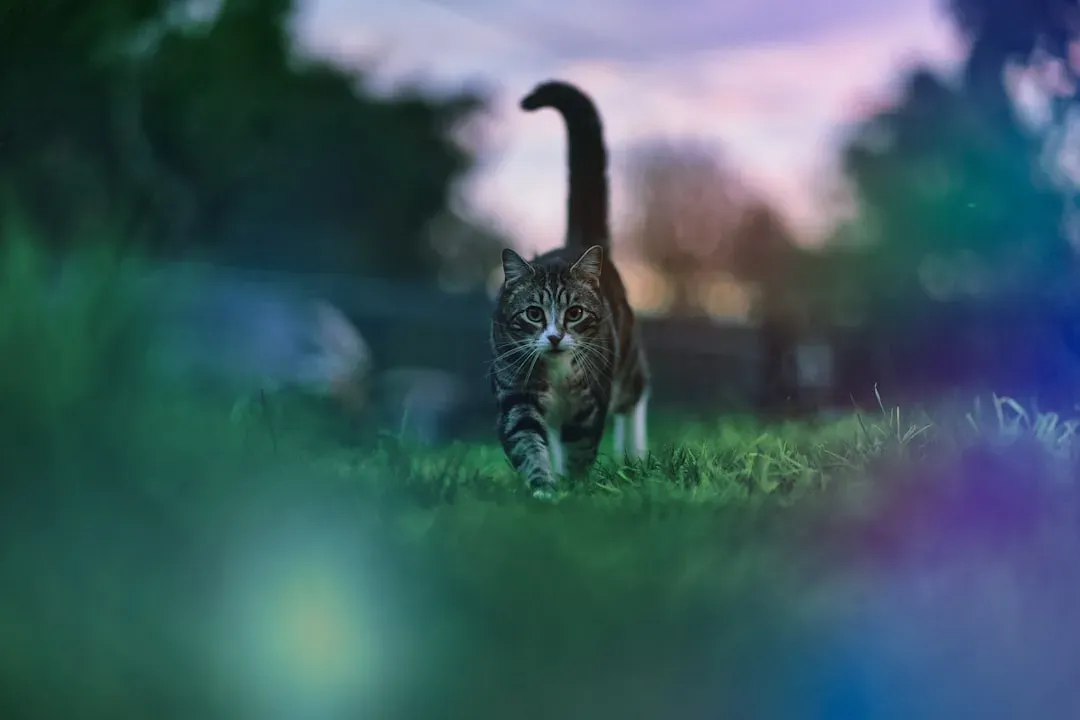
Crepuscular animals are thought to have evolved to take advantage of the cooler temperatures, low-light conditions, and prey availability at dusk and dawn. They can also strike a balance between hiding from predators while still being able to see the prey they’re hunting. In short, twilight was prime time in the wild, and that programming runs deep.
Researchers believe that a cat’s crepuscular sleep cycle is driven by their predatory nature. Common prey animals for cats have different sleep cycles, so a cat’s cycle allows it to be awake at daybreak to prey on diurnal birds and at twilight to prey on nocturnal rodents. Your cat isn’t randomly active at odd hours – they are, in effect, always hunting the right prey at the right moment. That your living room has no rodents in it is beside the point.
The Predatory Cycle: Why Your Cat Needs the Full Sequence
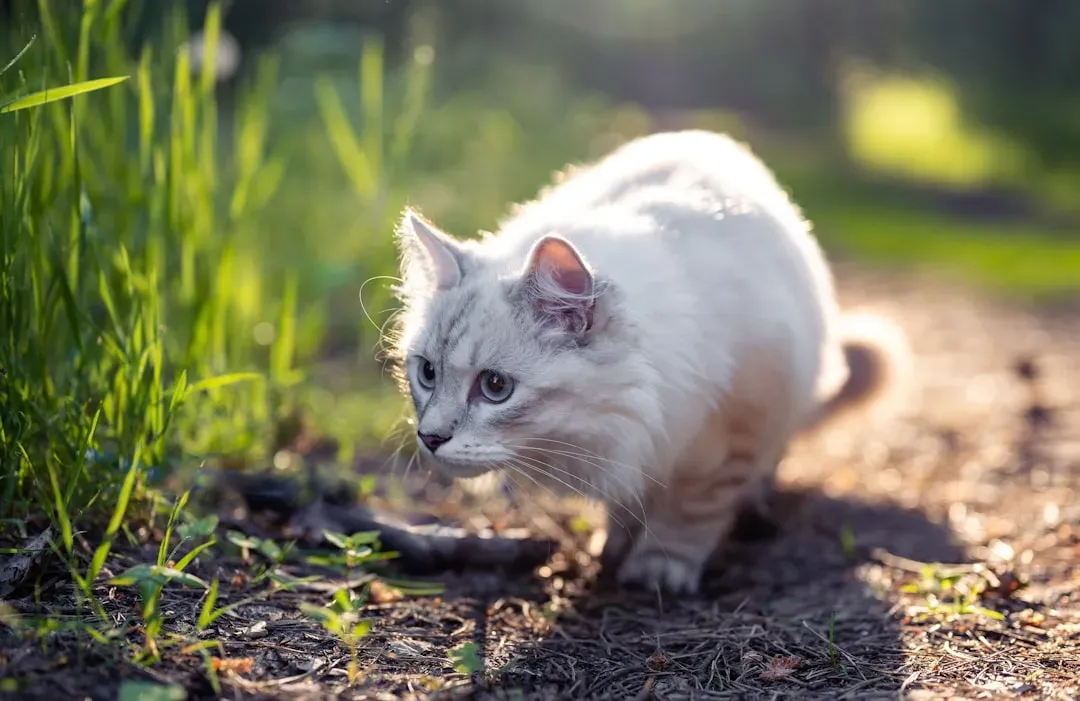
Catching a meal is hard work, requiring small bursts of energy for the hunt, followed by a rewarding meal and well-deserved cat nap that replenishes energy for the next hunt. This is called the predatory cycle, and most indoor cats often only experience a portion of the natural rhythm – eat, sleep, and repeat. That incomplete cycle is one of the quieter causes of nighttime restlessness.
Rather than waking a napping cat, a more effective method for helping your cat sleep through the night is to play out a full predation cycle about an hour before bedtime. That means a play session as the hunt, followed by a meal. Then, nature tells them to sleep and conserve calories. It’s a simple sequence, but it works with your cat’s biology rather than against it.
The Eyes Have It: Built-In Night Vision Equipment
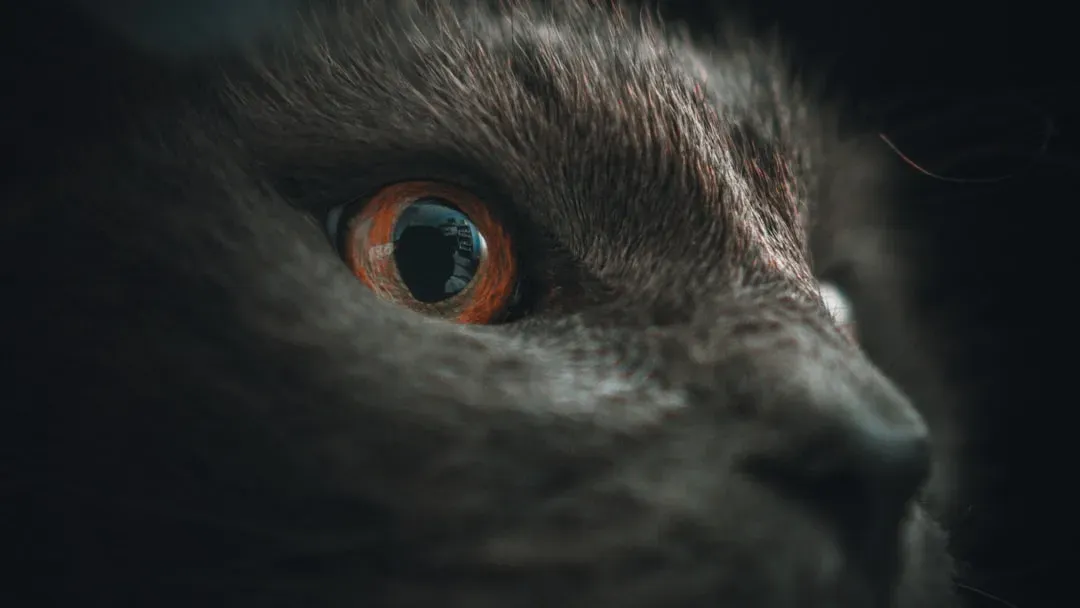
Cats possess a retina heavily dominated by rod cells, which can be six to eight times more numerous than in a human retina. This high rod-to-cone ratio makes the feline eye incredibly sensitive to dim light, allowing them to perceive shapes and movement in near-darkness. This specialization prioritizes sensitivity over the detailed acuity needed for daylight vision. Your cat isn’t stumbling around in the dark – they’re operating with equipment you simply don’t have.
The tapetum lucidum acts like a mirror, reflecting light back through the retina to increase the available light for photoreceptor cells. This gives cats their famous glowing eyes at night and allows them to see six times better than humans in low light. Their vertically oriented, slit-shaped pupils provide astonishing control over light intake. This shape allows the pupil to contract to a tiny pinprick in bright light, but then open into a vast, nearly circular aperture in the dark. Every part of that eye is engineered for the twilight window your cat was born to exploit.
How Your Cat Sleeps – and Why It Looks Suspicious
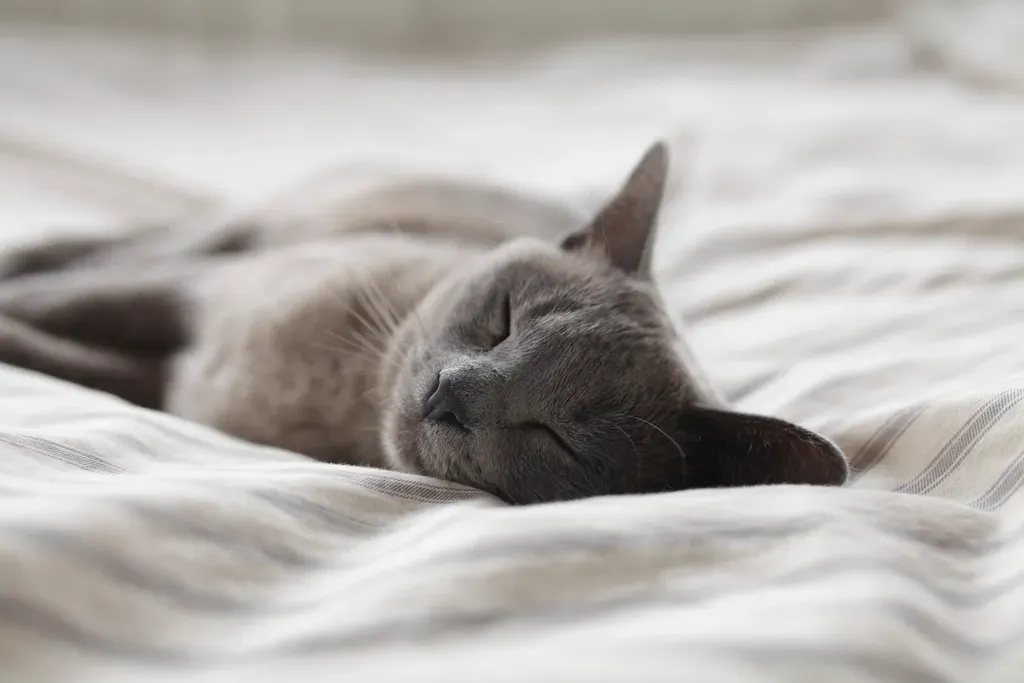
Cats sleep between 12 and 16 hours a day, taking short cat naps between periods of activity in what’s known as a polyphasic sleep schedule. Though cats sleep a lot, much of their rest is light sleep, not deep slumber. Roughly three quarters of a cat’s sleep is in a light doze, while only about a quarter qualifies as deep or REM sleep. So when you think your cat is out cold, they’re probably still paying more attention to the world than you realize.
Cats do experience both non-REM and REM sleep, but for cats, “asleep” is not “off the clock.” Cats are always on the alert, even when they’re dozing. If a strange noise wakes them up, they’re almost instantly aware and fully operational. Cats sleep like this because they’re both predator and prey. Polyphasic sleep allows them to stay alert enough to swiftly escape predators when needed. The light-sleeping habit isn’t laziness – it’s a survival tool.
When Your Schedule Is the Variable, Not Theirs
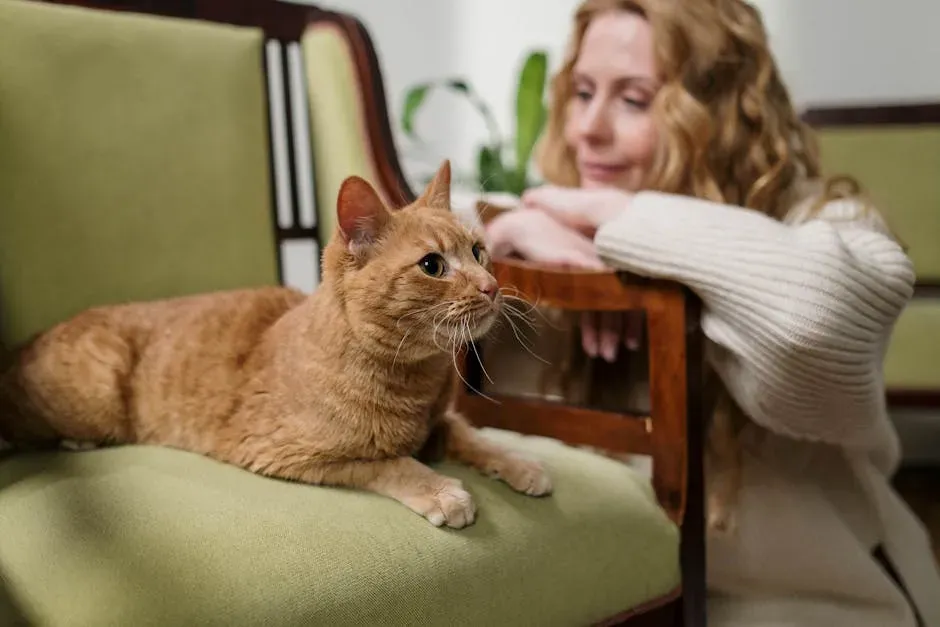
Your cat’s crepuscular nature may depend on your lifestyle as much as their own, and is not necessarily as hardwired as their ancestors. If you’re home a lot during the day, your cat may stay awake to interact with you, and those extra daytime hours awake could make them more likely to sleep at night. On the other hand, if you’re away from home during the day, they’ll probably spend a lot of their time napping and have more awake time during the night for playtime.
Studies suggest that cats recognize human sleep patterns. Over time, many adjust their nap cycles to align more closely with their owner’s routine, especially indoor cats who live in stable, affectionate environments. This is genuinely encouraging news – it means your cat is not entirely at the mercy of their instincts, and you’re not entirely at the mercy of your cat.
Boredom, Hunger, and the Other Culprits Behind the Midnight Chaos
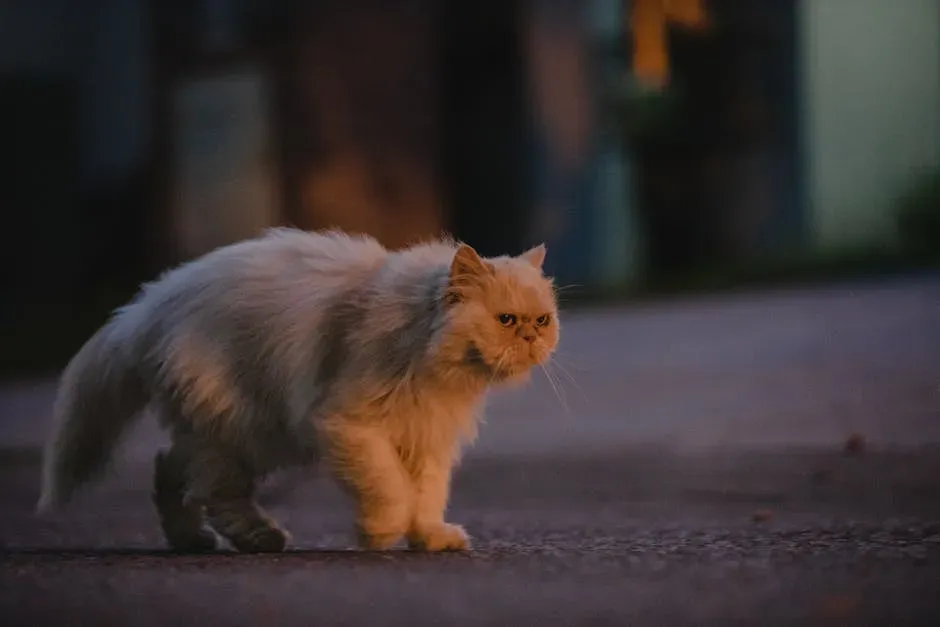
Many cases of extra nighttime activity come down to natural hunting instincts, feeding schedules, daily boredom, or an underlying medical or behavioral issue. Cats often sleep all day because they have nothing else to do. They’re surrounded by the same environment, toys, and activities day in and day out. They lose interest, and sleep takes the place of enrichment. All that banked rest has to go somewhere, and it tends to go directly into your 2 a.m.
Cats in the wild eat as many as 15 small meals a day. When you reduce that to one or two bowls, gaps in their feeding schedule can translate directly into restless nights. Cats are opportunistic eaters. If their feeding schedule doesn’t align with their natural activity patterns, they may seek food at night. Spreading meals across the day in smaller portions is one of the most practical things you can try first.
When Nighttime Restlessness Is a Medical Signal
Senior cats may be restless at night for different reasons. Changes in their sleep cycles, hearing loss, anxiety, or the onset of cognitive dysfunction can lead to vocalizing and increased wakefulness. If your older cat has recently started pacing or yowling at night after years of calm behavior, that shift deserves a conversation with your vet rather than just a set of earplugs.
If your cat is spending more time awake at night than they used to, mention this to your veterinarian. Some health conditions can disrupt a cat’s sleep schedule and keep them up at night, including hyperthyroidism, hypertension, anxiety, and pain. If a senior cat is experiencing cognitive dysfunction, that can also create a disrupted sleep cycle. If you’re noticing changes in sleep schedule as well as other behavioral changes like excessive grooming, increased or decreased appetite, and changes in litter box habits, contact your veterinarian. Behavior is often the first language illness speaks.
Practical Ways to Work With Your Cat’s Internal Clock
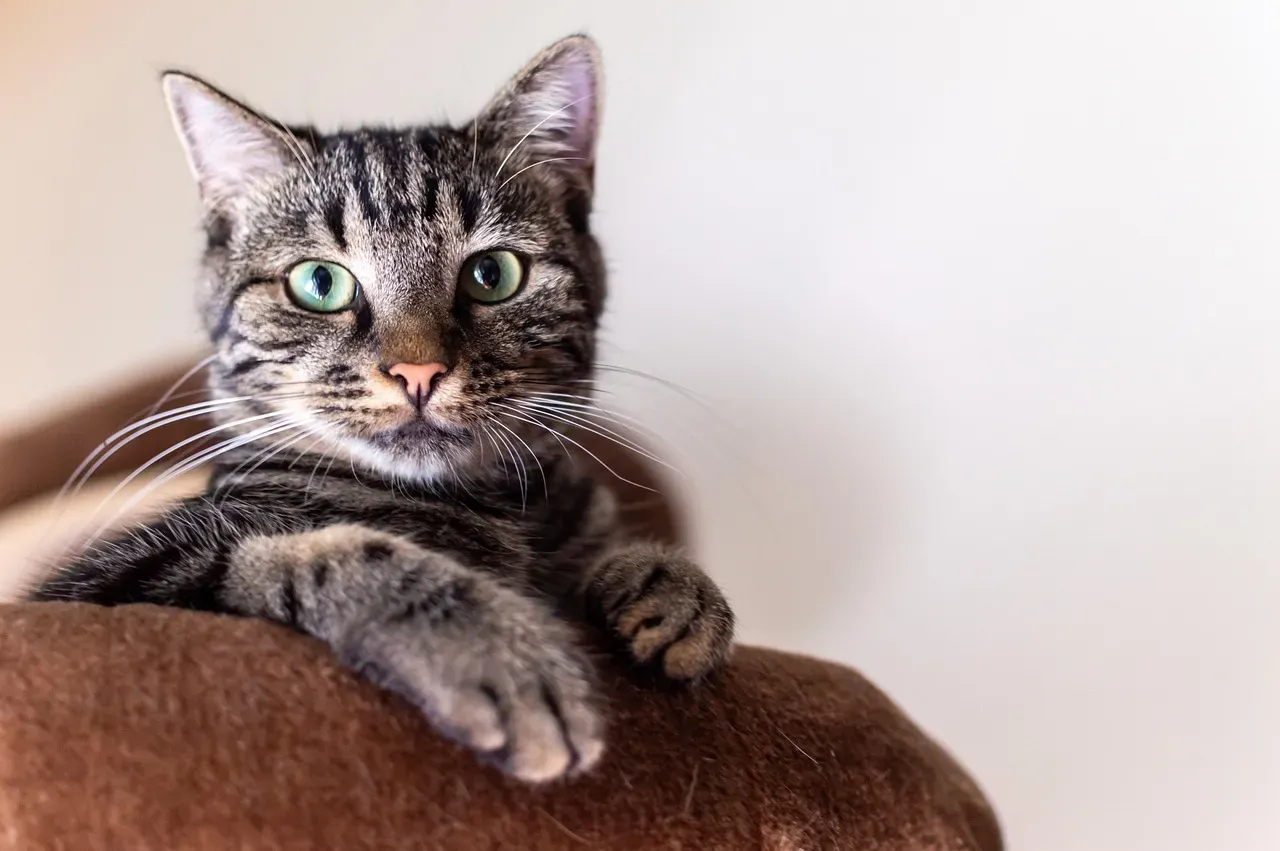
Cats thrive on consistency. Try to align their routine with yours by scheduling an evening play session before bed, then feeding them their largest meal right after that session. You can also hide small amounts of food around the house to let your cat hunt for it. A mentally stimulated cat is far less likely to turn into a restless night owl. The goal is to make daytime feel interesting enough that nighttime feels worth resting through.
Many people reinforce boisterous nighttime activity without meaning to. They might get up to feed, play with, or simply chase their cat out of the room. All of these responses teach the cat that disturbing you gets attention. Yelling, spraying water, or using deterrent devices can damage your bond and make your cat fearful or aggressive. Instead, focus on patience, structure, and positive reinforcement. The moment you respond to the behavior, you’ve become part of the training loop – just not the trainer.
Conclusion
Your cat’s nighttime behavior is not random, spite-driven, or a personal affront to your need for sleep. It’s the expression of an ancient biological script, written long before the two of you ever shared a roof. Understanding that script – the crepuscular timing, the predatory cycle, the polyphasic sleep, the extraordinary sensory equipment – gives you a completely different way to respond to it.
Work with the pattern instead of against it. Schedule the play, sequence the meal, keep the days interesting, and watch how quickly the nights get quieter. Your cat’s internal clock was built for survival in a very different world, but with a little structure on your end, it can still keep reasonable time in this one.
Kristina is a young writer from India. An arts graduate and an avid content creator, Kristina is passionate about animals and wildlife. She enjoys exploring topics related to pet care, animal behavior, conservation, and nature, combining thorough research with engaging storytelling.