Most people see a cat chasing a piece of string and think it’s just a cute way to pass an afternoon. But there’s considerably more happening in that focused, low-crouched little body than you might expect. What you’re actually watching is the distilled essence of millions of years of predatory evolution playing out in your living room.
Your cat, well-fed and completely safe from any real threat, is still running a behavioral program so deeply embedded in their biology that no amount of domestic comfort has managed to erase it. Understanding where that program comes from – and what it’s actually doing – changes the way you’ll think about your cat forever.
A Predator Born, Not Made
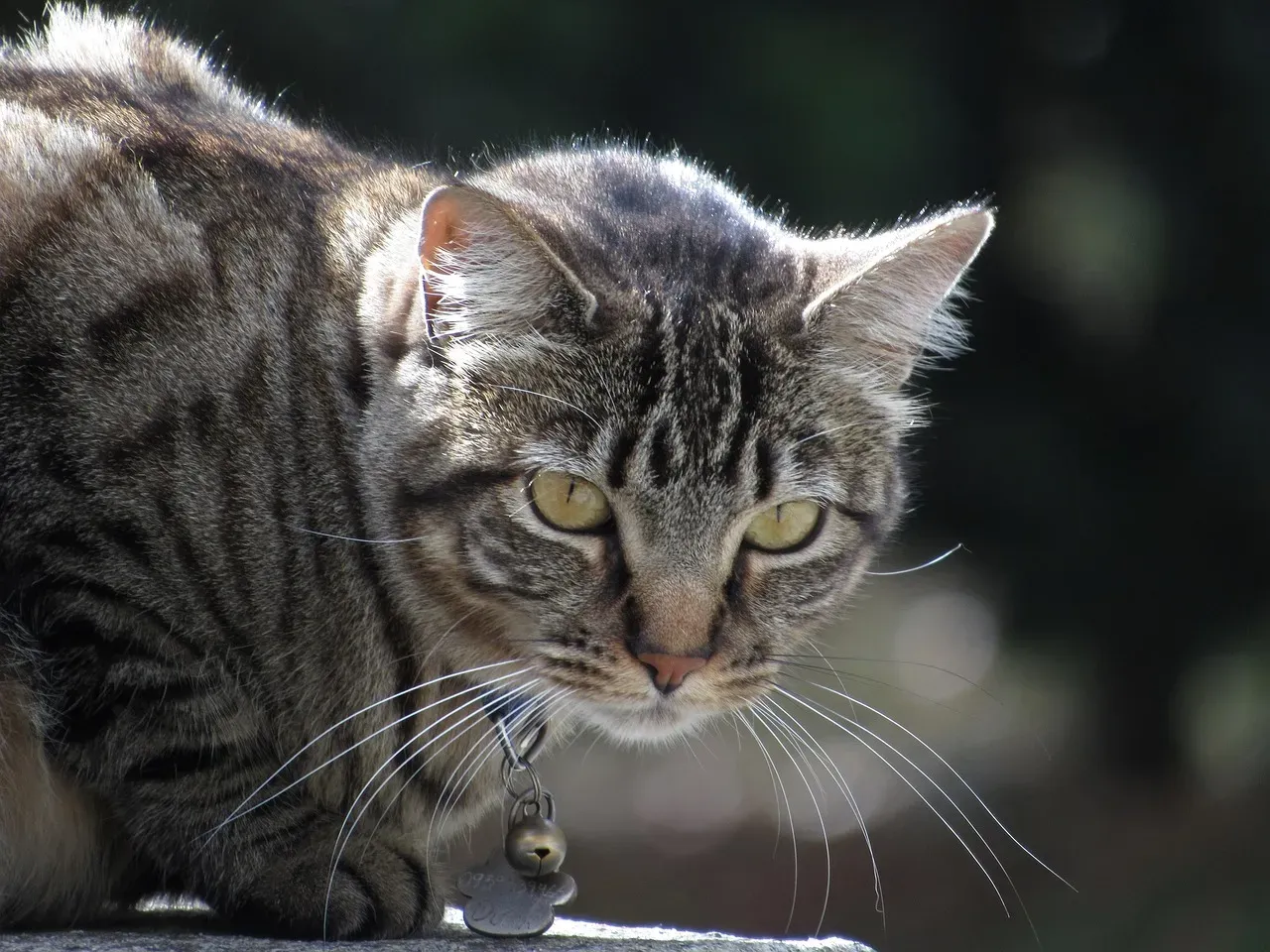
From a young age, kittens display instinctual hunting behaviors even without being taught. These actions are hardwired into their DNA, passed down from generations of wild cats who relied on stealth and precision to eat and survive. This isn’t a learned behavior your cat picked up by watching nature documentaries. It’s built in at the genetic level, present before a kitten ever even opens its eyes properly.
Domestic cats share over 95% of their DNA with wild species like the African wildcat, and their play styles mirror the behaviors needed in the wild. That’s not a trivial overlap. It means the cat batting a cork across your kitchen floor is, at a cellular level, almost identical to the wild cat that was hunting mice through North African scrubland thousands of years ago.
Where Your Cat’s Ancient Lineage Actually Comes From
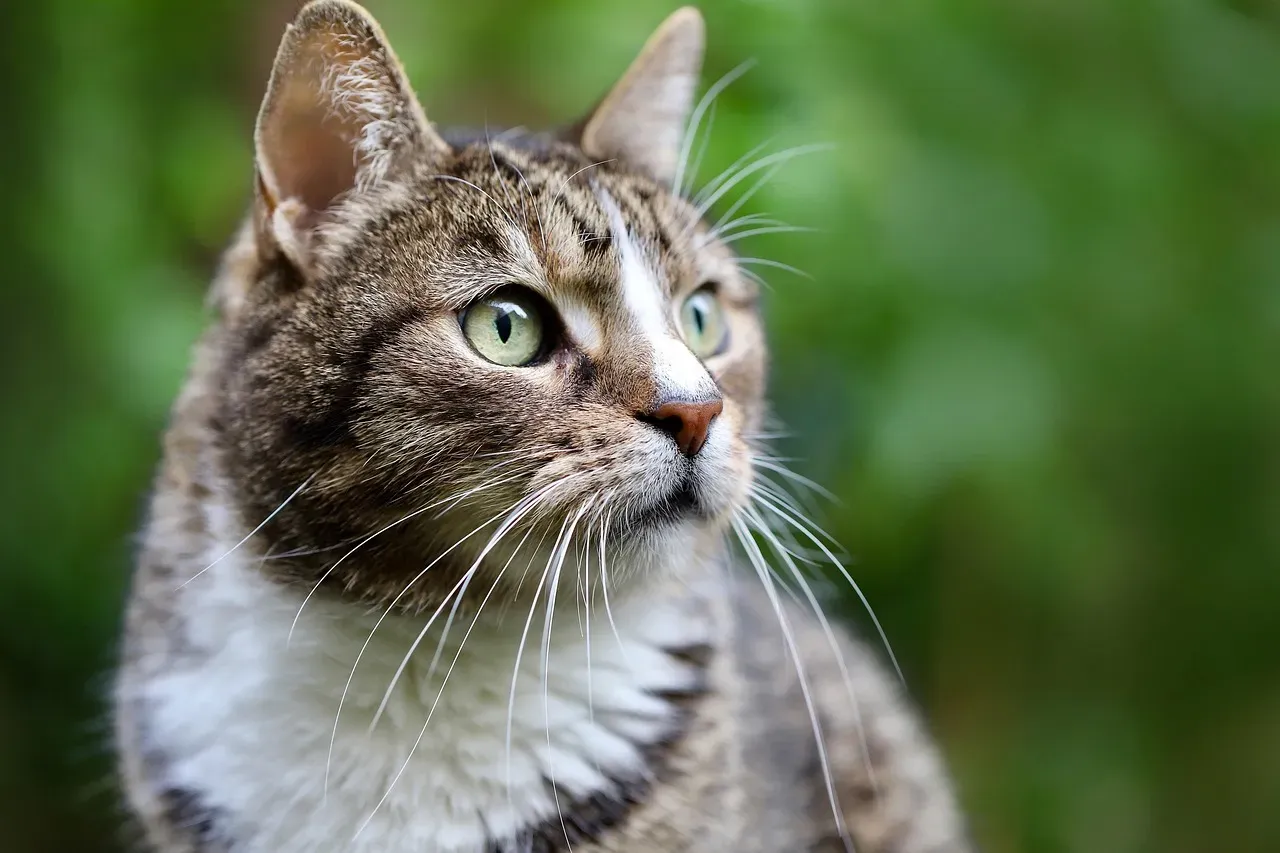
By roughly 9,500 years ago, humans in the Near Eastern and North African zone were already keeping cats closely enough to transport and bury them. Domestic cats derive from the Near Eastern and North African wildcat, Felis lybica, native to regions including Egypt and the Levant. The story of your cat, in other words, starts in the same cradle of civilization where writing and agriculture were born.
Ancient granaries led to rodent population explosions. Some African wildcats, those with the least fear of humans, took advantage of this bounty and started hanging around. People saw the benefit of their presence and treated the cats kindly, perhaps giving them shelter or food. The relationship was purely practical at first. Cats weren’t pets. They were pest control. The affectionate companion you know today essentially negotiated their own way into human life.
Why Domestication Barely Changed the Hunter
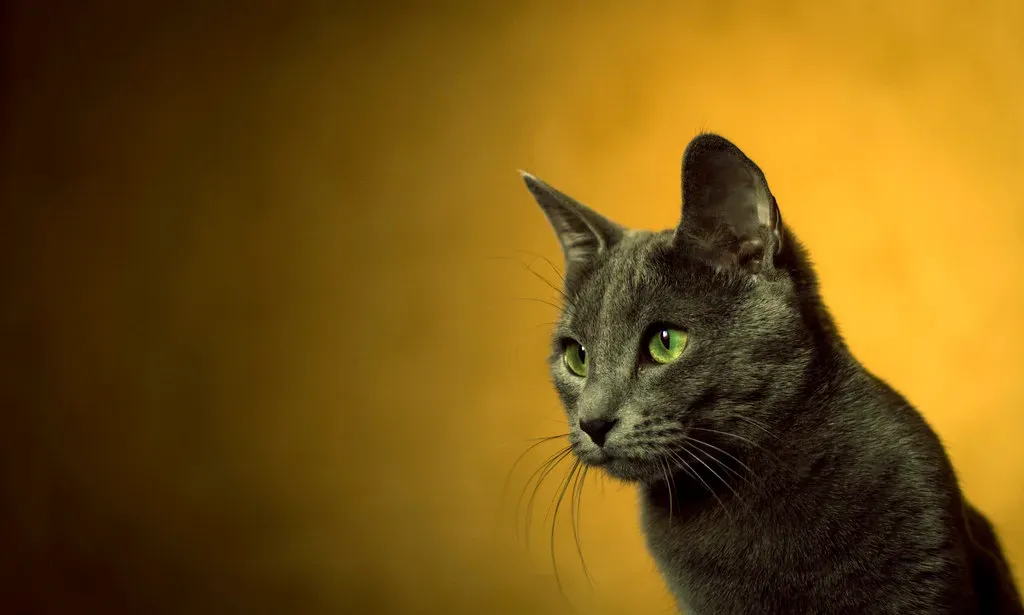
Until quite recently, cats were mainly kept to control rodent populations rather than as pets, and during this time only the best hunters survived and reproduced, meaning that our pet cats today descended from the most adept hunters. There’s been very little selective breeding of cats, so their instinctive need to hunt remains strong. Compare that to dogs, which were intensively shaped through selective breeding for centuries. Cats basically domesticated themselves on their own terms and kept most of their wild toolkit intact.
Only 13 genes have been changed by natural selection during the domestication process. By contrast, almost three times as many genes changed during the descent of dogs from wolves. That genetic near-conservation is exactly why your cat can go from curled up asleep on a blanket to locked in a full pounce sequence the moment something moves across the floor. Very little has been genetically dialed down.
The Predatory Sequence Your Cat Runs Every Time You Dangle That String
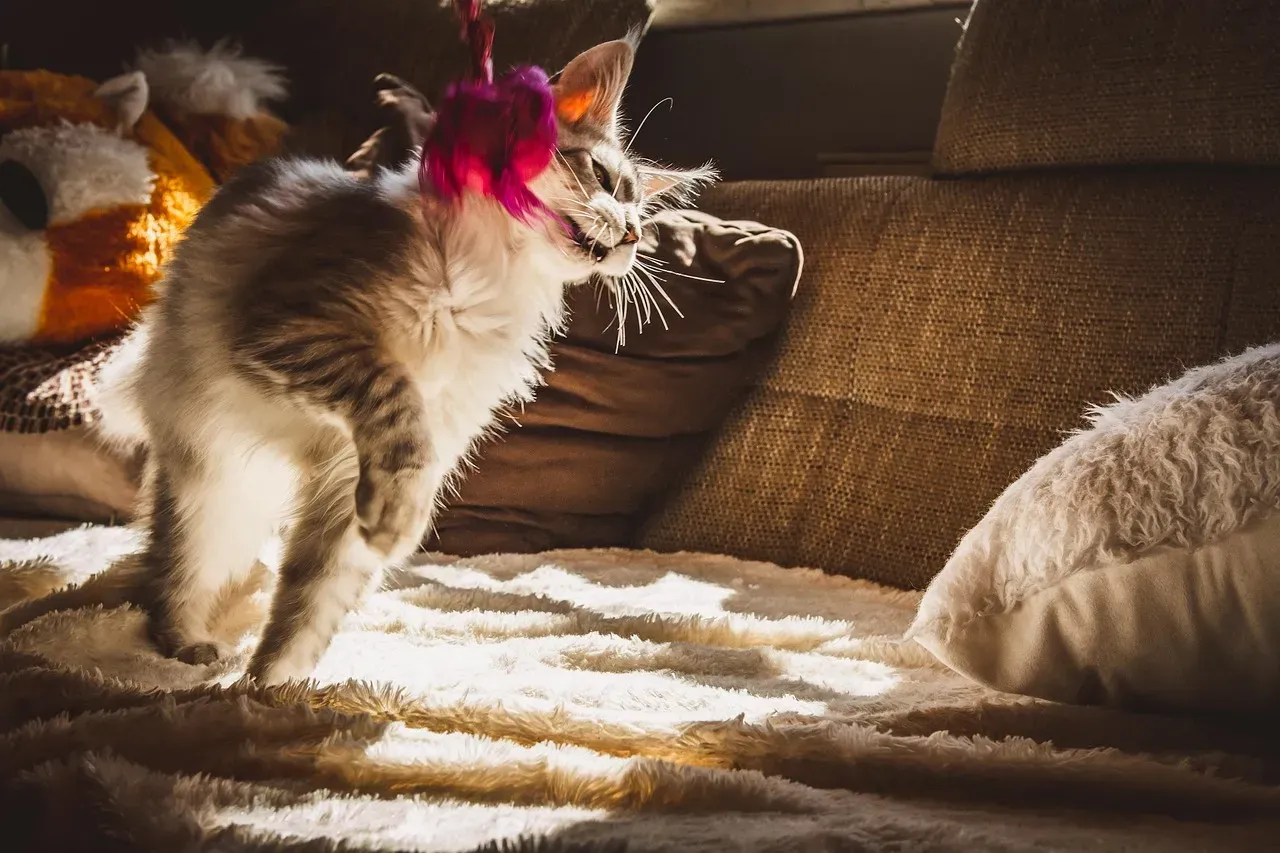
Like any other predator, cats share the same basic predatory chain of behavior, which runs: Track, Orient, Eye and Stalk, Chase, Grab, Bite, Kill, Dissect, Eat. Every single time your cat watches that string with a narrowed gaze, edges forward incrementally, then explodes into a pounce, they’re executing this exact sequence. Not randomly. Not playfully. Ritualistically.
From a neurological perspective, cat play closely follows the predatory sequence hardwired into their brains: stalk, chase, pounce, catch, kill. Engaging in this full sequence is not only satisfying for cats but completes a biological loop that supports healthy mental functioning. Interrupting the cycle too soon can actually leave a cat agitated or overstimulated. This is why you’ll notice your cat can seem almost frustrated if a toy suddenly vanishes or stops moving before they’ve made their “kill.” The loop needs to close.
Why String Triggers the Ancient Wiring
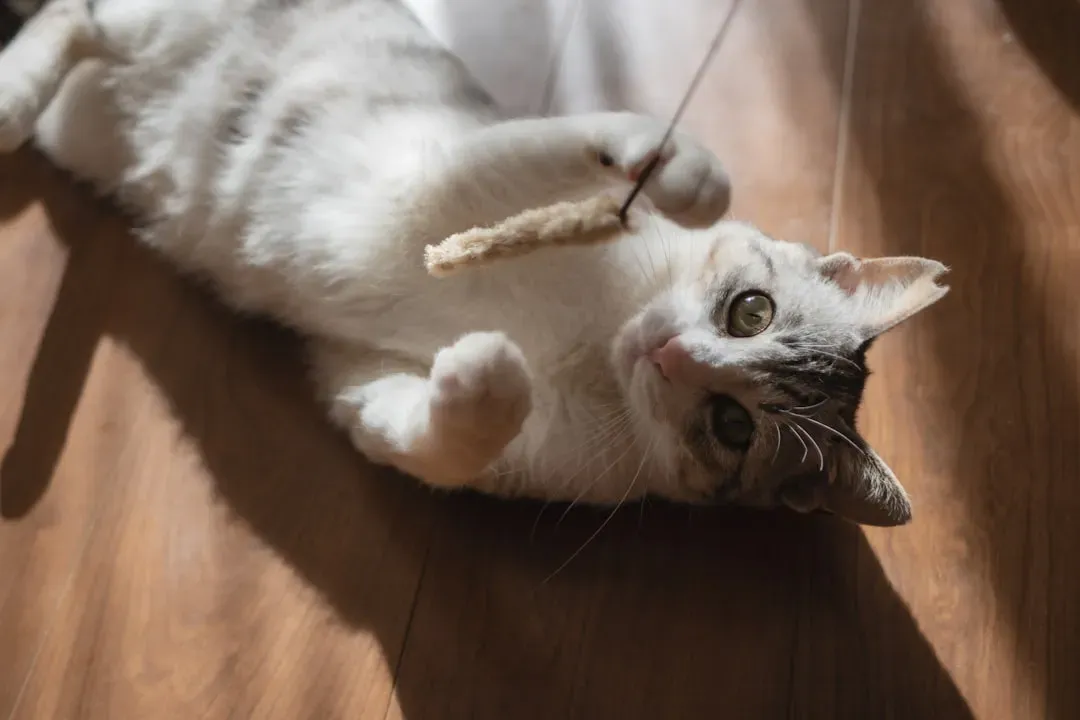
Rapid, erratic, small-amplitude movements of string mimic the locomotor cues of insects, lizards, and the twitching of small prey that excite the cat’s orienting, stalking, and pounce behaviors. Visual motion detectors in the cat’s brain are highly tuned to sudden, unpredictable movement, more than to shape or size, so a flicking string is a compelling stimulus. Your cat isn’t confused about what string is. Their brain is responding to the movement signature, and that signature says “small, vulnerable prey.”
The movement of string along the floor mimics the motion of prey animals like snakes, mice tails, or insects. This triggers your cat’s natural predatory response, even in the most pampered indoor cats. Domestic environments suppress real hunting opportunities, so play with strings serves as practice and release for pent-up predatory drive. Your string isn’t just a toy. It’s a carefully calibrated stand-in for something alive.
The Senses Built for the Hunt
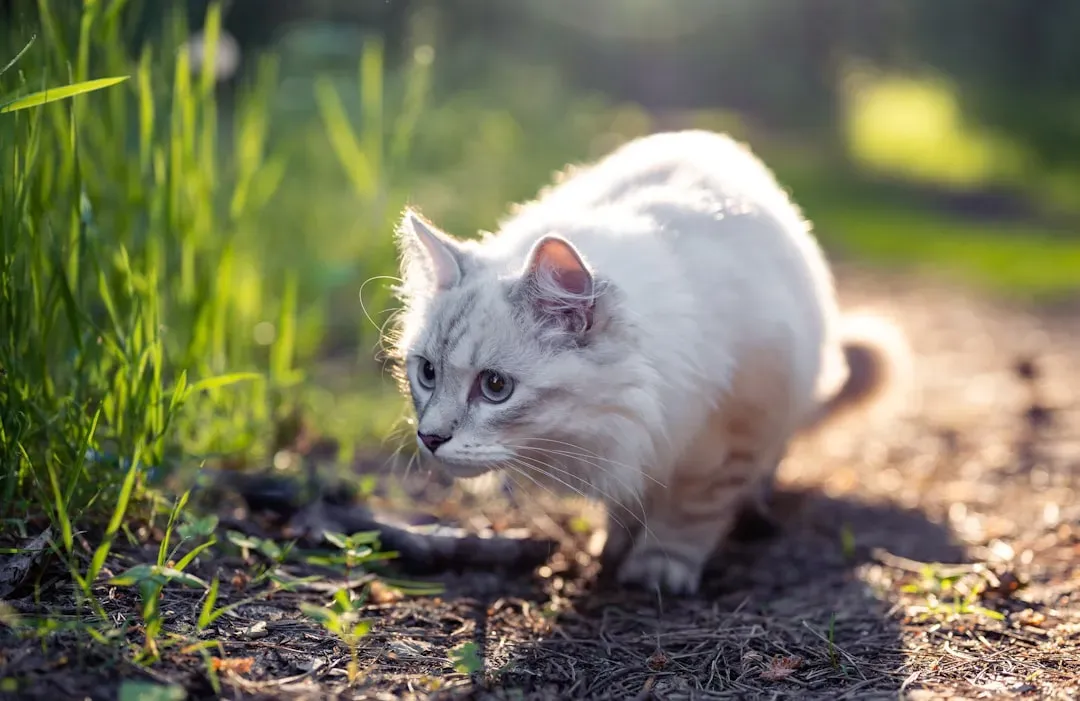
A cat’s hearing is so sensitive they can detect sounds up to 64,000 Hz, compared to humans who max out around 20,000 Hz. This superhearing allows them to pick up the ultrasonic calls that rodents use to communicate, essentially eavesdropping on their prey’s private conversations. While you hear silence, your cat may be processing a full acoustic map of small creature activity happening inside your walls.
Cats have six times better night vision than humans thanks to a reflective layer behind their retinas called the tapetum lucidum, which is what makes their eyes glow in the dark. They also have soft paw pads and retractable claws, allowing them to approach their prey unnoticed. Every physical feature your cat has, from the way they walk to the way their pupils respond to light, was engineered by evolution with one central purpose: catching prey.
Your Cat Is a Crepuscular Hunter – and That Explains a Lot
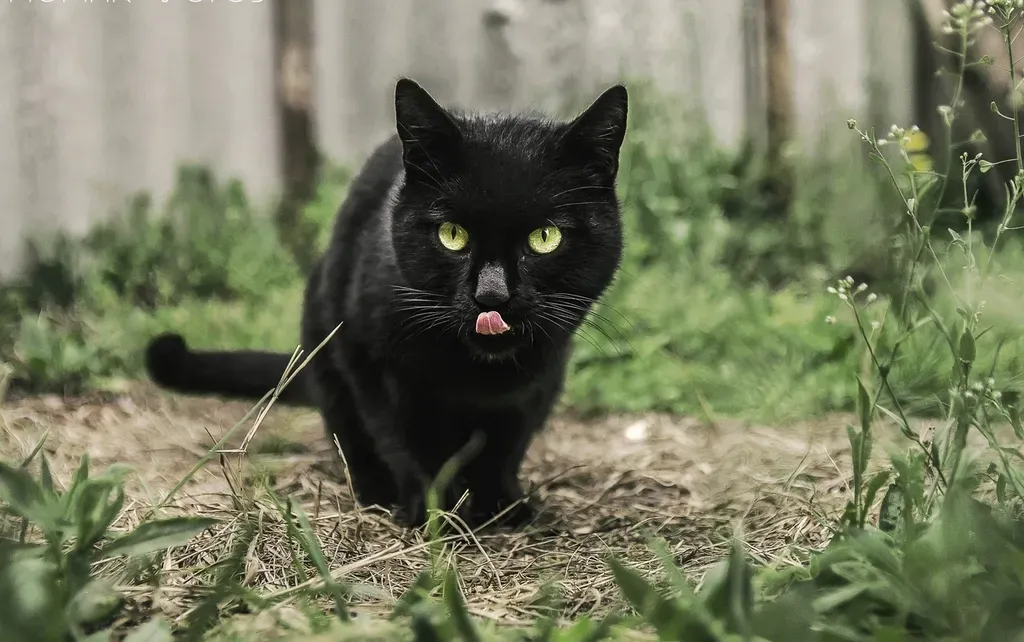
The domestic house cat is actually crepuscular, which means they are most active at dusk and dawn. Most indoor cats follow a very specific trend of dawn and dusk activity, rather than strictly at night. So when your cat starts charging around the apartment right as you’re trying to wind down for the evening, they’re not being deliberately inconsiderate. Their internal clock is telling them it’s prime hunting time.
Cats are crepuscular because they have evolved to hunt at dusk and dawn. Birds and mice are very active at dawn, and cats evolved to take advantage of this by developing the ability to see in low-light conditions. By being most active during the cooler parts of the day and resting during the heat of midday, cats conserve energy. This pattern allows them to exert high levels of energy during hunting activities without overexerting themselves, maintaining a balance that supports their physiological needs. The schedule that drives you crazy at six in the morning is millions of years old.
What Happens in Your Cat’s Brain During Play

Unlike many predators who only hunt when they need food, cats have a hunting drive that’s completely separate from hunger. This behavior stems from their evolutionary history where successful hunters had better survival rates regardless of immediate food needs. The hunting instinct is so strong that it’s triggered by movement and sound, even in cats that have never experienced hunger. Feeding your cat a generous meal right before a play session won’t reduce their interest in the toy at all. The circuitry that drives the hunt runs on a completely separate track from the one that tracks hunger.
Mentally, hunting engages a cat’s natural instinct and provides genuine mental stimulation. It allows them to fulfill their natural predatory behavior, which can be highly satisfying and fulfilling for them. Hunting also helps alleviate boredom and reduces stress, contributing to a cat’s overall well-being. Play, then, isn’t just exercise. It’s neurological maintenance. It’s how your cat stays mentally balanced and emotionally regulated in an environment that otherwise offers very little challenge.
How to Play with Your Cat the Right Way
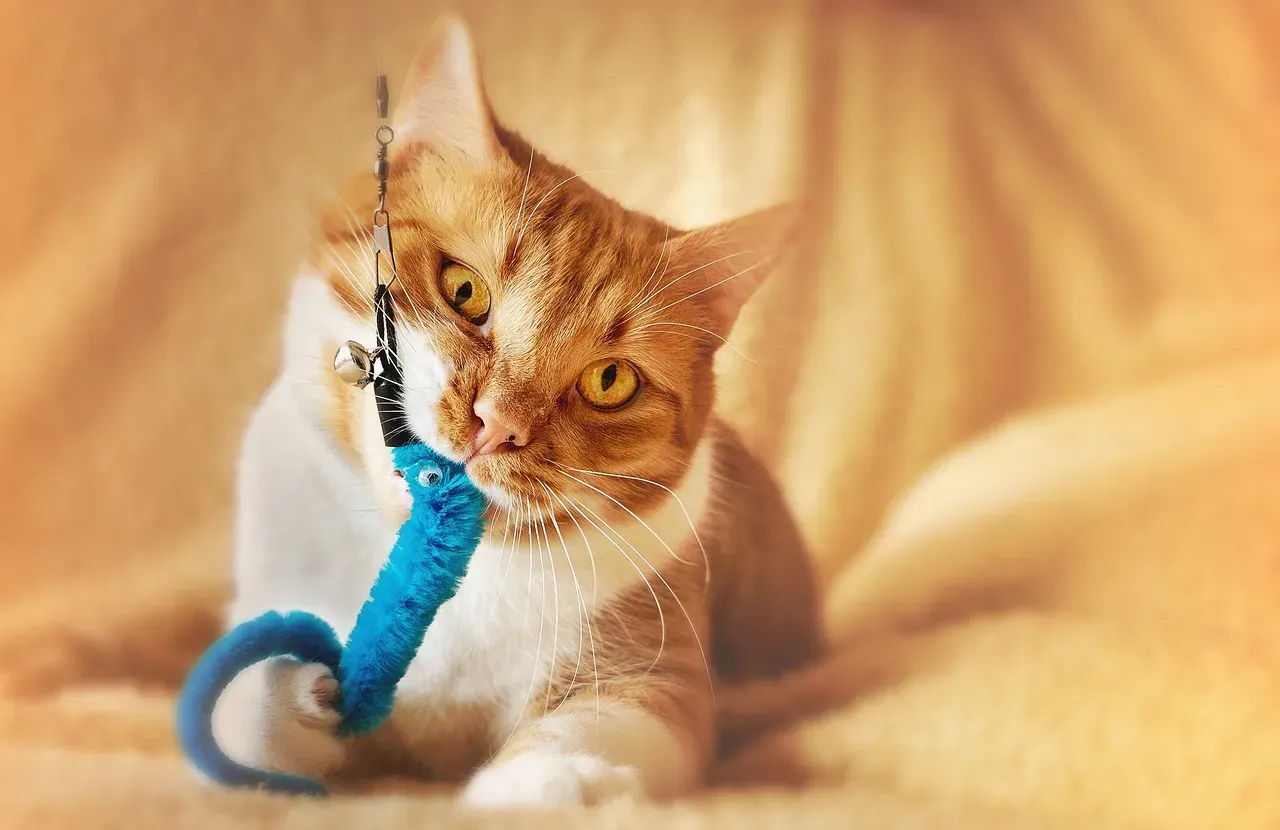
When adult cats play with toys that you provide, you essentially see them performing predatory behavior directed toward inanimate objects. Studies have found that adult cats show more intense and prolonged play with toys that resemble actual prey items. Similarly, the hungrier the cat was at the time of object play, the more intense and prolonged the play sessions were. Both factors indicate that cats consider these toys to be prey when they are playing. This is why a crumpled piece of foil can sometimes outlast an expensive electronic toy. Shape, texture, and movement pattern matter more than price.
Short, frequent play sessions most closely resemble a cat’s natural predatory pattern. Choose toys that look and feel like their natural prey to increase engagement. This provides your cat with an alternative outlet for predatory behavior and uses up energy reserved for hunting. Allow your cat to “catch” and succeed during play, completing the cat prey sequence. Finish a play session by giving your cat a treat to signify the end of play time. Letting your cat win matters. It closes the loop and gives the session a satisfying, natural conclusion.
Conclusion: The Wild Animal Living in Your Home
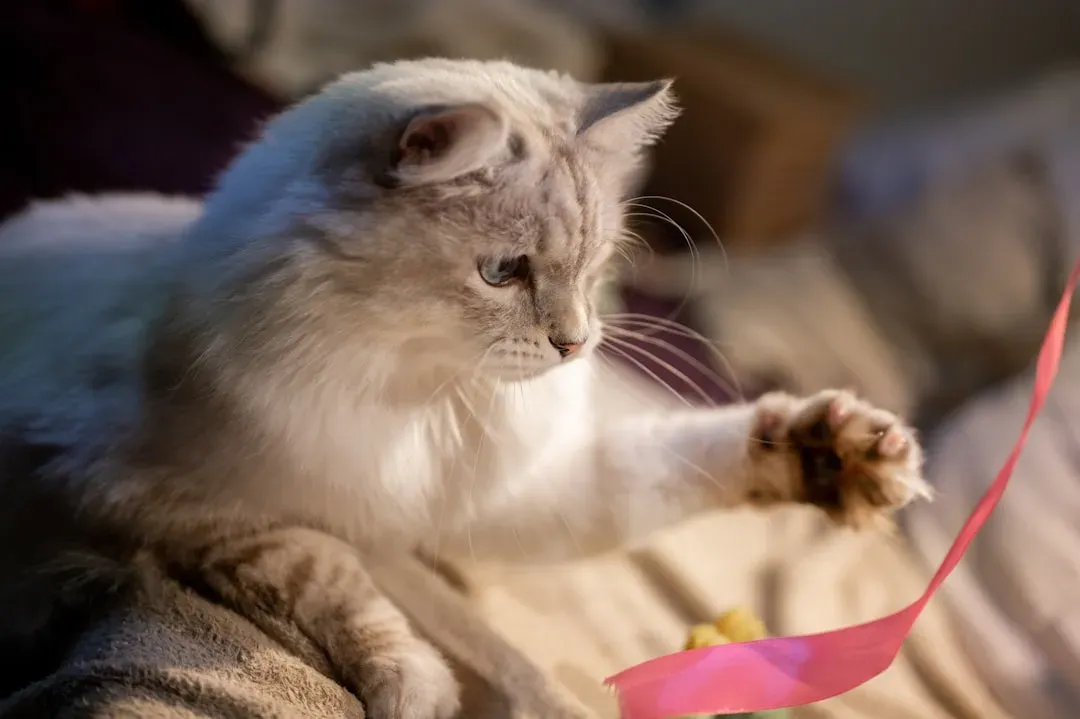
The next time you watch your cat drop into that slow, deliberate crouch, pupils wide, haunches twitching with barely contained energy, you’re watching something ancient at work. Not a pet being silly. A precision predator running the same behavioral script that helped their ancestors survive for thousands of generations across open savannas and early human settlements.
Modern house cats retain virtually all the predatory skills of their wild ancestors, which explains why a cat can go from adorable lap warmer to ruthless assassin the moment something small moves across the floor. The string, the toy mouse, the feather wand – these aren’t distractions from your cat’s real nature. They’re expressions of it.
What that means practically is straightforward: play isn’t optional enrichment for your cat. It’s a biological need. When you engage with your cat through structured, prey-mimicking play, you’re not just keeping them entertained. You’re honoring something genuinely old, giving a wild heart a place to be itself, safely and fully, inside the comfortable life you share together.
Kristina is a young writer from India. An arts graduate and an avid content creator, Kristina is passionate about animals and wildlife. She enjoys exploring topics related to pet care, animal behavior, conservation, and nature, combining thorough research with engaging storytelling.