Most people assume their cat shares the bed purely for warmth, or simply because it can. The truth tends to run a little deeper than that. Cats are complex creatures, shaped by thousands of years of instinct, and some of what they do at night tells a quiet but meaningful story about how they see you.
Behavioral evidence suggests that cats might offer a genuine sense of security during sleep, driven by their territorial instincts, sharp senses, and the bonds they form with the people they live with. You might not notice it unfolding while you’re asleep, but the signs are there if you know what to look for.
They Position Themselves at the Foot of Your Bed
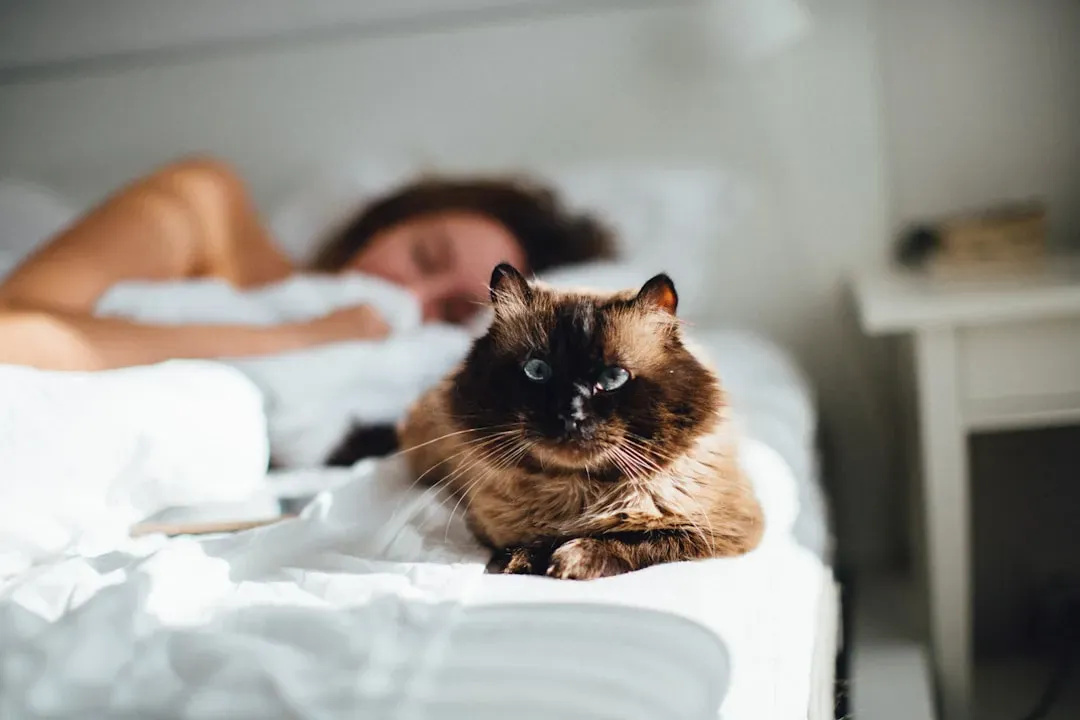
If your cat consistently settles at the foot of your bed rather than curling up beside your pillow, that placement isn’t random. Sleeping near the foot of the bed gives your cat a good view of the room, so they’ll be alerted at the first hint of trouble and can react or escape in any direction if needed.
It’s a common habit for cats to sleep at the foot of the bed, but this sometimes means your cat is protecting you. Cats can serve as watchdogs while you sleep, positioning themselves almost as if to stop any potential threat that might enter the room. It’s a subtle guardianship, but it’s a deliberate one.
They Stay Alert Even While Resting

Cats remain alert to subtle movements or sounds in their environment, even when they rest, and this protective behavior allows them to monitor their surroundings for your safety. You’ve probably watched your cat appear to be deeply asleep, only to snap their head up at the faintest noise in the hallway.
Unlike humans, cats are always ready to attack prey or defend themselves against a larger predator. Even when they may appear to be out cold, their senses of hearing and smell are still sharp enough to spring them into action if necessary. That half-asleep, ears-rotating thing your cat does isn’t restlessness. It’s a fully functional early warning system running quietly in the background.
They Choose to Sleep Directly on Top of You
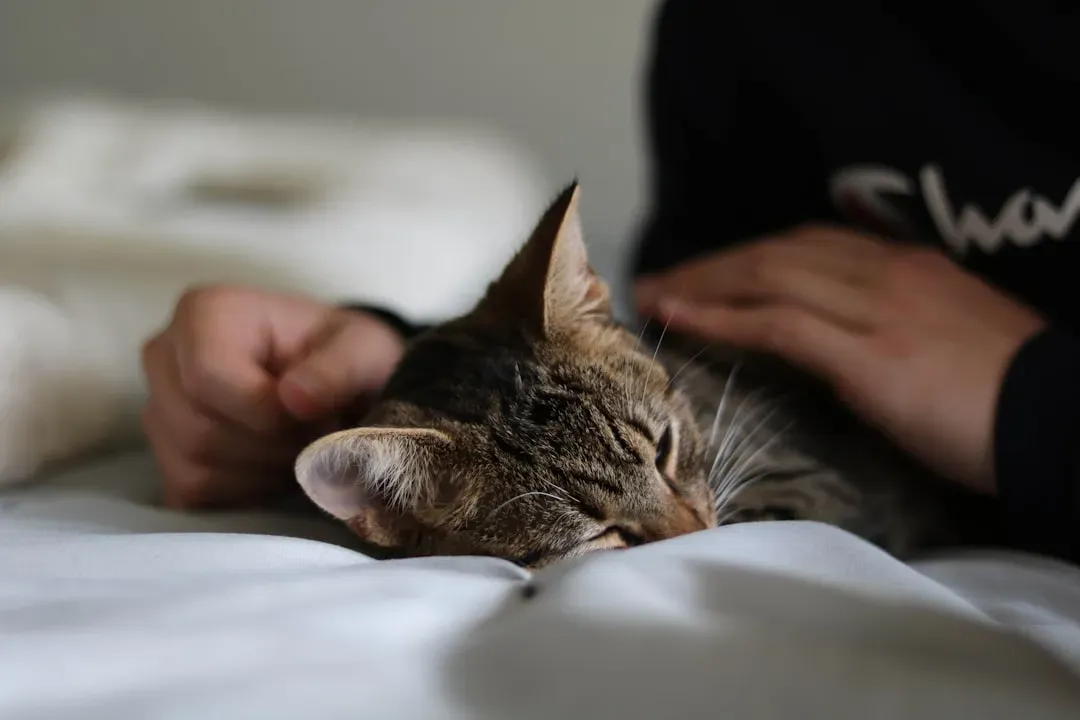
In the wild, cats sleep in secure, elevated, or enclosed spaces to avoid threats. By choosing to sleep on their owner, they may be instinctively selecting a “safe zone,” with your steady breathing and warmth mimicking the comfort of sleeping alongside trusted companions. That weight on your chest or stomach isn’t just affection. It’s your cat selecting what they consider the most secure spot in the room.
When your cat is asleep, they’re unaware of their surroundings and unable to defend themselves against potential threats. Sleep is a time when a cat is at their most vulnerable. The fact that your cat is willing to sleep on you, exposing that vulnerability, means not only that they don’t perceive you as a threat, but that they trust you to keep them safe from dangers. That kind of trust runs both ways.
They Vocalize When Something Feels Off

A protective cat may follow you around the house and even sleep with you or near you. They will likely vocalize if they spot a potential danger. If your cat suddenly meows loudly or becomes agitated while you’re sleeping, it’s worth paying attention to what triggered it. Cats don’t usually make noise without a reason.
Cats can warn their owners of dangers while sleeping. Their acute senses allow them to detect environmental threats, intruders, or emergencies before humans notice them. Many documented cases show cats alerting their owners to fires, medical emergencies, and other dangerous situations. Real-life stories of cats waking owners during gas leaks, medical crises, and house fires aren’t just folklore. They’re a reliable pattern of behavior.
They Periodically Check In on You Through the Night

Even while resting, a cat’s sharp hearing remains active, and they may react to unfamiliar sounds to ensure there’s no immediate threat. Some protective cats will periodically “check in” during the night by patting their owner, purring, or gently licking them. That little paw on your face at 2 a.m. isn’t always a demand for attention.
These behaviors suggest that cats can offer a watchful presence while their owners sleep, fulfilling their protective role even at night. Many cat owners describe their pets doing a quiet lap of the room before resettling near them, which fits this same instinctive pattern of keeping watch over the household during vulnerable sleeping hours.
They Place Themselves Between You and the Door
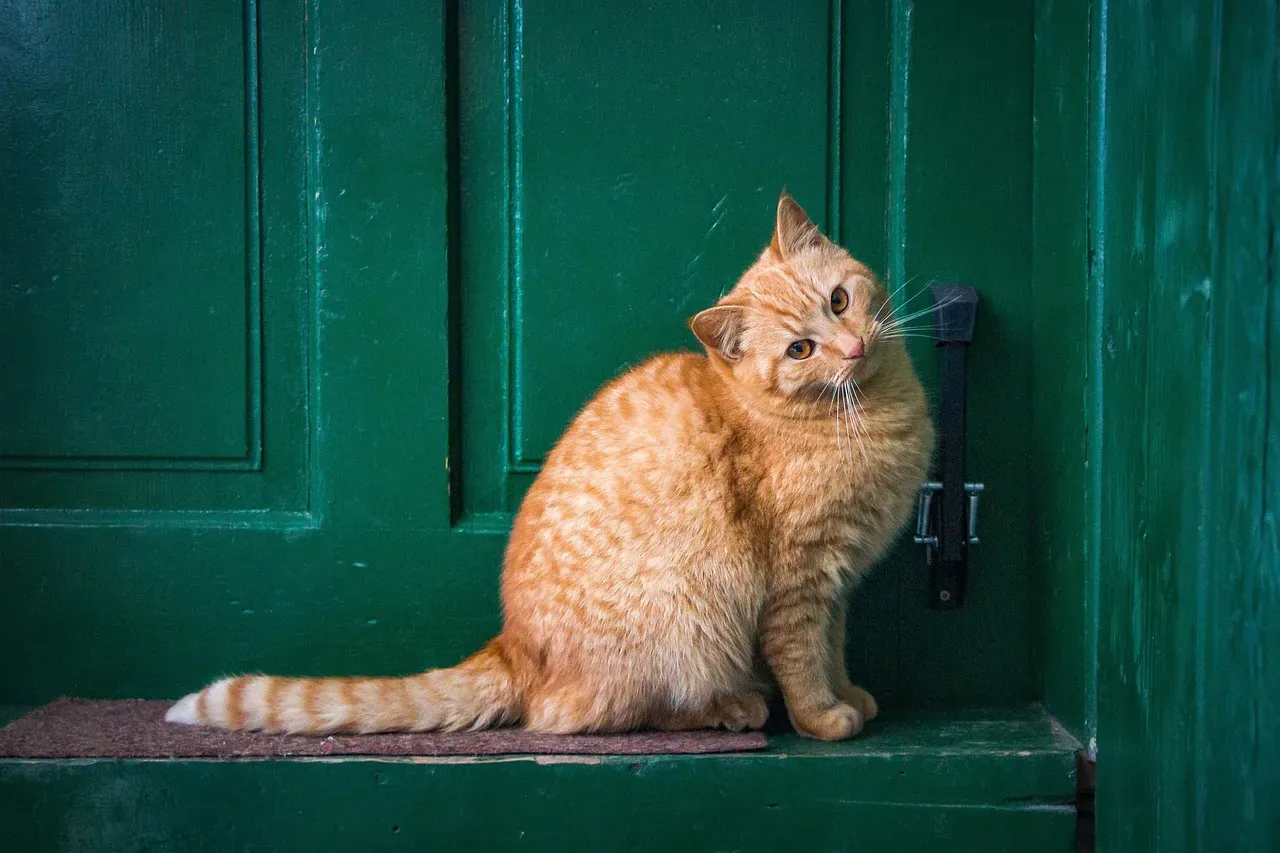
Cats may position themselves between you and what they sense as a threat, such as new guests, loud noises, or even other pets. This positioning is especially noticeable at night, when your cat settles directly between you and the bedroom entrance. It’s territorial behavior applied to your protection.
While cats may not actively patrol like guard dogs, they demonstrate protective behaviors in more subtle ways. Many cats choose sleeping positions that allow them to monitor their surroundings while staying close to their owners. Their superior night vision and acute hearing enable them to detect disturbances long before humans notice them. In practical terms, your cat is standing guard without making a spectacle of it.
They Become Extra Clingy Before Bed
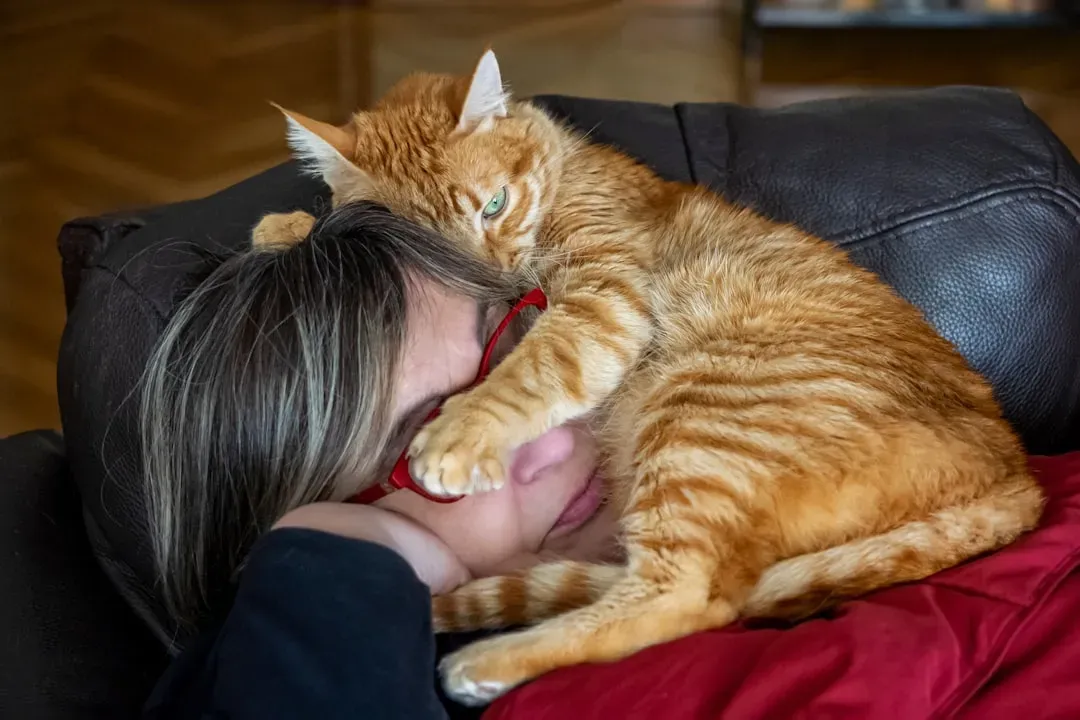
If your cat is being extra clingy, they might actually be trying to keep you safe. Perhaps they sense your anxiety or stress, or maybe they’re adjusting to someone new in your space. Regardless, clinginess can be an indication of your cat’s desire to protect you. Cats pick up on emotional shifts more readily than most people realize.
Because of their sensitivity and ability to pick up on energy, cats can often tell when you need extra love. Many will cuddle close when you’re sick, brush up against you while you’re crying, or even just settle on the foot of your bed while you’re resting, showing you they’re close by if needed. That pattern of closeness before sleep is one of the more quietly moving signs of a protective bond.
They React to Unfamiliar Sounds You Haven’t Noticed
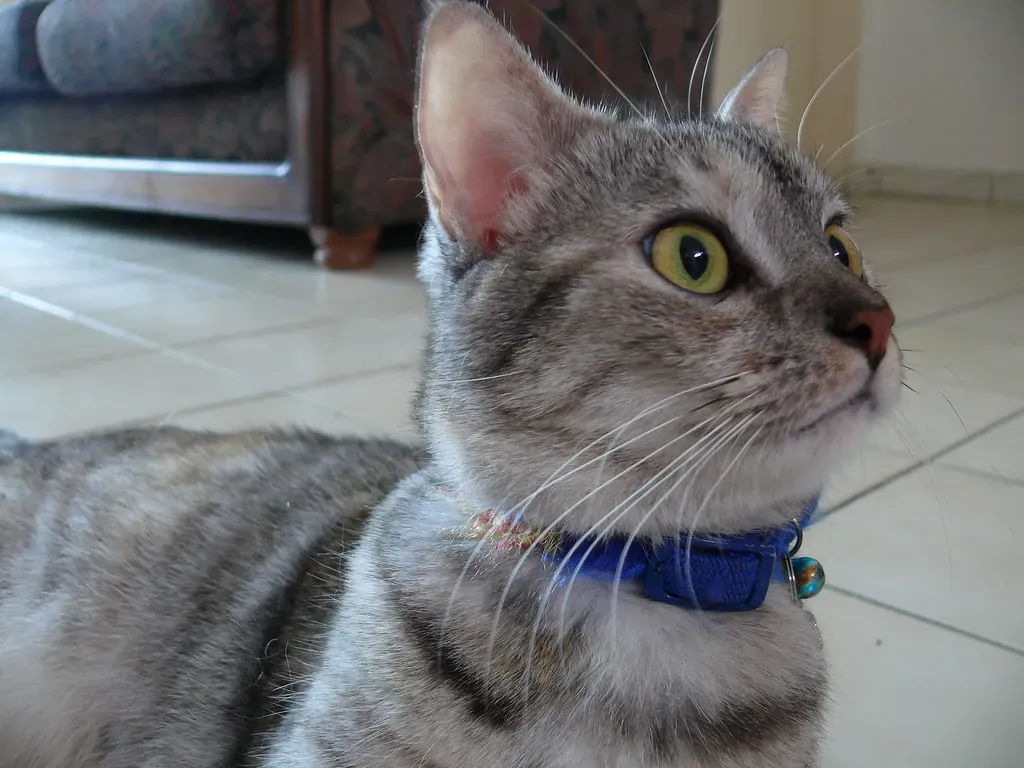
Cats have extraordinarily sharp senses, with hearing being their forte. They can detect faint noises much earlier than you can. While they might not confront an intruder like a dog, their heightened awareness can serve as an early warning system. A cat that suddenly sits up, stares toward the hallway, or flattens its ears while you sleep is responding to something real, even if you can’t hear it yet.
Cats can sense changes in atmospheric pressure around them and smell chemical changes that occur in the body when others are ill. This means their nighttime reactivity goes well beyond intruders. Cats have different ways of alerting humans to danger, and understanding their body language can help you realize when something isn’t quite right. Learning to read your cat’s nighttime cues is genuinely useful.
They Mark You With Their Scent Before Sleeping

Cats are territorial creatures. When they sleep on you, they might also be marking you, subtly claiming you as part of their territory through scent exchange. Their body oils contain pheromones that signal ownership, bonding, and familiarity. This isn’t just affection. It’s your cat declaring that you belong to them and, by extension, that you fall under their protection.
Cats have scent glands on their face, paws, and tail base, as well as other areas, and by kneading or head-butting, they transfer their scent onto objects that are theirs. When they sleep, there’s a lot of contact between them and you, meaning that a lot of their scent is transferred to you. Every slow blink, head bump, or kneading session before you drift off is your cat reinforcing this quiet claim of guardianship.
What It All Means for You and Your Cat

Research indicates that cats form emotional attachments to their owners similar to those observed in human relationships. This bond significantly influences their protective behaviors, especially during vulnerable nighttime hours. Studies have shown that cats who share stronger bonds with their owners are more likely to exhibit protective behaviors.
While they may not serve as sentinels in the traditional human understanding of the term, their intrinsic behaviors, combined with their heightened senses and deep bond with their owners, offer an added layer of security during nocturnal hours. Expecting your cat to act like a guard dog misses the point entirely. Their style of protection is subtle, instinct-driven, and woven into the ordinary texture of nightly life.
There’s something worth sitting with in the idea that your cat, by simply choosing to stay near you while you sleep, is following a thread of instinct that runs back thousands of years. They’re not dramatic about it. They don’t need to be. The quiet vigil at the foot of your bed, the ears swiveling toward the dark hallway, the paw on your arm in the middle of the night – these are, in their own understated way, acts of loyalty. And that might be the most cat thing of all.
Kristina is a young writer from India. An arts graduate and an avid content creator, Kristina is passionate about animals and wildlife. She enjoys exploring topics related to pet care, animal behavior, conservation, and nature, combining thorough research with engaging storytelling.