Cats spend the majority of their lives inside your home, yet the home itself is often set up entirely around human comfort. That’s a quietly significant mismatch. Domestic cats retain the instincts of hunters, climbers, and territorial explorers, and when the environment they live in doesn’t support those drives, the gap tends to show up as boredom, anxiety, or unwanted behavior.
The good news is that small, consistent habits make a surprising difference. You don’t need to redesign your living space or spend a fortune on equipment. You just need to understand what your cat actually needs, and then build a few simple routines around that. Here are seven cozy, practical habits worth starting today.
Turn Mealtimes Into a Mini Adventure
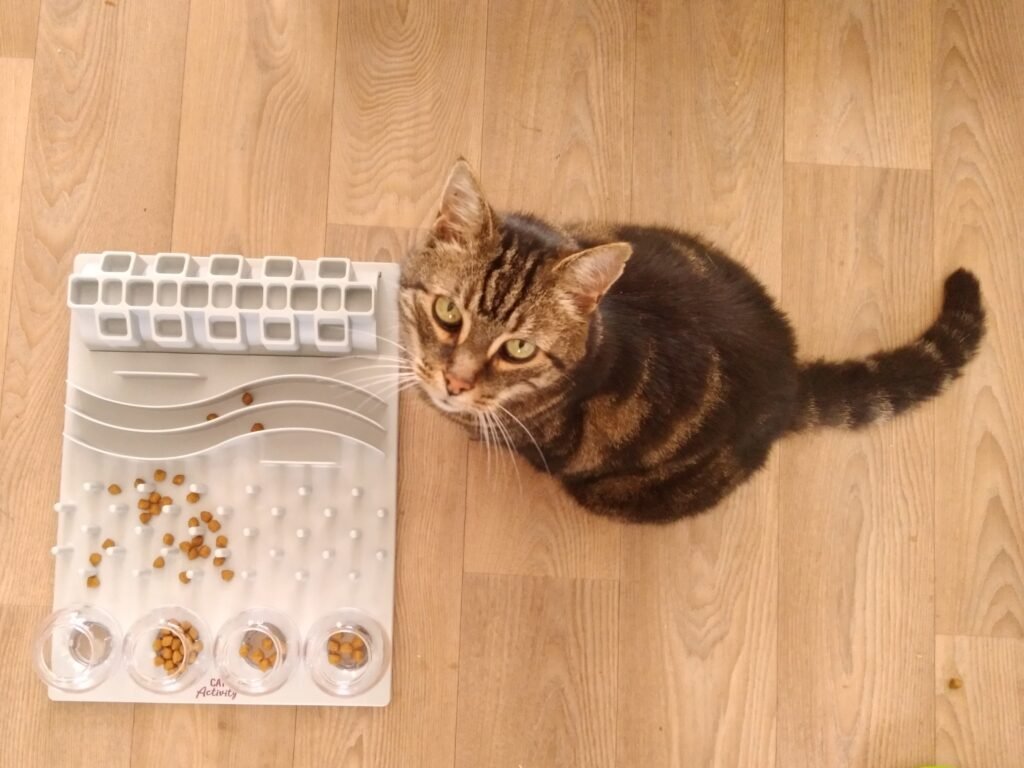
Dropping food into the same bowl, in the same corner, twice a day works fine nutritionally. Behaviorally, though, it removes one of the most important experiences in your cat’s day. Cats can benefit from turning their typical mealtime routine into an enrichment activity, since puzzle feeders and interactive toys encourage mental stimulation by making your cat work for their food, dispensing small amounts of kibble when your cat interacts with them and stimulating their hunting instincts in the process.
Although standard diets may adequately satisfy the nutrient needs of domestic cats, their usual presentation may not promote expression of normal hunting and exploratory behaviors, so meeting nutrient needs in ways that mimic cats’ natural preferences provides meaningful additional enrichment. You can scatter dry kibble across a snuffle mat, hide small portions in different rooms, or simply use a toilet-paper-roll treat dispenser you made yourself. Static bowls filled all day remove one of the cat’s most important jobs, which is working for food, and boredom and obesity are tightly linked, with feeding style being a major driver of both.
Build a Window-Watching Station Your Cat Will Actually Use
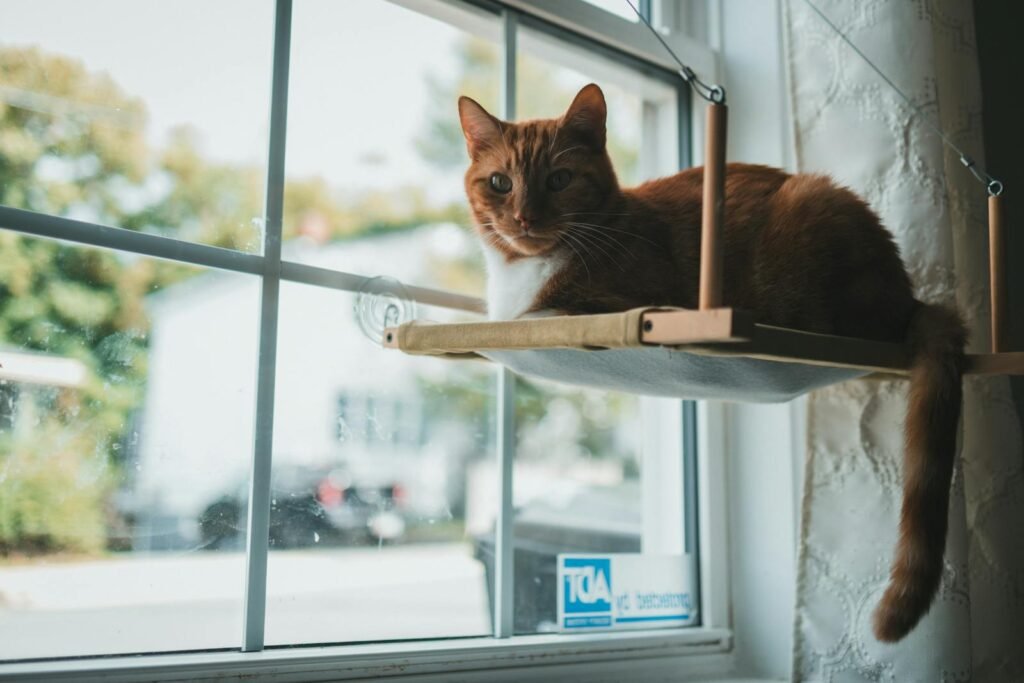
Setting up a comfortable perch near a window creates a front-row seat to the outside world, since cats are fascinated by bird activity, passing wildlife, and changing scenery, and a window view enables them to engage with the sights and sounds of the outdoors while stimulating their senses and preventing boredom. Think of it as free, daily television that also serves a genuine psychological purpose.
Cats enjoy watching the world outside, so providing a comfortable perch or cat tree near a window works well, and if possible, setting up a bird feeder or birdbath outside to attract wildlife offers your cat a reliable source of entertainment and stimulation. Even a cleared windowsill with a folded blanket on it is enough to get started. Many cats love to nap and rest in sunny locations, so adding a comfy place for them in front of a window can double as a warm snooze spot.
Create Vertical Space for Climbing and Surveying
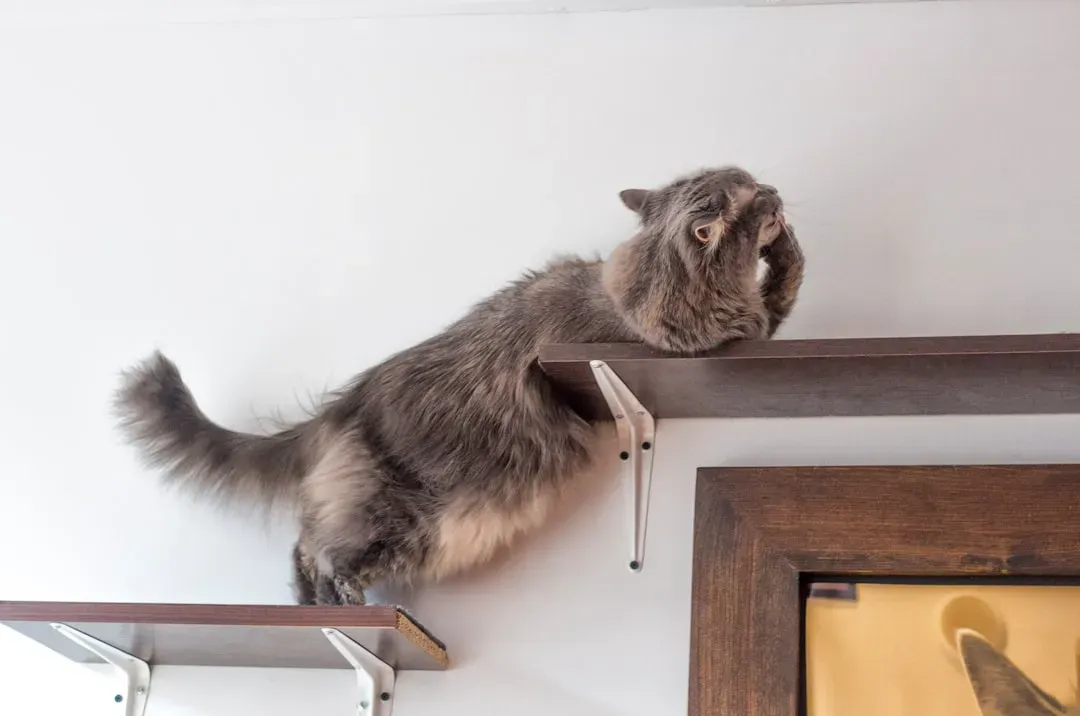
Vertical space is essential indoor enrichment for cats because in the wild, felines are both predators and prey, and they feel more comfortable and confident when they can survey their environment from above. A cat that can’t get up high is a cat that feels exposed, and that low-level stress adds up over time.
As both a predator and prey species, your cat needs lofty spaces where they can feel safe while surveying their territory, so placing a variety of feline-friendly furniture in your home’s vertical space helps, with cat shelves outfitted with cozy napping nooks hung on walls and climbing towers placed in out-of-the-way spots against walls. You don’t need a floor-to-ceiling cat tree in every room. Adding vertical elements like cat trees, shelves, or window perches can enrich their environment by allowing your cat to satisfy their climbing instincts and have a comfortable spot to relax and watch the world outside.
Provide Dedicated Scratching Spots Throughout the Home
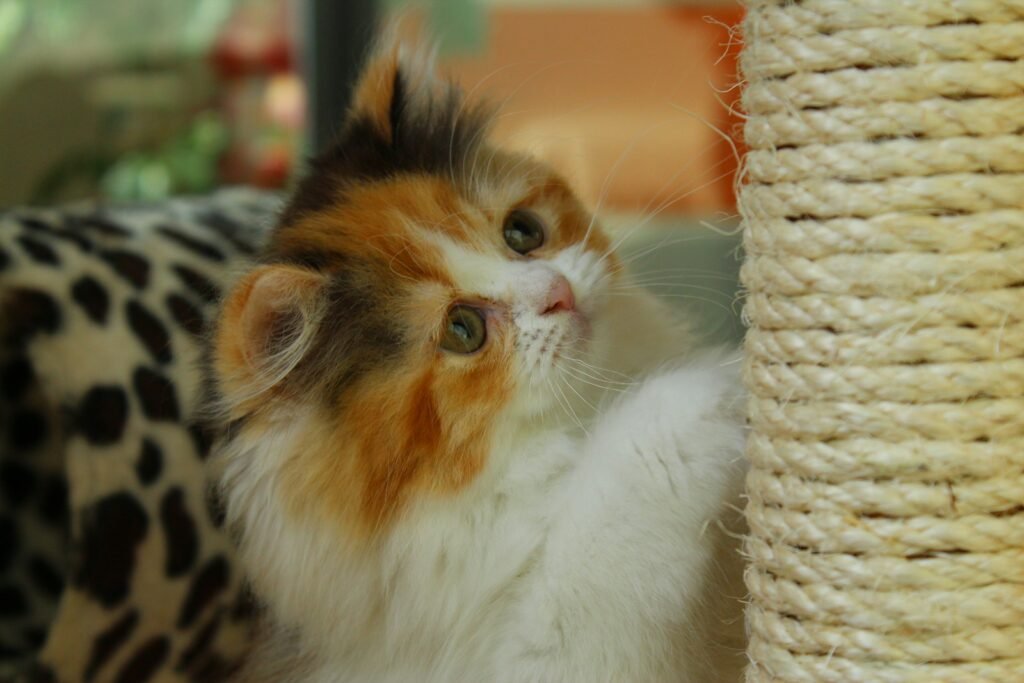
Scratching is a natural instinct for cats that is essential for their mental health, as cats scratch to keep their claws healthy, stretch out their muscles, and leave scent messages for other cats, and if you don’t provide appropriate scratching options, your feline friend will make do with your curtains and furniture. This isn’t stubbornness. It’s simply a need that will find an outlet one way or another.
Providing a variety of scratching posts made from different materials like sisal, cardboard, and carpet, and placing them in different areas, encourages your cat to use them. Putting the scratching post next to a window, sleeping area, or any other place your cat favors helps, and since many cats prefer vertical scratching posts while some prefer horizontal ones, if your cat doesn’t seem interested in one type of post or material, try another until you find the right fit.
Set Up Safe, Quiet Hideaways for Rest and Retreat
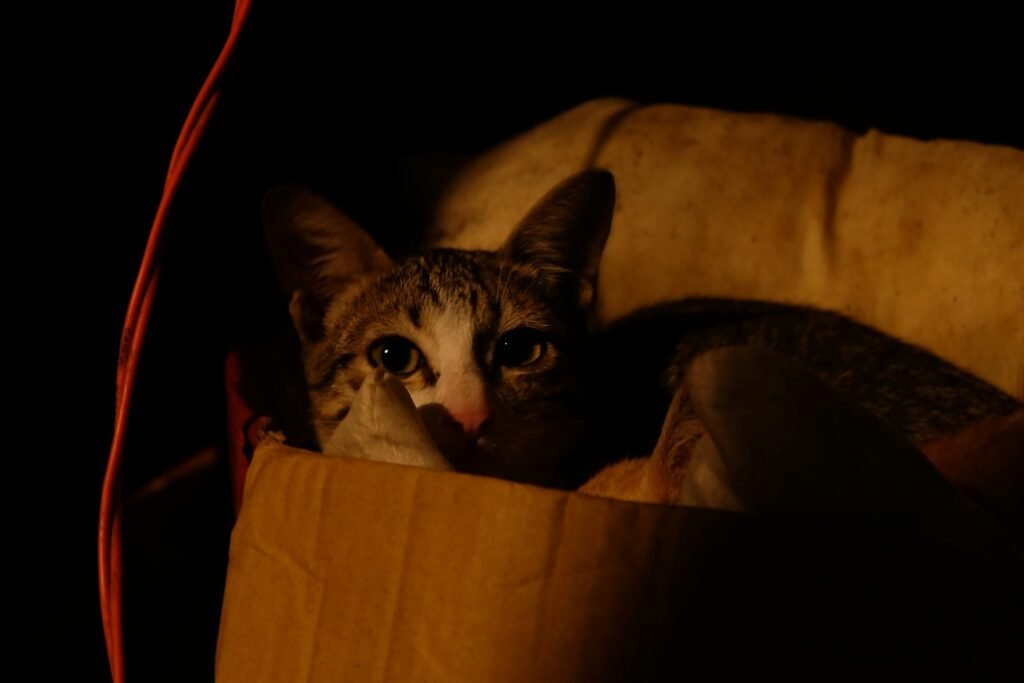
Creating a living space that keeps the cat free from fear and distress and that provides a predictable daily routine over which the cat perceives it has some control is the starting point for enhancing feline welfare, with indoor cats needing unrestricted access to resting areas where stressors such as loud noises, other pets, and pursuit by small children are minimized. Comfort isn’t just about soft bedding. It’s about feeling genuinely safe.
Cats need space to retreat and feel safe, especially in active households with multiple cats or other pets, and providing hideouts like covered beds, boxes with blankets over them, or repurposed baskets or drawers can help support their mental health, with hiding spots set up at different heights and in quiet corners of your home giving your cat multiple options. Cats seem to prefer comfortable resting options such as pillows or fleece beds, and they also need perching options throughout the household that offer vantage points that are safe from people and other animals.
Make Daily Interactive Play a Non-Negotiable Habit
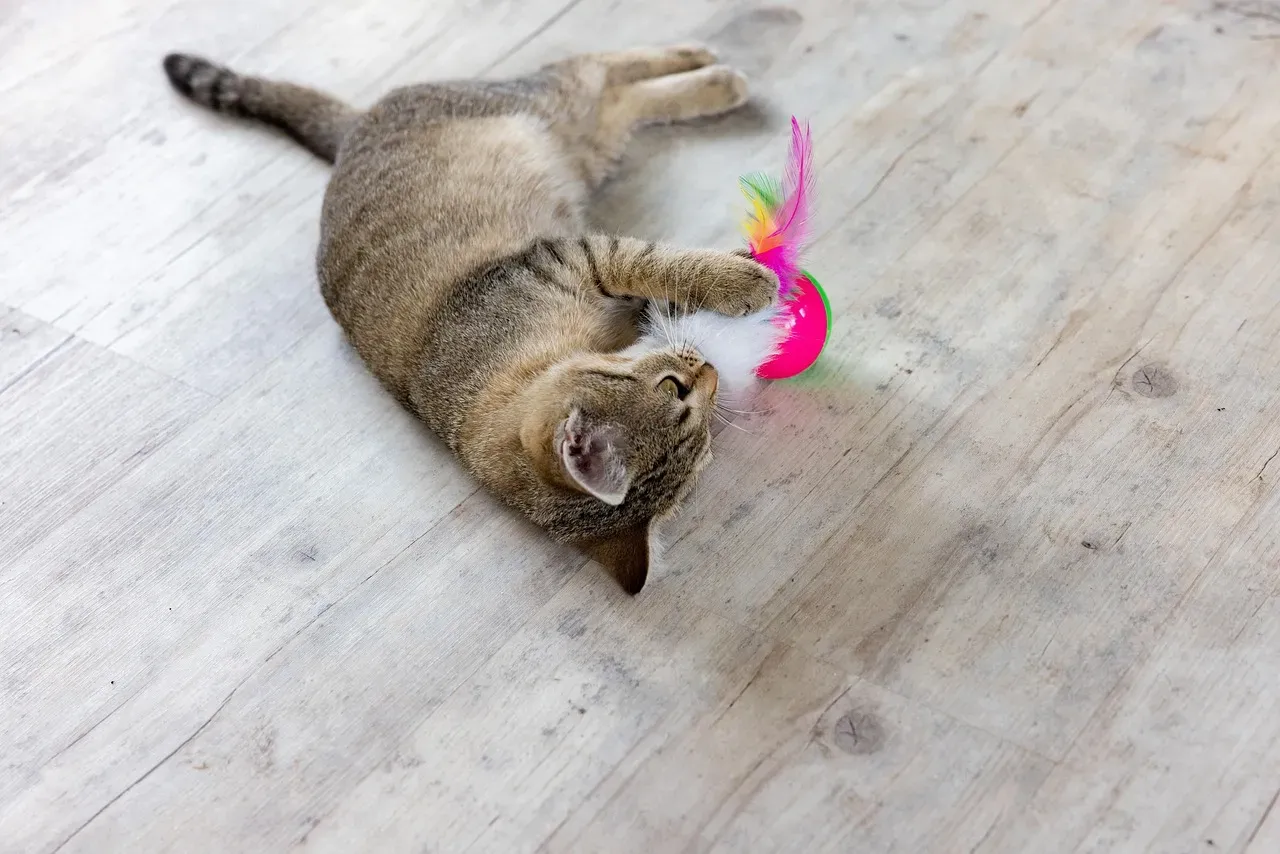
A cat’s desire to hunt is not connected to the sensation of hunger, and even well-fed cats will stalk when they see or hear potential prey, since almost anything that moves rapidly or squeaks in a high pitch can trigger this instinctive behavioral response. That means play is never just play. It’s fulfilling a biological drive that doesn’t switch off at feeding time.
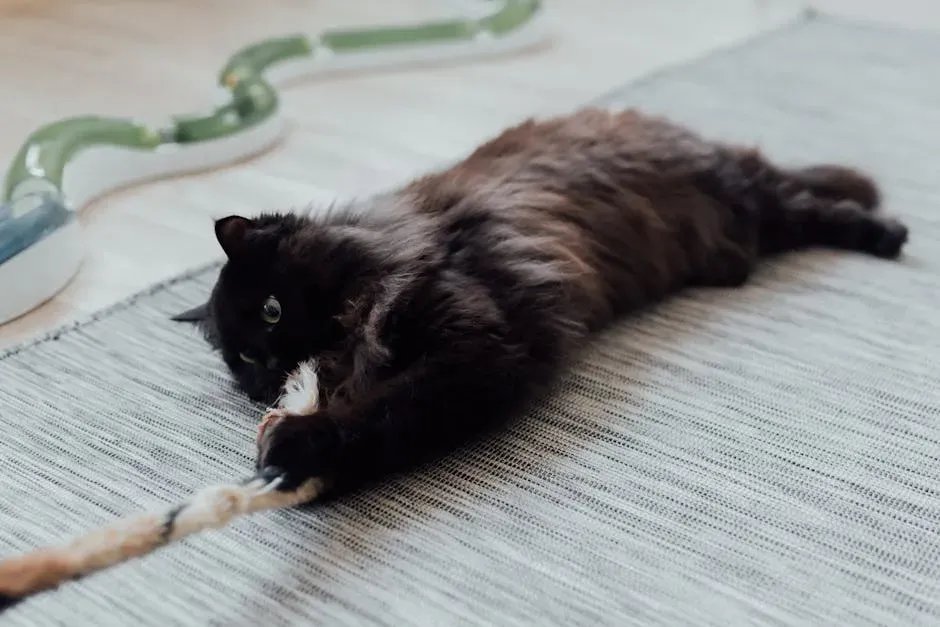
Play time is critical for a cat’s well-being and reduces stress and frustration, with the average adult cat needing about 30 minutes of play time daily, which can be broken into several short sessions instead of one long bout of play. Interactive toys help strengthen the bond between you and your cat by letting you share fun and positive experiences, providing exercise for your cat, and allowing your cat to feel like the predator they were born to be. Rotating toys every few days keeps things fresh and prevents your cat from losing interest.
Engage Your Cat’s Senses Beyond Sight and Sound
When thinking about ways to enrich your cat’s environment, it helps to consider all of their senses, for instance by playing a video of birds or small animals for them to listen to and watch, or by setting up a simulated aquarium. Scent is another underused channel. Rubbing different scents like catnip, mint, or rosemary on small pieces of fabric and placing them around the room gives your cat something to actively investigate.
Catnip is a reliable enrichment tool, and you can also try catnip-filled toys, with most cats preferring dried catnip over fresh. You can buy cat-safe herbs or synthetic feline hormones to stimulate their sense of smell, but keep in mind that cats have a keen sense of smell and may not enjoy things with strong artificial scents like air fresheners or carpet cleaners, which can be overpowering and make them feel sick. Sensory variety works best when it’s gentle and rotated regularly, not overwhelming.
A Final Word on Creating a Home Your Cat Loves
None of these habits are complicated or expensive to maintain. The real investment is attention: noticing what your individual cat gravitates toward, what unsettles them, and which routines seem to bring genuine calm into their day. Cat enrichment means creating an environment where your feline friend has plenty of opportunities to express their natural instincts and behaviors in appropriate ways, and meeting your cat’s mental and emotional needs will help them lead a happier, healthier life with fewer behavior issues.
Physical safety alone is not enough for indoor cats, and those with poor enrichment are more likely to develop obesity, stress-related disease, and behavior problems such as inappropriate elimination and overgrooming. A home that accounts for your cat’s need to hunt, hide, climb, scratch, and rest on their own terms isn’t just a nicer place for your cat. It’s a quieter, calmer household for everyone in it. Small, consistent changes are what add up over time, and your cat will notice every single one of them.
Kristina is a young writer from India. An arts graduate and an avid content creator, Kristina is passionate about animals and wildlife. She enjoys exploring topics related to pet care, animal behavior, conservation, and nature, combining thorough research with engaging storytelling.