Cats don’t hand out trust freely. Unlike dogs, who tend to wear their feelings openly, cats express themselves in a more subdued, elegant way, and understanding their behavior requires paying close attention to the small details, because every gesture has a purpose. That reserved quality is part of what makes them fascinating, but it can also leave you wondering where exactly you stand.
As one veterinarian puts it, when your cat feels safe, they don’t show it in a flashy display. The trust is there, woven quietly into daily routines and small repeated gestures. Once you know what you’re looking for, you’ll start noticing it everywhere.
1. Your Cat Gives You the Slow Blink
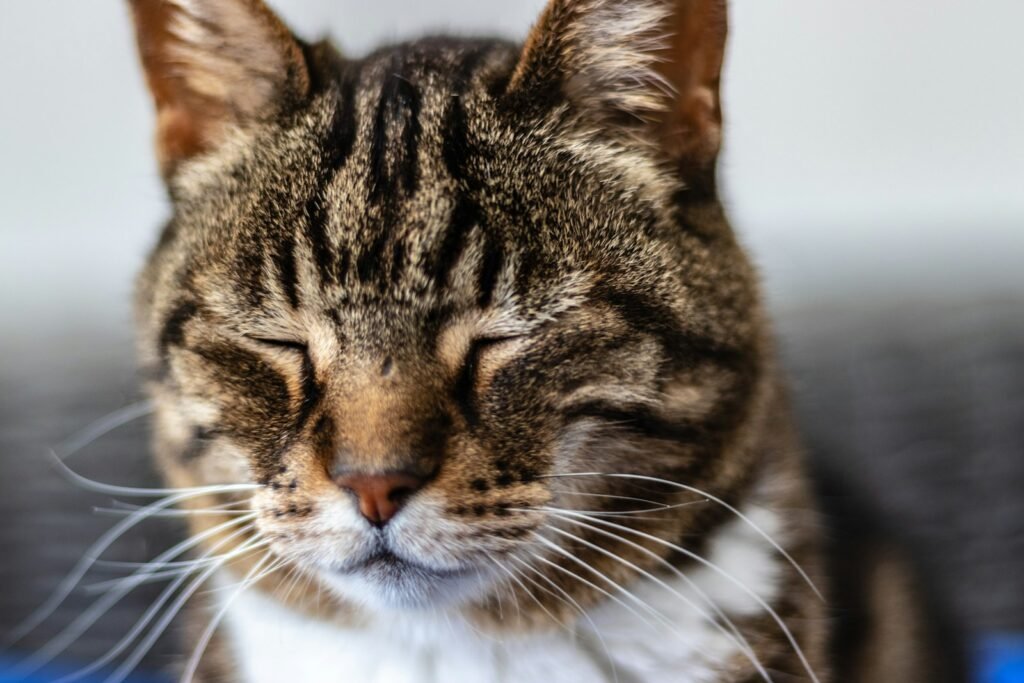
That half-lidded, drowsy-looking gaze your cat gives you from across the room isn’t boredom. According to peer-reviewed research, it’s the feline equivalent of saying “I trust you.” In 2020, psychologists at the University of Sussex conducted the first scientific study on cat slow blink meaning, and the research published in Scientific Reports proved that slow blinking is genuine cat communication.
To understand why this matters, consider what wide eyes mean in the animal kingdom: alertness, fear, or potential threat. A predator locks eyes on prey. A scared animal scans for danger. When your cat narrows their eyes around you, they’re doing the opposite. They’re signaling vulnerability, as if to say, “I don’t need to watch you for threats.” You can respond in kind by slowly blinking back at your cat, turning a quiet moment into a genuine two-way exchange of trust.
2. Your Cat Sleeps on You or Close to You
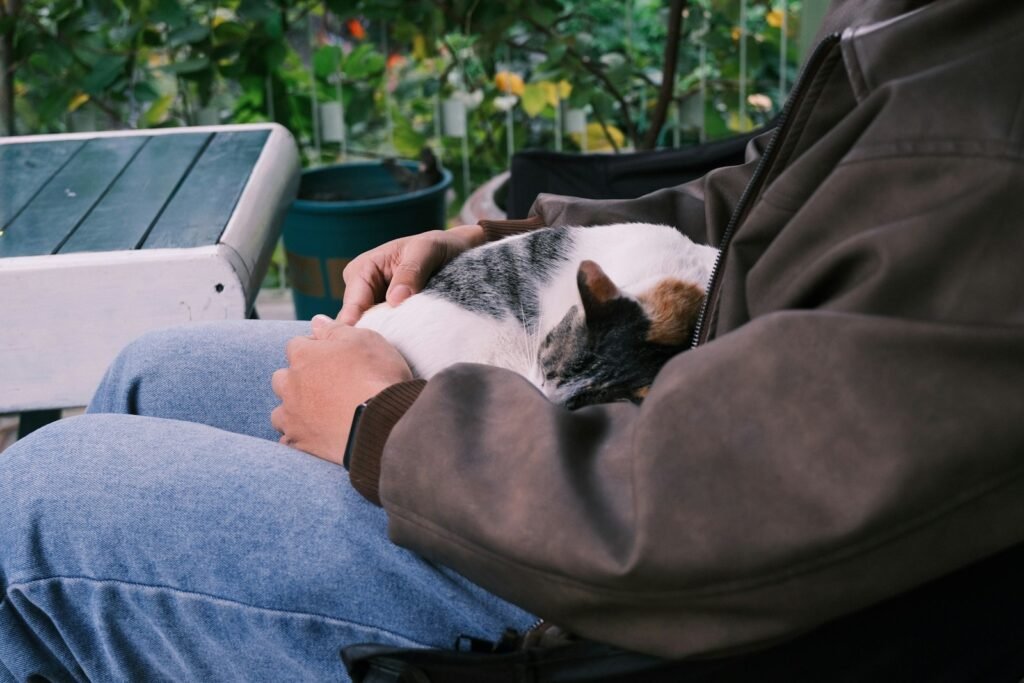
Not all cats like to sleep around their humans. Sleep is a vulnerable state, so if a cat chooses to sleep on or pressed against you, it is one of the deepest signs of trust and comfort, showing emotional security and that your cat loves you. It’s worth pausing to appreciate that, because your cat could nap anywhere in your home.
Cats are the most vulnerable when they’re sleeping. Though domestic cats have nothing to fear, the instincts passed down from their wild ancestors are still very much in evidence. To keep safe, your cat may choose to sleep on or next to you, or even just near you in the same room. This is a real honor, as it means your cat trusts you to protect them.
3. Your Cat Kneads on You
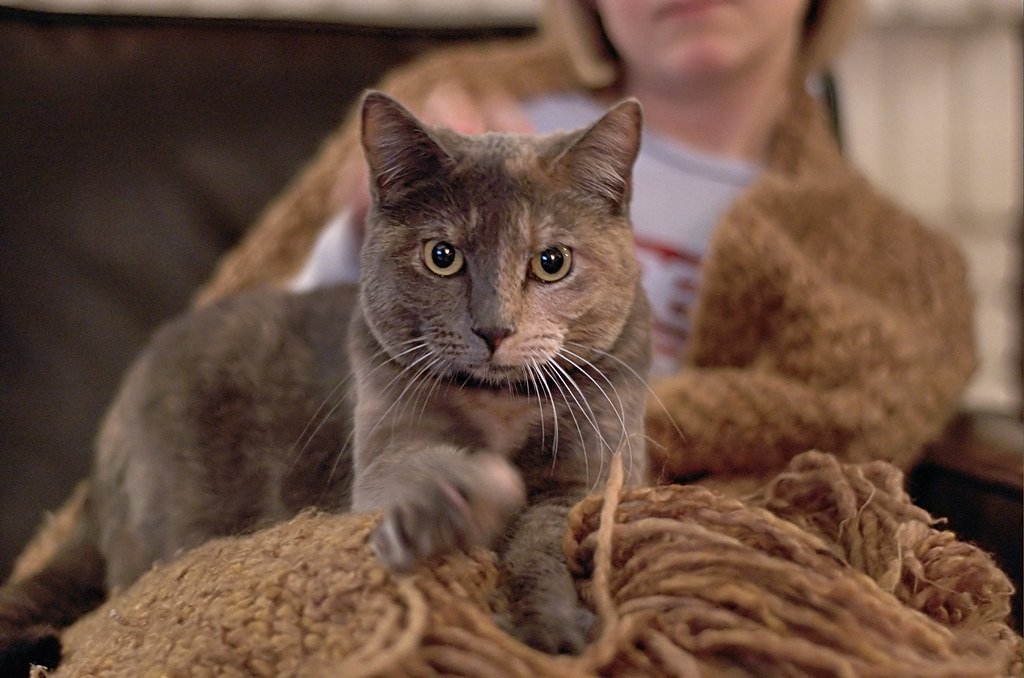
You’ve likely felt your cat rhythmically pressing their paws into your lap, a behavior often called “making biscuits.” Kneading begins in kittenhood, when pressing on a mother’s belly helps stimulate milk. As an adult, your cat keeps the motion as a self-soothing habit. When they knead you, they’re pairing comfort with your scent and warmth, and kneading also lays down scent from glands in their paws, quietly marking you as familiar.
Kneading is a neonatal behavior tied to stimulating milk flow from the mother’s mammary glands, and adult cats retain this action almost exclusively in states of profound comfort and emotional safety. You’ll often see half-closed eyes, gentle purrs, and a loose body alongside it, all signals that your presence feels safe. If the claws are a little sharp, placing a blanket on your lap lets the behavior continue without the pinch.
4. Your Cat Headbutts and Rubs Against You
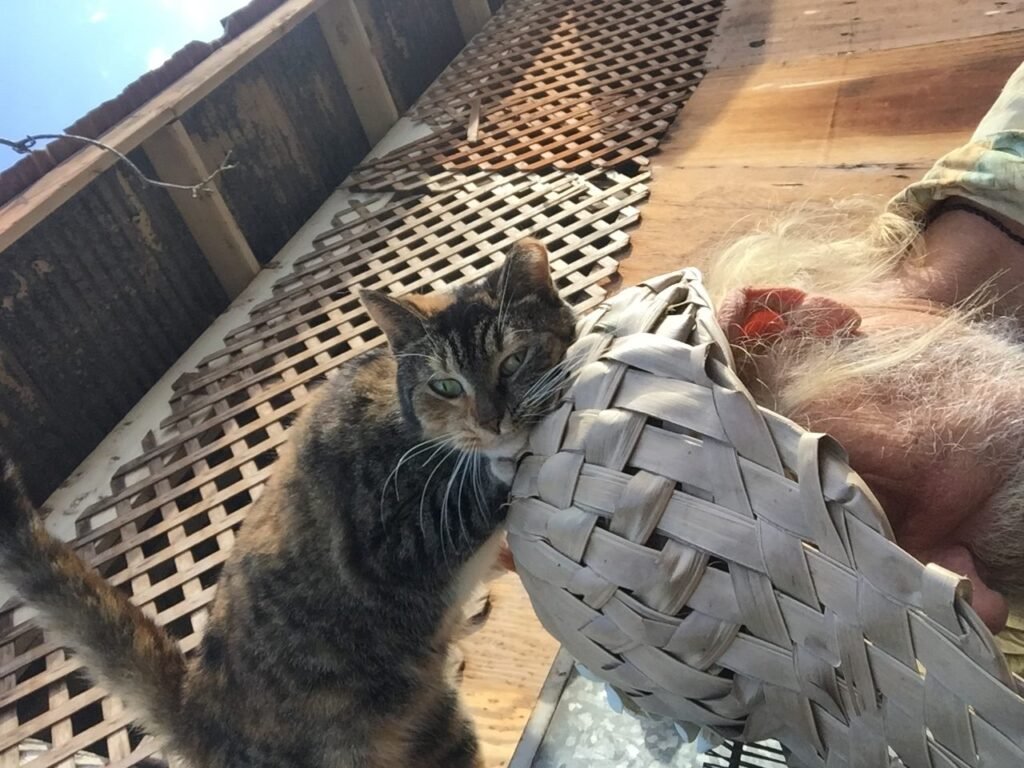
A cat’s body is covered with scent glands on the head, paws, ears, and base of the tail. They mark you with these scent glands by headbutting you or rubbing up against you because they feel close to you. Sometimes, they even do what is known as associative marking, putting their scent on items you take in and out of the house, because they want to be closer to you. They wouldn’t long for this closeness if they believed you were a threat to them.
Bunting and cheek rubs aren’t random nudges. When your cat presses their forehead or cheeks against you, they deposit facial pheromones that label you as “safe” and “mine.” This shared scent builds a familiar group fragrance, the feline version of a social handshake. You’ll see more rubbing when your cat feels secure, during greetings, after you return home, or before meals.
5. Your Cat Exposes Their Belly to You
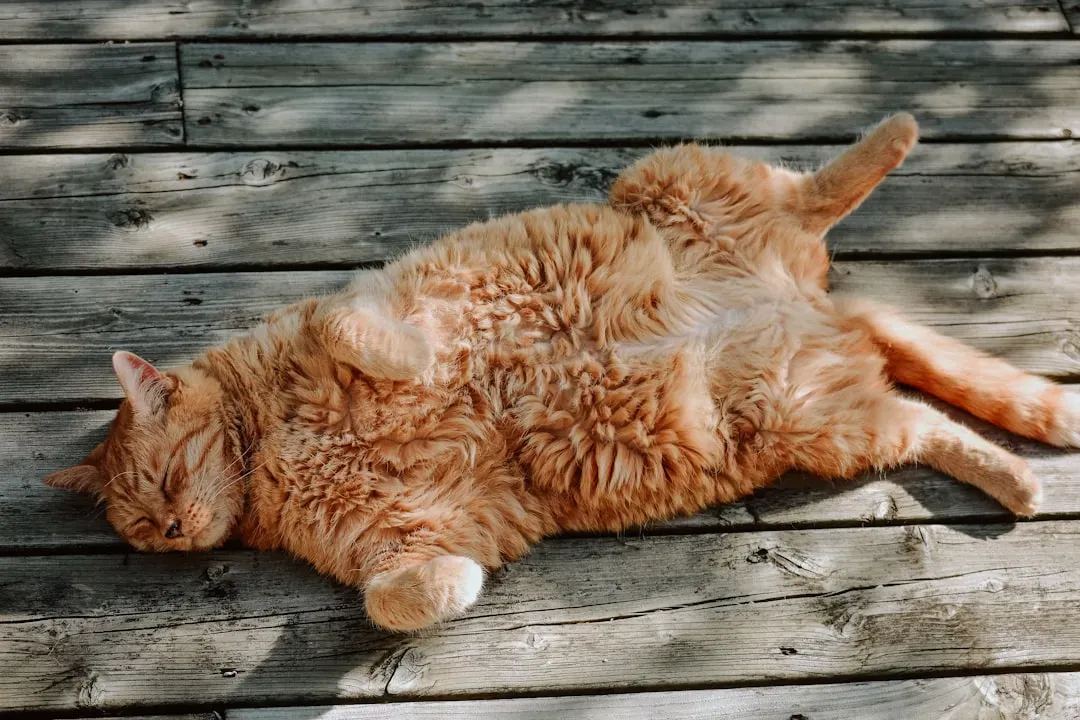
When your cat lies on its back, paws splayed, belly fully exposed, this posture is among the most vulnerable a cat can assume, exposing its throat, ribs, and abdomen, all vital areas unprotected by muscle or fur. Wild felids rarely expose their bellies except during sleep or mating. So when a domestic cat does so while awake and remains relaxed and breathing steadily, it signals profound environmental safety.
Contrary to popular belief, when cats show you their belly, it is not always an invitation to pet it. It can be an indication that they trust you enough to expose one of their most vulnerable parts to you, though this interpretation is both context and cat dependent. Be sure to observe their other behaviors. If their ears or head are back, if their pupils are dilated, or their fur is standing up, keep your hand away from their belly.
6. Your Cat Grooms You
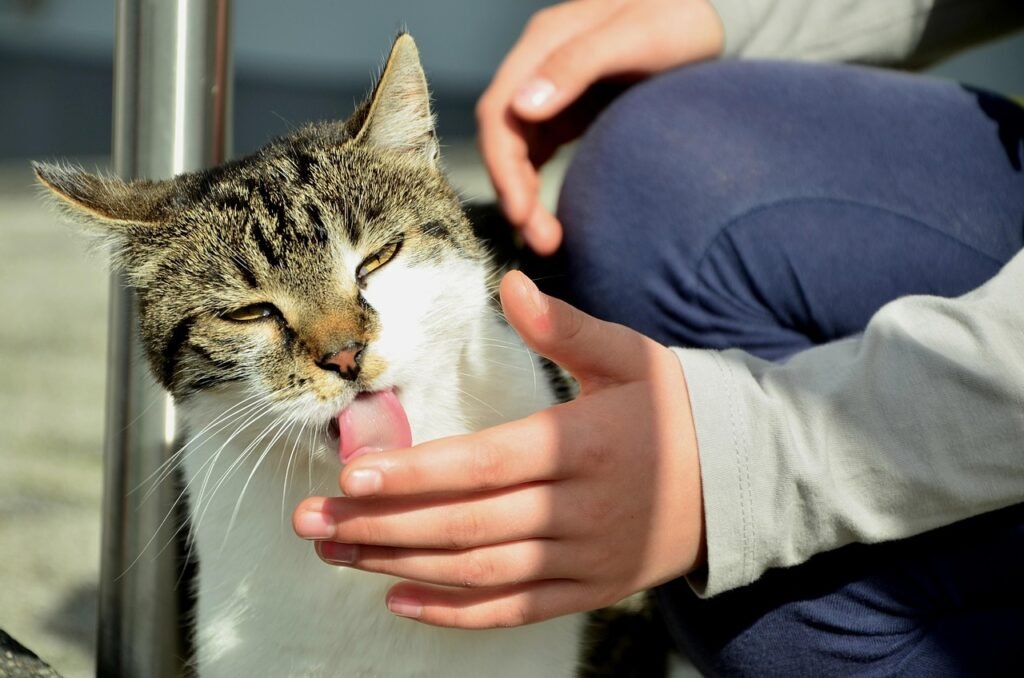
Cats groom one another, a behavior called allogrooming, not only to give a helping paw with keeping clean but also to bond and show love and friendship. So if your cat grooms you, it’s a sure sign that they’ve bonded with you and are showing that they consider you a member of their social group. That gentle lick on your hand or the top of your head is a direct invitation into their inner circle.
Grooming is one of the most obvious signs of cat bonding. In multi-cat households, cats groom each other to establish social bonds and share scent. If your cat licks your hand or even your hair, it is a sign of including you in their social circle. You can gently respond by petting your cat in return, reinforcing that same sense of mutual safety and belonging.
7. Your Cat Follows You from Room to Room
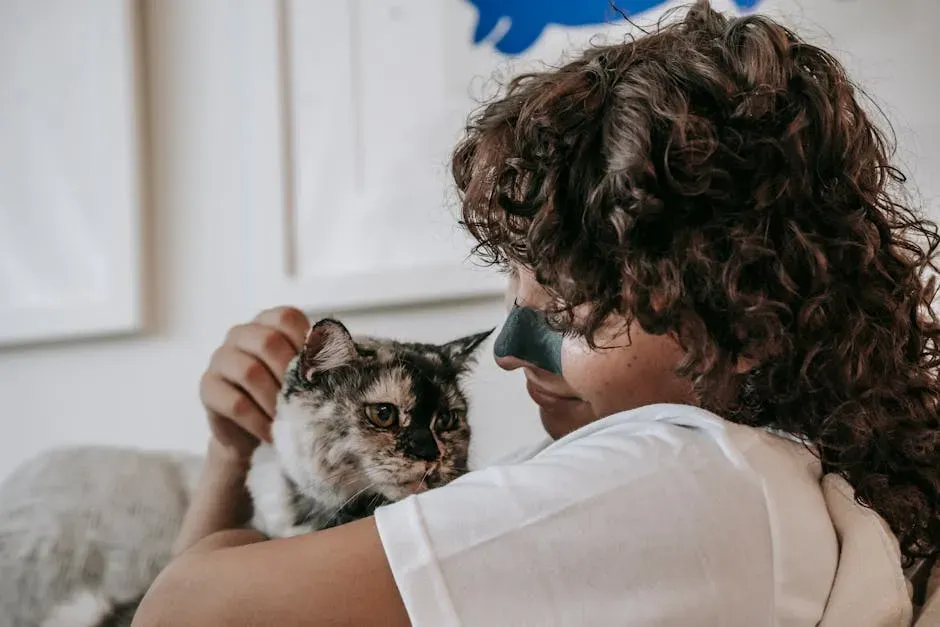
Not every cat will follow you around, but when they do, it’s a clear sign your cat trusts you. If your cat follows you from one room to another, it is a very good indication of trust. In the wild, cats do not follow other animals unless they feel secure and protected. That four-legged shadow trotting after you while you make coffee or move the laundry is quietly saying a lot.
Some cats trail their people out of attachment, while some are simply checking whether dinner is about to happen, and most live somewhere in the overlap. If your cat follows you, hangs around during quiet moments, and stays when food isn’t part of the deal, affection is likely in the mix. The pattern matters more than any single instance.
8. Your Cat Greets You at the Door with an Upright Tail
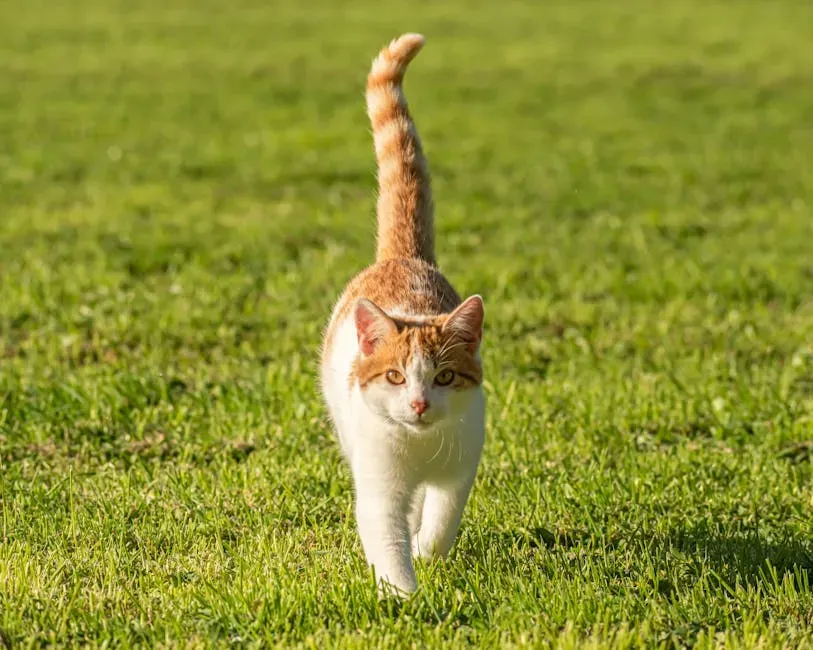
If your cat comes running to greet you when you come home, it’s a good sign that they trust you. Cats are curious creatures and love to investigate when something new happens. Adult cats are also territorial and make a habit of keeping a close eye on what happens in their territory. A nervous cat may watch from afar, but if your cat comes running to greet you, this is a good sign that they trust their human companions.
Your cat is trying to show you that they missed you when they greet you at the door. This is often followed by walking in between your legs and curling their tail around your legs. Sometimes it’s also accompanied by meowing and a “rattle-tail” behavior, where your cat will shake their tail quickly. This is your cat’s way of welcoming you home. A tall, upright tail as they approach you is also a compliment, as it usually indicates excitement and pleasure.
Conclusion
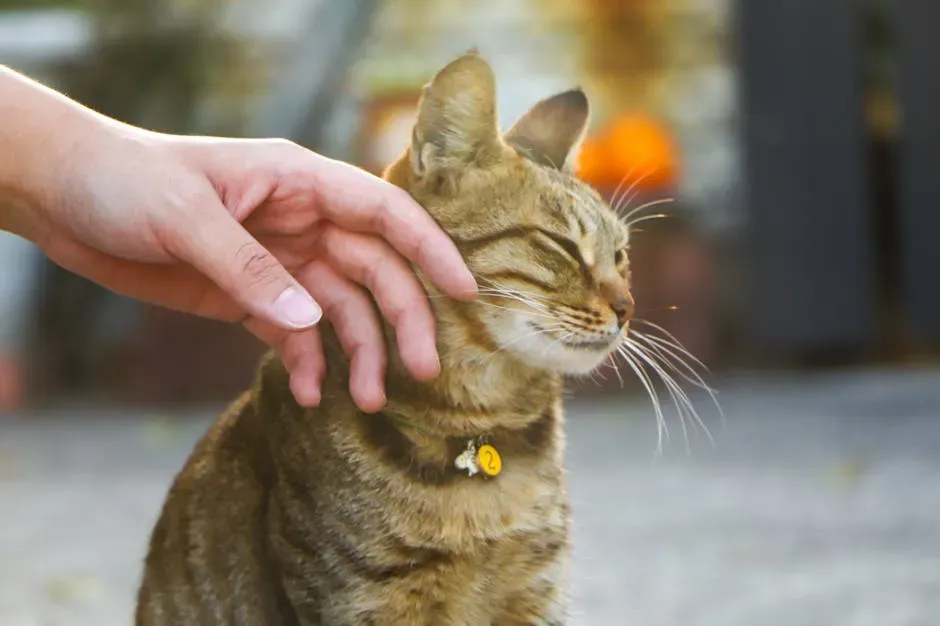
Reading a cat’s trust is less about grand gestures and more about learning a quiet, consistent language. Even if your cat doesn’t do all of these things, there’s no cause for concern. Every cat is unique and will show you they trust and love you in their own way. Some cats are very in-your-face with their affection, whereas others are more subtle and reserved.
One single behavior rarely tells the full story. A better read comes from patterns. Does your cat seek you out? Do they settle near you when they could nap anywhere else? Those repeated choices, made freely and without prompting, are where real trust lives.
The bond between you and your cat is built on patience, consistency, and a willingness to meet them on their terms. Once you start recognizing the small ways they say “I trust you,” the relationship feels less like a mystery and more like a quiet, ongoing conversation, one worth paying close attention to.
Kristina is a young writer from India. An arts graduate and an avid content creator, Kristina is passionate about animals and wildlife. She enjoys exploring topics related to pet care, animal behavior, conservation, and nature, combining thorough research with engaging storytelling.