You’ve probably been there: your cat walks into the room, looks you dead in the eyes, lets out a sound that falls somewhere between a complaint and a question, then turns around and leaves. You have no idea what just happened. Most people assume it was random. It wasn’t.
Cats are remarkably deliberate communicators. Every meow, chirp, tail flick, and slow blink is part of an intricate system they’ve been refining for thousands of years, and, fascinatingly, a good portion of it was developed specifically for you. Understanding that system doesn’t just satisfy curiosity. It transforms the way you live with your cat.
Why Your Cat Meows at You and Not Other Cats
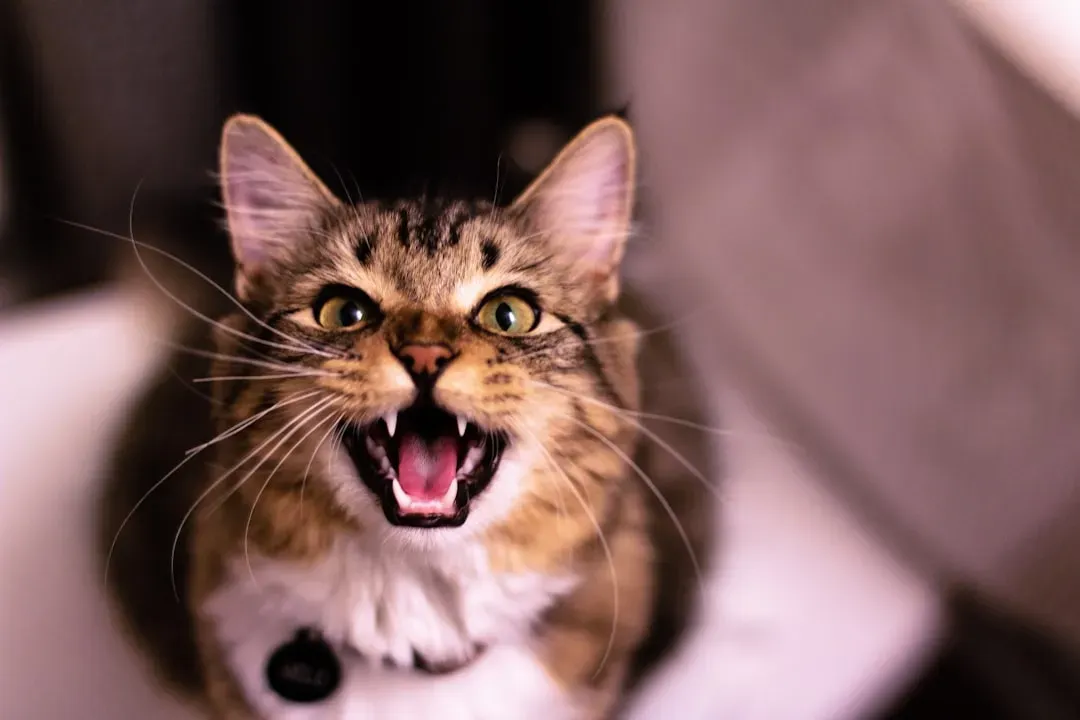
Here’s the first thing worth knowing: cats typically do not meow to other cats, but meow to humans to let them know they need something. That’s not a minor footnote. It means every meow you hear is essentially a message crafted for human ears, not feline ones.
By around three to four weeks of age, kittens stop mewing when at least one littermate is present, and adult cats rarely meow to each other. Adult meowing to human beings is likely a post-domestication extension of mewing by kittens. In other words, your cat is treating you a little like a parent figure, and that’s not an insult. It’s actually a sign of attachment.
How Domestication Shaped the Feline Voice

Researchers have compared the vocalizations of the domestic cat to those of its closest relative, the African wildcat, and have discovered that the vocalizations of the domestic cat have changed to become more pleasant to the human ear. That shift wasn’t accidental. It was the slow result of cats figuring out what actually got your attention.
Human babies are altricial at birth, entirely dependent on their parents, and this dependency has made us particularly attuned to distress calls. Cats have altered their vocalizations to tap into this sensitivity. So when your cat meows in that slightly urgent, slightly pitiful tone right before dinner, there’s real evolutionary engineering behind it.
The Meow Is Not One Sound
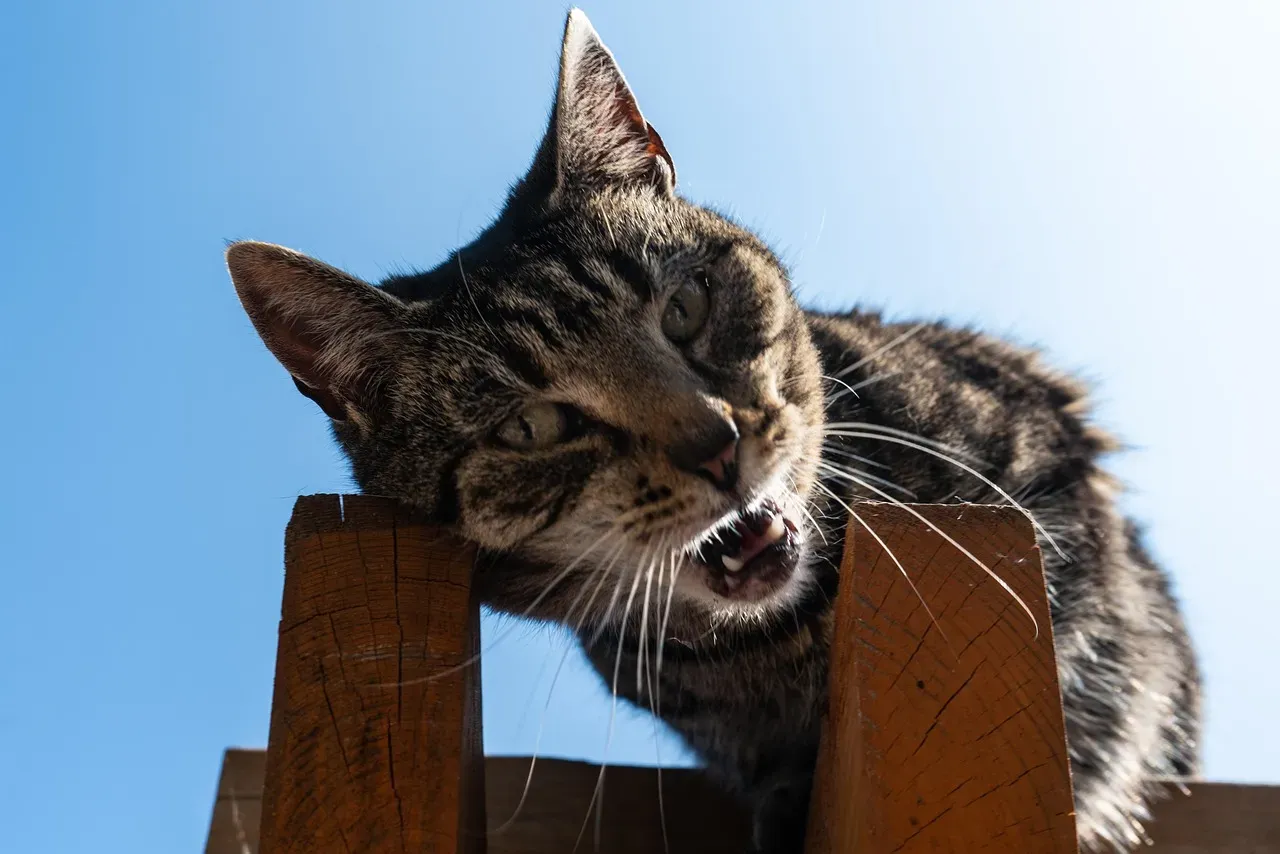
A meow can be assertive, plaintive, friendly, bold, welcoming, attention-soliciting, demanding, or complaining. You might have noticed this already without having a name for it. Your cat’s food meow probably sounds nothing like the meow they make when they want to sit in your lap.
Meows are very nuanced. Each cat may have dozens of different meows with different meanings. Research also confirms that prosodic variation in human-directed meows reflects the cat’s mental or emotional state, and cats vocalize more to humans than to other cats, varying their voice to get the human to do something for them. You’re not imagining a “vocabulary.” There genuinely is one.
Reading the Pitch, Tone, and Duration
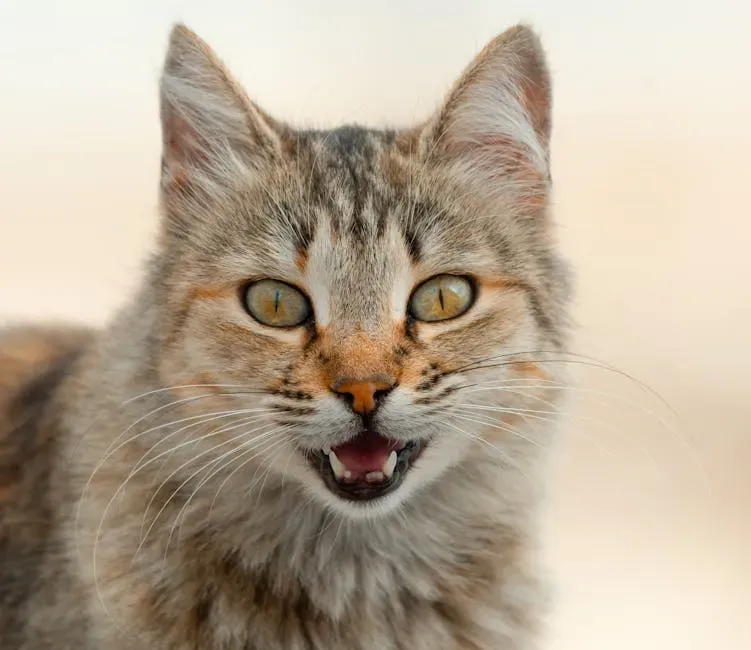
A cat meow can indicate anxiety, boredom, frustration, or even illness, particularly if it’s lower-pitched and more drawn out compared to the short, high-pitched meow that often signifies a greeting or a want. Duration and pitch are your two best decoding tools when you’re listening to your cat.
A short meow is a simple greeting, like “hello!” While a drawn out or mid-pitch meow indicates a demand such as for food or being let out, a high-pitch meow indicates distress like pain or anger. Once you start listening with this framework in mind, you’ll notice the patterns surprisingly quickly. Your cat has been sending these signals for years.
The Purr Is More Complicated Than You Think
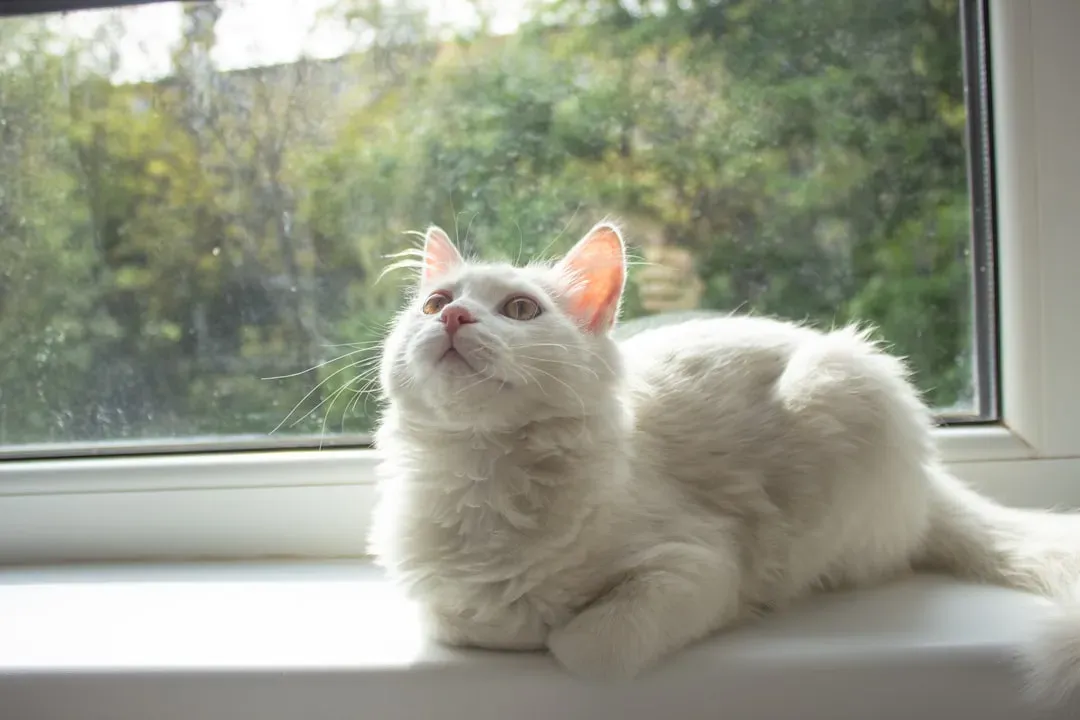
A purr is a low, continuous, rhythmic tone produced during breathing. While most people recognize purring as a sign of contentment and pleasure, purrs can also mean that a cat is scared, sick, or in pain. Context matters enormously here. A cat stretched out in a sunbeam purring is a different story from a cat at the vet, hunched and tense, doing the same.
If the cat’s ears are back, their pupils are dilated, they’re tense or hunched up, or they’re acting differently than normal, then purring may indicate that the cat is uncomfortable or unhappy. Learning to read the whole picture rather than just the sound is what separates a casual cat owner from someone who genuinely understands their animal.
Chirping, Trilling, and the Sounds You Might Be Missing
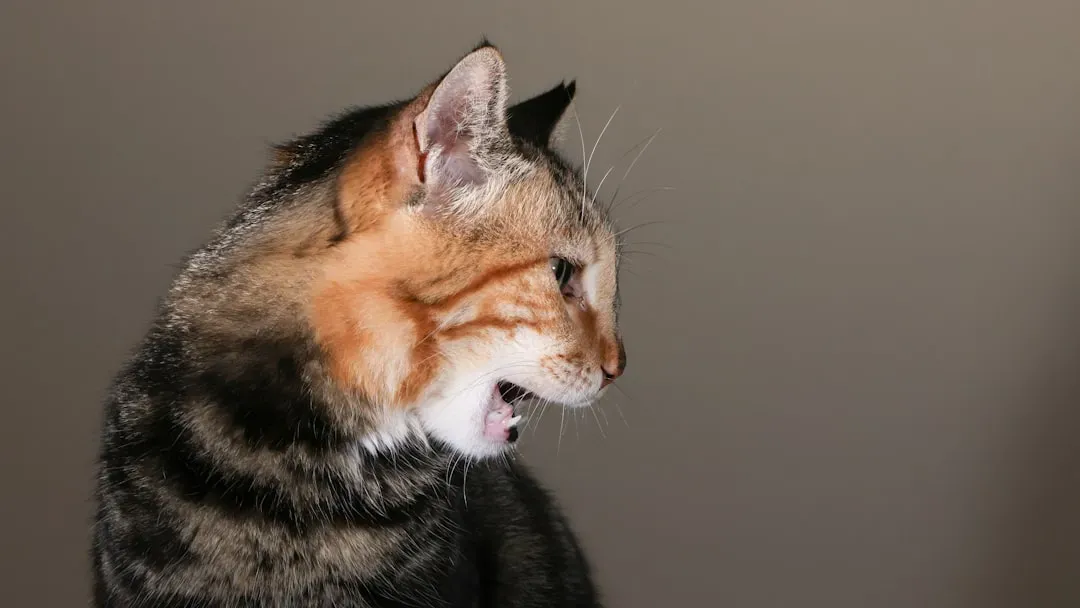
The cat chirp, also known as a chirrup or trill, is a short, peep-like sound similar to a songbird’s warble. According to International Cat Care, cat vocalizations fall into three categories: murmuring, meowing, and aggressive. A chirp is a type of murmur mostly formed with the mouth closed, and chirps are generally used for greeting, attention, acknowledgment, and approval.
Chirps and trills are how a mother cat tells her kittens to follow her. When aimed at you, it probably means your cat wants you to follow them, usually to their food bowl. When a cat trills in your presence, they’re communicating with you the same way they do their own kind, letting you know that you are part of their family. Cats use trilling as a greeting, essentially saying “oh, hi there!” and it is usually a positive reaction.
What Silence Actually Signals
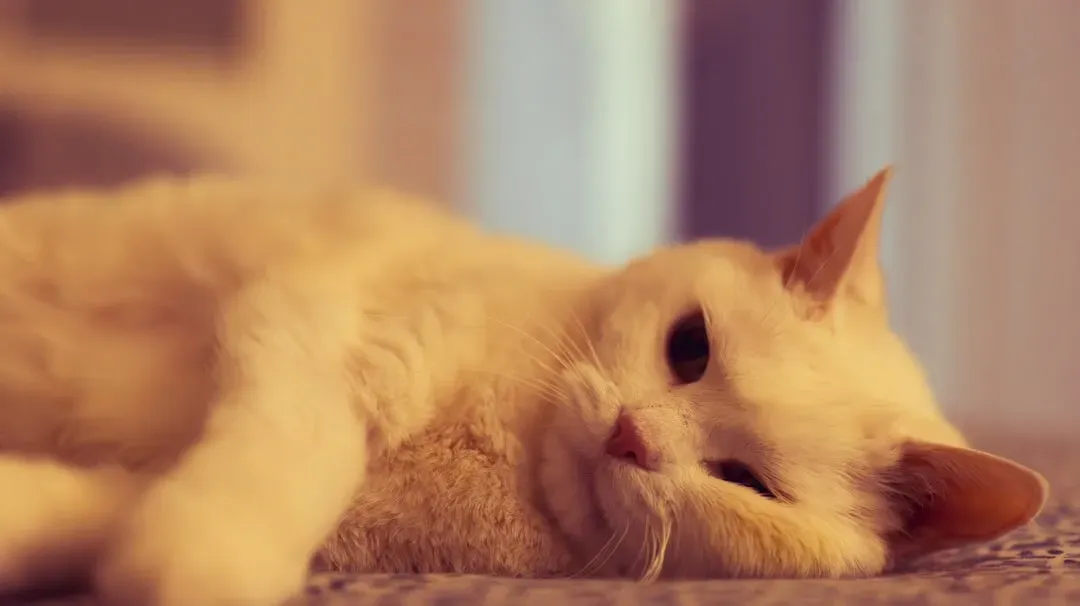
Vocalisations in negative states are less varied, with cats initially becoming silent and only vocalising, such as yowling or hissing, when experiencing high levels of distress. Therefore, early warning signs that a cat is in a negative state do not generally include vocalisations. This is a critical thing to understand. A quiet cat is not necessarily a content cat.
Growling, hissing, or spitting indicates a cat who is annoyed, frightened, angry, or defensive. Leave this cat alone. A yowl or howl tells you your cat is in some kind of distress, whether stuck somewhere, looking for you, or in pain. If your usually vocal cat suddenly goes quiet for an extended period, that shift in behavior is worth paying attention to.
Decoding the Body: Tails, Ears, and Eyes
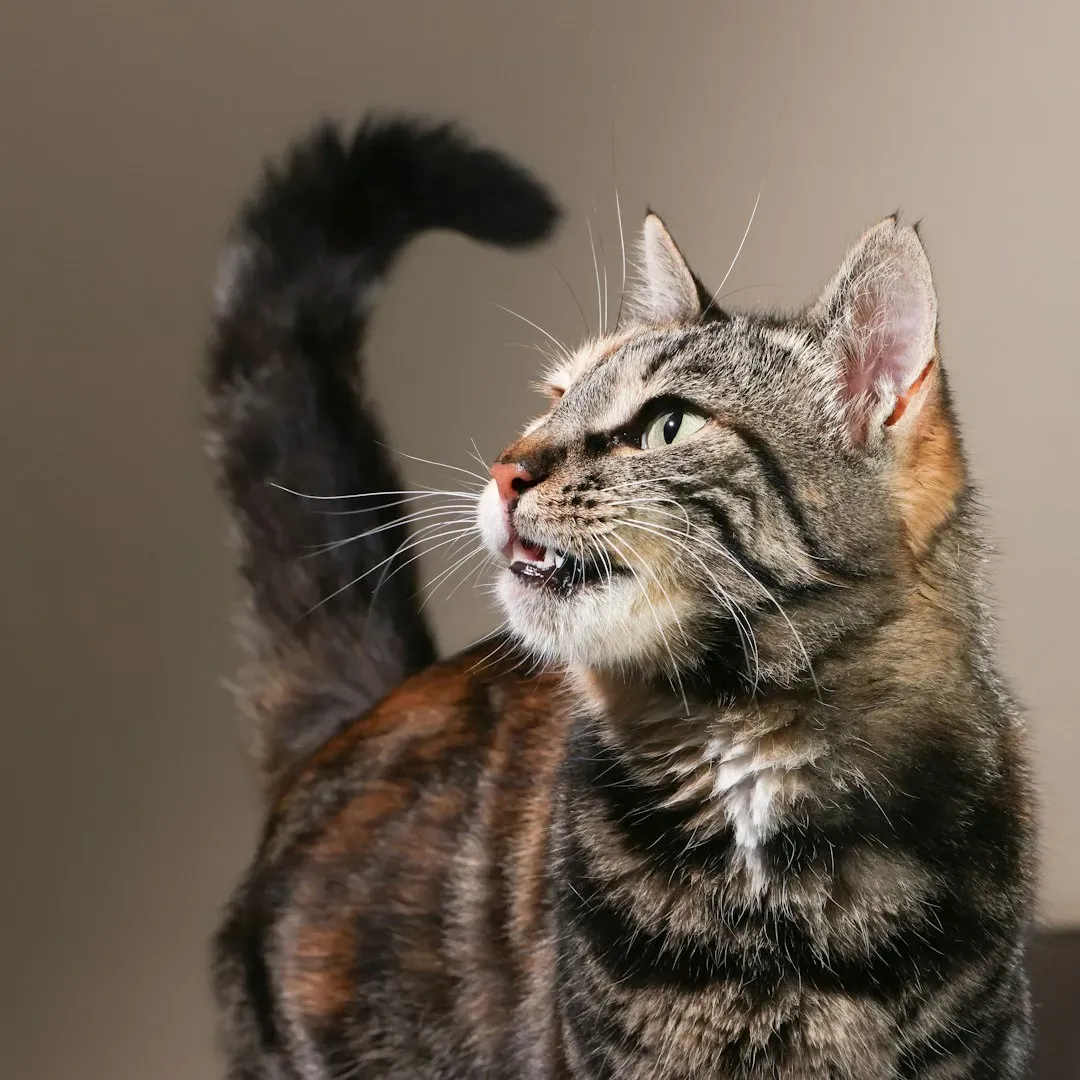
Cats rarely communicate with just one signal. Instead, they combine ears, eyes, tails, and posture into a full message. For example, forward ears plus an upright tail plus a slow blink equals a relaxed, friendly cat. Pinned ears plus dilated pupils plus a lashing tail signals agitation. Putting the whole picture together is far more reliable than reading any single cue alone.
A slow blink is a sign of trust and affection, your feline pal’s way of saying they feel safe with you. Dilated pupils can mean excitement, fear, or arousal depending on context. Narrowed pupils often indicate irritation or aggression. A direct stare is a challenge or sign of dominance. Your cat’s eyes, in particular, are surprisingly expressive once you know what to look for.
How Well You Hear Your Cat Depends on Your Experience
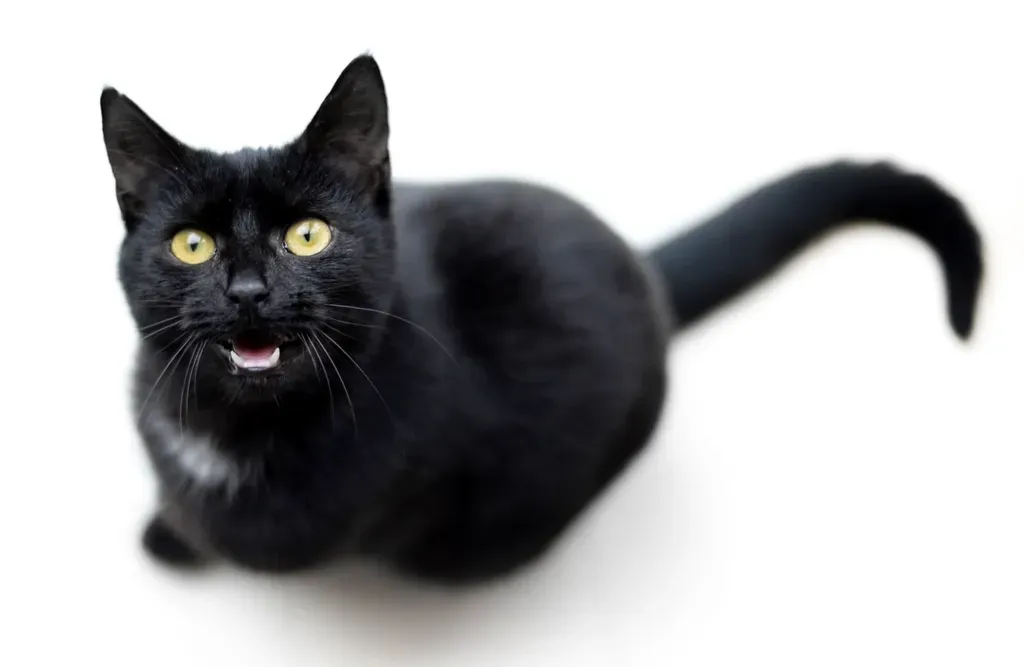
Research found substantial individual variability in the ability to recognize cat behaviors, with participant accuracy ranging from 40 to 100 percent. Factors associated with this variability were past cat-related vocational experience, whether the participant had ever lived with a cat, and the level of confidence in understanding cat body language. Participants with cat-related vocational experience were significantly better at recognizing subtle negative behaviors.
The vocal landscape produced by cats is rich, complex, and dependent on context. This attribute can be leveraged to study the subtlety of context-dependent vocalizations in conveying the emotional state of a vocalizing cat. The more time you invest in observing your specific cat, the sharper your ability to read them becomes. It’s a skill, not just intuition, and it genuinely improves over time.
Conclusion
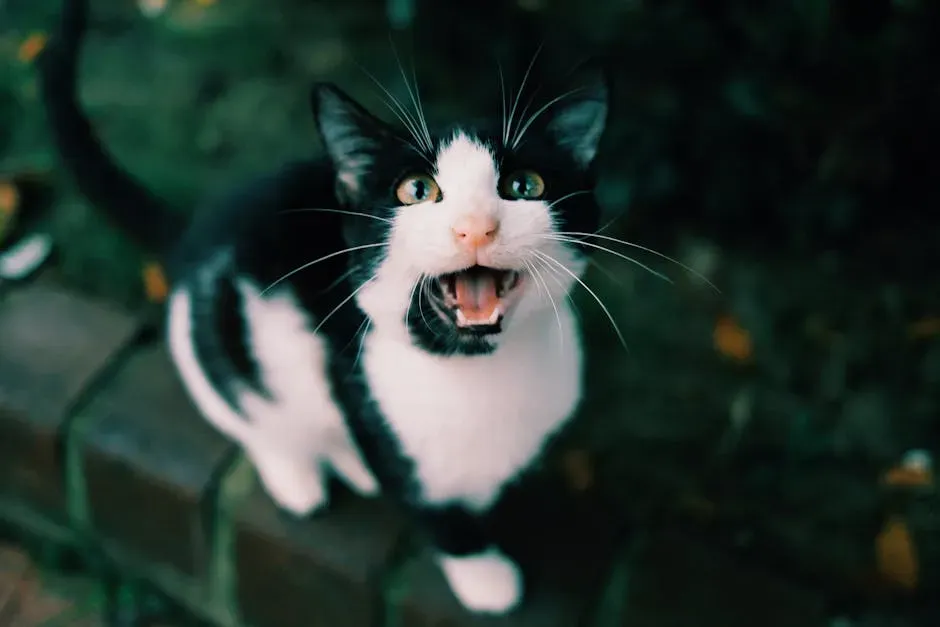
Your cat is not mysterious by choice. They are communicating constantly, through sounds they evolved specifically for you, through body signals refined over millennia, and through behavioral shifts that carry real emotional weight. The gap between what they’re saying and what you’re hearing is mostly a matter of attention.
Learning your cat’s language isn’t some exotic endeavor. It starts with the basics: the better you get to know your cat, the easier it is to work out why they’re meowing and what their meows mean. Owners who are strongly bonded with their cats will be able to spot the signs of illness or distress sooner. Each cat may have their own little language which they share only with you.
That meow across the room, the trill at the doorway, the slow blink from the armchair: none of it is random. Your cat has been speaking all along. You’re only just beginning to listen properly.
Kristina is a young writer from India. An arts graduate and an avid content creator, Kristina is passionate about animals and wildlife. She enjoys exploring topics related to pet care, animal behavior, conservation, and nature, combining thorough research with engaging storytelling.