You’re halfway through folding laundry when a small, furry body drops directly onto the pile. You move to the kitchen, and there’s your cat, weaving through your legs as you try to unload the dishwasher. You sit down at your laptop, and within seconds, a warm weight settles squarely on the keyboard. Sound familiar?
Most cat owners chalk this up to chaos. The truth, though, is far more interesting. Your cat’s insistence on being involved in everything you do is driven by a mix of instinct, emotion, and some surprisingly clever feline logic. Here’s what’s really going on.
They Genuinely Enjoy Your Company
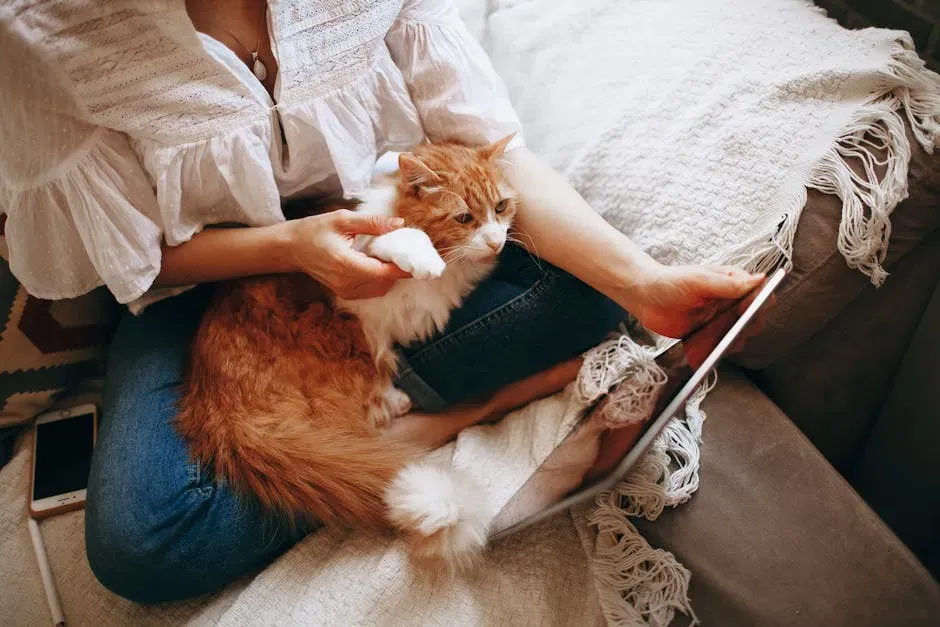
It might surprise you, but the idea that cats are completely solitary creatures is largely a myth. Cats are more social than they’re often given credit for. While they aren’t likely to seek out the company of other cats who are non-relatives, they do form deep connections with their humans. When you’re folding clothes or scrubbing counters, your cat may simply want to be near the person they trust most.
Certain cat breeds, such as the Ragdoll, Sphynx, and Maine Coon, have personalities similar to dogs. They’re often sociable and love nothing more than to be in human company and be a part of everything you are doing. If you own one of these breeds, or a feline that is just generally very affectionate, you may be used to having them follow you around and ‘help’ you with your chores. For these cats, proximity isn’t clingy – it’s just love.
They’re Curious About What You’re Doing
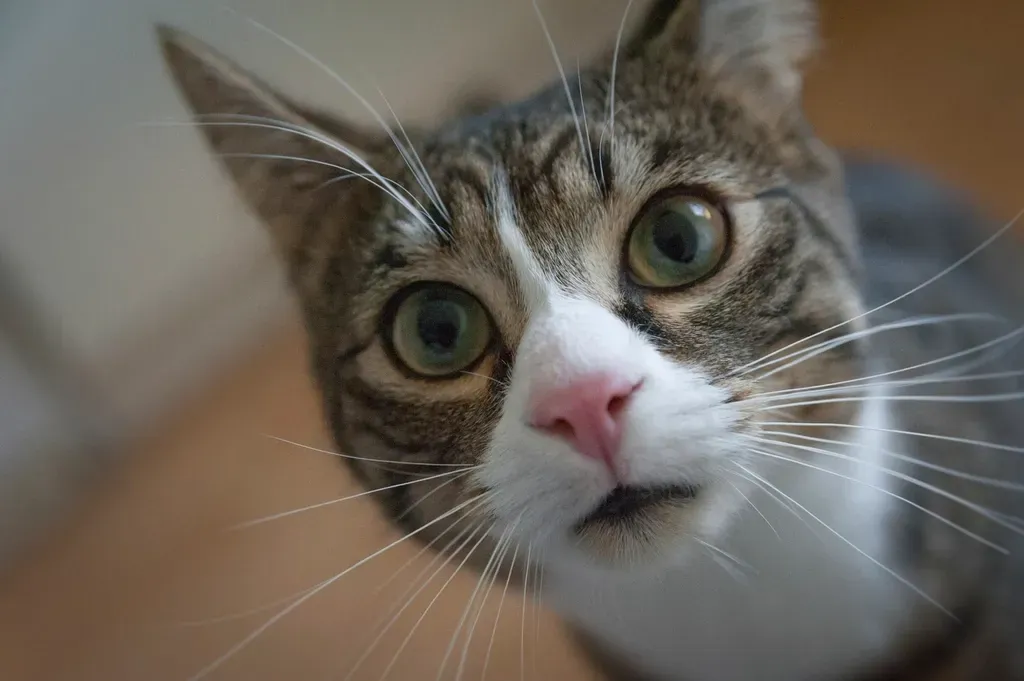
Cats are naturally curious, and their drive to explore can motivate them to follow you around the house. As highly observant creatures, cats have an awareness of your routines and habits – and they notice when something is unusual. Following you may simply be their way of investigating what you’re up to and checking out anything new or interesting.
Cats love to investigate things, even if it’s just organizing your drawers. To your cat, a vacuum cleaner you’ve just pulled out of the closet is a genuine mystery. A mop moving across the floor is practically an event. Their “help” is really just their curiosity looking for an outlet, and your chores happen to be the most stimulating thing in the room.
Your Scent Is Literally on Everything They Want to Sit On
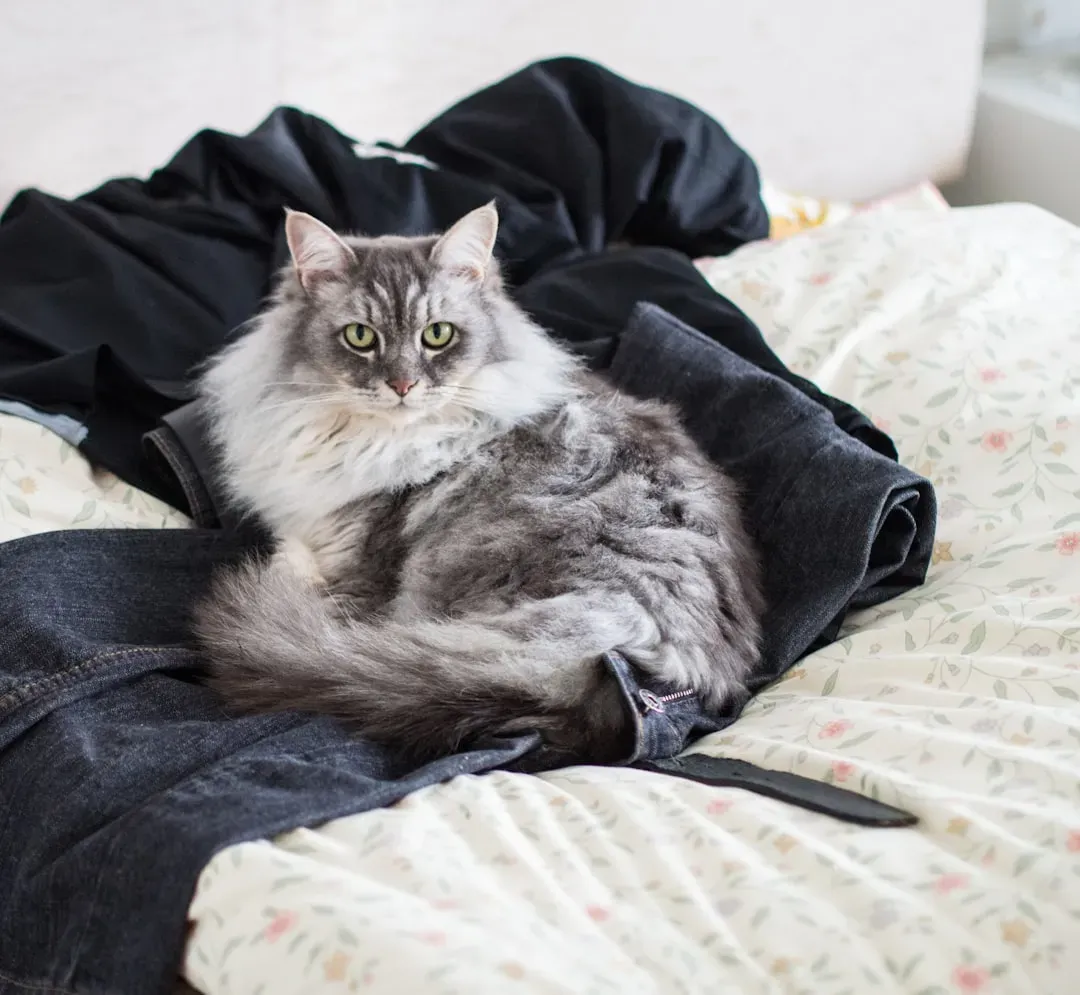
To a cat, your clothes – clean or dirty – are alluring because they smell like you. “It’s a scent exchange,” as one expert explains. “They’re sitting on our clothes because they smell like us and they’re leaving their scent on our clothes, sort of staking out their territory.” That laundry basket you just filled? It’s a scent treasure chest as far as your cat is concerned.
By choosing your clothing as a resting spot, your cat isn’t just seeking warmth – it’s reinforcing social bonds and claiming you as part of its inner circle. Cats have an extraordinary sense of smell, up to 14 times stronger than humans, thanks to a specialized organ called the vomeronasal organ located in the roof of their mouth. They’re not making a mess of your fresh laundry. They’re quite literally making themselves at home.
They’re Seeking Warmth From Your Belongings
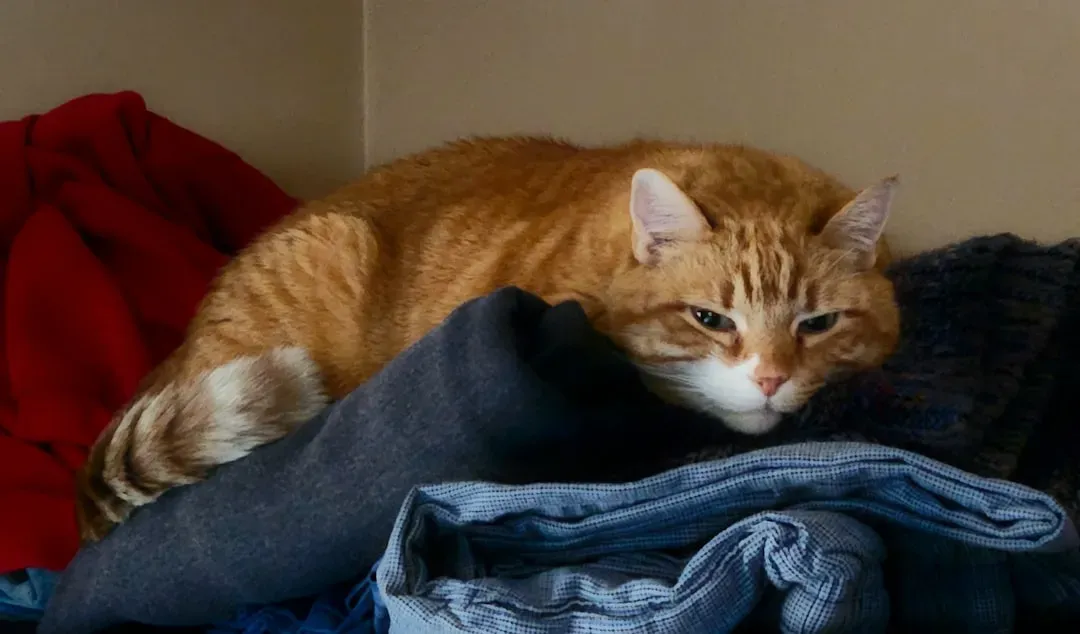
One primary reason cats gravitate toward items you’re using is warmth. Electronic devices like laptops generate heat, making them particularly attractive to cats who naturally seek out warm spots to maintain their body temperature, which needs to stay between 101 and 102.5 degrees Fahrenheit. This instinct runs deep. Freshly dried laundry, a recently vacated chair, a warm laptop – they’re all prime real estate.
The most apparent reasons cats like to lie on piles of clothes are because they are warm and comfortable, especially if they are fresh out of the dryer. So when your cat wedges itself into the laundry basket two minutes after the dryer stops, it’s not sabotage. It’s the feline equivalent of finding the best seat in the house, and they found it before you even got there.
They’re Marking Their Territory – Including You
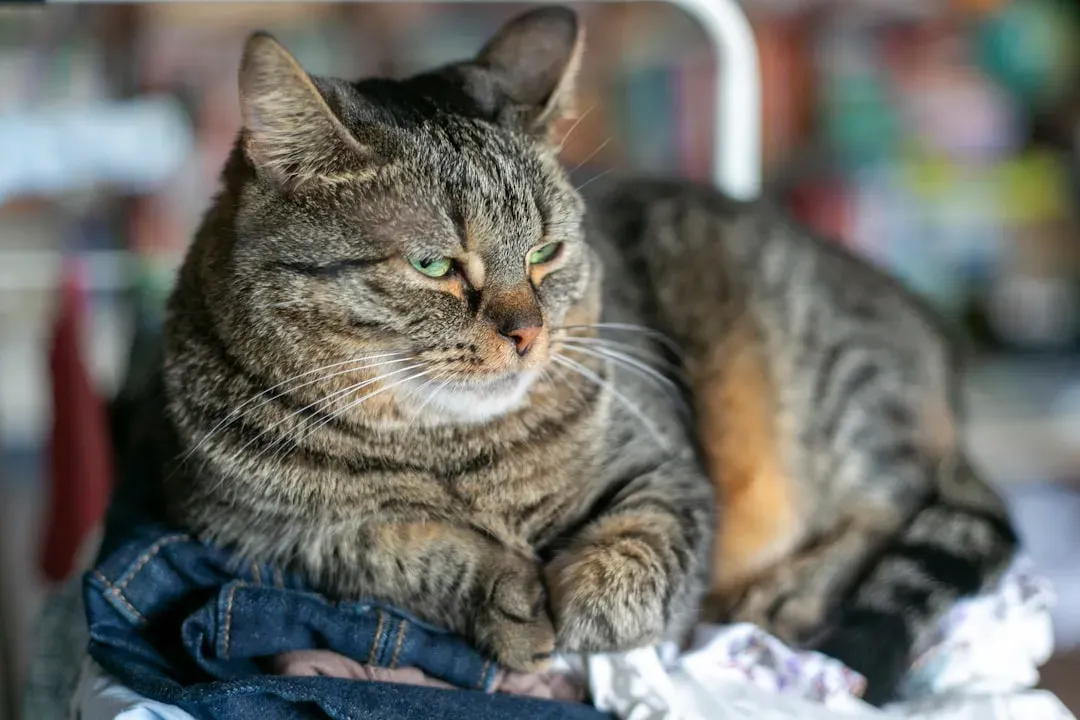
When your cat sits on your belongings, they’re actually engaging in a form of communication. Cats have scent glands in their paws and face that release pheromones, effectively marking these items as part of their territory. This behavior helps create a sense of security and familiarity in their environment. Every surface you touch regularly becomes a place they want to claim.
According to animal psychologist Dr. David Sands, “It’s more probable your cat wants to deposit its own scent and supplant yours. It’s all about ownership.” “People always think cats rubbing themselves against you or things you touch are expressing love. But actually, cats are very possessing individuals.” Your chores aren’t interruptions to their day. They’re opportunities to remind the household who is really in charge.
They Want Your Undivided Attention
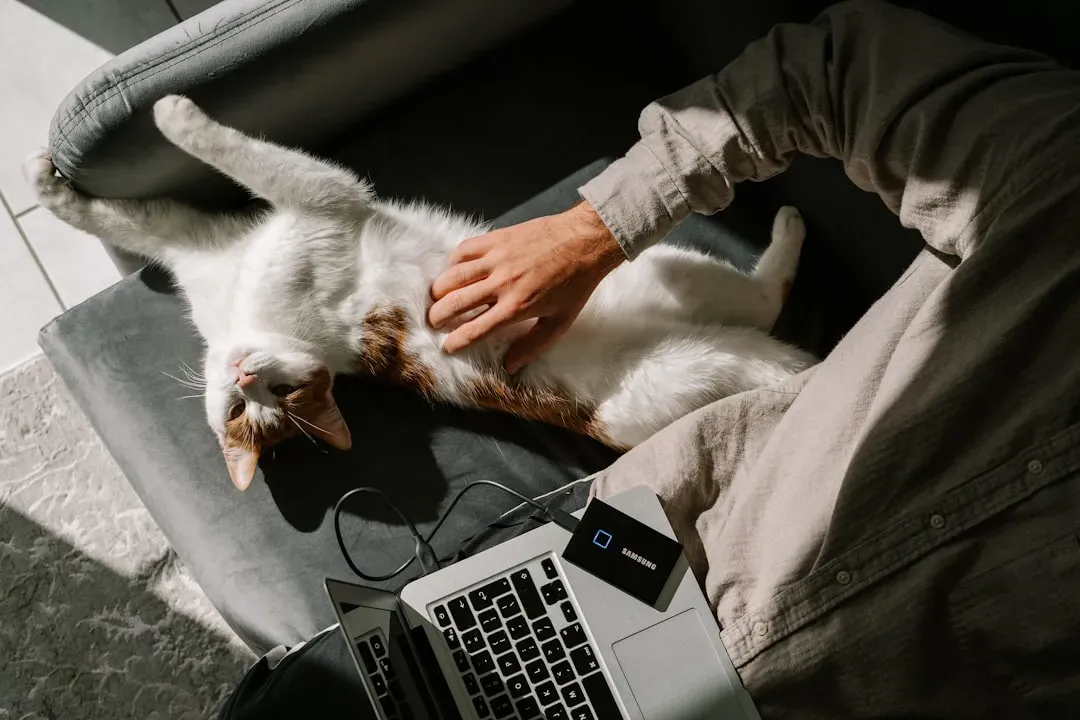
In many cases, your laptop and, by extension, your keyboard take up all your attention as you focus on what needs to be done. Your cat might not like that the keyboard has your attention and is working to distract you from your work. The moment you become absorbed in something that isn’t them, they find a way back into the frame. It’s remarkably consistent.
Cats are more social than many people realize, and sitting on your belongings is often a bid for attention and interaction. When you’re focused on something else, your cat may decide to insert themselves into your activity to redirect your attention their way. If your cat has learned that sitting on your laptop or newspaper results in pets, treats, or attention, they’re likely to repeat this behavior. You may have unknowingly trained your cat to do exactly this every single time.
They’re Bored and You’re the Best Entertainment Available
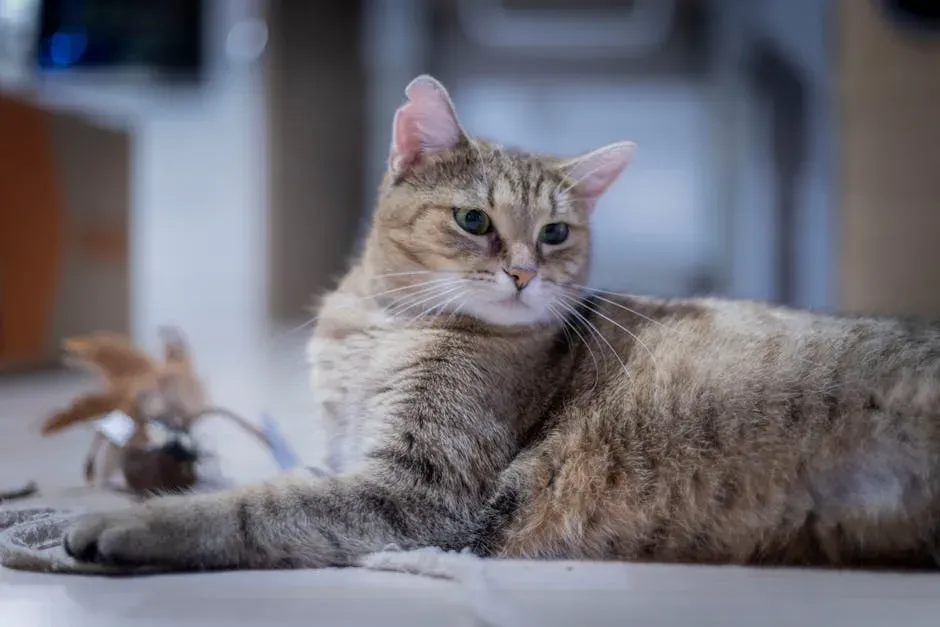
Bored cats will often follow you around, and they aren’t typically shy about expressing themselves. If your cat is bored, their pursuit might have a sense of desperation and restlessness. They’re eager to see something interesting happen, and sometimes they’ll take it into their own four paws and make it happen. A mop, a broom, a dangling sleeve – it’s all fair game when there’s nothing else to hunt.
Cats can exhibit this behavior out of boredom or the need for stimulation, which highlights the importance of providing them with engaging toys and activities. If your cat is particularly relentless during chore time, it’s worth asking when they last had a proper play session. A few minutes of wand toy action before you start cleaning can take the edge off considerably.
They’re Kneading Their Way Into Comfort
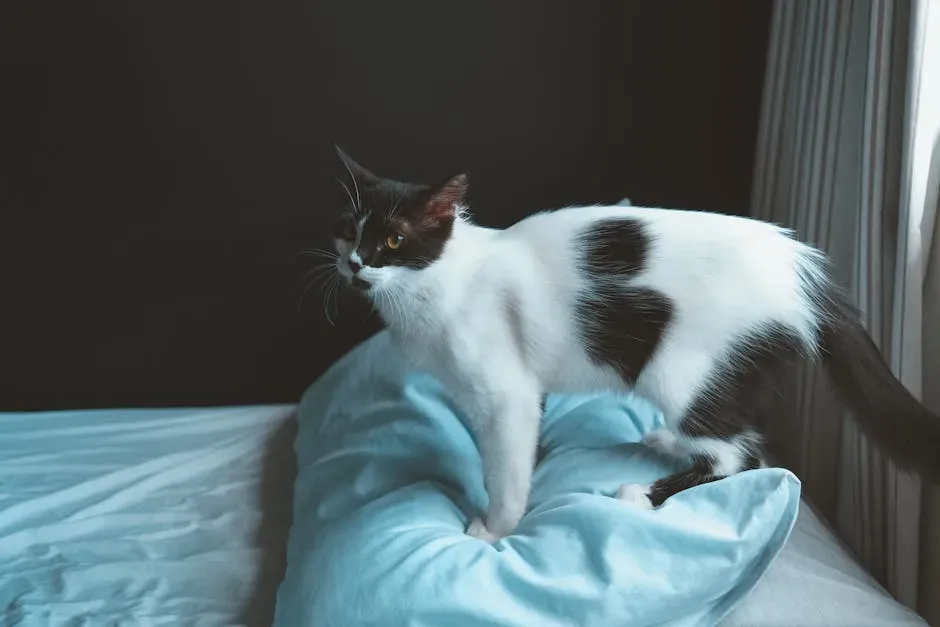
Cats knead blankets and other soft objects in their environment for a few reasons: to create a sense of relaxation and relieve stress, as kneading soft objects may remind a cat of nursing and release calming chemical signals. When your cat kneads the laundry you’ve just folded, they’re essentially self-soothing in one of the most instinctive ways they know how.
Cats have scent glands in their paws. When your kitty kneads, they’re also leaving behind a faint scent that signals ownership. If your feline overlord is kneading your favorite blanket – or you – it’s their way of claiming it as their own. It looks like they’re helping you prep the laundry for folding. In their mind, they’re doing something far more important: making the whole place smell exactly right.
They Feel Safer Near You During Vulnerable Moments
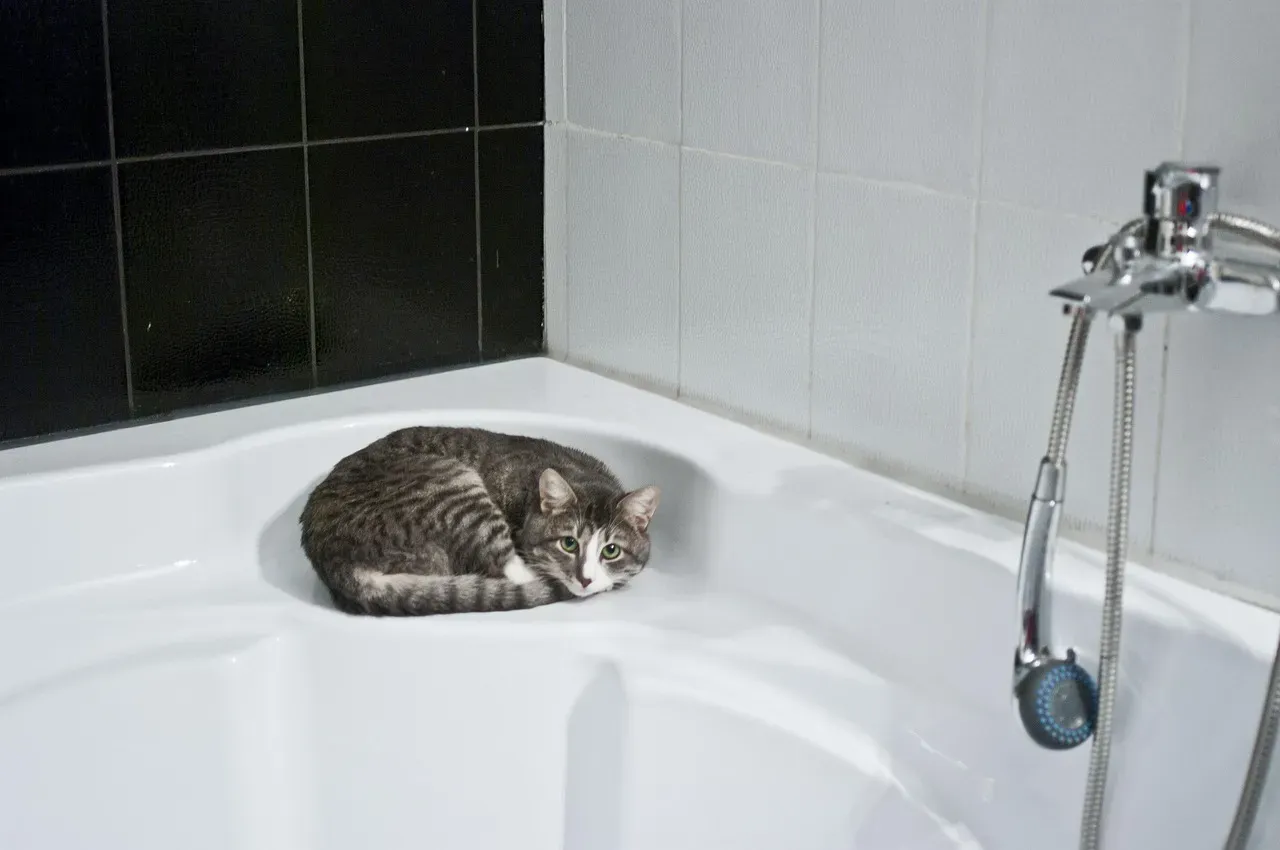
The acts of urinating and defecating are vulnerable times for cats: they must remain stationary, and the smell of urine and feces may attract predators. So your cat may want to stay with you in the bathroom to protect you. That’s right – your cat isn’t following you to the bathroom out of nosiness. In some cases, they’re standing guard.
Following behavior in cats isn’t always a sign of health problems or unmet needs. Often, it’s an expression of affection. Whether you’re cleaning the toilet or scrubbing the tub, your presence makes your cat feel secure. They return the favor by staying close. It’s an arrangement that makes perfect sense in their world, even if it makes bathroom time slightly less private in yours.
Your Routine Is Their Routine
As highly observant creatures, cats have an awareness of your routines and habits – and they notice when something is unusual. Chores tend to follow a predictable pattern – same time, same rooms, same sounds. Your cat has likely memorized every step of it. The moment you reach for the vacuum, they already know where you’re headed next.
Cats thrive on predictability. Feeding them and playing with them at the same time every day can help them feel more secure when you’re there and less anxious when you’re not around. Your chore routine is part of their daily map of the world. Following along isn’t just curiosity – it’s how they keep track of the household, confirm that everything is in order, and stay close to the person who anchors their sense of safety.
Conclusion
The next time your cat plops down on your freshly sorted laundry or parks themselves on your keyboard mid-task, know that it’s rarely random and almost never about causing trouble. Behind that seemingly inconvenient behavior is a layered mix of instinct, affection, territorial communication, and a genuine desire to be close to you.
Your cat doesn’t think they’re getting in the way. In their world, they’re contributing – staying close, marking what matters, keeping watch, and making sure the most important territory in the house, which is wherever you are, is thoroughly accounted for. Honestly, as far as coworkers go, they could be worse.
Kristina is a young writer from India. An arts graduate and an avid content creator, Kristina is passionate about animals and wildlife. She enjoys exploring topics related to pet care, animal behavior, conservation, and nature, combining thorough research with engaging storytelling.