You watch your cat sprawl across the couch at two in the afternoon, completely limp, eyes shut, one paw dangling off the cushion. It’s tempting to call it laziness. The reality, though, is considerably more interesting than that.
What looks like aimless snoozing is actually one of nature’s most efficient systems for energy management. Every nap your cat takes is doing something specific, something purposeful, and something that links their quiet domestic life back to millions of years of evolutionary refinement. The more you understand the biology behind all that shuteye, the harder it becomes to ever see that napping cat the same way again.
The Predator Biology Driving Every Nap
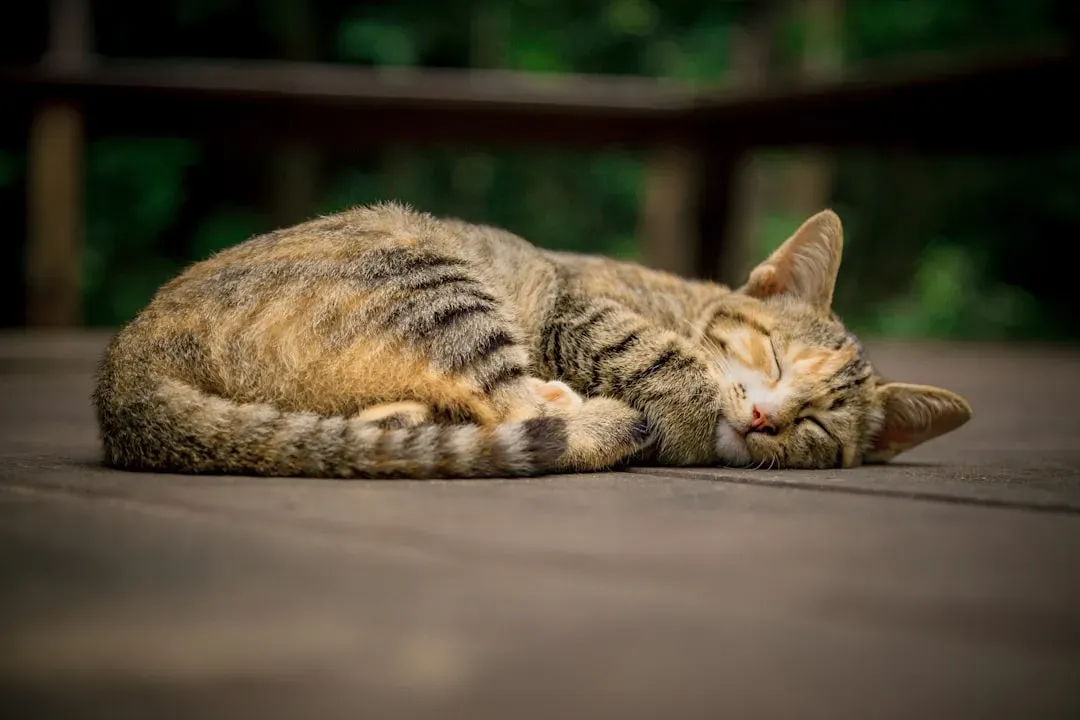
Fundamentally, cats are predators, and sleeping is vital for conserving their energy after hunts. Their bodies are anatomically and physiologically designed to hunt for food, even if you’re the one providing it in a bowl. That design didn’t disappear with domestication. It’s still running quietly in the background every single day.
Cats sleep between twelve and eighteen hours per day because they are obligate carnivores running protein-dependent metabolism that demands extended recovery, apex predators whose low predation risk permits prolonged deep sleep, and crepuscular hunters wired for intense dawn-and-dusk activity bursts separated by mandatory rest. Your cat isn’t ignoring you when they nap. They’re preparing for the next sprint, pounce, or play session at maximum capacity.
How Their Sleep Cycles Actually Work
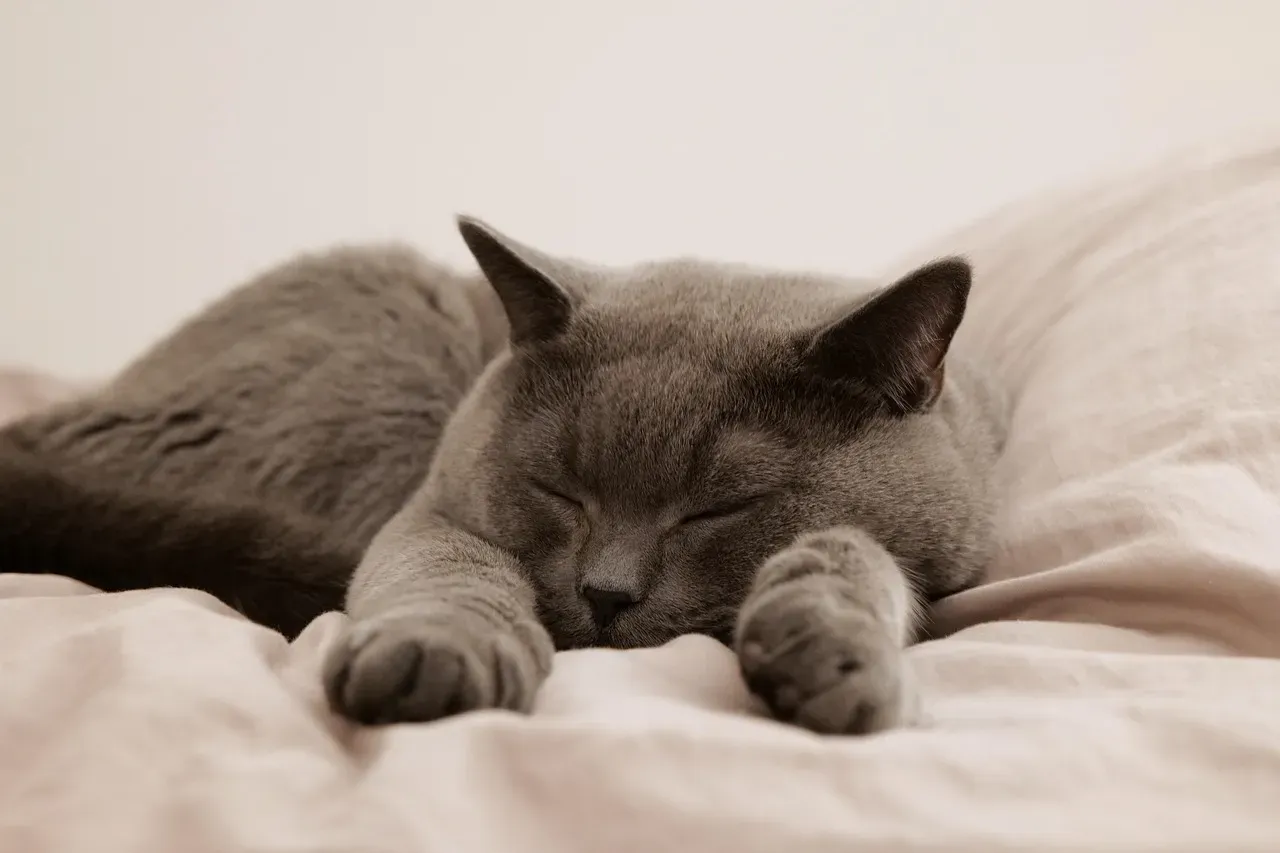
Research has shown that cats cycle through two primary sleep stages: slow-wave sleep, also called non-REM sleep, and rapid eye movement sleep where dreaming occurs. These stages repeat throughout sleep periods, with cats typically spending about three-quarters of their sleep time in light slow-wave sleep and the remainder in deeper REM sleep.
The average sleep cycle in cats lasts approximately twenty to thirty minutes, much shorter than human sleep cycles, which explains why cats can wake and return to sleep so readily throughout the day. Generally, a cat stays in light sleep for fifteen to thirty minutes at a time, while deep sleep occurs in much shorter bursts of about five minutes per session. During deep sleep, your cat grows completely relaxed and becomes harder to wake.
Light Sleep: The “On-Call” Rest Mode
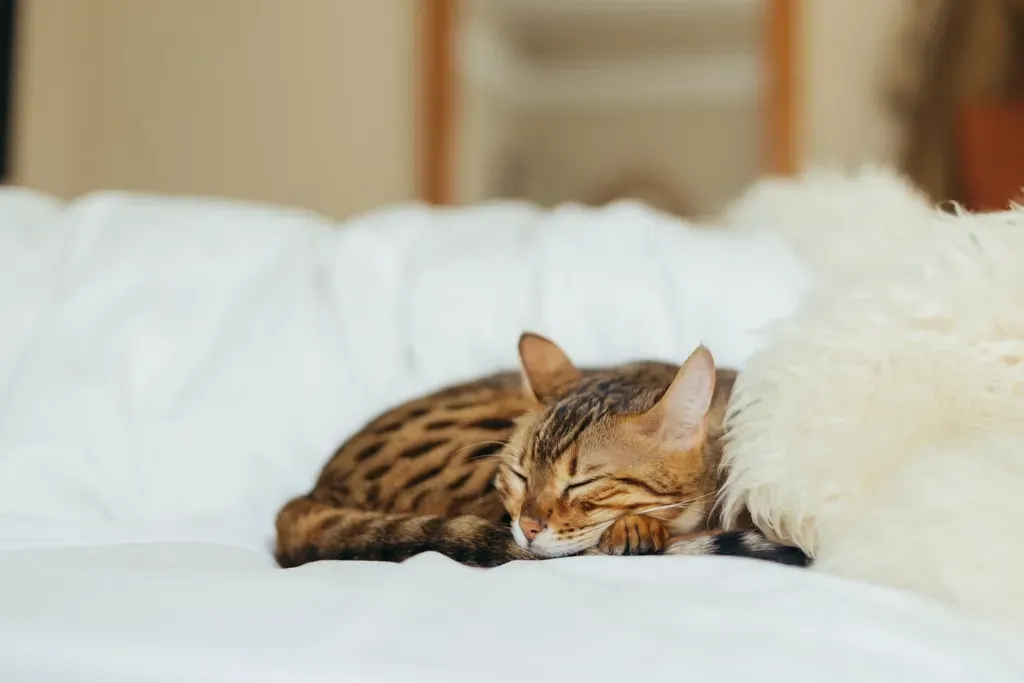
A lot of your cat’s “sleep” isn’t even deep sleep. They’re dozing, staying in a light rest state where they can spring into action at a moment’s notice. This is an evolutionary survival tactic and it’s why your cat can go from completely still to across the room in about half a second.
During light sleep, your cat stays somewhat aware of their surroundings. Their ears remain erect and might even turn or angle toward sounds in the environment. A light-sleeping cat may keep one eye half-open to watch for anything unusual, and you might notice their tail gently swishing from side to side while they rest. Cats engaged in light sleep are ready to wake up and spring into action if the situation requires it. Think of it less like sleeping and more like a system running at minimal power, waiting for the right signal.
Deep Sleep and the Dreaming Hunter
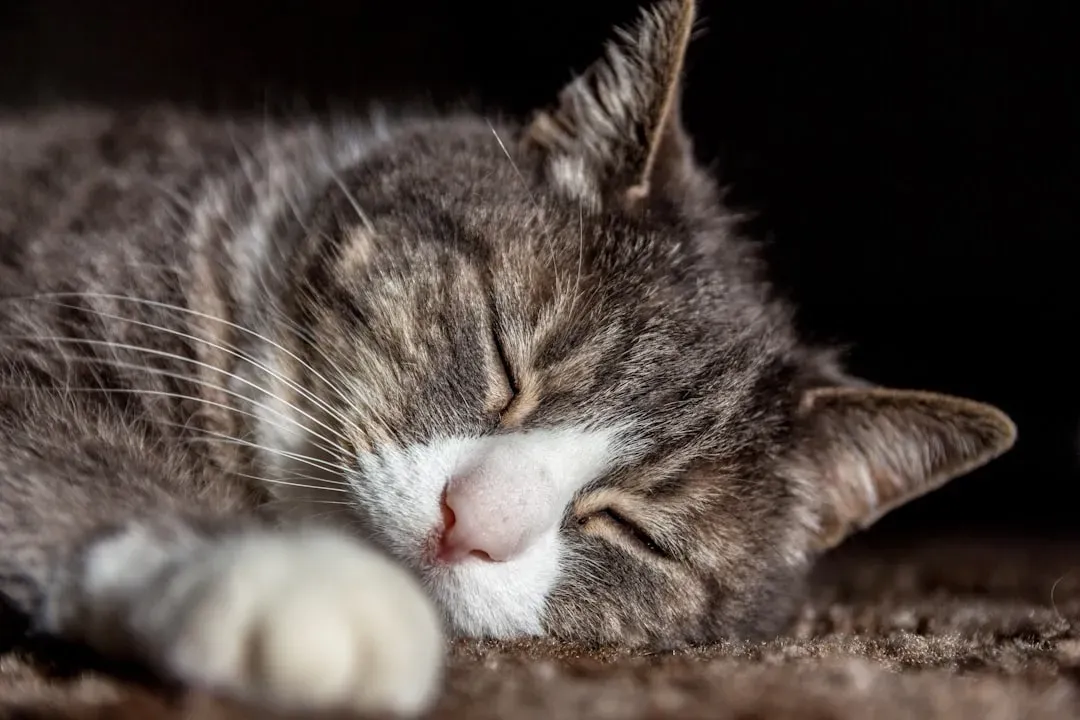
Cats twitch in their sleep because they experience REM sleep just like we do, and during that deep sleep phase they’re almost certainly dreaming. Those paddling paws and twitching whiskers are likely your cat acting out a hunt or a play session in their sleep. It’s a sign their brain is functioning exactly as it should and that they’re reaching the deep, restorative part of their sleep cycle.
Cats experience both REM and non-REM sleep. Similar to humans, cats dream during REM sleep, while non-REM sleep allows their bodies to recharge and conserve energy. Cats require deep sleep to restore energy levels and promote overall well-being. During these restorative phases, their bodies repair and regenerate cells, contributing to optimal health. That twitching you see is real biological recovery in progress.
The Crepuscular Clock: Why Timing Matters
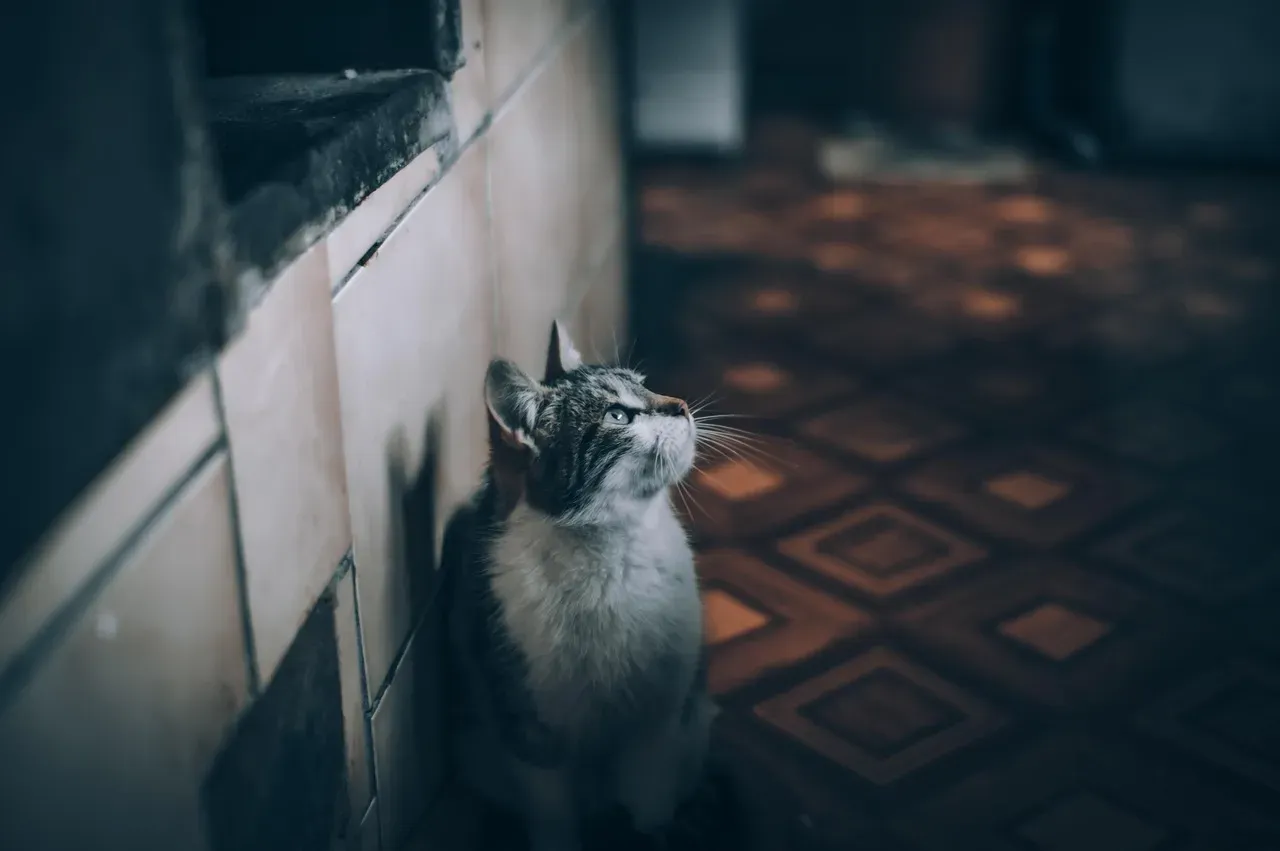
Contrary to popular belief, cats aren’t nocturnal. They are crepuscular, meaning they’re most active around dawn and dusk. This sleeping pattern is due to their hunting instinct, which evolved so that they would be awake when their prey is at its most active. Understanding this rhythm makes your cat’s behavior through the day read like a very logical schedule.
Cats are classified as crepuscular hunters, meaning they are most active during dawn and dusk. This behavior stems from their evolutionary role as predators, where hunting at these times allows them to take advantage of their prey’s vulnerability. Such activity requires efficient use of energy, which leads to extended periods of sleep during daylight hours. So those mid-morning and mid-afternoon naps aren’t random. They’re timed recovery windows between peak activity periods.
Polyphasic Napping: Many Short Rests, One Big Purpose
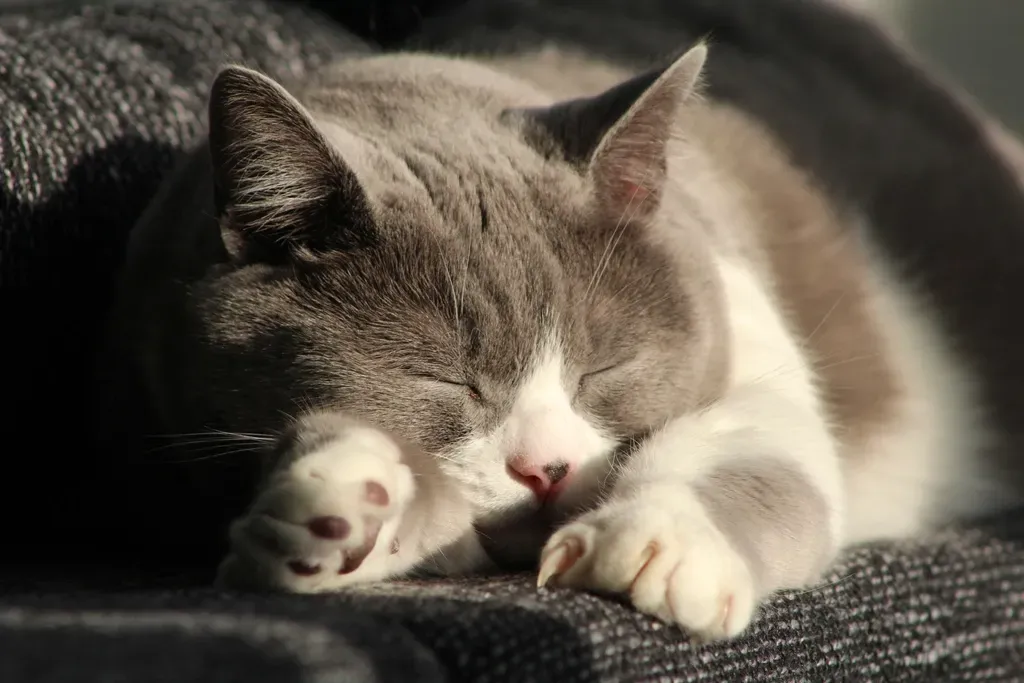
Cats are known for their polyphasic sleep patterns, taking multiple short naps throughout the day. This behavior is not only a result of their crepuscular nature but also an evolutionary adaptation for energy conservation and staying alert to potential threats or opportunities for hunting.
Their naps last an average of 78 minutes, but often range between 50 and 113 minutes. Some research shows that modern cats now time their naps to mirror their owners’ sleep schedules and stay awake when owners interact with them the most. Your cat isn’t just sleeping on instinct alone. They’re paying attention to you, too, and adjusting their recharge schedule accordingly.
How Play Triggers the Need for Sleep
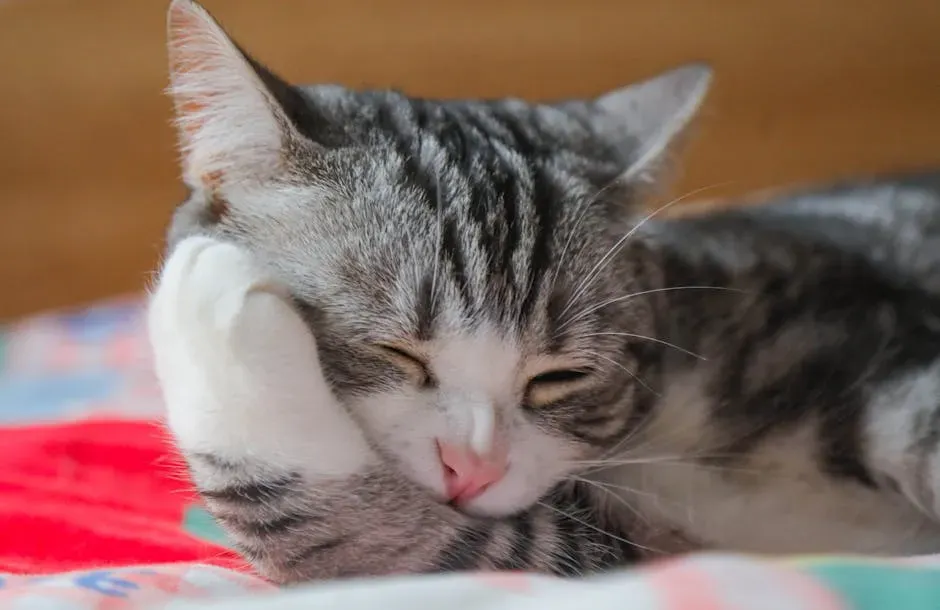
Your cat is on alert throughout their “hunt,” using high levels of adrenaline and energy to keep their body fueled. All this means that despite the relatively short period when your cat is active, they use up disproportionately large energy reserves, resulting in the need for a well-deserved cat nap.
Cats are sprinters, not endurance athletes. A hunt is short, explosive, and incredibly physical. All that recharge time they spend sleeping is what makes those bursts of energy possible. Engaging in active play sessions, especially before bedtime, can help cats expend energy, mimicking the hunting behavior that cats would naturally engage in, leading to a feeling of satisfaction and readiness for rest. In other words, a good play session followed by a deep nap is exactly how their system is meant to cycle.
How Age Changes the Sleep Equation
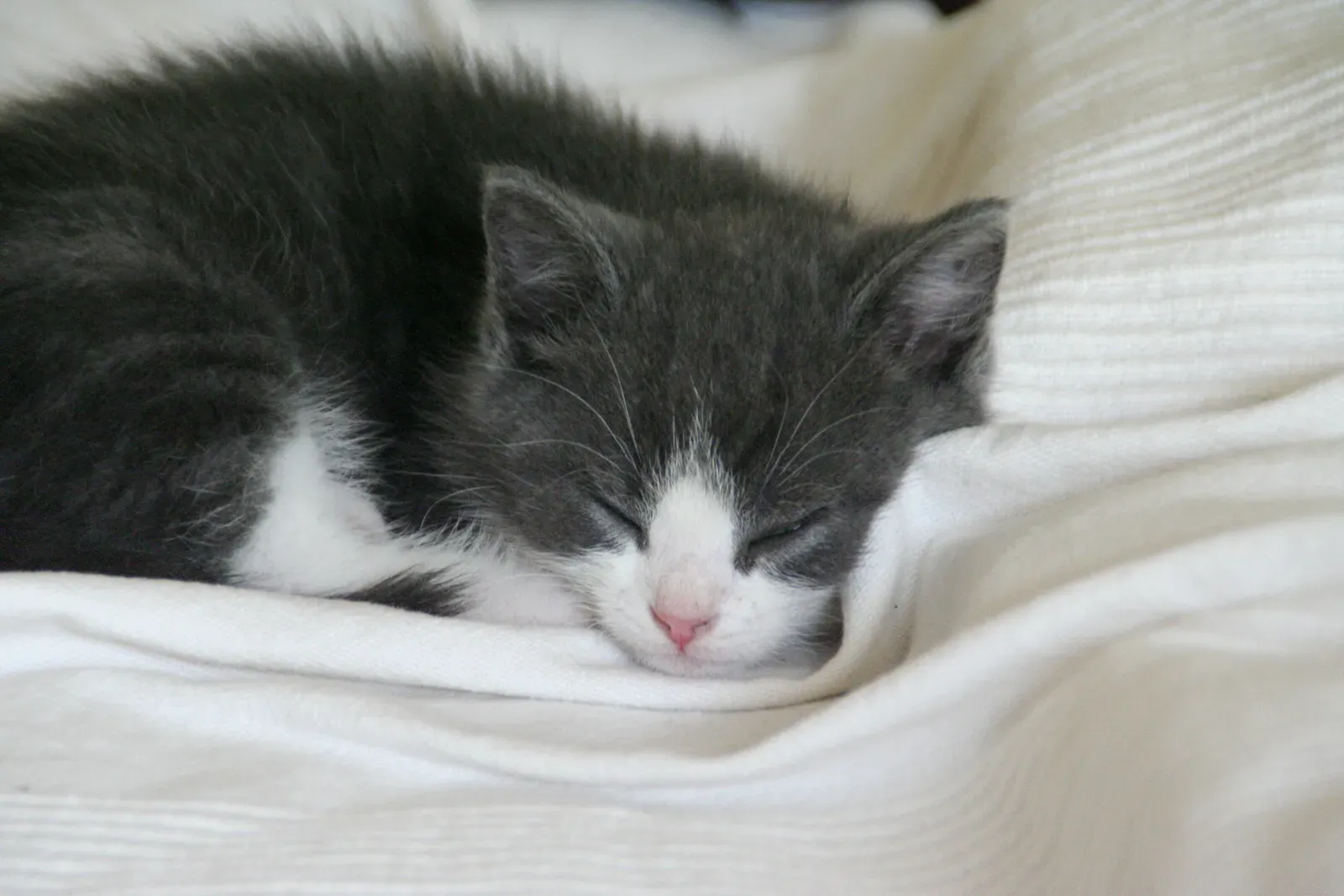
Uploaded by Caspian blue, CC BY 2.0)
Significant individual differences in sleep patterns exist among cats due to age, health status, activity level, and temperament. Kittens sleep up to twenty hours per day because growth and development require extensive resources that sleep helps conserve, and their neurological development benefits from the memory consolidation processes that occur during sleep. Senior cats also sleep more, sometimes due to age-related decreases in energy and sometimes because health conditions make activity uncomfortable.
Kittens sleep eighteen to twenty hours daily for growth, adult cats average twelve to sixteen hours a day, and senior cats tend to sleep sixteen to eighteen hours daily due to lower energy and mobility. During sleep, growth hormones are released, aiding in physical development and maturation in younger cats. Each life stage uses sleep differently, but the underlying purpose stays the same: strategic recovery so that waking hours can count for something.
When Too Much Sleep Signals Something Else
If your cat sleeps a lot but is alert, eats well, and uses the litter box normally, it’s likely normal. However, sudden changes in sleep, like difficulty waking or signs of pain, mean it’s time to see a vet. The key word there is “change.” Baseline sleep is healthy. A sudden shift from that baseline deserves attention.
Cats are affected by stress just as humans are. One way cats express stress or anxiety is by changing their sleep patterns. If they’re suddenly sleeping more than usual, it could be a sign they’re feeling overwhelmed or anxious about something in their environment. Cats can become stressed or anxious for many reasons, such as when new family members come into the house or if feeding times change. Consistent sleep patterns are vital for all felines, as disturbances can lead to behavior problems, health decline, and overall dissatisfaction in life. Tracking your cat’s sleep is, in a quiet way, tracking their overall wellbeing.
Conclusion
Your cat’s nap isn’t a pause in their day. It’s the mechanism that makes the rest of their day possible. Every curl on the couch, every half-open eye near the sunny window, every twitching paw during a dream is part of a system refined over millions of years to produce short, explosive bursts of perfectly calibrated energy when they’re needed most.
The next time your cat wakes from a nap and immediately locks onto a toy across the room, you’re seeing the payoff of everything covered here. Rest isn’t a break from being a predator. For a cat, it’s the preparation. That’s a perspective worth keeping in mind the next time you’re tempted to feel guilty about interrupting a nap for a play session. You’re not breaking their rest. You’re completing the cycle.
Kristina is a young writer from India. An arts graduate and an avid content creator, Kristina is passionate about animals and wildlife. She enjoys exploring topics related to pet care, animal behavior, conservation, and nature, combining thorough research with engaging storytelling.