You’ve probably stood in a pet aisle, staring at a wall of cat food options, remembering perfectly well that your cat ate the same flavour with enthusiasm last Tuesday and refused it this Tuesday without any apparent reason. It can feel baffling, even slightly insulting. You bought the good stuff, yet there it sits, untouched.
The truth, though, is more interesting than simple stubbornness. Your cat isn’t being difficult for sport. There’s a sophisticated biological framework quietly running behind every sniff, tentative lick, and flat-out refusal at the bowl. Understanding it changes everything about how you see your cat’s relationship with food.
Your Cat Is Wired to Be Selective, Not Spoiled
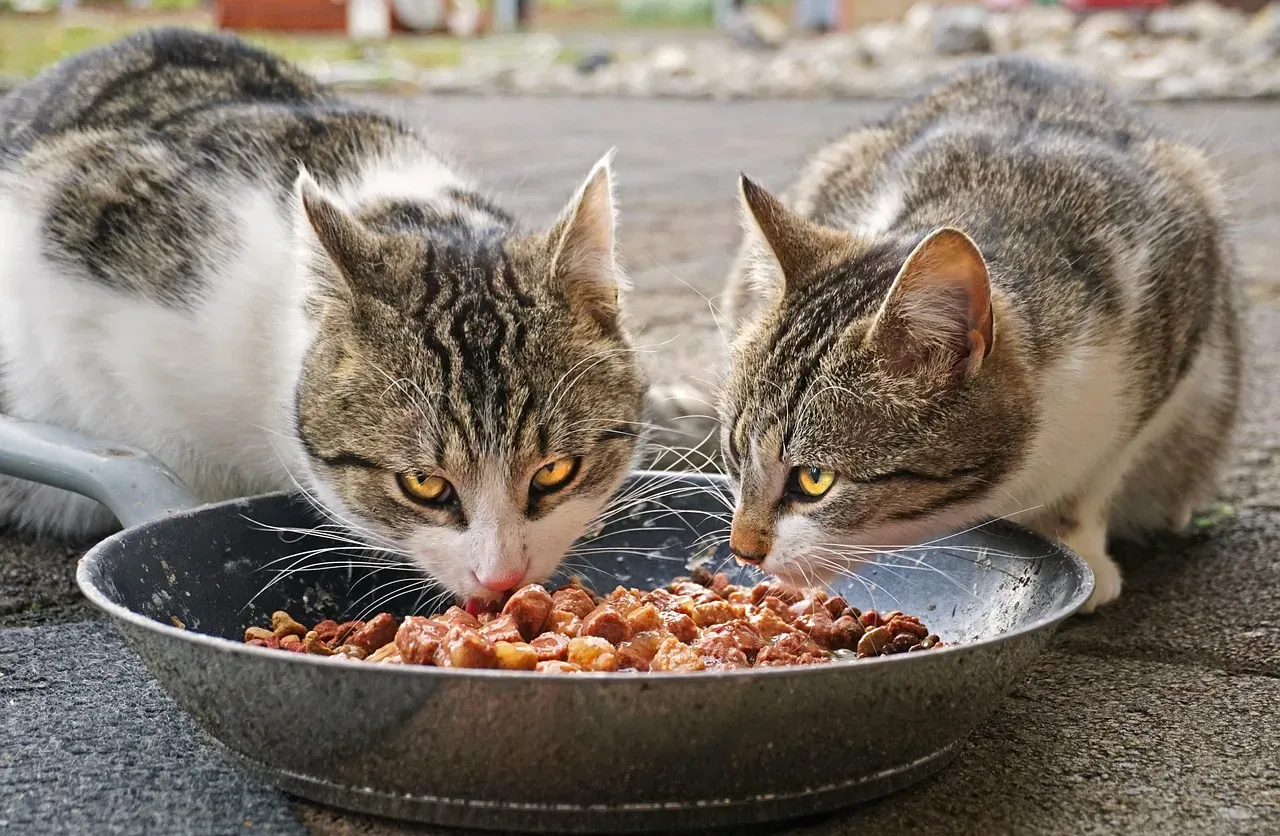
Your cat is an obligate carnivore, meaning their body is designed to derive nutrition from animal-based proteins. In the wild, a cat’s natural diet consists of small prey like mice, birds, and insects, eaten fresh. That evolutionary blueprint hasn’t vanished just because you bought a bag of kibble. It shapes every food decision your cat makes, whether you realize it or not.
Cats are finely tuned to seek out high-protein, meat-based meals. Their fussiness often stems from this biological predisposition. A cat may turn their nose up at certain foods because it simply doesn’t meet their nutritional requirements. In a very real sense, their pickiness is a survival instinct, ensuring they get the nutrients they need to thrive. That’s not a personality flaw. That’s evolution working exactly as intended.
The Scent Test Happens Before the First Bite
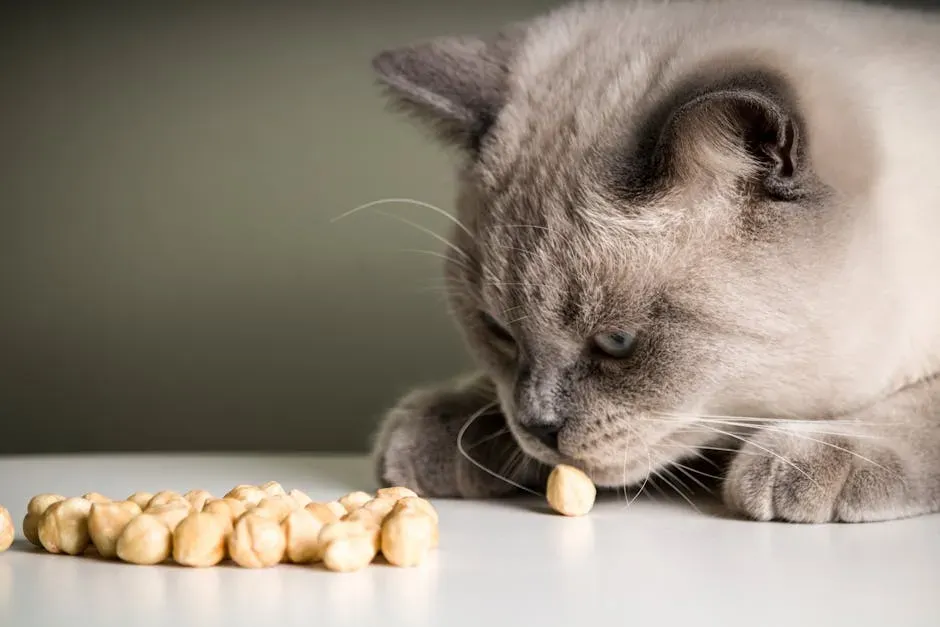
Odour perception is very important for cats and plays a key role in choosing whether to eat a food item or not. Cats use odour to define what foods are appropriate for their needs and to help them perceive toxic substances. In this regard, cats compensate for their relatively low ability to taste foods, due to having fewer taste buds, by using their much more developed olfactory system. So when your cat hovers over the bowl and walks away, the nose has already delivered a verdict.
Cats undoubtedly use smell in the detection and selection of food. If a cat finds the odour of a certain food significantly more attractive than another, they will consume it exclusively and without even tasting the less attractive option. Think of it this way: your cat is completing an olfactory quality check before any eating even begins. A food that fails the sniff test doesn’t get a second audition.
Why Your Cat Has No Sweet Tooth Whatsoever
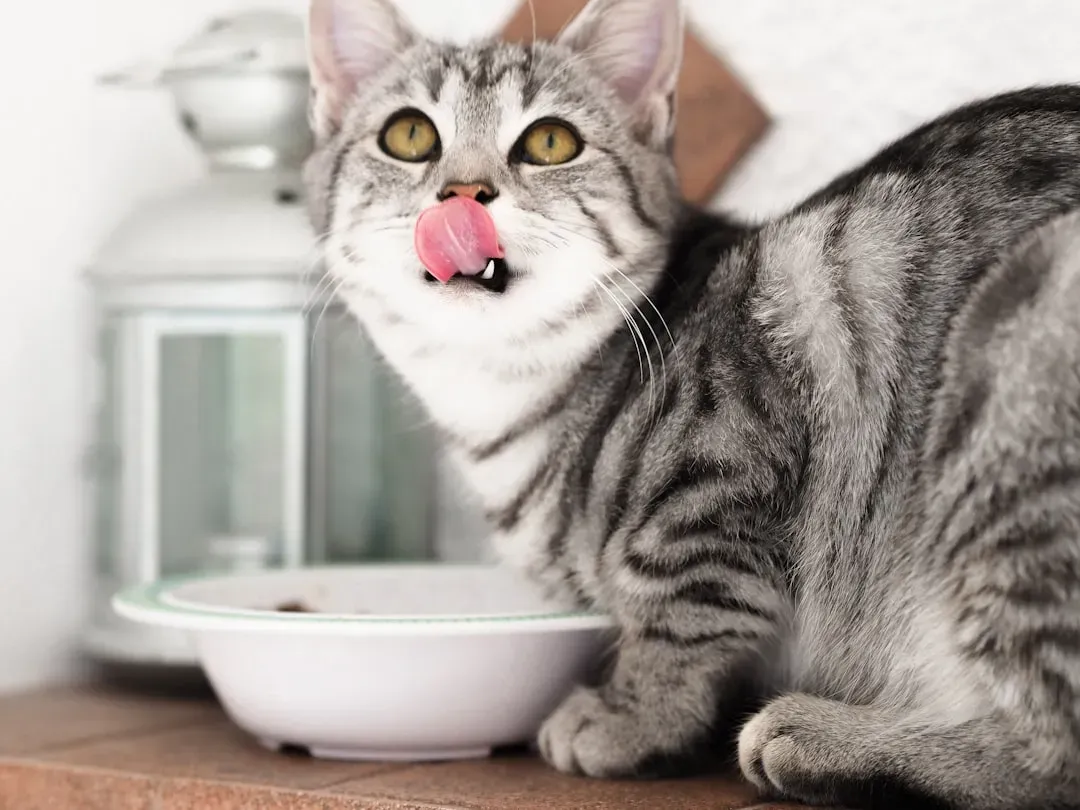
Cats lack the taste receptors for sweetness that many other animals, including dogs, possess. Scientists examining the DNA of domestic cats, tigers, and cheetahs found that a study published in the journal PLOS Genetics indicated that a specific gene responsible for detecting sweetness does not function properly in cats, making them unable to perceive sweetness. This isn’t a quirk. It’s a defining feature of the feline taste system.
The sense of taste of the domestic cat appears to have evolved primarily to detect compounds found in meat. Research proposes that umami is the main appetitive taste modality for the domestic cat. Sometimes called savouriness, umami is the rich, meaty flavour characteristic of cheese, mushrooms, wine, broth, and cooked meats. This is why your cat goes wild for a strong-smelling fish pâté and shows zero interest in anything sweet or starchy.
Texture Is Not a Minor Detail to Your Cat
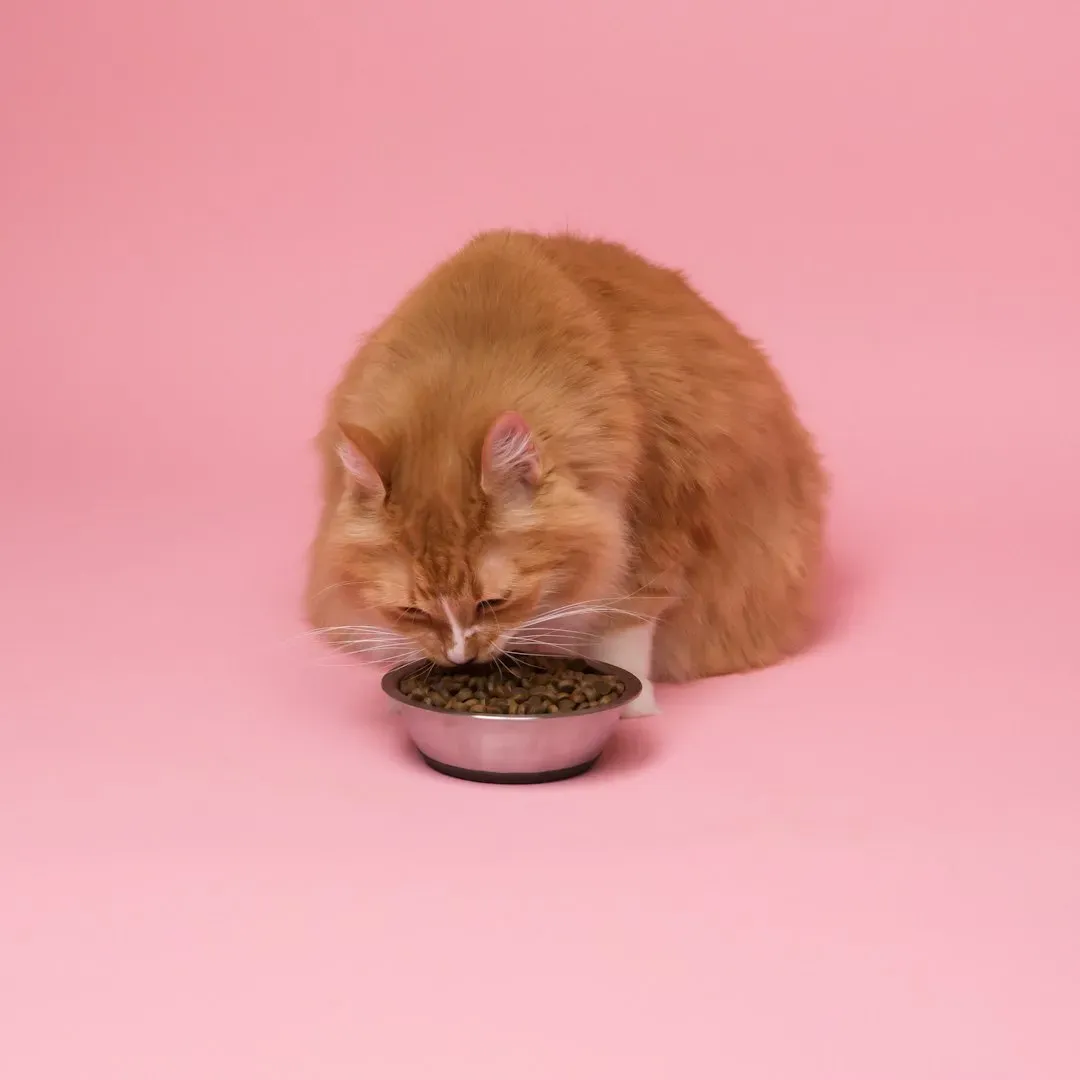
Cats are known to be particular about flavour profiles, textures, shapes, and the temperature of food. Cats tend to roll the food around in their mouth before swallowing, using their vomeronasal organ on the roof of their mouth to essentially smell their food from the inside, compensating for relatively few taste buds. Texture, in other words, is part of the tasting process itself.
Cats used to a certain texture or shape of dry kibble may refuse new diets that vary in either one of these dimensions. Many cats favour consistent textures like pâté or finely minced chunks in gravy. If you’ve ever switched brands and watched your cat stare at the bowl in quiet disapproval, an unexpected change in texture is very likely the reason.
Temperature Matters More Than You’d Expect
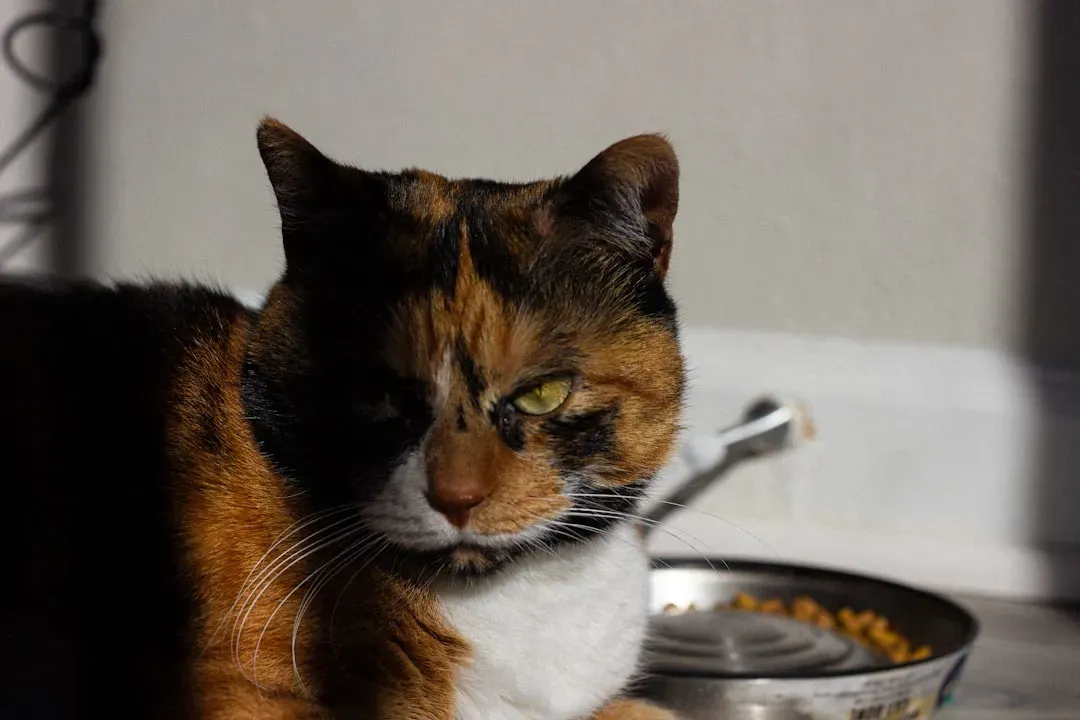
Cats prefer food that is at room temperature or near body temperature, most probably because it contributes to the volatilisation of food odours. Temperature also affects odour release, and warmer food is closer to the temperature of freshly caught prey. That cold, straight-from-the-fridge bowl you placed down isn’t just unappetizing to your cat. It’s barely readable to their senses.
In practice, increasing food temperature from 20 to 40 degrees Celsius can enhance food consumption by up to roughly four fifths. Research found that aging cats significantly preferred warmer meals compared to chilled options, with room temperature food being the most preferred overall. A quick thirty-second warm-up before serving can make a dramatic difference, particularly for senior cats.
Your Cat Is Chasing a Specific Nutritional Target
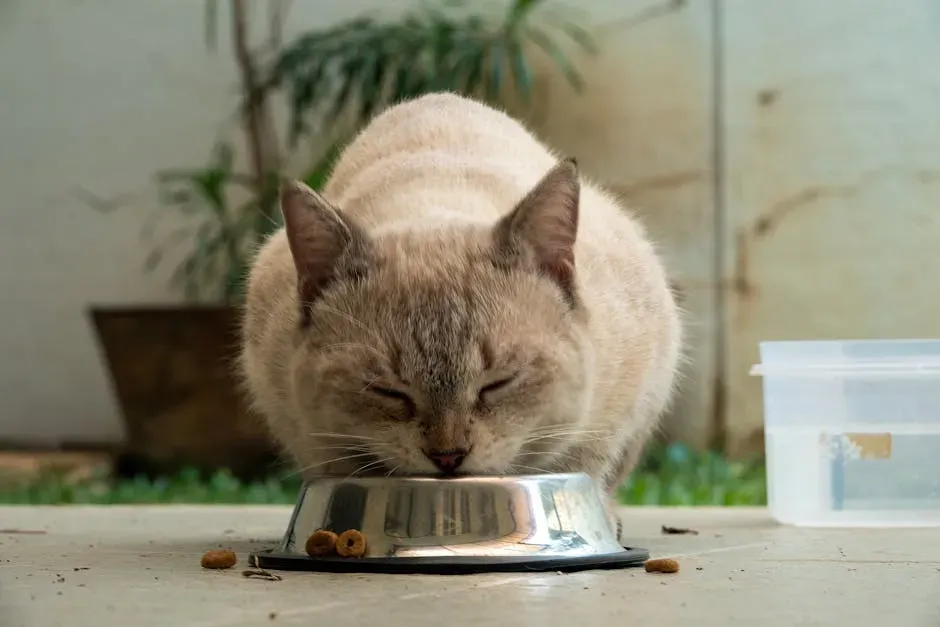
Cats have the ability to self-regulate their nutrient intake. Through extensive feeding studies, researchers found that when cats were allowed to choose between a dozen different diets of varying nutritional composition, they consistently achieved a target intake of roughly half protein, just over a third fat, and a small fraction carbohydrate. That’s not random pickiness. That’s precision nutrition management.
Recent research has shown that cats demonstrate a kind of nutritional wisdom, selecting foods in order to meet specific intake targets of protein, fat, and carbohydrate. Cats are driven to eat foods with a preferred ratio of protein to fat. This translates to roughly equal percentages of energy from protein and fat, according to a study published in the journal Royal Society Open Science. Your cat isn’t being arbitrary. They’re calibrating.
Kittenhood Shapes Everything That Comes After
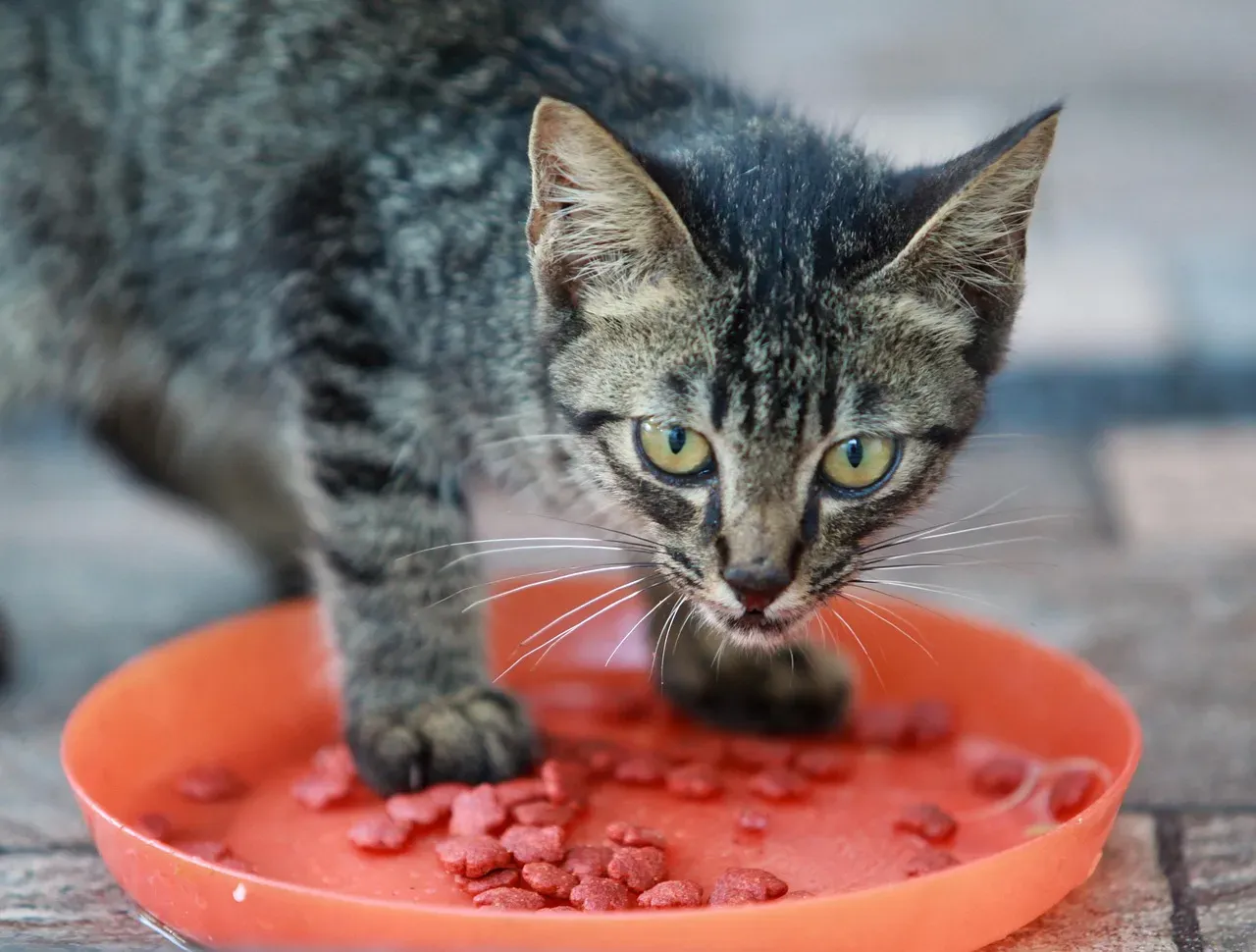
A cat’s eating preferences begin forming during kittenhood. Kittens learn what to eat by observing their mother and experiencing different foods during critical developmental periods. Limited exposure to varied foods during these early stages can lead to increased pickiness in adulthood. This is why two cats raised in different households can have completely different food personalities despite being from the same litter.
Research shows that kittens exposed to different textures, flavours, and food types between four and twelve weeks of age are more likely to accept varied diets as adults. This food imprinting period plays a crucial role in developing future eating habits. It is during early life that food selection is most changeable and easily modified, with kittens strongly influenced by the preferences of their mothers. What your cat’s mother ate, and what your cat was first fed, still echoes in every mealtime today.
Neophobia, the Monotony Effect, and the Paradox of Routine
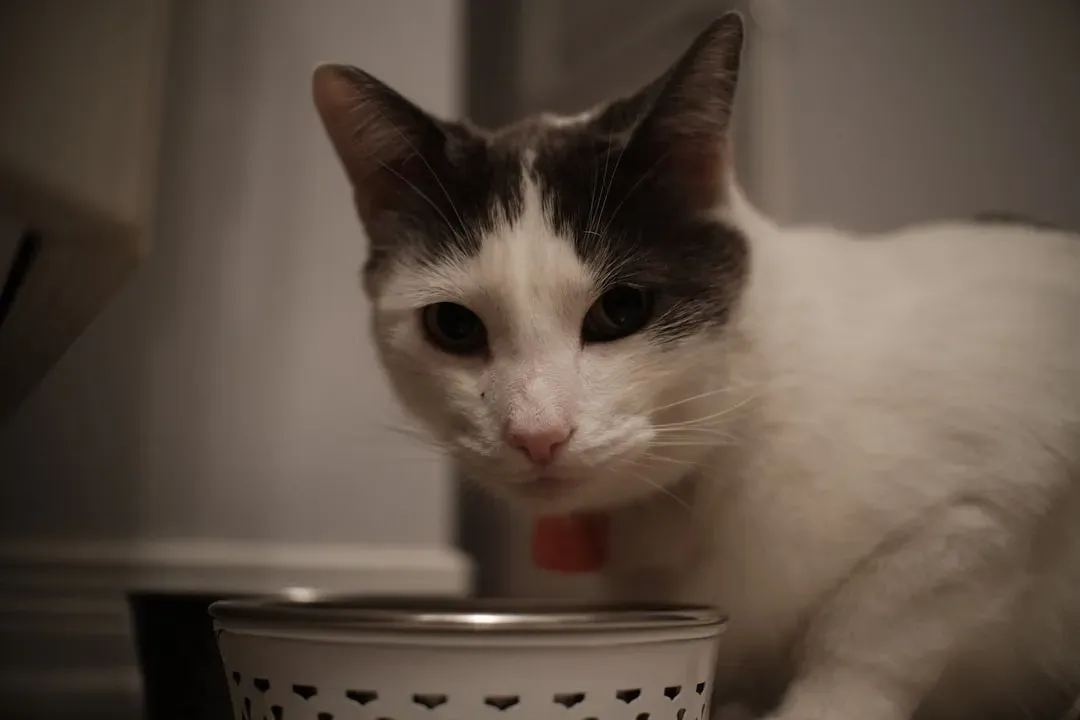
Cats can display neophobia, meaning they are unwilling to try a food that is new or different from their normal food, which may make them appear particularly fussy. In the wild, eating a new food can lead to stomach upset or worse, making neophobia a genuine lifesaver outside safe home environments. What looks like stubborn refusal is actually your cat’s hard-wired caution against the unknown.
There’s a flip side to this, though. Cats become averse to long-term feeding of a single food, which may be a mechanism to avoid potential nutritional imbalances associated with monotonous consumption, reflecting an inherent drive to seek variety. A cat may naturally reject a new food offering initially. On the other hand, if fed the same diet for too long, the cat may be struck by the monotony and look for a novel food instead. It’s a genuine tension between caution and the need for variety, playing out in your kitchen every day.
When Picky Eating Is Actually a Health Signal
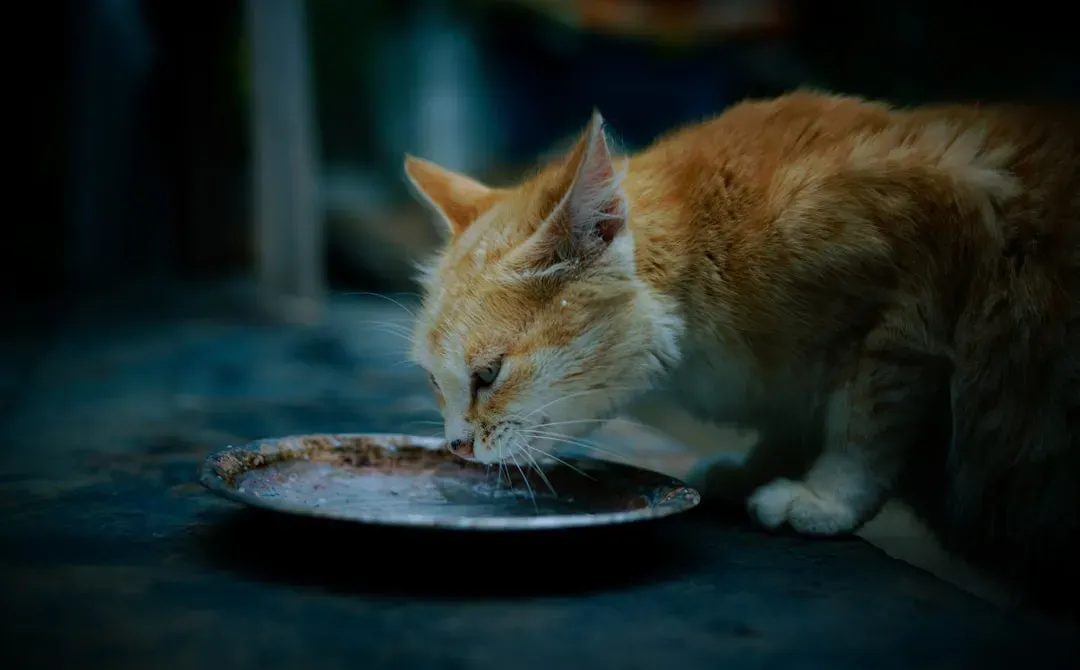
If your cat has suddenly become a picky eater, most of the time there is a medical reason. This can include kidney disease, gastrointestinal issues, dental disease, arthritis, respiratory infections, and heart disease. A cat that previously cleared their bowl and now leaves food untouched is telling you something worth taking seriously.
Cats with dental disease may have mouth pain that prevents them from wanting to pick up food, especially kibble. Cats with kidney disease or other health problems may experience nausea that decreases their appetite. Arthritis pain in older cats may make them less willing to get up to eat or lean over a bowl. Cats with nasal congestion may have a lower desire to eat because they cannot smell their food as well, and aroma is important for stimulating appetite. If the pickiness is sudden rather than longstanding, a vet visit comes before any food experiment.
Practical Ways to Work With Your Cat’s High Standards
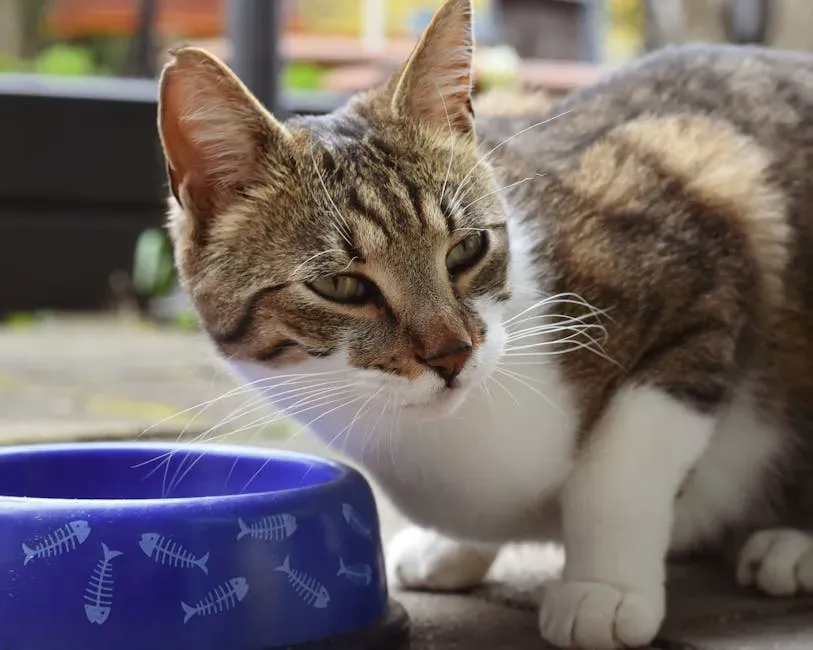
Dealing with a picky eater requires patience and strategy. Gradually introducing new foods alongside familiar ones, maintaining consistent feeding schedules, and avoiding frequent diet changes can help manage selective eating habits. Cats can develop food aversions if forced to eat when stressed or unwell. Rushing a food transition is one of the most reliable ways to create a food refusal that sticks.
You can prevent pickiness by offering new foods as choices alongside previously accepted foods. Cats appear to appreciate some variety, and may initially show a preference for a novel food, though the effect is usually temporary. Accepted foods should be regularly rotated into a feeding regimen to maintain consistent consumption. Cats are also sensitive to their environment. Feeding them in a quiet place, away from loud noises or other pets, can meaningfully improve their willingness to eat.
Conclusion
The next time your cat sits down, takes one long, deliberate sniff, and walks away, try reframing what you just witnessed. You didn’t watch a spoiled animal reject a perfectly good meal. You watched a precision-built biological system run through its quality checklist and decide the product didn’t meet specification.
Your cat’s high standards around food are the product of millions of years of survival strategy, not a bad attitude. They’re asking for the right temperature, the right texture, the right smell, and the right nutritional composition. Once you understand the system, working with it stops feeling like a battle. It feels more like learning a language your cat has been speaking all along.
Kristina is a young writer from India. An arts graduate and an avid content creator, Kristina is passionate about animals and wildlife. She enjoys exploring topics related to pet care, animal behavior, conservation, and nature, combining thorough research with engaging storytelling.