You’ve felt it before. That odd sensation of being watched while you’re eating breakfast or folding laundry. You glance around the room, see nothing, and carry on with your day. Then, somewhere between pouring coffee and checking your phone, a pair of eyes blinks at you from a shadow you hadn’t even noticed.
Most of us are aware that within the bodies of our adorable, fluffy feline friends lurk capable predators. Cats evolved not just as predators, but as prey to larger carnivores as well. That dual nature left them wired for stealth in both directions. Most cats prefer hiding spots that are dark, warm, and sufficiently closed off at the back, which instinctually offers them security from attacks from behind while allowing them to watch what’s happening in front of and above them. In short, your cat’s surveillance operation is baked right into their biology.
Underneath the Bed: The Original Watchtower
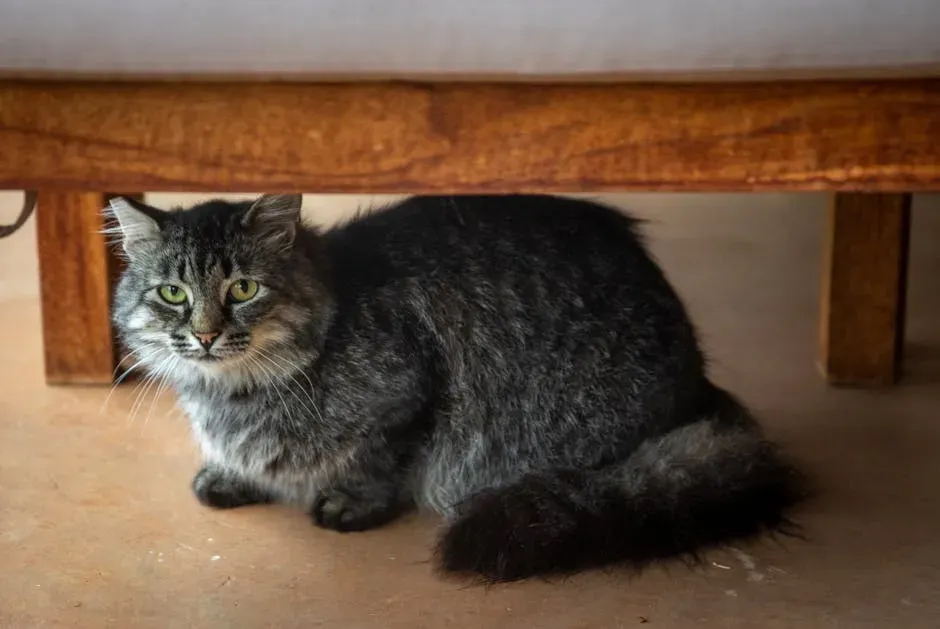
Of all the spots your cat could choose, the space beneath your bed is probably the most committed piece of real estate in the house. The space under your bed is dark, quiet, and hard to reach, which makes it ideal from a cat’s perspective, especially if they’re anxious or overstimulated. You might not even notice them there until you catch a glint of eyes from the darkness.
The space under beds and furniture provides cats with the perfect combination of darkness, security, and observation points, allowing them to monitor their surroundings while remaining safely concealed. Many cats particularly favor spots under beds because they offer multiple escape routes and are typically quiet, undisturbed areas. It’s not hiding so much as it is strategic positioning.
Inside the Bedroom Closet: Where Your Scent Does the Work
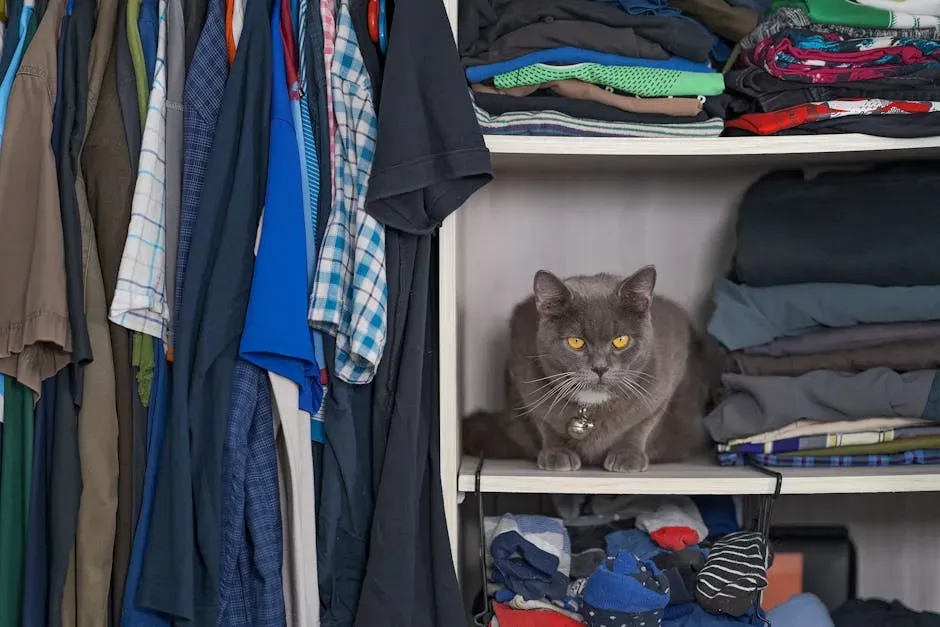
What’s not to love about a dark closet? Cats love this space because it has sturdy, secure walls and an abundance of soft fabric to cuddle, and the clothes also smell like you, which can be a great feline stress buster. That combination of scent familiarity and enclosed walls is genuinely comforting to them.
Another benefit of a closet is that the enclosed space blocks much of the sound from the rest of the home, so your cat can get a good day’s sleep. It’s also a popular hiding spot when guests arrive, or when your cat senses that it’s nail trimming time. Closets appeal to cats because they’re dark, quiet, and often contain soft materials, and some cats may slip behind hanging clothes or curl up in empty shoe boxes, creating their own private sanctuaries among your belongings.
On Top of the Refrigerator: High-Ground Intelligence
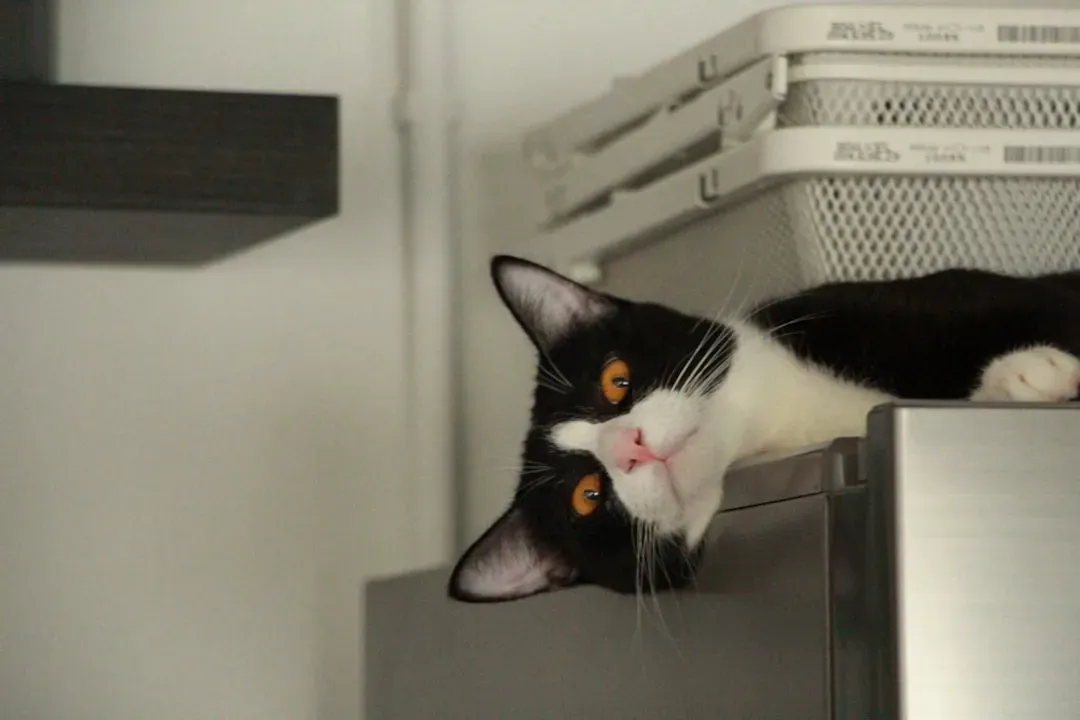
Many cats prefer elevated hiding spots like the tops of cabinets or bookshelves, since these locations give them a strategic advantage, allowing them to observe their territory while remaining relatively concealed. The refrigerator happens to be one of the most popular high-rise options in your home.
Perched high on the refrigerator, a cat reveals its inner adventurer. This elevated spot offers a perfect lookout, making them feel like rulers of their domain, and from this vantage point, they can observe the kitchen’s hustle and bustle without being directly involved. Many cats like to hang out in high places so that they can see what’s around them and avoid ambush. Knowing exactly when you open the treat cabinet is simply a bonus.
Behind or Inside the Sofa: A Masterclass in Camouflage
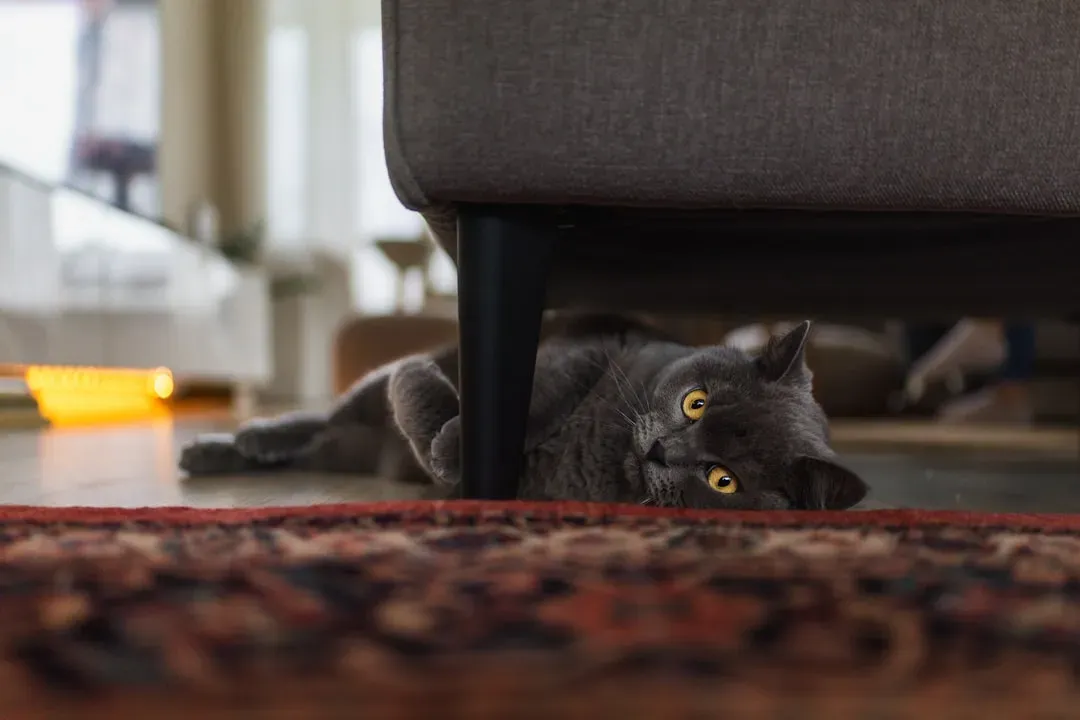
Cats often retreat under or behind the couch, a spot that offers both security and a vantage point to observe the world, where they can indulge their natural curiosity, peering out at unsuspecting humans while remaining hidden. This choice reveals their love for comfort intertwined with a touch of mystery.
This choice reveals their strategic thinking and cautious nature. The darkness beneath the furniture provides a comforting enclosure, mimicking the nooks they would find in the wild, and it’s a place where they can nap undisturbed or pounce at the perfect moment. If you’ve ever been ambushed by a paw shooting out from beneath the couch, you now know exactly what preceded it.
Inside a Cardboard Box: Low-Budget, Maximum Surveillance
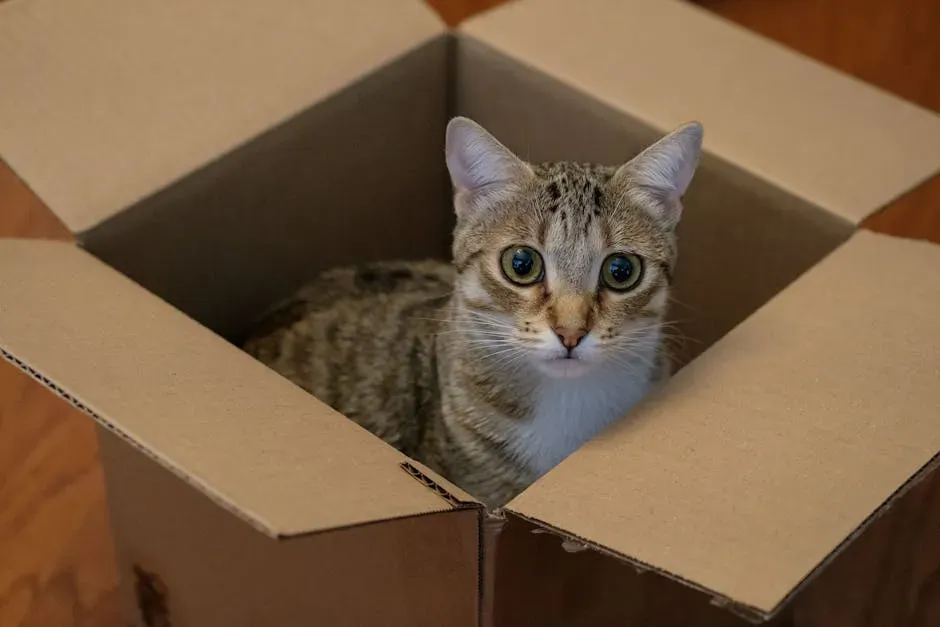
Nearly all cats have a natural affinity for small spaces like boxes. These cozy spots offer warmth, safety, and comfort, and a hiding place that allows your cat to slyly observe household activity is even better. That delivery box you left on the floor wasn’t ignored. It was adopted as a command center.
In addition to the warmth that cardboard insulation generates, a box’s four walls give cats the security and comfort they crave. Additionally, they can spy on you and anyone else who invades their territory by peeking over the sides. This behavior highlights their love for confined spaces, a trait inherited from wild ancestors seeking shelter in narrow dens. Cheap, effective, and endlessly reusable.
In the Bathroom Sink: The Unexpected Observation Deck
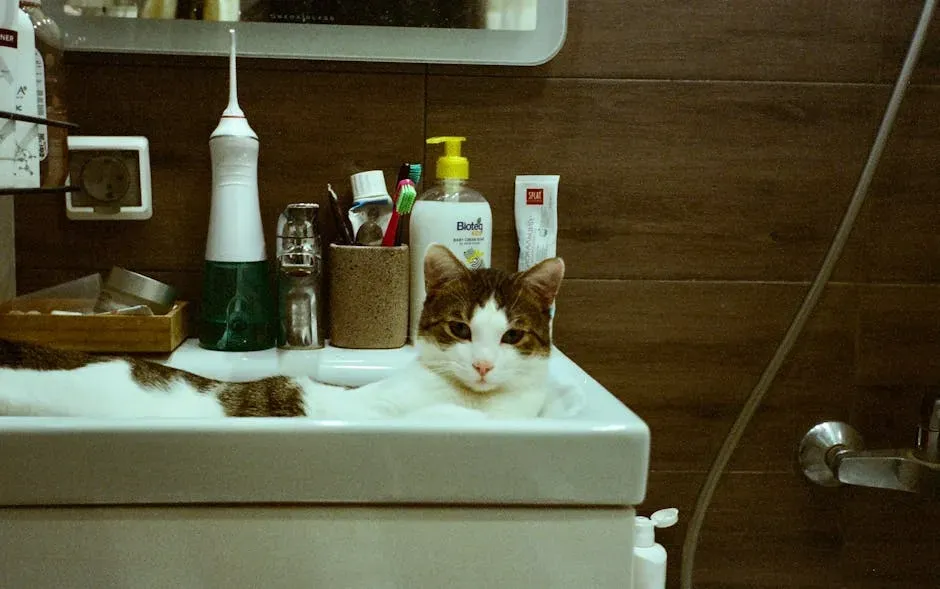
You may be taken aback the first time you catch your cat lounging in the bathroom sink, but it’s actually a pretty great spot. The average bathroom sink is just the right size to contain a cat, much like a cardboard box. The porcelain stays cool, the walls feel secure, and, perhaps most importantly, it’s positioned to give them a clear view of the doorway.
Hiding places provide warmth, quiet, safety, and even a good vantage point to keep watch over their surroundings, because cats simply enjoy being in enclosed spaces that make them feel safe and secure. Your bathroom is an especially appealing option because you visit it multiple times a day, making it prime territory for your cat to track your routine without you suspecting a thing.
Near the Laundry Basket: Comfort and Intelligence, Combined
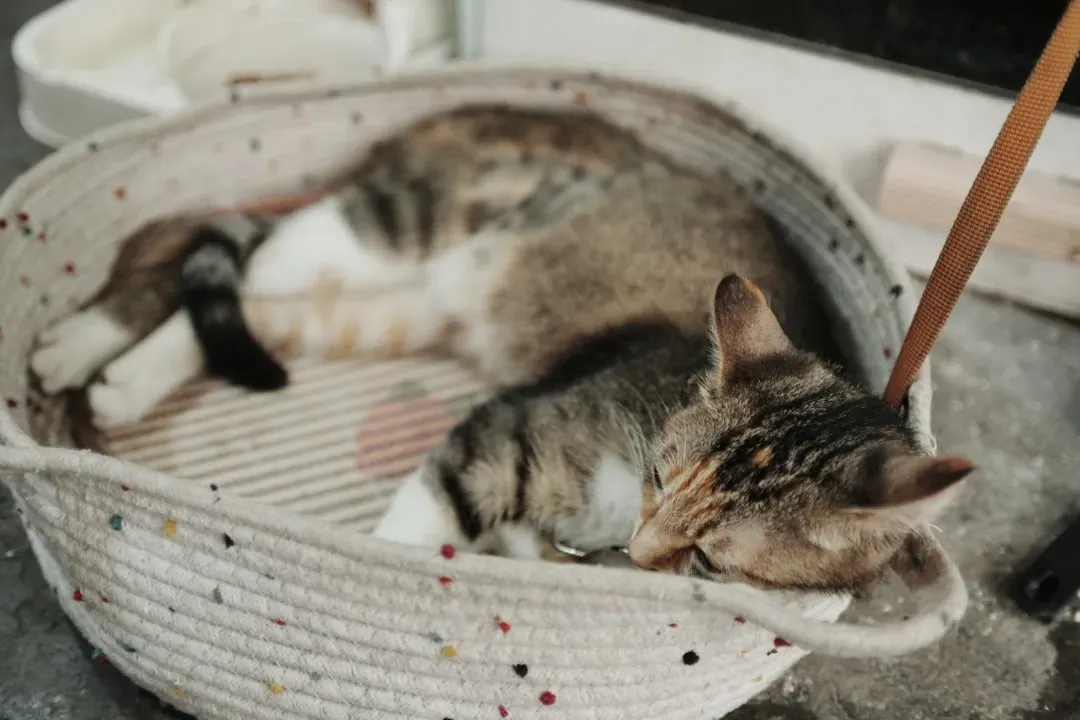
Laundry baskets are irresistible to cats. The soft, clean clothes offer a warm and inviting resting place, and nestling in the basket, cats enjoy the comforting scent of their human companions. This behavior highlights their need for warmth and the familiar, making them feel close to their family even during rest.
There’s a practical note here worth mentioning. There are places that are not good hiding spots for cats and present real dangers. Cats have been known to climb into clothes dryers seeking warmth, which can be extremely dangerous. If you have a laundry room, keeping the door closed prevents cats from accessing these machines. The laundry basket itself is generally fine. The dryer is a different matter entirely.
At the Top of Bookshelves: Silent Oversight From Above
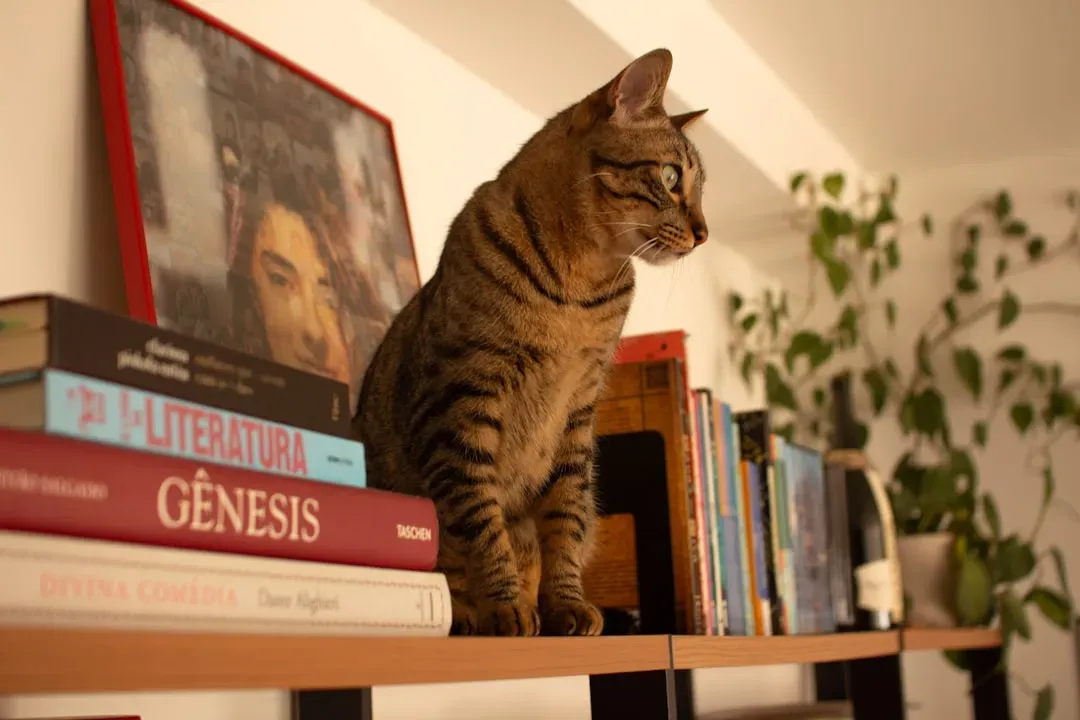
Many cats prefer elevated hiding spots like the tops of cabinets or bookshelves. These locations give them a strategic advantage, allowing them to observe their territory while remaining relatively concealed. From up there, they can track every person who walks through the room without being at eye level with any of them.
Cats love keeping an eye on you and the rest of their domain, and finding a nice, secluded perch where they can see but not be seen is a favorite. The cat who has the choice whether to be seen or remain hidden, whether to sit on the cat perch or on the arm of the sofa, or whether to engage or just observe, is the cat who will feel less anxious. That calm, watchful presence from the top shelf isn’t passive. It’s deliberate.
Inside Paper Bags and Grocery Totes: The Humble Ambush Post

Paper bags offer endless entertainment for cats. The crinkle of the paper sparks curiosity and excitement, making it a playful hideaway. The allure of the unknown inside the bag invites exploration, revealing their adventurous spirit. Leave one on the kitchen floor and your cat will claim it within minutes.
Getting hidden is how cats begin their hunt. If you see your cat appear out of nowhere in a stalking pose, it’s likely they were hiding somewhere before they made their move. Hiding can also be a fun way to play, and those sneak attacks of batting your leg when you walk by are your cat’s way of telling you they’re ready to engage. The paper bag isn’t just a hiding spot. It’s the starting point of the whole game.
Conclusion: Your Cat Knows More Than You Think
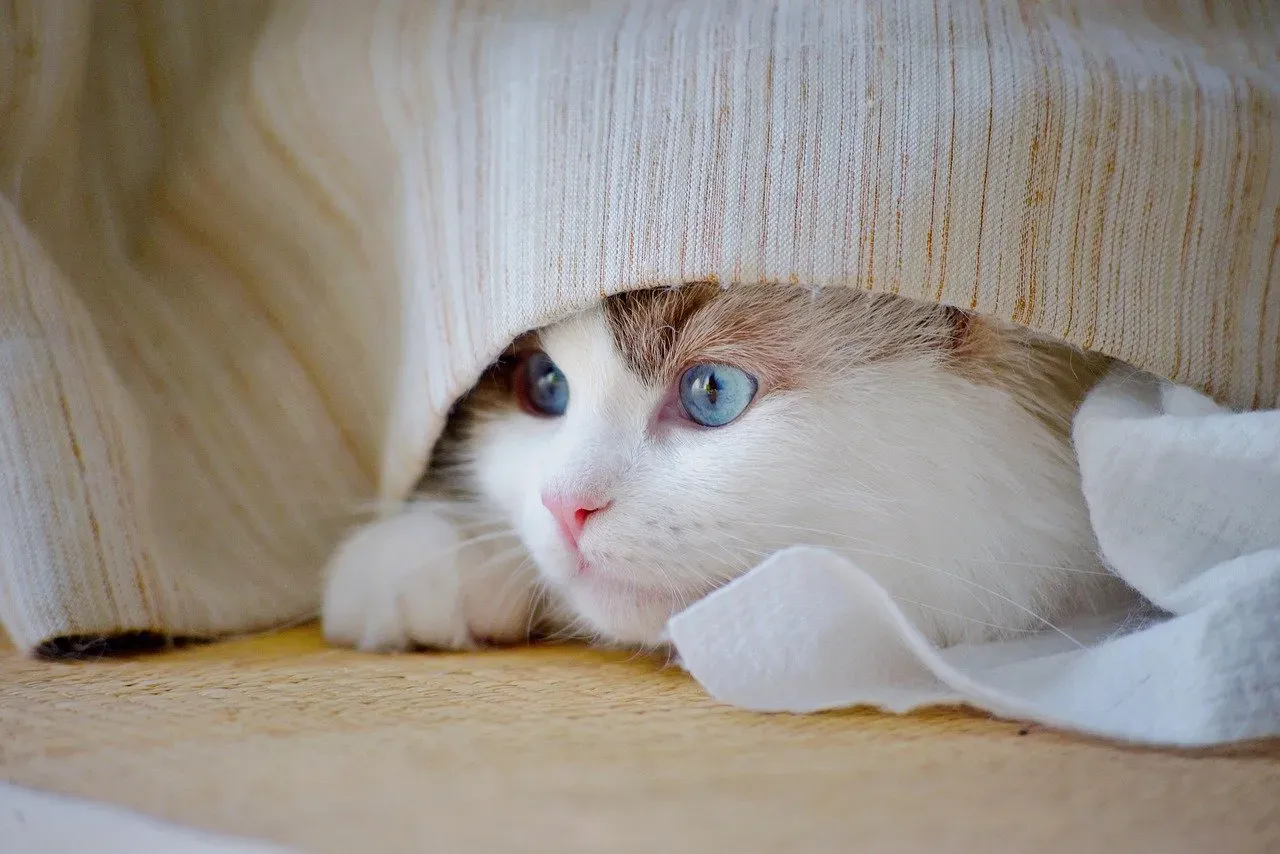
To understand why cats seem sneaky, we must appreciate that they are natural-born hunters with physical and behavioral traits evolved specifically for stealth, agility, and careful movement. This behavior is rooted in millions of years of evolution, serving cats both as efficient predators and as potential prey to larger animals. None of those instincts switched off when they moved into your home.
The more observant you are of how often and where your cat is hiding, the better you’ll be in tune with how they’re feeling. The key with hiding behavior in cats is to be observant of any changes, but recognize that your cat may want places to hide, and that’s completely okay. Offer them safe spots, respect their need for quiet, and let them do their thing.
When your cat stares at you from the shadows of a bookshelf or blinks slowly from inside a cardboard box, they’re not being mysterious for the sake of it. They’re simply being a cat: watchful, deliberate, and always several moves ahead. The most honest thing you can do is acknowledge you’re living in their domain, not the other way around.
Kristina is a young writer from India. An arts graduate and an avid content creator, Kristina is passionate about animals and wildlife. She enjoys exploring topics related to pet care, animal behavior, conservation, and nature, combining thorough research with engaging storytelling.