Your cat leaps over furniture like a tiny gymnast, confronts the dog next door without flinching, and stares down strangers with full-on, unblinking confidence. Brave, right? Then you turn on the blender – and the brave hunter vanishes under the bed in less than a second.
Cats live in a world of sound far richer and sharper than our own. Their ears can rotate like satellite dishes, zeroing in on faint noises, and their hearing range extends up to 85,000 Hz – compared to a human’s 20,000 Hz. That extraordinary sensitivity is an evolutionary gift, but it also means everyday household sounds hit differently for your cat than they do for you. Here are twelve common noises that can spook even the most fearless felines, and why they trigger such dramatic reactions.
1. The Vacuum Cleaner
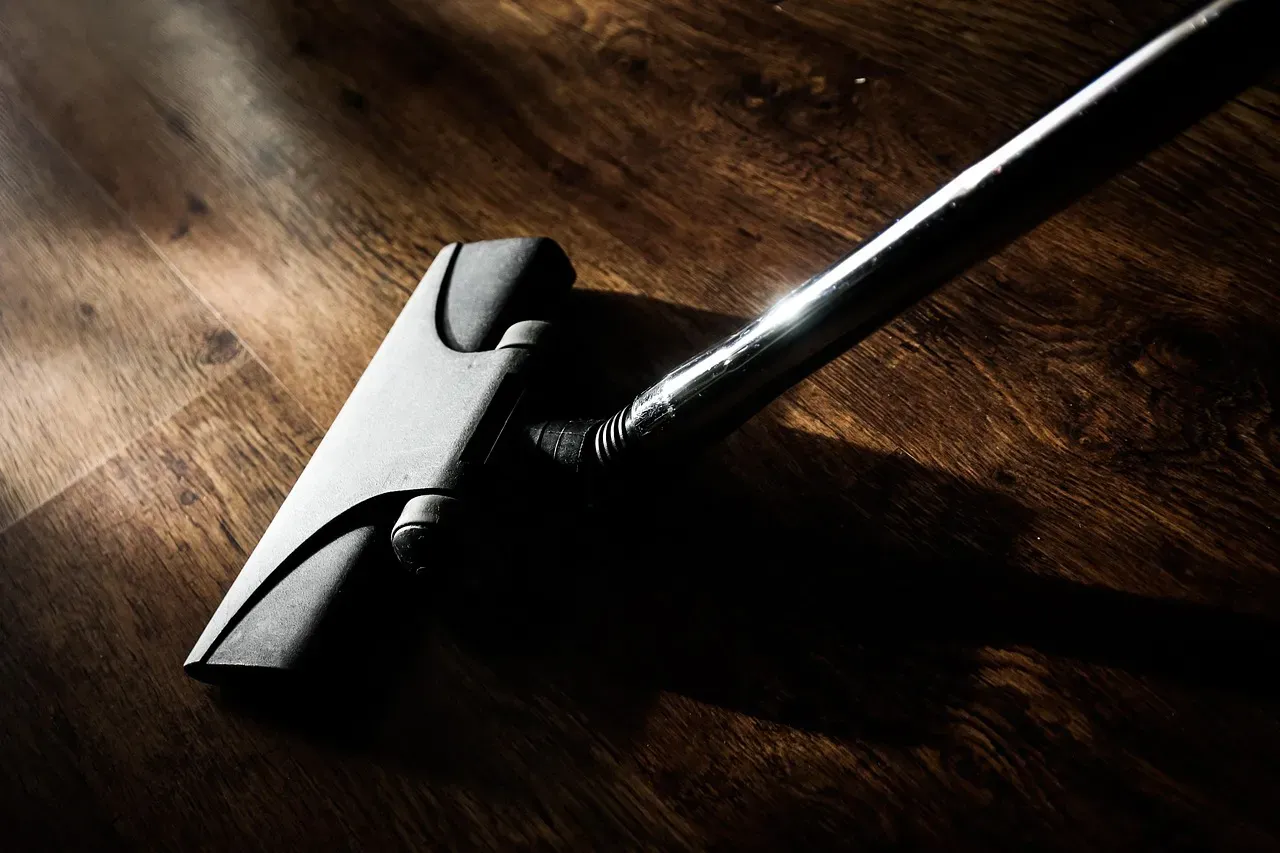
For most cats, nothing triggers a panicked retreat quite like the roar of a vacuum cleaner. It’s the combination of loud, unpredictable noise and jarring vibrations that does the damage – vacuums hit many frequencies that cats find unpleasant and are often wheeled directly toward areas cats consider safe. That invasion of “safe territory” makes the whole experience doubly threatening.
Cats have extremely sensitive ears, so it’s no surprise they won’t like something as loud as a vacuum cleaner. Not only are they loud, but some also have lights that turn on, which can be startling for some cats. Cats may also dislike automatic vacuums because it can feel like they’re being chased by a strange object – and they won’t be able to predict when it will turn on, making the uncertainty even more frightening.
2. Fireworks

Fireworks are a nightmare for sensitive feline ears. They’re not only deafening but also unpredictable, accompanied by vibrations and bright flashes. In the wild, sudden booms and cracks could signal falling trees, thunder, or other threats. During fireworks displays, many cats hide for hours, their bodies reacting as if facing a true, life-or-death danger.
Fireworks can be stressful because the loud, sudden noises and bright flashes are unpredictable and may cause cats to feel threatened. Some cats may become significantly stressed or anxious while the fireworks are happening and may take a long time to settle afterward. If your cat has a known health condition aggravated by stress, fireworks season deserves extra planning.
3. Thunderstorms

Thunderstorms are a common source of loud noises that can scare cats. The combination of thunder, lightning, and heavy rain creates a series of loud, unexpected sounds. The loud, booming noise of thunder can be particularly frightening for cats. What makes it especially rough is the complete lack of predictability – your cat can’t know when the next crack is coming.
Unexpected loud noises and sudden changes in air pressure likely alert cats to be on guard. Thunder delivers both at once. Noise aversion typically develops in response to loud or startling sounds that do not come in a pattern, such as thunder, fireworks, or gunshots. Repeated exposure without positive reassociation can actually make the fear worse over time.
4. Aerosol Cans and Hissing Sounds

A hiss is the universal animal signal for “back off.” Cats themselves hiss when threatened, so the sharp spray of an aerosol can, the hiss of a snake, or even a radiator’s steam valve triggers an instinctive reaction. In the feline brain, these sounds are hardwired to mean danger. It doesn’t matter whether it’s hairspray or a wheezing radiator – the signal is the same.
Cats really dislike the sound of hissing, and you might be surprised by how many things in and around homes replicate it, including hair spray or aerosol cans, plastic bags when rustled, scrunched-up aluminum foil, or even some types of clothing rubbing against each other. If your cat bolts when you reach for the spray can, now you know exactly why.
5. Loud Music and Pounding Bass
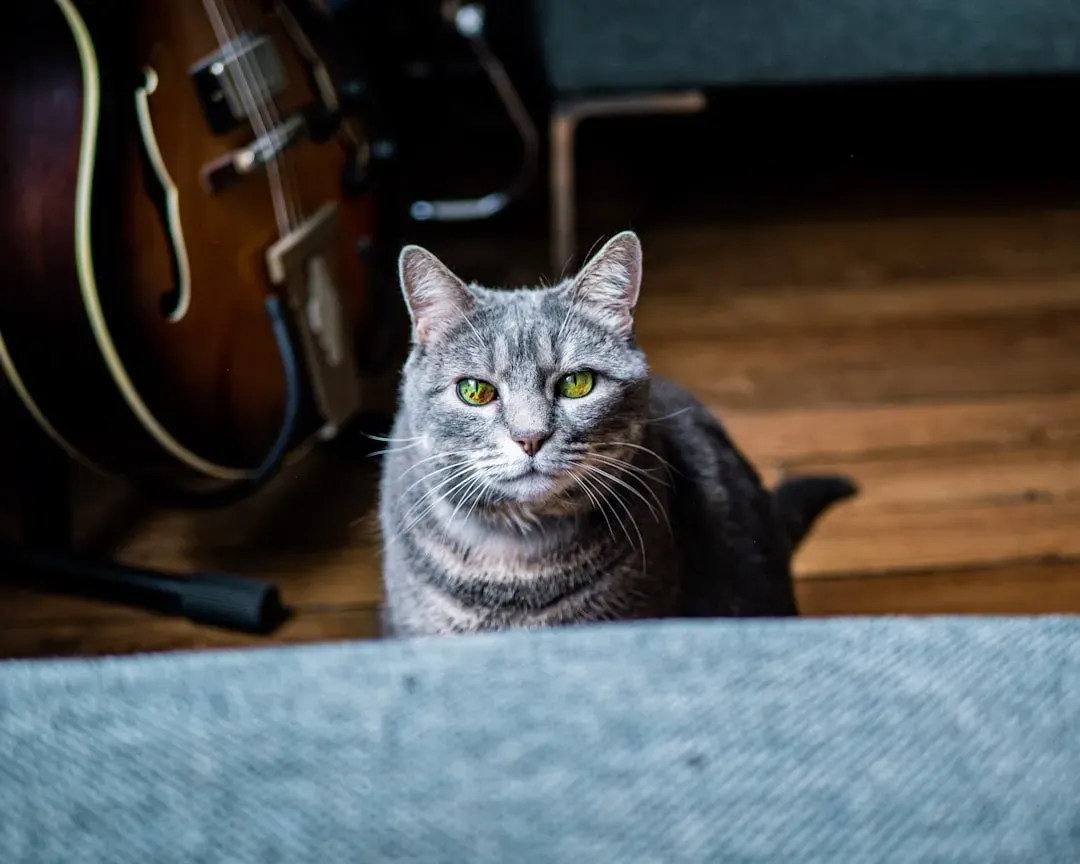
Higher pitches in loud music can sound like distress calls to a cat. Some cats will happily nap through soft classical or gentle jazz, but pounding bass or shrieking guitars are another story. The higher pitches overlap with distress calls cats use among themselves, while the thumping vibrations unsettle them further.
Speakers can cause cats to get scared because they emit loud noises. Similar to vacuum cleaners, your cat won’t be able to predict when a speaker turns on – and that unpredictability is especially scary for cats with an aversion to loud sound. In addition to the noise level, speakers can emit vibrations that feel unsettling, which is why it’s not surprising for cats to hide or run to a different room once you play music through them.
6. Shouting and Raised Voices

Raised voices – whether from arguments, cheering, or booming movie soundtracks – can unsettle cats quickly. Unlike dogs, which have been bred to respond confidently to loud human commands, cats are more solitary by nature. To them, sudden shouting feels like chaos, and chaos means risk.
Cats are very intelligent and can pick up on human tone easily. Not only are loud yelling sounds distressing, but cats can tell when you are sad or angry. They are very sensitive to disruptions in their home environment and don’t like chaotic activity – which is exactly what arguments represent to them. Even animated movie nights can push a calm cat right off the couch.
7. Emergency Sirens
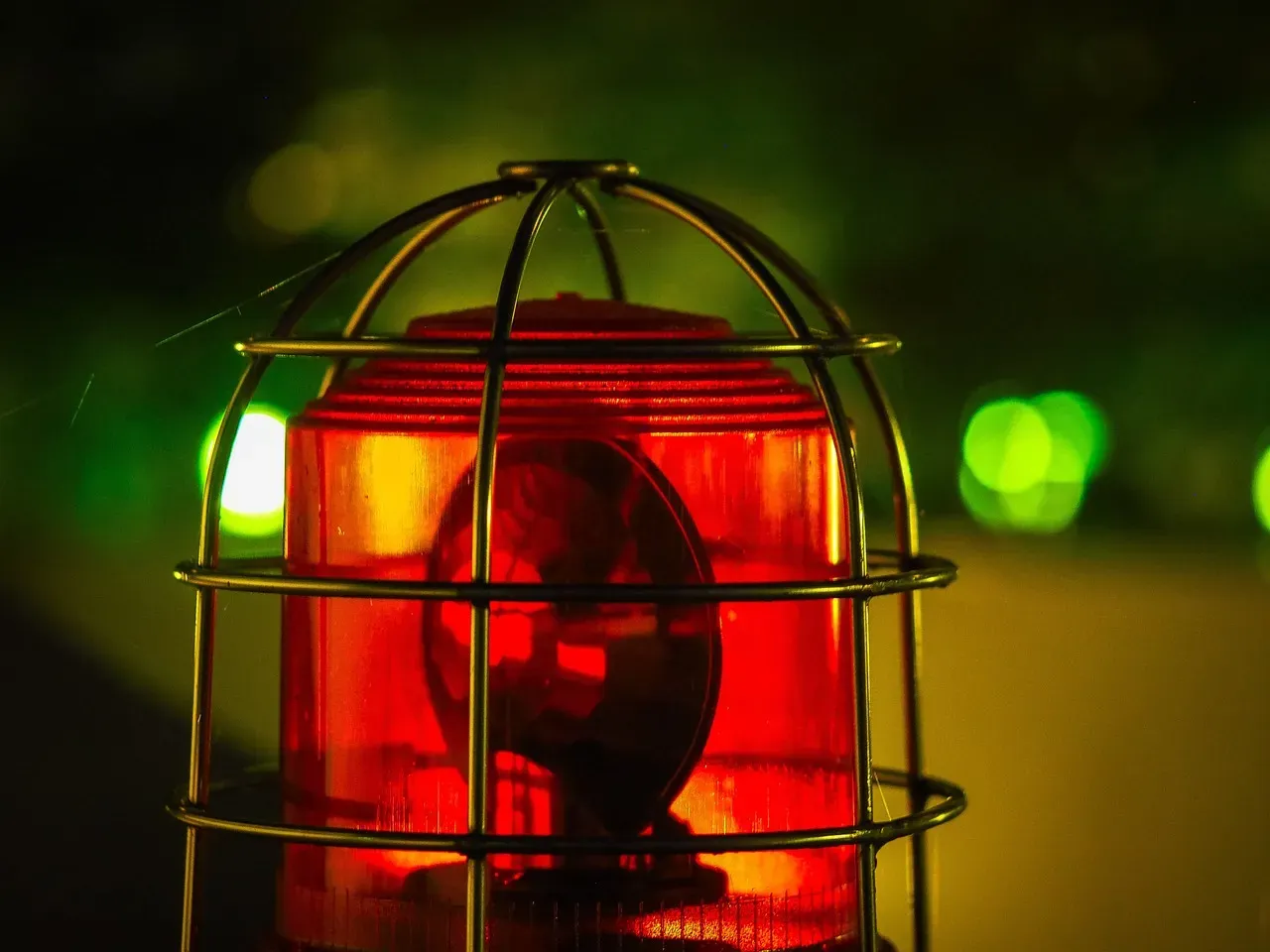
City living can be hard on a cat if the apartment isn’t insulated from the noise of emergency sirens. Ambulance, police, and fire sirens ramp up in pitch and volume, often echoing across neighborhoods. To a cat, these resemble distress calls that trigger an ancient survival instinct. The unpredictability and shrillness make them some of the most frightening sounds in the urban soundscape.
Lots of different types of noise can contribute to something called “acoustic stress” for cats. This affects felines in particular as they have an extensive hearing capacity – as part of their evolution, they adapted a keen sense of hearing to hunt prey and avoid predators. Sirens tap directly into that deep wiring, regardless of how safe your cat’s actual environment is.
8. Power Tools and Construction Sounds

Drills, saws, and hammers produce a cacophony unlike anything in the natural world. Cats have no way to categorize these sounds, and their sheer volume can overwhelm even the calmest pet. If you’ve ever had home renovations done, you’ve likely found your cat hiding under the bed for hours afterward.
Another thing to consider with loud banging sounds is that there are usually vibrations that your cat can also feel – something they also find deeply stressful. Construction noise is rarely a single, brief event. It drones on for hours, denying your cat the chance to recover and reset between scares. That sustained exposure compounds the anxiety considerably.
9. Electronic Beeps and Alarm Tones
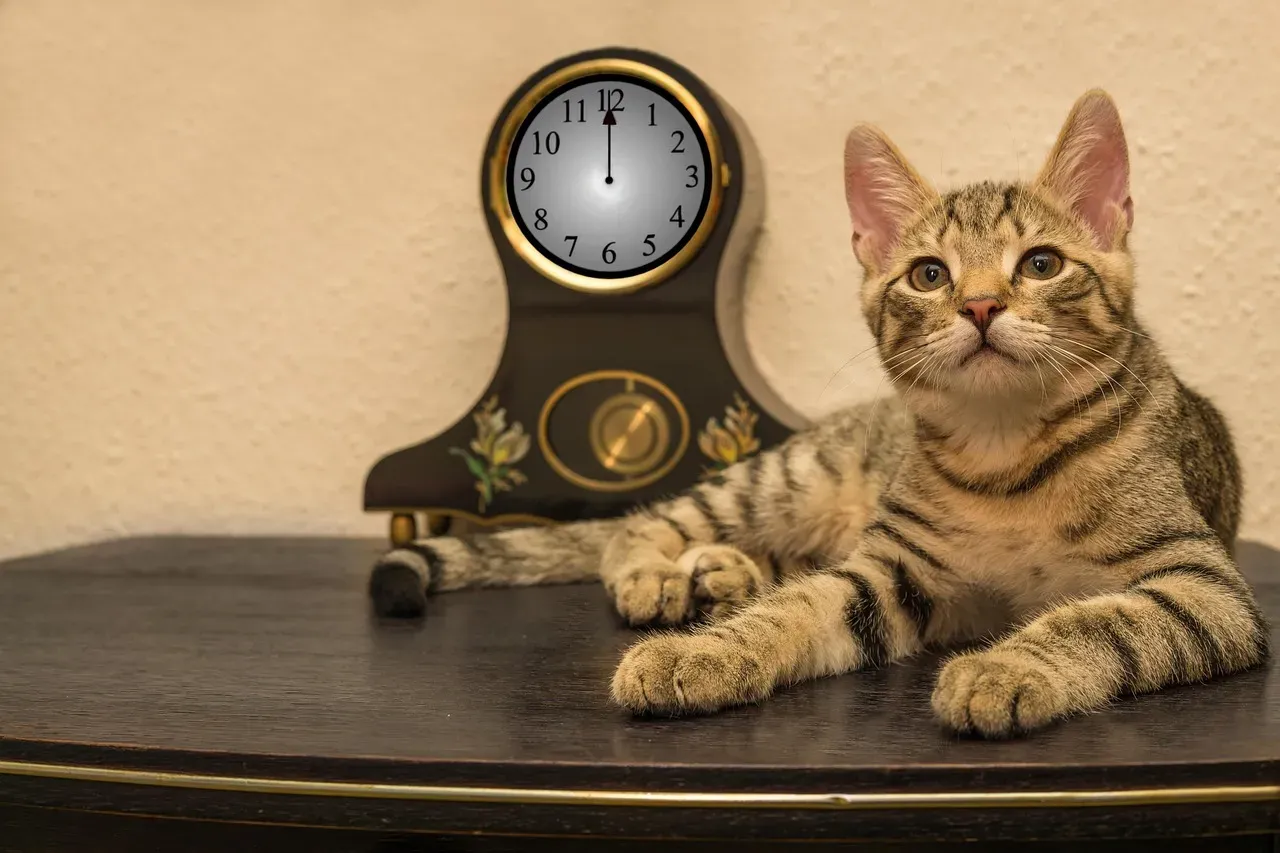
What do microwave timers, smoke detectors, and phone alarms have in common? They all produce sharp, repetitive beeps that are prime examples of high-frequency sounds cats hate. While these noises are already loud for humans, the piercing beeps can feel overwhelming to a cat’s sensitive ears.
Electronic tones, whistles, and feedback noises can feel piercing or even painful to a cat’s sensitive ears. This is one reason cats often flee the room when alarms or certain phone tones activate. Cats also form strong emotional memories tied to sound. If a particular noise has been paired with a stressful experience, your cat may associate that sound with fear long after the event has passed.
10. The Hair Dryer
The hair dryer is a common household appliance that scares many cats. It’s loud and emits hot wind that can feel very unpleasant. Many people also usually blow dry their hair when they’re about to leave the house, so along with being loud and bothersome, hair dryers can also signal to cats that you’re about to leave. Cats with separation anxiety may feel additional fear towards hair dryers because they signify their owner is about to go out.
Cats’ sensitive hearing makes these sounds feel like an attack. It’s not just the volume but the suddenness and intensity. With the hair dryer, you also have the strange sensation of forced warm air, which adds a sensory layer that most cats want absolutely no part of. It’s a double assault on their comfort zone.
11. Balloon Pops and Bubble Wrap
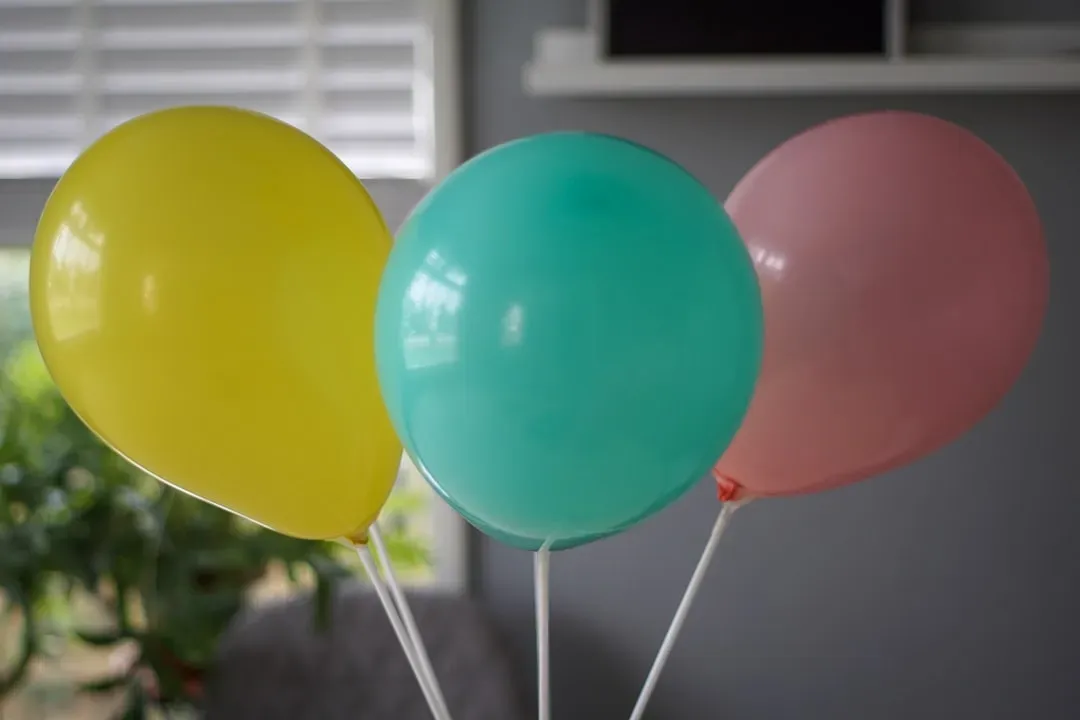
Cats really dislike the sound of popping a balloon or bubble wrap. They tend to hate popping noises for two reasons: first, the noise startles them as it’s unexpected, and second, they simply can’t understand the process. When something like a balloon is large and right in front of them, then suddenly disappears completely with a bang – that’s confusing on top of frightening.
The loud noise will be unexpected and startling, and cats will also be confused about where the balloon went. It’s common for cats to avoid all balloons they encounter in the future if they’ve experienced a balloon popping near them. That lasting aversion is worth keeping in mind around party decorations and celebrations.
12. The Kitchen Blender

Even humans don’t enjoy the sound of a kitchen blender. A cat’s ears are much more sensitive than a human’s, so turning on the blender can be a much more unpleasant experience for them. Blenders are both loud and don’t emit a pleasant sound, and many cats will avoid being in the kitchen whenever the blender is turned on.
Loud and startling thumps, bangs, and clanks aren’t the only noises that stress cats. High-frequency sounds such as whistling tea kettles and even the sound of raised human voices can cause anxiety. The blender combines raw volume with an erratic, grinding pitch – a sound that has no calming qualities at any frequency. For your cat, it’s simply unbearable.
What You Can Do to Help Your Cat
Just as in humans, all cats have some degree of normal fear when they hear loud, sudden, or strange noises. It’s a survival instinct. That means a little fright here and there is not a cause for alarm. Repeated exposure to distressing sounds, however, can lead to cat anxiety, behavioral issues, and even health problems. By learning about sounds that make cats uncomfortable, you can create an environment where they feel safe and at ease.
Ensure that your cat has several places they can rely on to retreat from threatening sounds or events. Common safe places include on top of shelves or cat trees, behind or under furniture, and in an open cat carrier or a closet. Every cat is unique, and tolerance can vary depending on feline personality, experiences, and environment. Knowing your own cat’s specific triggers puts you a step ahead in keeping their world calm and manageable.
Conclusion

Bravery in cats is real, but it has its limits – and those limits are largely defined by sound. What registers as a mild annoyance to you can translate into genuine alarm for an animal wired to treat every unexplained noise as a potential threat. When cats react strongly to whistles, alarms, or household sounds, they’re not being dramatic or misbehaving – they’re responding to a world that sounds much louder and more intense than ours. By understanding how feline hearing works and recognizing fear-based reactions, you can make small changes that dramatically improve your cat’s comfort and emotional well-being.
The most reassuring part? Most of these situations are manageable with a bit of awareness and patience. A quieter routine, a safe corner to retreat to, and a little consideration for what your cat is actually hearing can make a meaningful difference. Sometimes, caring for a cat is really just a matter of listening a little more carefully yourself.
Kristina is a young writer from India. An arts graduate and an avid content creator, Kristina is passionate about animals and wildlife. She enjoys exploring topics related to pet care, animal behavior, conservation, and nature, combining thorough research with engaging storytelling.