Cats are far more communicative than most people give them credit for. The common assumption is that they’re aloof, unpredictable creatures who act on whim. In reality, your cat is probably speaking to you constantly, and the disconnect is almost always on the human end of the conversation.
Cats are subtle communicators. Unlike dogs, who may express themselves loudly and obviously, cats often use quiet, nuanced movements. Once you start tuning in to those quieter signals, a whole layer of meaning opens up. Your relationship with your cat can genuinely shift when you know what to look and listen for.
1. The Tail Tells You More Than You Think
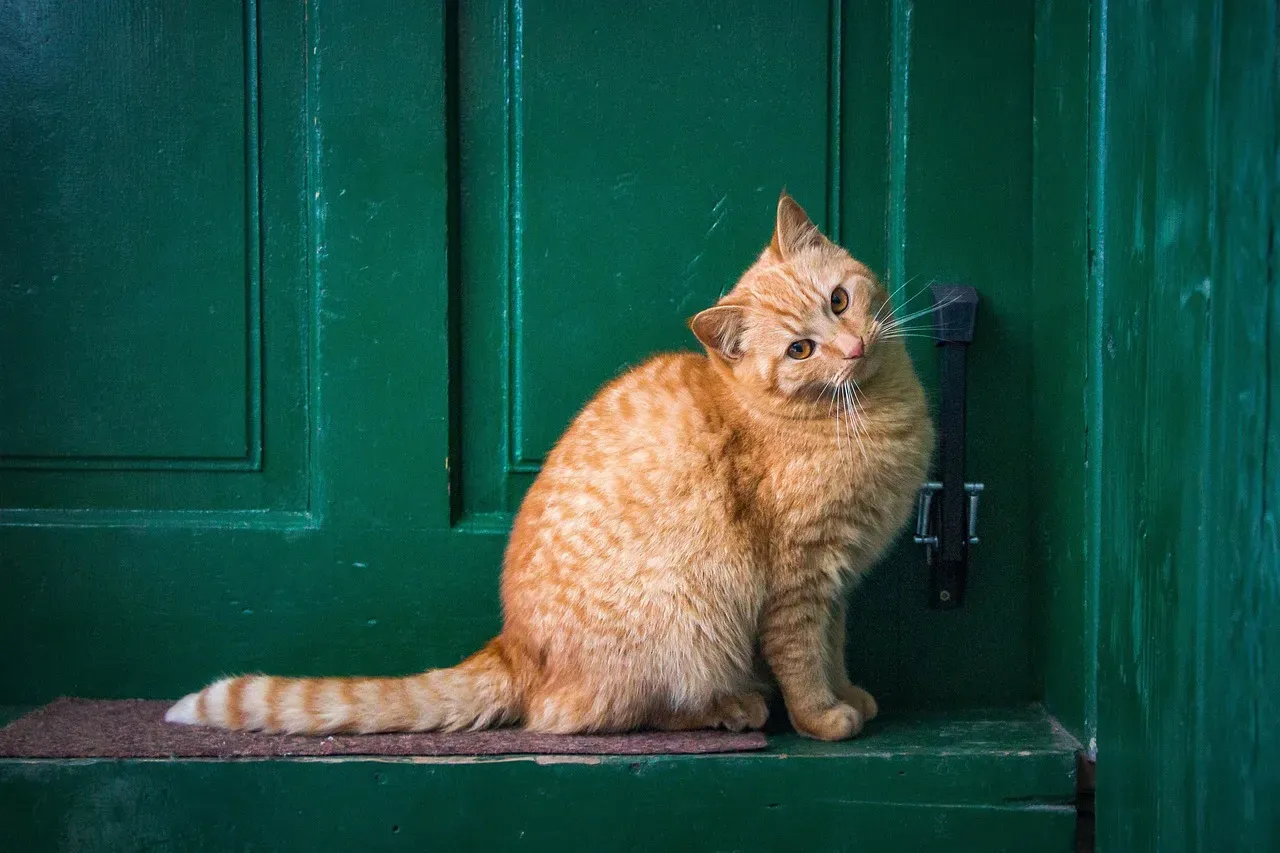
Your cat’s tail is one of the most expressive parts of their body, and it’s worth paying close attention to. A cat’s tail acts like a mood barometer. Every twitch, flick, and curl adds context to what your cat is feeling. Learning to read these movements is one of the most practical communication skills you can develop as a cat owner.
When your cat thrashes their tail or is thumping it on the ground, they are irritated, annoyed, or angry. This tells you something is bothering your cat. This is a distance-increasing behavior. In other words, if you are petting your cat and they start thrashing their tail, they are trying to tell you to stop. A slow, rhythmic swish often signals focus, such as when your cat spots a bird outside the window. However, rapid tail flicking or strong swishes typically reveal frustration or agitation.
2. Ear Position Is a Precise Emotional Compass
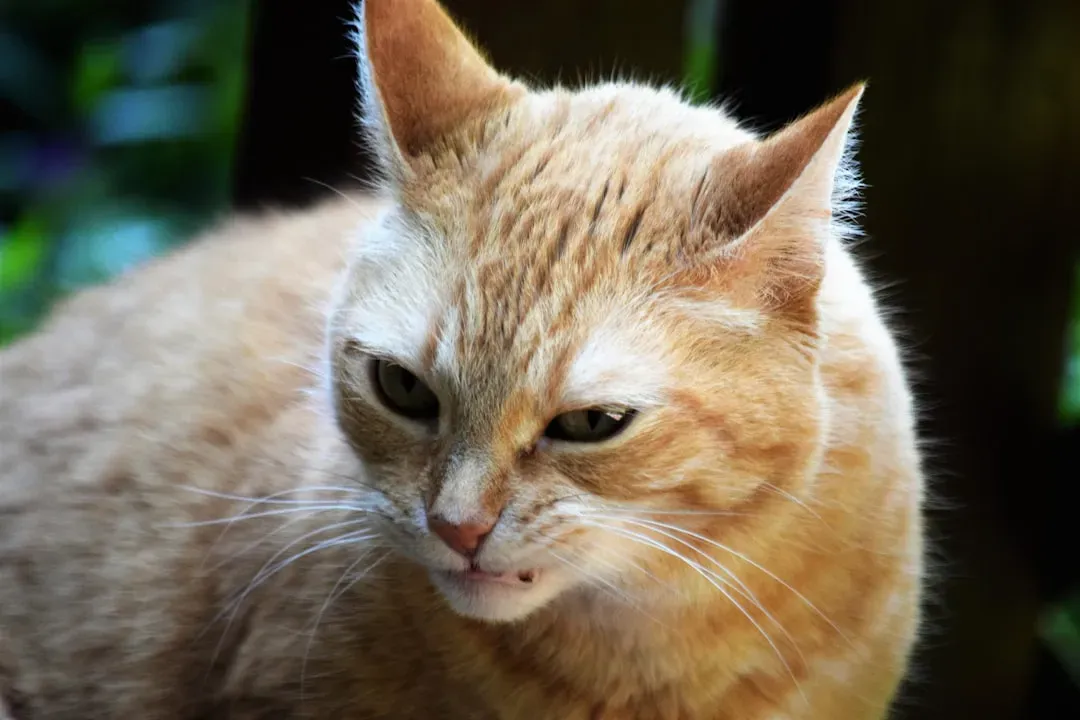
Cats can change the position of their ears very quickly, and continuously. They are erect when the cat is alert and focused, slightly relaxed when the cat is calm, and flattened against the head when extremely defensive or aggressive. In cats, flattened ears generally indicate that it feels threatened and may attack, used as a defense or attack posture. This is one of the clearer boundary signals your cat can offer you, and it rarely gets misread once you know what to look for.
Ears pointing forward show alertness and curiosity. Your cat is likely engaged with its surroundings, exploring sounds, or focusing on something of interest. When ears flatten against the head, your cat is uncomfortable, frightened, or defensive. This posture often pairs with growling, hissing, or a low stance, signaling a strong desire for space. Take that flat-eared look seriously. It’s a request, not a suggestion.
3. The Slow Blink Is a Trust Signal, Not a Fluke
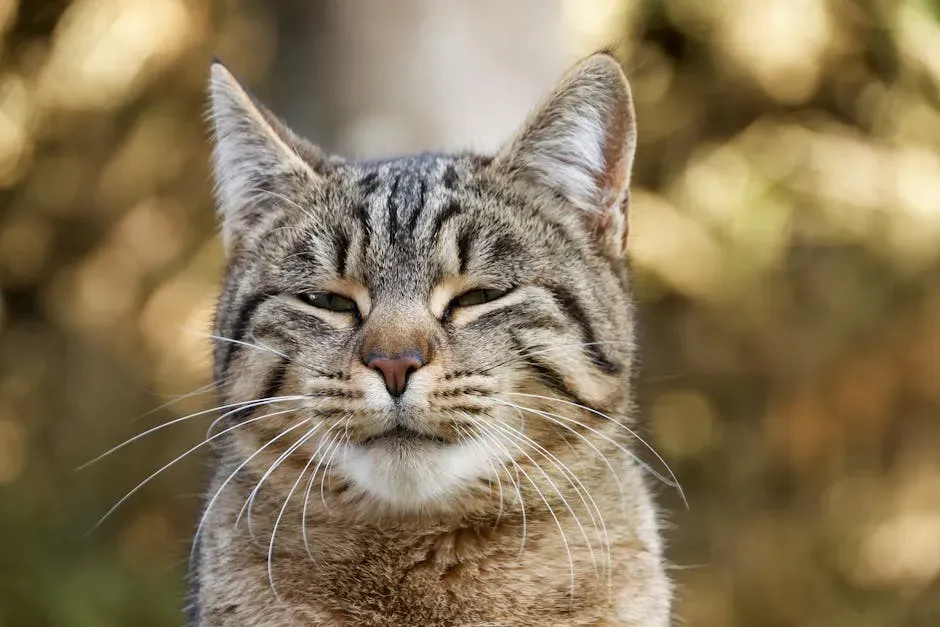
For the most part, slow blinking is your cat’s way of telling you that they trust and are comfortable around you. This gesture is easy to overlook because nothing dramatic is happening. Your cat simply holds eye contact and lets their eyelids fall shut for a moment longer than usual. This gesture, often called a “cat kiss” or “slow blink,” is one of the most meaningful forms of cat communication. In the feline world, direct staring can be threatening, while closing eyes shows vulnerability and trust.
Research shows that cats are more likely to slow blink at their owners when their owners slow blink at them, indicating a mutual form of communication. Slow blinking differs from regular blinking in both the speed and intention, making it a deliberate behavior rather than a reflex. You can actually return this signal. Try holding soft, relaxed eye contact with your cat and gently closing your eyes for a moment. Researchers demonstrated that utilizing the slow blink was an excellent way for people to “break the ice” with a cat they just met. A human offering a slow blink and an outstretched hand to a cat they do not know is more likely to be approached by that cat.
4. Hissing and Growling Are Warnings, Not Attacks
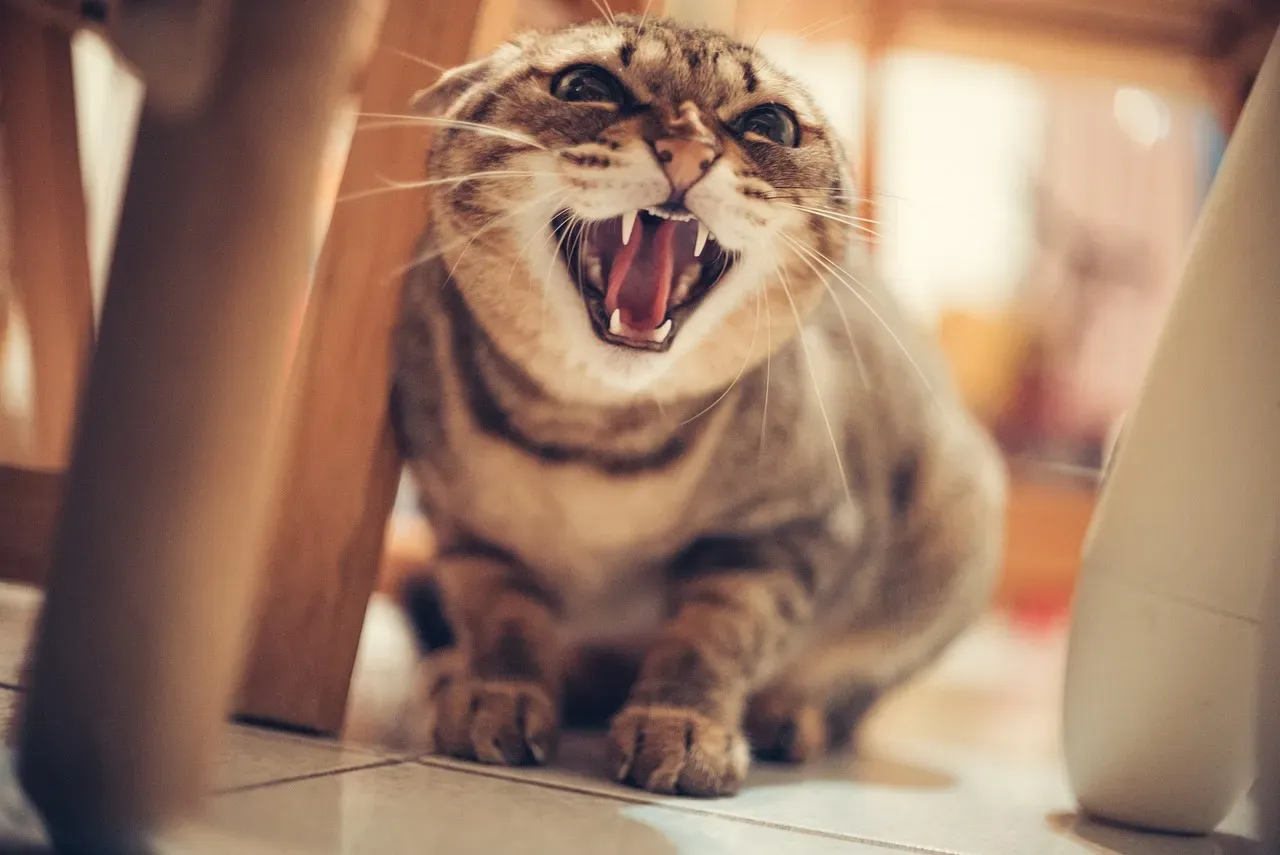
In actuality, hissing is often a signal that the cat wants to avoid a physical confrontation. In cat-to-cat behavior, the cat that hisses regularly is almost always the one being chased or antagonized. When your cat hisses at you, it’s not personal hostility. It’s a request for distance. Cat hissing is more defensive than offensive, whether it’s directed at other animals or at humans. When your cat hisses, they are saying they need space from whatever they’re directing the hiss at.
Cats who growl are often warning people to stop whatever they are doing, whether it’s petting them in an uncomfortable manner, trying to pull them out of a hiding space, or playing with them when they want to be left alone. A cat’s growl is a low, deep, vibrating sound usually produced when a cat feels threatened, uncomfortable, scared, or overstimulated. Unlike playful sounds or soft meows, growling is a clear warning signal. Cats do not growl without purpose. The key is to honor these sounds as communication rather than punishing or dismissing them.
5. Scent Marking Sets the Boundaries of Their World
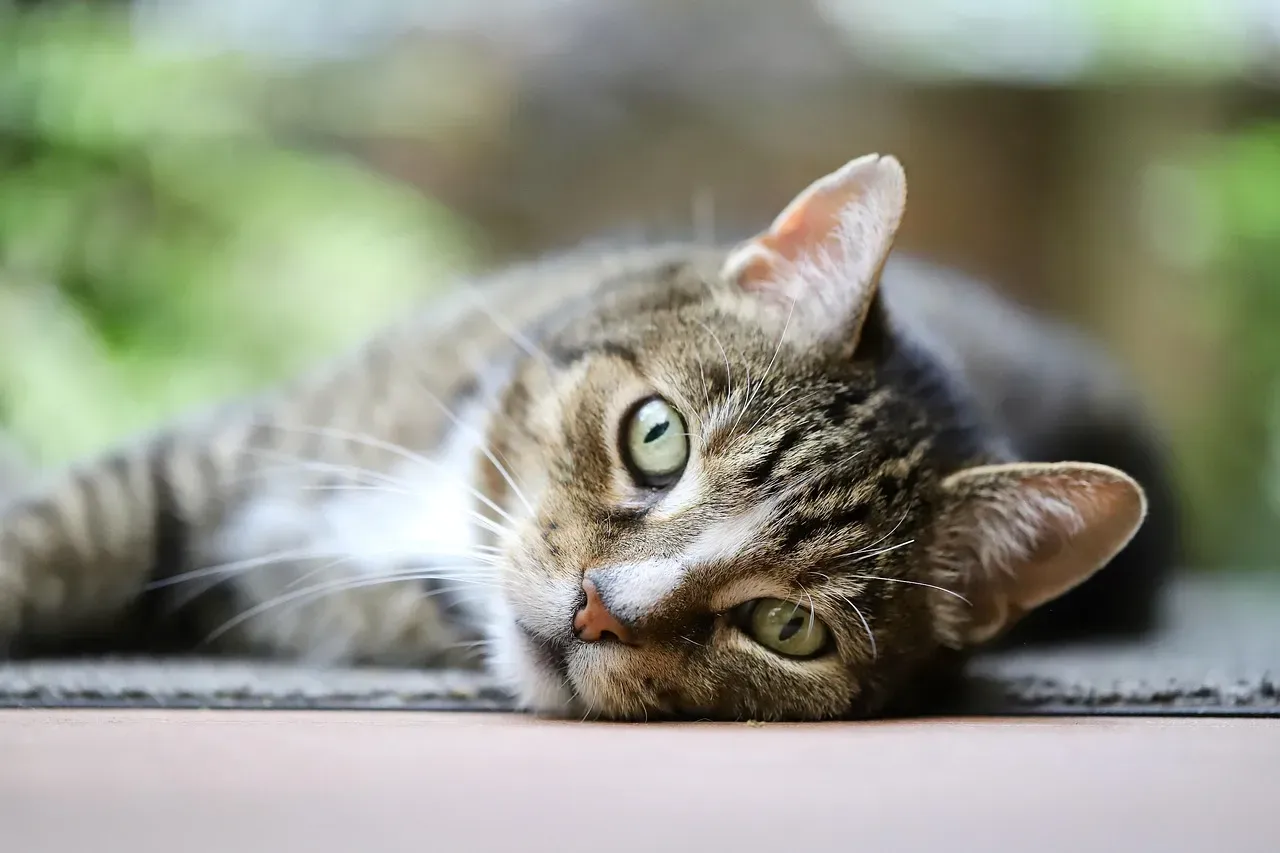
Cats use their skin for chemical communication, particularly through sebaceous and sweat glands and the odours or pheromones they produce. Certain areas of the skin are rich in these glands, such as beneath the chin, the sides of the mouth and cheeks, the sides of the forehead, the tail base and along the tail. When your cat rubs their face against a doorframe or a piece of furniture, they are not being quirky. They are actively managing their environment. As cats rub their bodies, face, or paws against objects, they leave behind pheromones, which communicate their presence to other cats. In multi-cat households, these scent markings help maintain social structure and reinforce territorial boundaries.
There is more to scent marking than just territory. Cats can communicate fear, stress, and even happiness through scent. If a cat enters an area where another cat has felt anxious, they may pick up on the scent signal. Cats can also gain information about another cat’s gender and reproductive status from their scent, and recognize whether they’ve met before. Gaining this information from scents means that cats can give each other physical distance and stay safe if needed. In short, scent is how your cat organizes their social life before any face-to-face interaction even begins.
6. Body Posture and the “Leave Me Alone” Crouch
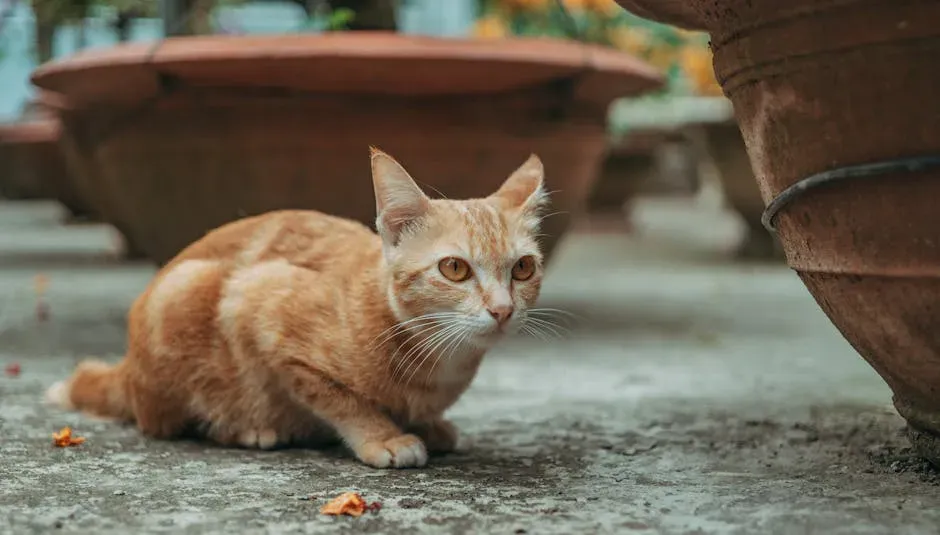
Typical body postures associated with fearful or defensive aggression are a combination of defensive signals such as crouching, flattening the ears, tucking the tail, leaning away or rolling onto the side, and pupil dilation, and aggressive signals such as hissing and spitting, piloerection, growling, swatting, biting and scratching. Each of these elements adds meaning to the bigger picture. You won’t always see all of them at once, but even two or three together are worth taking seriously.
When a cat lies on its back with its belly exposed, this can be taken as a sign of trust. Because it feels safe, it also feels able to adopt this vulnerable position. This does not, however, mean it will be happy to be touched on its belly. It may, indeed, respond by lashing out with its paws. It is essential to respect this, so as not to diminish the cat’s trust. This is one of the most misread signals in the cat-human relationship. The belly display is a gesture of comfort, not an open invitation.
7. Swatting and the Paw Warning System
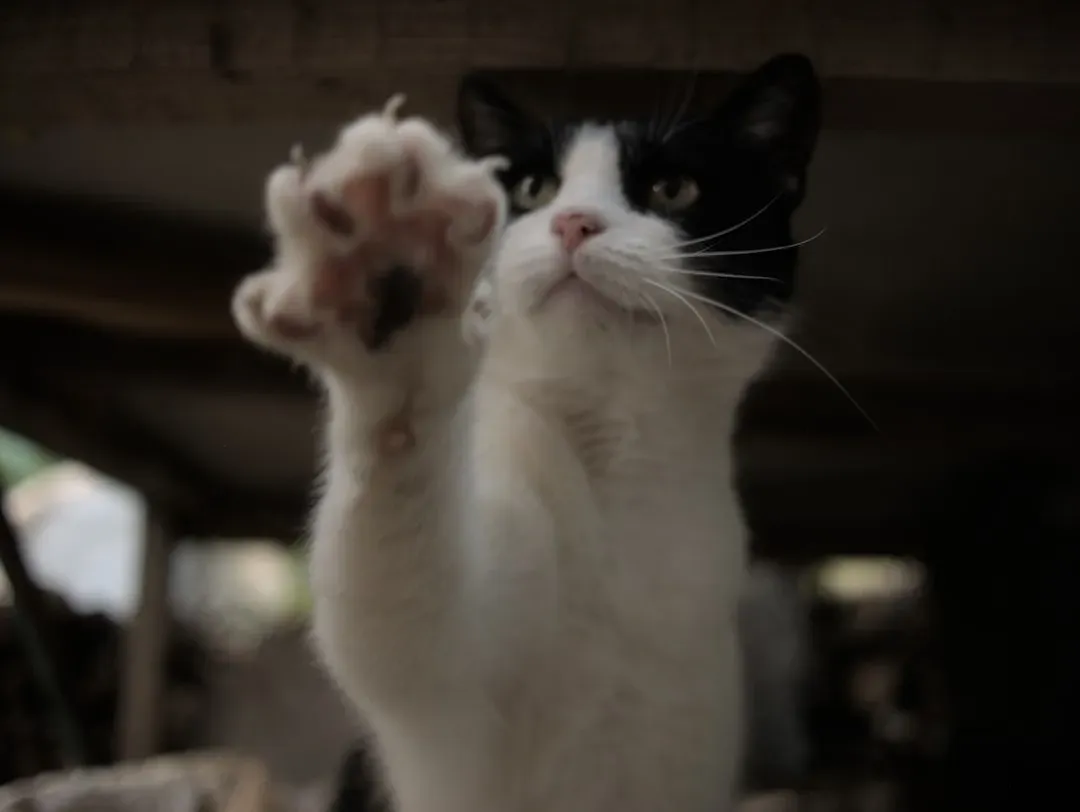
Cats also use their paws to communicate. Examples include kneading, often called “making biscuits,” which signals comfort and contentment; clawing or scratching, a natural behavior used to mark territory and stretch muscles; gentle paw taps, a way of getting your attention without meowing; and swatting, usually a warning to back off or stop unwanted interaction. The swat is often treated as misbehavior when it is actually a very clear and proportionate boundary statement.
Overstimulation is a common challenge during play. Signs include rapid tail flicking, sudden ear flattening, or unexpected swatting. By pausing at these moments, you respect your cat’s limits and prevent frustration. Petting-induced aggression occurs when a cat becomes overstimulated or experiences sensory overload during petting, prompting them to bite or swat to stop the contact. While it often feels out of nowhere, this type of cat aggression often happens because we miss the subtle warning signs. The swat, then, is rarely the first message. It’s usually the one we finally hear after several quieter ones were ignored.
8. Body Blocking and the Invisible Line
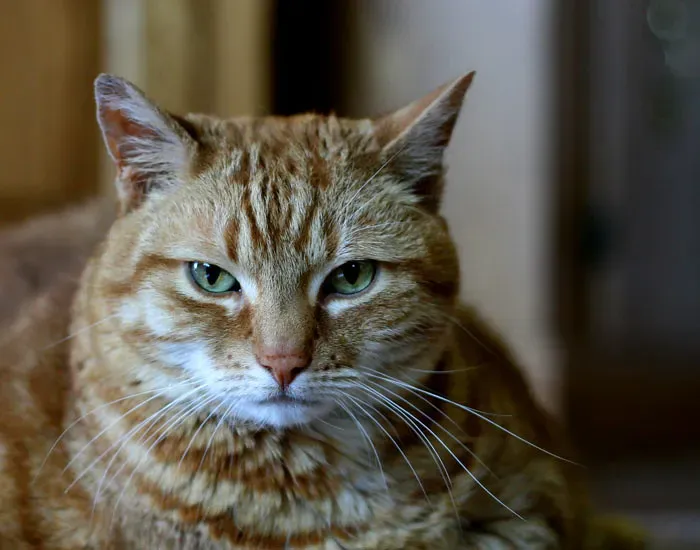
Body blocking occurs when cats position themselves to prevent other cats from moving or accessing a resource or space, such as food or a resting spot. This can be very subtle and can even look like the cat is simply resting. Body blocking can be accompanied by a stare-down, which indicates tension and conflict between the cats. You might notice this in multi-cat homes more easily, but it also happens in cat-to-human interactions in quieter ways.
A direct stare by a cat usually communicates a challenge or threat and is more likely to be seen in high-ranking cats; lower-ranking cats usually withdraw in response. When a cat plants themselves in a doorway, refuses to move from a space you’re trying to access, or holds a hard, unblinking gaze in your direction, they are communicating ownership and authority over that space. A cat’s body language and behaviors should be looked at as a part of one big picture. By using the context of the entire situation, trying to see it from the cat’s point of view, and looking for subtle cues in body language, you’ll have an excellent chance at understanding your feline friends.
Conclusion: The Language Is Already There
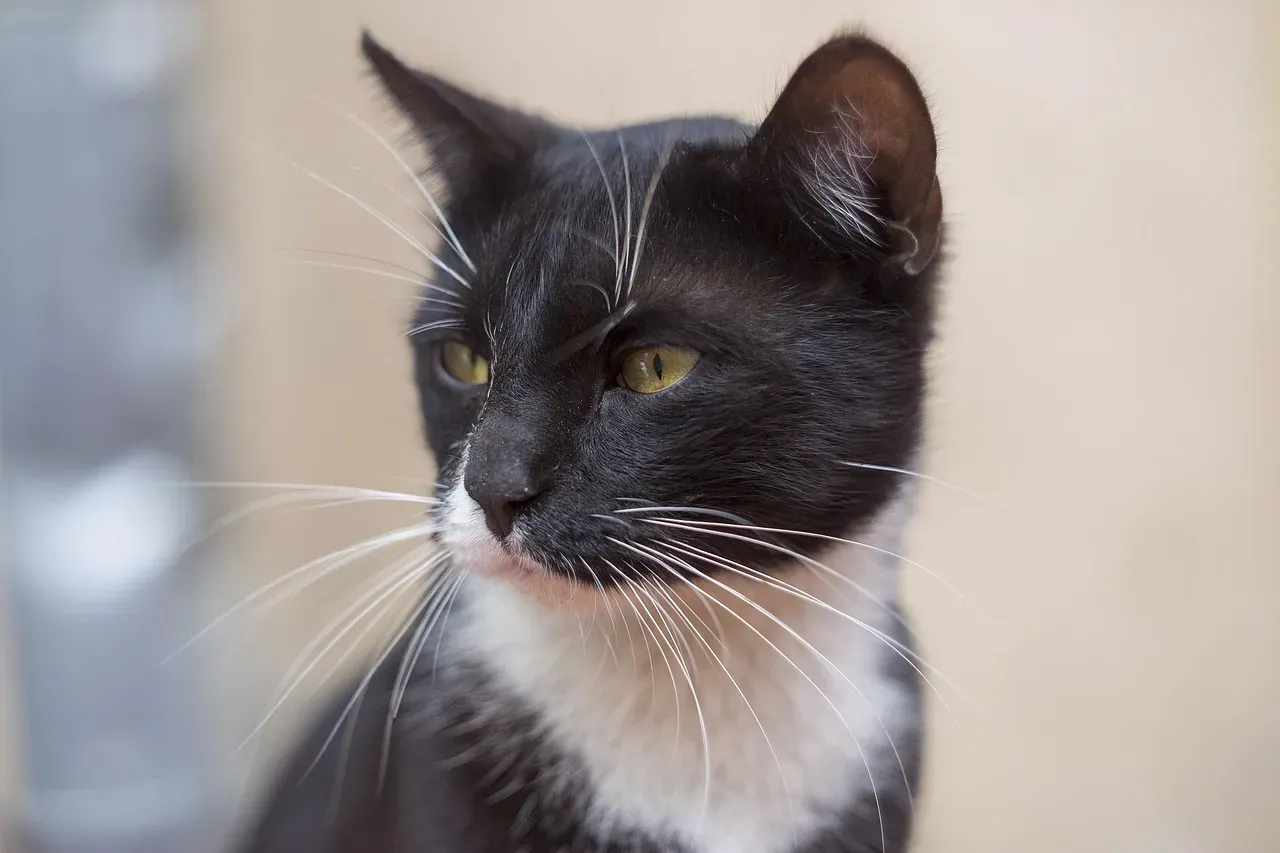
Your cat has never been silent. They have been speaking all along, in a language that requires observation rather than translation. Cats are masters of communication and your job is to pay attention. If you learn to accurately read body language signals and respect what your cat is telling you, it will create trust and strengthen the bond you share.
Unlike dogs, who tend to display emotions more openly, cats express themselves in quieter ways. They rely heavily on their bodies to show happiness, fear, curiosity, or irritation. When you learn to read these signals, you’re better equipped to respond appropriately, whether that means offering affection, giving space, or engaging in play. The relationship you build when you actually listen is a noticeably different one.
Respecting a cat’s boundaries isn’t about tip-toeing around them. It’s about understanding them well enough to know what they need before a misunderstanding ever happens. That level of attentiveness is what turns a household cat into a genuinely trusted companion, and it starts with simply paying closer attention to the messages that were never hidden in the first place.
Kristina is a young writer from India. An arts graduate and an avid content creator, Kristina is passionate about animals and wildlife. She enjoys exploring topics related to pet care, animal behavior, conservation, and nature, combining thorough research with engaging storytelling.