You’re sitting on the couch, stroking your cat, when the tail starts going. A quick flick. Then another. You haven’t done anything obviously wrong, yet something has clearly shifted. If you’ve ever wondered what that tail is actually communicating, you’re not alone.
A cat’s tail is one of the most expressive parts of their body. It works like a mood barometer, offering real-time insights into your cat’s emotional state. Unlike dogs, whose tail wags are relatively straightforward, cats use their tails to communicate a complex array of emotions and messages. Once you start reading those signals, your entire relationship with your cat changes.
The Tail Is Basically a Running Commentary
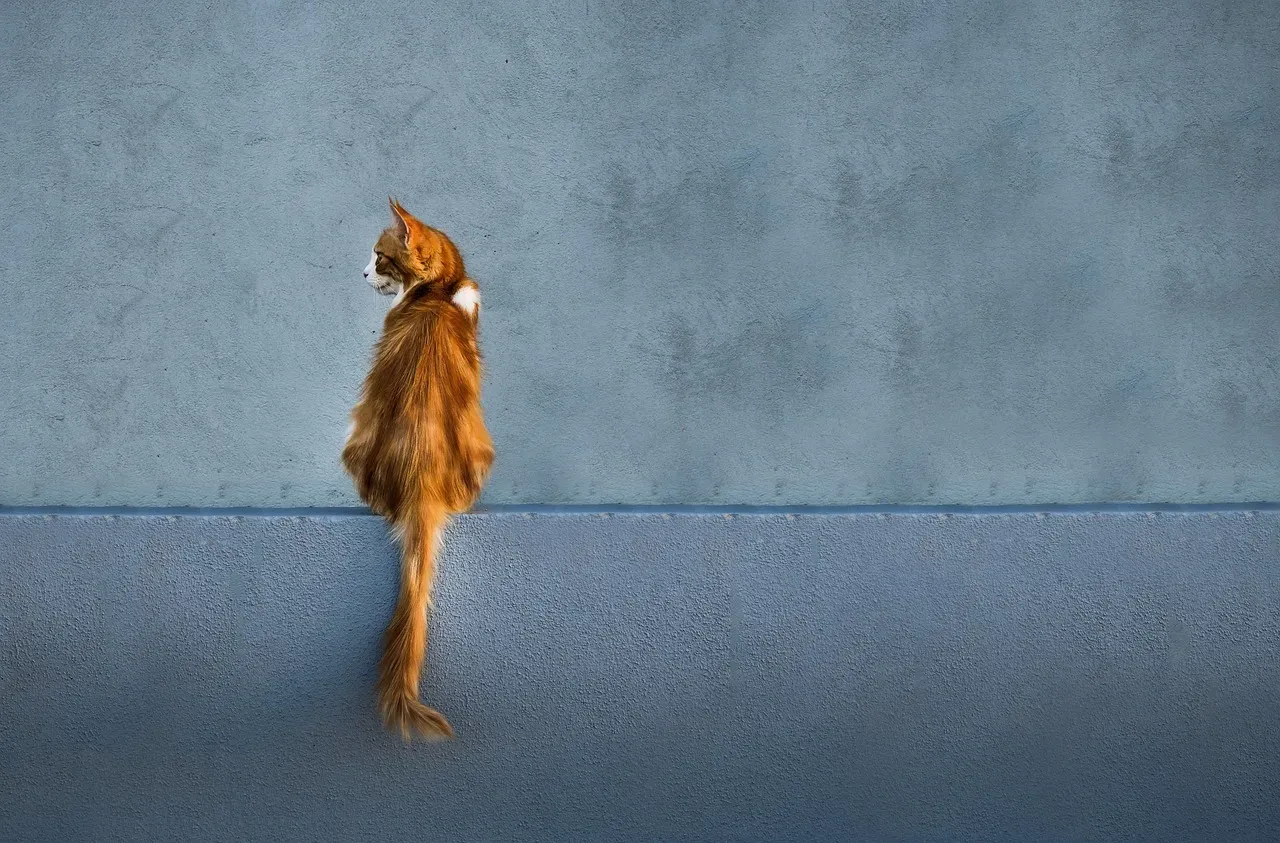
Your cat may not be able to hold a conversation, but the tail never really stops talking. Cats don’t communicate with us solely through vocalizations like meows and purrs. A cat’s tail holds a complex language all its own, and every swish, wag, flick, and curl contains a hidden message that can give you deeper insight into your cat’s personality and feelings.
Cats use their tail movements, along with their eyes, ears, and body postures, to communicate. Understanding cat tail language will help you to better understand your cat. Think of it less as a random twitch and more as a live broadcast of whatever is running through your cat’s mind at that exact moment.
What That Tip Twitch Is Really Saying
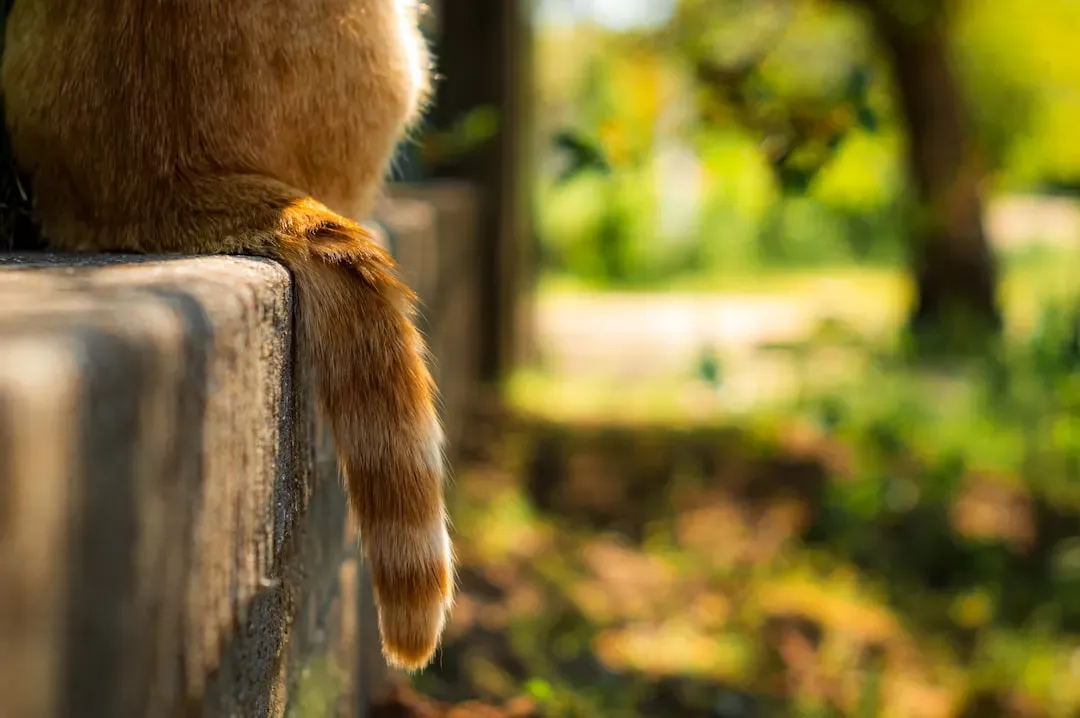
When your cat twitches the tip of their tail strongly from side to side, it may mean they are mildly irritated or frustrated. This could be a warning sign that your cat isn’t fond of something you’ve been doing, but they’re not quite at the point yet where they’re going to take the next step and act on their annoyance.
They are obviously annoyed by something you said or did. This tail sign is an early warning to watch your step. They’re irritated, but not enough to act. Felines often signal their displeasure with plenty of cues, so pay attention when you see a cat’s tail twitching at the tip. Consider it a polite, if slightly passive-aggressive, heads-up.
Speed Matters: Slow Flick vs. Fast Thrash
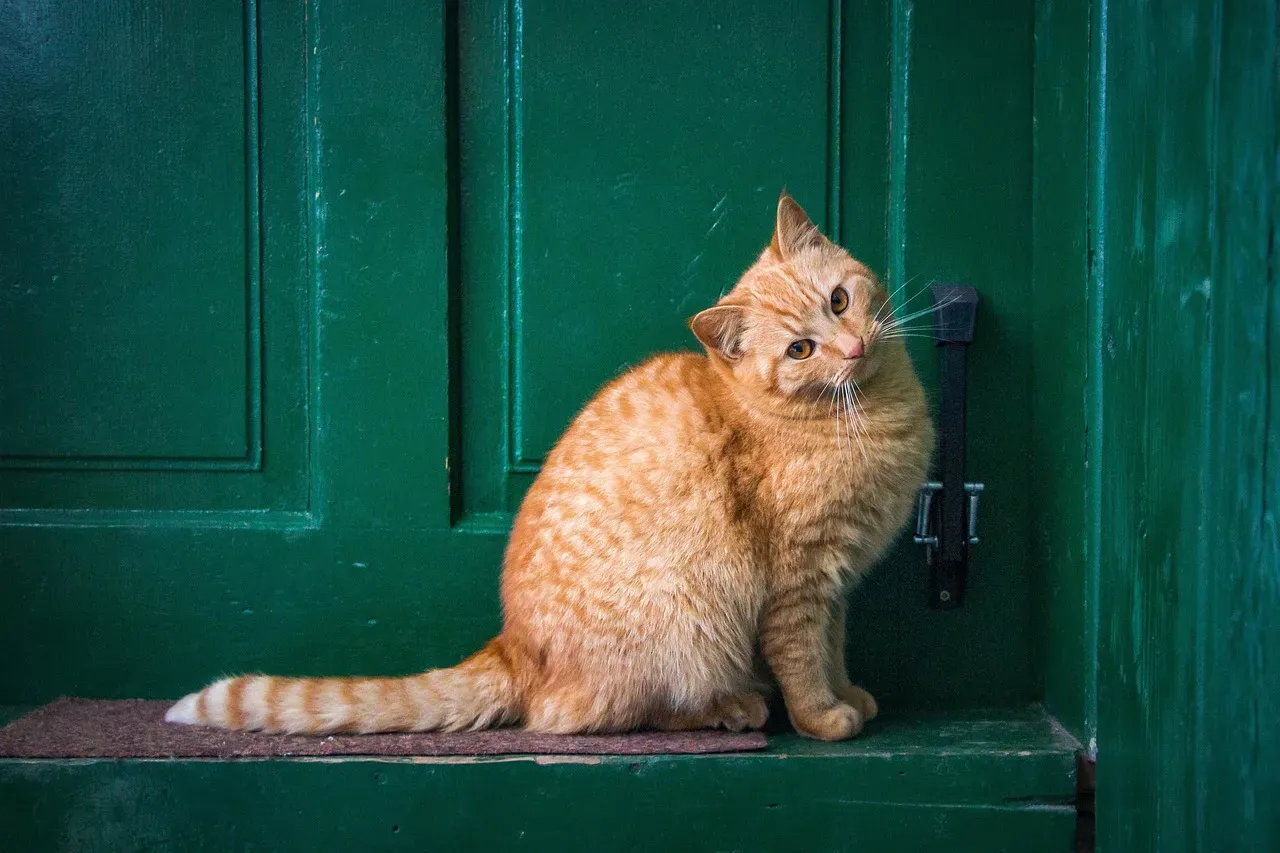
Rapid flicking is often a sign of irritation or impending aggression. If your cat’s tail is flicking back and forth rapidly, it might be best to give them some space. A slow swinging motion, on the other hand, indicates deep concentration, usually seen when a cat is stalking prey or focusing on a toy.
The more your cat’s tail moves back and forth, the less happy they may be. Rapid tail movements can mean they’re issuing a threat to you or another pet in the home. You might also see other aggressive behaviors, such as growling or hissing. So if the flicks are escalating in speed, that’s your cue to back off before things tip over into a full swat.
The Hunting Twitch: Focus, Not Frustration
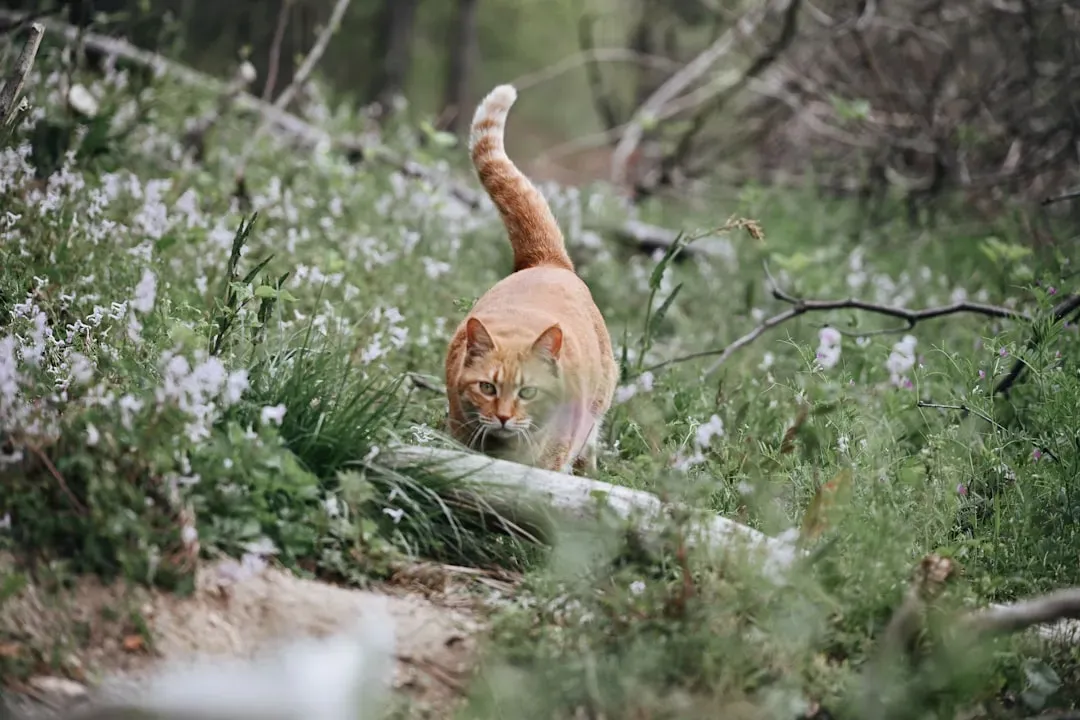
Cats will sometimes twitch their tails because they’re hunting or playing. This happens when they’re focused intensely on their prey, whether it’s a real-life mouse or a fluffy one you just bought. This kind of twitch looks similar to an irritated one on the surface, but the rest of the body tells a very different story.
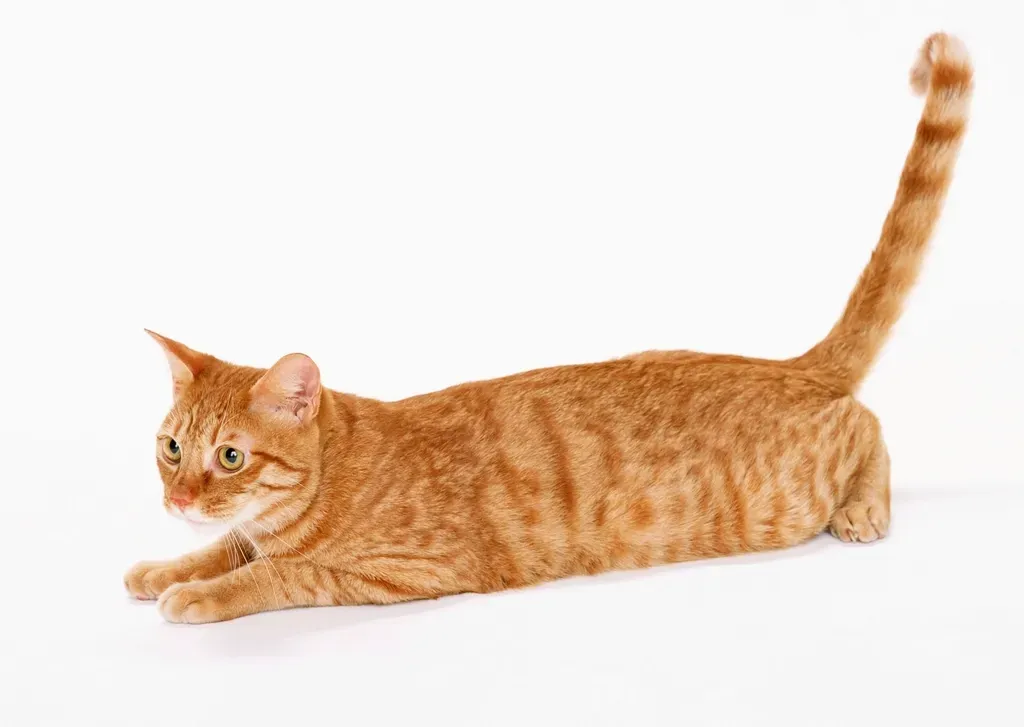
Twitching the tail tip while holding it low and straight is often associated with hunting behavior. During hunting, the body is typically in a crouched position ready to pounce. Cats may also twitch the tip of their tail if they are focusing on prey or preparing to pounce on a toy, so make sure you interpret their tail position in accordance with the situation and other body language cues.
The Overstimulation Twitch During Petting
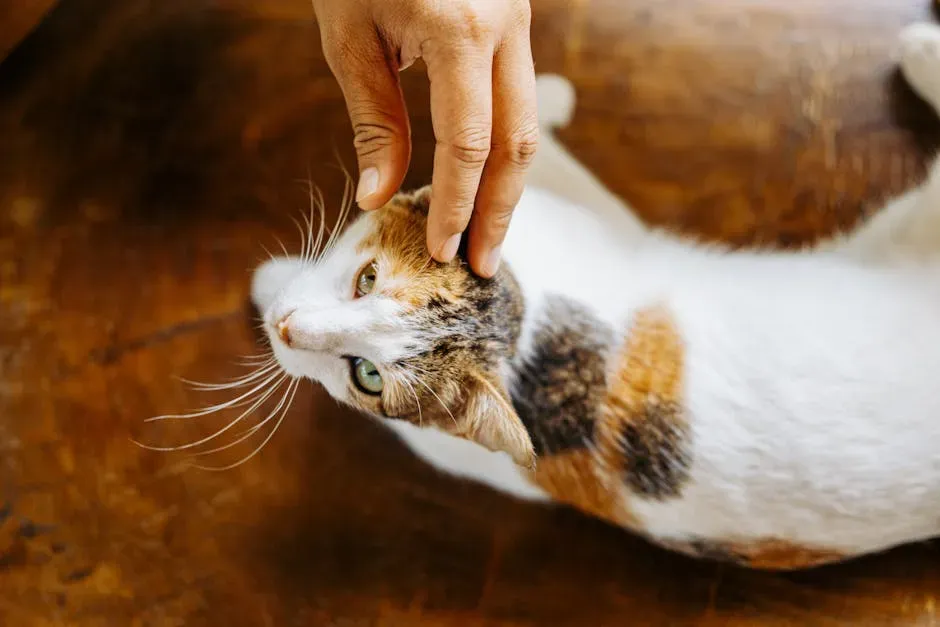
One of the most common scenarios where you’ll catch that telltale tail movement is right in the middle of a perfectly pleasant petting session. Tail twitching during petting, especially sharp flicks, can mean your cat is becoming overstimulated or irritated. It’s their way of signaling that they’ve had enough physical contact and would like a break.
Fast flicks or thrashing usually signal annoyance or overstimulation, meaning your cat wants space. If that message goes unnoticed, it could quickly escalate to a swat or hiss. Most cats don’t want to scratch you. They’d much rather just give you the subtle memo first, and the tail is usually their first choice for delivering it.
When the Tail Goes Up and Quivers With Happiness
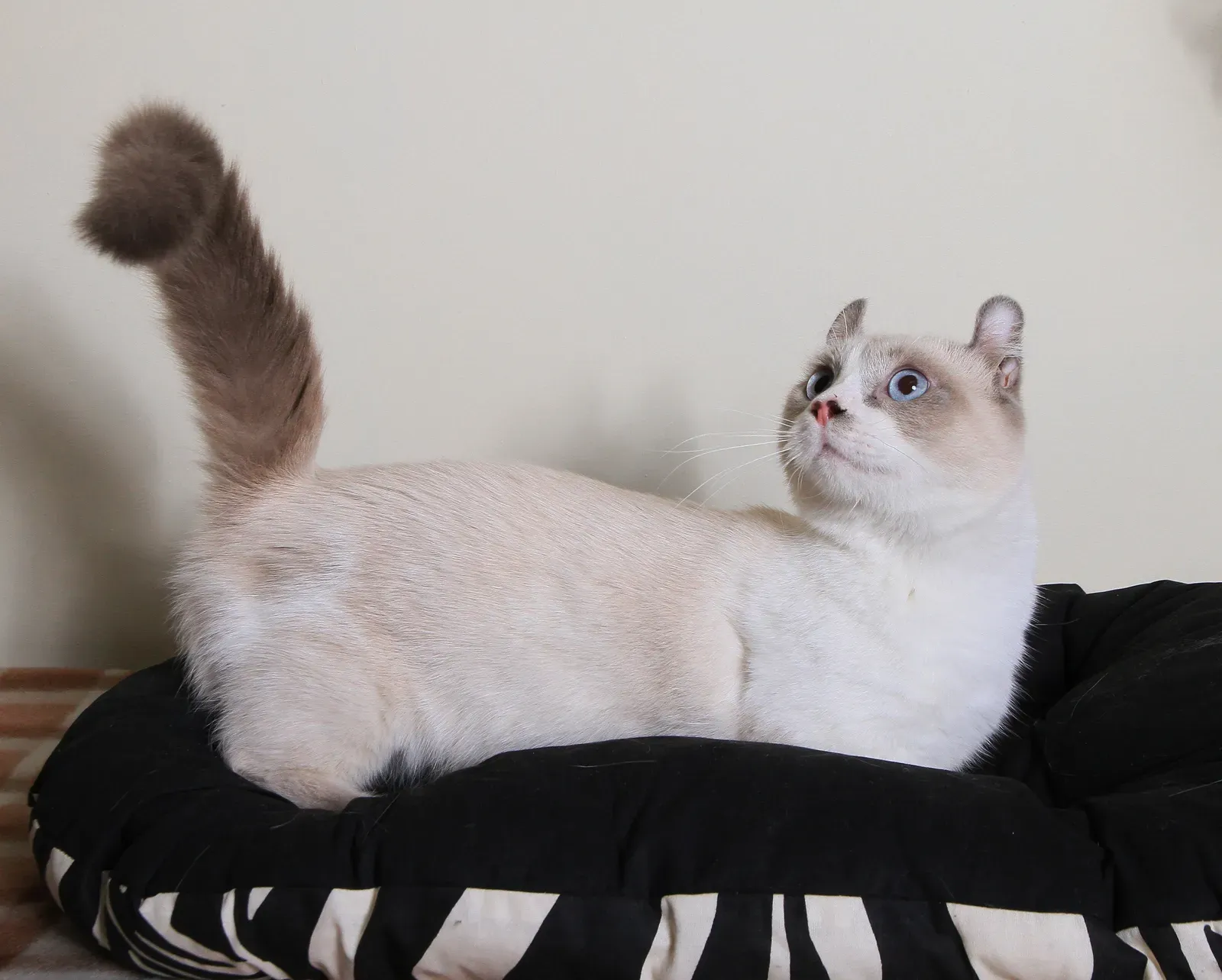
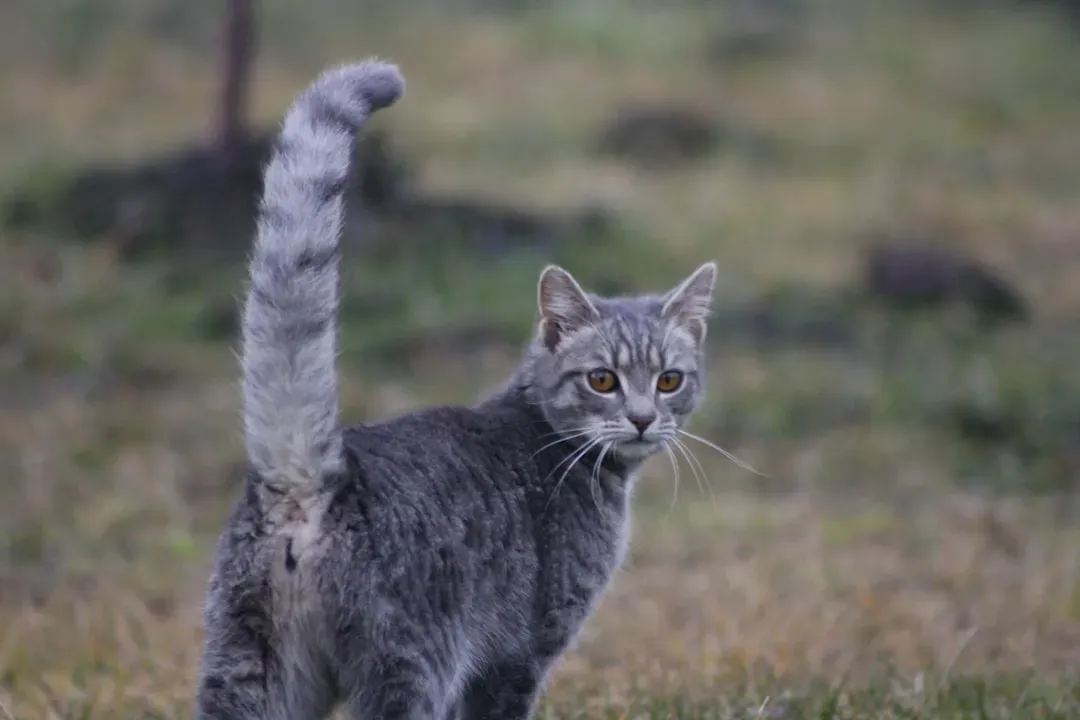
Not every twitch is a complaint. Some of the most joyful tail movements your cat makes are gentle quivers while the tail is held high in the air. Some cats twitch their tails when they’re happy or excited, like when they’re greeting you or anticipating something they enjoy, like dinner. The tail is typically held high and gently quivers.
An upright tail is often a sign of confidence and contentment. An upright, quivering tail can also be a greeting gesture, especially when the cat is particularly excited to see someone. This usually means they have friendly intentions, and if the tail is quivering a little, the cat is very excited to see you. This is often a greeting sign when they see someone they know and like.
Reading the Full Picture Beyond the Tail Alone
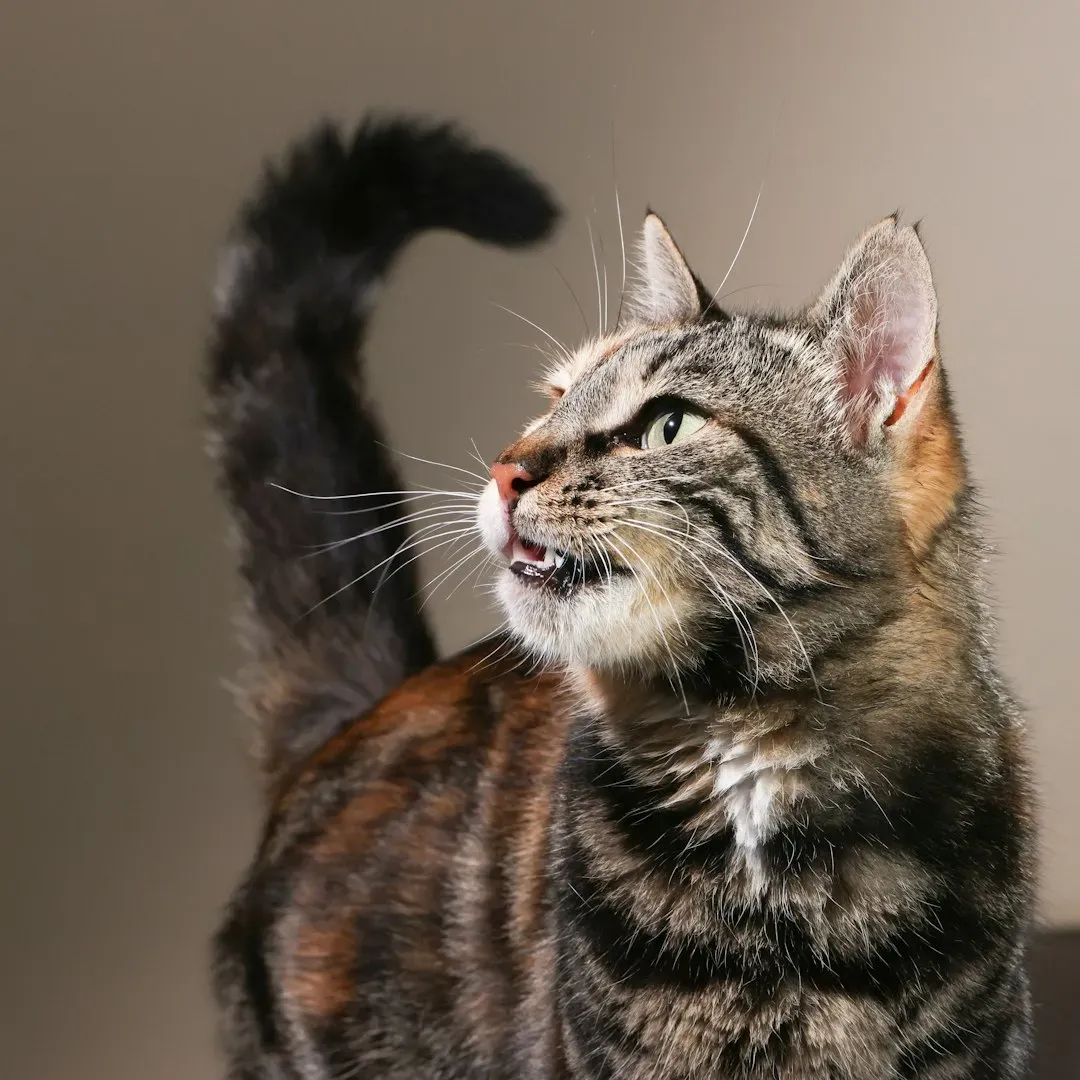
The tail rarely tells the whole story on its own. Individual cats may have their own unique tail behaviors, and the context in which these movements occur is crucial for accurate interpretation. For example, a cat with a puffed-up tail may simply be playing and not necessarily scared. Paying attention to the cat’s body language as a whole, including ear position, vocalizations, and overall posture, can provide a better understanding of their emotional state.
When reading feline body language, don’t just look at the tail position. Pay attention to things like ear position, back, and full body posture to get a better idea of your cat’s current behavior and mood. Eyes are also important. For example, a slow blink is a sign of love and trust, while constricted pupils signal nervousness. These signals, taken together, form a far clearer and more honest picture than any single cue on its own.
When the Twitch Signals Something Medical
Sometimes what looks like a behavioral tail twitch is actually a sign of something physical going on. Persistent, intense, or painful-looking tail twitching can signal a medical issue, so a vet visit is warranted. Some cats will experience flicking or “tail quivers” paired with skin rippling down the back. This is a sign of the disease hyperesthesia. If you notice both tail quivers and skin rippling in your cat, contact your veterinarian.
Feline hyperesthesia syndrome is a disease in cats that remains poorly understood and may have neurological, psychological, or dermatological causes. Most commonly, your cat will exhibit signs of pain or irritation when being petted, especially towards their hind end. Anxiety and stress can make the condition worse. There’s no cure for FHS, but with treatment, the signs can be well managed, and cats with the syndrome can live long happy lives.
Using What You Know to Build a Stronger Bond
Although you should look at more than just their tail movements to fully understand your cat’s emotional state, the tail may be the most expressive part of a cat’s body language. Better understanding your cat’s body language will surely improve your bond with your cat. The more fluent you become in these signals, the less guesswork there is between you and your cat.
Going from a position of ignorance about your cat’s feelings to one of understanding can have powerful benefits in your relationship with your cat. Cats are complicated, emotional creatures who rely on a combination of instinct and intelligence to navigate their day-to-day lives. Remember that all cats are wonderfully different and some really do seem to have much more expressive tails than others. You’ll know your cat better than anyone, so take their tail in context to the situation and their personality too.
Conclusion
That small tail flick you’ve been dismissing as a random reflex is anything but. It’s specific, intentional, and often remarkably consistent once you start paying attention. Your cat has been narrating their inner life for years. The tail twitch isn’t a mystery – it’s an invitation to actually listen. The good news is, once you start reading it, you can’t really un-see it. That slight annoyance suddenly becomes a whole conversation, and most of the time, your cat is just hoping you’ll finally get the message.
Kristina is a young writer from India. An arts graduate and an avid content creator, Kristina is passionate about animals and wildlife. She enjoys exploring topics related to pet care, animal behavior, conservation, and nature, combining thorough research with engaging storytelling.