Most cat owners know their feline companions love a warm spot. The sunny patch on the rug, the soft blanket draped over the couch, the corner near the radiator. These preferences feel obvious. What’s less obvious is how much of your home’s everyday setup quietly shapes your cat’s sense of safety, mental health, and overall wellbeing in ways that have nothing to do with temperature.
Cats are far more attuned to their environment than many people realize. A cat’s comfort level with its environment is directly linked to physical and emotional health, making environmental enrichment a necessary step for feline wellbeing. Your home, if set up thoughtfully, can do a lot of that work on your cat’s behalf, constantly and without you even noticing.
1. Your Home’s Familiar Scents Give Your Cat a Sense of Ownership
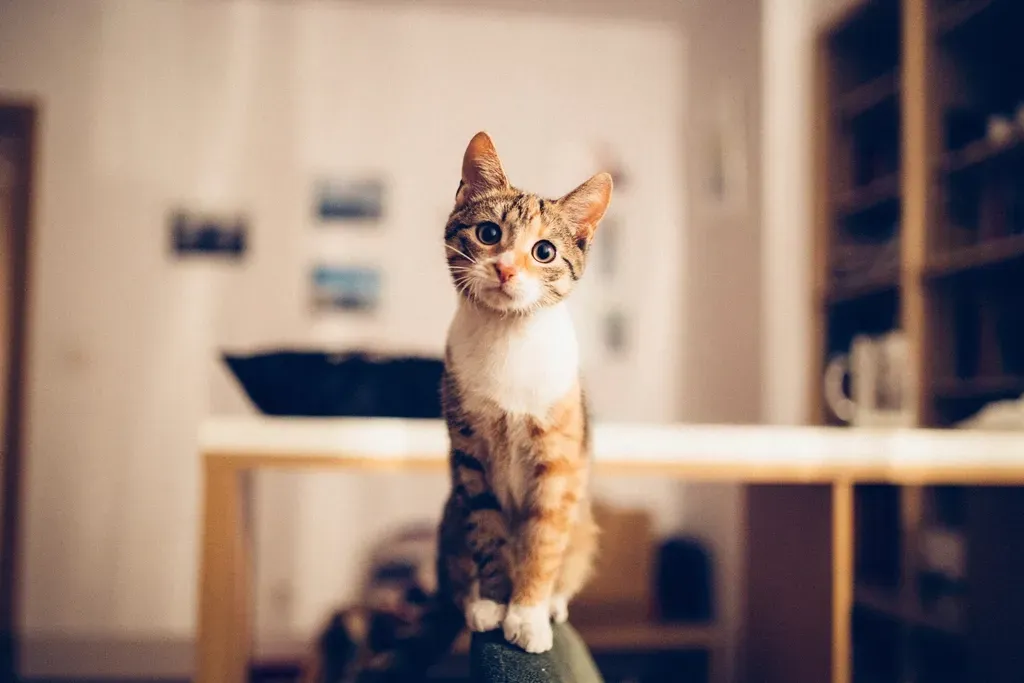
Your cat doesn’t just live in your home. They claim it, layer by layer, through scent. An environment surrounded with familiar scents is very comforting to a cat and is an important means of identification. Every time your cat rubs their cheek along a door frame or kneads the edge of your couch cushion, they’re not being random. They’re actively making the space feel like theirs.
Cats have scent glands along their cheeks, foreheads, lips, and bodies. When they rub against humans or objects, they use these glands to actively spread their scent and pheromones. Often, when a cat rubs against a human or piece of furniture, they are mingling scents, which helps them recognize familiar individuals and environments, establish social bonds, and feel comfortable within their home.
This helps create a familiar and comforting home for them, which is crucial for their sense of security. This is also why sudden changes, like rearranged furniture, new carpet, or even a strongly scented cleaning product, can make your cat act unsettled. Strange or strong new scents, from things like cleaning agents, freshly painted surfaces, or unfamiliar perfumes, can confuse cats, completely shifting their scent map.
2. Soft, Enclosed Hiding Spots Reduce Stress and Build Confidence
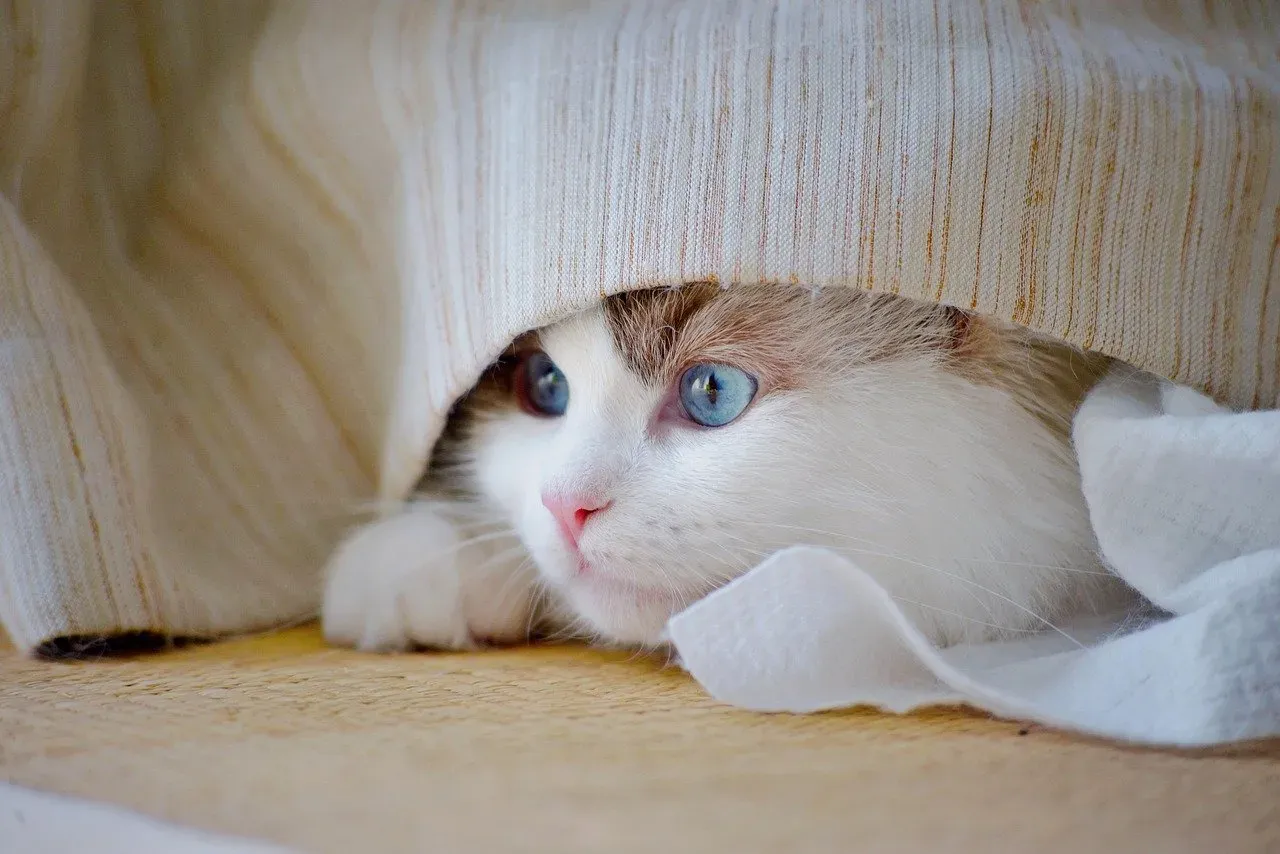
Every cat needs somewhere to disappear. Not because something is wrong, but because having the option is what makes them feel safe in the first place. Calming activities are just as much a part of cat enrichment as stimulating activities. Every animal needs a “comfort zone” where they can go to feel safe and relax.
Every cat needs hiding places. Hiding is a valuable component of enrichment because it serves as a stress-coping mechanism. When your cat retreats to a dark spot under the bed or tucks into a covered cat bed, they’re not sulking. They’re actively managing their own stress levels, which is a healthy behavioral choice.
Indoor cats need unrestricted access to resting areas where stressors such as loud noises, dogs, other cats in the household, outdoor cats approaching the windows, and pursuit by small children are minimized. The simple act of placing a cave-style bed or a covered crate in a quiet corner of your home could mean the difference between a chronically anxious cat and a genuinely settled one.
3. Vertical Space Satisfies a Deep Territorial Instinct
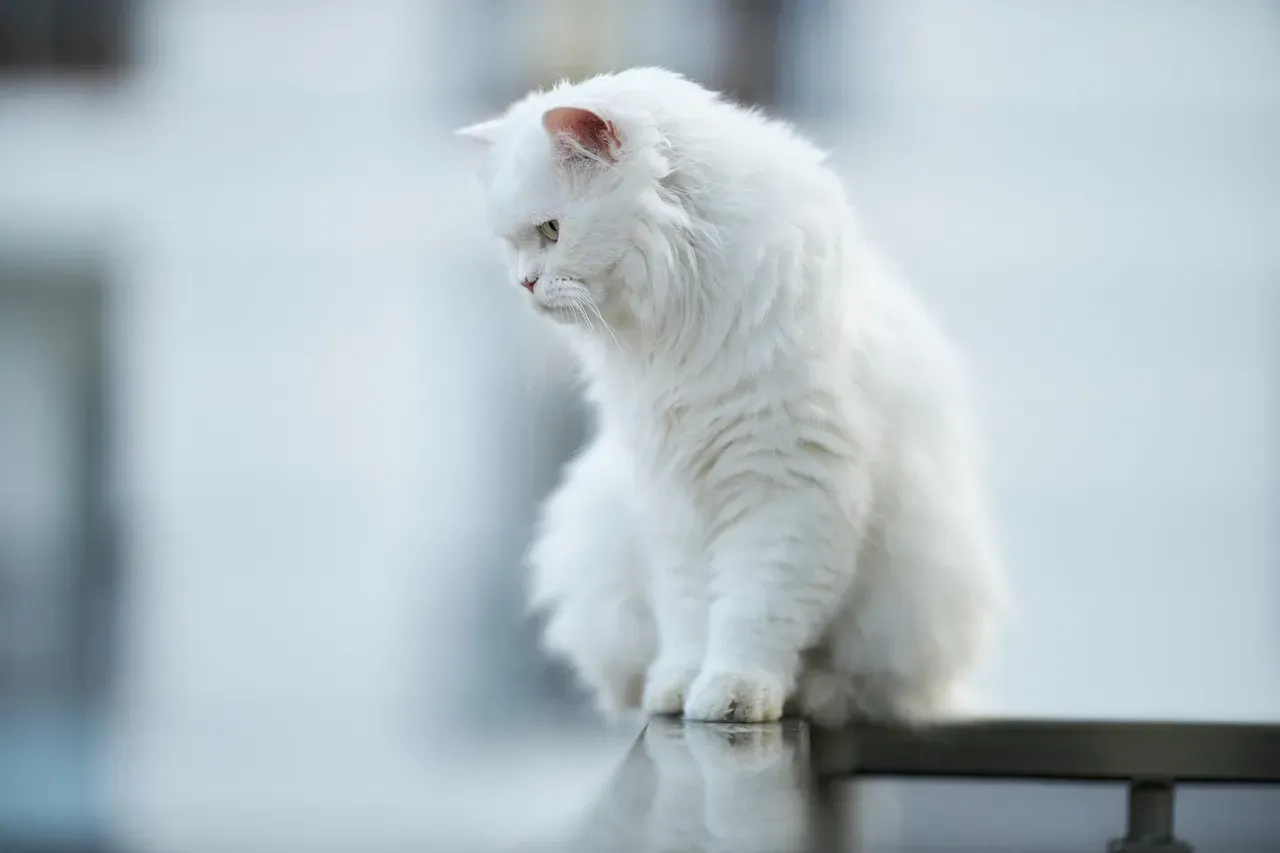
Your cat’s obsession with the top of the refrigerator isn’t quirky. It’s ancient. A critical aspect of a cat’s well-being is access to vertical space, such as shelves, scratching posts, or high perches where they can climb, rest, and observe their surroundings. Veterinary experts and feline behaviorists emphasize that vertical space is not a luxury, but a necessity for a cat’s physical and psychological health.
In the wild, climbing high allows cats to survey their territory, watch for predators, and scope out prey. Even domesticated cats carry this instinct, feeling secure and in control when perched up high. Vertical spaces provide a sense of security, with climbing to a high perch allowing them to feel more in control and less vulnerable to sudden changes in their surroundings.
A high perch that makes your cat feel safe helps them enter a deep REM sleep cycle. Beyond the physical benefits of a clear view of their surroundings, giving your cat access to elevated spaces is important for their mental health. Installing wall shelves or a cat tree in the rooms where you spend the most time is one of the more meaningful environmental upgrades you can make.
4. Window Views Provide Mental Stimulation Without Leaving the House
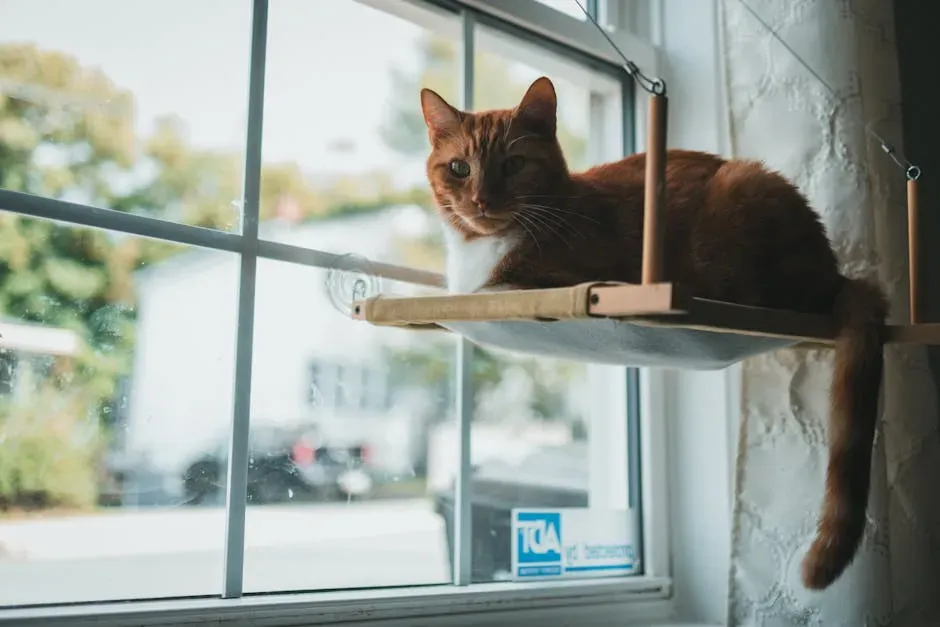
A well-placed window seat is arguably one of the cheapest and most effective forms of enrichment you can offer an indoor cat. To let your cat experience a bit of the outdoors while indoors, place perches or resting areas by the windows in your home. Something as easy as clearing off the back of a couch near a window can expand your cat’s horizons. A birdbath or bird feeder placed within sight of the window can increase your cat’s enjoyment.
A window perch acts as “Cat TV,” offering a constant stream of external stimulation from birds, pedestrians, and rustling leaves. This is ideal for a confident, curious cat who thrives on mental engagement. Watching the outside world keeps your cat’s predatory instincts engaged in a completely safe way, and many cats will spend hours perched and focused without any input from you at all.
5. Dedicated Play Spaces Support Hunting Instincts and Emotional Balance
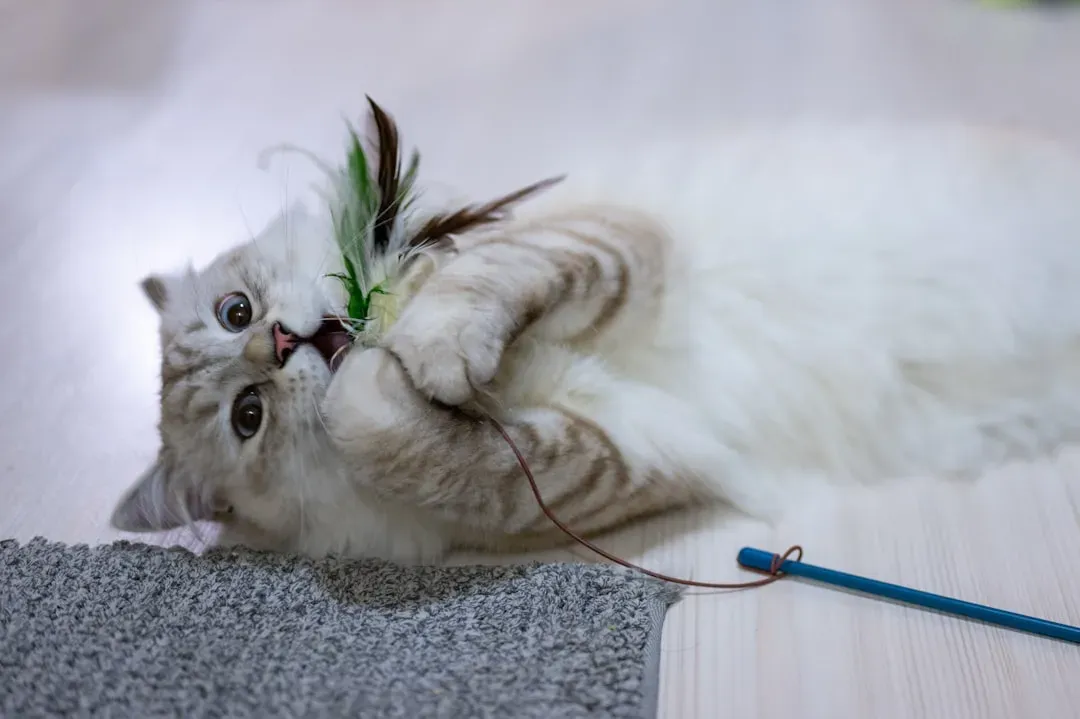
Cats don’t hunt because they’re hungry. The drive to stalk, pounce, and capture is hardwired, and when it has no outlet, it tends to cause problems. Since cats are sensory-driven, if a cat has no energy release, they may come up with one that isn’t beneficial. A common anxiety-relieving behavior is over-grooming. The cat may self-groom so much that bald spots appear. By providing outlets for energy release, the cat has something to do and won’t need to engage in destructive behaviors.
When engaging in playtime, the brain chemical dopamine is released. Dopamine is related to eager anticipation. Opportunities to experience eager anticipation and exploration are important, and playtime, just as when hunting, provides emotional benefits to the cat. A home that provides consistent, varied play options, whether that’s a rotating selection of toys, a puzzle feeder, or a simple wand you pull out each evening, directly supports your cat’s mental health.
6. Scratching Surfaces Let Your Cat Communicate and Feel Secure
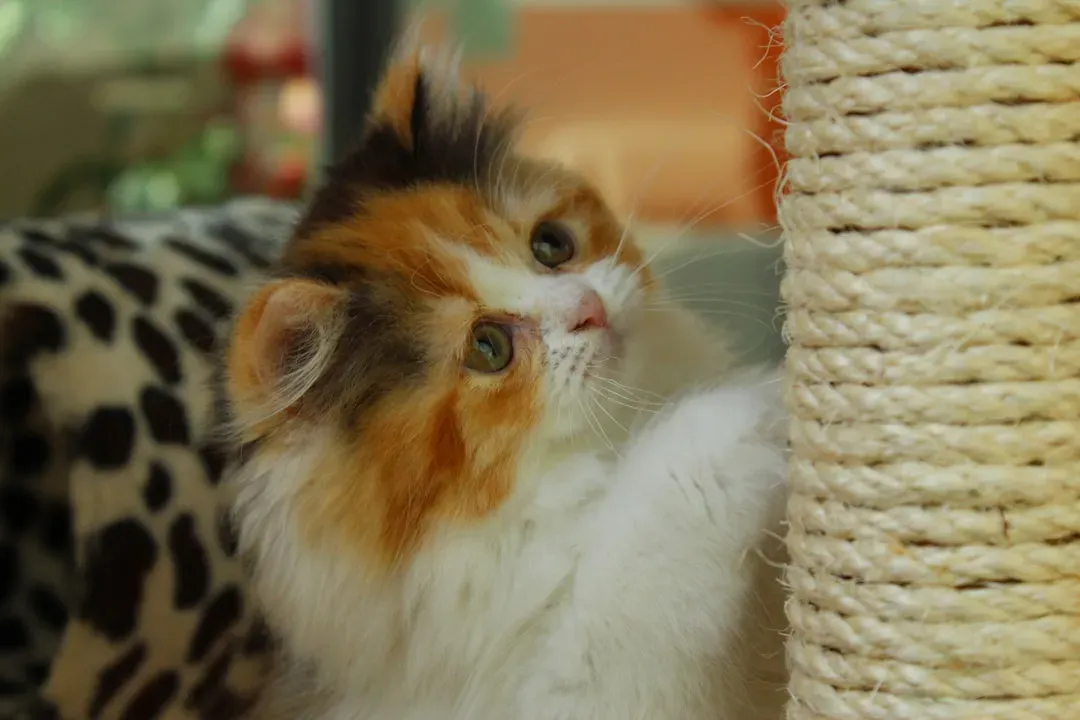
Scratching isn’t just about keeping claws tidy. It’s communication. Scratching posts are important for cats because when cats scratch surfaces with their paws, they deposit pheromones, chemicals that help make them feel secure in their home. Every scratch mark your cat leaves on a post is, in a real sense, a personalized sign that says: this place is mine, and I feel settled here.
Providing plenty of opportunities for your cat to scratch and stretch by offering scratching posts, pads, or cat furniture is important because scratching is a natural behavior that helps cats relieve stress and keep their claws healthy. When you give your cat appropriate scratching surfaces positioned in places they already frequent, you’re not just saving the furniture. You’re actively supporting a ritual that keeps your cat calm and grounded.
7. Predictable Routines and a Stable Layout Create a Foundation of Safety
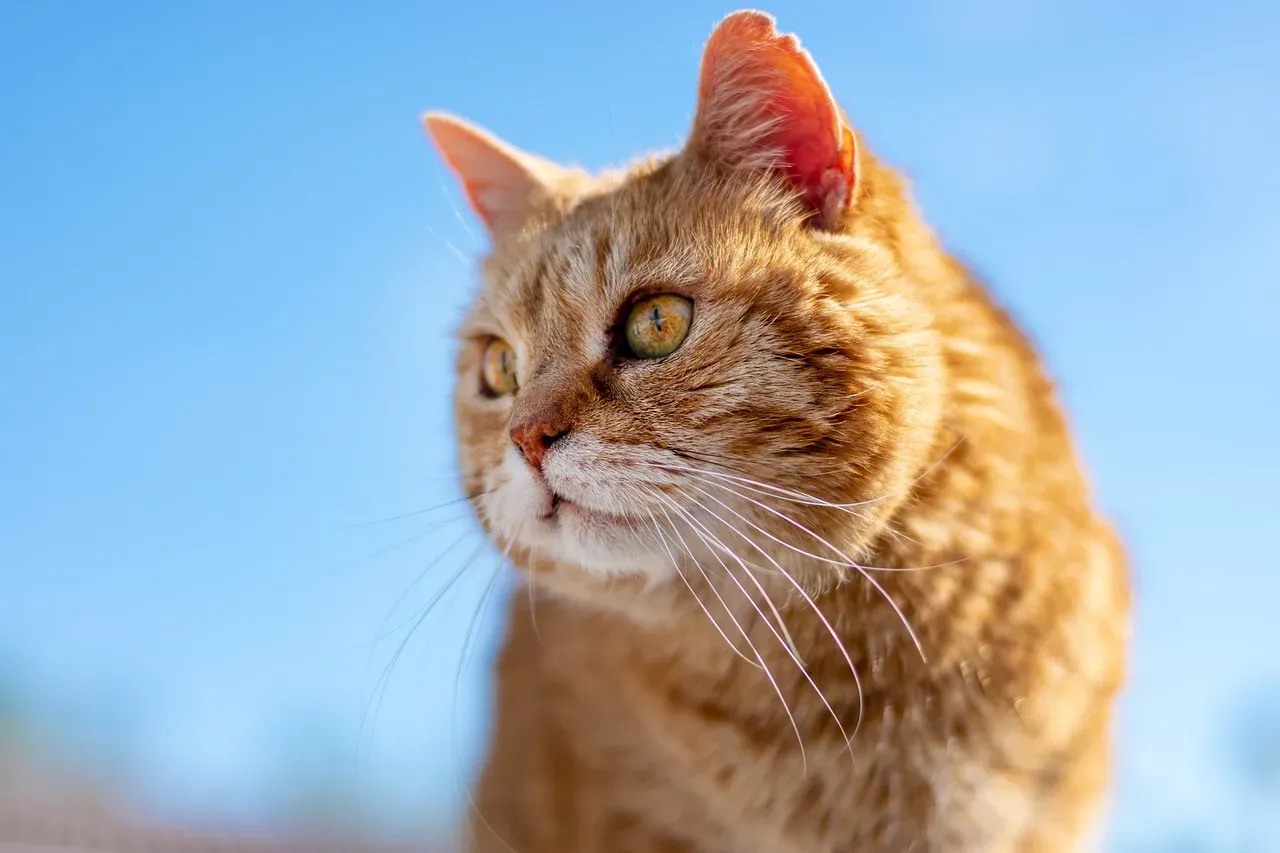
Cats are creatures of deep routine. Your home’s daily rhythms, feeding times, quiet hours, familiar sounds, and consistent furniture placement all contribute to a sense of order that cats genuinely rely on. A physical environment that ensures a reasonable level of certainty, consistency, and predictability provides the foundation of enrichment. Creation of a living space that keeps the cat free from fear and distress and that provides a predictable daily routine over which the cat perceives it has some control is the starting point for enhancing feline welfare.
Enrichment involves the introduction of one or more factors to an environment that improves the physical and psychological welfare of an animal. These factors frequently refer to physical, social, and husbandry interventions that improve the behavioral environment of animals that live with us, allowing them to practice species-typical behaviors. Mental enrichment is particularly important as it allows animals to utilize a variety of senses to solve problems, reducing boredom, stress, and anxiety.
You don’t need to overhaul your home to make a meaningful difference. Small, consistent choices, like keeping the litter box in the same quiet location, feeding at the same times each day, and avoiding dramatic rearrangements, compound over time into a home your cat experiences as genuinely safe.
Conclusion: Comfort Is More Than a Warm Spot on the Couch
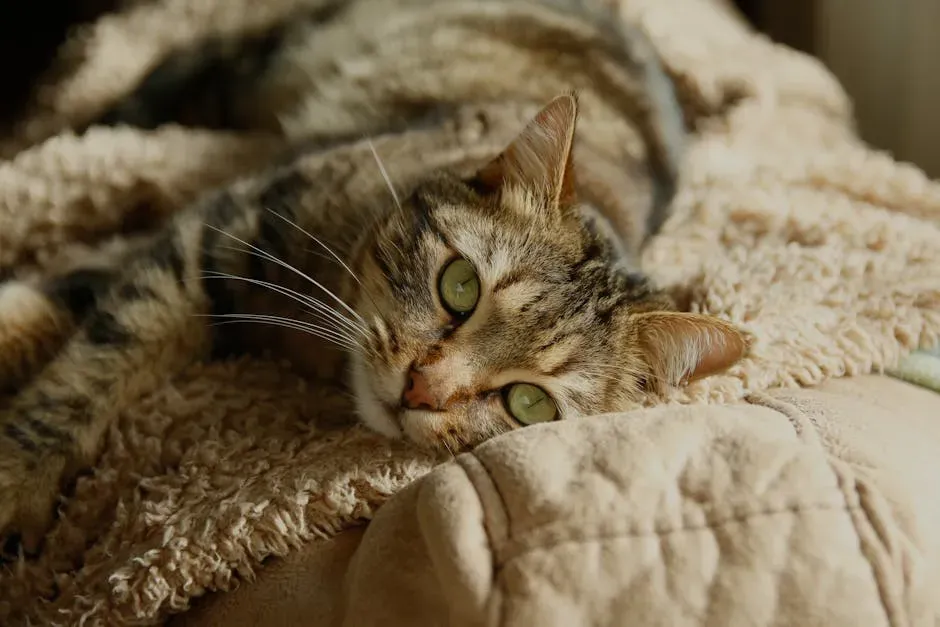
Your home is your cat’s entire world. Unlike a dog that gets walked through a neighborhood or taken to parks, your indoor cat experiences life almost entirely through the spaces you’ve created. Your cat depends on you to make their home a comfortable place where they can flourish. A little effort to maintain an ideal environment means a lot to your cat’s well-being, as they rely on you to create a cozy, safe space where they can relax and enjoy life.
The good news is that most of what your cat needs isn’t expensive or complicated. A scratching post near their favorite resting spot. A perch by a window. A consistent daily rhythm. A quiet corner they can retreat to. These aren’t luxuries. They’re the building blocks of a genuinely content animal. Social activities with humans can be the single most effective way to enrich your indoor cat’s environment.
When you pay attention to how your home is structured and how your cat moves through it, you start to see what they actually need. Warmth matters, but it’s just the beginning. The real comfort your cat feels at home runs much deeper than that.
Kristina is a young writer from India. An arts graduate and an avid content creator, Kristina is passionate about animals and wildlife. She enjoys exploring topics related to pet care, animal behavior, conservation, and nature, combining thorough research with engaging storytelling.