Most cat owners suspect, at some point, that their cat is trying to say something specific. You’re sitting quietly on the sofa and your cat walks in, holds eye contact for a moment, then slowly closes its eyes before turning away. Or it presses its forehead firmly against your chin at the strangest time. These moments feel deliberate, almost intimate, but deciphering what’s actually happening is something most people never quite manage.
What’s fascinating is that a real, layered communication system exists between you and your cat, and a growing body of research confirms it’s far more sophisticated than most people realize. Your cat isn’t just reacting to you randomly. It has developed a set of signals it uses specifically with you, shaped by your shared history, your home, and the bond you’ve built over time. Learning to read that language changes everything about how you see your cat.
The Meow Was Made for You, Not Other Cats
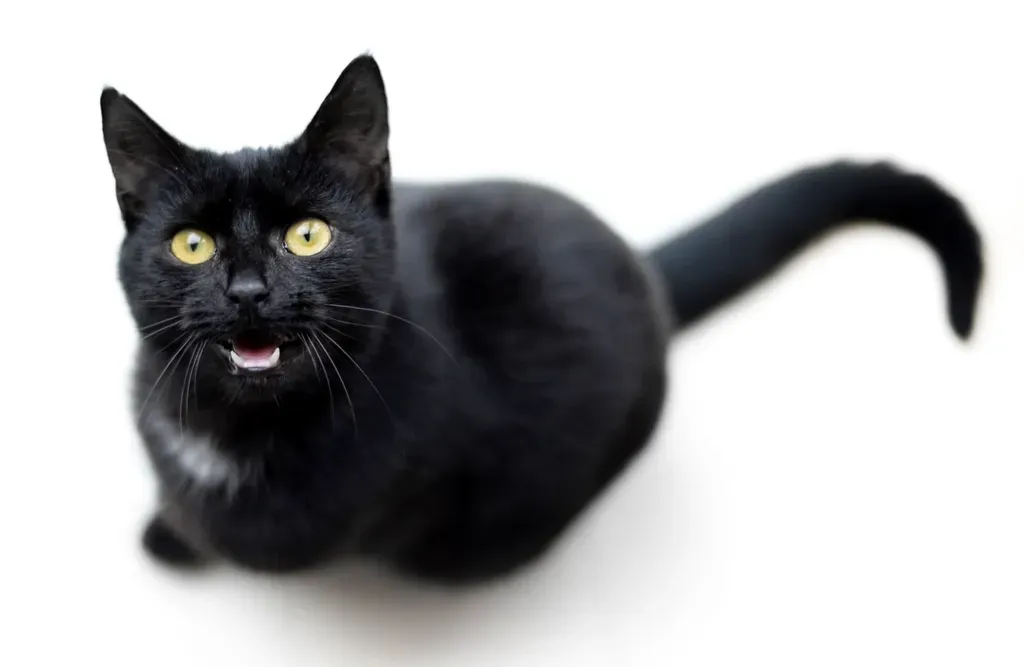
Domestication fundamentally changed how cats use their voices. The meow appears to have evolved specifically as a tool for getting human attention. That might sound surprising, but it makes complete sense once you consider the evidence. In feral cat colonies, where cats live independently of people, the meow is a rare vocalization. It shows up occasionally during territorial marking or mate attraction, but it’s not part of everyday cat-to-cat conversation.
Research comparing how cats vocalize with humans versus other cats found that cats intentionally raise the pitch of their vocalizations when communicating with people. Cats directed an average fundamental frequency of 615 Hz toward humans but only 447 Hz toward other cats. In other words, the classic high-pitched meow you hear at home is a sound your cat has tailored for you, not something it would use on another cat. Your cat is, in a very real sense, speaking a dialect designed to get through to you specifically. They learn which of their meows get you to do things, whether it’s opening a door, offering food, or providing a cuddle, and they refine their own vocalizations accordingly. Some cats even develop unique meow dialects for different family members, a testament to their sophisticated social intelligence.
The Slow Blink Is a Genuine Cat Kiss
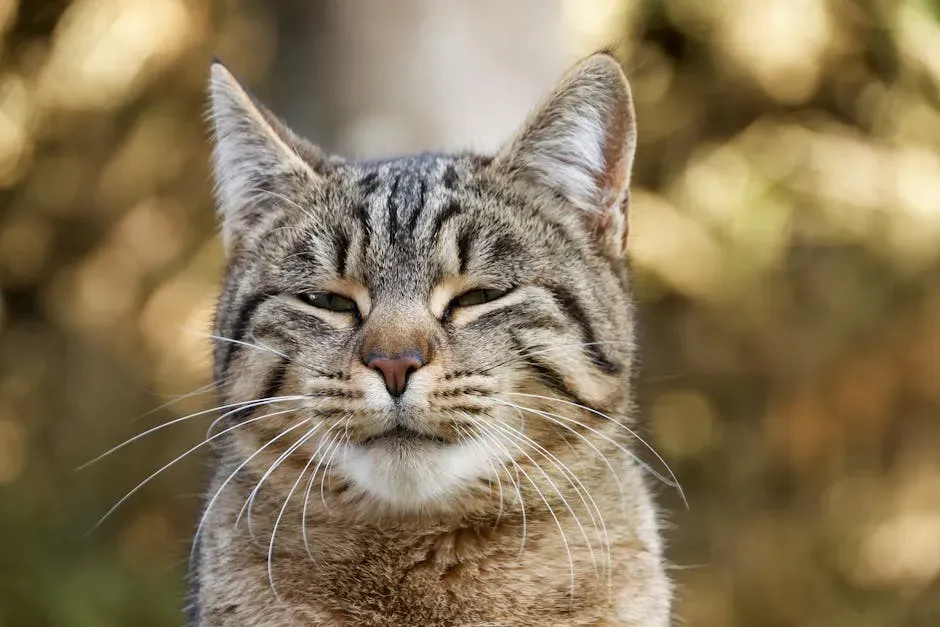
Slow blinking is a subtle feature that has been observed in cats for some time and is thought to be used by cats to indicate a sense of calm and a positive emotional state. Slow blinking involves the partial or complete closure of the eyelids, performed slowly and lasting for longer than half a second. When your cat does this while looking at you, it isn’t being sleepy or indifferent. It’s offering something that researchers now understand as a meaningful signal of trust.
A study published in Scientific Reports examines the communicatory significance of a widely reported cat behavior involving eye narrowing, referred to as the slow blink sequence. Slow blink sequences typically involve a series of half-blinks followed by either a prolonged eye narrow or an eye closure. The first experiment revealed that cat half-blinks and eye narrowing occurred more frequently in response to owners’ slow blink stimuli toward their cats. You can actually start this exchange yourself. Rather than smiling the human way by baring your teeth, try the cat way: by narrowing your eyes and blinking slowly. Scientists were able to confirm that this expression makes cats, both familiar and strange, approach and be receptive to humans.
The Tail-Up Walk Toward You Has Real Meaning
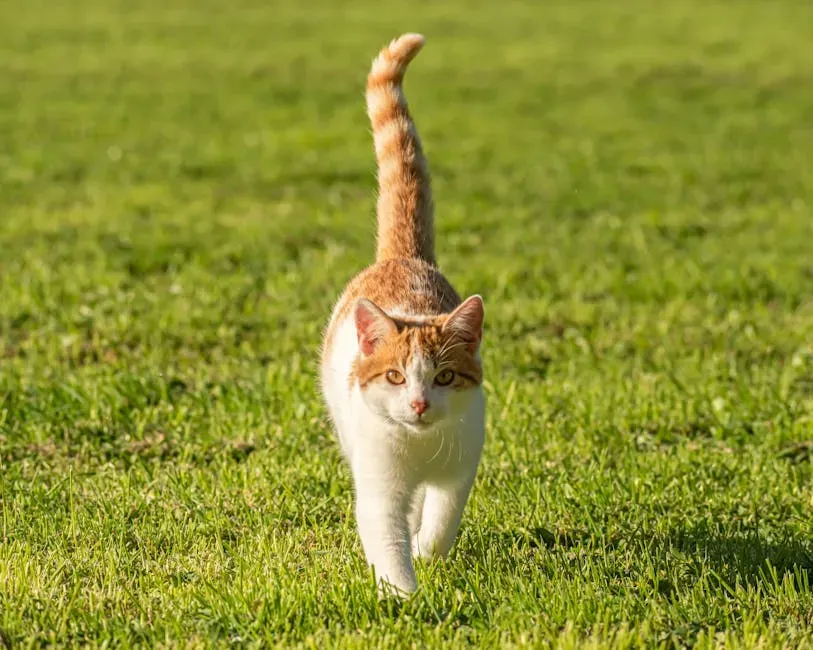
Generally, the “tail up” position, where the tail is held vertically in the air at a right angle to the ground, signals friendly intent when a cat approaches another cat, animal, or person. This can be aimed at other cats or people and is usually carried out as a friendly greeting, showing that the cat is relaxed and comfortable or is in a playful mood. What’s worth noting is that this particular signal carries a special meaning when directed at you specifically.
Although the tail did not seem to play a significant role in visual configurations in cat-to-cat interactions, the “tail-up” display was important when a cat approached a human being. In the vast majority of cases the cat rubbed itself on a human’s leg or legs. We may conclude that the presence of a human has a specific meaning in the cat’s world, probably as the result of a long period of commensalism. When viewed this way, the manner in which they approach humans is similar to the way kittens approach and greet their mothers, prior to suckling. That tail held high as your cat walks toward you isn’t just a mood. It’s a greeting that says, in feline terms, you matter to me.
Bunting and Head Rubbing Are About Ownership and Love
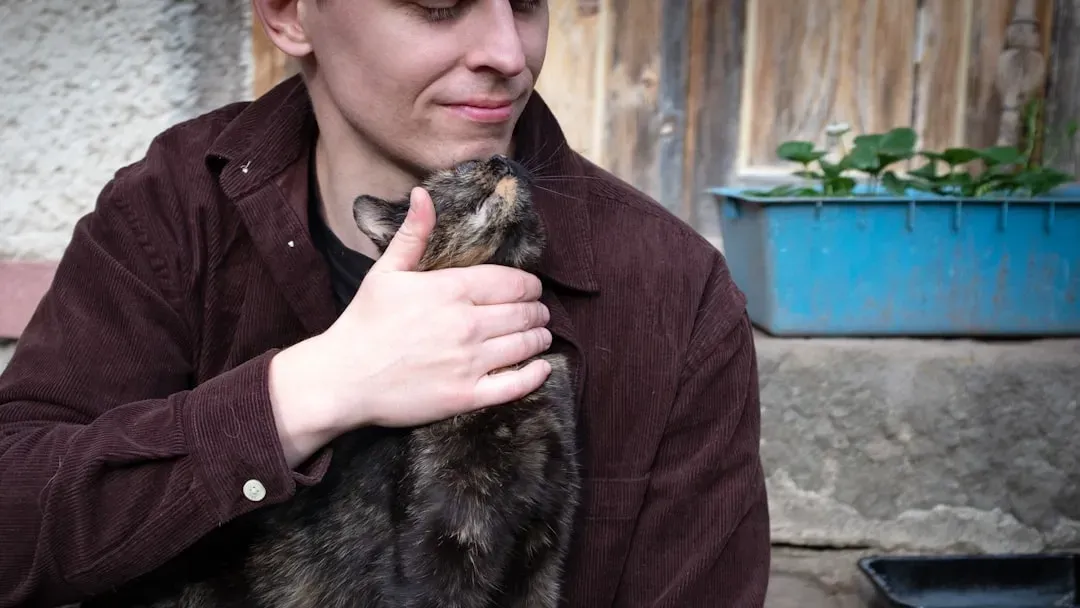
When your cat rubs their face or body against you, they’re not just being affectionate. They’re marking you with their scent, claiming you as part of their social group. This behavior, called bunting, is a sign of trust and ownership. Similarly, head-butting is an intimate gesture, often reserved for those the cat feels closest to. There’s a genuine biochemical dimension to this as well.
Cats have scent glands located on their cheeks, forehead, and chin. When they bunt, they release pheromones that mark their territory. This behavior communicates ownership and familiarity, signaling to other animals that the area or person has been claimed. Bunting is a sign of trust and affection. When cats bunt their owners, they are reinforcing their bond and expressing a sense of belonging. So when your cat presses its head against yours, it’s making you part of its safe world in a very concrete, chemical way.
Kneading on Your Lap Is One of the Deepest Compliments a Cat Can Give
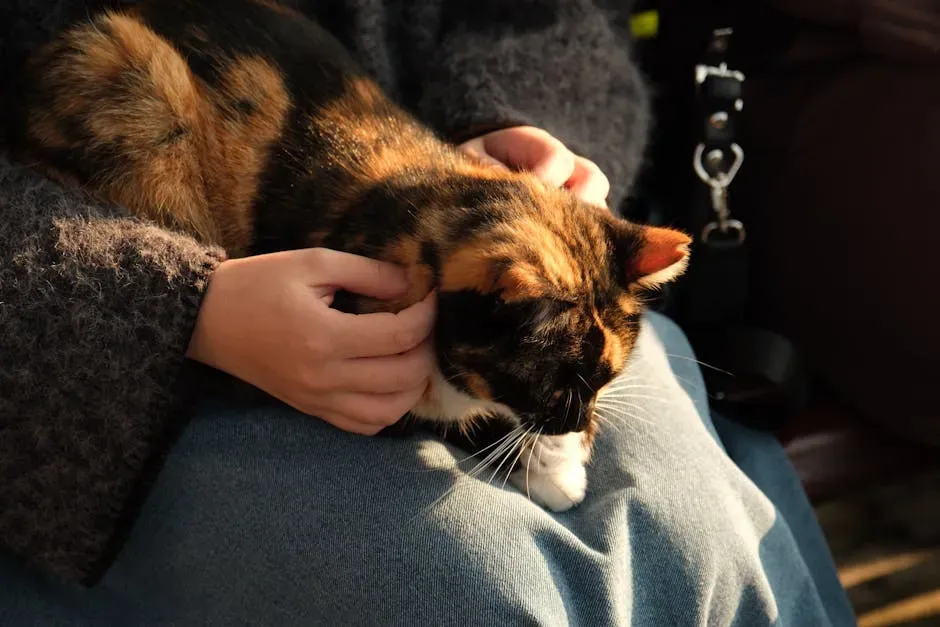
Kneading, often referred to as “making biscuits,” is the rhythmic motion cats make by pushing their paws into a soft surface, alternating between left and right paws. This behavior is commonly observed when a cat is relaxed, such as on a cozy blanket or their owner’s lap. The origins of this behavior run deep. Kneading originates from kittenhood, when kittens press their paws against their mother’s belly to stimulate milk flow. This comforting behavior often persists into adulthood, associated with feelings of security and contentment.
When a cat kneads their owner, it can be a sign of trust and affection. This behavior demonstrates that the cat feels safe and comfortable in the presence of their human companion. There’s also a territorial layer happening simultaneously. Cats have scent glands in their paw pads. When they knead, they’re depositing their scent, effectively marking that surface, or you, as their territory. Your cat is simultaneously saying “I feel completely safe” and “you belong to me.” Not a bad combination.
Purring Is More Complex Than You Think
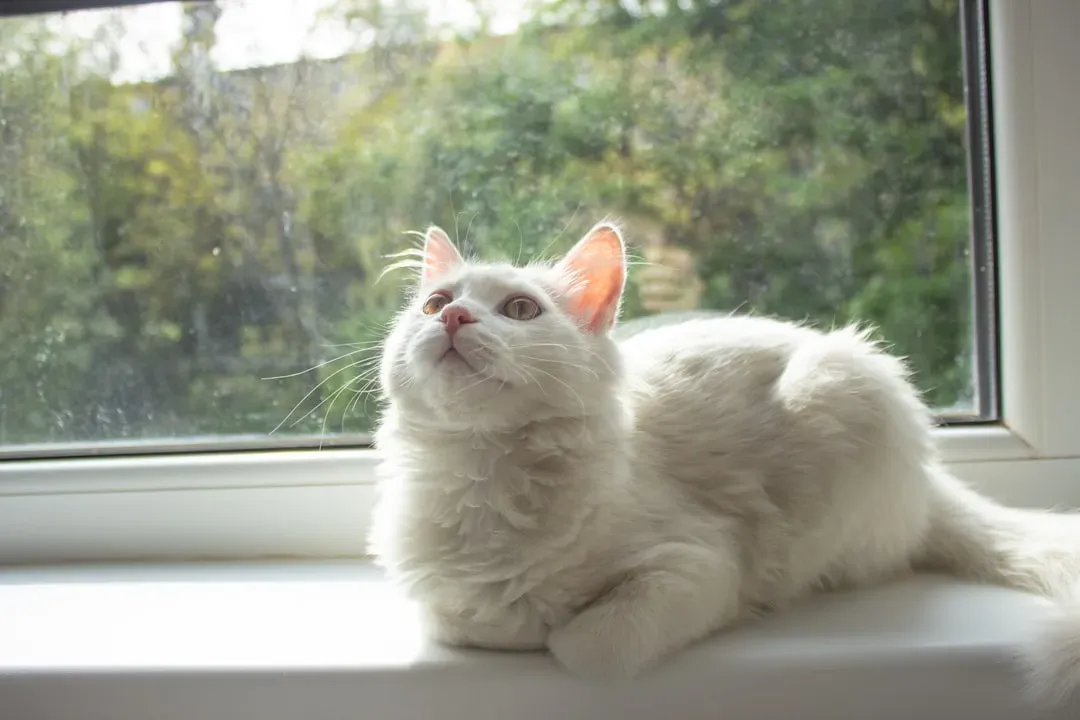
Purring can serve several purposes, including communication, self-soothing, and even healing. Cats will often purr when they are feeling content, relaxed, or comfortable, but they may also purr when they are stressed, anxious, or in pain. That second part surprises people. The sound we associate with feline bliss is also a mechanism cats use to regulate their own emotional and physical state. So context matters.
Most cats purr at a frequency between 25 and 150 Hertz, which is interestingly the same frequency range known to promote healing and reduce pain in humans and animals. Some studies suggest that the low-frequency vibrations of a purr can aid in healing bones, reduce swelling, and even help with breathing. Cats are remarkable healers, and their purring may actually help them recover more efficiently from injury or illness. When your cat purrs on your lap, you might both be getting something out of it that goes far beyond comfort.
Ear and Whisker Positions Reveal What Your Cat Is Feeling Right Now
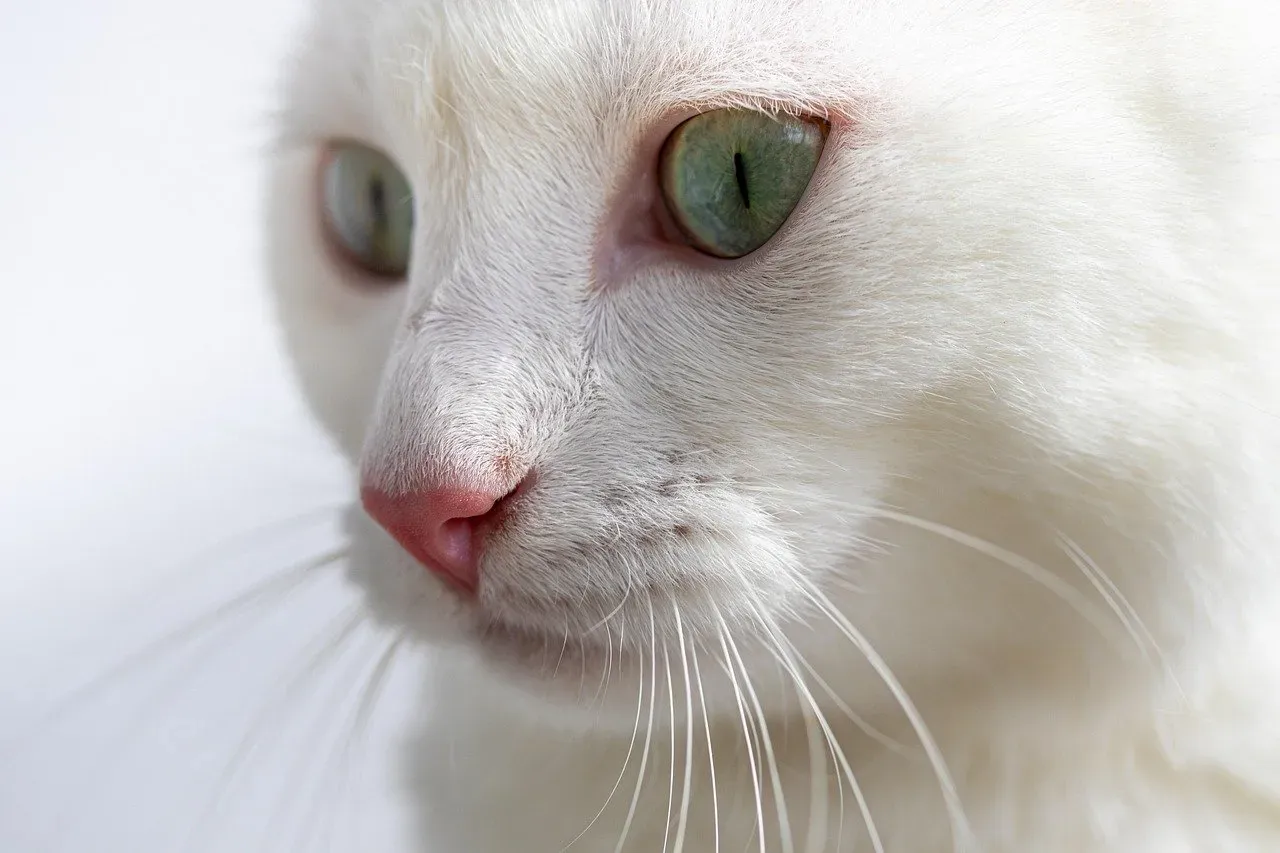
Ears serve as radar dishes that swivel to capture sound while revealing what’s happening inside your cat’s mind. Forward-facing ears indicate curiosity and interest, showing your cat is focused on something intriguing in their environment. When ears flatten against the head, your cat feels scared, irritated, or ready to defend themselves from perceived danger. Sideways ears, often called airplane ears, suggest caution or overstimulation during intense play sessions.
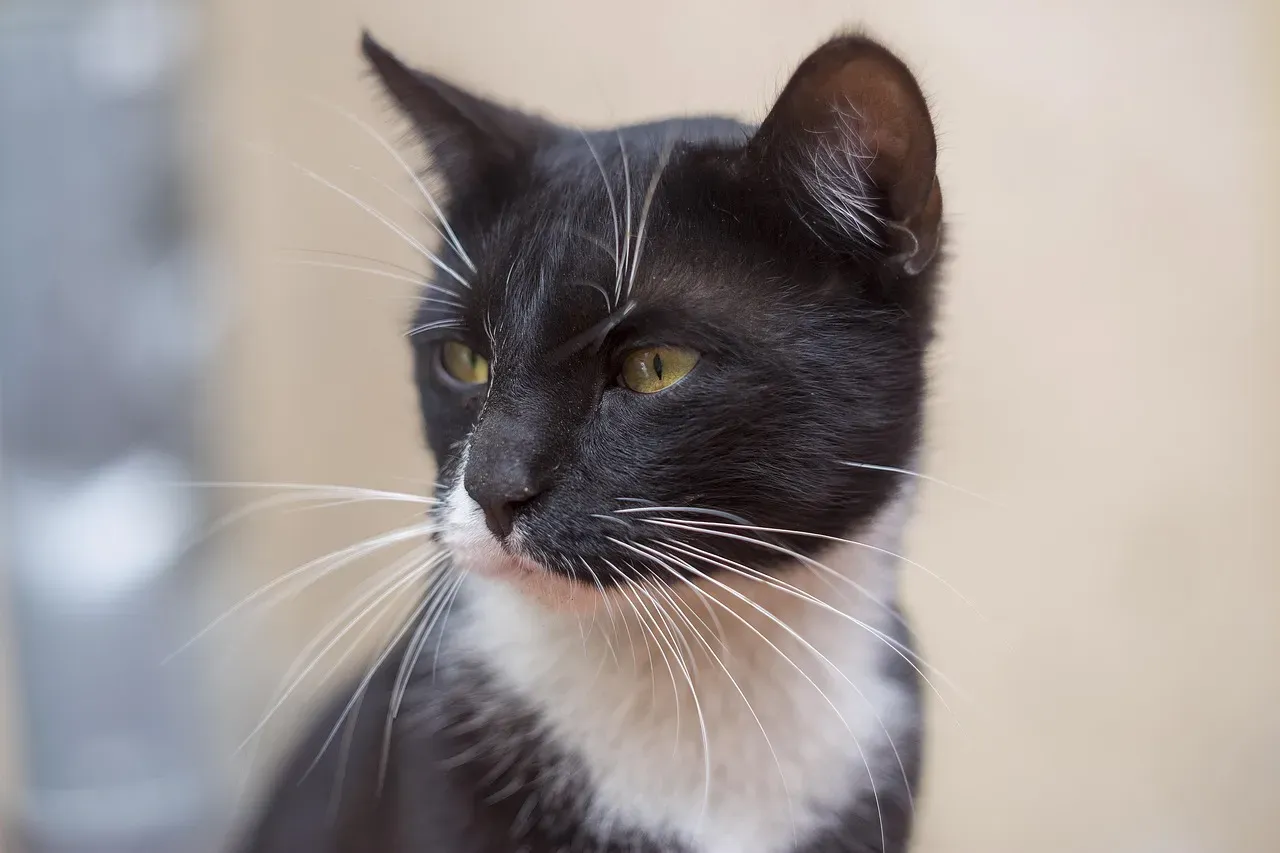
Forward-facing whiskers indicate curiosity or hunting mode. Relaxed whiskers fanning naturally to the sides suggest calm contentment. Whiskers pinned back against the face signal fear, aggression, or irritation. Together with the ears and tail, whiskers give you a full picture of your cat’s emotional state at any moment. Reading ears and whiskers together, rather than in isolation, gives you the clearest possible picture of what your cat is experiencing and whether your approach is welcome.
Your Cat Has Developed a Personalized Trill Just for You
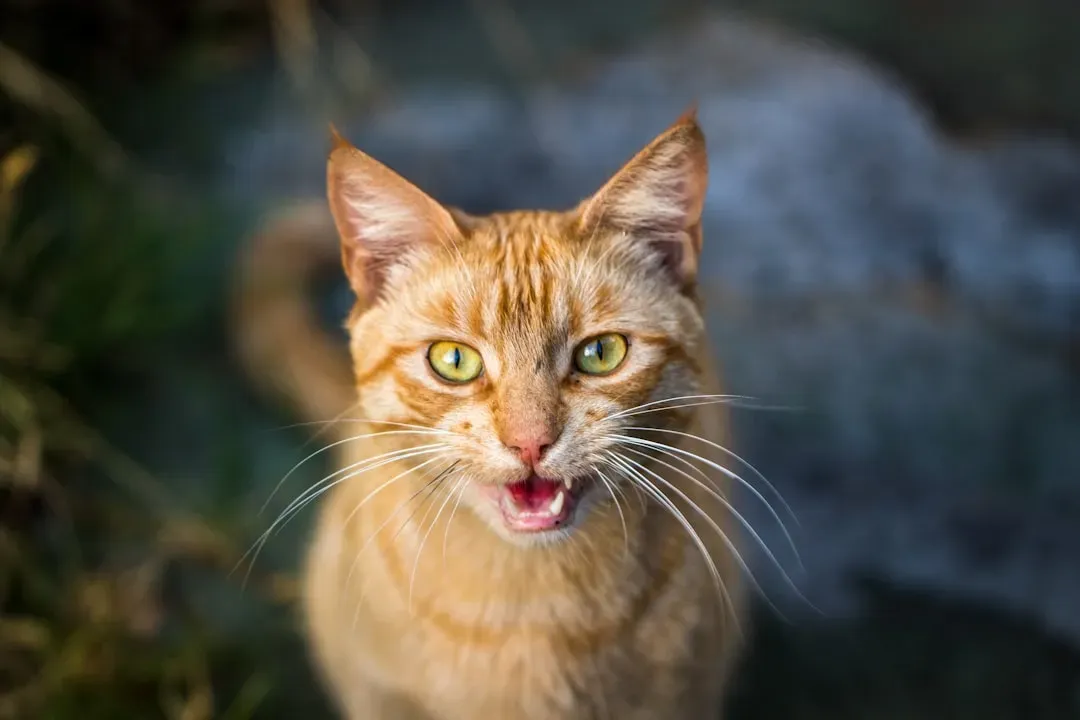
Trilling sounds a bit like purring but has a much higher pitch. Mother cats trill to communicate with their kittens. When a cat trills, it’s probably feeling friendly and familial. Cats often trill to their owners to greet them. This sound is distinct from a meow and carries a warmer, more intimate tone. If your cat does it when you walk into the room, pay attention because that’s a meaningful greeting.
Think of a trill as an enthusiastic greeting, your cat’s version of “Hey, come see this.” If your cat trills when you walk into a room, that’s a genuinely happy hello. Trills are rolling, musical sounds that rise in pitch and function as friendly greetings. Cats trill at each other to express affection, signal a desire for interaction, or strengthen social bonds within a group. When your cat reserves this sound for your arrivals specifically, it’s personalized communication. That little musical chirp belongs to your relationship alone.
Your Cat Reads Your Emotions and Adjusts Its Communication Accordingly
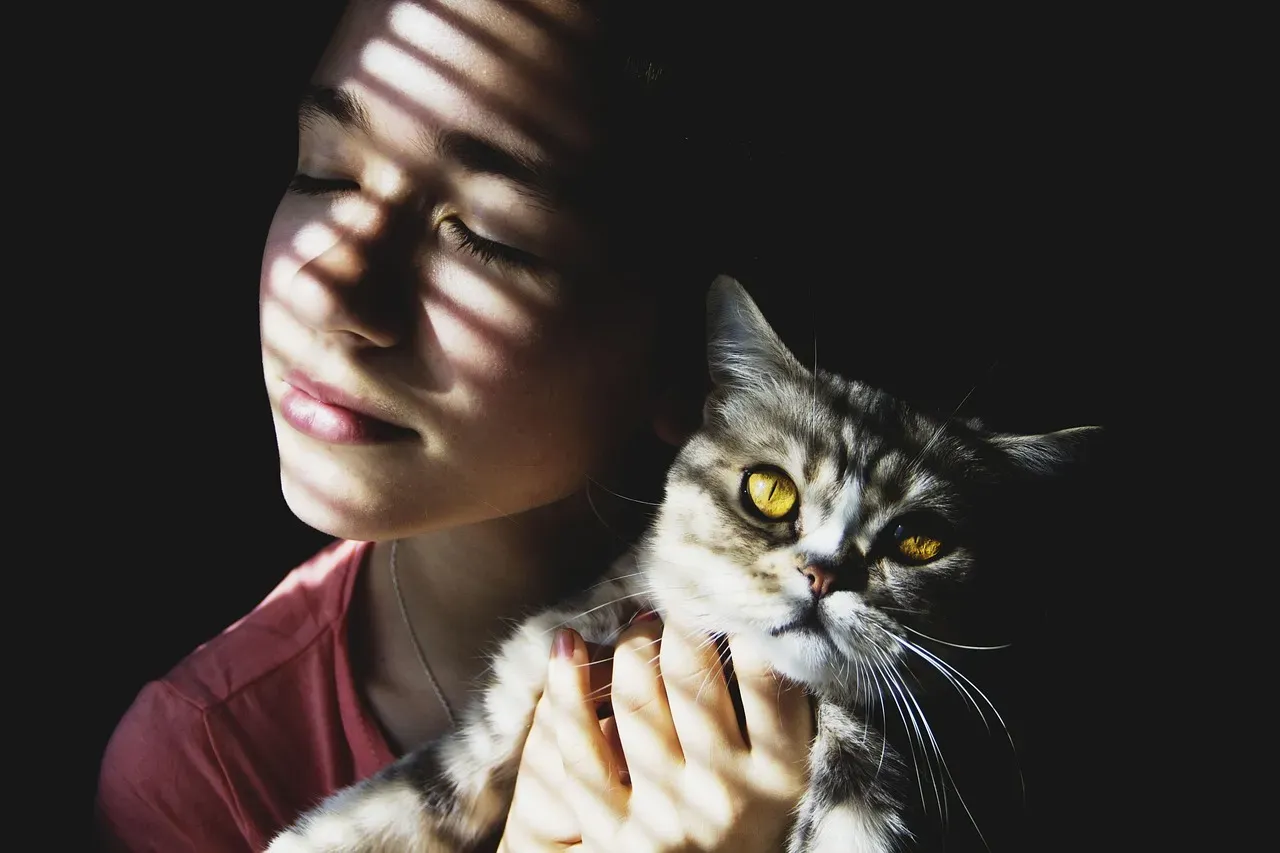
Cats echo the personality traits of the humans they live with, which may be related to why cats seem to pick up when their humans are sad. This isn’t folklore. The relationship between cat and owner is genuinely bidirectional in terms of emotional attunement. Research in recent years has shown that feline friends are a lot more in tune with their human housemates than previously supposed. Cats respond in kind to humans who are receptive to them, so if you find cats standoffish, that might be a problem with you, not the kitty.
Understanding the nuanced language of cats requires patience, observation, and a bit of intuition. By paying close attention to vocalizations, tail movements, facial expressions, and physical interactions, you’ll begin to understand the unique ways your cat communicates its feelings and needs. The most important principle is consistency. Use the same vocal cues for the same events. Respect the same physical boundaries every time. Return slow blinks when your cat offers them. Cats are creatures of pattern, and they learn to communicate more clearly with humans who respond predictably.
Conclusion
Your cat’s communication isn’t random, and it isn’t mysterious in the way people often assume. It’s specific, layered, and largely directed at you. The slow blinks, the tail-up greeting, the trills at the door, the kneading on your lap – all of it forms a coherent language that your cat has shaped around your presence, your routines, and your responses over time.
What’s worth taking away from all of this is that the conversation is already happening. Your cat is already talking to you, every single day. The more you learn to listen, the more you’ll realize just how much it has been saying all along.
Kristina is a young writer from India. An arts graduate and an avid content creator, Kristina is passionate about animals and wildlife. She enjoys exploring topics related to pet care, animal behavior, conservation, and nature, combining thorough research with engaging storytelling.