Not every cat is wired to thrive in a lively, chaotic household. Some breeds are genuinely happiest when the television volume is low, the footsteps in the hallway are few, and the evening settles into something soft and unhurried. These cats aren’t standoffish or cold. They’re simply attuned to a different pace.
If you’ve ever noticed a cat retreating to a quiet room the moment a party starts, you’ve witnessed exactly this kind of temperament. Cats are far more attuned to human energy than many people realize. While some felines thrive in lively, bustling households, others gravitate toward calm people whose steady presence makes them feel safe. These cats aren’t aloof or distant – they’re simply sensitive, preferring gentle movements, soft voices, and predictable routines over constant stimulation. Knowing which breeds carry this preference can help you find a companion that genuinely fits the rhythm of your life.
The Persian: Royalty of the Quiet Room
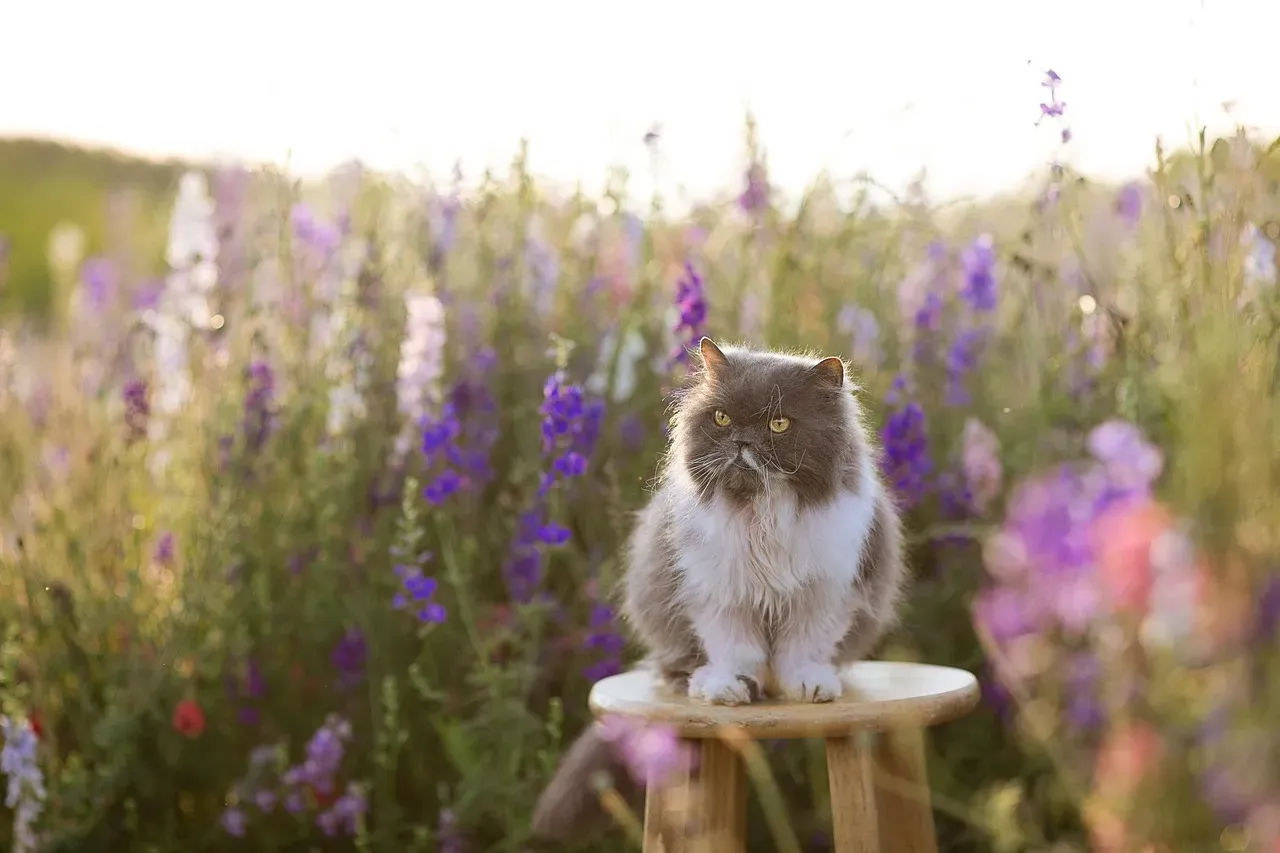
Persian cats are naturally quiet, preferring peaceful surroundings over noisy or busy houses. Their serene temperament makes them especially suited for calm homes and relaxed lifestyles. They communicate softly, using gentle purrs and quiet chirps rather than loud vocalizations. This subtle way of expressing themselves adds to their soothing presence. You won’t find a Persian pacing restlessly or looking for trouble at midnight.
Persian cats are famously relaxed felines and genuinely prefer a nice nap and a cuddle to running and climbing. This low-activity breed won’t need a lot of playtime and isn’t likely to scratch your furniture or knock things off tables to release pent-up energy. Although Persians are happy to spend their time relaxing on the sofa, they do require quite a lot of care. Their long fur means you need to prioritize daily grooming to keep their coats healthy and mat-free. That trade-off feels more than fair for anyone who treasures a gentle, companionable evening.
The Ragdoll: The Calm Giant Who Goes Limp With Love
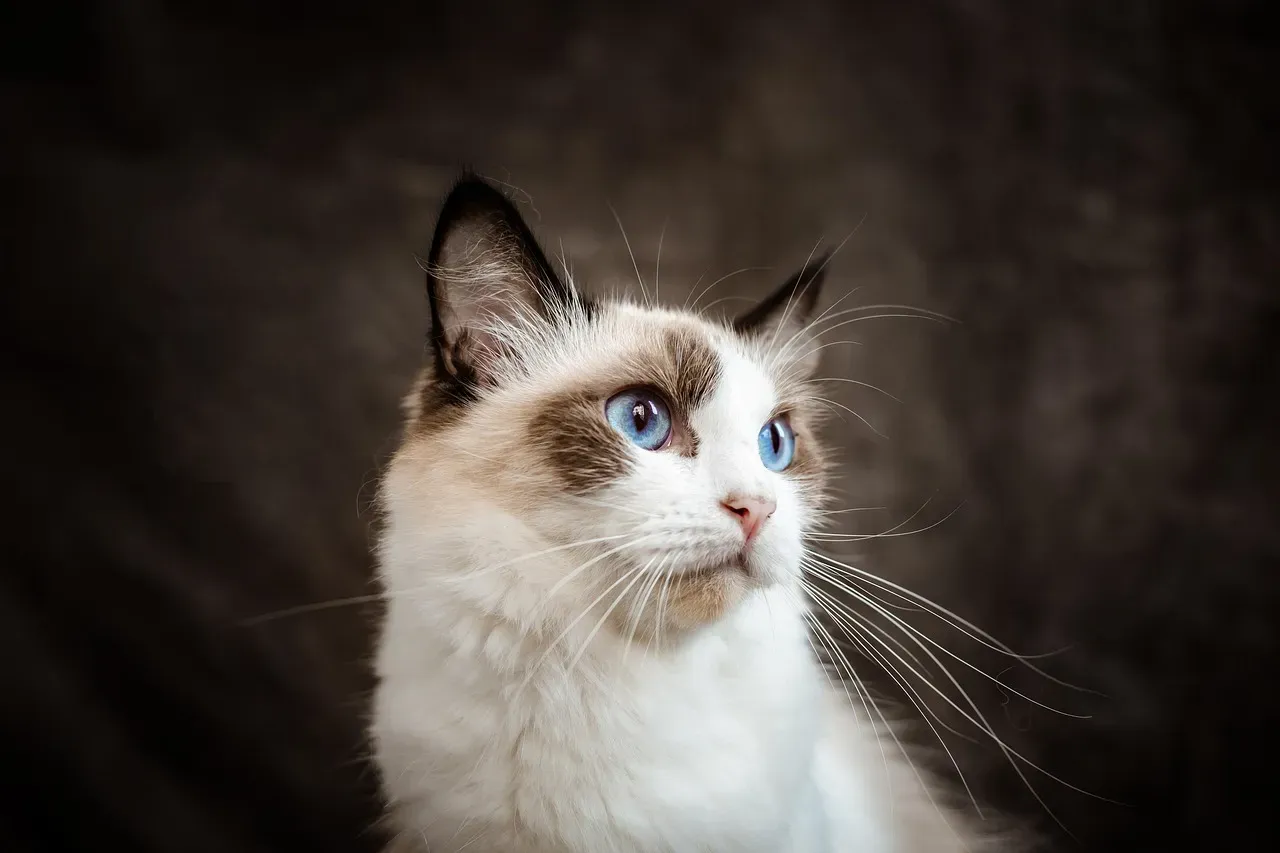
The Ragdoll cat is calm yet extremely affectionate. They often go limp in the arms of anyone who holds them. Although these cats can grow to be quite large, they are known for their gentle and placid temperaments. They’re sometimes called “puppycats,” but they certainly don’t have the energy level of a puppy. That contrast alone says a lot about what it’s like to share your home with one.
Ragdolls are gentle and easygoing large cats that handle calm environments beautifully. They prefer slow movements and tend to avoid chaos when possible. This breed often stays close without needing constant interaction. Known for their soft voices, Ragdoll cats rarely disrupt a quiet space. Ragdoll cats are friendly and attentive, with moderate activity levels, and are more than happy to snuggle up on the sofa with you after a long day.
The British Shorthair: Composed, Content, and Unfazed
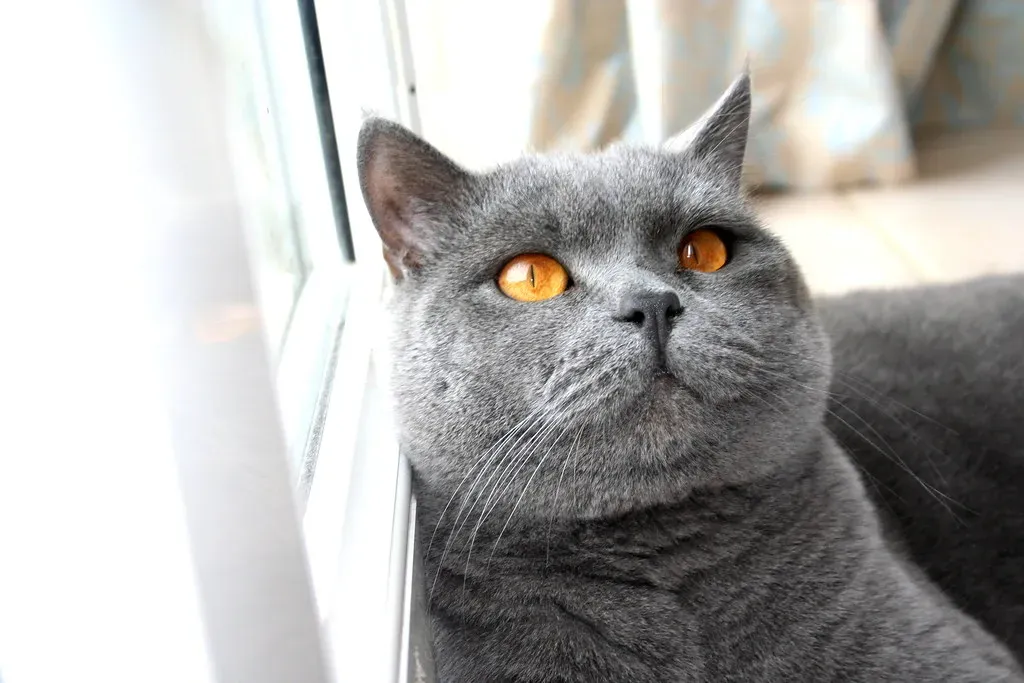
The British Shorthair, sometimes called the British Blue when sporting its iconic gray coat, is a sturdy, round-faced cat with a calm, composed presence. Known for dense fur, chubby cheeks, and expressive eyes, this breed carries a quietly confident charm that suits relaxed homes. Rather than seeking constant stimulation, they prefer dim, peaceful spaces that allow them to observe their surroundings without sensory overload.
While British Shorthairs can be playful and lively as kittens, they become more sedentary as they age. Even as an adult, your British Shorthair may enjoy some playtime each day, but rarely is it high-energy or too wild. These felines are undemanding, which means they’ll happily keep themselves entertained whenever you’re away. When you’re at home, your British Shorthair will certainly want to chill in the same room you’re in.
The Scottish Fold: The Quiet Observer With Folded Ears
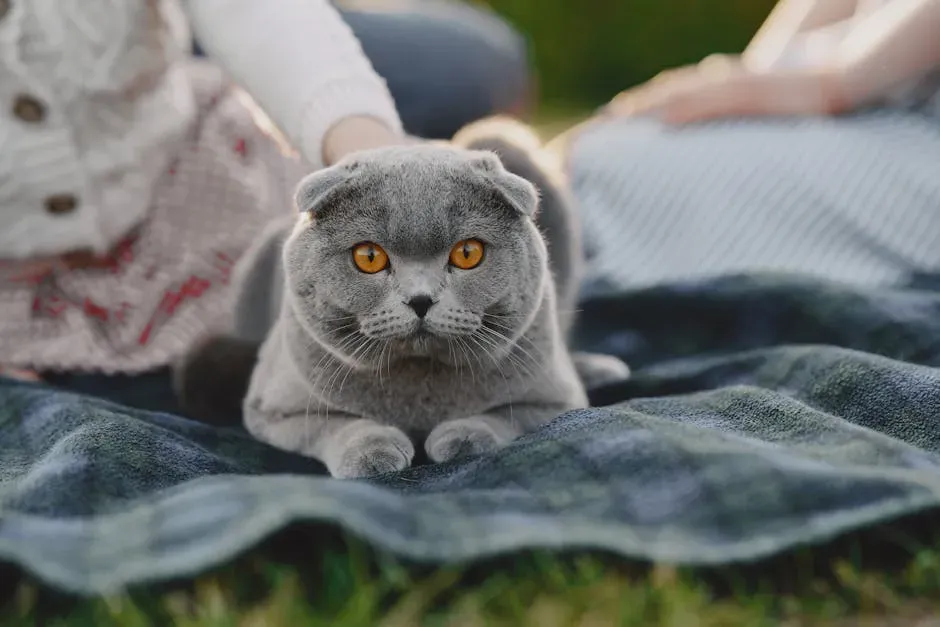
The Scottish Fold is recognized for its sweet temperament and reserved behavior. This breed tends to remain calm even when routines shift slightly. It prefers observing quietly rather than reacting loudly. Scottish Folds are not overly vocal and usually communicate through subtle gestures. Their famous folded ears give them an almost owl-like look, and their personality matches it perfectly.
They tend to be sweet-natured, calm, and quiet cats, usually content just lying around at home and providing a comforting presence to family members. Scottish Folds might not need as much exercise as other cat breeds, as they tend to prefer a quiet, laid-back environment. The Scottish Fold is a good cat for beginner pet parents because they are so laid-back and relaxed. They are easily adaptable and connect with the people around them. These cats don’t have overly energetic personalities and instead enjoy cuddling up next to their families.
The Russian Blue: Reserved, Loyal, and Deeply Selective
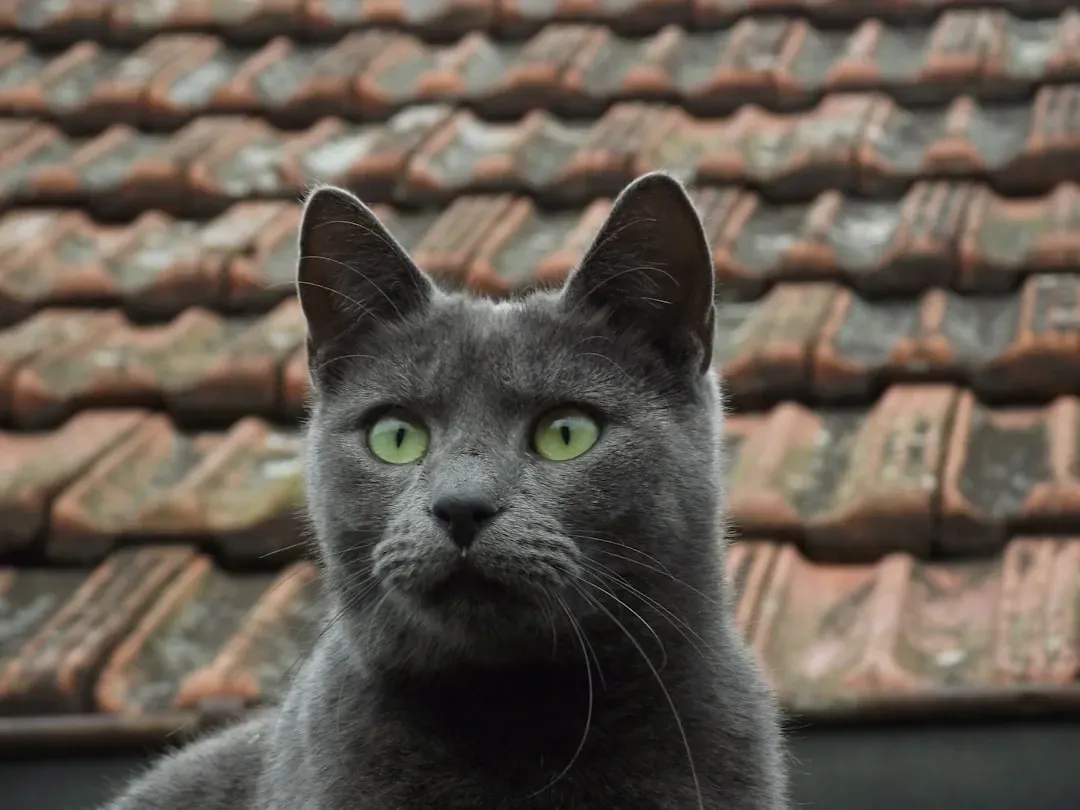
Russian Blues are naturally quiet and reserved, preferring peaceful environments over noisy or chaotic settings. They rarely vocalize, choosing subtle body language to express their needs. Their independent nature allows them to stay content even when left alone for a while. This makes them a suitable choice for those who appreciate a calm companion without constant demands.
At first, a Russian Blue may hang back, watching new people from a distance and slowly taking the measure of their character. A calm home with predictable routines, soft voices, and safe hideaways helps this cautious cat feel secure. Once they’ve decided you’re “their person,” the bond runs deep – expect a shadow who follows you from room to room, yet respects your need for quiet. Interestingly, the Russian Blue sheds very little and produces lower levels of the allergen Fel d 1 than many other breeds.
The Exotic Shorthair: The Low-Maintenance Persian Soul
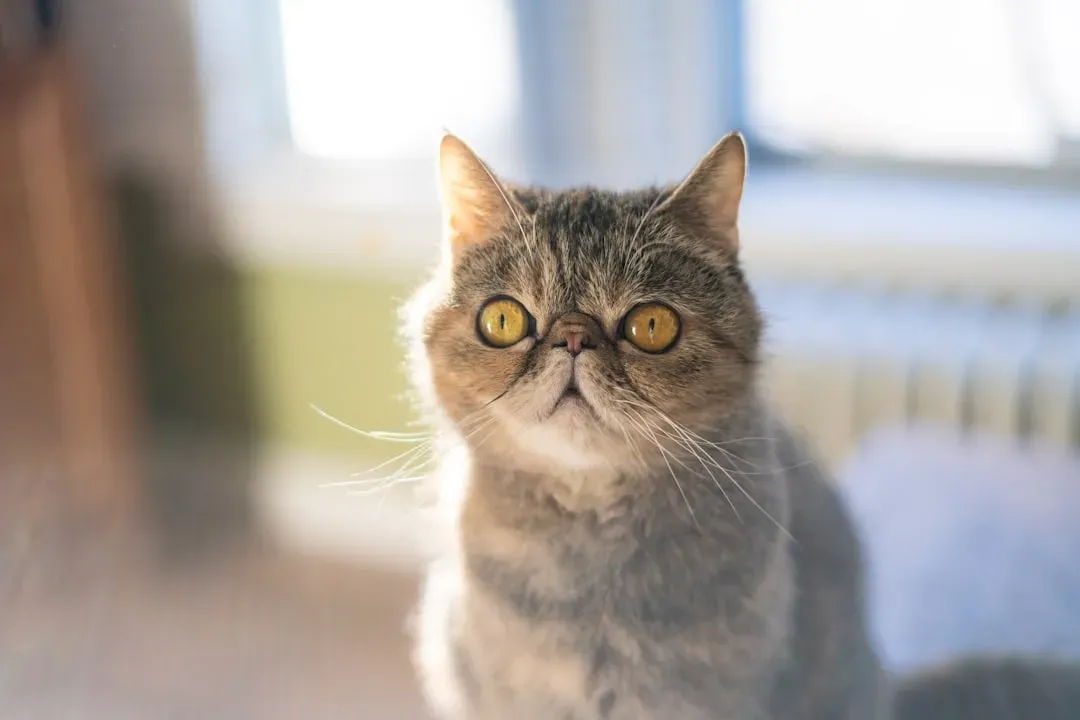
Often called the “lazy person’s Persian,” the Exotic Shorthair shares close roots with the Persian but sports a short, plush coat and a round, teddy-bear look. This breed is known for its soft features, calm demeanor, and affectionate presence. Exotic Shorthairs are especially drawn to calm human energy, loving peaceful homes where routines are steady and voices are gentle. They’re low-key cats who prefer quiet companionship over constant stimulation.
Exotics love lounging in sunbeams or curling up on the couch nearby, offering gentle company without demanding constant interaction or noise. They’re affectionate without being clingy, happy to be petted and cuddled but also content to nap while you read, work, or recharge. That balance makes them feel like a soft, steady presence rather than an overwhelming one. They aren’t very vocal either, often “asking” for attention with just one or two quiet, squeaky meows.
The Birman: Sacred, Soft-Spoken, and Deeply Gentle
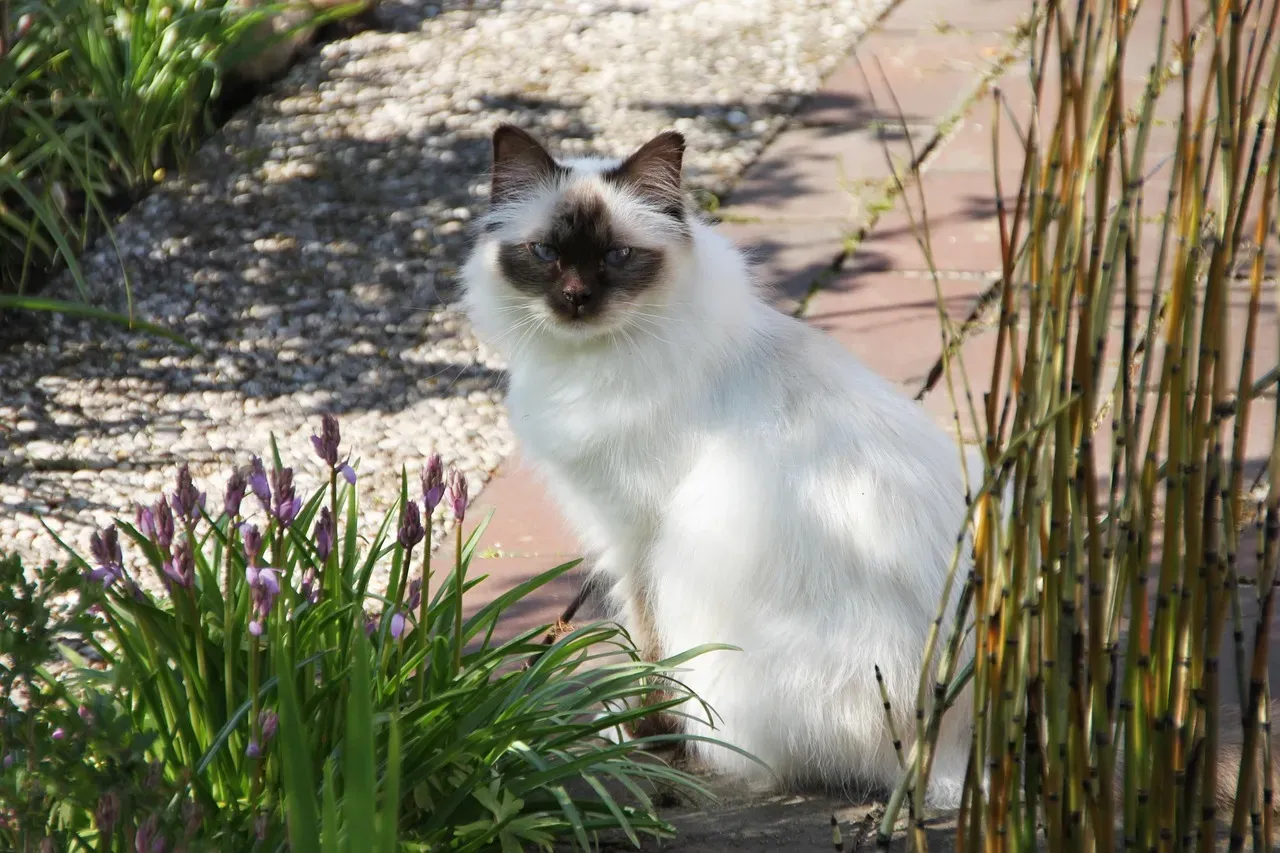
The Birman, also known as the “Sacred Cat of Burma,” is admired for its deep blue eyes, silky color-point coat, and distinctive white “gloves.” Bred as a gentle companion, this elegant feline combines striking looks with a naturally calm disposition. Birmans are known for their soft, understated voices, making them ideal for homes that value peace. Rather than constant meowing, they prefer to express affection by quietly following their favorite person from room to room.
Birmans are an excellent choice for those who appreciate a balanced blend of companionship and independence. Their captivating blue eyes and silky fur add to their charm, making them both beautiful and affectionate pets. These gentle felines enjoy spending quiet time with their owners but do not demand constant attention, allowing them to entertain themselves when needed. While they love interactive play, they are just as happy to lounge in a calm environment. Their ability to offer affection without being overly clingy makes them perfect for those who prefer a peaceful and easygoing companion.
The Himalayan: A Crossbreed Built for Cozy Evenings
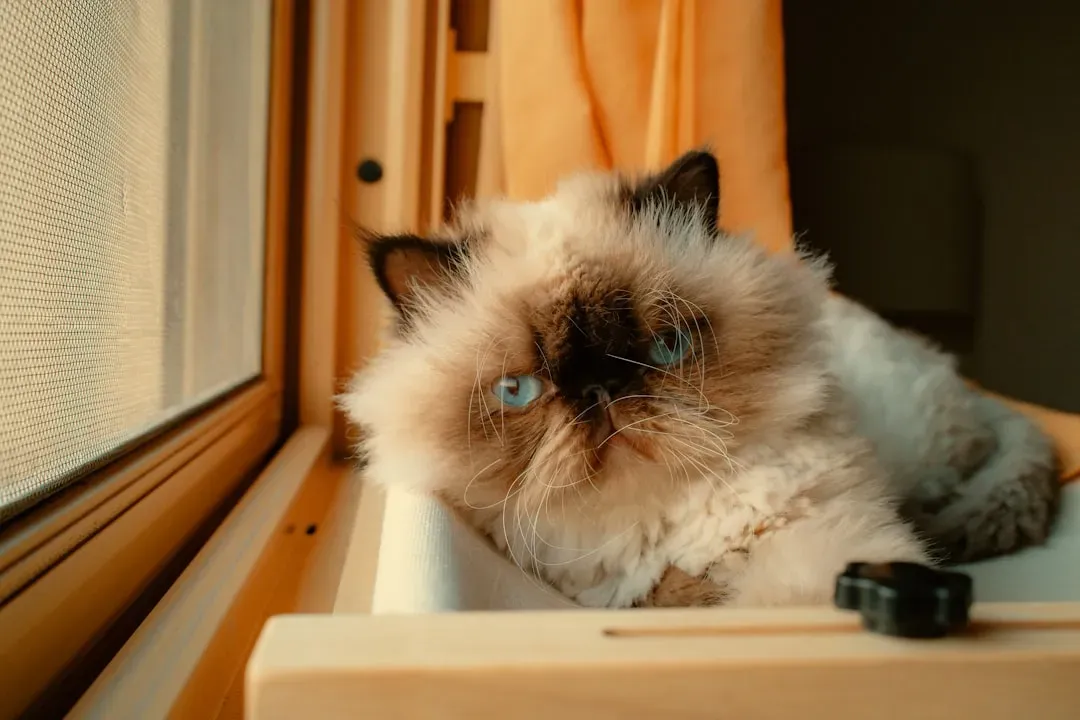
The Himalayan cat is a cross between a Persian and Siamese. In temperament and coat length, they are more like the Persian. This means they are docile and quiet, yet loving and cheerful. If you like sleeping in on Sunday mornings, taking naps in the sun, and watching late-night TV, the Himalayan will be your new best friend. They will gladly curl up on the couch next to you or find a sunspot to lay in.
Unlike their Siamese ancestors, Himalayans are on the quieter side. While not completely inactive, they prefer the coziness of a friendly lap to the rambunctious hijinks that other felines might enjoy. These low-key cats are perfectly content to spend the bulk of their time in relaxation mode. Their serene personality makes them well-suited for indoor life. Himalayans enjoy the company of their families and are affectionate without being overly demanding. They appreciate a serene environment where they can relax and indulge in their favorite pastime – lounging.
The Chartreux: France’s Silent and Devoted Companion
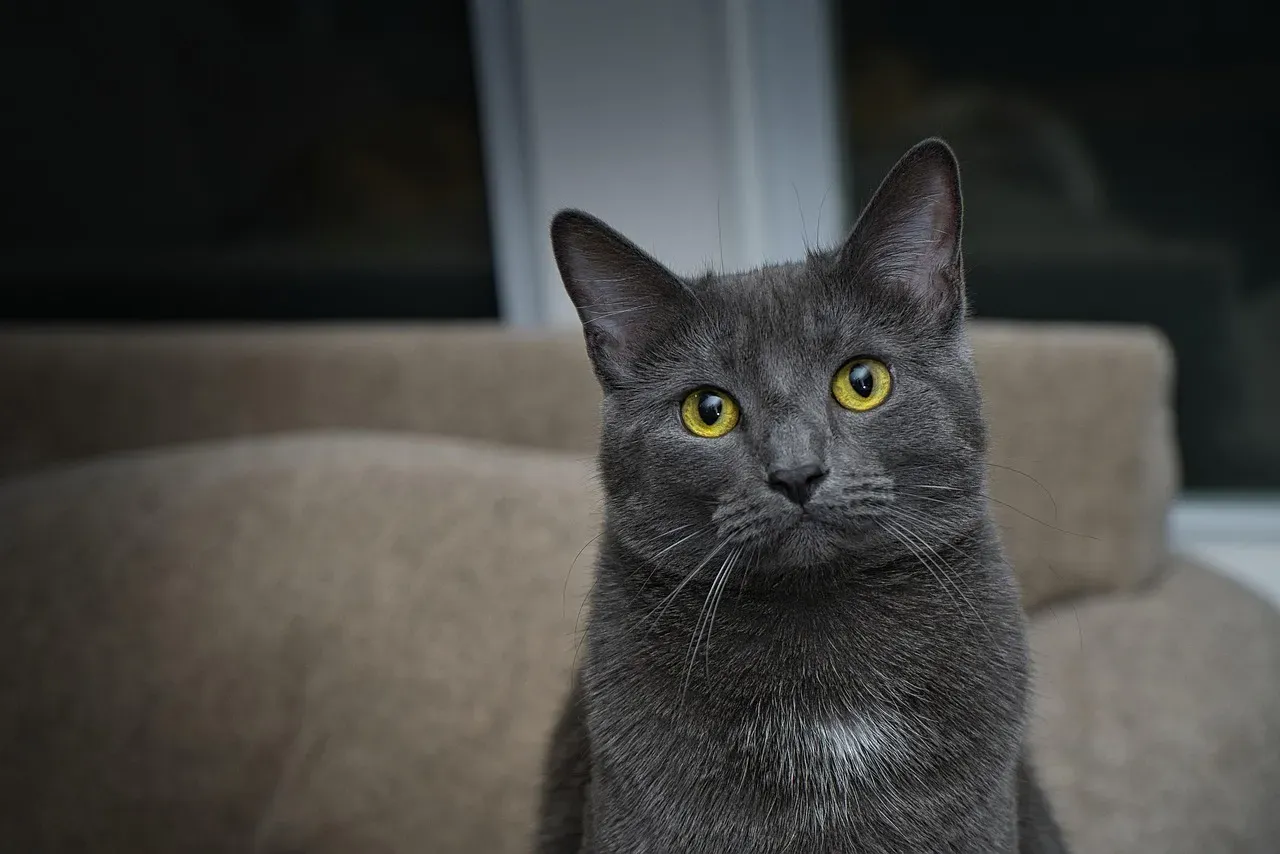
The Chartreux is a rare French breed with a calm and quiet nature. These cats are thought to have been bred centuries ago to keep French monks company, making them an ideal feline friend for anyone who values peace. They are loyal, mellow, and adore keeping their chosen humans company in a very thoughtful, quiet, and undemanding way. Affectionate with everyone, easy to handle, and fond of short play sessions, their loving and intelligent nature makes them a joy to have around.
Hailing from France, the Chartreux is a breed known for its quiet charm and gentle demeanor. These cats are often referred to as “silent observers” due to their calm and reserved nature. Chartreux cats are not known for being vocal, preferring instead to communicate through their expressive eyes and body language. The Chartreux is a quiet and observant breed, known for its calm demeanor and deep loyalty to its human companions. With a beautiful blue-gray coat and captivating amber eyes, these cats are a delight to have around. They are independent and enjoy moments of solitude but are also affectionate when they choose to engage.
Conclusion
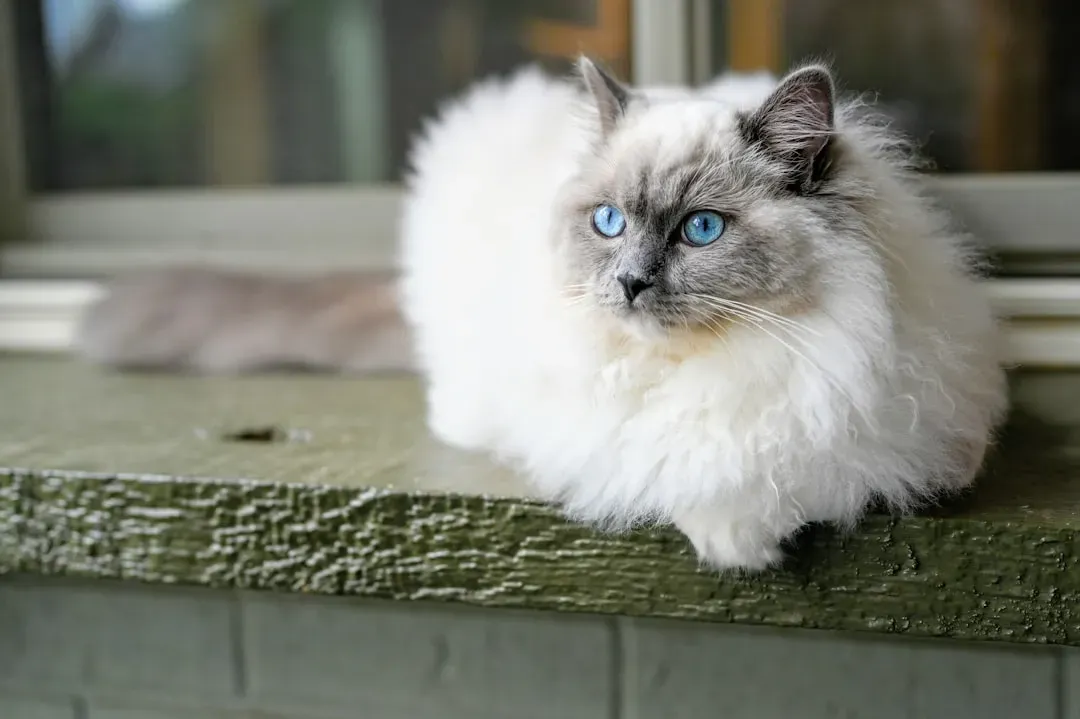
Choosing a cat that fits the way you actually live – not some idealized vision of a playful, acrobatic house pet – matters more than most people expect. If you love the idea of a peaceful, calm home where soft purrs replace loud meows, choosing a cat breed that fits a quiet lifestyle can make all the difference. Some cats naturally lean toward gentle voices, relaxed routines, and a tranquil presence that blends into calm environments. These breeds tend to prefer serene spaces and enjoy low noise levels, making them great companions for apartments, quiet families, or anyone who values mellow moments with their feline friend.
Quiet cat breeds often share traits such as gentle temperaments, low reactivity, and a calm approach to interaction. They may still be playful or affectionate, but they express themselves in quieter ways, making them ideal companions for homes where noise is kept to a minimum. Their soothing presence can bring a sense of balance and comfort to daily routines. In the end, a peaceful home and a contented cat tend to bring out the best in each other – and that quiet evening on the couch, with a purring companion beside you, is its own kind of reward.
Kristina is a young writer from India. An arts graduate and an avid content creator, Kristina is passionate about animals and wildlife. She enjoys exploring topics related to pet care, animal behavior, conservation, and nature, combining thorough research with engaging storytelling.