Most cat owners assume that if they’re not actively teaching their cat something, their cat isn’t learning anything. That’s one of the most common misconceptions in the world of feline ownership, and it quietly causes a lot of frustration down the line.
Your cat is always learning. Every time you respond to a behavior, ignore one, or accidentally reward one, you’re shaping who your cat becomes as a companion. The tricky part is that a lot of this happens in ways that feel completely natural, even loving, in the moment.
How Your Cat Already Has You Trained
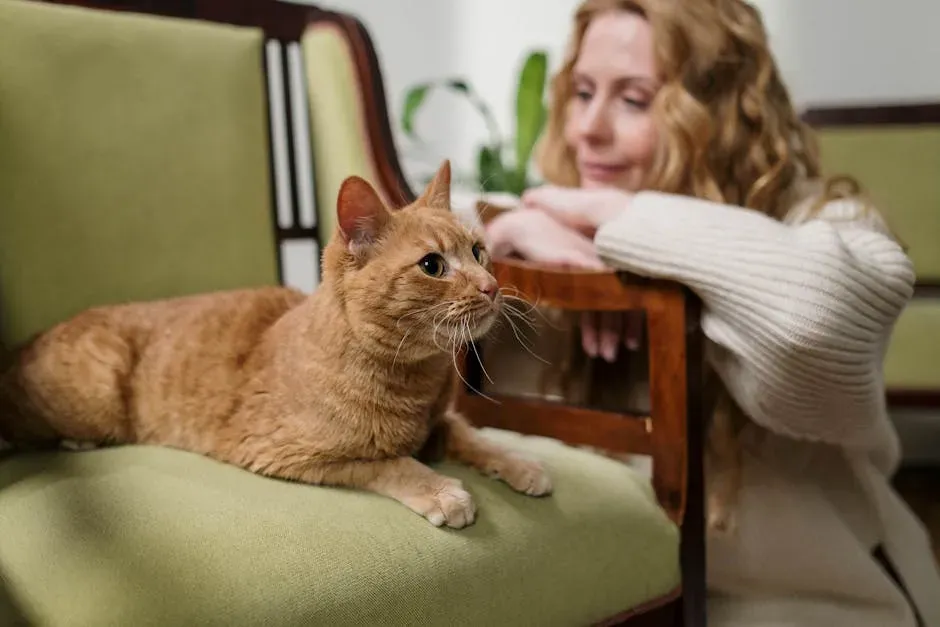
Here’s a thought worth sitting with: before you started thinking about training your cat, your cat may have already trained you. Your cat meows, and you give them food. They jump on your lap, and they get pets. They know exactly how to get what they want from you, because you’re motivated by their reward: a little bit of their precious attention.
This isn’t a failure on your part. It’s simply how animal behavior works. Behavior always serves a purpose for the animal and relies on genetics and environmental input. Cats constantly change and update their behaviors to survive and prosper. Once you understand that, you can start observing your own responses just as closely as you observe theirs.
The Attention Trap: When Reacting Becomes Rewarding
One of the most common ways you inadvertently reinforce unwanted behavior is by reacting to it at all. Just as a child might prefer negative attention over no attention at all, humans actually inadvertently reward unwanted behaviors. The cat who is looking for some sort of response from you might knock things off your dresser or scratch your furniture in hopes of gaining your attention.
When you rush over to scold them, shoo them away, or even just look at them and sigh, you’ve given them exactly what they wanted: your focus. If you shoo them off, you might inadvertently be reinforcing their behavior because they got something they wanted: your attention. The solution isn’t to ignore every behavior, but to become more deliberate about which behaviors you respond to and how.
Meowing on Demand: Are You Teaching Your Cat to Vocalize Excessively?
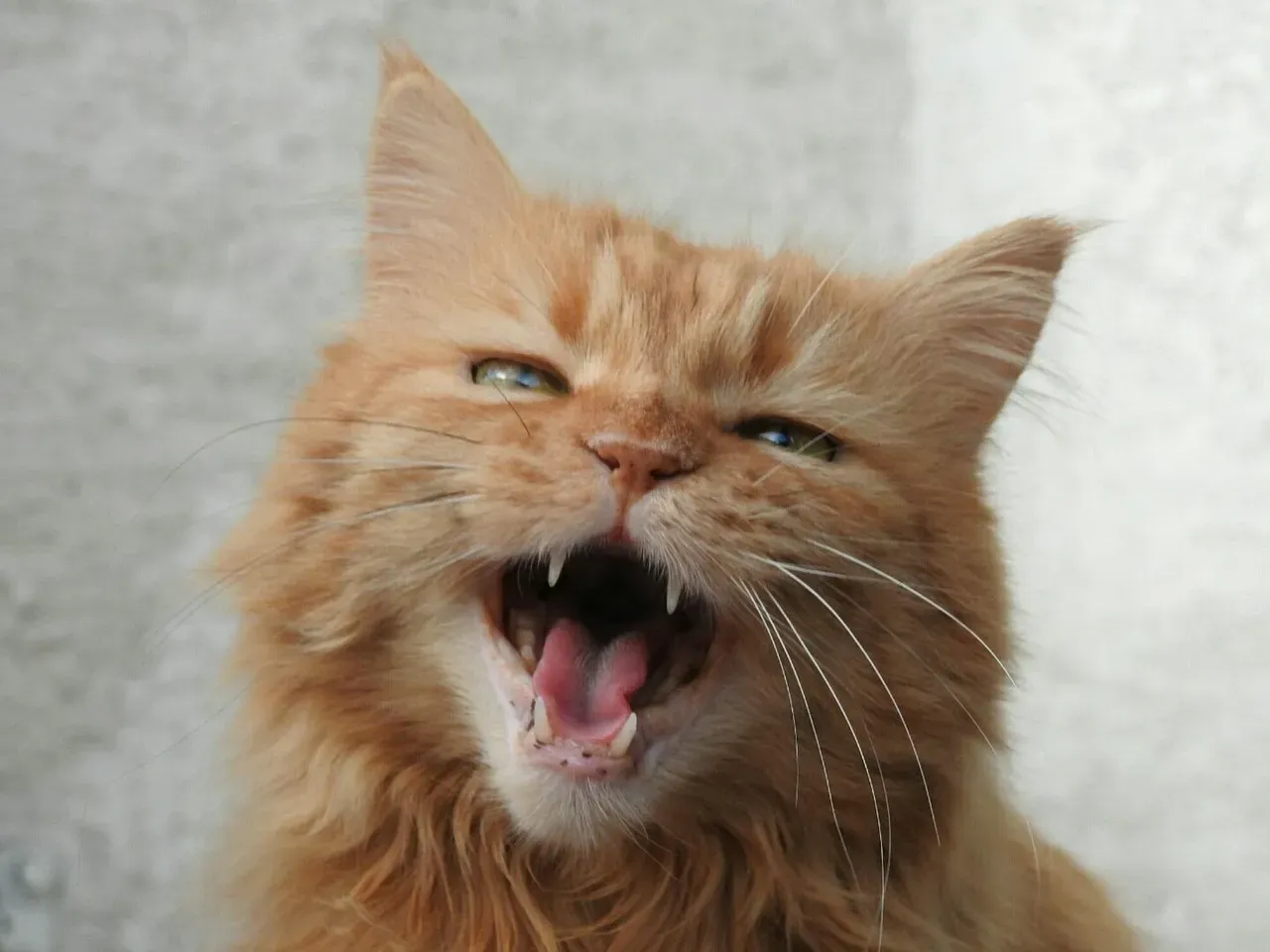
Excessive meowing is a surprisingly common issue that owners often create themselves, one small response at a time. A cat may engage in attention-seeking behavior like excessive meowing, which the owner may reinforce unintentionally by feeding the cat, even though the cat isn’t hungry. That bowl of food given just to quiet things down sends a very clear message.
When your cat talks to you and you talk back, pet them, or give them a treat, you’re teaching your cat that meowing brings rewards. If you don’t reward their meowing, in other words if you ignore them when they meow, they’re unlikely to become persistent meowers. This doesn’t mean you should never respond to your cat’s vocalizations, only that you should be conscious of which ones you’re rewarding and when.
Nighttime Howling and the Feeding Loop
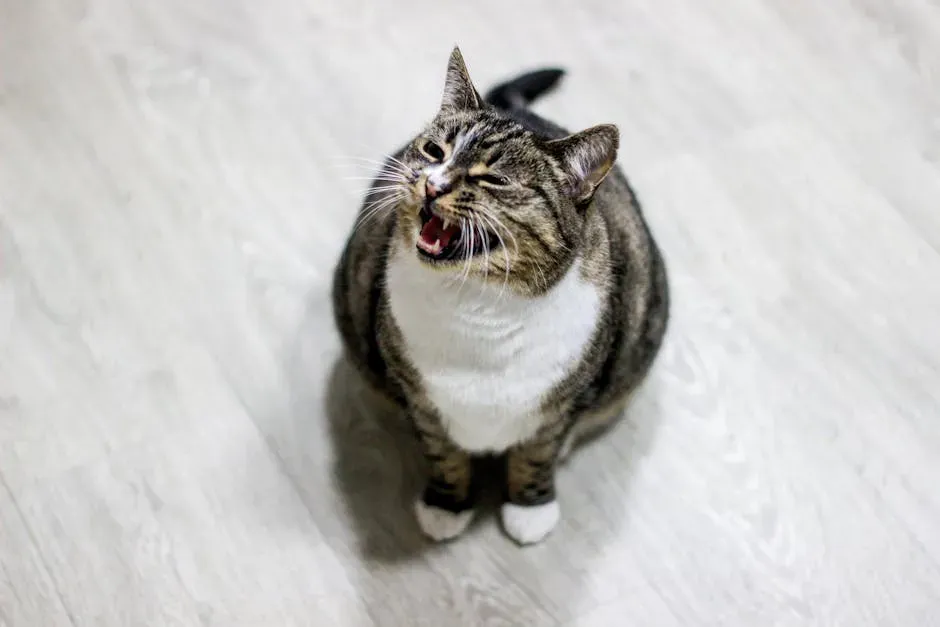
Waking up to a cat yowling at 3 a.m. is exhausting, and giving in feels like the quickest solution. The problem is that it’s also one of the most effective ways to lock in the behavior permanently. An example of extinction is ignoring a cat that howls at night for attention. If the owners get up to feed the cat, or even in many cases to yell at it, the behavior continues. If they stop giving the cat food or attention, the cat will eventually stop howling during the night because the reward is no longer there.
The harder truth is that consistency matters enormously here. Occasional feeding in response to the howling will only reinforce the pattern. The more valuable the original reward, the longer the reward has been given, and the more uncertain the cat is that the reward has been truly removed, the greater the resistance to extinction. Giving in even once in a while can restart the entire cycle.
Yelling at Your Cat: Why It Backfires
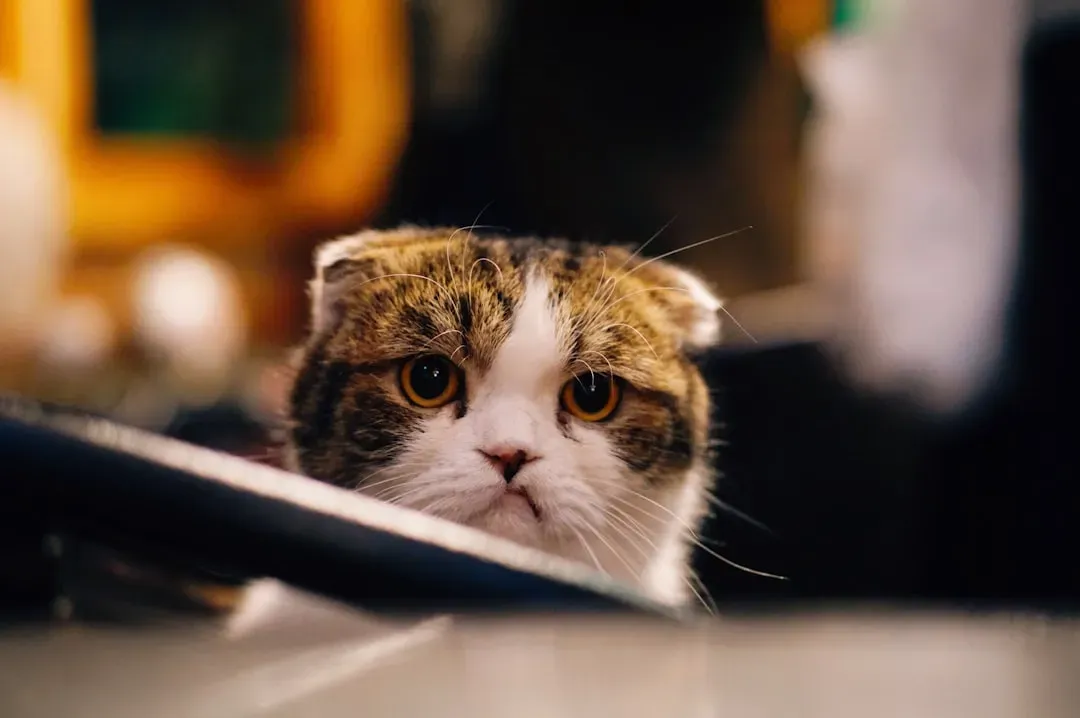
Raising your voice feels instinctive when you’re frustrated. Your cat just knocked over a glass, clawed the couch, or walked across your keyboard during a work call. It’s natural to react vocally. Your cat may understand that the change in your volume means something is different, but yelling may scare your cat or call too much attention to negative behaviors. Yelling may cause your cat to feel stressed and anxious, which can cause additional misbehavior.
There’s another layer to this, too. You may be tempted to yell at your cat if you catch them sitting next to a broken vase or clawing the furniture, but punishing a cat after the fact is ineffective. They won’t connect the punishment with something they’ve already done and forgotten about. Instead, they’ll think you’re yelling at them for whatever they’re doing at that very moment, which might be welcoming you home from work.
Counter-Surfing and the Food Left Behind
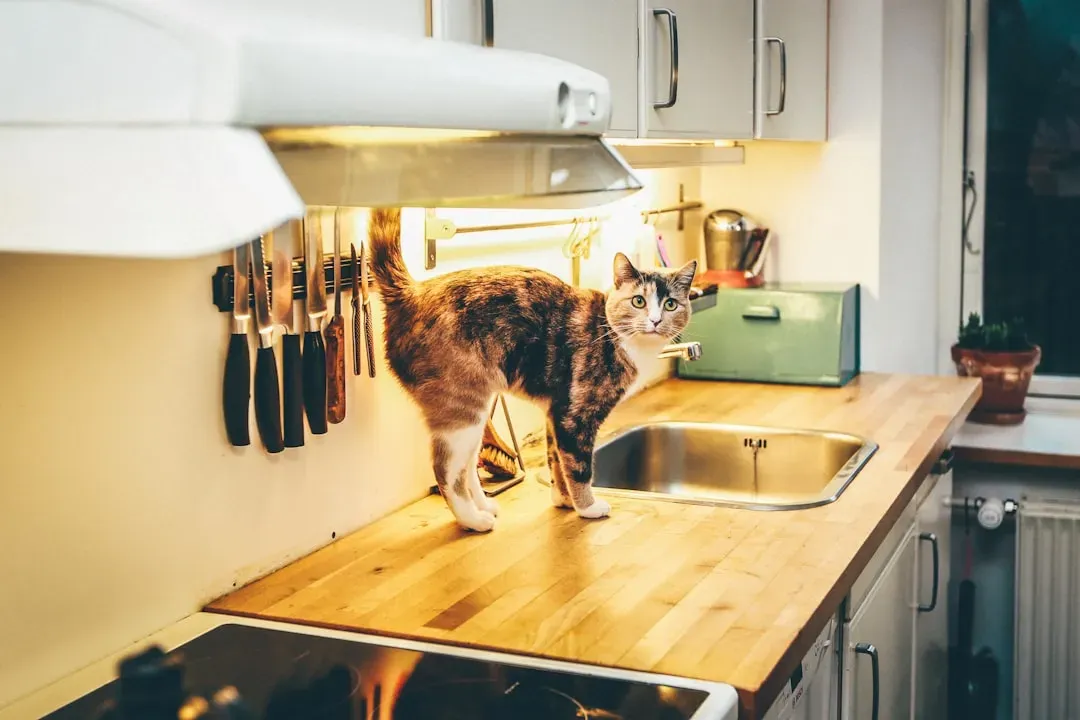
Cats that jump on kitchen counters aren’t doing it to test your patience. They’re doing it because, at some point, it paid off. Consider playing a slot machine as an analogy to your cat’s behavior. When you play slots, you don’t win every time, but you’re motivated to keep playing because of the possibility of winning. If your cat jumps on the counter and finds food only one out of ten times, that unwanted behavior is going to become even stronger because they’ve learned they need to keep trying.
The fix is less about correction and more about environment management. If you leave some fish on the counter and allow the cat to eat it, they’ve just been very handsomely reinforced to continue jumping on the counter. A better approach might be to provide a nice high-up space, such as a cat tree near the counter, reinforce the cat with treats for using that space instead, and stop leaving food or toys on the counter that will tempt the cat to come and get them.
Rough Play When They Were Kittens: A Habit That Grows
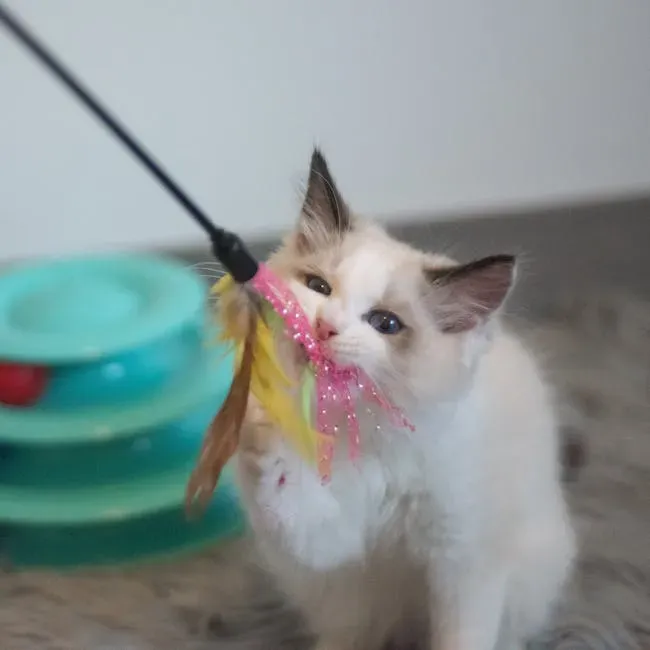
Tiny kitten bites feel harmless, even adorable. You wiggle your fingers, they pounce, and everyone laughs. The problem is that this behavior rarely stays small. When cats are kittens, we may allow bad behaviors because they seem cute. However, those behaviors can become problems as the animals grow into adulthood.
Teaching your cat early that hands are not toys is one of the most important lessons you can establish. If you’re playing with your cat and they start to nip or scratch, stop paying attention to them immediately. You’ll send a message that the behavior is unwanted. You can also redirect them in the moment. This approach works far better than reactive scolding, and it builds a clearer understanding over time.
Inconsistency Across Household Members
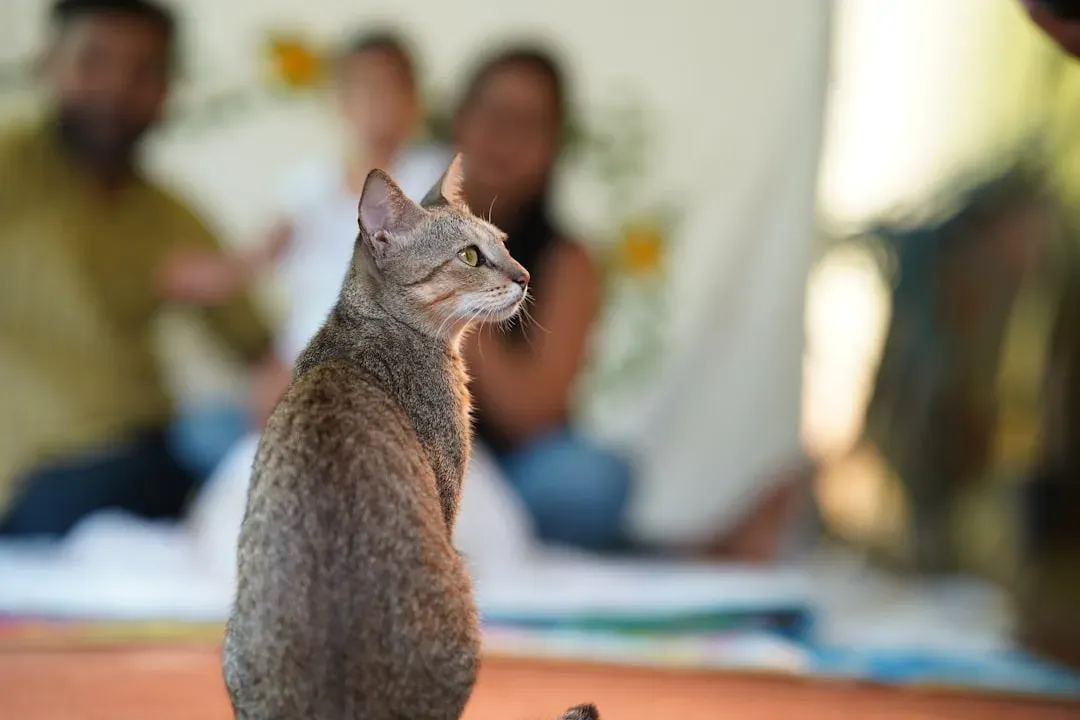
Even if you’re doing everything right, one family member who plays by different rules can unravel weeks of progress. Give the same kind of reward each time your cat behaves the way you want them to, and make sure everyone in the family does the same. This consistency is one of the most overlooked factors in cat behavior management.
When your cat receives a treat from one person for jumping on the sofa and gets redirected by another, the mixed signals create confusion rather than clarity. Instilling good behaviors in a new cat takes practice and patience. It’s important to be consistent and make sure they learn appropriate, positive behaviors. Getting everyone in your household aligned isn’t just helpful, it’s genuinely necessary for the changes to stick.
The Punishment Myth: Why It Tends to Make Things Worse
Many owners default to some form of punishment when they feel like nothing else is working, whether that’s a spray bottle, a sharp noise, or even a tap on the nose. The research on this is fairly consistent. Some studies have shown that cats are more likely to have behavior problems when their owners use punishment. In one study, cats were twelve times more likely to eliminate outside the litter box in homes where their guardian used positive punishment.
There’s also a trust element that gets damaged in ways that are hard to repair. Cats quickly learn that the unpleasant stimulus only occurs when the owner is around, so the unwanted behavior continues when the owner isn’t present. Cats can associate the punishment with their owner, leading them to become fearful or anxious around you. This can ruin the bond between you and your cat, making your feline friend more distant and less trusting.
What Actually Works: Redirecting and Rewarding the Right Behaviors
The good news is that most of these patterns can be reversed. It takes patience and a shift in perspective, but the tools are straightforward. Positive reinforcement is the most effective method of training, and is key to building positive behaviors in your cat. It focuses on rewarding your pet for good behavior rather than punishing bad behavior. Giving rewards, whether in the form of treats, verbal praise, pets, or scratches, when your cat behaves well in specific ways encourages them to repeat those actions.
Timing is critical. Timing is everything in training your cat. Cats have short attention spans, so the reward must come immediately, within seconds, of the behavior or your cat may not know what it’s for. If you see them use the scratching post, throw some treats their way while they’re scratching, but don’t throw the treats if they have stopped scratching and are starting to do something else. Small, timely moments of reinforcement are far more effective than any amount of after-the-fact reaction.
Conclusion
The biggest takeaway here isn’t that you’ve been a bad cat owner. It’s that cat behavior is a two-way street, and most of what goes wrong happens quietly, through habits and reactions you didn’t even realize were patterns. Your cat isn’t being devious, and you’re not failing. You’re both just doing what comes naturally.
Shifting from reactive to intentional takes some effort, but it changes things meaningfully, both for your cat’s behavior and for the quality of your relationship with them. Cats learn from their owners in part. That means it is just as important for you to understand how your actions may be contributing to the behaviors your cat exhibits.
The cat sitting across the room watching you read this isn’t plotting anything. They’re just waiting to see what happens next. What you do next is more in your hands than you might think.
Kristina is a young writer from India. An arts graduate and an avid content creator, Kristina is passionate about animals and wildlife. She enjoys exploring topics related to pet care, animal behavior, conservation, and nature, combining thorough research with engaging storytelling.