Cats have a reputation problem. For generations, they’ve been typecast as aloof, self-serving creatures who tolerate you at best and quietly judge you at worst. It’s a narrative that’s deeply unfair, and science has finally started catching up to what devoted cat owners have suspected all along.
The cat-human bond is a unique and complex relationship that has been studied extensively in recent years. Unlike dogs, whose affection is often overt and enthusiastic, cats tend to express their feelings in more subtle ways. However, this doesn’t mean that the bond is any less significant. Once you know what to look for, the signs are everywhere. Your cat isn’t indifferent. They’re just speaking a language you haven’t been fully taught to read yet.
They Use You as Their Safe Place in a Scary World
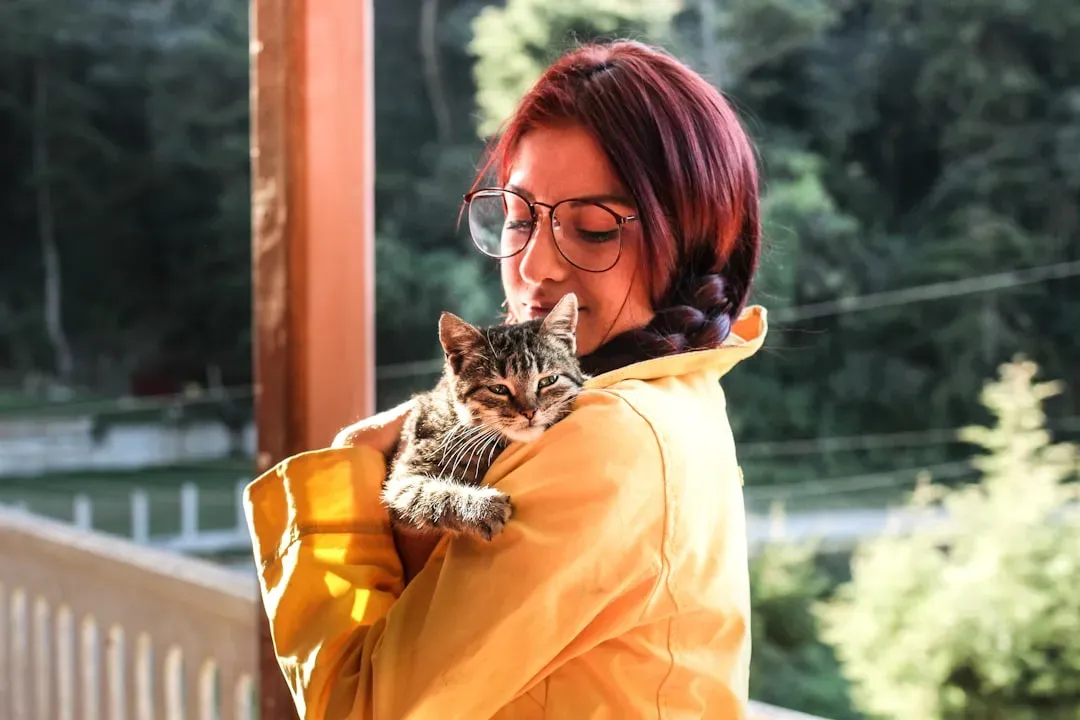
When researchers began applying the same attachment frameworks used with human infants to cats, the results were striking. The findings reported in the journal Current Biology show that, much like children and dogs, pet cats form secure and insecure bonds with their human caretakers. The findings suggest that this bonding ability across species must be explained by traits that aren’t specific to canines.
About nearly two thirds of cats showed signs of “secure attachment,” meaning they trusted their owners and felt safe in their presence. That’s actually a higher percentage than dogs, who scored lower in similar studies. So when your cat bolts to your side after a loud noise or a sudden fright, that’s not coincidence. When we talk about loyalty in cats, we’re referring to their willingness to stay close to their humans and seek comfort and protection from them. This behavior is often seen after a traumatic event, such as a loud noise or a strange person entering the house, when cats will seek out their owners for safety.
They Bring You Gifts, Even the Unpleasant Ones
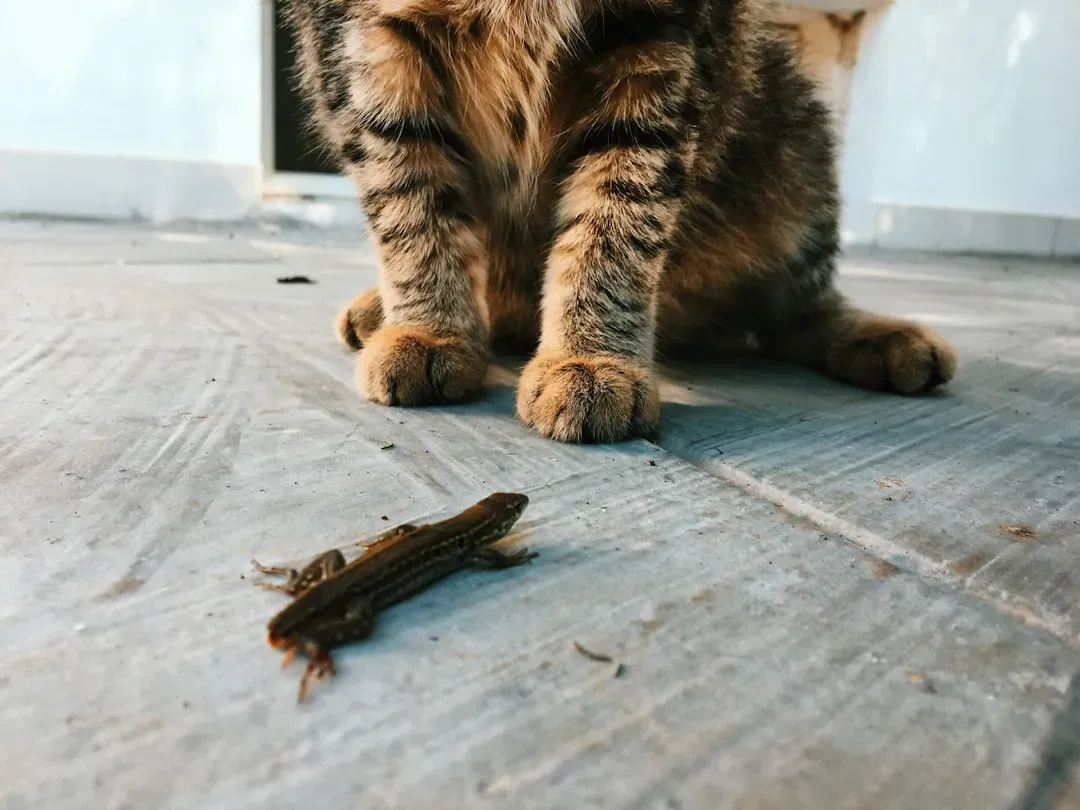
As natural hunters, cats have the urge to attack fast-moving objects and catch “prey.” Whether it’s a toy or an actual small animal, your kitty bringing you one of these gifts is a sign of loyalty and affection. It’s an instinct rooted deep in feline social behavior, and you’re the one they’ve chosen to share it with. That matters.
Another common theory is that your cat cares about you and is trying to teach you how to hunt for your own well-being and survival. In other words, they view you as an important part of their family. If your cat is strictly indoors, you may be rewarded with “dead” toys or other household items that your mighty hunter has vanquished. Either way, resist the urge to react in disgust. To your cat, this is the highest form of generosity.
They Headbutt You to Claim You as Their Own
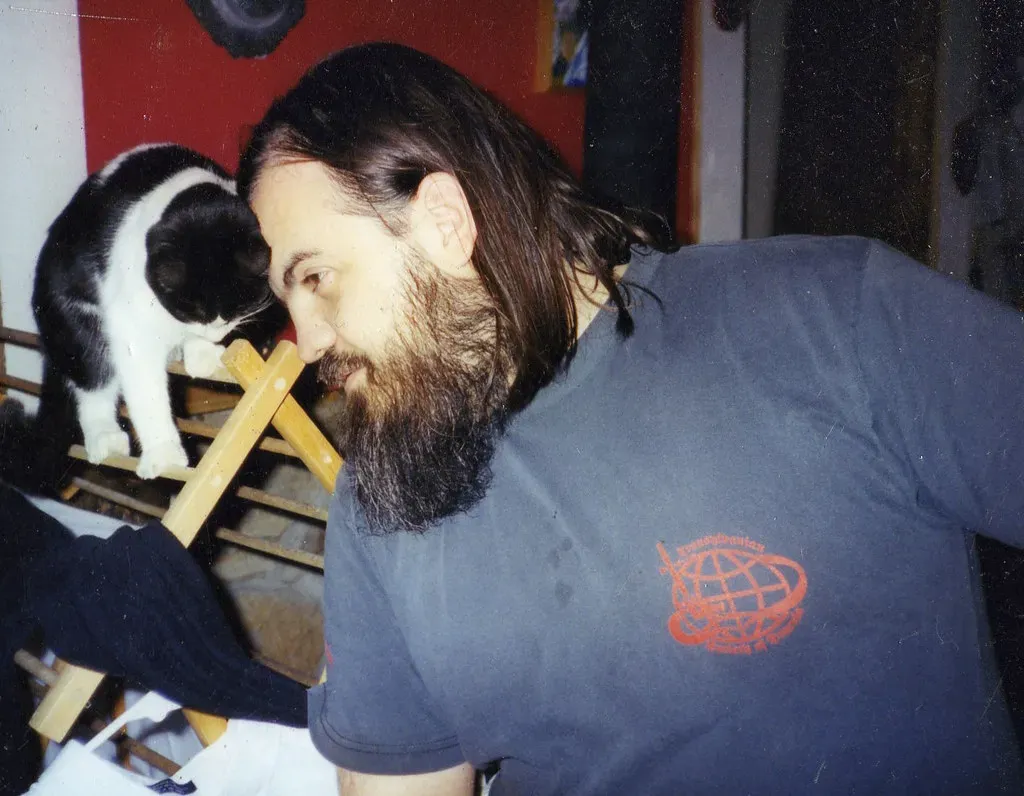
Headbutting is one of the surprising things cats do that means they love you. “Headbutting, or bunting, is a primary way cats show affection and claim ownership.” It’s also far more intentional than it might appear. Cats have sweat glands on their chins, cheeks, and foreheads. By firmly pressing or rubbing their face against your leg, arm, or head, they are depositing their scent and marking you as their territory and part of their family.
When your cat nudges you with its head, it’s saying, “You are mine, and I am yours.” This behavior is not just a sign of love but also a way for cats to communicate their sense of security and belonging. The more you bond with your cat through headbutting, the more headbutting your cat will do for attention and bonding, in a sort of feel-good cycle. It’s a bond that quite literally keeps reinforcing itself.
They Knead You Like You’re the Most Comforting Thing They Know
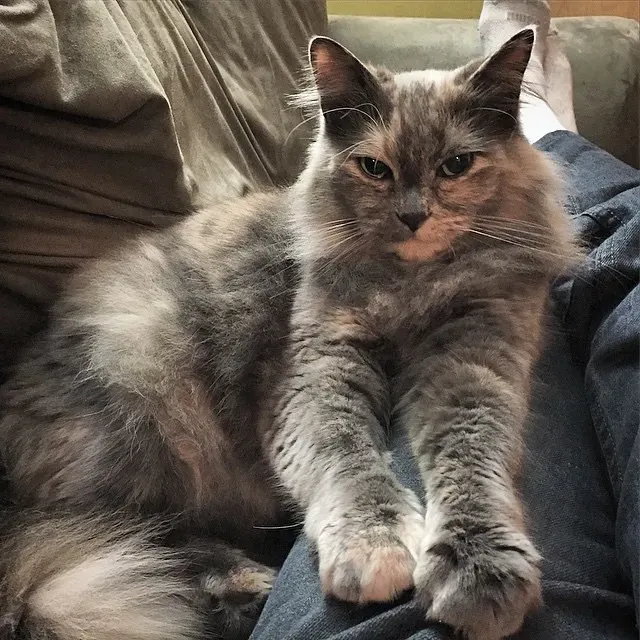
Cats often knead when they are in a relaxed state, and it’s a behavior that stems from kittenhood when they kneaded their mother’s belly to stimulate milk flow. When your cat kneads you or a cozy blanket, it’s a sign that they feel safe and secure. It’s a heartwarming reminder that your presence brings them peace and happiness.
Kneading you is a sign of trust and affection, not dominance or misbehavior. It can also be a subtle form of scent marking. Cats have scent glands in their paws, and kneading allows them to mark you as part of their territory. This is not ownership in a negative sense, but rather a declaration that you are part of their safe inner circle. When your cat “makes biscuits” on your lap, you’ve essentially been stamped with their highest approval.
They Give You the Slow Blink, Their Version of a Kiss
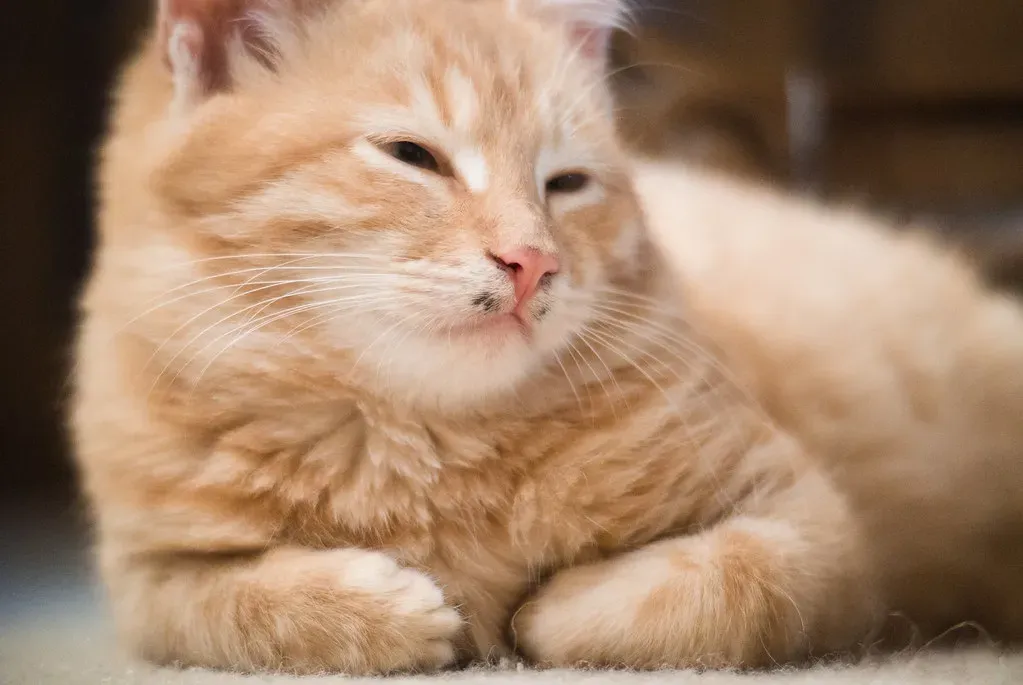
When your cat makes eye contact and then slowly blinks at you, it’s their way of expressing trust and affection. This behavior is often referred to as a “cat kiss” or a “slow blink.” It’s an act of profound vulnerability for an animal that spends its entire life quietly calculating risk. Closing their eyes in your presence means they trust you not to take advantage of that moment.
The slow blink is this idea that when you close your eyes very slowly and then open them slowly, you’re signaling to your cat that you are in a content mood, and that potentially your cat is reading that as if it’s a bonding moment. Your cat may slow blink back at you. Cats interpret a slow blink as a sign of goodwill and relaxation. Reciprocating with a slow blink of your own can further deepen the bond between you and your feline friend. Try it the next time your cat is watching you across the room.
They Follow You From Room to Room Like a Quiet Shadow
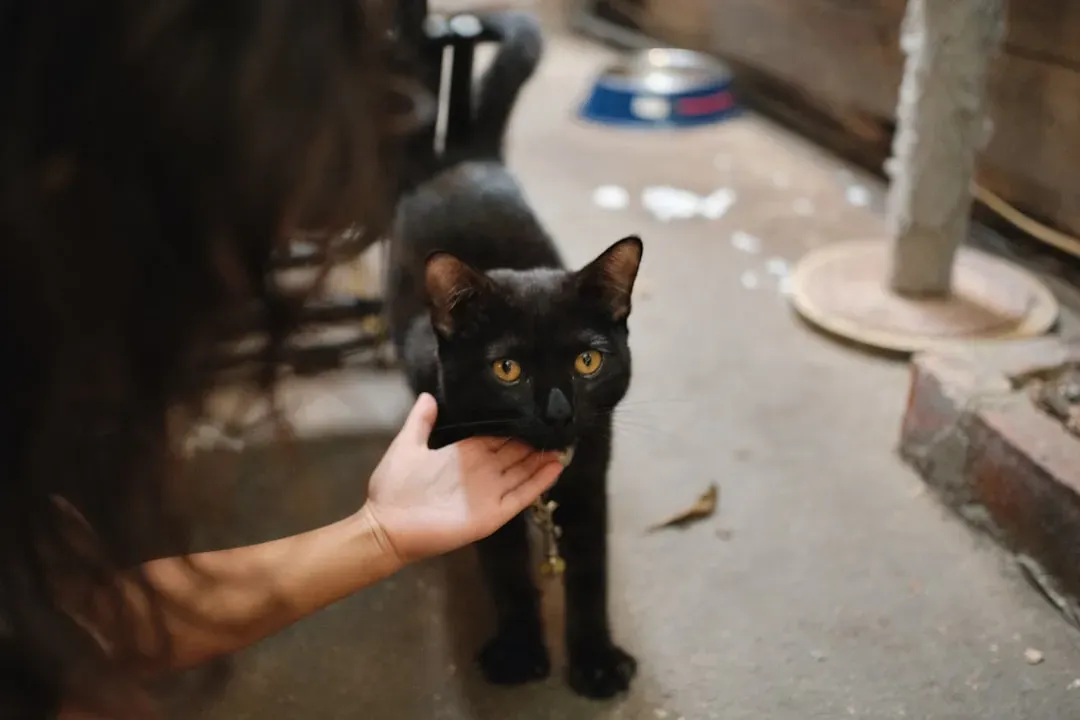
Cats also like to show their loyalty by following you around your home or searching for you. Your cat is your tiny little micromanager, and keeping tabs on your whereabouts is a high priority if you are critical to them. It can feel random, but there’s real intention behind it. You are their anchor.
Your cat’s “obsession” is actually secure attachment, a sign of deep bonding. Cats who follow you constantly, vocalize when you leave, and seek constant contact have formed a strong emotional connection. This is normal and healthy feline affection. Research has shown that cats that have a strong bond with their owners will often become anxious or depressed when separated from them for too long. The cat who trails you into the bathroom isn’t being clingy. They simply don’t want to lose sight of the person they love.
They Sleep Near You to Guard You Through the Night
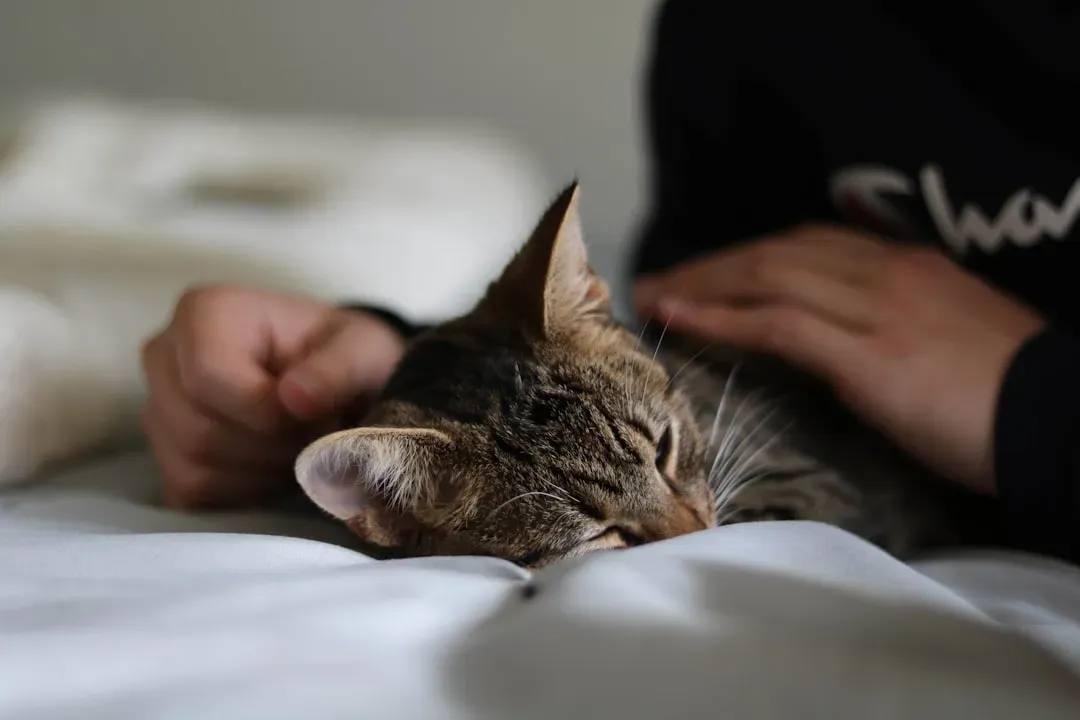
Cats are vulnerable when sleeping, so choosing to sleep near or on you shows deep trust. This is especially significant when you understand how attuned cats are to potential threats. Choosing to be unconscious beside you is the feline equivalent of saying, “I trust you completely with my life.”
As your bond deepens, you may notice your cat taking on the role of a nighttime guardian. Cats have a natural instinct to protect their territory, and when they form a strong bond with you, they extend this protective instinct to you. Your cat may choose to sleep near you or even keep watch over your bedroom, ensuring your safety as you rest. This behavior is a sign of loyalty and devotion, a reminder that your cat sees you as part of its family.
They Come to You When You’re Hurting
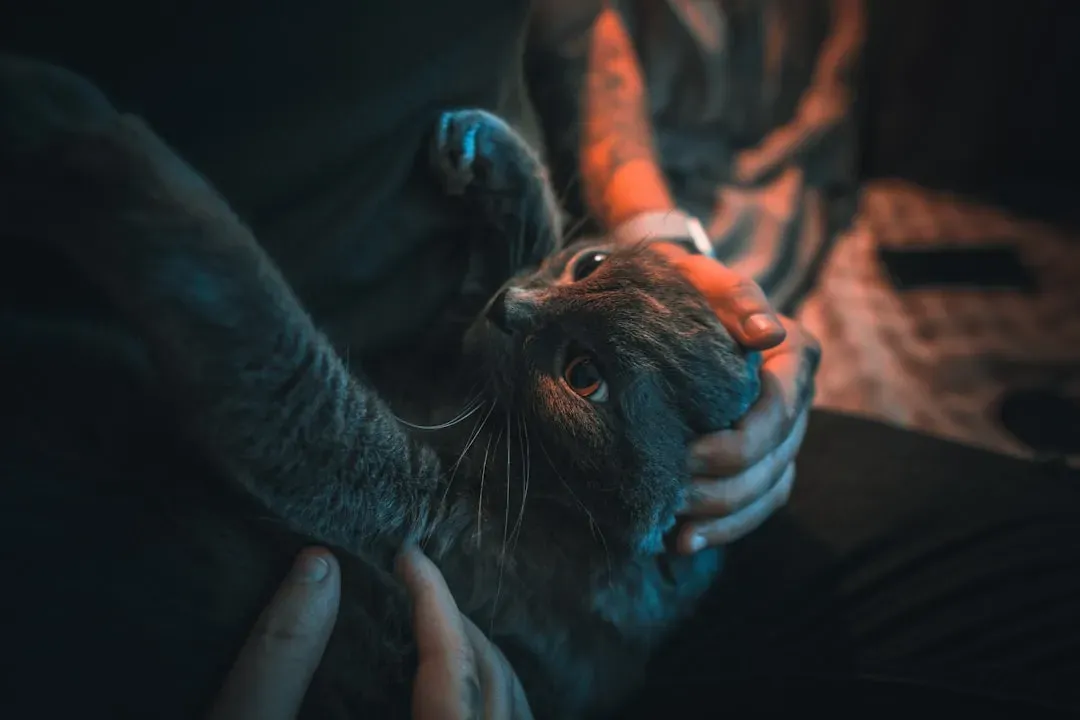
Cats are highly intuitive animals, and they can sense when their owners are feeling down or upset. In moments of distress, a loyal cat will often approach their owner, providing comfort by purring, rubbing against them, or simply sitting close by. You’ve probably noticed this yourself during a difficult day or a quiet cry on the couch. Your cat notices shifts in your mood and responds.
A cat may show its loyalty by leaning on you when feeling scared or stressed because you help them feel at ease. Cats generally do most things on their terms, so if being loyal to you suits their current mood, consider it an ultimate compliment. A cat that is showing you loyalty will often do so by choosing to be near you, especially when you are sleeping or under the weather. There’s something quietly profound about a creature that chooses you precisely when you need it most.
They Groom You as a Member of Their Social Circle
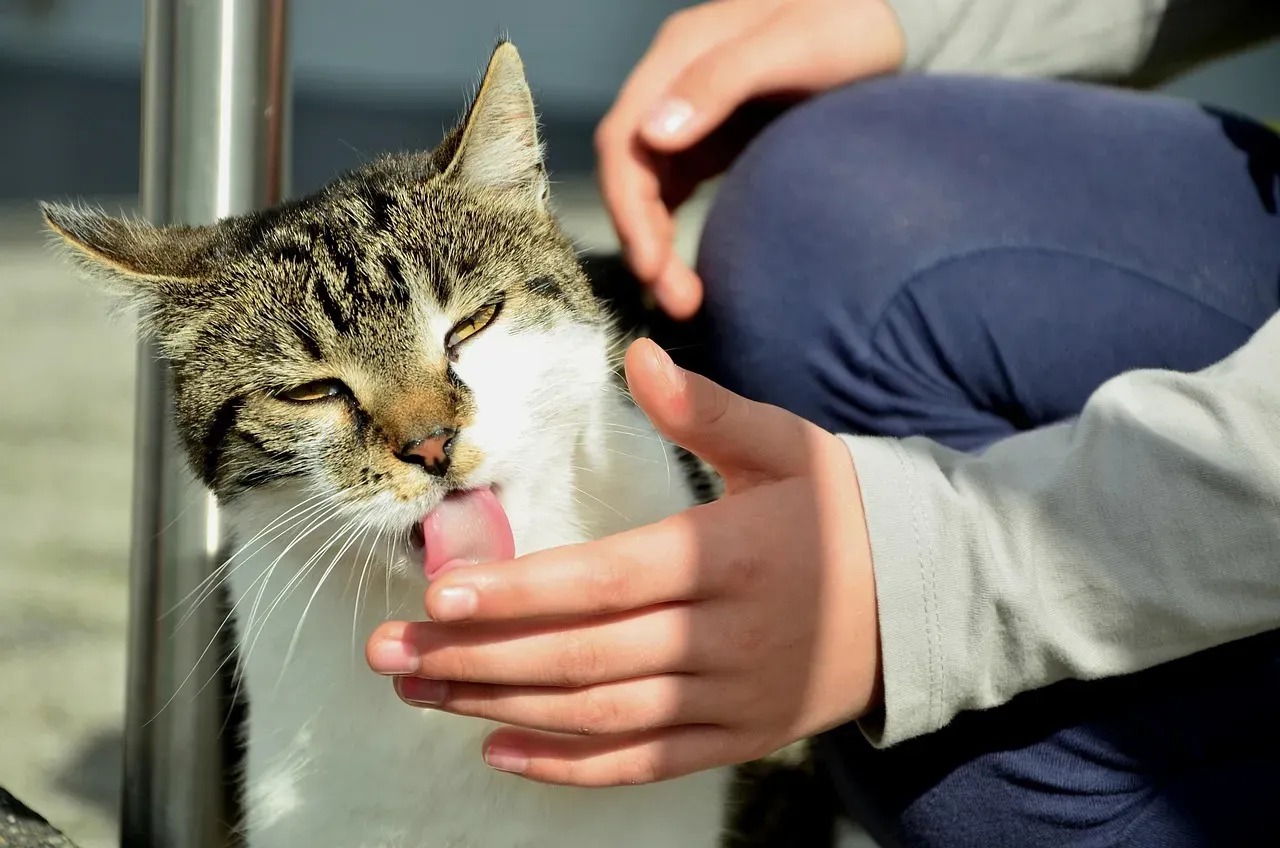
It’s weird the first time it happens: your cat starts licking your hand, arm, or even your hair. Grooming is how cats bond with each other. You’re part of their group now. They’re mixing your scent with theirs to create a “group smell.” Affection: just like bunting, licking is an intimate act of trust.
Research suggests cats may view humans as large, clumsy, non-threatening cats rather than a different species. They use the same social behaviors with us, including rubbing, kneading, and grooming, that they’d use with feline companions, treating us as fellow cats. Licking mimics grooming within a social group, a clear bonding behavior. It shows your cat views you as family, reinforcing trust and affection. When your cat grooms you, you haven’t just earned their affection. You’ve been fully accepted into their world.
Conclusion
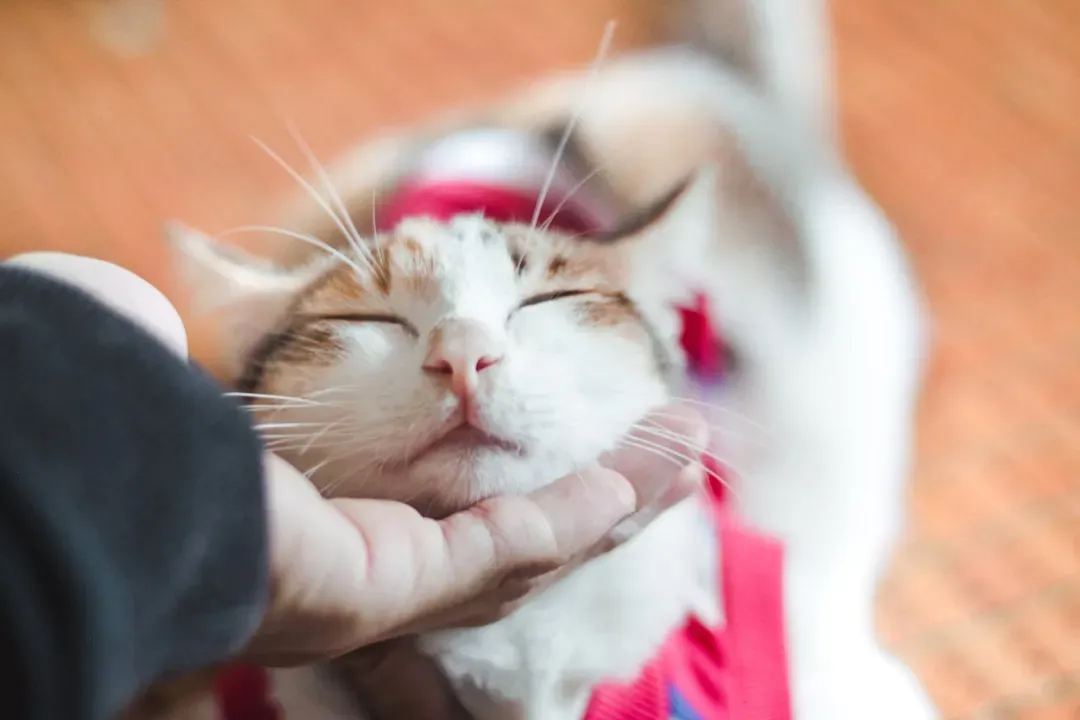
The case for feline loyalty has never been stronger, and the evidence lives in the everyday. It’s in the slow blink across a quiet room, the soft press of a head against your knee, the shadow that follows you from kitchen to bedroom. Cats form complex relationships with humans called secure attachments. Cats feel you are their caretakers. On the opposite side, they also feel like they take care of you. It’s a mutually beneficial relationship that runs deeper than most people realize.
While cats may not fetch your slippers or bark at intruders, they can exhibit loyalty just as deeply, if not more subtly, than dogs. Their loyalty is earned through patience, love, and mutual respect, making it a special and profound trait. Once you start seeing your cat’s behavior for what it truly is, you realize you haven’t been living with an indifferent creature at all. You’ve been living with a quiet, devoted companion who has been telling you they love you every single day. You just needed to learn the language.
Kristina is a young writer from India. An arts graduate and an avid content creator, Kristina is passionate about animals and wildlife. She enjoys exploring topics related to pet care, animal behavior, conservation, and nature, combining thorough research with engaging storytelling.