You’ve probably noticed your cat always gravitating to the same corner of the couch, or disappearing into a closet shelf the moment things get noisy. It’s tempting to chalk this up to random feline weirdness, but the truth is a little more layered than that. Where your cat chooses to rest says something genuine about who they are.
A cat sleeping position refers to the stance a cat chooses to nap based on their personality, current emotional state, age, and health condition. The same logic applies to the specific location they choose. A cat’s favorite location is just as revealing as the position they choose. Once you start paying attention, you’ll find that your cat has been leaving clues all along.
The Windowsill Watcher: Curious, Alert, and Perpetually Entertained
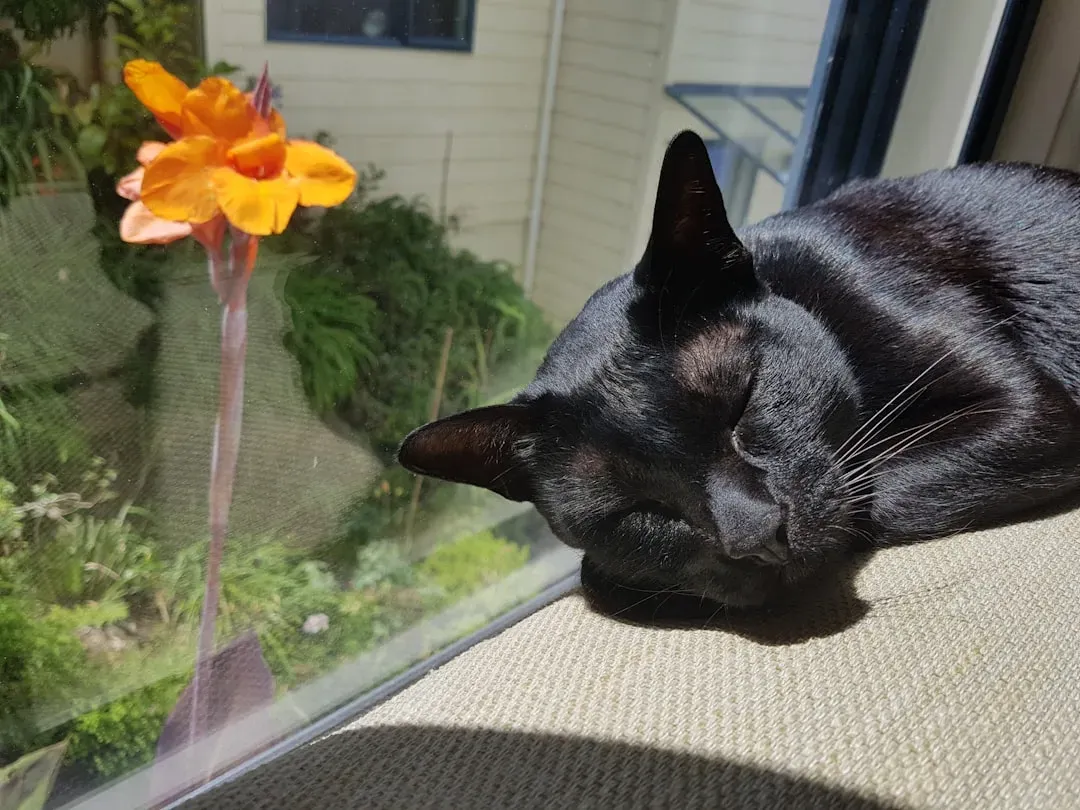
If your cat is a devoted windowsill napper, you’re likely sharing your home with a particularly observant and mentally active animal. Cats often seek out warm, cozy spots, particularly near windows or heating vents. The light and warmth are appealing, but so is what’s happening on the other side of the glass.
High perches near windows offer cats the perfect combination of warmth from sunlight and entertainment from watching outdoor activities, satisfying both their physical comfort needs and mental stimulation requirements. A cat who consistently parks themselves at the window tends to be bright, curious, and easily stimulated by their environment. They want to know what’s happening out there, even if they never plan to leave.
The High-Perch Sleeper: Confident, Territorial, and Always in Charge
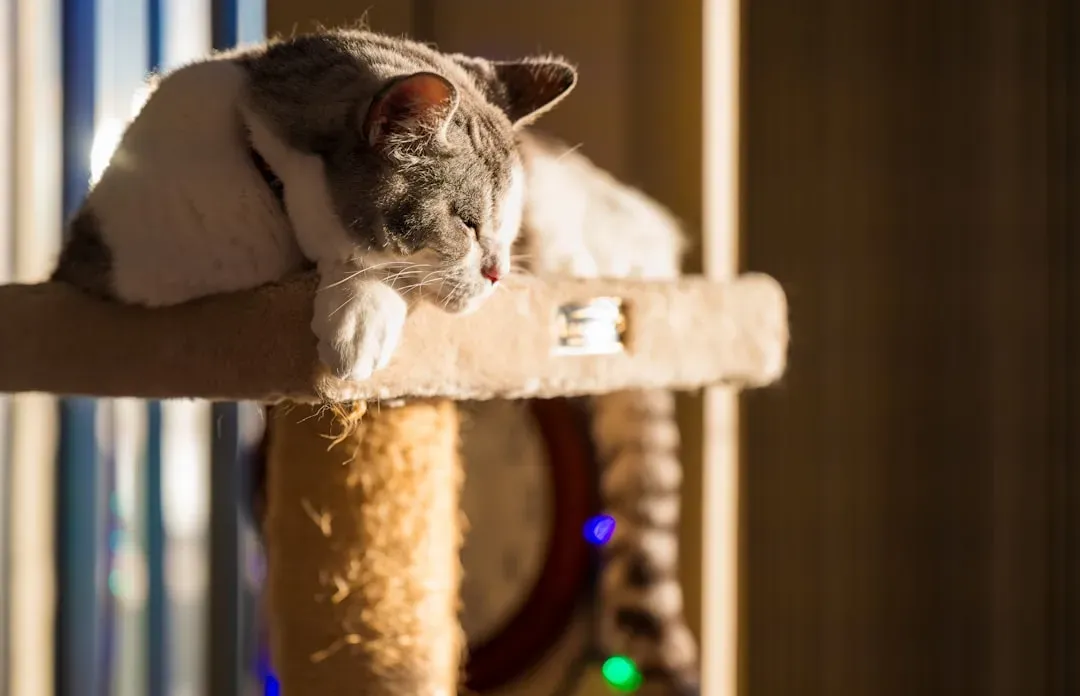
Does your cat commandeer the top of the refrigerator, the highest bookshelf, or the tallest point on the cat tree? Cats are instinctively drawn to high places. This is due to their preference for the safety and security of elevated natural locations, as well as the observational advantage of being above ground for hunting prey and hiding from potential predators. But beyond safety, there’s a definite personality statement being made.
Cats prefer elevated sleeping spots because they feel secure, can avoid being startled, and can easily monitor their environment. In multi-cat homes, higher spots may become part of subtle social hierarchies, with more confident cats claiming the top positions. If your cat always reaches for the highest available spot, you’re likely dealing with a self-assured, dominant personality who sees themselves as the household’s unofficial supervisor.
The Box Devotee: Resourceful, Security-Seeking, and Deeply Instinctual
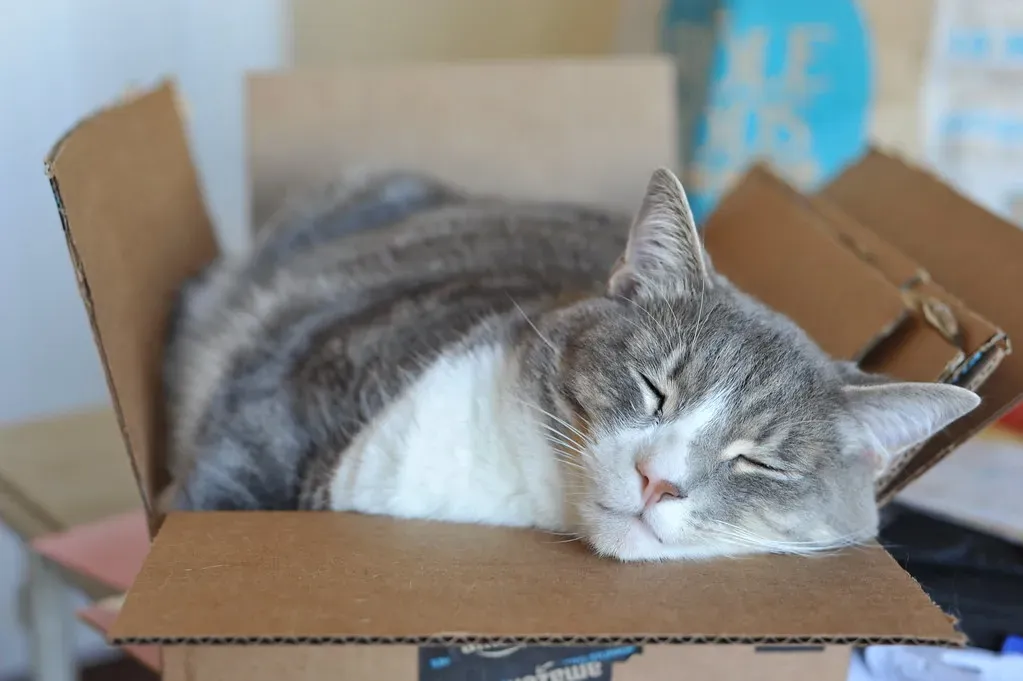
Put an empty cardboard box on the floor, and within minutes your cat materializes inside it. In the wild, small, hidden spaces protect cats from predators. A box is a secure, enclosed environment that triggers a cat’s natural instinct to find a safe den. Curling up in a box lets a cat keep watch while feeling hidden and safe. This behavior runs deep in their evolutionary wiring.
When they’re stressed, cats seek safe, enclosed spaces like boxes to hide and feel secure. Research shows boxes can lower cortisol levels, helping cats calm down. A cat who gravitates toward boxes and tight enclosed spaces is often cautious, thoughtful, and highly attuned to their environment. They’re not antisocial – they just process the world on their own terms, from a position of control.
The Lap Sleeper: Affectionate, Bonded, and Openly Trusting
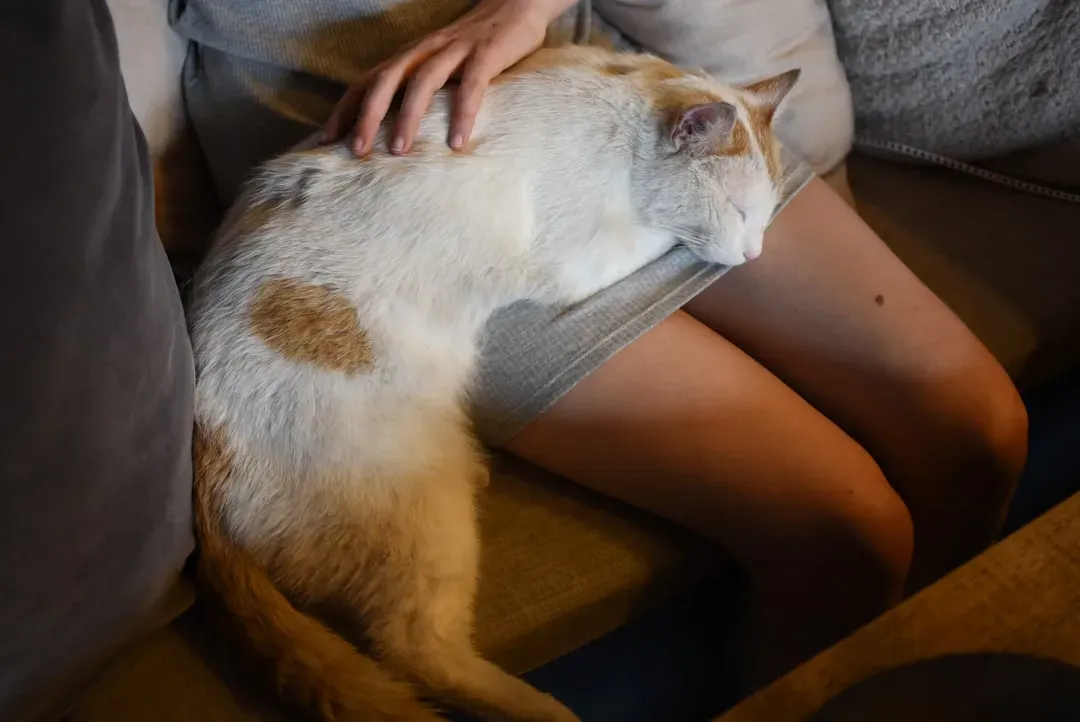
A cat who chooses your lap as their preferred napping destination is making quite a statement. Sleep can be a vulnerable time, and cats instinctively gravitate toward places where they feel safe. By choosing to sleep near a familiar human, cats not only find warmth and comfort – they also benefit from a sense of security that reinforces their bond. Your lap, specifically, is both warm and familiar in scent.
A cat’s willingness to sleep near a human is fundamentally predicated on trust. Cats, as crepuscular animals, are naturally vulnerable during sleep. Therefore, a cat will only choose to sleep in close proximity to a human if it perceives that human as a source of safety and security. Lap sleepers tend to be deeply social cats who have fully adopted you as family. They’re not just comfortable – they’re content.
The Hidden Away Cat: Independent, Cautious, and Quietly Observant
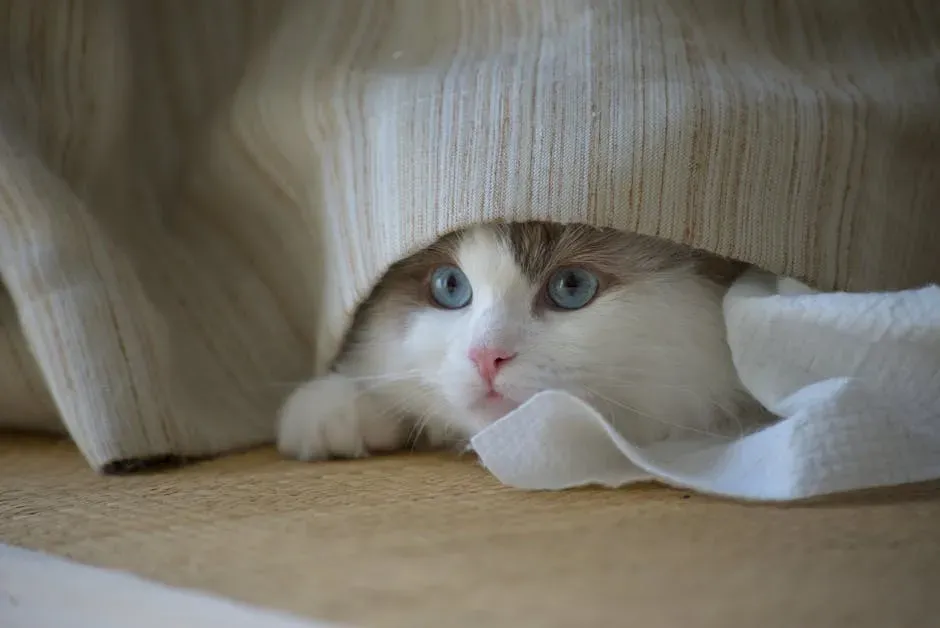
If your cat vanishes into a closet, burrows under a bed, or tucks themselves into a laundry basket, they’re not being antisocial. Some cats vanish into closets, laundry baskets, under beds, or inside boxes to sleep. This doesn’t mean they don’t love you. Hidden sleepers are usually thoughtful cats who prefer structured comfort. The desire for concealment is rooted in ancient instinct, not emotional distance.
Anxious or skittish cats prefer to hide or conceal themselves in small dark confined spots like wardrobes or under bedding. That said, even confident cats occasionally retreat for deep, uninterrupted rest. A cat snoozing on the bed is less engaged and more relaxed than a cat lying on a table near the window, listening for activity. They often hide in order to recharge deeply. Pay attention to whether your cat hides regularly or only during specific stressful moments – that distinction matters.
The Bed-Sharer: Social, Emotionally Bonded, and Scent-Oriented
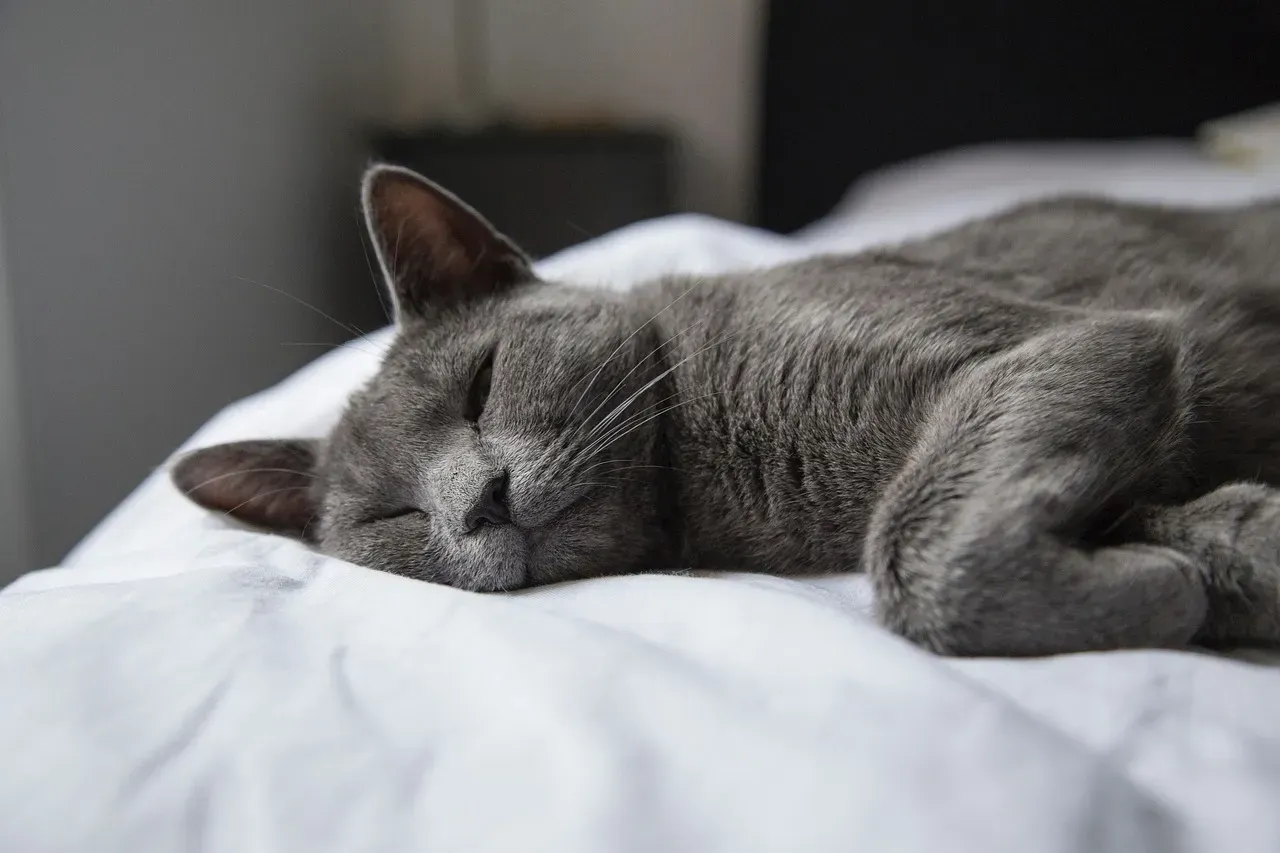
Your cat’s preference for sleeping on your bed – and exactly where on your bed – carries real meaning. In a notable proportion of cases, a cat’s favorite sleeping spot is the owner’s bed – underscoring the idea that once cats find a comforting spot, they prefer to stick with it for consistency. Routine and scent familiarity both play a role in this loyalty.
Sleeping near your head signals strong bonding and scent-seeking. On your chest means deep attachment to your warmth and heartbeat. At your feet shows affection with a preference for personal space and an easy exit route. Between your legs means your cat is nesting for warmth and security. Each spot is a slightly different read on the same core message: your cat trusts you and finds you worth sleeping near.
The Sunny Spot Seeker: Laid-Back, Pleasure-Driven, and Warmth-Obsessed
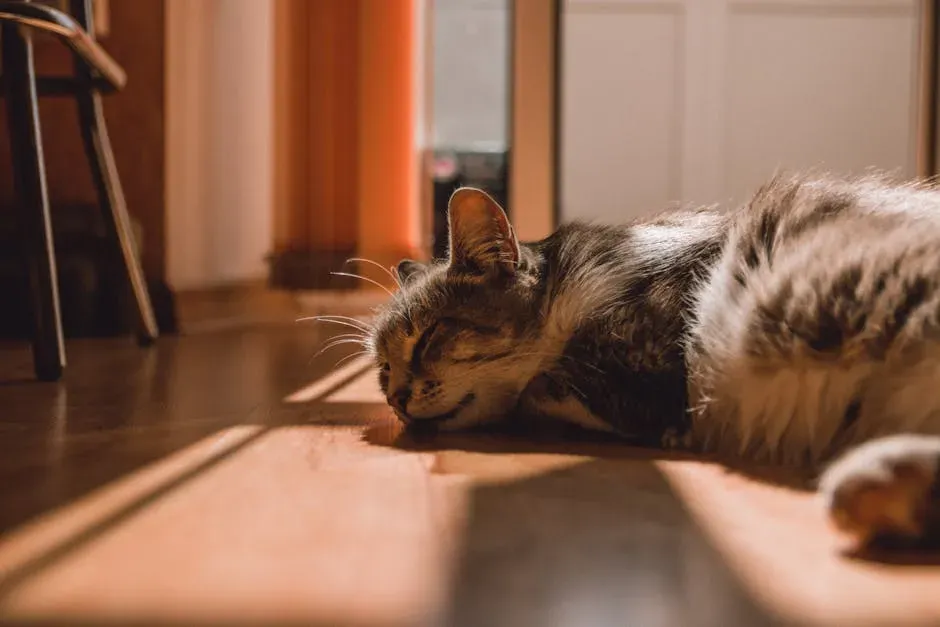
Some cats are relentless sun-chasers. They follow that warm patch of light across the floor throughout the day, rotating their position as it moves. Your home plays a big role in how well and how often your cat sleeps. While cats can nap just about anywhere, they’re selective about where they feel most at ease. Cats often seek out warm, cozy spots, particularly near windows or heating vents. Temperature is a major driver behind the choice.
This behavior is partly biological. Cats love warmth. According to a 2006 study by the National Research Council, cats are most comfortable in temperatures between 86–97 degrees Fahrenheit. A cat who consistently seeks the sunniest spot in the room is typically easygoing and comfort-focused. They’re not trying to observe or control anything – they simply love to feel good, and they’re very good at finding exactly that.
The Furniture Sprawler: Relaxed, Extroverted, and Completely at Home
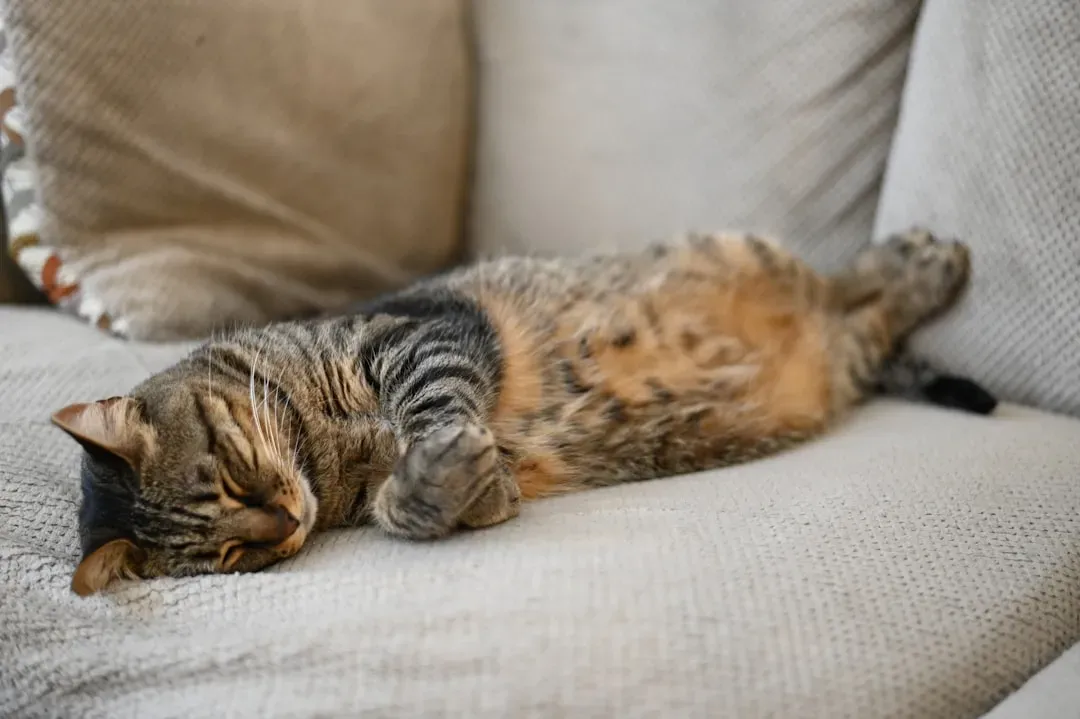
Some cats don’t hide, don’t seek heights, and don’t burrow. They simply sprawl right in the middle of the couch, a rug, or even the floor – fully visible, fully relaxed, and looking like they own the place. When your cat sleeps on their side, they are usually in a deep sleep state and feel very secure in their environment. This position is often associated with calm, relaxed cats who are content with their surroundings. Cats who sleep on their side are typically less anxious and may be more affectionate towards their owners.
A cat’s favored sleeping spot can affect its behavior by providing a sense of security and comfort. A regular, undisturbed resting place helps maintain their mental well-being and may result in a more relaxed and confident demeanor. Open-space sleepers are usually the bold ones – the cats who greet guests, initiate play, and rarely startle. They’ve assessed their environment, decided it’s safe, and settled in accordingly. No drama, no hiding, no need.
When Napping Spots Change: What a Shift in Routine Reveals
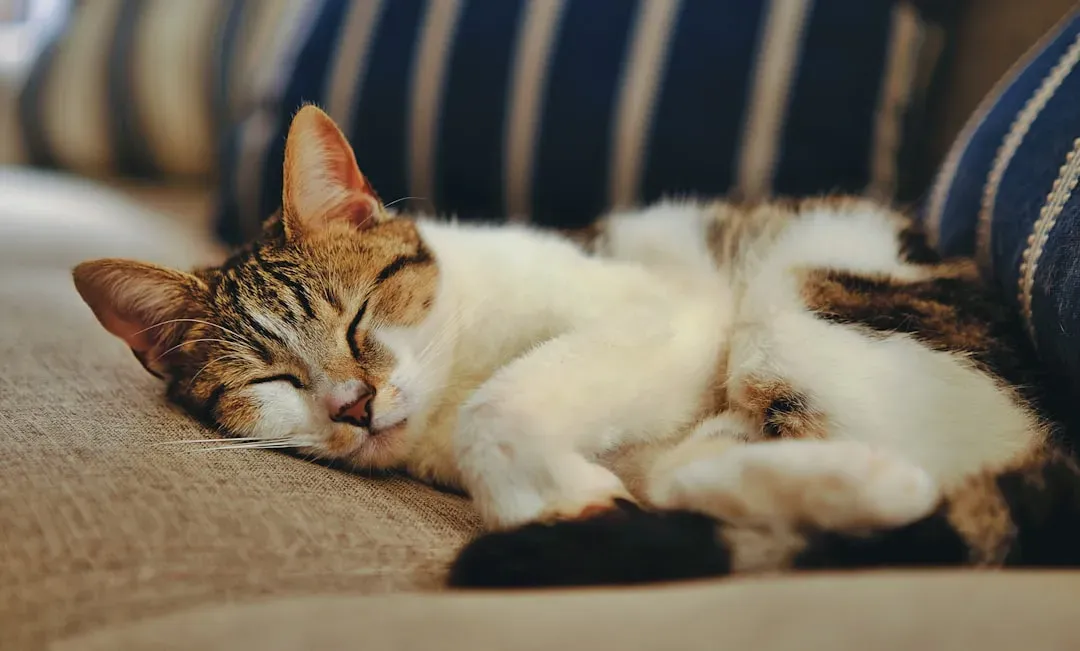
Perhaps one of the most useful things to understand about your cat’s sleeping habits is what it means when those habits suddenly change. Sleep behavior changes with age, routine, and environment. A shift in where or how they sleep can signal stress, comfort, or even early health issues. A cat who migrates from their usual spot for no obvious reason is worth a closer look.
Cats can become startled by sudden loud noises, such as those from a too-loud television or the construction crew down the road. If your cat’s nap was disrupted by a sudden noise that startled them, they might be less likely to go back to that exact spot to sleep in the future. Environmental causes are common, but so is physical discomfort. A sudden shift from open napping spots to hiding may be worth checking with your veterinarian. Your cat can’t tell you when something feels off – their change in location is often the closest thing to a message they have.
Conclusion
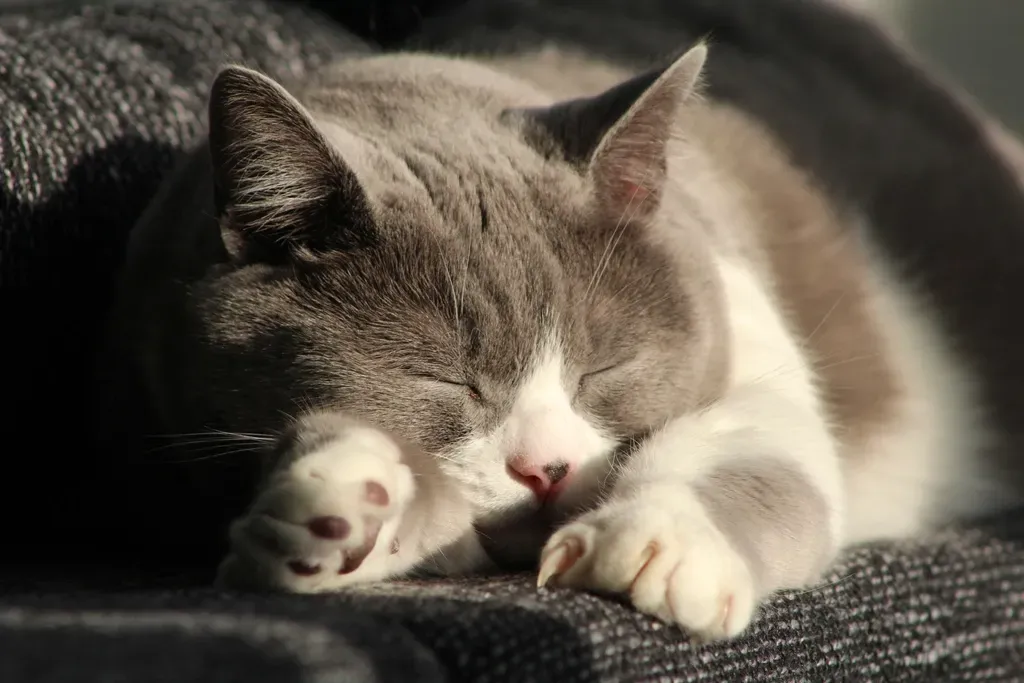
Your cat’s napping habits are more than adorable daily rituals. They’re a window into how your cat sees the world, how safe they feel, and what kind of personality is tucked beneath all that fur. From the bold windowsill watcher to the quietly tucked-away closet napper, each preference tells a coherent story when you know how to read it.
The most practical takeaway is simply this: pay attention. Paying attention to your cat’s preferred positions can give you real insight into their mood, health, and how secure they feel in your home. A sudden change in sleep posture is also worth noting, as it can occasionally signal discomfort or stress. Your cat has preferences, boundaries, and needs – and their favorite napping spot is one of the most consistent, honest ways they express all three. Watch where they sleep, and you’ll understand them a little better with every nap.
Kristina is a young writer from India. An arts graduate and an avid content creator, Kristina is passionate about animals and wildlife. She enjoys exploring topics related to pet care, animal behavior, conservation, and nature, combining thorough research with engaging storytelling.