There’s a familiar scene that plays out in households everywhere. A room full of people who adore cats, and yet the resident feline glides past every outstretched hand to settle on the lap of the one person who barely looked up. It feels like a snub, but it’s actually something far more interesting than that.
A growing body of research in feline behavior and human-animal bonding shows that cats are highly selective, emotionally intelligent creatures who form deep but calculated attachments. Understanding why your cat gravitates toward one person while keeping others at arm’s length reveals a lot about how cats actually experience the world – and the humans in it.
Cats Are Always Evaluating You, Whether You Know It or Not
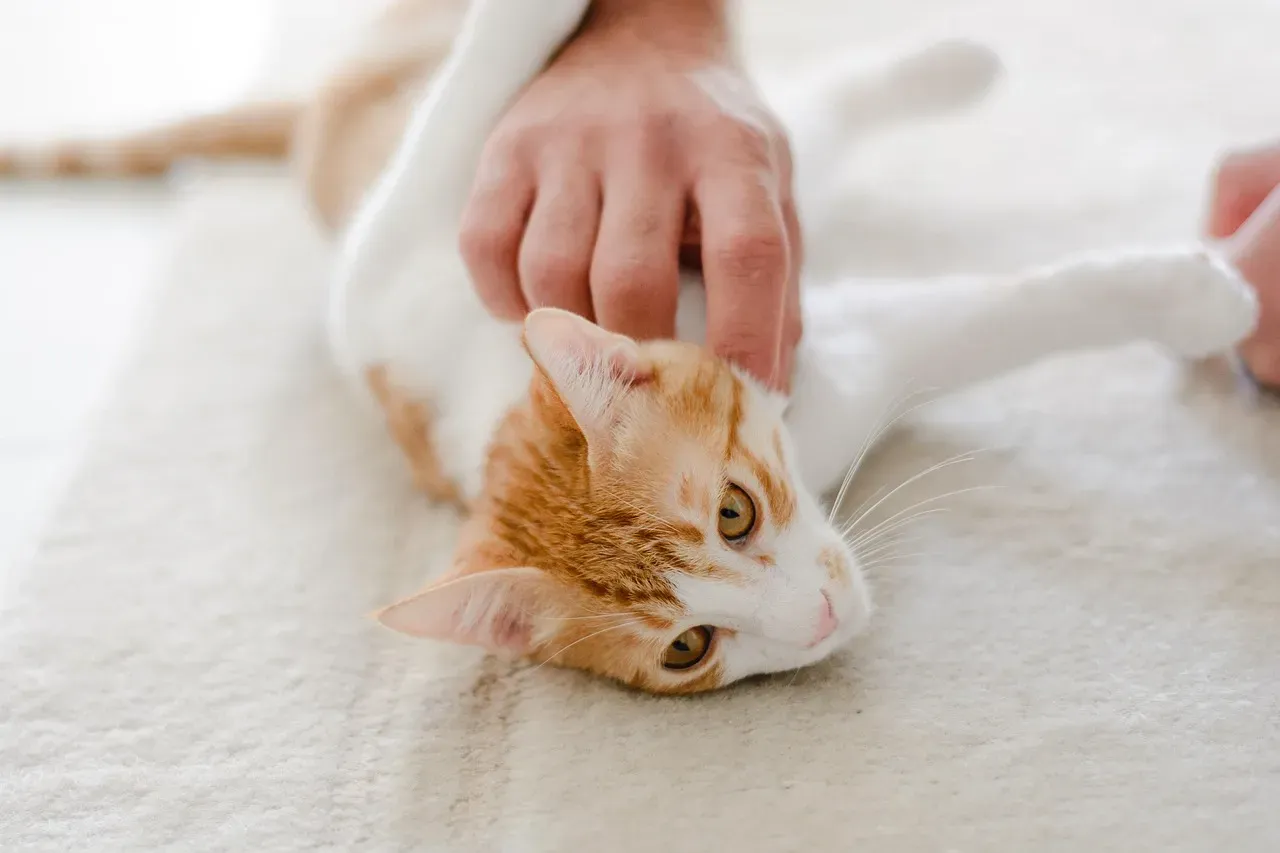
According to veterinarians and animal behaviorists, cats use a combination of emotional safety, energy levels, routine, and trust to select their favorite human. This isn’t a random or impulsive process. It’s ongoing, quietly running in the background every day.
Cats evaluate humans constantly – every movement, every tone of voice, every reaction – and based on that information, they make a choice. You might not realize you’re being assessed, but you are. The person who earns top status doesn’t necessarily do the most. They simply do the right things consistently.
The Science of Attachment: More Than Just Instinct
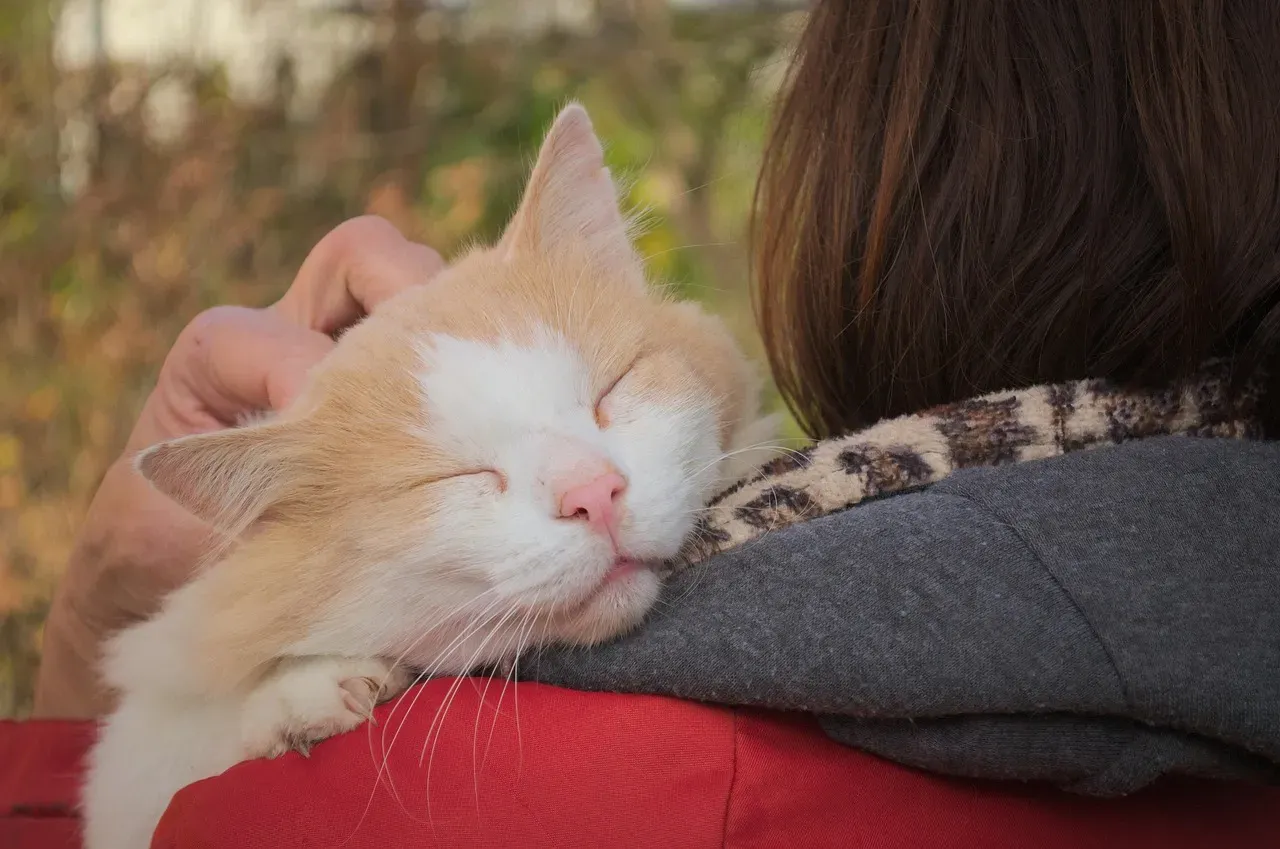
A 2019 study published in Current Biology examined 70 kittens ages three to eight months and 38 adult cats over one year old. Of the kittens, roughly nearly two thirds were classified as securely attached to their owners, while the adult cats showed a similar proportion of secure attachment.
Securely attached cats displayed a reduced stress response and curiously explored the room while checking in periodically with their owners for attention. Cats with an insecure attachment remained stressed after their owner returned and displayed behaviors such as clinging, avoiding, or switching between the two. These patterns mirror findings from human infant studies more closely than most people would expect.
Early Socialization Leaves a Lasting Impression
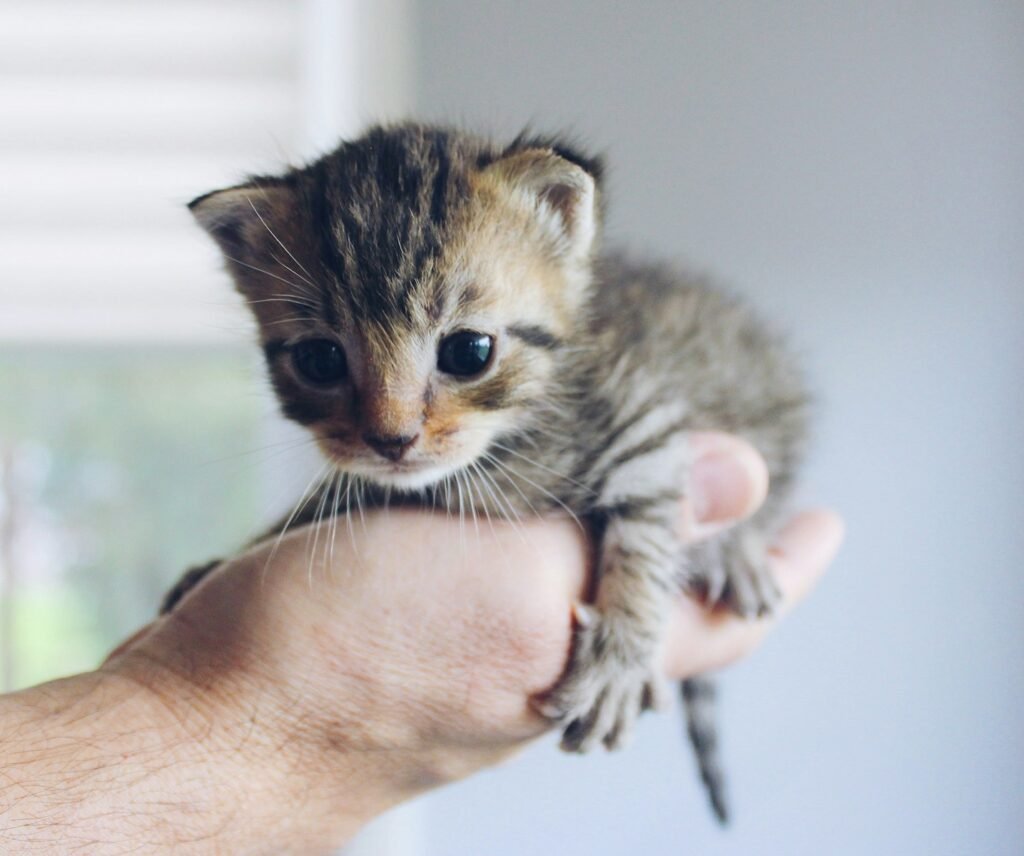
During a kitten’s critical socialization period, typically between two and seven weeks old, interactions with humans are crucial in shaping their behavior and attachment patterns. What happens in those early weeks is essentially hard-coded into a cat’s social brain. Who was present, who was gentle, and who provided safety during that window tends to matter for a long time afterward.
When kittens are young, they bond with the person who takes care of them and interacts with them the most after being separated from their mother, as this person becomes their figure of safety and comfort and their trusted caregiver. Kittens exposed to just one person from a young age may become fearful of new faces, while those brought up around many people may become aloof. Cats with negative past experiences with certain human types may become insecure and anxious around them.
Calm Energy Matters More Than Enthusiasm
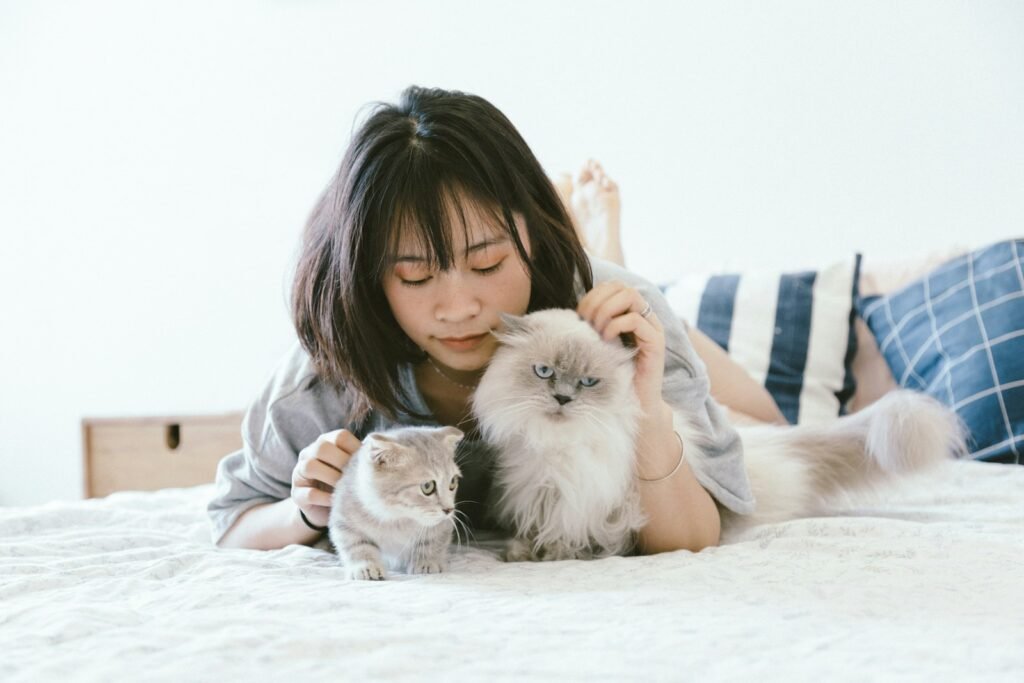
At their core, cats are still animals wired for survival. They’re attracted to people who project calm, consistent energy – someone who feels like a safe base. An unpredictable, loud, or nervous human can put a cat on edge, even if that person adores them.
People who are calm, relaxed, and gentle are often more appealing to cats. Conversely, people who are loud, make sudden movements, or are overly aggressive in their approach might make a cat feel uneasy or stressed. The emotional atmosphere you carry into a room genuinely shapes how your cat responds to you over time.
The Counterintuitive Role of Restraint and Respect
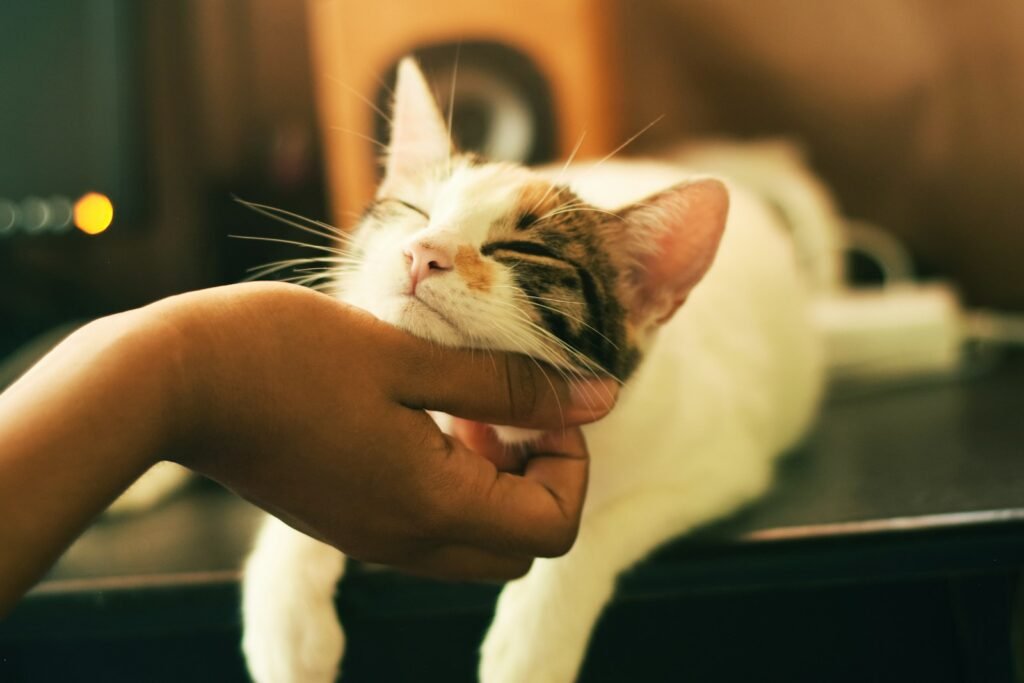
Feline behavior researchers consistently find that cats gravitate toward humans who “speak cat.” Counterintuitively, the person who loves cats the least often ends up being the cat’s favorite. This happens because they don’t smother the cat with uninvited attention. They sit calmly, mind their own business, and let the cat come to them. Cats are drawn to people who give them autonomy and don’t invade their personal space.
Unlike other pets, it’s often a lack of handling that cats look for in their human companions. Research published in Applied Animal Behavior Science suggests cats can associate handling with the vet. Cats like to remain in control of their environment, and being scooped up and handled without request is a fast way to agitate a feline. It’s not that they don’t want affection. They just want it offered, not imposed.
Your Scent Is a Biological Signature
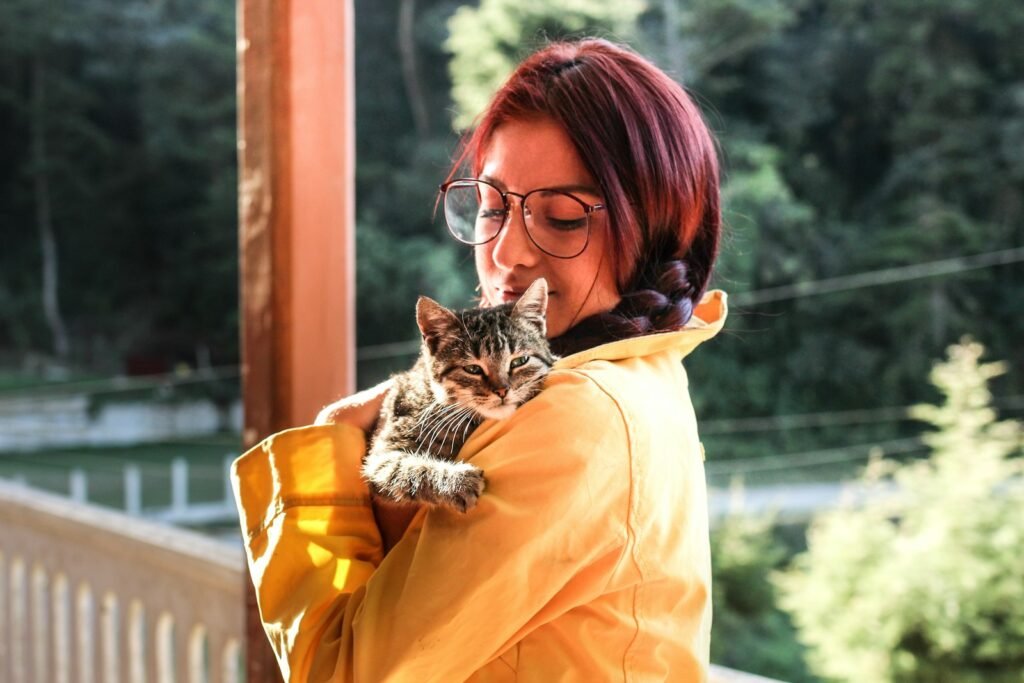
On a very basic level, if your cat seems to prefer one person over another, it could simply be that they are gravitating toward the person whose smell they enjoy the most. Cats rub against humans to deposit facial pheromones that integrate the human into their social group, with specialized sebaceous glands on a cat’s forehead, cheeks, chin, and tail base producing chemical signals that create a shared colony odor.
Cats choose humans whose natural scent feels familiar, non-threatening, and consistent, which is why cats often sleep on one specific person’s clothes, one side of the bed, or one particular pillow. Your smell becomes a kind of emotional home base for them. It’s hard to fake that level of biological familiarity, which is why scent bonding is one of the most underrated factors in feline preference.
Voice, Body Language, and Speaking the Right Language
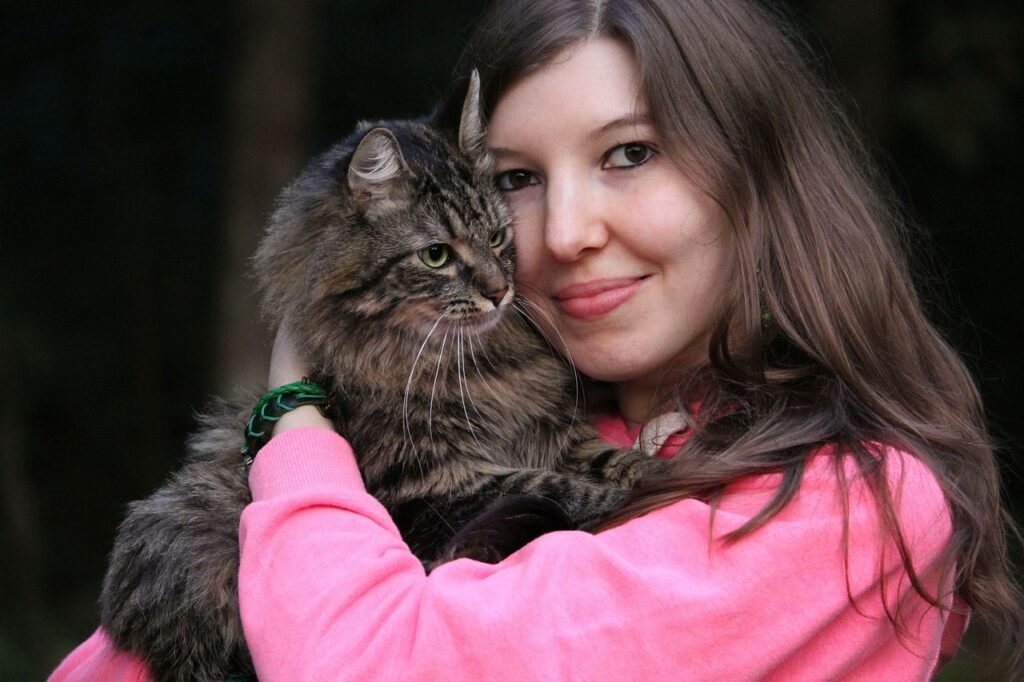
Cats respond to tone of voice as well. A soft, soothing voice can be comforting to a cat, while a loud or harsh tone might be off-putting. Cats are more likely to gravitate toward people who speak to them in a gentle and affectionate manner. This doesn’t mean you need to whisper, but it does mean that how you speak matters as much as what you say.
Cats read body language better than words. They prefer people who blink slowly, sit or lie on the floor, turn their bodies sideways, and allow the cat to initiate contact. If your cat chooses someone else, chances are that person is unknowingly speaking cat language fluently. Mimicking a cat’s slow blink, for example, is a way to show trust and affection, reinforcing your bond.
Routine and Consistency Build Deep Trust
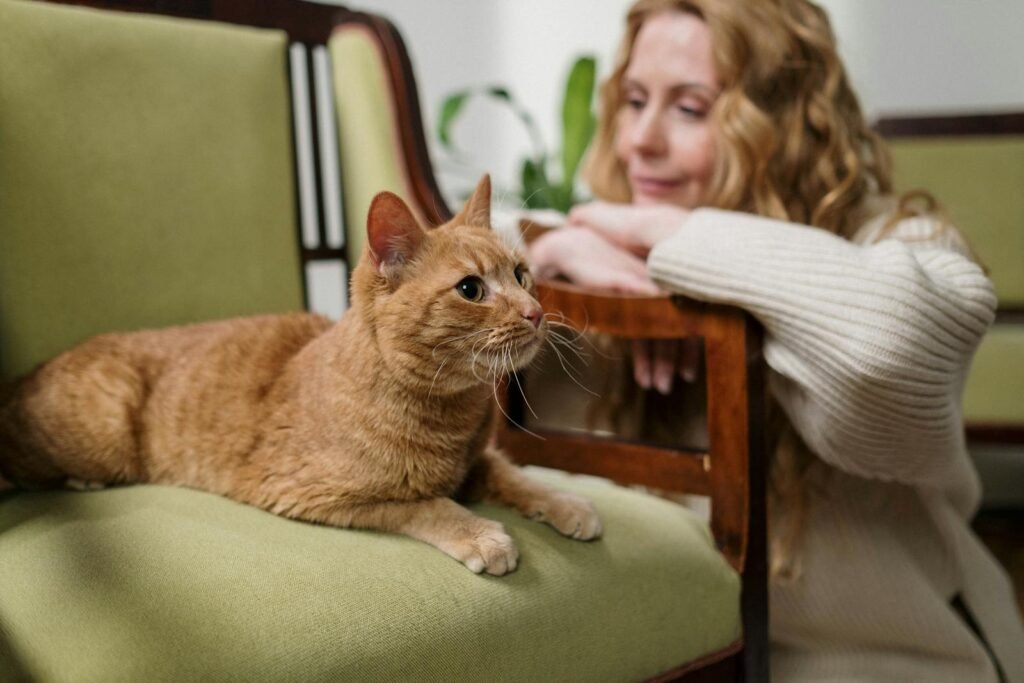
The person who shows up reliably at mealtime, especially on a consistent schedule, is signaling something deeply important to a cat: “I will keep you alive and safe.” Cats thrive on predictability, and a regular feeding routine builds trust faster than almost anything else.
Cats thrive on routine and bond with the person who wakes up at the same time, comes home consistently, and interacts predictably. Consistency creates trust, and trust creates attachment. Cats can even hold a grudge. If you make an honest mistake and apologize, like accidentally stepping on a cat’s tail, it will forgive you. Change your behavior for the worse consistently, though, and your bond will suffer.
Personality Compatibility: Matching Styles

Another reason behind a cat’s preference is the cat’s own breed or personality. If your cat is the sort who just wants to be chill and relax, they will probably go for the family member who is calm and quiet. Playful, energetic cats who love to stay active will likely choose a friend who gives them this exercise and attention.
Cats, like people, have unique personalities. Some cats prefer quiet and introverted individuals, while others might be drawn to more outgoing and playful people. Research by the nutrition company Canadae found that the person who makes the most effort is often the favorite. People who communicate with their cat by getting to know their cues and motives are more attractive to their cat companions.
How to Tell If You’re the Chosen One
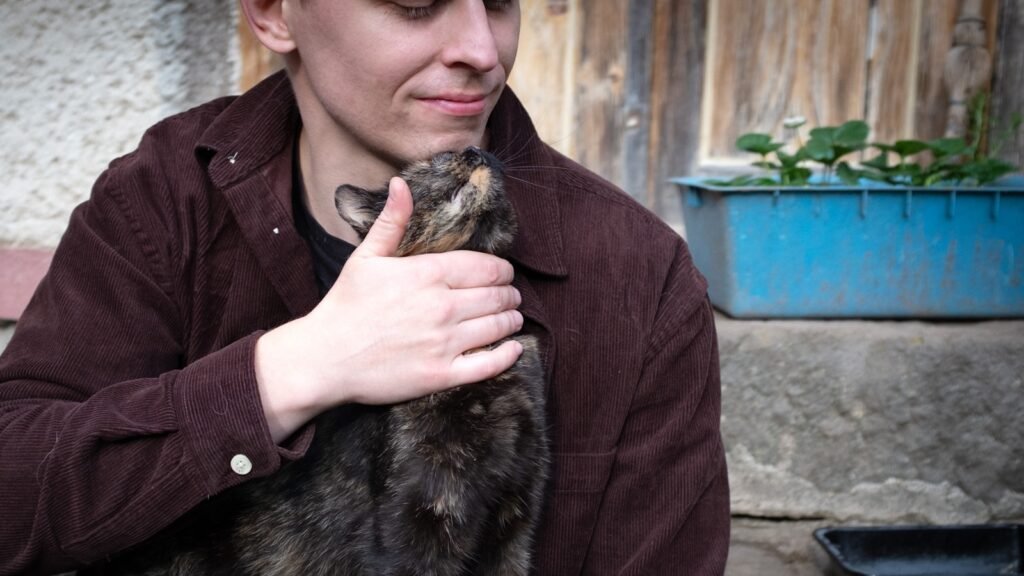
Following you from room to room is a form of attachment behavior. Sleeping on or near you signals deep trust, since cats are most vulnerable when asleep. Bringing you toys is your cat inviting you into play, which is one of the ways cats strengthen social bonds. Rolling over to show their belly is a major vulnerability, and cats only do it around people they completely trust.
When a cat truly chooses you, they may dare to smell your mouth, sleep on your head, jump on your lap, touch your face with their paws, or sleep on top of you. These are close and personal behaviors that undoubtedly indicate that you are their favorite person. If you’re not your cat’s favorite person, don’t fret. It doesn’t mean they don’t love you. They still appreciate how well you take care of them, and they might even experience separation anxiety when you’re not around.
Conclusion
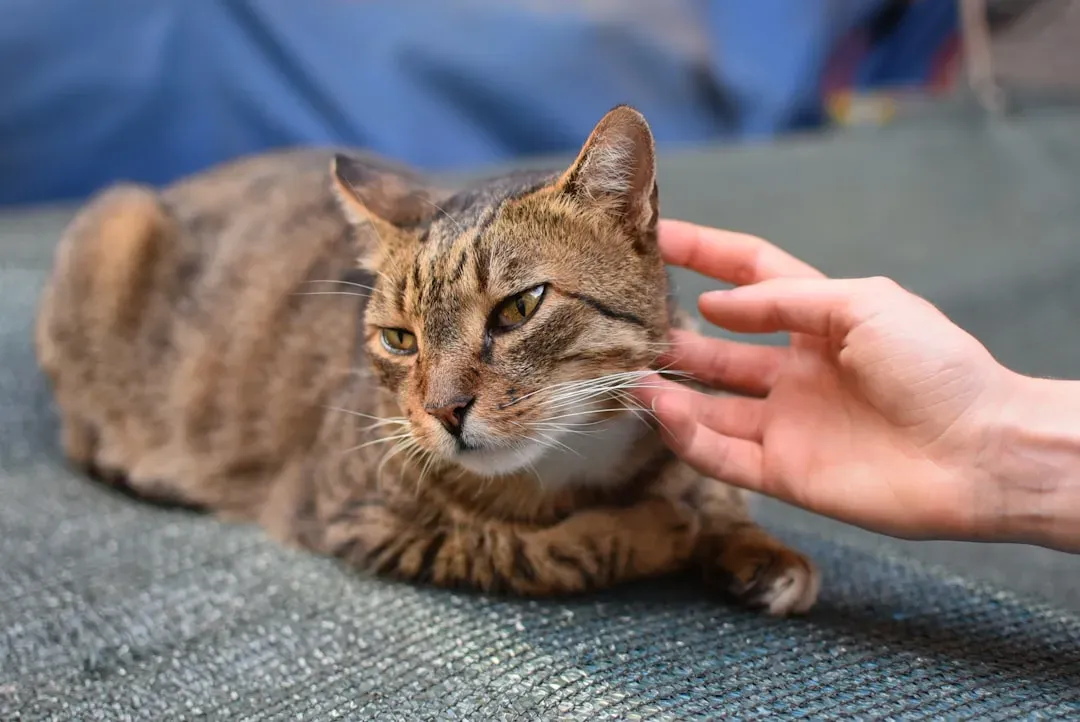
A cat’s preference for one person over another is rarely arbitrary. It’s the product of scent familiarity, early experience, consistent behavior, emotional calm, and a quiet kind of respect that cats seem to find rare and valuable. The common thread running through all of this research is that cats don’t reward enthusiasm. They reward understanding.
Cats pick their favorite people for easy-to-empathize-with reasons – they prefer to be around those who understand what they’re communicating and make an effort to meet their feline needs, most often individuals who spend time feeding, petting, talking to, and playing with their feline companion.
In the end, earning a cat’s deepest trust isn’t about trying harder. It’s about learning to be still enough, consistent enough, and perceptive enough to meet a cat where it actually is. That’s a lesson that translates surprisingly well beyond the living room.
Kristina is a young writer from India. An arts graduate and an avid content creator, Kristina is passionate about animals and wildlife. She enjoys exploring topics related to pet care, animal behavior, conservation, and nature, combining thorough research with engaging storytelling.