You’ve probably spent good money on a plush mouse or a motorized gadget, only to watch your cat walk right past it and spend the next twenty minutes attacking the bag it came in. It’s a scene familiar to just about every cat owner, and it says something important: cats are wired to engage with the world around them, not just with what we’ve selected for them.
Playtime is not optional for cats – hunting is in their DNA, and most types of indoor play give them an outlet to act instinctually, releasing dopamine, the brain’s pleasure chemical. That urge doesn’t distinguish between a designer toy and a toilet paper roll. Fortunately for your wallet, your home is already full of things your cat secretly considers the best entertainment in the building.
1. Cardboard Boxes
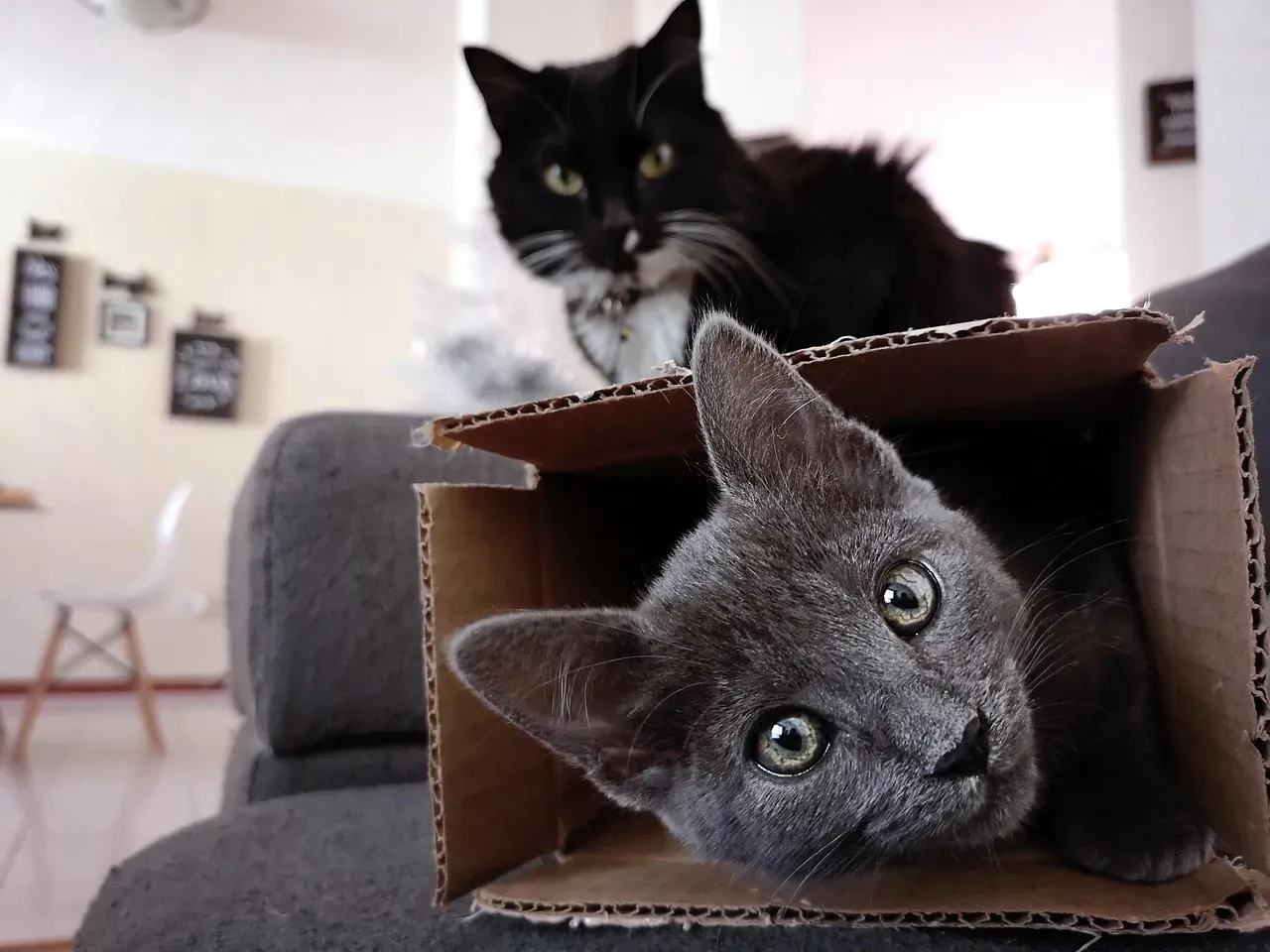
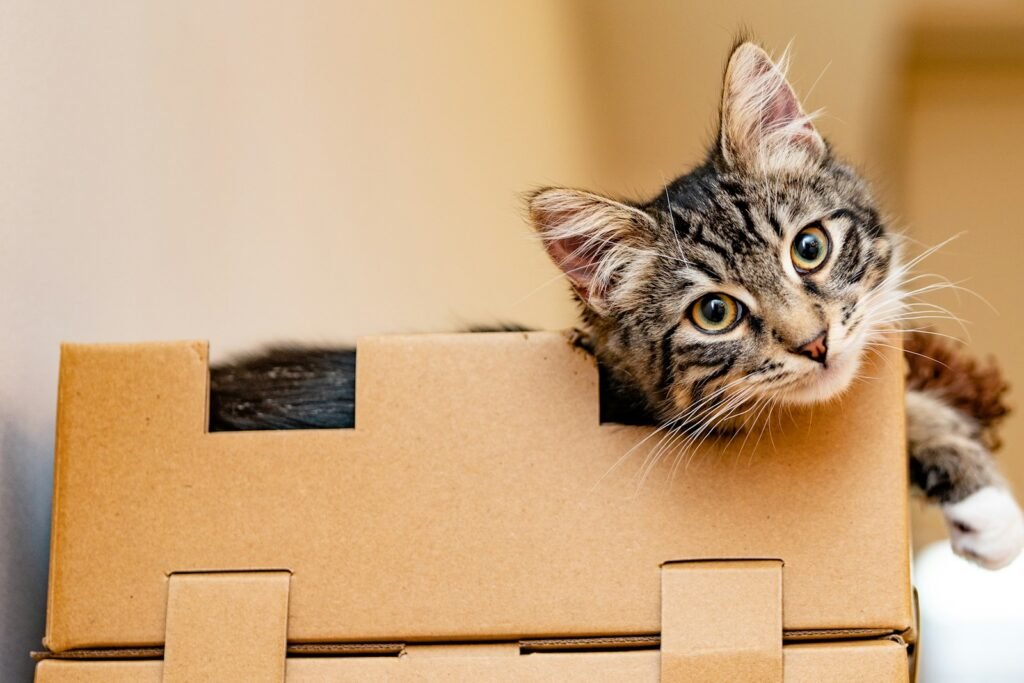
There’s a reason your cat ignores the fancy bed you bought and immediately colonizes the box it arrived in. To cats, a box isn’t just a container – it’s a cozy hideaway, a playground, and a source of endless fun. The appeal runs deeper than quirky feline personality.
In the wild, small hidden spaces protect cats from predators. A box is a secure, enclosed environment that triggers a cat’s natural instinct to find a safe den. Curling up in a box lets a cat keep watch while feeling hidden and safe. A cat’s normal body temperature sits higher than most household environments, and because cardboard is an insulator, boxes are great places for cats to both explore and feel cozy.
Cardboard and paper have an organic texture that feels a lot like the kinds of surfaces cats use in nature to scratch, chew, or climb. Corrugated cardboard can mimic tree bark, giving your cat plenty of temptation for scratching or climbing. Before you recycle that delivery box, set it on the floor and leave it. Your cat will find it in minutes.
2. Crumpled Paper Balls
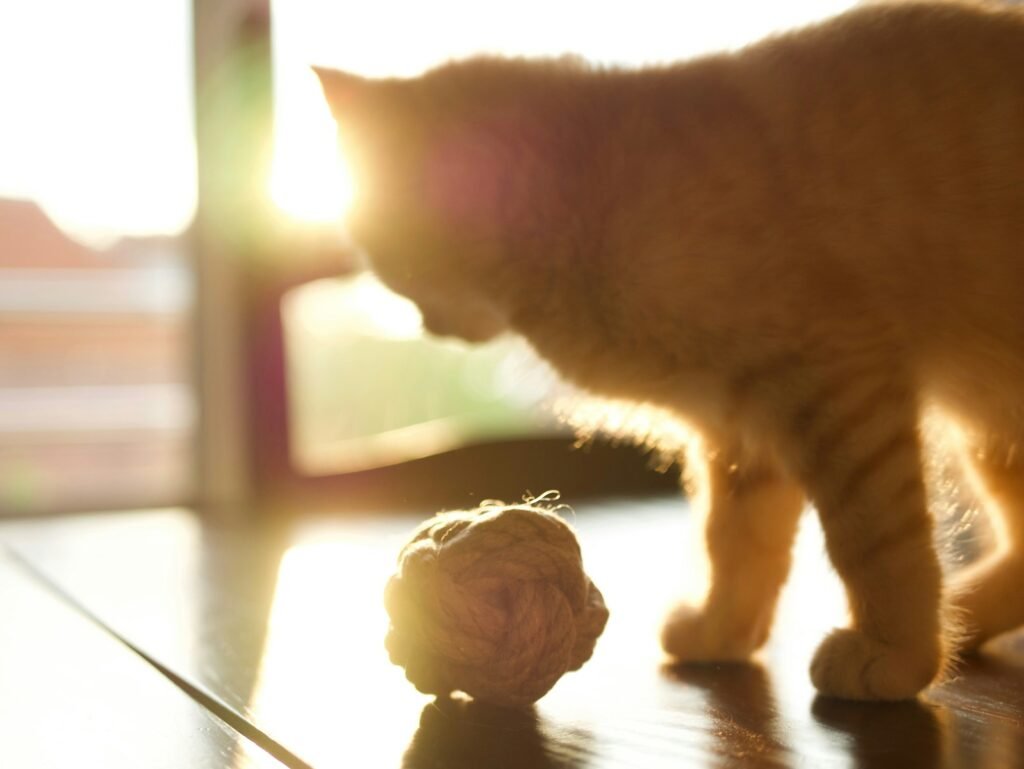
Cats adore playing with crumpled pieces of paper. They enjoy the noise the paper makes as well as the texture. This is perhaps why commercially sold cat toys often have a crinkle section built into them. So that receipt you tossed across the room? Your cat saw that.
The crinkle sound is a real treat for your cat. Their brain responds to the sound of crinkling, which means they associate it with something good. Cats also like things that crinkle or rustle because it reminds them of food coming their way. Paper crumpled into a ball is something your cat can chase, and some cats even look forward to a game of fetch, bringing the ball back to you. Just supervise play and keep the paper out of reach once playtime ends, since ingesting it can cause digestive issues.
3. Toilet Paper Rolls (Empty Ones)
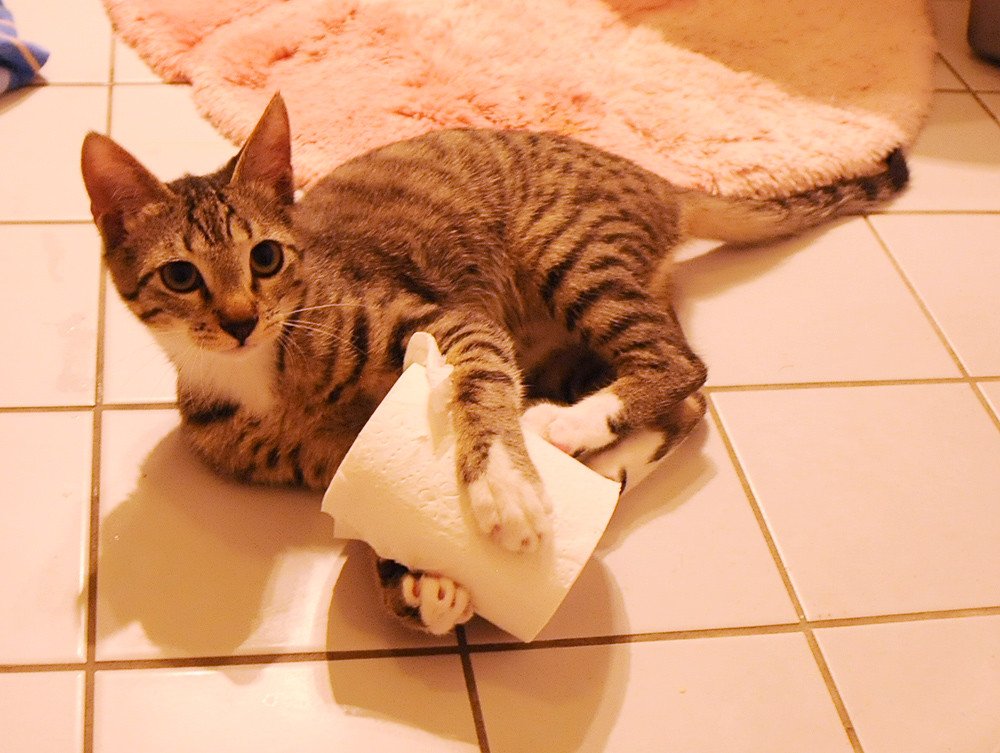
When you run out of toilet paper, save the rolls. They’re perfect for hiding toys and snacks, are safe to chew, and are lightweight enough for chasing around the house. Empty tubes are low-effort entertainment that costs you absolutely nothing.
The sound and texture of the paper provide sensory stimulation and mimic the rustling of prey, satisfying a cat’s natural hunting instincts. The cylindrical shape and light weight also mean they roll well, keeping furry paws and legs occupied. Toilet paper tubes can also be converted into treat dispensers – cut out holes just big enough for a piece of cat treat to slip out, fill the rolling tube with treats, and seal both sides with tape. This offers mental as well as physical stimulation and satisfies a cat’s hunting needs.
4. Paper Bags (Without Handles)
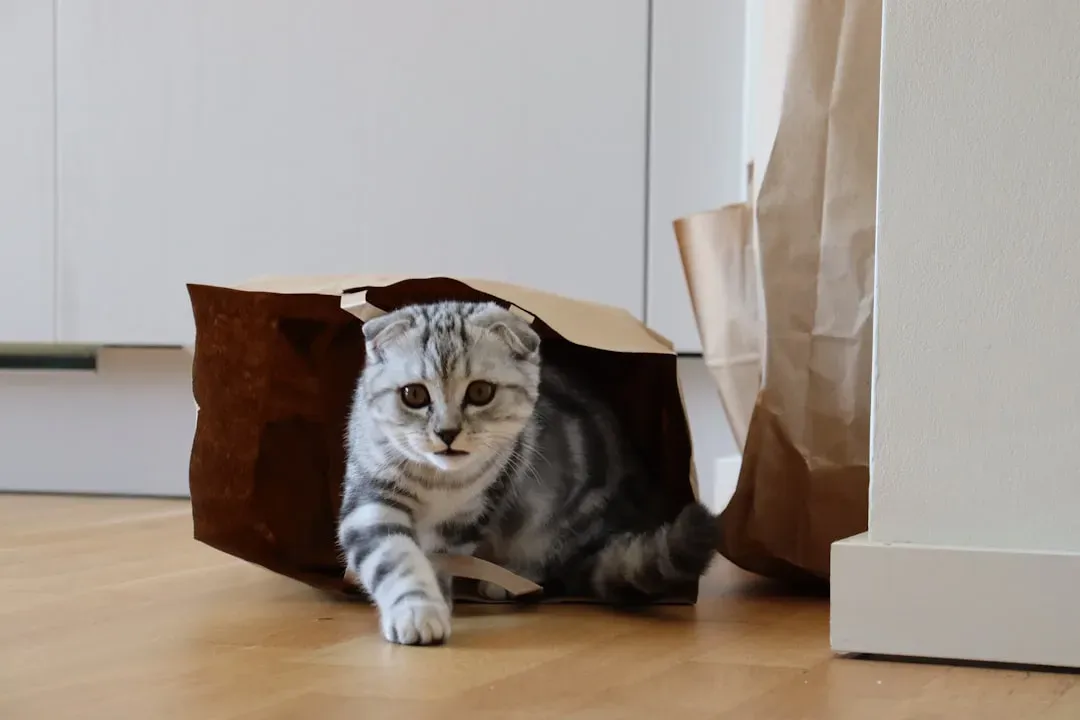
Some cats can never get enough of paper bags. You may even find it quite hard to empty your groceries without your cat trying to climb into the bag. Paper bags are especially enjoyable for cats that love the sound of crinkled paper. The combination of enclosed space and crinkle noise is essentially a two-for-one deal in feline entertainment terms.
It’s essential to cut any handles off before letting your cat play with a paper bag, but once you do, there’s no limit on how to make it engaging and interesting. You can cut the bottom off and make it a tunnel, or put multiple bags out and let your cat run wild. You could also leave the bottom on and put some food in it for a treasure hunt. Just remember to always use paper bags, never plastic ones, as plastic poses a serious suffocation risk.
5. Bottle Caps
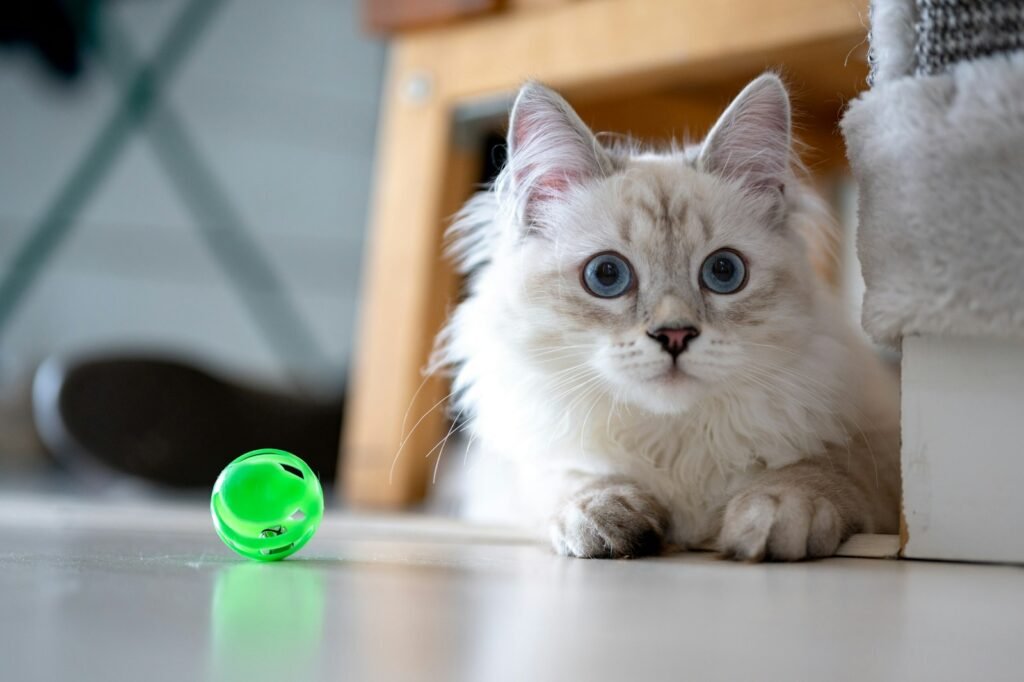
Cats are natural predators that hunt small animals, and this is the reason they like to chase tiny and light objects around, such as bottle caps – these make noise and go pretty far when playing with them, especially on tiles or linoleum. They skitter unpredictably, which is exactly the kind of erratic movement that keeps a cat’s attention locked in.
Plastic bottle caps can bounce around, spin, and slide across the floor as if they were a hockey puck on ice. Much like ping pong balls, plastic bottle caps are safe for your cat to use since they are too large to be eaten. Bottle caps with rounded, flat edges make the most suitable option. Avoid caps with sharp or serrated margins, such as beer caps, as your cat may injure itself if it tries to bite or chew on them. A handful of smooth plastic caps on a hardwood floor is a surprisingly long-lasting diversion.
6. Old Socks
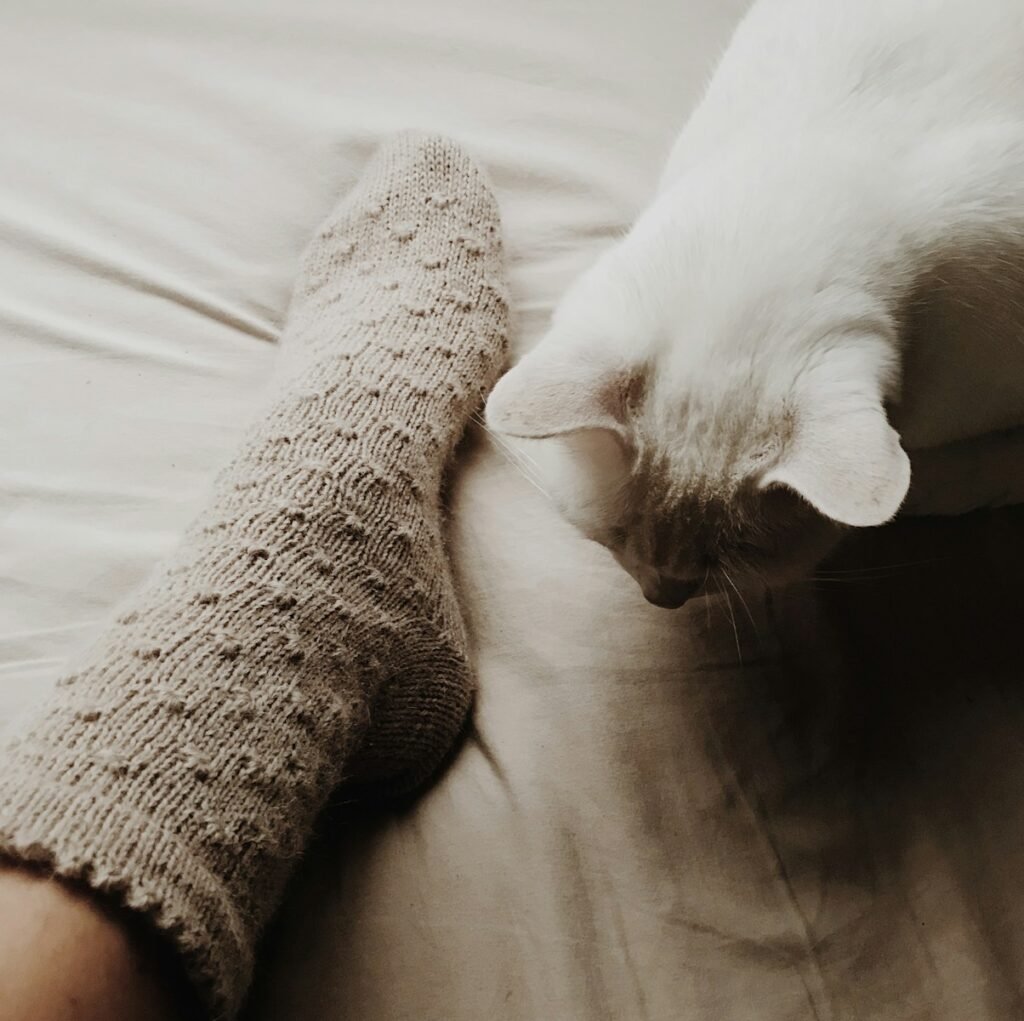
Your used sock can be a big comforter for your home-alone cat. Your scent can help comfort your cat and reduce its stress when you aren’t around. That familiar smell carries real weight for a scent-driven animal. It’s not about the sock itself – it’s about what it signals.
You can also fill a sock with catnip and tightly close the open end, and the result will be one very content cat. The soft, flexible material is easy to bat around, carry, and bunny-kick, making it an ideal stand-in for prey. As with any other toy, keep an eye on the sock during play and make sure it isn’t torn to shreds. Threads and pieces of sock can cause problems if they’re swallowed.
7. Ice Cubes
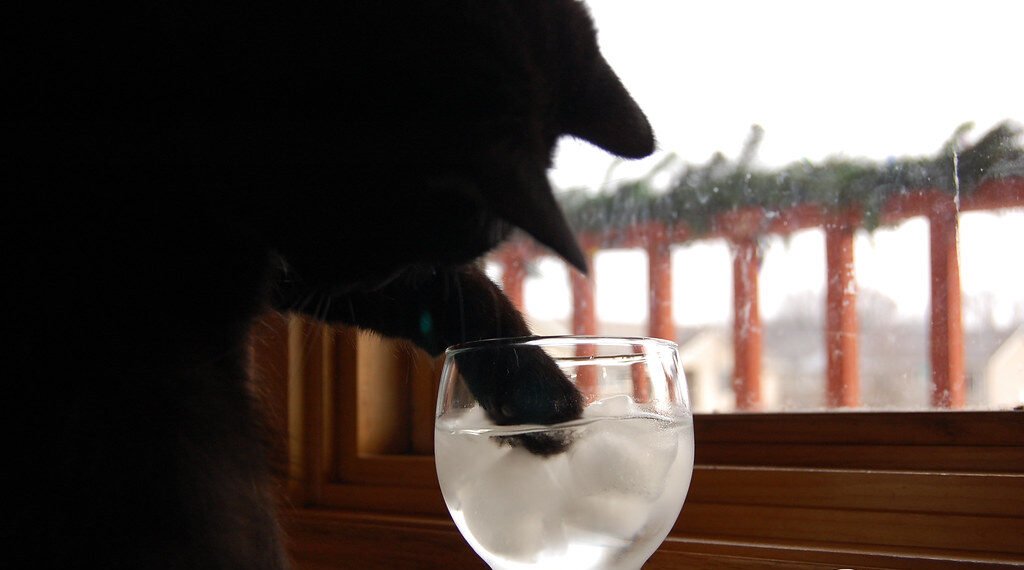
Ice cubes can make for a refreshing treat on a warm day, as well as a surprisingly fun toy. They are small enough to bat around and slide easily, making them perfect for practicing pouncing skills. They can get messy, so watch out for puddles. The unpredictability of an ice cube skidding across a kitchen floor is genuinely stimulating for a curious cat.
You can flavor ice cubes with tuna or chicken juice, meaning your cat gets a fun activity and a tasty treat all in one. This is particularly useful during warmer months when keeping your cat active without overheating becomes a small challenge. It melts, it moves, it smells interesting – few household items check that many boxes at once.
A Final Thought
The common thread running through all of these items is that none of them were designed with cats in mind, yet every single one taps into something deeply instinctual. The best toys for cats engage their natural instincts: chasing, pouncing, scratching, and climbing. Your home, it turns out, is already full of them.
Playing with your cat daily, ideally for around thirty minutes, will not only keep your cat active and healthy but will also reinforce your bond with them. You don’t need a full toy chest to make that happen. Sometimes the most effective enrichment comes from the things already sitting on your kitchen counter or waiting in the recycling bin.
Cats have a talent for finding joy in the overlooked and the ordinary. Maybe that’s the most useful lesson they offer – not just about playtime, but about paying attention to what’s already right in front of you.
Kristina is a young writer from India. An arts graduate and an avid content creator, Kristina is passionate about animals and wildlife. She enjoys exploring topics related to pet care, animal behavior, conservation, and nature, combining thorough research with engaging storytelling.