Cats have a reputation for being mysterious, aloof, and impossible to read. Unlike dogs, who tend to wear every emotion on their fur, cats communicate in a language that’s quiet, layered, and easy to miss. Most people assume that a cat tolerating their presence is the best they’re going to get. The truth is much warmer than that.
When a cat genuinely trusts you, it shows through a set of specific, consistent behaviors rooted in instinct and social bonding. Unlike dogs, their expressions of trust and affection are more subtle, but once you learn to recognize them, you’ll notice how deeply attached your cat can become. Once you know what to look for, the picture becomes a lot clearer.
1. They Give You the Slow Blink
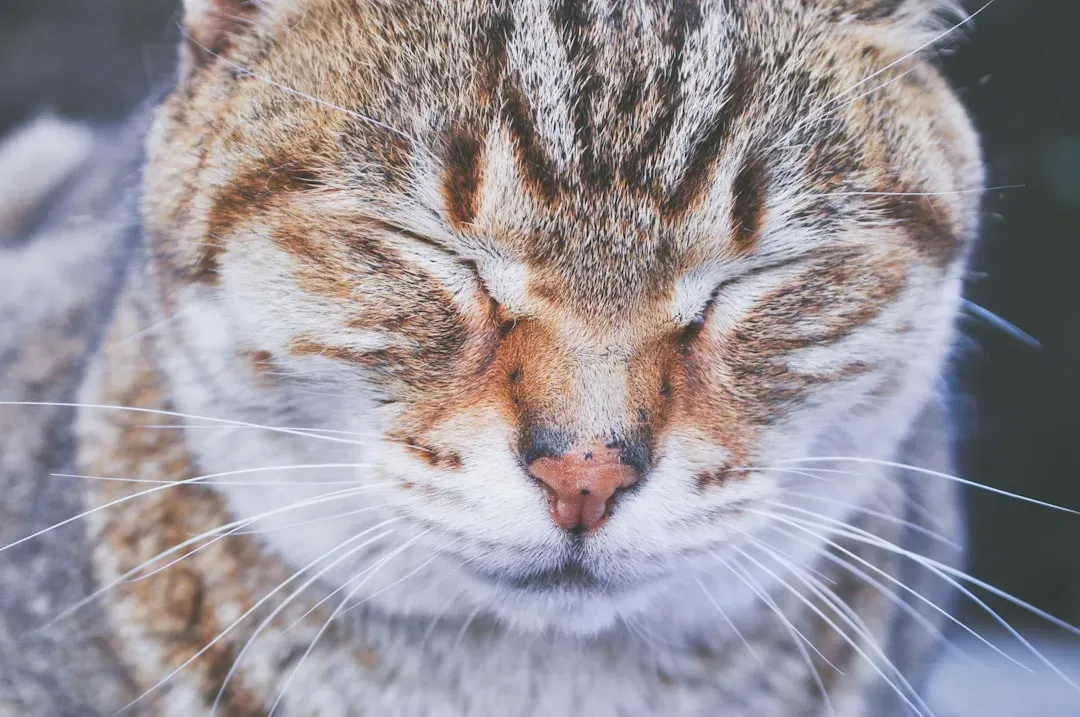
One of the most telling signs a cat trusts you is the slow blink. When a cat makes eye contact and then slowly closes and opens its eyes, it’s often called a “cat kiss.” In the feline world, direct eye contact is rare and reserved for trusted companions. Think about what it means for a predator-prey species to voluntarily close its eyes in your presence, even for a second. That’s no small thing.
When a cat slow blinks at you, they are often expressing a sense of trust, contentment, and affection. In the feline world, closing their eyes in the presence of another creature makes them vulnerable, as they are unable to detect potential threats. Returning a slow blink lets your cat know you feel the same way. It’s one of the simplest, most honest exchanges you can have with a cat.
2. They Sleep on You or Right Beside You
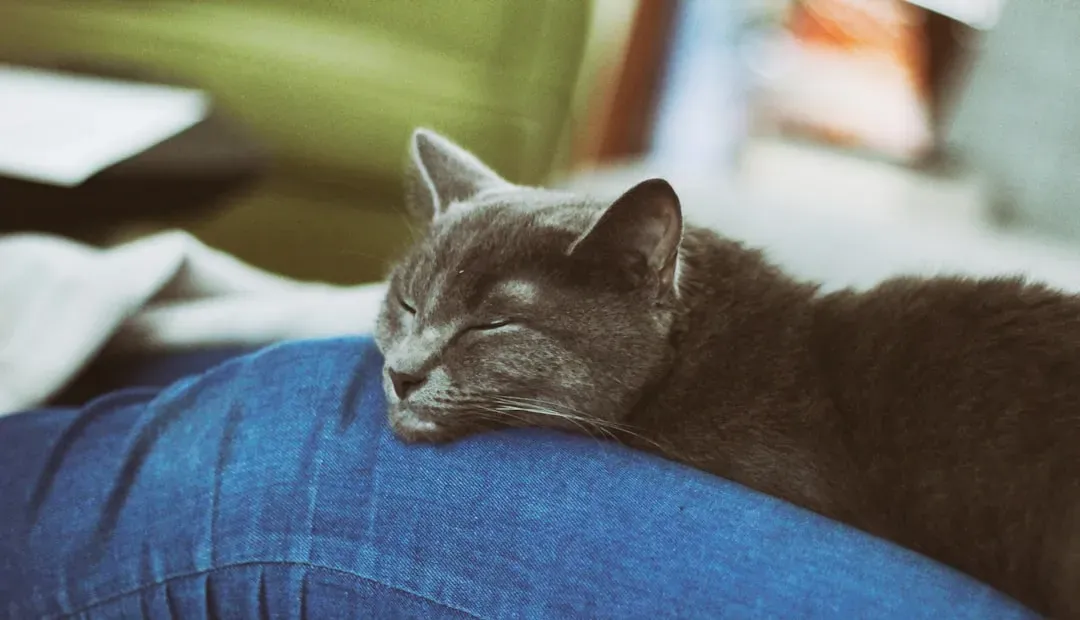
Sleep is a vulnerable state for any animal. When a cat chooses to sleep on your bed, on your lap, or nearby, it signifies deep trust. They wouldn’t put themselves in such a defenseless position unless they felt safe. This is especially meaningful given that cats in the wild remain alert to threats even while resting.
When a cat chooses to sleep close to you, it is offering one of its most vulnerable states as a gesture of faith. Cats are naturally cautious and only let their guard down in the presence of someone they trust. If your cat curls up on your lap, nestles against your legs, or even sprawls out on your chest, it’s a clear signal that they feel secure and protected. This behavior can be especially touching when a previously shy or distant cat starts seeking your company at bedtime.
3. They Expose Their Belly to You
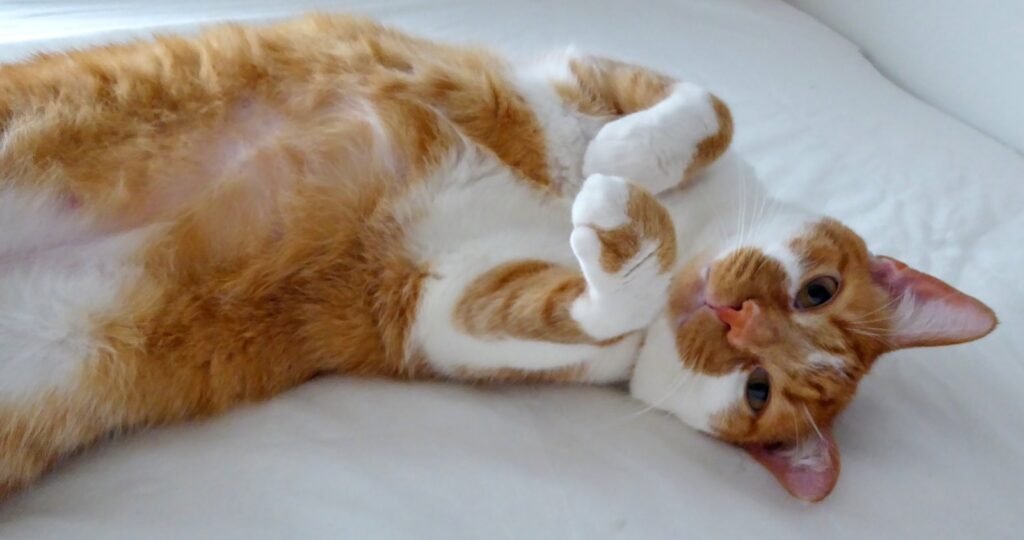
A cat’s belly is the most vulnerable part of their body. In the wild, a cat would never voluntarily expose their underside unless they felt completely safe. So when your cat rolls over and shows you that soft, unguarded underside, you’re witnessing something that carries real weight in the feline world.
When your domestic cat rolls over and displays their belly in your presence, they’re demonstrating profound trust that you won’t take advantage of their vulnerability. This position puts them at a serious defensive disadvantage, making it a significant indicator of security and comfort. However, feline behavior experts caution that belly exposure isn’t always an invitation for touch, sometimes it’s simply a declaration of trust and relaxation. Resist the urge to automatically reach in for a rub, and instead just appreciate the compliment being paid to you.
4. They Headbutt and Rub Their Scent on You
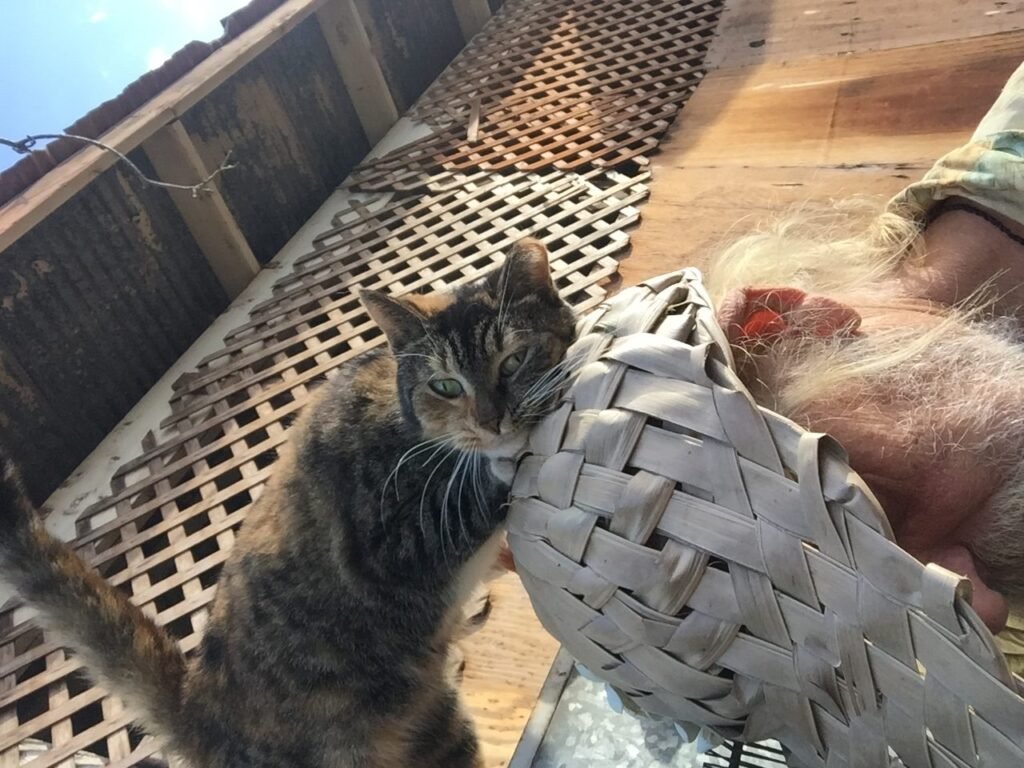
Your cat may nudge their head, forehead, or cheeks against you. It’s not just a demand for attention. It is a profound sign of affection called bunting. Cats have scent glands on their faces, and by rubbing against you, they are marking you with their pheromones. Essentially, they are claiming you as part of their family group.
The facial pheromones are the ones that express safety and familiarity. If your cat is constantly giving you head butts, they are indicating that they trust you, you are their comfort and safety. They mark you with these scent glands by headbutting you or rubbing up against you because they feel close to you. Sometimes, they even do what is known as associative marking, putting their scent on items you take in and out of the house because they want to be closer to you.
5. They Knead You With Their Paws
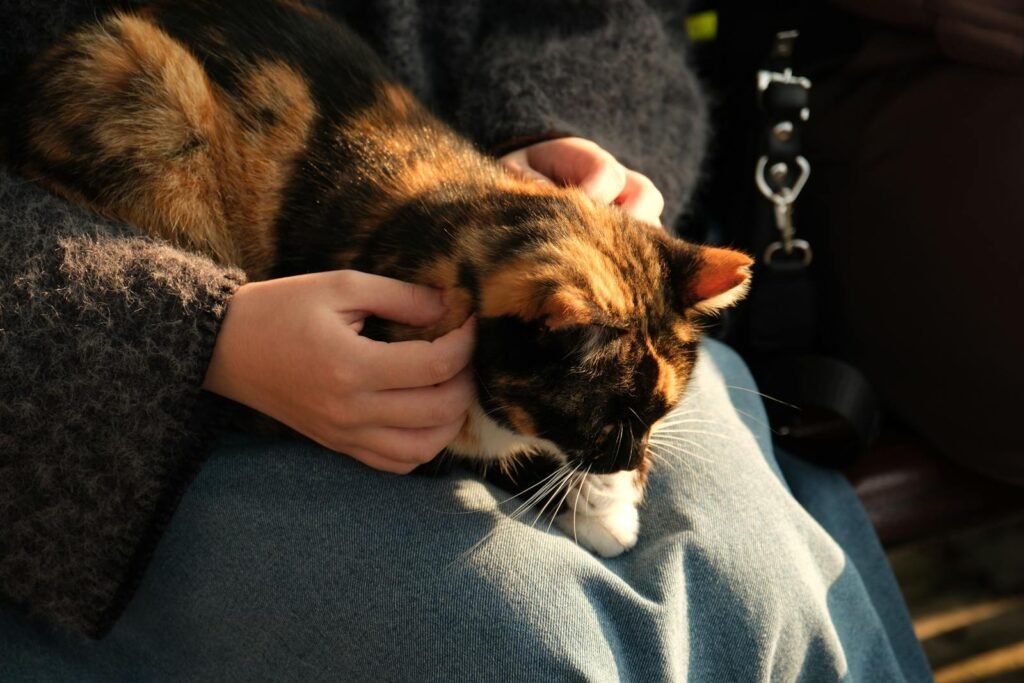
That adorable, rhythmic motion of your cat pressing its paws into your lap or chest is known as kneading. This behavior harks back to kittenhood, when kittens kneaded their mother’s belly to stimulate milk flow. It’s one of the most ancient comfort behaviors a cat carries into adulthood, and the fact that they perform it on you is genuinely significant.
Cats knead for several reasons. They may be doing this as a way of showing that they feel secure with you, just as they felt when they were with their feline mother and their litter. As they have scent glands on their paws, it could also be that they’re marking you as their territory, a sure sign of trust. Relaxed cats that knead are showing contentment. They will often knead when you gently pet or stroke them.
6. They Groom You Like Family
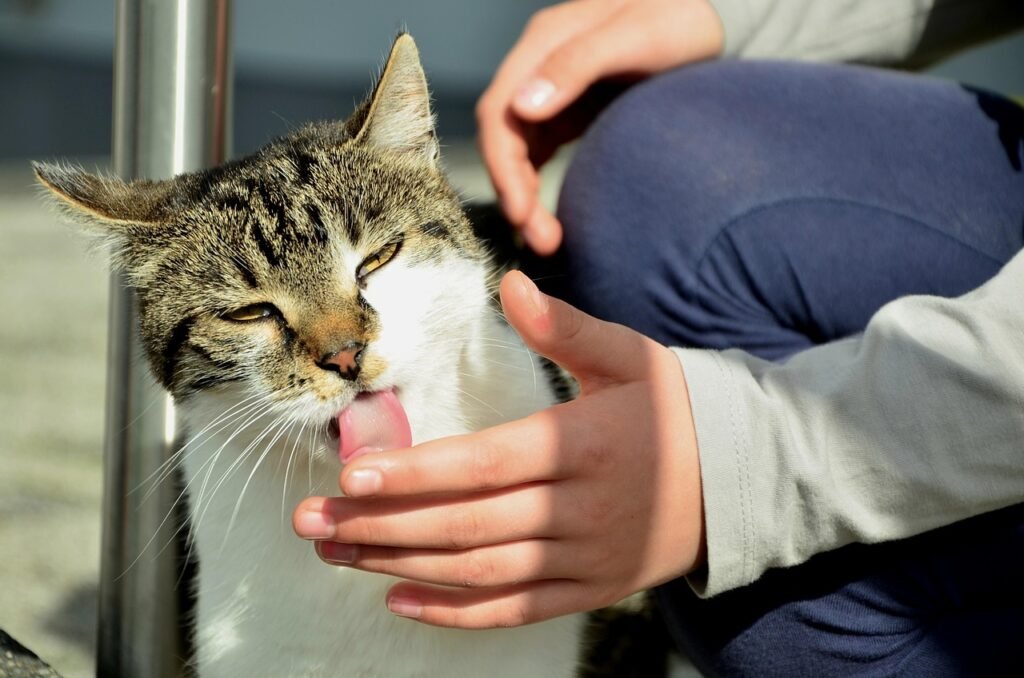
Social grooming, also called allogrooming, is a sign of social bonding and is associated with security. Cats are often solitary animals, but if they live in a bonded pair or group, they will spend time grooming each other. If your cat licks you or grooms you, this is cat behavior indicating trust and love. It might feel a little scratchy, but it’s one of the highest social gestures a cat can offer.
One of the cutest signs your cat trusts you is when they groom you. When your cat licks your hands, arms, or even your face, it’s not about giving you a “makeover.” Instead, this is a loving cat bonding behavior and a way for your pet cat to show affection. According to veterinary experts, cats only groom people they feel safe with. This gentle licking is a subtle cat body language signal that says, “I trust you, I feel secure with you, and you’re part of my family.”
7. They Follow You From Room to Room
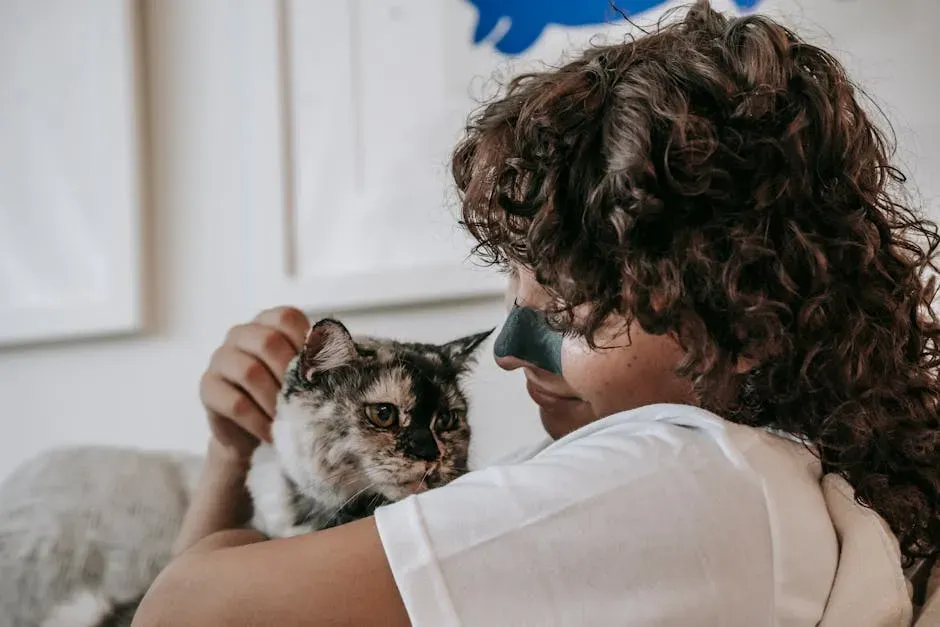
Not every cat will follow you around, but when they do, it’s a clear sign your cat trusts you. Veterinary experts say that if your cat follows you from one room to another, it is a very good indication of trust. In the wild, cats do not follow other animals unless they feel secure and protected. It seems counterintuitive for an “independent” animal to shadow your every move, but the behavior speaks for itself.
Cats show love in different ways, some through cuddling, others by sitting in your lap, and many by simply being near you. By walking alongside you or choosing to spend time in the same room, your cat is showing that they value your company. If your cat follows you but does not like cuddling, this does not mean they are less affectionate. Instead, they may prefer affection at a distance, expressing love by their constant presence. This subtle behaviour is a powerful indicator of the trust they place in you.
8. They Bring You Gifts
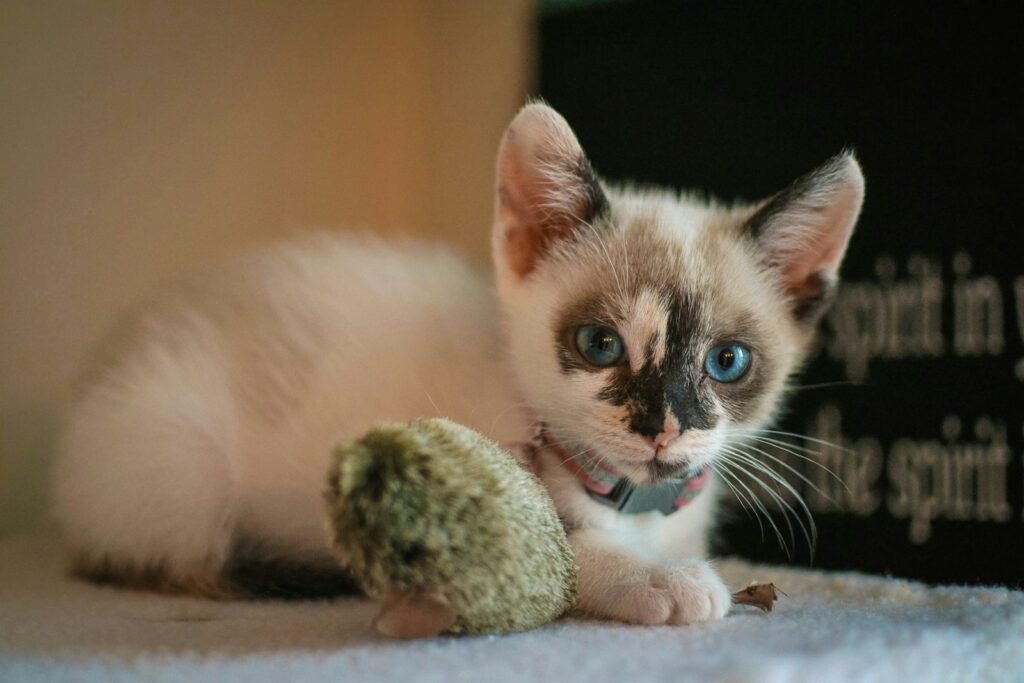
When cats bring gifts, they’re often expressing affection and trust. By sharing their “prey” with you, they’re demonstrating that they consider you part of their family group. This behavior helps strengthen the bond between cat and owner, even if the gifts themselves aren’t always appreciated. Whether it’s a dead mouse dropped at your feet or a well-loved toy delivered with great ceremony, the gesture carries the same emotional weight.
In the wild, mother cats teach their kittens hunting skills by bringing them injured or dead prey. When your cat brings you gifts, they might be treating you as they would their own kitten, attempting to teach you these essential survival skills. It may surprise some cat owners, but this behavior often carries a positive social message. Your cat sees you as part of their family and wants to share their success. In other words, a dead mouse is, in feline terms, a sign of affection. Accepting that graciously, even if it requires a pair of rubber gloves, honors the trust behind it.
What All of This Really Means for You
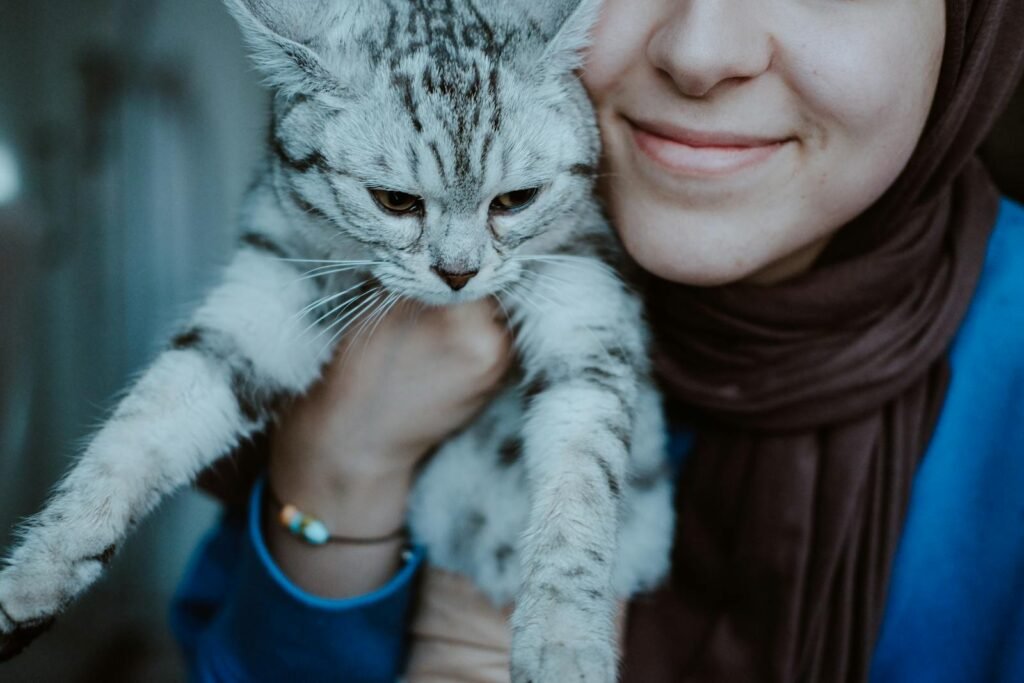
Trust is an essential part of any healthy relationship, including the one you have with your cat. Cats care about physical comfort and safety, and their trust in you is about whether or not you provide those things in the ways and quantities that they need. Every slow blink, every kneading session, every uninvited gift is a quiet confirmation that you’ve been assessed and found worthy.
Much like humans, cats have different types of love languages, and with a little patience and consistency, you can figure out the subtle cues that yours trusts you. Cats may not jump into your arms or wag their tails with joy, but their trust is deeply rewarding. Once you’ve earned it, they’ll show you in subtle but unmistakable ways. The secret, if there is one, is simply learning to pay attention.
A cat that trusts you has made a deliberate choice. They’ve weighed the risk of vulnerability against the comfort of your presence and decided you’re worth it. That’s not aloofness. That’s one of the quieter, more considered forms of loyalty you’ll find anywhere.
Kristina is a young writer from India. An arts graduate and an avid content creator, Kristina is passionate about animals and wildlife. She enjoys exploring topics related to pet care, animal behavior, conservation, and nature, combining thorough research with engaging storytelling.