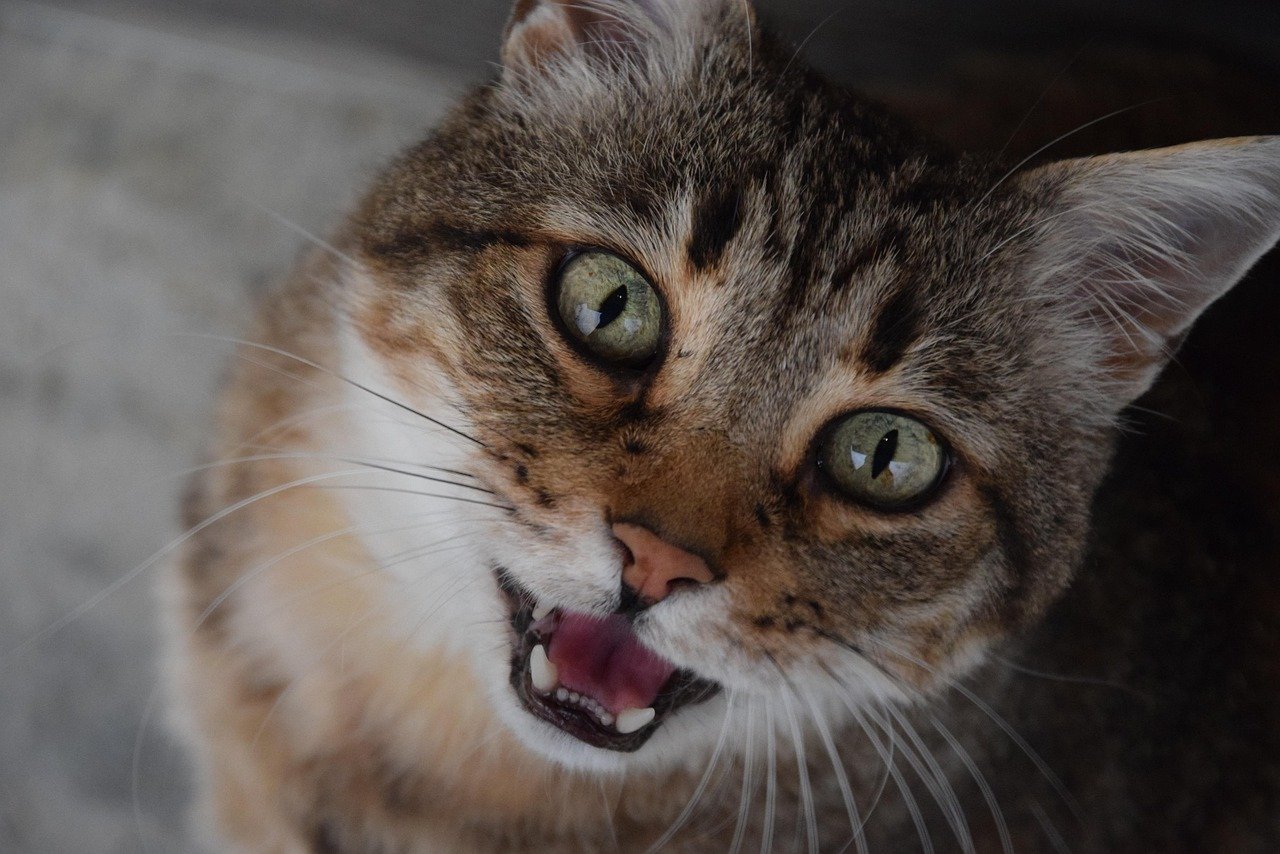
Most people hear their cat vocalize and respond instinctively, either reaching for the food bowl or reaching out for a pet. What very few people realize is that something far more structured is happening. Your cat isn’t just making noise. It’s talking directly to you, using a system of sounds it developed specifically because you are in the room.
Your cat’s meow is her way of communicating with people, and cats meow for many reasons, including to say hello, to ask for things, and to tell you when something’s wrong. The more closely you pay attention, the more you start to notice patterns. Tone, pitch, repetition, timing, all of it carries meaning. This isn’t guesswork. It’s a learnable skill, and once you start seeing it that way, everything changes.
Meowing Was Invented for You
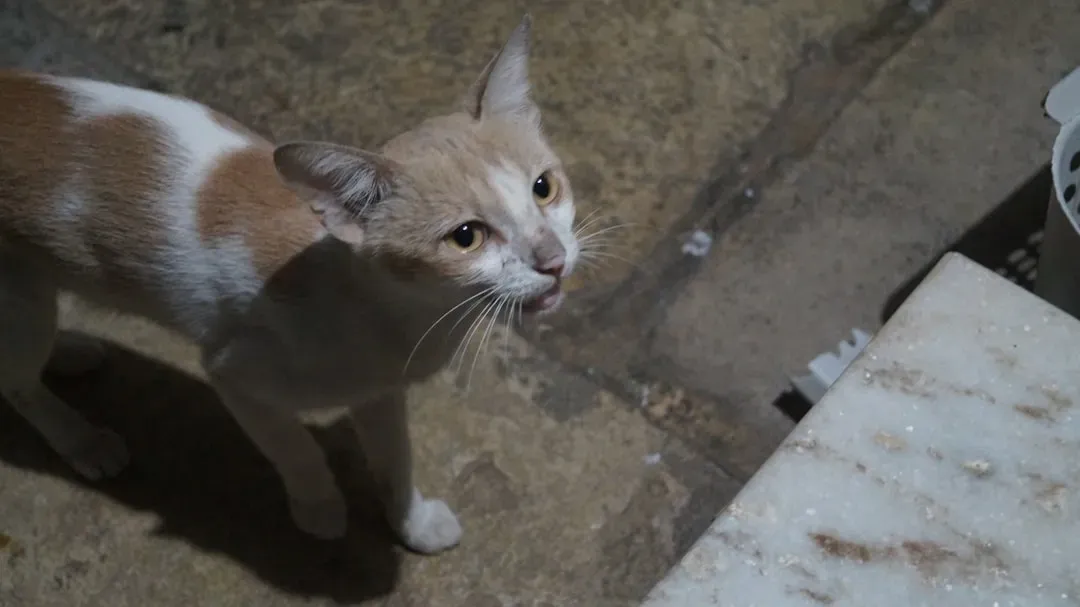
This is one of the most surprising facts in feline science, and most cat owners have never heard it. Adult cats don’t actually meow at each other. Kittens meow to let their mother know they’re cold or hungry, but once they get a bit older, cats no longer meow to other cats. The entire behavior, as you know it, is directed at humans alone.
Pre-domesticated felines communicated with each other mainly via their sense of smell and marking behaviors, which provided a superior means of communication with other cats, but as they were domesticated, they learned to vocalize to humans. In other words, your cat essentially invented a new channel of communication just for your benefit. That deserves a second look.
Ten Thousand Years in the Making
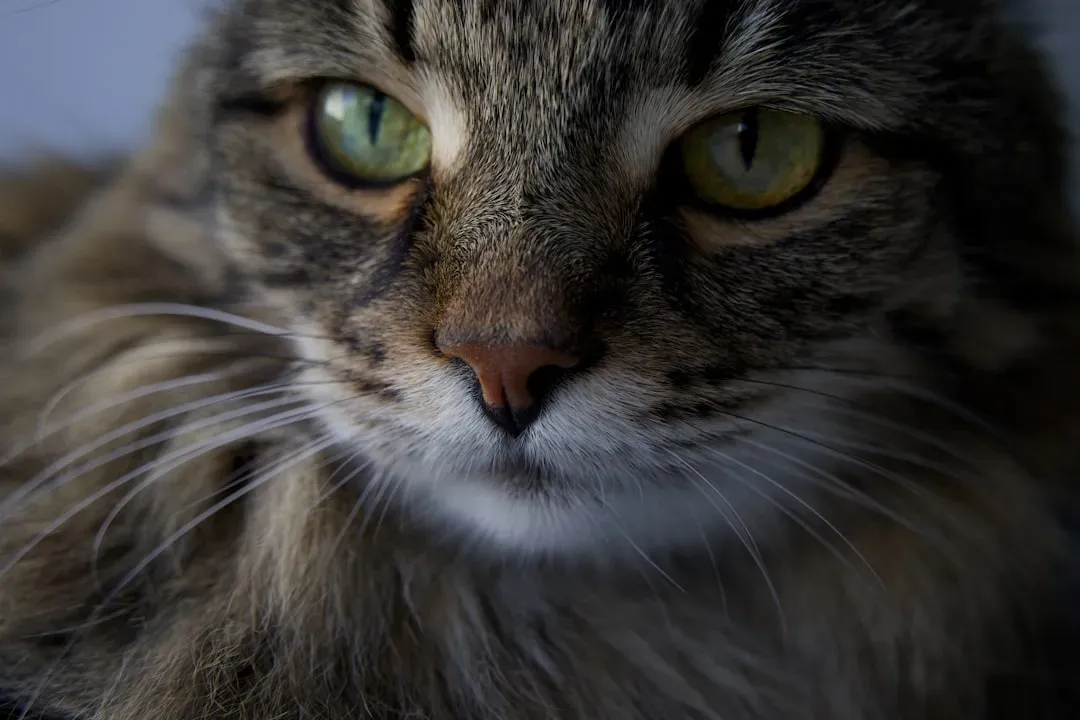
Cats probably first encountered humans roughly 10,000 years ago, when people began establishing permanent settlements. Those settlements attracted rodents, which in turn drew cats looking for prey. The less fearful and more adaptable cats thrived, benefiting from a consistent food supply. Over time, these cats developed closer bonds with humans. It was a slow, mutual negotiation.
Unlike dogs, which were bred by humans for specific traits, cats essentially domesticated themselves. Those that could tolerate and communicate with humans had a survival advantage, leading to a population well-suited to living alongside people. The cats that learned to get your attention were simply the ones that survived, and their descendants are sitting on your couch right now.
Your Cat Is Tuning Its Voice to Your Ear

Researchers have compared the vocalizations of the domestic cat to those of its closest relative, the African wildcat, and they have discovered that the vocalizations of the domestic cat have changed to become more pleasant to the human ear. This wasn’t accidental. It was a gradual, evolutionary adjustment.
Domestic cat meows are less threatening, as well as more high-pitched and kitten-like. People are more sensitive to this type of sound and also more likely to respond positively, such as by providing care, much like they do when an infant cries. Your cat knows exactly what kind of sound gets results. Whether it knows that it knows is another question entirely.
Pitch and Tone Are the Real Vocabulary

A meow can be assertive, plaintive, friendly, bold, welcoming, attention-soliciting, demanding, or complaining. It can even be silent, where the cat opens its mouth but does not produce any sound. The range is genuinely broad, and pitch is your first clue when trying to decode what you’re hearing.
A cat meow can indicate anxiety, boredom, frustration, or even illness, particularly if it’s lower-pitched and more drawn out compared to the short, high-pitched meow that often signifies a greeting or a want. The frequency of meowing is also an indicator of your cat’s frame of mind. Rapid-fire meows mean your cat is demanding attention, while a longer, more plaintive meow can indicate worry, annoyance, or objection to something.
What the Research Actually Shows About Your Listening Skills
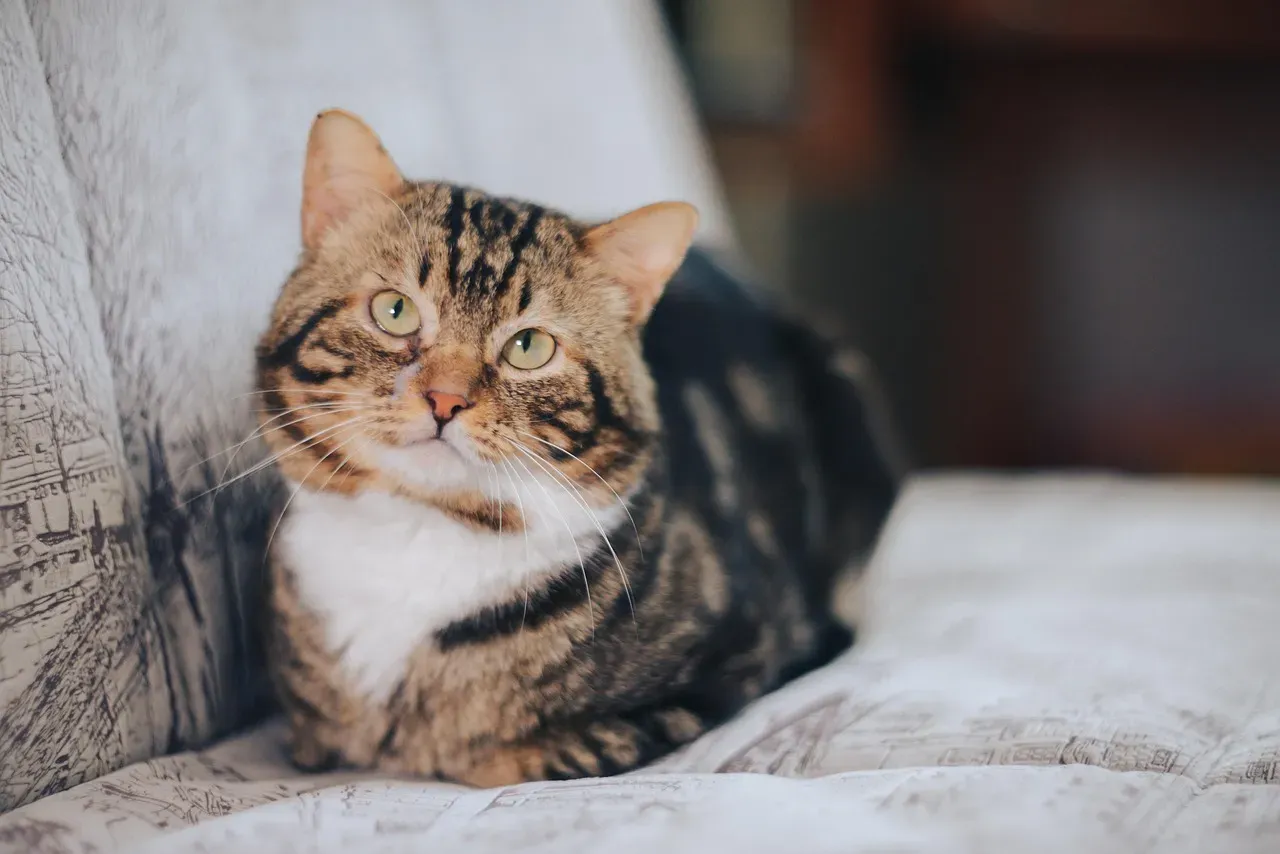
Although meowing is mainly a human-directed vocalization and should represent a useful tool for cats to communicate emotional states to their owners, humans are not good at extracting precise information from cats’ vocalizations and show a limited capacity of discrimination based mainly on their experience with cats. That’s a polite way of saying most of us are worse at this than we think.
Female participants and cat owners showed a higher ability to correctly classify the vocalizations emitted by cats during brushing and isolation. A high level of empathy toward cats was significantly associated with a better recognition of meows emitted during isolation. The good news? Attention and empathy genuinely improve your ability to hear what your cat is saying. It’s a trainable skill, not a fixed trait.
Your Cat Is Learning You Too
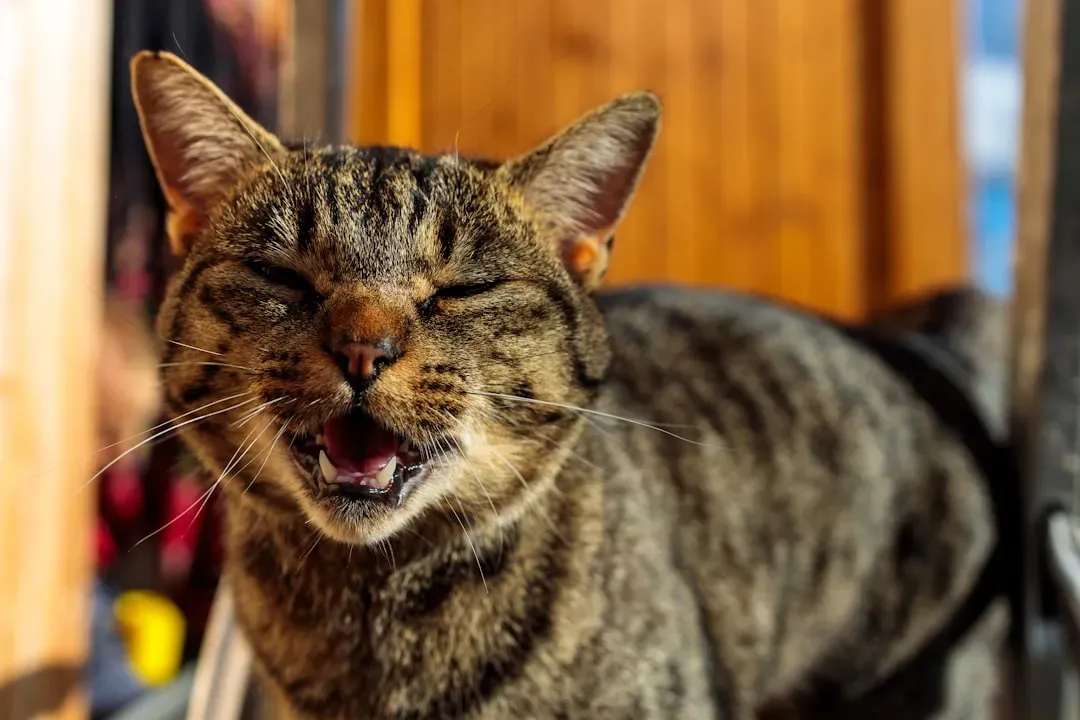
Research has shown that cats use meowing as a form of vocal learning, where they modify their vocalizations based on the response they receive from their environment. In other words, cats learn to meow in a way that gets a reaction from their human caregivers. This is not a one-way street. Your cat is studying your responses just as much as you might study its sounds.
Humans tend to respond when cats meow, which creates a cycle cats learn: cat meows, and the human does something. Perhaps if a cat meows by the door, the human will open it; if a cat meows by its food, the human will feed it. In effect, your cat is training you as much as you’re training your cat. That’s worth sitting with for a moment.
The Six Core Emotional States Behind Every Meow
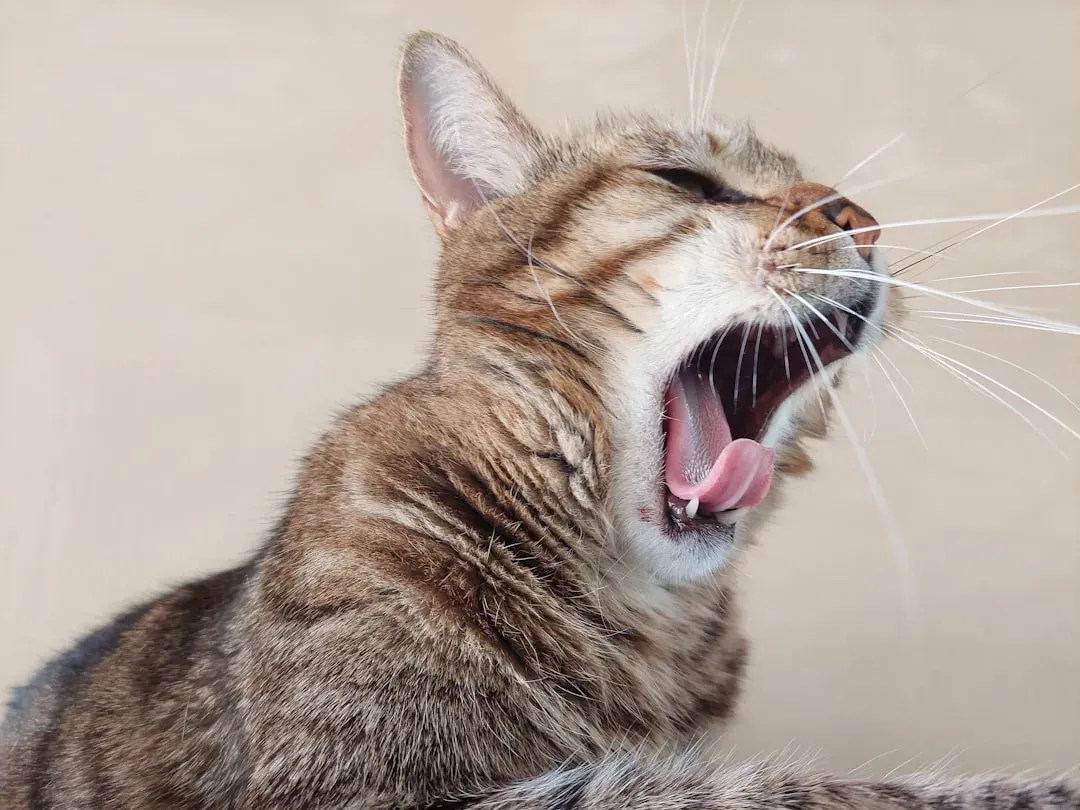
In 1944, Mildred Moelk published the first phonetic study of cat sounds, classifying 16 different vocal patterns into three main classes: sounds produced with the mouth closed, such as purring and trilling; sounds produced when the mouth is first opened and then gradually closed, including meowing and yowling; and sounds produced with the mouth held tensely open, such as growls, snarls, hisses, and chattering.
Moelk claimed that cats had six different forms of meows to represent friendliness, confidence, dissatisfaction, anger, fear, and pain. That early framework still holds up reasonably well today. When you hear your cat vocalize, running through those six states is a practical starting point before you even think about pitch or duration.
Beyond the Meow: The Full Vocabulary at Your Disposal
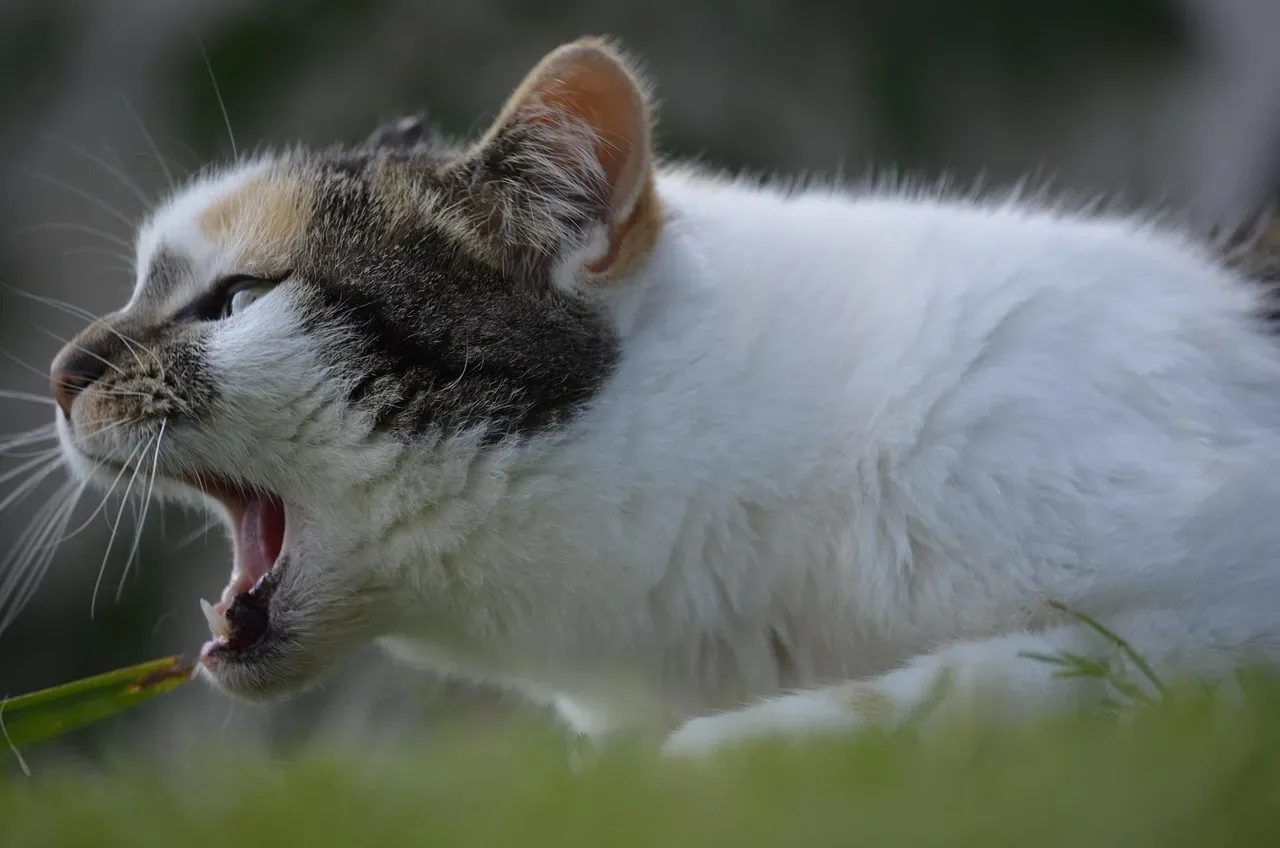
Next to birds, cats possess the widest range of vocalizations of any domestic pet, and cats can make over 100 distinct sounds. Most people only ever consciously notice a fraction of those. Trills, chirps, chatters, and yowls each carry their own distinct signal, and learning to separate them from the ordinary meow is genuinely useful.
A trill is produced with a soft voice and sounds like a purr but with a higher pitch. Cats may trill to greet and thank their human family members for something, such as a snack or a pet. It is one of the most common amicable sounds a cat makes. Cats sometimes make excited chirping or chattering noises when observing or stalking prey, ranging from quiet clicking sounds to a loud but sustained chirping mixed with an occasional meow.
When Meowing Becomes a Medical Signal
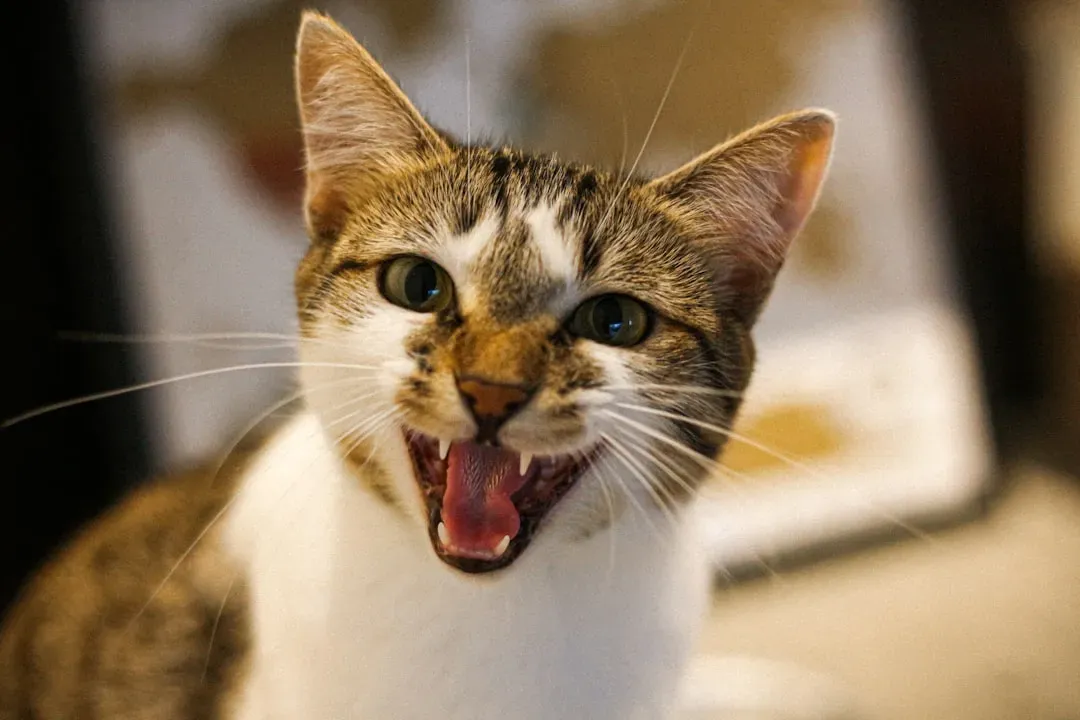
Any change in a cat’s vocalization, including the frequency, intensity, duration, or pitch, warrants a visit to the veterinarian to evaluate for pain, illness, or anxiety. This is one area where paying attention genuinely matters, not just for bonding purposes but for your cat’s health. Sudden changes are rarely random.
As cats age, they’re prone to developing an overactive thyroid and kidney disease, and either condition may result in excessive meowing. Getting older is another factor that can impact how vocal a cat is, as age-related dementia, deteriorating eyesight, or hearing loss can all increase your cat’s meowing. A cat losing some of its key senses could feel confused and may seek to orientate itself by meowing. If the volume or frequency suddenly shifts in an older cat, a vet visit isn’t an overreaction.
How to Actually Start Learning Your Cat’s Language
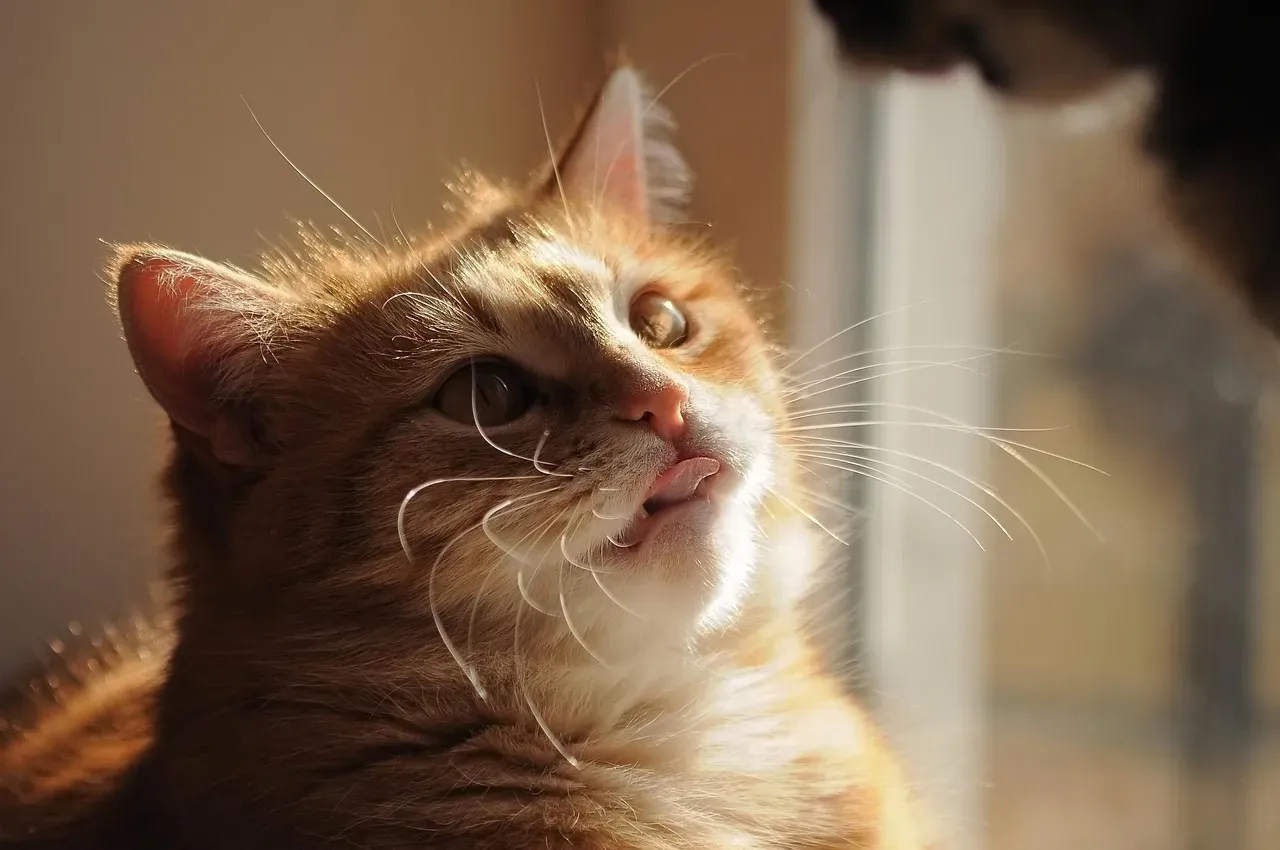
Consider the context and timing of your cat’s vocalization if you’re not sure what they want. Did you just come home? Is it mealtime? Do they seem bored? These are just some of the questions that can help you understand them. Context is everything. The same meow delivered in the kitchen at 6pm and in the hallway at 3am almost certainly means different things.
Keeping a simple meow journal for two weeks, noting the time, location, sound type, and what resolved the situation, creates a personalized translation guide for your cat’s unique communication style. If you respond with words and attention to your cat’s chirps and meows, you can create a back-and-forth, almost like a conversation. It takes patience, but the pattern recognition comes faster than most people expect.
Conclusion
Your cat hasn’t been making noise at you all these years. It has been talking to you, using a system of sounds refined over thousands of years specifically because you respond to them. The fact that most of us only catch half the message isn’t a failure; it’s an invitation.
The science is fairly clear that experience, attention, and empathy all improve how well you decode feline vocalizations. You don’t need to be a behaviorist. You just need to start actually listening, paying attention to pitch, watching body language, and noticing the context. Your cat has already been doing its part. The rest is up to you.
Kristina is a young writer from India. An arts graduate and an avid content creator, Kristina is passionate about animals and wildlife. She enjoys exploring topics related to pet care, animal behavior, conservation, and nature, combining thorough research with engaging storytelling.