Most people who’ve shared their home with a cat have noticed something shift after a loss. The house feels different, and so does the cat. Whether it’s an unusual quietness, an untouched food bowl, or an animal spending hours in a room it once shared with another, the change is hard to ignore.
For a long time, the idea of a cat grieving was dismissed as projection from emotionally invested owners. Cats were independent, aloof, practically indifferent. That reputation turns out to be considerably more complicated than the stereotype suggests, and growing research is giving us reason to look more carefully at what goes on inside that small, inscrutable head.
What Science Is Beginning to Understand About Feline Grief
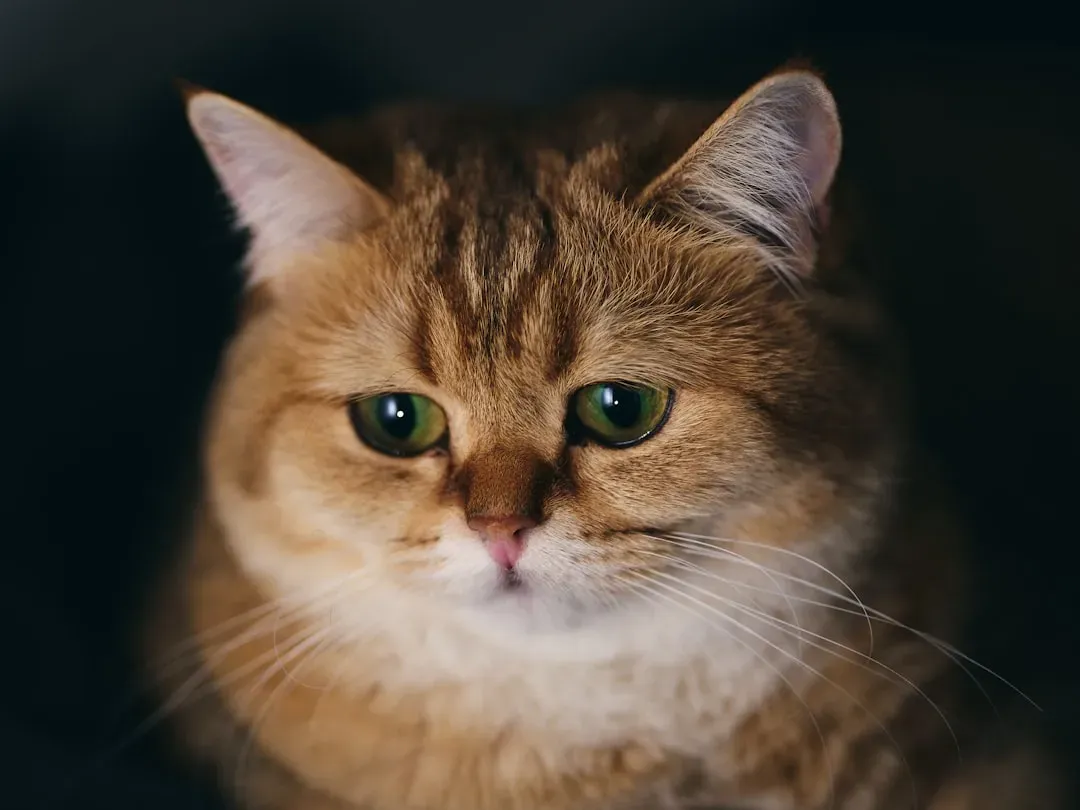
Researchers from Oakland University in Michigan set out to answer whether cats grieve the loss of a companion by surveying hundreds of cat owners about their cat’s behavior after another cat or dog in the household passed away. The findings were noteworthy. The data showed that cats exhibited behaviors associated with grief, such as eating and playing less, more often after the death of a fellow pet, suggesting they may in fact have been in mourning.
Although evolved from relatively asocial wild cats, domestic cats present an opportunity to examine grief given their presence in human households and a demonstrated flexible social structure, and researchers surveyed companion cat caregivers for evidence of behavioral change following the loss of another companion animal in the household. If domestic cats show evidence of behavioral change in line with behaviors that have been shown to change with human grief, it is the first step to identifying their potential capacity for grief and might suggest that an evolutionary history of group-living is not a prerequisite for grief.
The Behavioral Signs You Might Notice in Your Cat
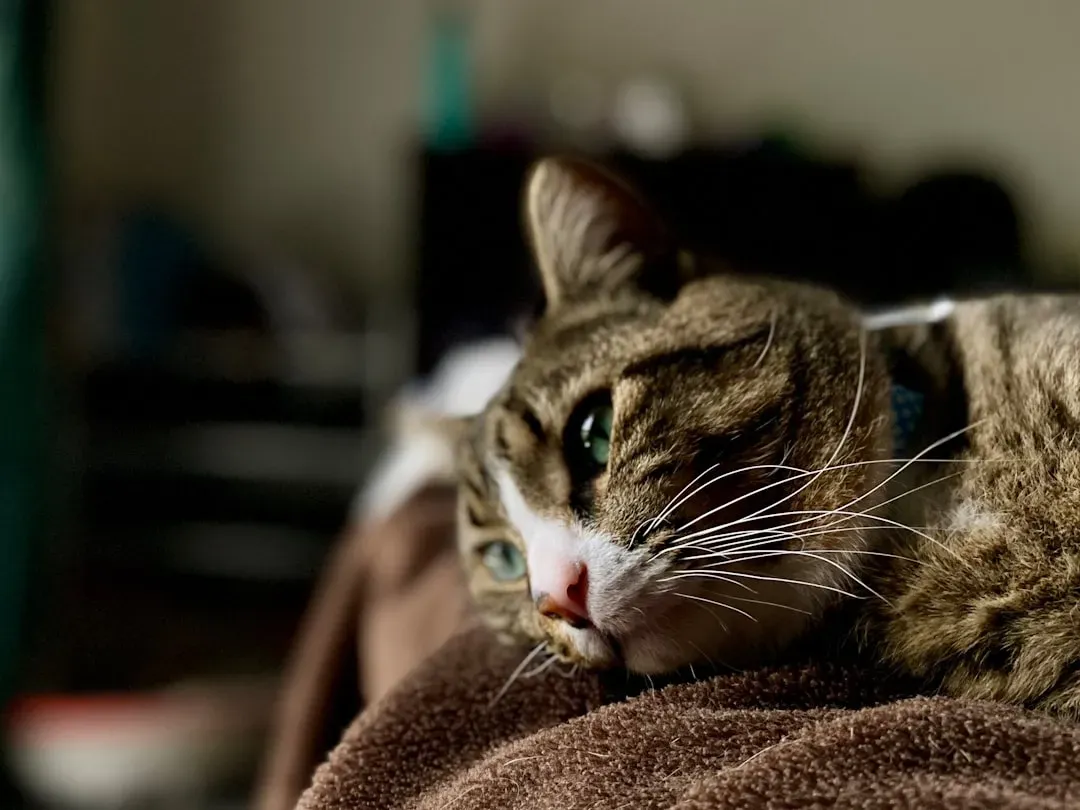
When a cat loses a companion, whether animal or human, she grieves and reacts to the changes in her life, and cats alter their behavior when they mourn, much like people do. They may become depressed and listless, have a decreased appetite and decline to play, sleep more than usual and move more slowly, sulking around.
About seven in ten cats exhibited changes in vocal patterns; some meowed more while others were quieter than they were before their loss of a companion. Surviving cats were often more affectionate with their owners and became clingy. These are the kinds of signals that, taken together, start to paint a picture that goes well beyond routine disruption.
The Bond Strength Matters More Than You Think
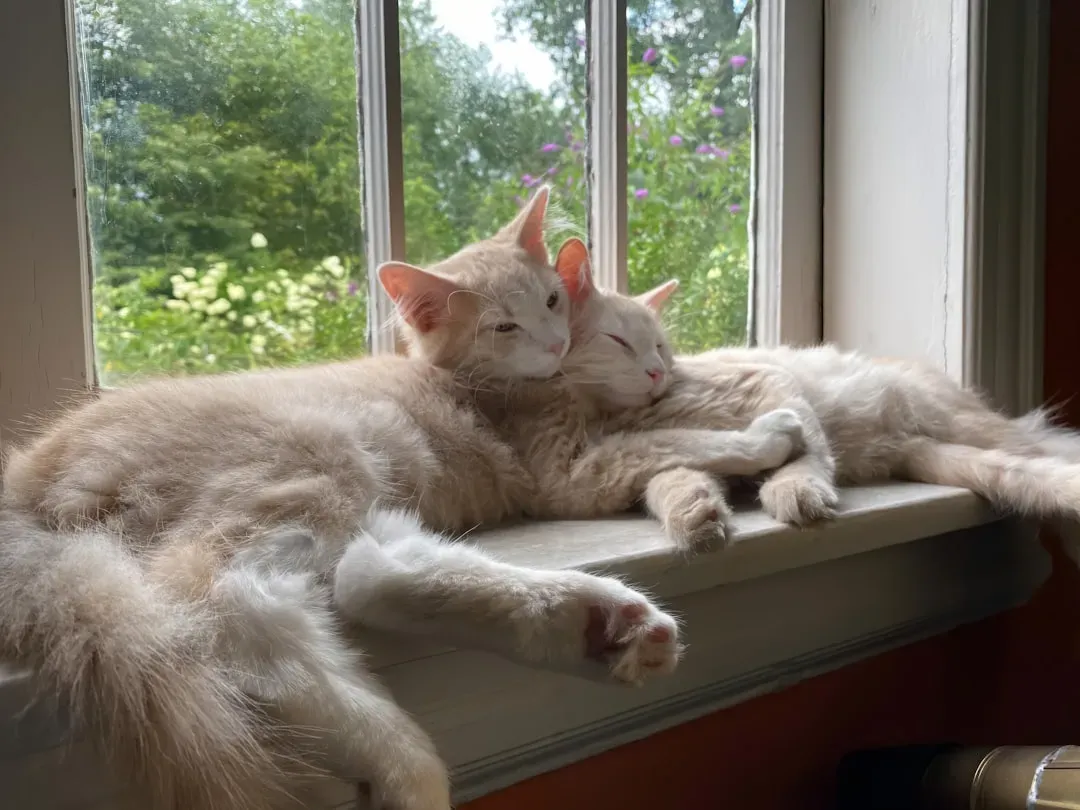
The study found that behavioral changes were more pronounced in cats that had spent more time with the deceased pet and had a closer relationship with them. For instance, cats that had regularly engaged in activities like playing or sleeping together with the deceased pet were more likely to show these grief-like behaviors.
If the cats are bonded and part of the same social group, the length of time the cats have lived together, as well as the amount of time they spent engaging in friendly social activities such as resting close together, grooming each other, nose touching, or body rubbing have been reported to influence the remaining cat’s behavior more strongly. Put simply, the closer the relationship, the deeper the apparent impact of losing it.
Grief Across Species: When Your Cat Loses a Dog
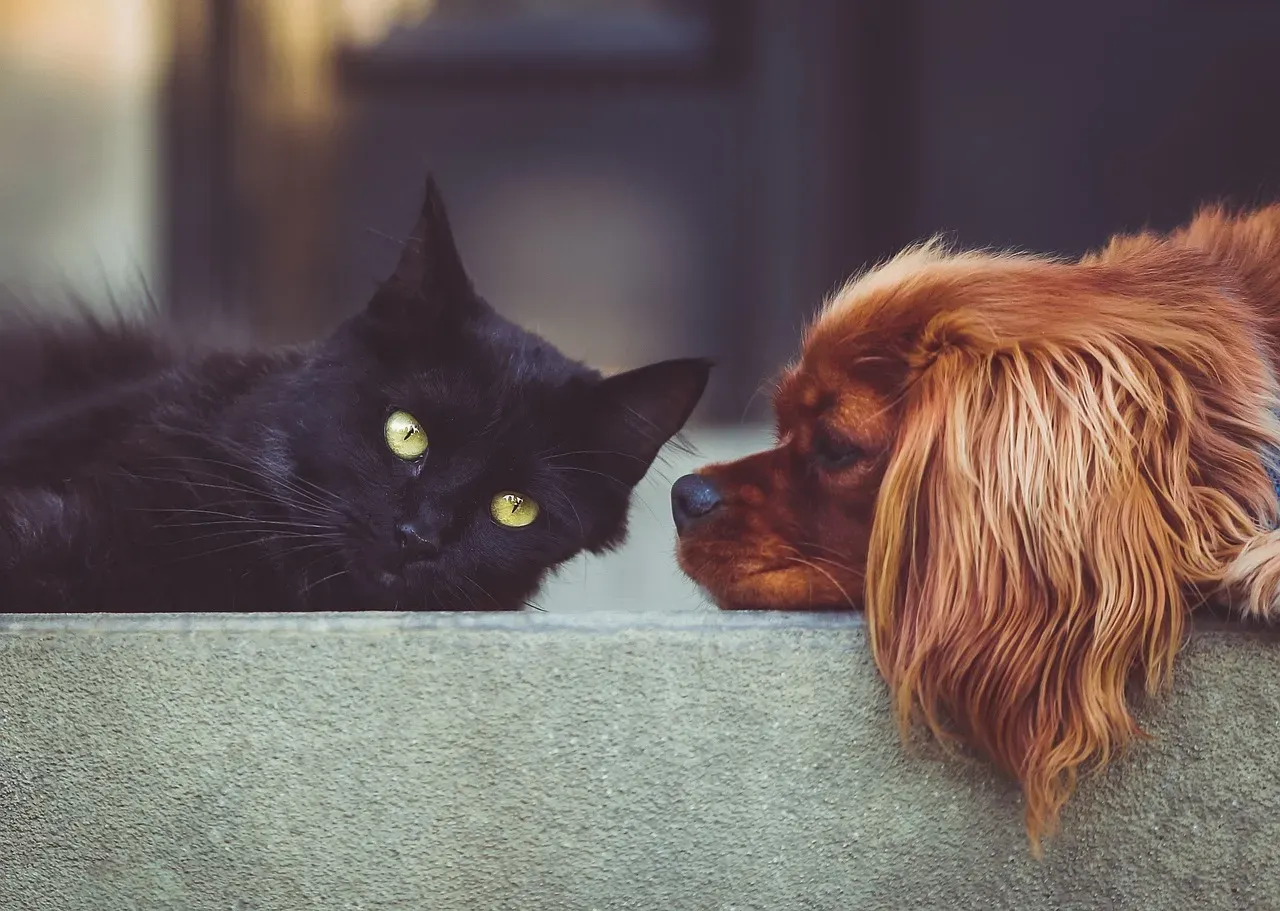
The study found that behavioral changes were not limited to cats that had lost another cat. Cats that had lost a dog companion also exhibited similar changes in behavior, suggesting that the bond between the pets, regardless of species, was significant enough to affect the surviving cat’s behavior.
Cats who had lost canine friends were just as likely to display behavioral changes, reinforcing the idea that interspecies relationships can carry just as much emotional weight. These findings challenge old notions that grief is exclusive to humans or highly social animals like dogs, elephants, or primates. It’s a quieter finding, but a meaningful one for anyone who has watched a cat and dog grow genuinely close.
The Three Stages a Grieving Cat Often Moves Through
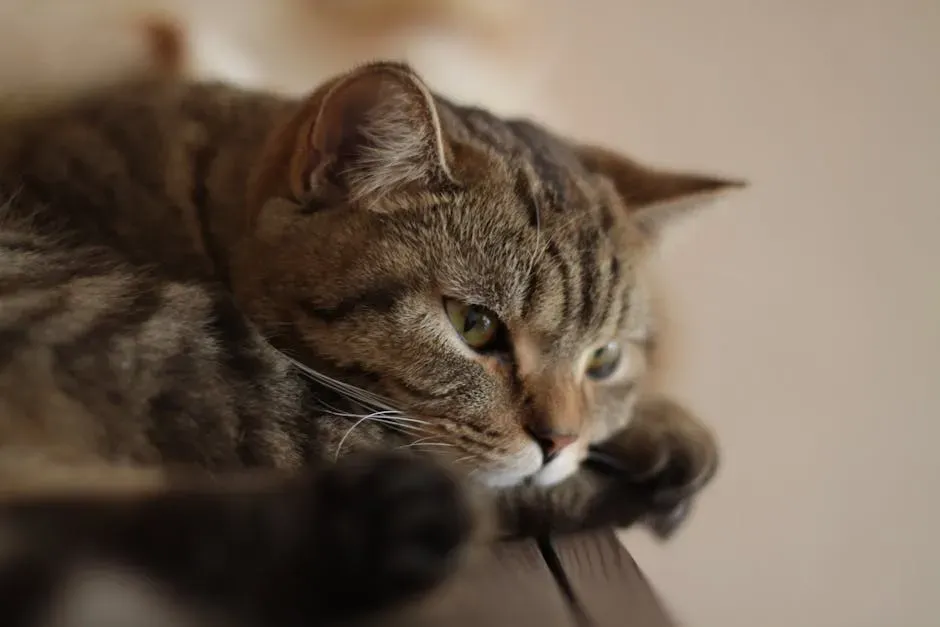
The first stage is where the cat attempts to find the loved one who has passed away. Signs include excessive vocalizing, pacing, and searching. This active but relatively short-term phase is then followed by a more passive one, a second stage where depression sets in and the cat becomes withdrawn.
The third and final stage is acceptance, and this is usually where any permanent changes in the cat’s character become evident, such as becoming more friendly toward their humans. It can take anywhere from days to months for a cat to go through these three stages. There’s no set period for grieving in cats; some will go through the process in a matter of days, others will skip the withdrawn, depressed phase, and a few may be unsettled for several weeks or months.
When Cats Mourn Their Human Owners
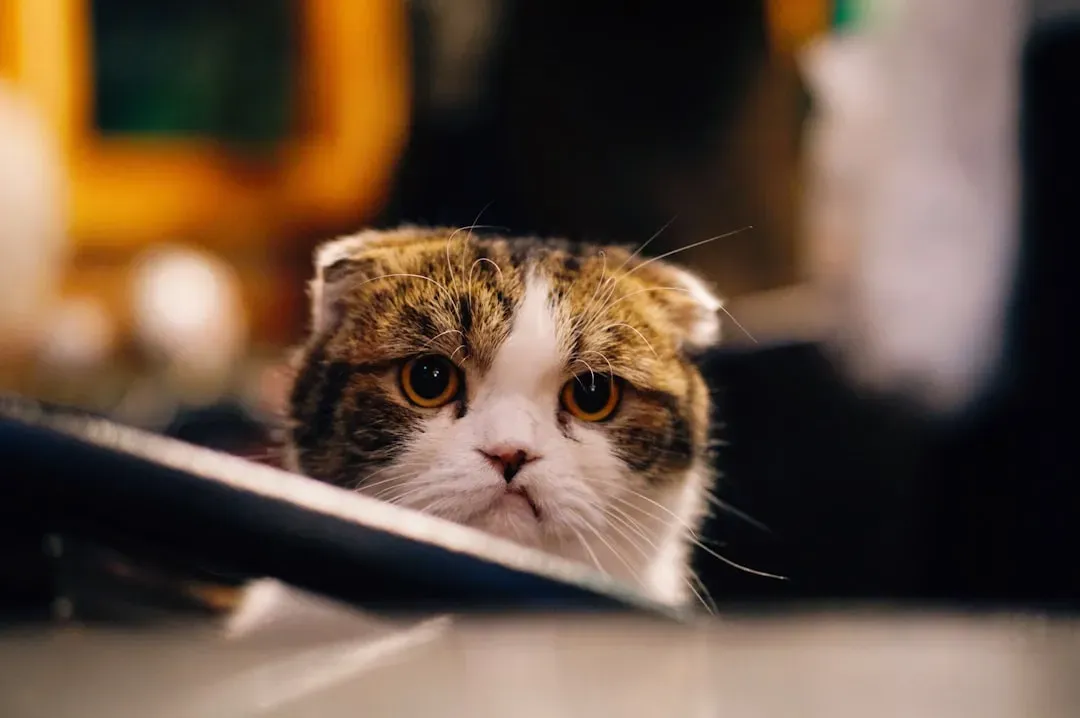
Cats might not be able to grasp the concept of their owner dying, but they can sense their absence. Domestic cats are sensitive creatures capable of understanding positive and negative emotions in humans and other cats, and they take emotional cues from owners, using them as a reference to respond to objects and situations.
Domestic cats grieve for their owners but not in the way humans grieve lost loved ones. They only understand the general absence and, lacking our emotional development, respond to it with relatively infantile stress behaviors. After a companion animal dies, initial behaviors like increased vocalizing and searching typically resolve within about two months, and after roughly six months, they become accustomed to the new situation and no longer show signs of grief.
The Complications: Could It Be Something Else?
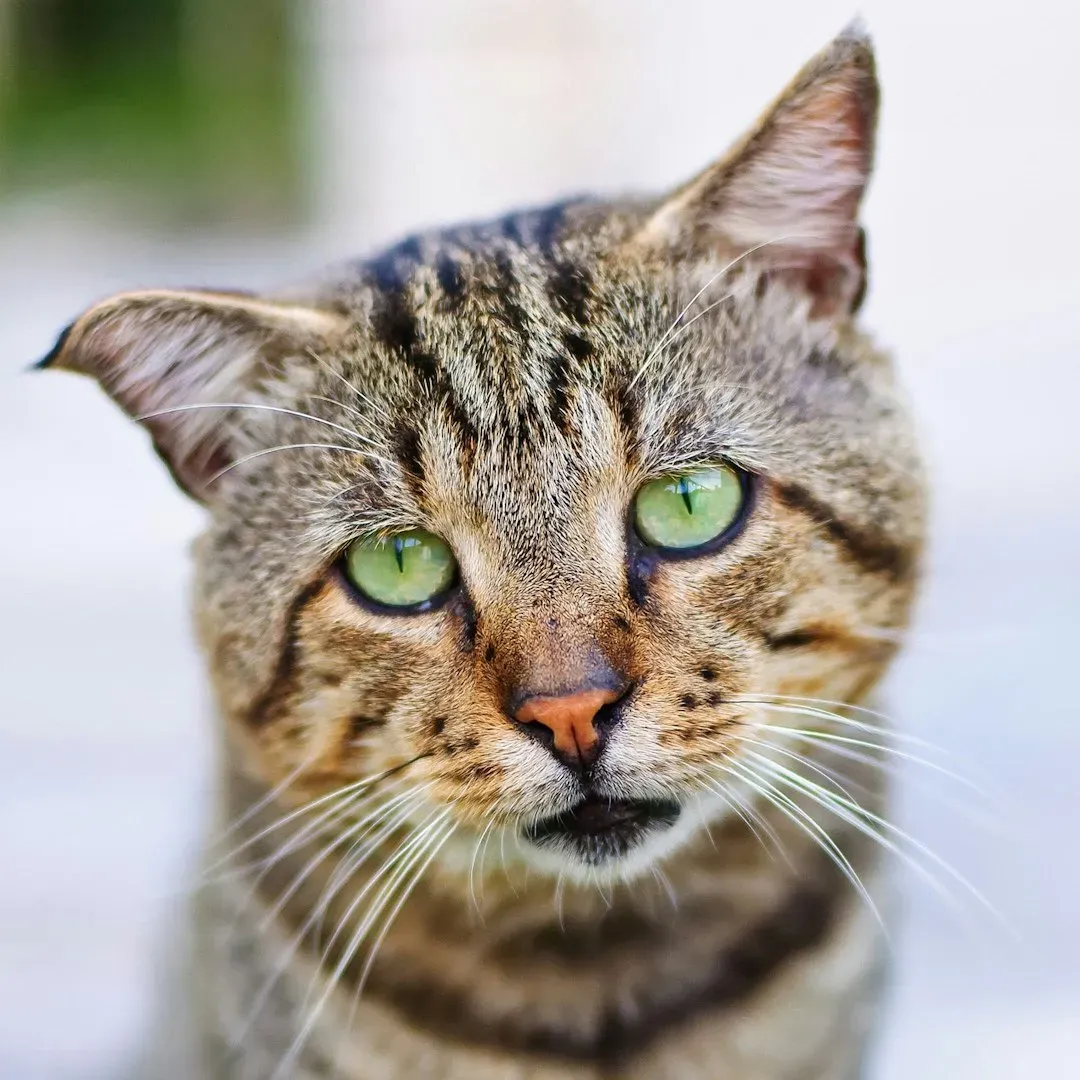
Skeptics suggest that cats don’t really grieve and attribute their behavioral changes to the alterations in daily routine resulting from the absence of an integral figure in the cat’s life. In other words, the cat gets upset because her schedule is off. Others suggest that the cat may just be reacting to the grief exhibited by humans in the house as they deal with the death of a family member.
There is an alternative explanation for changes in behavior observed after a companion’s death. The presence of a deceased animal can signal danger in the environment, causing pets to change their behavior as a safety measure, rather than being a grief response. So the jury is still out on whether cats grieve in response to loss, or if they are responding to changes in their environment that we have yet to fully understand. Honest science sits with that uncertainty rather than rushing past it.
How You Can Help Your Cat Through the Loss
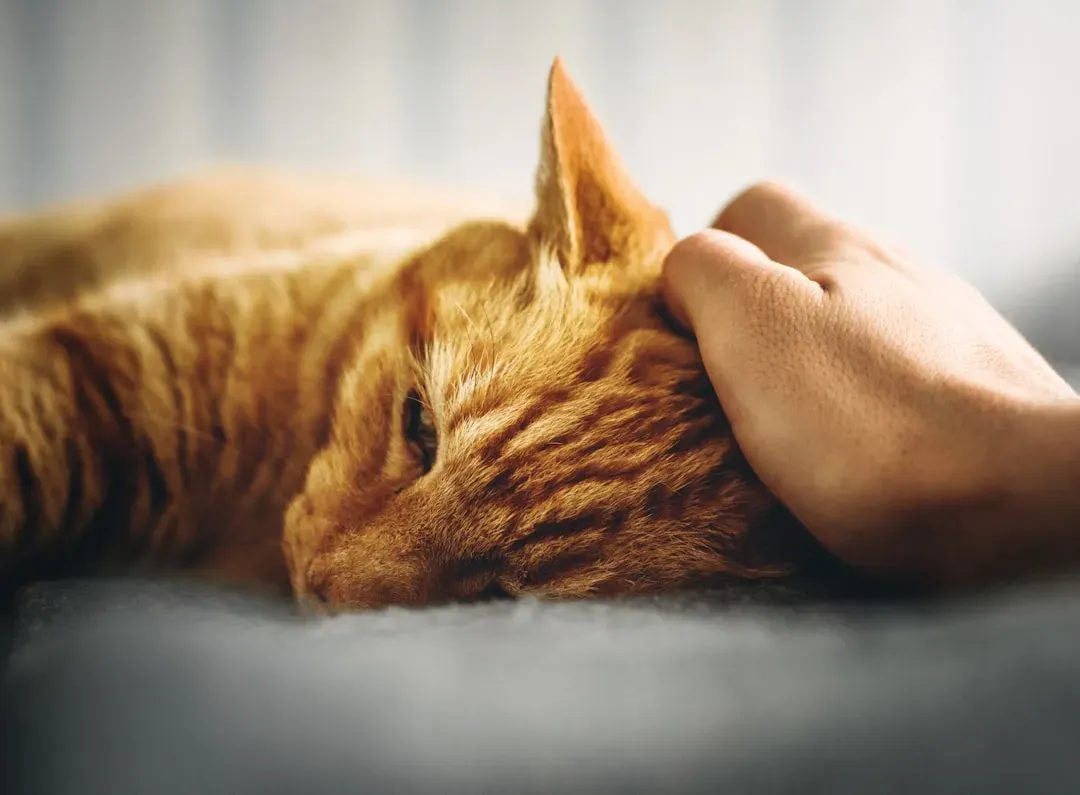
Try to maintain the general routines of the house as much as possible, as predictability is important at any time but more so now. If possible, don’t be too quick to remove the deceased cat’s favorite bedding, as the gradually fading scent will confirm that the individual is no longer around.
Cats may benefit from an increase in cuddling or physical affection from you as a means of distraction from the absence of their companion. If your cat has prolonged difficulty following a loss, ask your veterinarian about the use of a behavior modification drug, as there are several medications that can serve as adjunct therapy and may enhance your efforts at resolving behavior issues associated with mourning. Patience, presence, and routine go a long way.
Should You Introduce a New Pet, and When?
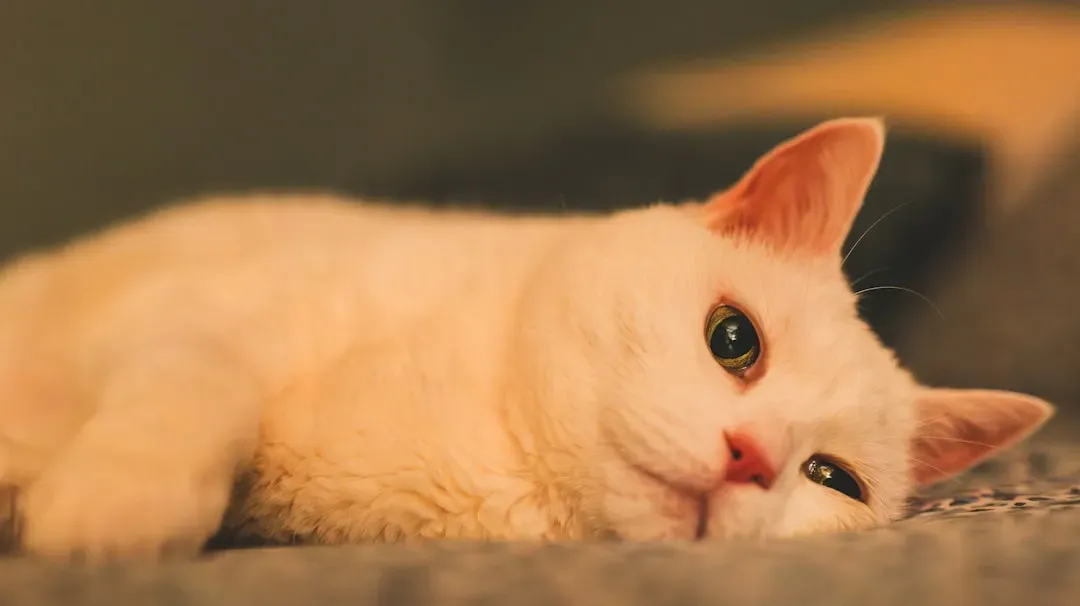
If your cat’s grief is due to the loss of a canine or feline companion, don’t rush to find a replacement. Give your cat time to grieve and adjust to the loss. Introduction of a new pet may add more stress to an already stressful situation.
Replacing a familiar long-term and predictable companion with a young, boisterous kitten isn’t usually an appropriate substitute. However, some cats may benefit if they’re prone to forming dependent relationships with other cats, although they can reject a newcomer, craving instead the company of the familiar cat. Establishing a new, comfortable social structure in the home following the loss of a human or animal family member is important for the entire family, but even more so for cats.
Conclusion
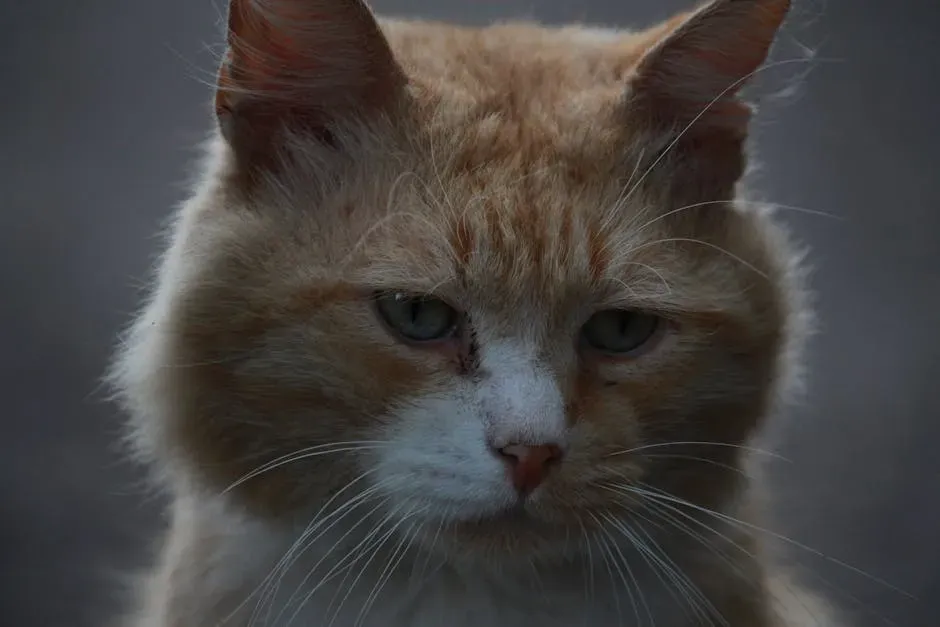
The question of whether cats truly mourn doesn’t have a clean, definitive answer yet. What research consistently shows, however, is that something real does happen. Around two thirds of cats experienced four or more behavioral changes after the loss of a family pet that indicated grief. Those numbers are hard to dismiss.
Whether the cat is mirroring their owner’s sadness or experiencing their own loss, one thing is clear: the emotional lives of cats are more complex than many have assumed. If you’ve ever watched your cat wander into a quiet room, sniff a familiar spot, and settle into a long, still silence, you probably already knew that on some level.
Cats may not weep or eulogize. They don’t explain themselves. Still, grief without words is grief all the same, and the evidence suggests your cat feels the absence of those it loves in ways that matter, even if science is still working out the exact language for it.