Your cat is sitting across the room, perfectly still, watching you with those wide, luminous eyes. Then it happens: the lids drop, heavy and unhurried, closing for a quiet beat before softly reopening. It’s over in less than two seconds. Most people miss it, or dismiss it as simple drowsiness. They shouldn’t.
Cats blink slowly as a form of nonverbal communication, often interpreted as a sign of trust and affection toward humans or other animals. What looks like a fleeting, mundane moment is actually one of the most deliberate signals your cat will ever send you. Understanding it changes the entire way you read your relationship with your pet.
What a Slow Blink Actually Looks Like
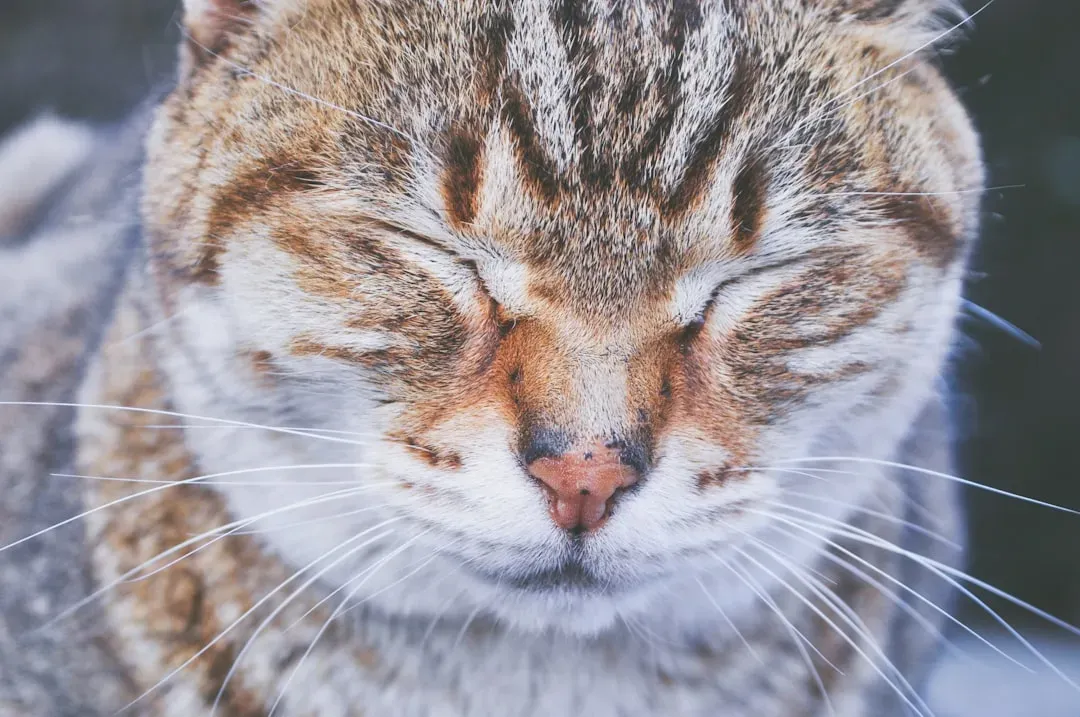
Not every blink your cat gives you is the same. In the context of animal behavior, the slow blink is characterized by a series of half-blinks, which involve narrowing the eyes, followed by either a prolonged narrowing or a complete closing of the eyes. Unlike the rapid blinking humans use to lubricate the cornea, the feline slow blink is a deliberate, rhythmic movement.
This feline slow blink is a deliberate, rhythmic movement. In the veterinary community, this is recognized as a “low-arousal” signal, indicating that the cat is in a state of relaxation and does not perceive any immediate threats in its environment. When you see your cat’s eyes narrowing gently in your direction, that gradual softening is everything.
The Science That Backs It Up
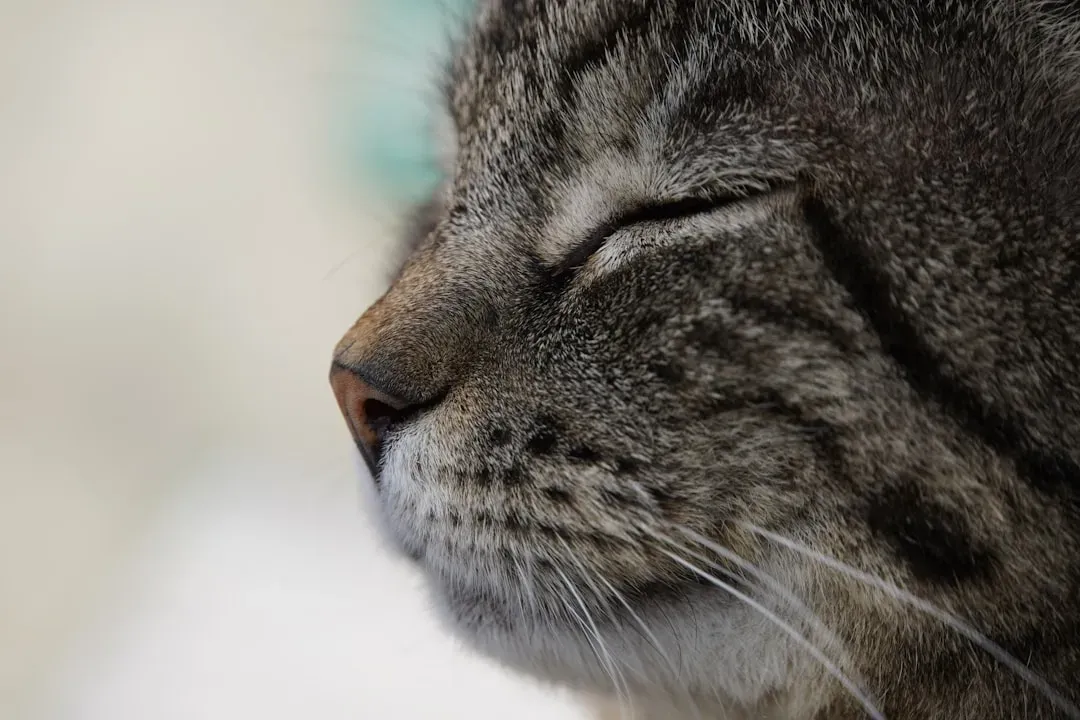
The phenomenon of the feline kiss is backed by rigorous animal science. A landmark 2020 study conducted by psychologists at the Universities of Sussex and Portsmouth provided empirical evidence for the efficacy of the slow blink. This was not a casual observation collected from cat lovers on the internet. It was controlled, peer-reviewed research.
The eyes are important in signalling emotions, with the act of narrowing the eyes appearing to be associated with positive emotional communication in a range of species. This study examines the communicatory significance of a widely reported cat behaviour that involves eye narrowing, referred to as the slow blink sequence. The findings confirmed what millions of cat owners had long felt in their gut was true.
What the Research Actually Found
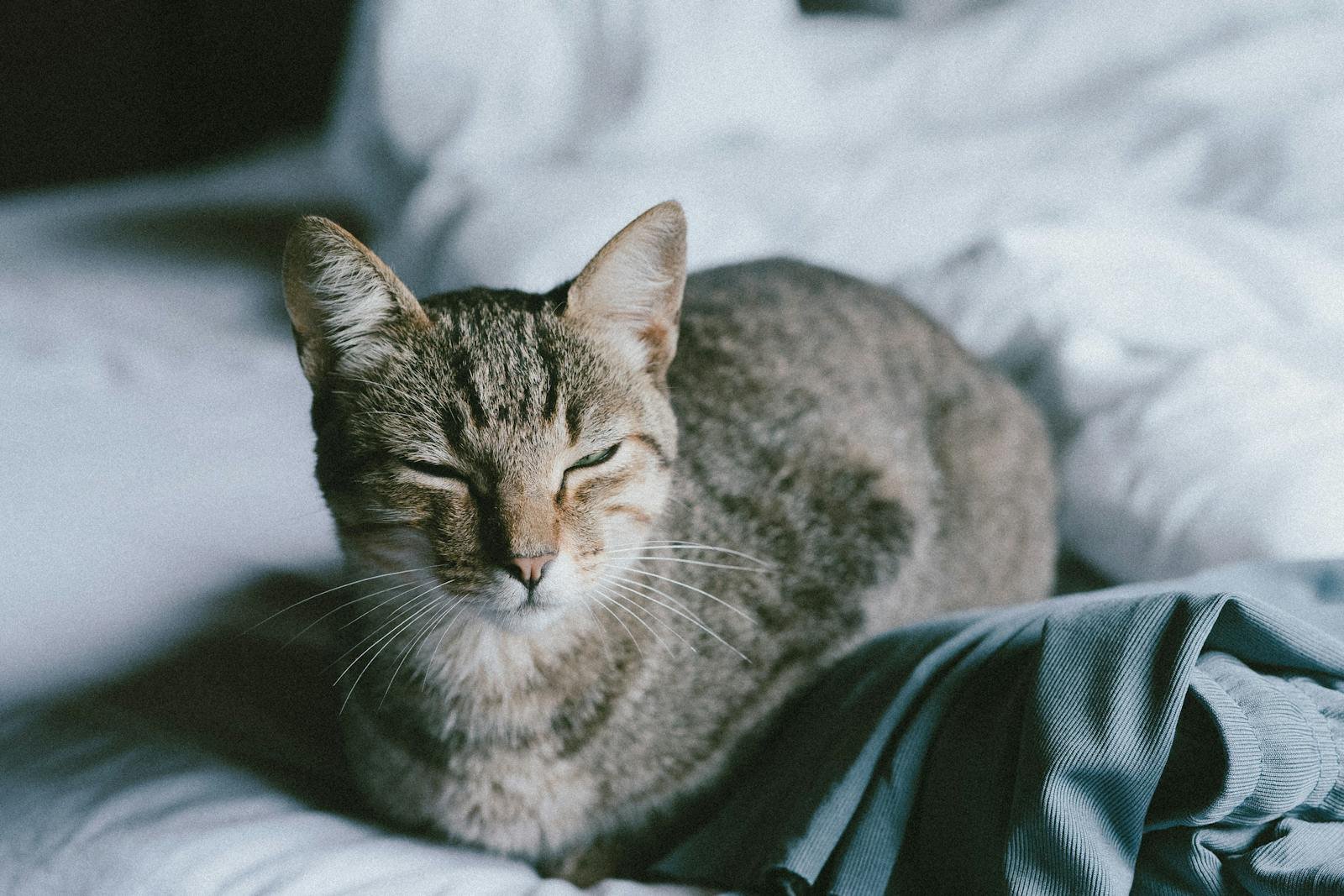
The research, published in Scientific Reports, yielded two key findings: cats were significantly more likely to slow-blink at their owners if their owners initiated a slow-blink first, and cats were more likely to approach a stranger who performed a slow-blink than one who maintained a neutral facial expression. Both findings point to the same conclusion.
In one study, cats were observed to be significantly more likely to perform a slow blink back at a human who had first slow-blinked at them. Furthermore, when an unfamiliar person used the slow blink technique, cats were found to be more willing to approach that individual. This measurable response provides evidence that the slow blink acts as an intentional signal, leading to increased positive social interaction and reduced apprehension in cats.
Why Eye Contact Matters So Much to Cats
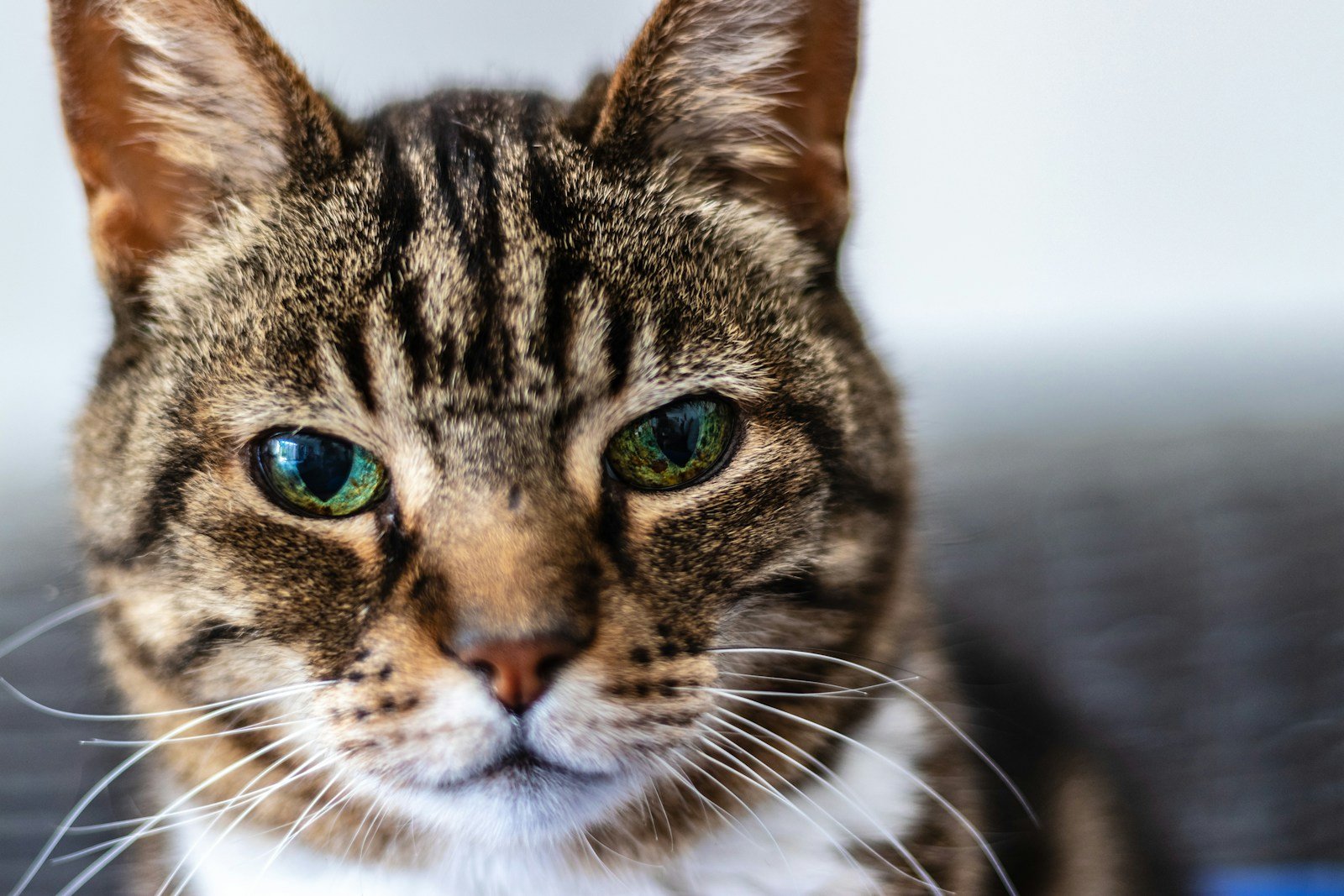
In the wild, both for solitary hunters like the African wildcat and for modern domestic cats, direct, unblinking eye contact is a primary signal of confrontation or predatory intent. A “stare-down” is a common precursor to physical aggression or a challenge for territory. This context is essential to understanding why the slow blink carries such weight.
If you stare at a cat without blinking, it might make them nervous or even defensive. That’s why the slow blink is so special; it’s like saying, “I trust you. I’m not a threat.” When your cat slowly blinks at you, they’re breaking the tension that comes with a hard stare. You are not a predator in their eyes. You are safe.
The Feline Kiss and What It Signals Emotionally
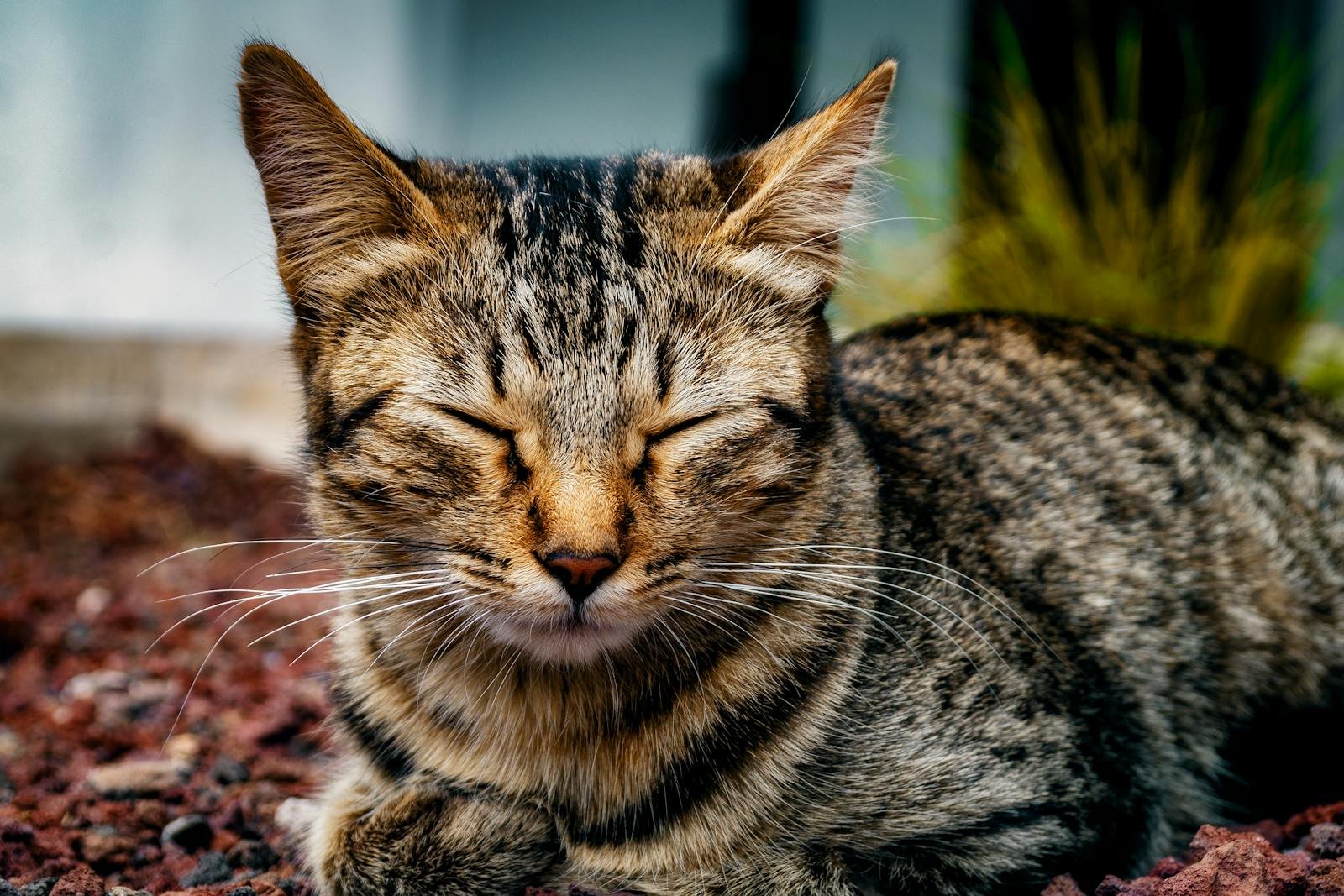
When your cat narrows their eyes around you, they’re doing the opposite of threatening. They’re signaling vulnerability. Closed eyes mean “I don’t need to watch you for threats.” It’s the same reason cats expose their belly to trusted humans: it demonstrates they feel safe. The slow blink is a conscious lowering of guard.
Researchers noted that cat slow blinks share similarities with the Duchenne smile in humans, the genuine smile that reaches the eyes. Both are involuntary expressions of positive emotion. That parallel is striking. It suggests that across very different species, the eyes remain one of the most honest communicators of inner feeling.
How Kittens Learn to Slow Blink
Kittens don’t instinctively know how to slow blink; they learn it from their mothers and littermates. In the earliest weeks of life, kittens observe their mother’s behavior closely. When the mother cat feels safe and relaxed, she’ll slow blink at her kittens. As the kittens grow, they mimic this gesture, learning that it’s a sign of peace and comfort.
These early lessons form the basis for how cats communicate as adults, not just with other cats, but with humans too. So when your cat sends you that quiet signal, it’s a gesture that traces all the way back to their very first lessons in feeling safe. That’s a long thread of trust to carry forward.
How to Slow Blink Back at Your Cat
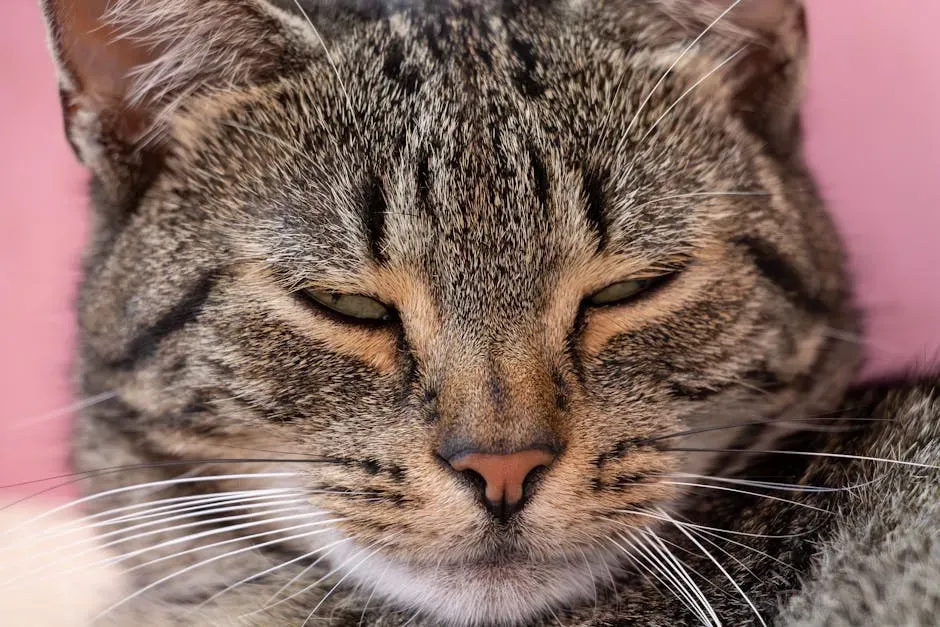
To initiate this interaction, first ensure the cat is in a relaxed state and is looking in your direction. Once you have their attention, narrow your eyes gently as you would in a relaxed smile, then slowly close them for about one to two seconds before slowly opening them again. The key word there is “gently.” Nothing forced, nothing rushed.
By repeating the cat’s own signal, you are effectively “speaking their language” and reinforcing the message that you are calm and trustworthy. The timing and context are important, as this gesture is most effective when the cat is resting or quiet, rather than when it is excited or engaged in play. Pick your moment and let them lead.
Slow Blinking With Cats You Don’t Know
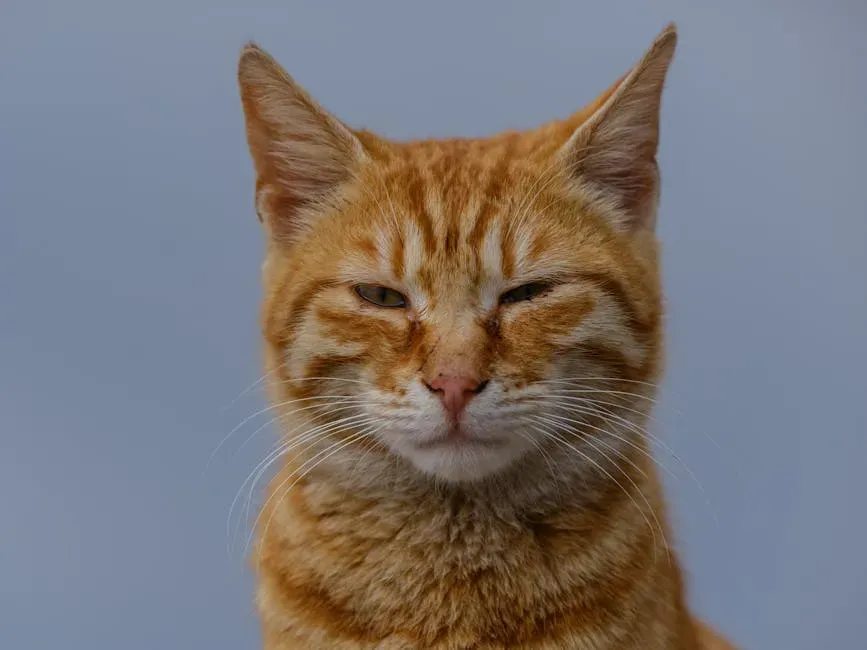
Even though cats can normally find visitors unsettling, a separate investigation, also conducted with cats in their own homes, found that the cats were more likely to exhibit slow blinking behaviour in response to an unfamiliar person who engaged in slow blinking; they were also more likely to approach the visitor when they held out their hand if the person was also engaging in slow blinking activity.
The slow blink is a way for cats to communicate that they feel at ease and are willing to let their guard down. If you want to build trust with a shy or new cat, slow blinking at them can be a great first step. It’s a non-threatening, gentle way to say, “I mean you no harm.” This works at shelters, at a friend’s home, or anywhere you meet an unfamiliar cat for the first time.
Not Every Cat Blinks the Same Way
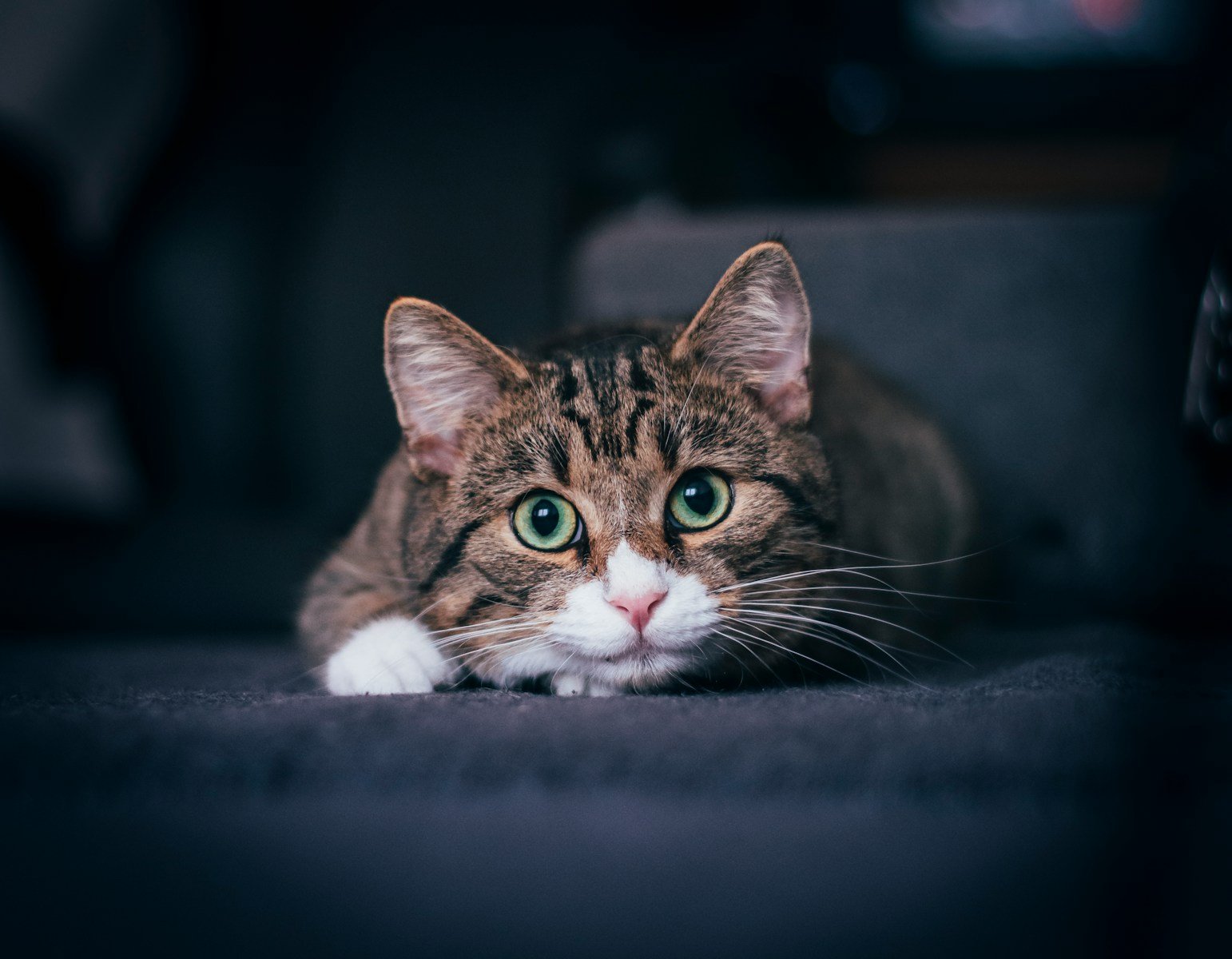
Some cats are natural slow blinkers, while others are more reserved. Breed, personality, and even past experiences play a big role in how often and how openly a cat will blink at you. For example, a confident, outgoing cat may blink often, while a more cautious or formerly stray cat might take longer to offer this gesture.
Unlike dogs, which are pack animals and have a more straightforward social structure, cats are more independent creatures that form complex social hierarchies. This means that trust and affection are earned rather than given freely. If your cat doesn’t slow blink at you yet, that’s not rejection. It’s simply a relationship still finding its footing.
When Blinking Points to a Health Issue Instead
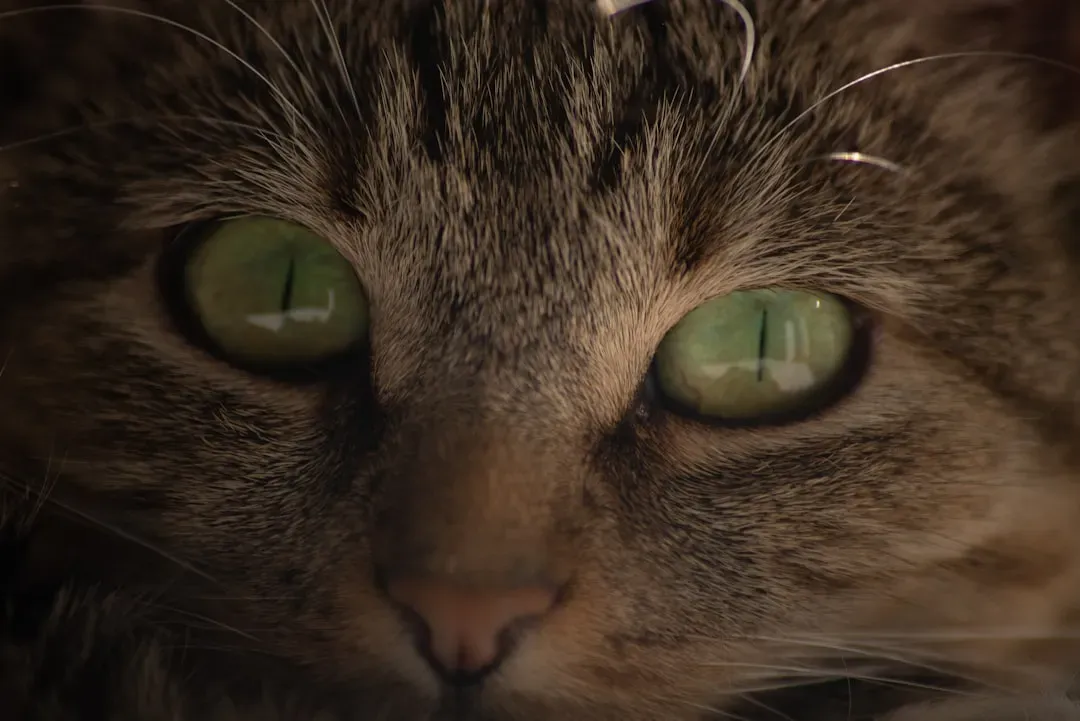
While the slow blink is usually a sign of affection, sometimes frequent or unusual blinking can signal a health issue. If you notice your cat blinking rapidly, squinting, or pawing at their eyes, it could be a sign of discomfort or an eye problem. Conditions like conjunctivitis or allergies can cause excessive blinking.
It’s important to pay attention to changes in your cat’s blinking habits. If something seems off, a visit to the vet is always the safest choice. Your cat’s eyes are not just windows to their soul: they’re also important indicators of overall health. Knowing the difference between the warm, slow social blink and a faster, distressed blink is worth learning early.
Conclusion
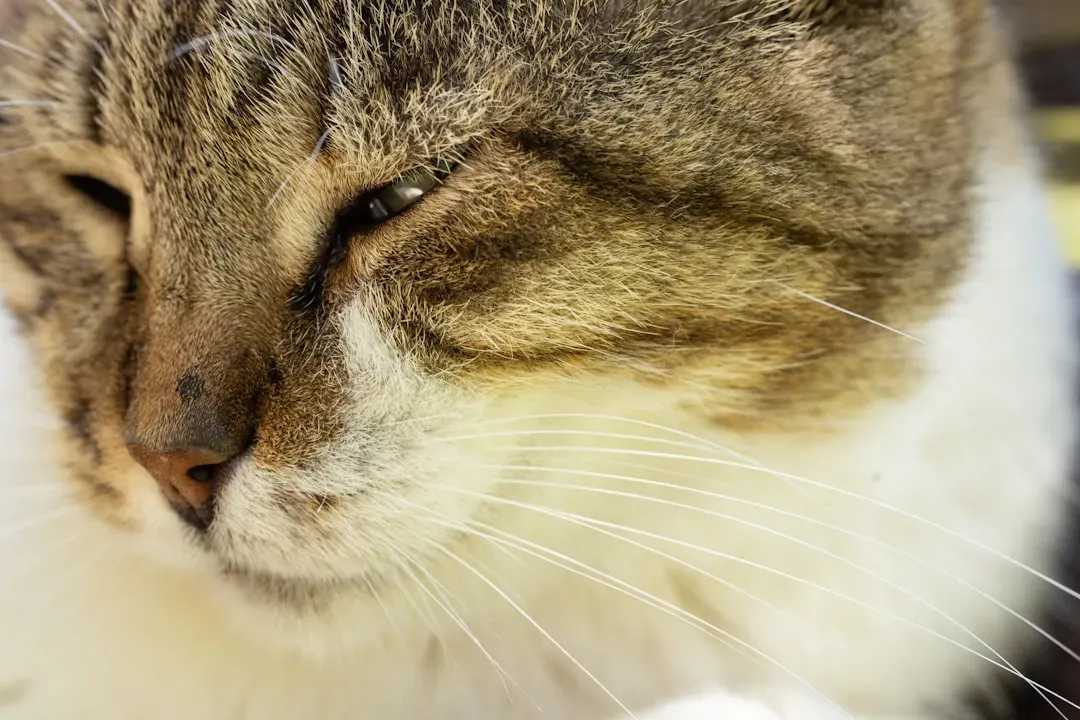
Cats have spent centuries being misread as cold, indifferent creatures. The slow blink is part of the quiet case against that reputation. Slow blinking serves as a form of positive emotional communication that transcends the species barrier, functioning much like a human smile to de-escalate tension and foster rapport. That’s not a small thing.
Slow blink interactions appear to be a positive experience for cats and may be an indicator of positive emotions. Such findings could potentially be used to assess the welfare of cats in a variety of settings, including veterinary practices and shelter environments, as well as enhancing cat-human communication in the human home. The science matters, but so does the lived moment of it.
The next time your cat catches your gaze from across the room and lets their eyelids fall in that slow, unhurried way, you now know what you’re receiving. It’s not boredom. It’s not tiredness. It’s trust, offered quietly, in the only language your cat knows how to use. Blink back. Mean it.
Kristina is a young writer from India. An arts graduate and an avid content creator, Kristina is passionate about animals and wildlife. She enjoys exploring topics related to pet care, animal behavior, conservation, and nature, combining thorough research with engaging storytelling.