Your cat ignores you for three hours, then suddenly appears and sits exactly six inches from your knee. Coincidence? Probably not. Cats have spent centuries earning a reputation for cold indifference, and honestly, they’ve done themselves no favors. The standoffish image sticks, even as behavioral science steadily chips away at it.
A study published in Current Biology found that cats form attachment bonds to their human caretakers in very much the same way that dogs and human children do. Despite fewer studies on the topic, research suggests we may be underestimating cats’ socio-cognitive abilities. So the next time your cat seems totally unbothered by your existence, it’s worth looking a little closer. Their loyalty speaks a different language, and once you know how to hear it, it’s surprisingly clear.
The Slow Blink That Says Everything
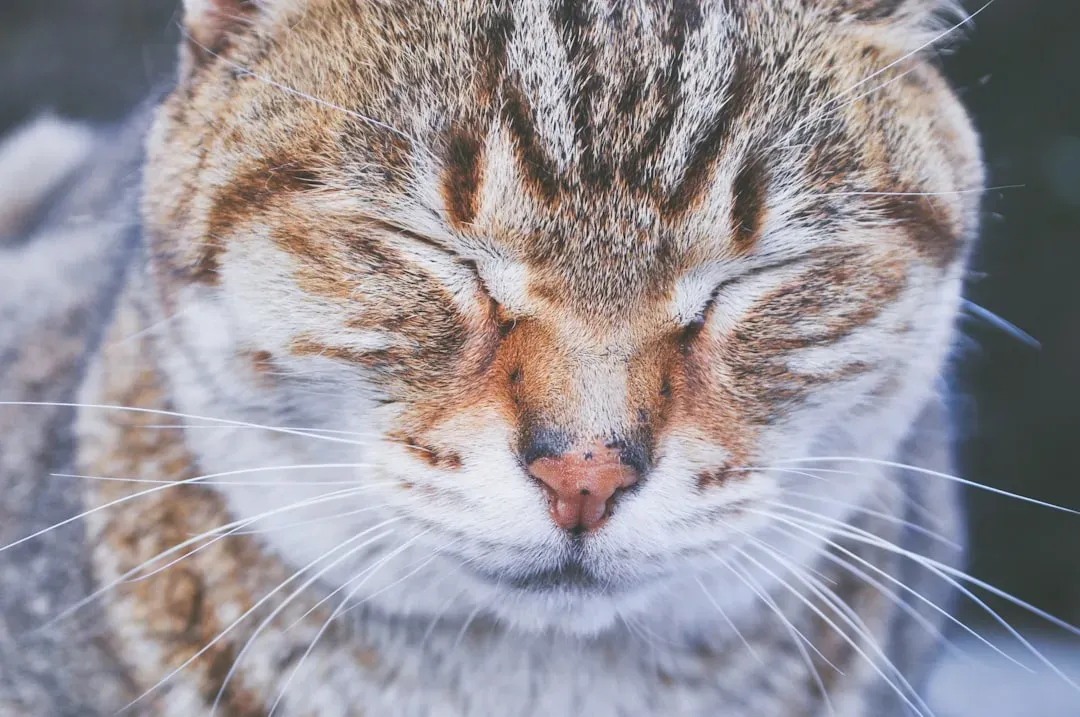
If you spot your cat giving you a long, drawn-out blink in the middle of their gazing at you, they are comfortable letting their guard down in your presence and are displaying trust and affection. This isn’t a random eye twitch or mild drowsiness. It’s a deliberate, controlled signal that carries real emotional weight in feline communication.
In some cases, cats may perceive direct eye contact as a threat. To diffuse the tension of prolonged eye contact, cats will slowly and deliberately blink as a sign of vulnerability and trust. If they extend that same gesture to you, it’s the same as saying, “I feel safe and relaxed around you.” You can even try returning the gesture. This is considered a feline version of a kiss, and you can try slow blinking to show love back to your cat.
Head Bunting and the Scent That Claims You
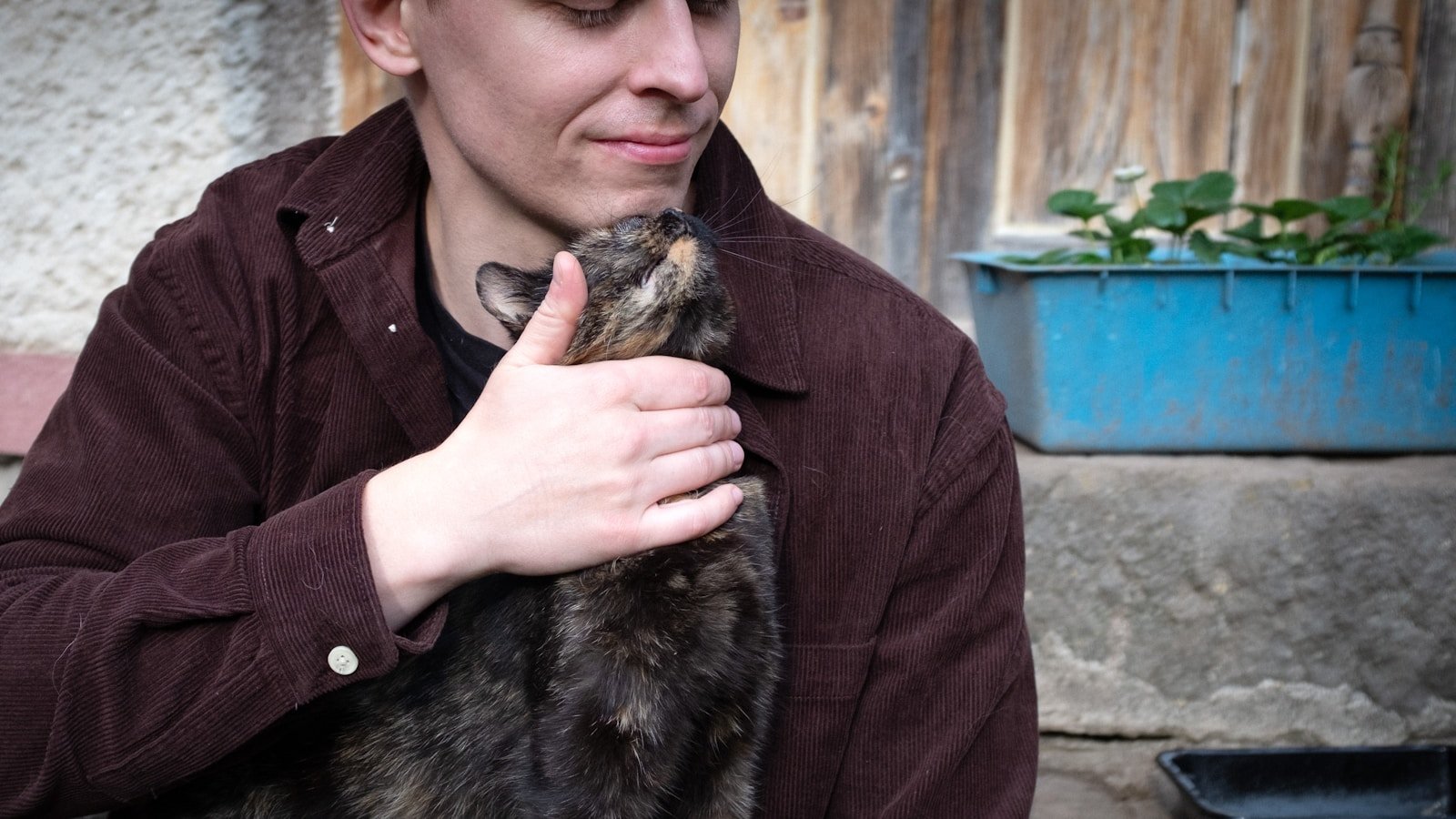
One of the most common ways cats show affection is through head-butting and nuzzling. This behavior, known as bunting, is a cat’s way of marking you with their scent. When a cat rubs its head against you, it’s not just seeking attention but also leaving its scent glands on you, claiming you as part of their territory. This gesture signifies trust and affection, indicating that your cat feels safe and loved in your presence.
This is a social behavior formed in kittenhood through headbutting other kittens and their mother. Headbutting is often an attempt to mark you with their scent to claim you as one of their own. Being claimed by a cat isn’t a small thing. It means you’ve made the short list of beings they actually consider worth the effort.
Following You From Room to Room
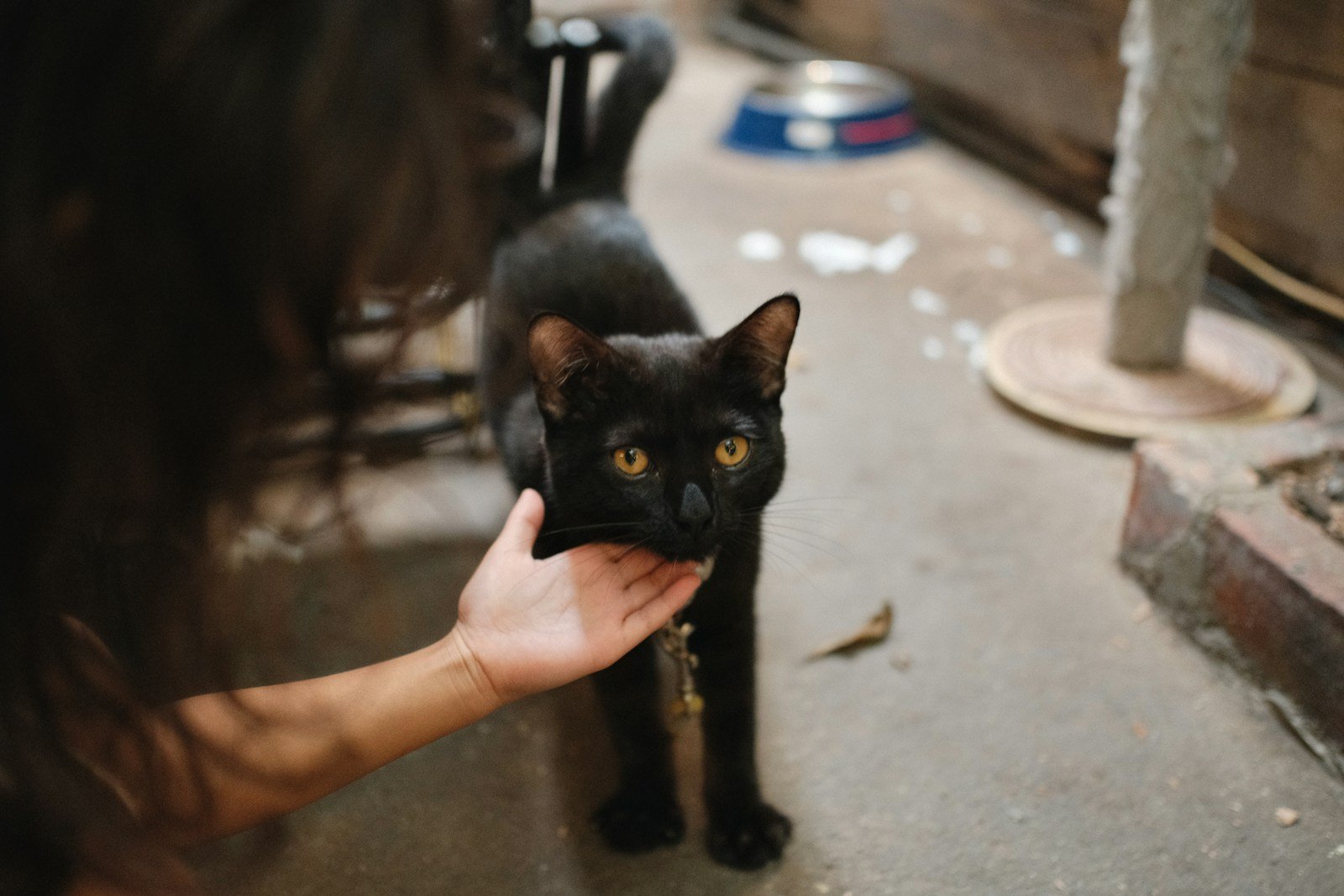
You may notice that your cat likes to trail you around the house. There can be many reasons for this, from wanting food to being anxious, but there are many cases in which your cat simply enjoys your company and wants to be with you. If it’s not close to feeding time and your cat isn’t acting like they want anything, chances are they are just trying to bask in your presence.
Your cat’s affection is not just transactional. If a cat chooses to spend time with you, seek your attention, or follow you around, it goes beyond the food bowl. Many cats continue to show loyalty and affection even when they have access to other food sources, debunking the myth that their love is for sale. So that shadow that appears every time you head to the kitchen is doing something more meaningful than auditing your snack choices.
Sitting Nearby Without Making It Obvious
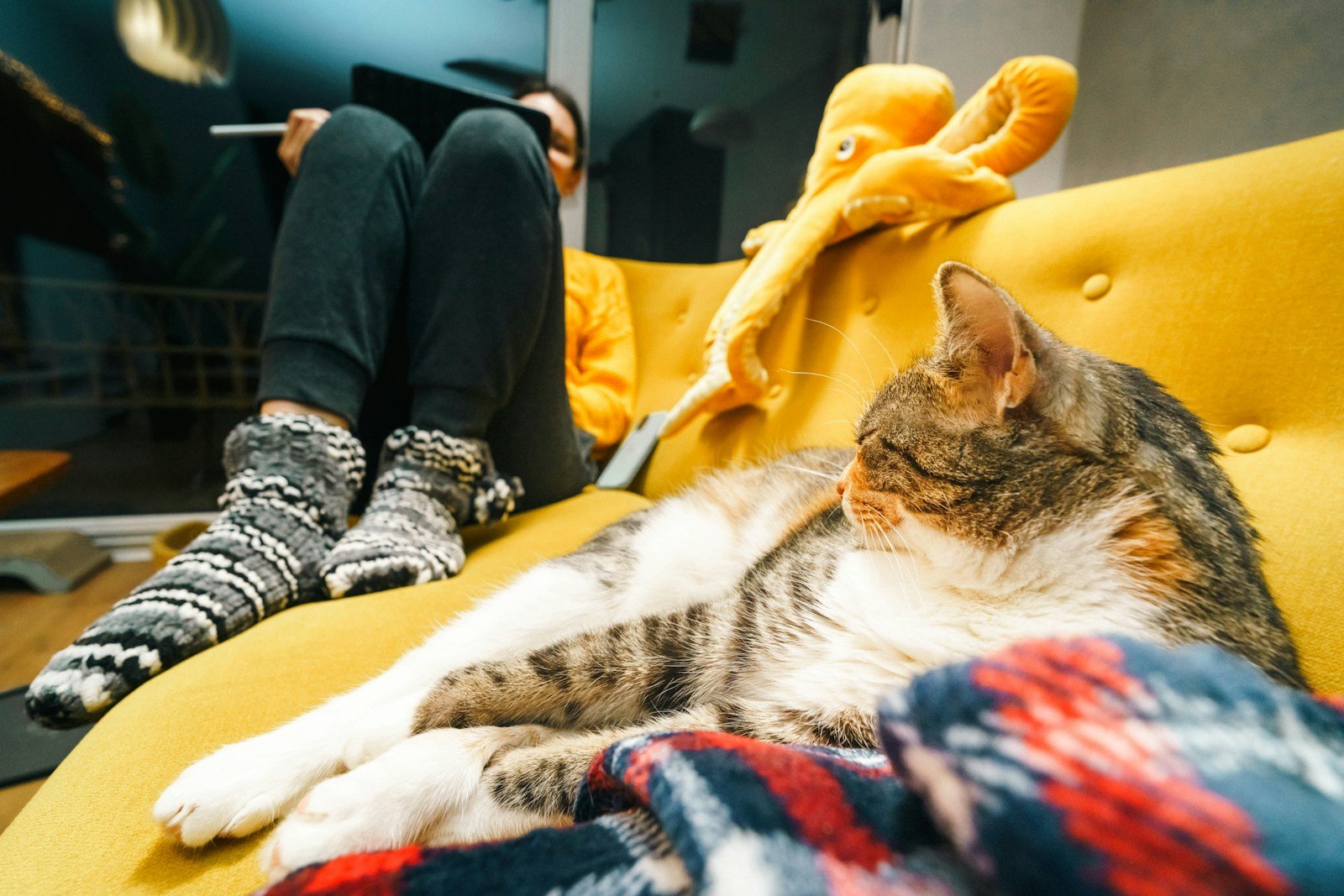
In the wild, adult cats will lay nearby one another but rarely cuddle like kittens. If your cat likes to be on the rug while you’re on the couch, or in their tree while you’re at your desk, they’re showing you they want to be around you in their own way. This proximity without pressure is one of the most misread behaviors in domestic cats. It looks like detachment, but it’s actually a very deliberate choice.
Some cats will follow their owners around the house, keeping a watchful eye on their every move. They may choose to curl up next to you or sleep on your lap, seeking physical proximity that suggests a sense of trust and attachment. Once they’ve established a bond with their owner, they will often show a sense of loyalty to the familiar setting they call home. Cats find comfort in the predictability of their routines and the presence of their trusted human companion.
Grooming You Like One of Their Own
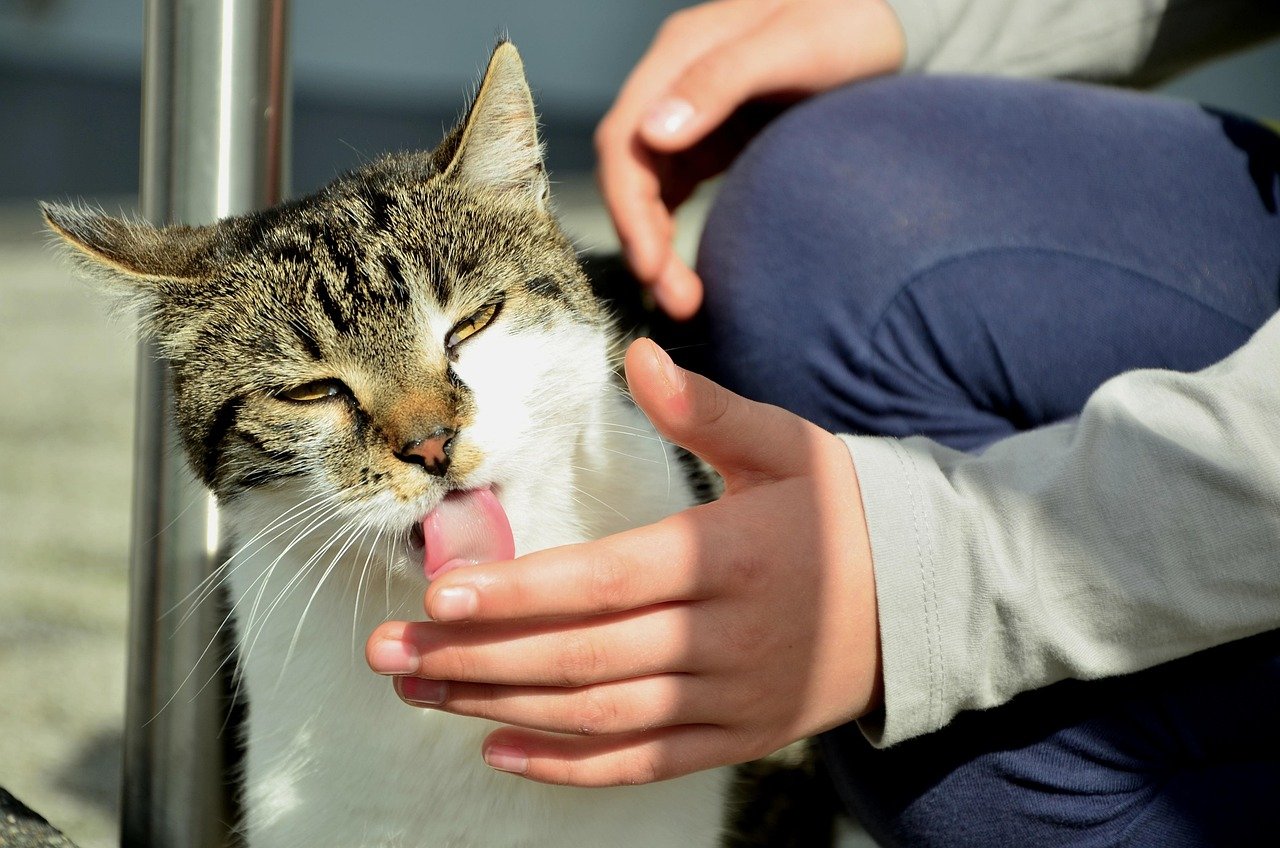
Cats groom each other as a display of affection, and this behavior will extend to humans when trust is built. Cats will often lick their people or allow them to brush them. Licking is similar to the grooming cats perform on their feline friends, allowing them to mark each other and build their bond. When your cat starts methodically licking your arm or hair, they’re not critiquing your hygiene. They’re welcoming you into the fold.
When a cat licks your skin or hair, it’s mimicking the grooming behavior they use with other cats. This action signifies that they see you as part of their social group and trust you enough to share this intimate behavior. If your cat gives you a gentle nibble, it is typically them giving a “love bite” and showing you a playful sign of their love. Somewhere between a lick and a tiny chomp, your cat is basically saying you’re family.
Kneading on You With Those Tiny Paws
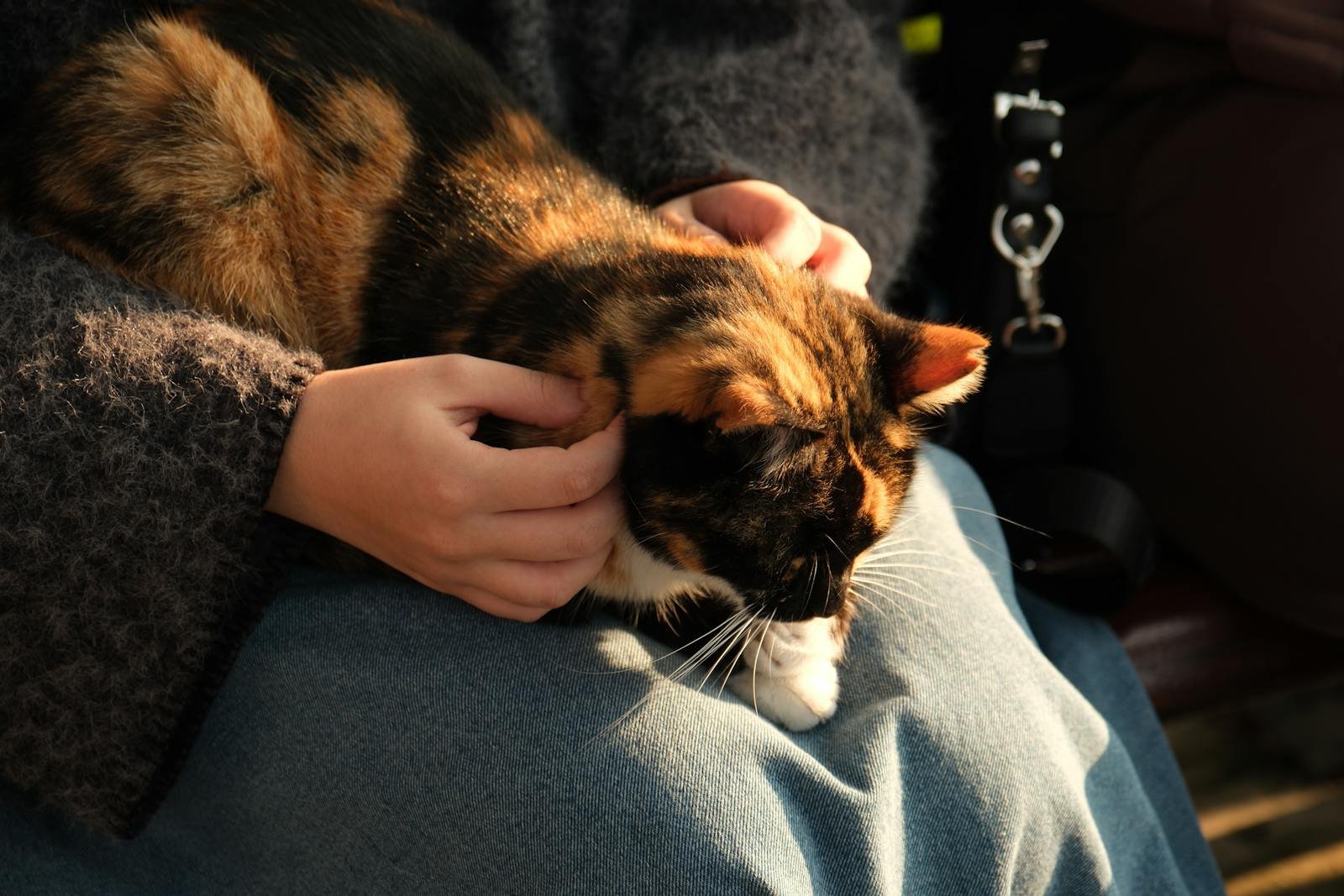
Cats usually knead with their front paws. This is a behavior that begins in kittenhood and is associated with nursing on their mother. Kneading is believed to bring comfort by releasing endorphins to reduce stress and promote relaxation. Relaxed cats that knead are showing contentment. When your lap becomes a bread-making station, take it as a genuine compliment.
Whether they’re making bread, biscuits, or cookies, this kneading behavior is a throwback to kittenhood when they kneaded their mother’s belly to stimulate milk flow. When your cat kneads you, it’s a sign of comfort and trust. It means you’ve become something genuinely soothing to them, a place where their guard drops completely.
Bringing You “Gifts” You Didn’t Ask For
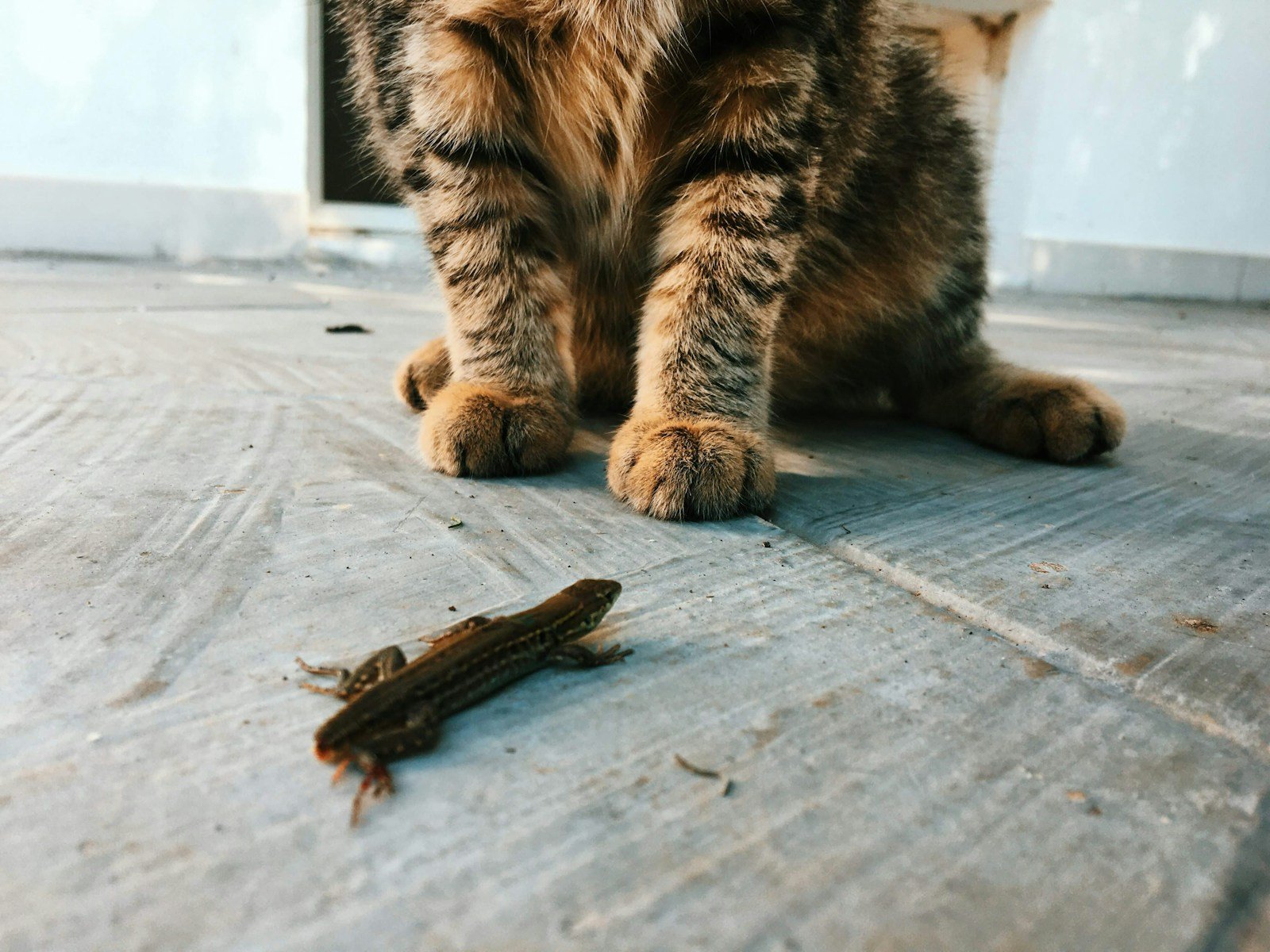
While it might be unpleasant to find a dead mouse or bird at your doorstep, this behavior is a sign of love and trust from your cat. In the wild, cats bring prey to their families. By bringing you gifts, your cat is sharing its “hunt” with you, showing that they consider you part of their family. It takes a certain kind of affection to offer someone something you clearly could have eaten yourself.
While it may not always be pleasant, the act of bringing you “presents” such as dead mice or birds, or favorite toys for indoor-only cats, is your cat’s way of showing affection. Indoor cats who bring toys are doing the same thing in a more apartment-friendly format. Either way, interpret it generously. It’s the highest honor in their vocabulary.
Using Their Voice Specifically for You
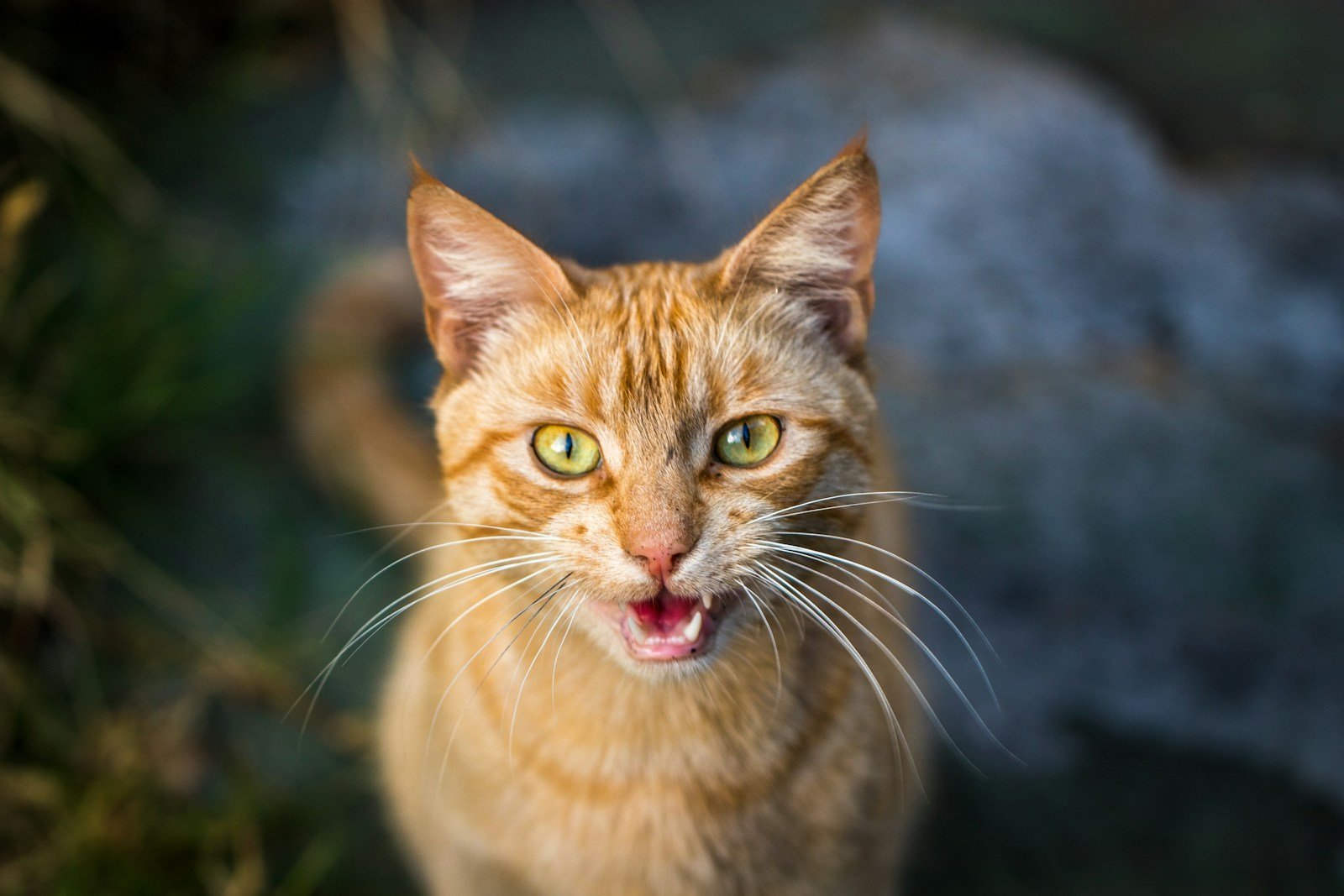
Cats don’t typically meow to communicate with other cats; they reserve this behavior for interacting with humans. If your cat frequently meows at you, especially with a soft, gentle tone, it’s their way of getting your attention and showing affection. That full, ongoing vocal conversation your cat has with you throughout the day is not just noise. It’s a relationship they’ve developed exclusively with you.
Trilling, on the other hand, is a universal sign of affection in cats. These melodic, high-pitched, purr-adjacent noises are almost always reserved for their most favorite humans and are usually performed in greeting or in gratitude after a pat or snack. Cats do recognize their owners’ voices and, over time, more common words like “dinner” or “play.” Pay attention to how your cat reacts when you speak to them, or if they are attuned to your moods.
Using You as Their Safe Base When Stressed
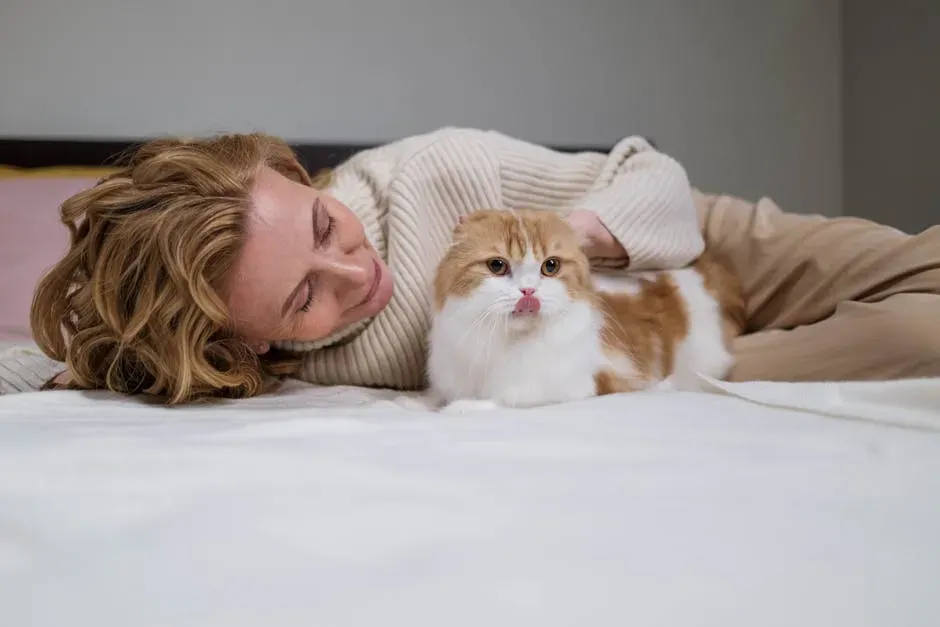
Researchers have found that cats form secure attachments to their owners, much like infants do with their parents. In experiments where cats were briefly separated from their owners, many showed signs of distress and sought comfort upon reunion. This is not the behavior of an indifferent creature. It is, in fact, almost identical to how human toddlers respond to their caregivers when separated.
Securely attached cats displayed a reduced stress response and curiously explored the room while checking in periodically with their owners for attention. About 65% of the cats and kittens in the relevant study were found to be securely bonded to their owners. Research has shown cats can form secure attachments to their owners, like infants with caregivers, and they recognize human emotions, read tone and gesture, and exhibit behaviors linked to empathy and social awareness. Your presence actively calms them down, which is about as clear a sign of loyalty as any species could give.
Conclusion
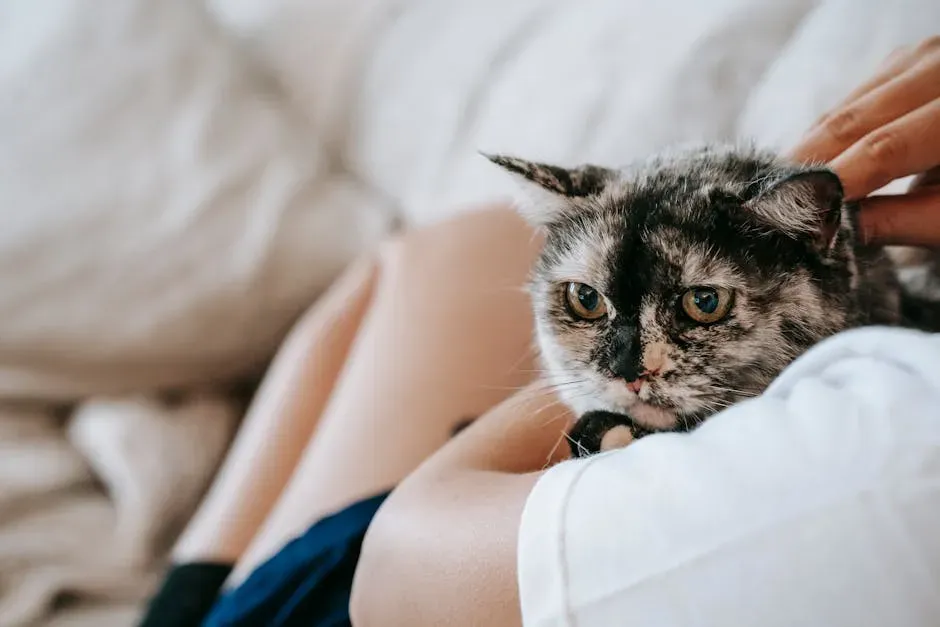
Cats don’t perform loyalty the way dogs do. There’s no tail wagging at the door, no dramatic reunion when you return from the grocery store. Their loyalty is quieter, more deliberate, and in some ways, more considered. Every slow blink, every kneaded lap, every strategic position near your chair represents a small, conscious choice.
Everything cats do, they do because they want to. Cats can be truly loyal, but unlike dogs, that loyalty comes out of their desire to be loyal to you. That makes it so much more valuable. Once you understand the language your cat is actually speaking, you start to see that the aloofness was never really the full story. It was just the surface.
Kristina is a young writer from India. An arts graduate and an avid content creator, Kristina is passionate about animals and wildlife. She enjoys exploring topics related to pet care, animal behavior, conservation, and nature, combining thorough research with engaging storytelling.