Cats have long had a reputation for being mysterious, a little aloof, and quietly unpredictable. Most cat owners will tell you that’s exactly the appeal. These enigmatic creatures exhibit a diverse range of personalities, with each cat possessing a unique temperament, preferences, and charming quirks that make them distinct individuals. Whether you’ve lived with cats your whole life or you’re just starting to explore the world of feline companionship, some breeds stand apart in ways that feel almost theatrical.
While all cats share common ancestral traits, selective breeding and natural evolution have endowed certain breeds with distinctive behavioral quirks that set them apart. From the playful and acrobatic antics of one breed to the dignified calmness and intelligence of another, these behavioral traits define each breed’s personality and influence their compatibility with human companions. Five breeds, in particular, have earned a special place in the hearts of cat lovers precisely because of the wonderfully odd, endearing, and sometimes baffling things they do.
1. The Siamese: The Cat Who Always Has Something to Say
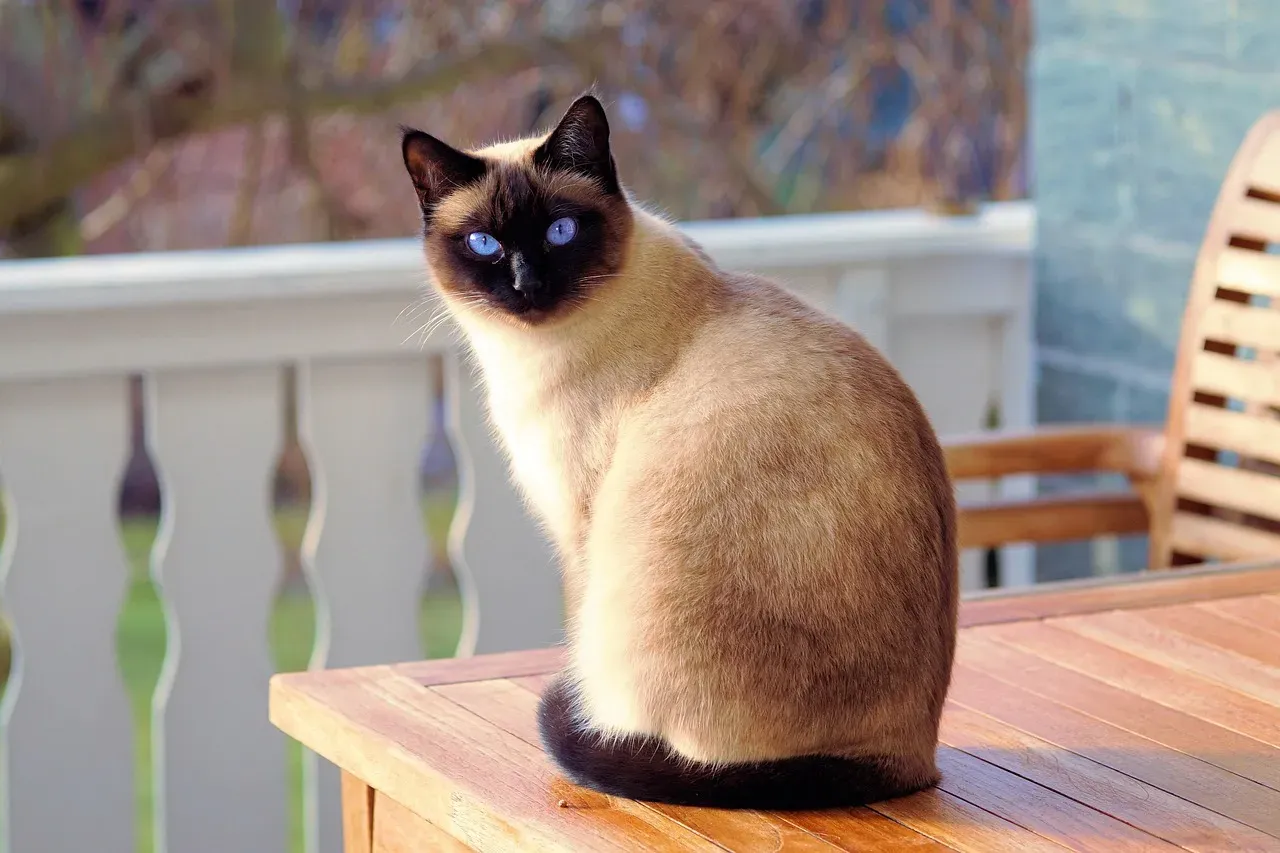
If you’ve ever shared your home with a Siamese, you know you’re never truly alone. Siamese cats are renowned for their vocal nature and social tendencies, making them one of the most communicative breeds in the feline world. They are known to form strong bonds with their human companions, often following them around the house and participating in their activities. You’re not just getting a cat when you bring a Siamese home; you’re getting a conversation partner.
The Siamese breed is one of the most vocal and talkative of all cats. Their distinct, loud, and somewhat “pointed” meow is a hallmark of their personality. Siamese cats often communicate with their owners in a series of long, drawn-out vocalizations. It’s said that they are so vocal because, historically, they were bred to be companions to royalty in Thailand, formerly known as Siam, where they would have needed to express themselves. That history shapes the breed even today.
Chatty doesn’t begin to describe the Siamese. These cats hold full conversations with their humans, offering opinions on everything from dinner choices to your television shows. Their loud, raspy voices sound almost human, creating hilarious moments when they seemingly argue back. It’s charming, occasionally exhausting, and completely unique to the breed.
To round out their sparkling personality, Siamese cats are highly intelligent and very curious, making them engaging cat companions. They are determined, vocal, active, and affectionate cats, but they don’t like being left alone. If you’re someone who travels frequently or works very long hours, a Siamese may let you know – loudly – that they disapprove.
2. The Maine Coon: The Gentle Giant With a Chirping Habit

The Maine Coon is one of the largest domestic cat breeds in the world, with some individuals reaching over 40 inches in length, tail included. Known for their tufted ears, bushy tails, and thick, water-resistant coats, Maine Coons were originally bred in the rugged conditions of the northeastern United States. Their sheer presence in a room tends to stop people mid-sentence.
Maine Coons are known for their unique vocalizations, which range from chirps and trills to soft meows. Unlike some breeds with loud or demanding voices, Maine Coons use a melodic “language” to communicate. Their vocal nature ties to their sociable personality – they love “talking” to their humans and expressing their needs or moods. That chirping sound, in particular, catches most new owners completely off guard.
The Maine Coon exhibits remarkable dog-like behavior, which includes playing fetch, following their owners from room to room, and showing loyalty to their family. They often display a kitten-like demeanor throughout their lives, making them a delightful companion for any cat lover. The combination of that massive frame and permanent kitten energy is genuinely hard to resist.
Maine Coons are packed with quirks that make every day entertaining. From their love of water to their obsession with high perches, these cats have a knack for surprising their owners. They are gentle cats and good companions that enjoy mental challenges, so they like lots of playtime. If you value a deeply interactive relationship with a cat, this breed delivers that consistently.
3. The Scottish Fold: The Philosopher in the Room

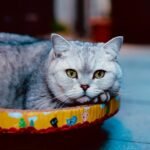
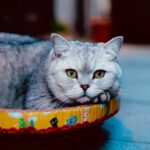
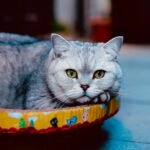
Few cat breeds stop people in their tracks quite like the Scottish Fold. The Scottish Fold is a breed famous for its adorable, rounded, and folded ears that give them a unique, owl-like appearance. These cats are not born with folded ears, but rather develop them at around three to four weeks of age due to a genetic mutation. That look alone could fill a photography book.
Those adorable folded ears make Scottish Folds look permanently surprised, which adds to their comedic charm. They love sitting in bizarre positions that resemble humans, earning them the nickname “Buddha cats.” Watch one try to squeeze into a tiny box, and you will understand why cat lovers adore their goofy determination and sweet temperament. It’s the kind of behavior that makes people reach for their phones involuntarily.
It’s their affectionate and calm personality that truly wins hearts. If you’re looking for a quiet and loving lap cat, the Scottish Fold is a perfect choice. They enjoy snuggling with their humans and often prefer staying close rather than exploring. Unlike highly vocal breeds, Scottish Folds communicate with soft, gentle meows and purrs, making them a peaceful addition to any home.
Gentle and playful, Scottish Fold cats are less rambunctious than many other breeds. They are happy to spend time simply enjoying your company, and they’re likely to follow you throughout the house as you complete your daily routine. Due to the gene that causes their folded ears, Scottish Folds can be prone to joint and cartilage issues. Regular check-ups and a diet rich in joint-supporting nutrients, like omega-3 fatty acids, can help keep them healthy. That’s worth knowing before you commit.
4. The Bengal: Wild Looks, Water Obsession, and Boundless Energy
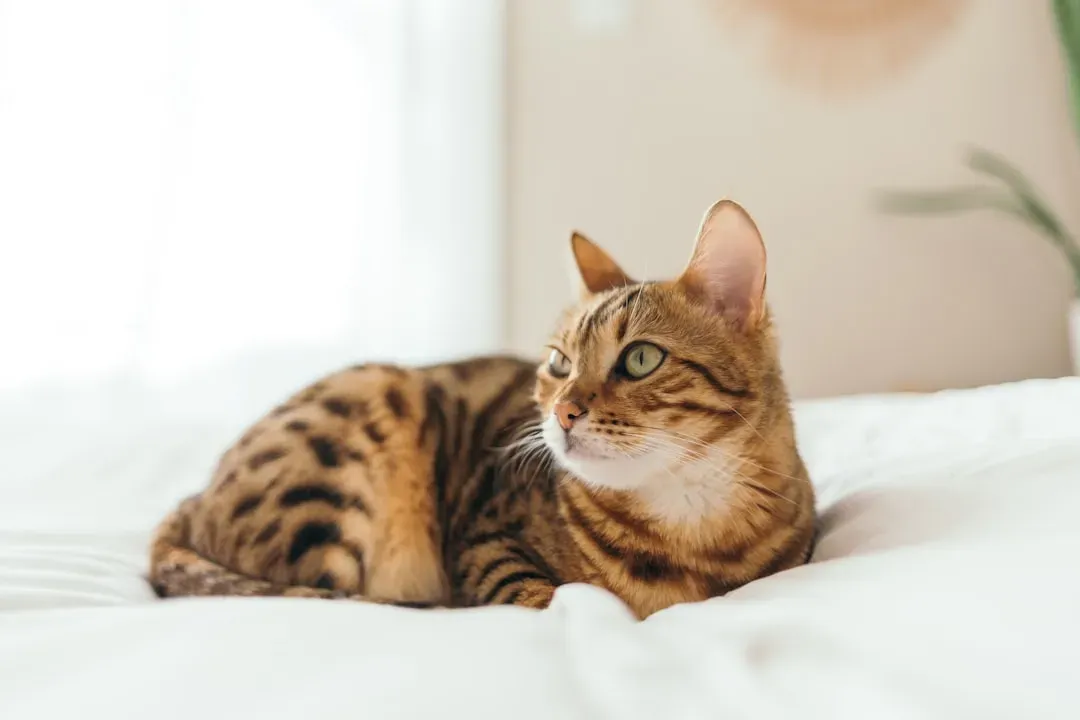
The Bengal cat looks like a mini wild leopard, but it’s actually a domestic breed created by crossing a domestic cat with an Asian leopard cat. This hybrid resulted in a breed with an exotic appearance and a playful, energetic personality. Bengal cats have striking coat patterns that resemble those of wild cats, often with rosettes or spots that give them a jungle-like look. The appearance alone tends to generate double-takes.
Unlike most cats, Bengals have a strong affinity for water. Whether it’s splashing in their water bowls, playing with dripping faucets, or even joining you in the shower, Bengals are drawn to water like a magnet. There are a few reasons Bengals are more interested in water than most cats: their wild ancestor, the Asian Leopard Cat, naturally lives near water and is known to hunt in it. That instinct hasn’t entirely disappeared through domestication.
Bengals are among the most intelligent of all cat breeds. Their sharp minds require constant stimulation, which is why they love engaging in games and learning new tricks. Whether it’s playing fetch, figuring out puzzle toys, or mastering commands, a Bengal is always eager to show off its mental prowess. Don’t be surprised if your Bengal learns to open doors or turn on faucets – they have nimble paws that function almost like hands, making them quite the little troublemakers when it comes to figuring out how things work.
If Bengal cats are not adequately engaged, they can get bored and frustrated, which can lead to troublesome behaviors. For instance, they might scratch at the furniture or meow excessively. They also have very nimble paws, and you might find that your Bengal cat has gotten into your drawers and made a mess of your clothes, or opened the kitchen cabinets and pulled out all of your pots and pans. Life with a Bengal is rarely boring, and occasionally quite chaotic.
5. The Sphynx: The Hairless Social Butterfly Who Never Leaves Your Side
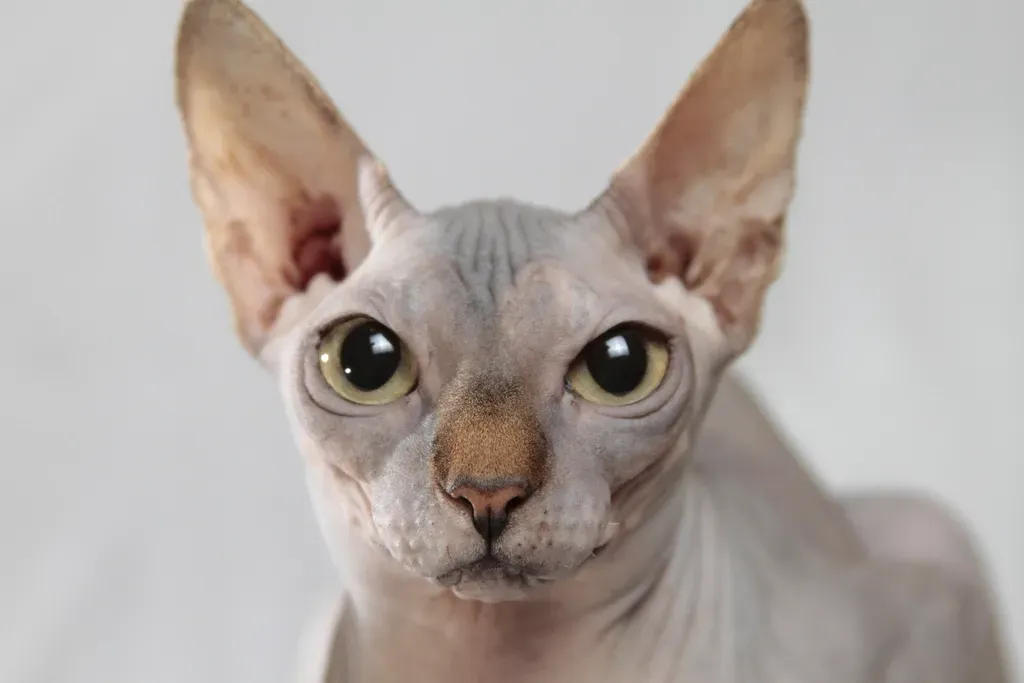
The Sphynx is one of those breeds that tends to divide people on first impression. While the Sphynx’s unusual looks are attention-grabbing and might even be off-putting to some people, what these cats lack in fur is more than made up for in personality. Although Sphynx owners are often initially attracted to the shock value of having a hairless cat, not to mention the lack of shedding to deal with, most will tell you that they fell in love with their Sphynx, who proved to be a delightful pet.
The Sphynx cat is an energetic, acrobatic performer who loves to show off for attention. She has an unexpected sense of humor that is often at odds with her dour expression. Friendly and loving, this is a loyal breed who will follow you around the house and try to involve herself in whatever you’re doing, grabbing any opportunity to perch on your shoulder or curl up in your lap. You will rarely find one quietly minding its own business.
The Sphynx is a friendly, extroverted cat who is often compared with a monkey because of their high-energy antics and tendency to “show-off” and perform tricks to get human attention. Sphynx cats are well known for being noisy. Since they are known to be people-oriented, they communicate to their owners using a repertoire of squeaks, chirps, and whines. That combination of visuals and sounds makes for an unforgettable household presence.
The best diet for Sphynx cats is one high in protein and calories and low in carbohydrates. Their lack of coat means Sphynx cats have a higher metabolism than many other breeds, as their bodies work harder to keep them warm. Because your Sphynx is so smart, they are likely to get into things if they get bored. They have a mischievous side to them, which means they might run around causing trouble if you don’t give them enough mental stimulation throughout the day. They reward engagement generously, though. The more time you give them, the more personality they show.
Conclusion
What makes a cat truly memorable isn’t just their coat or their color. It’s the specific, sometimes baffling, and deeply personal ways they show up in your daily life. Cat temperaments are shaped by both nature and nurture, meaning by both genetics and life experiences. Thanks to a long history of breeding for certain traits, cats of the same breed often share similar personality types. Knowing that in advance helps you find the right match.
The Siamese who narrates your morning, the Maine Coon who chirps a greeting from the hallway, the Scottish Fold sitting in a posture that looks oddly human, the Bengal turning on your tap, the Sphynx draped across your shoulder like a living scarf – each of these breeds brings something genuinely irreplaceable into a home. Each cat breed has unique characteristics, but all cats have individual personalities that may shine through over time, regardless of breed traits. The quirks are real, but so is the variation within any breed.
If you’re choosing a companion, lean into the quirks rather than around them. The cat that chirps, splashes, follows, folds itself into strange positions, or shadow-boxes with your ankles is the one you’ll be telling stories about for years. That’s probably the whole point.
Kristina is a young writer from India. An arts graduate and an avid content creator, Kristina is passionate about animals and wildlife. She enjoys exploring topics related to pet care, animal behavior, conservation, and nature, combining thorough research with engaging storytelling.