Most cat owners have noticed it at some point: their cat passes over the plush, expensive bed bought specifically for them and curls up in a laundry basket instead. Or they abandon their usual couch cushion without warning and retreat somewhere entirely new. It’s easy to chalk this up to classic feline quirks, but there’s actually more going on beneath those sleepy, half-closed eyes.
The position your cat sleeps in can tell you a lot about their level of comfort and how secure they feel in your home, and in some cases it can even reveal information about their relationship to you and to each other. Where your cat chooses to nap, day after day, is a quiet but surprisingly honest form of communication. Pay close enough attention, and you’ll start to understand what your home really feels like from your cat’s perspective.
The Science Behind Why Cats Sleep Where They Do
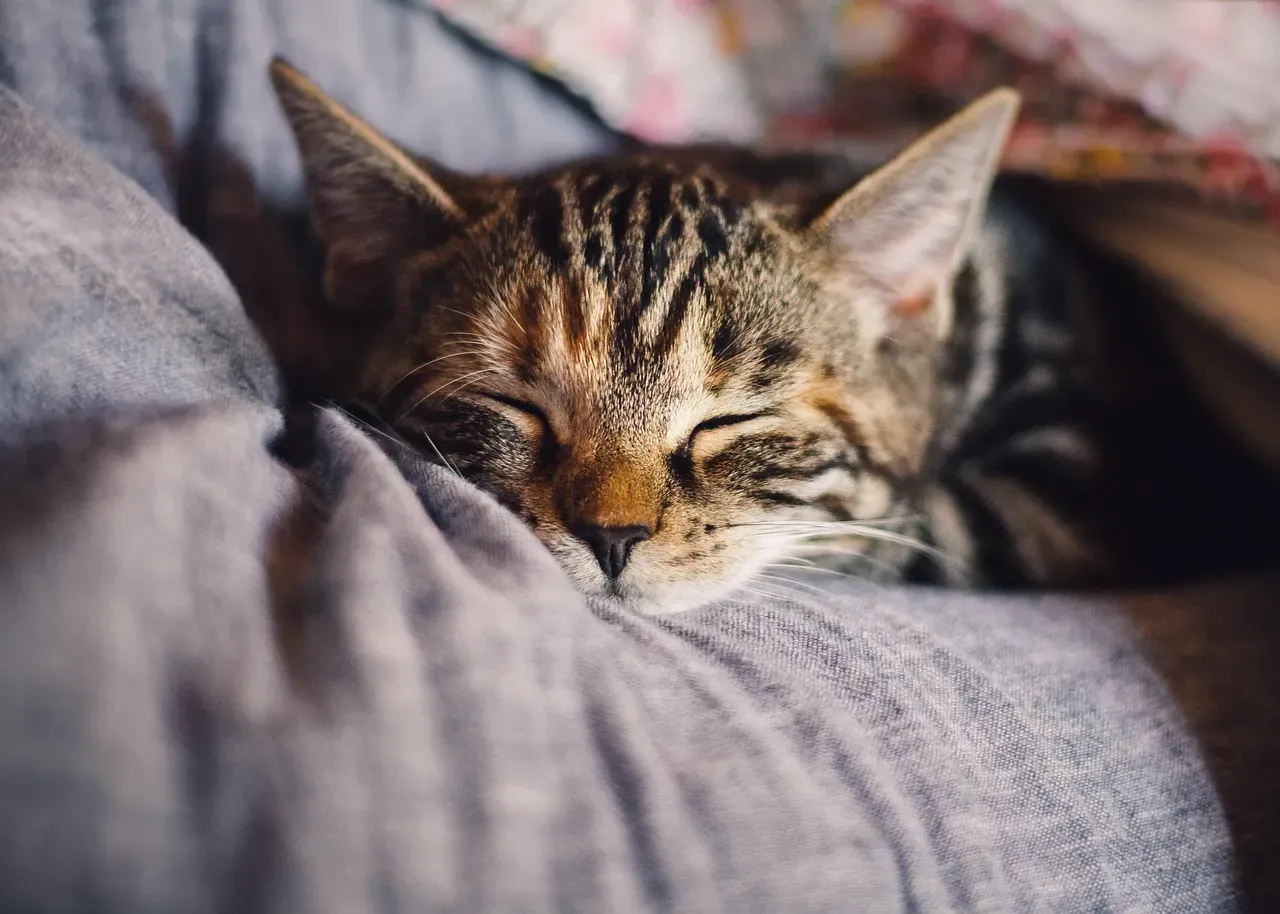
Cats are instinctively inclined to sleep for prolonged periods, typically between 12 to 16 hours daily, and in some cases even longer. However, these extended rest periods serve more than just physical rejuvenation. A cat’s sleeping posture can offer valuable insights into its emotional state and overall health.
Cat sleeping positions are more than random habits. Every posture reflects a mix of instinct, comfort, temperature regulation, and emotional state. A cat’s wild ancestors had to protect vulnerable organs and stay ready to react to threats even while resting, and those instincts still shape how domestic cats sleep today.
Sleeping on Your Chest: A Deep and Personal Bond
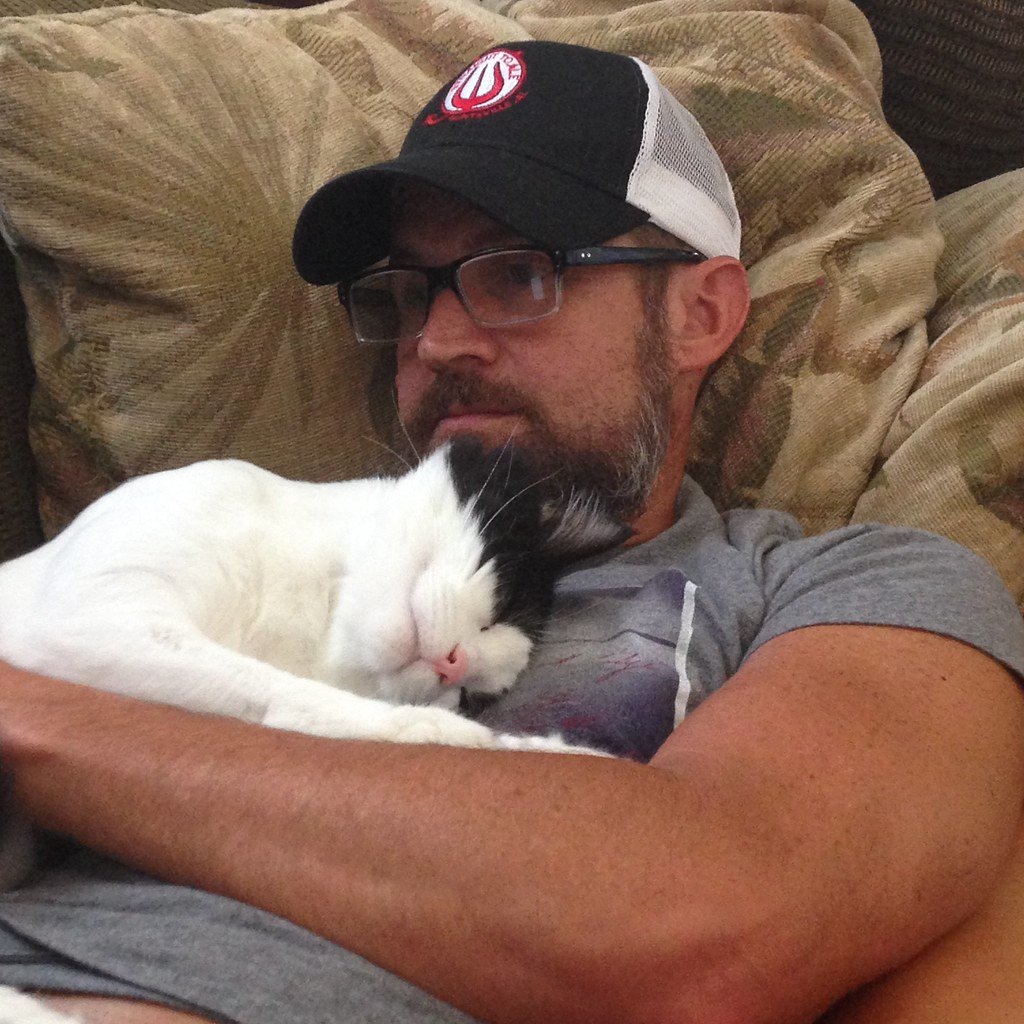
Many cats choose to sleep on their owner’s chest for several reasons. A strong bond might lead your cat to seek the closeness and warmth of your chest. Like a heartbeat comforts a baby, the sound of your heart beating and your breathing’s rhythmic rise and fall can also soothe your cat.
Your cat may also want to sleep on your chest to be closer to your mouth, as your voice may provide comfort. In much the same way that the sound of a heartbeat can soothe an infant, your cat may be soothed by the sound of your heart and the rhythmic motion of your breathing. Sleeping on your chest also gives your cat a great source of body heat.
Curling Up at Your Feet: Comfort With an Exit Plan
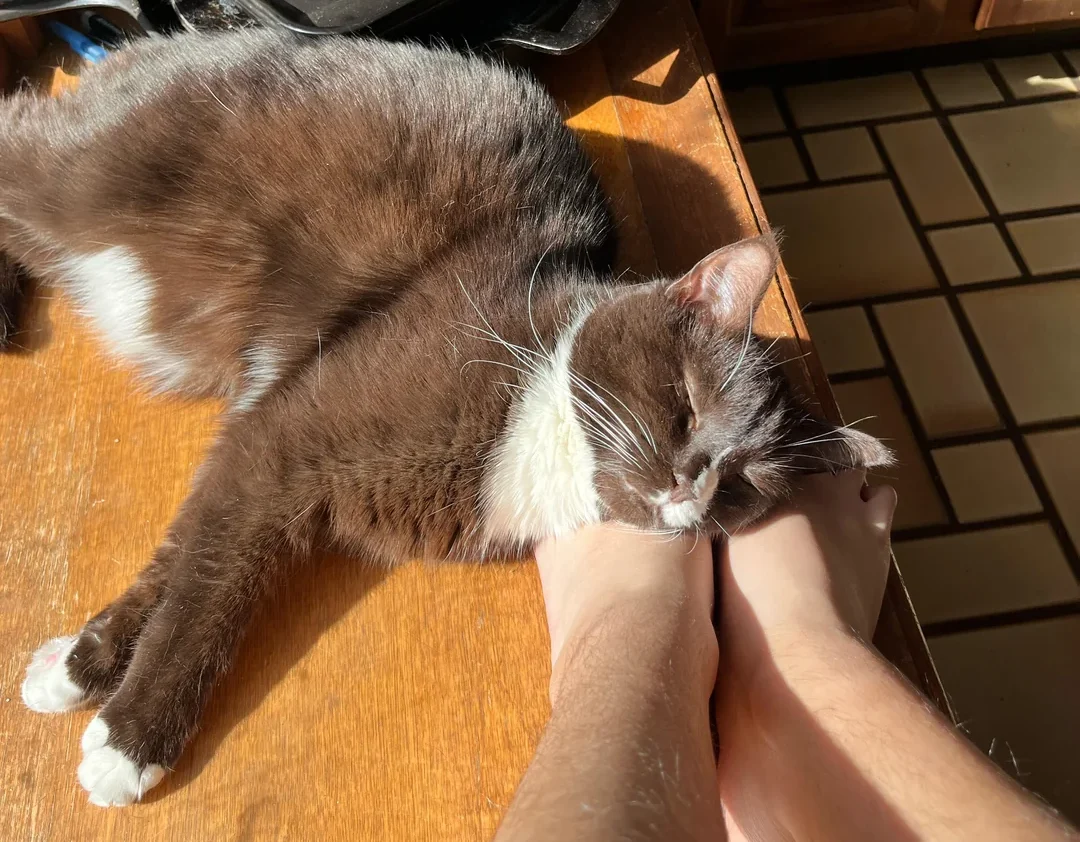
Cats rely heavily on scent for familiarity and security. Your feet may not seem like the most appealing sleeping spot to you, but to your cat, they’re a prime location for scent reinforcement. According to Bradshaw (2012) in The Behavior of the Domestic Cat, felines use scent to feel safe and mark their territory. Since your feet carry strong, recognizable smells from walking around all day, your cat may prefer sleeping there as a way to feel reassured.
Sleeping by or on your feet lets your cat be close to you, but also gives them the security of an easy escape when near the foot of the bed, couch, or chair. This combination of closeness and independence is very characteristic of cats. It’s affection on their own terms, which is perhaps the most honest kind.
Napping in Enclosed Spaces: Security Is Everything
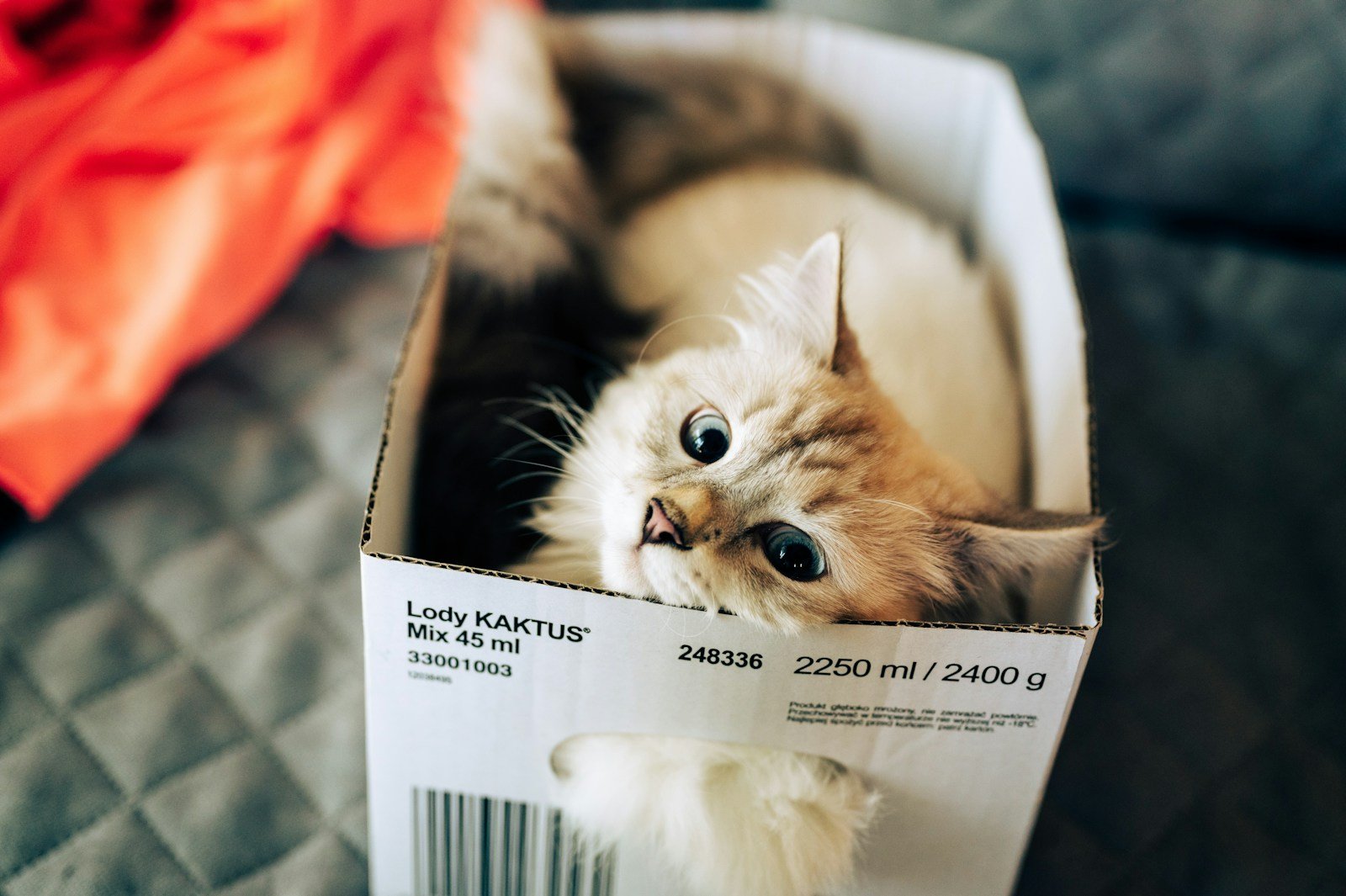
Small, enclosed spaces provide cats with a sense of security and protection, mimicking the den-like environments their wild ancestors sought for safety during rest periods. Whether it’s an empty cardboard box, a closet shelf, or a cabinet drawer left slightly ajar, these spots speak to something deeply wired into your cat’s instincts.
This need is why cats seem to derive such pleasure from jumping into empty cardboard boxes. Boxes also give your cat security and warmth, sort of like camping tents do for humans, while providing an easy exit, just in case. When cats try to fit into a box that seems too small, they are seeking security, like an infant feels when they are swaddled.
High Perches and Elevated Spots: Confidence in Their Territory
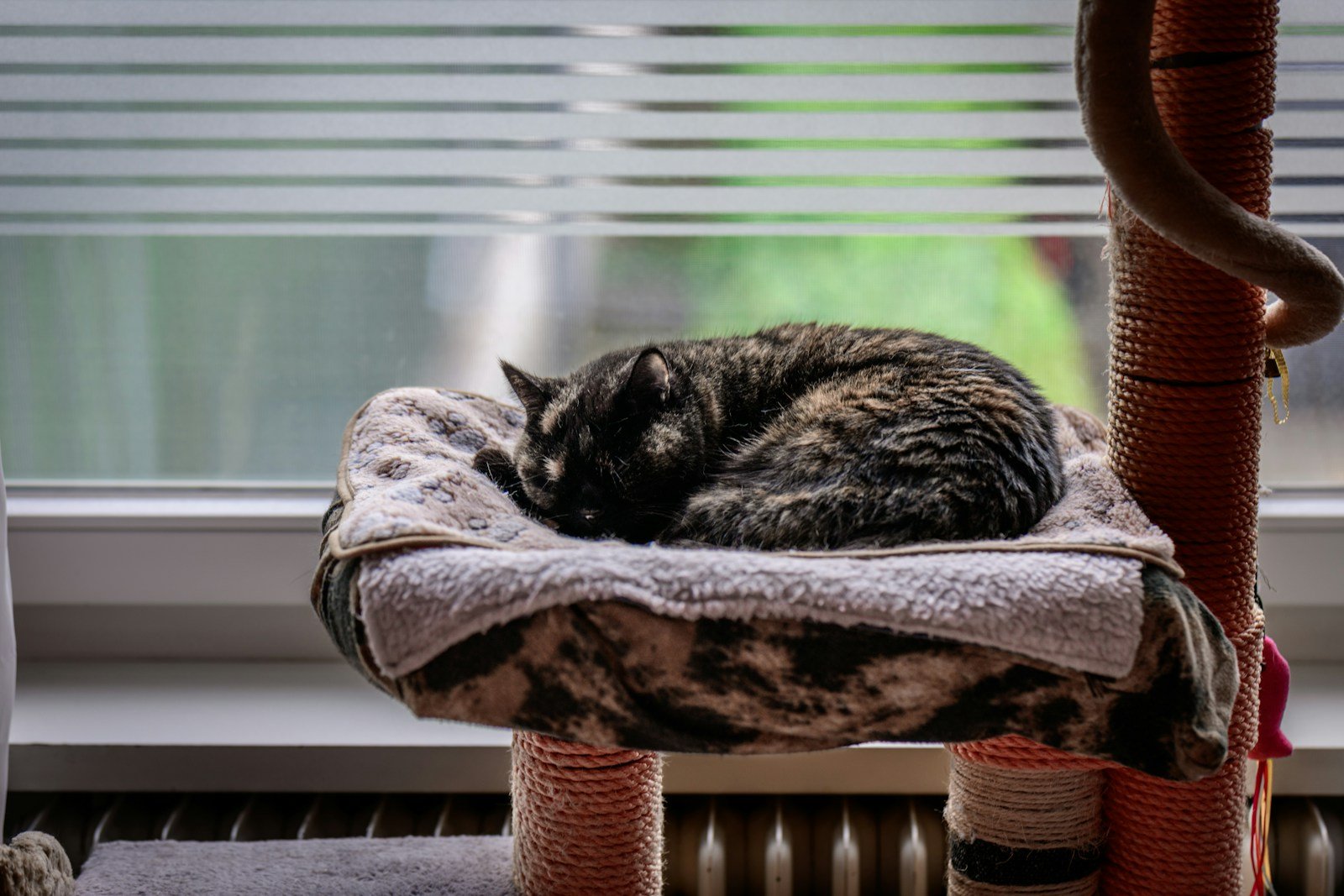
Cats are very territorial in the wild, and they often look for high places to keep an eye on things. While your bed is off the ground, your cat can easily keep an eye on their area from there. By making your bed their own, they’re marking their area and making them feel like they belong in the house.
Typically, cats don’t feel as secure on ground level, so some napping hideaways should be elevated to some degree. When you notice your cat consistently choosing the top of a bookshelf or the highest point on a cat tree, it’s not just about a view. It signals that your cat feels confident enough in their environment to own it from above.
Sleeping in Open, Shared Spaces: A Sign of Total Ease
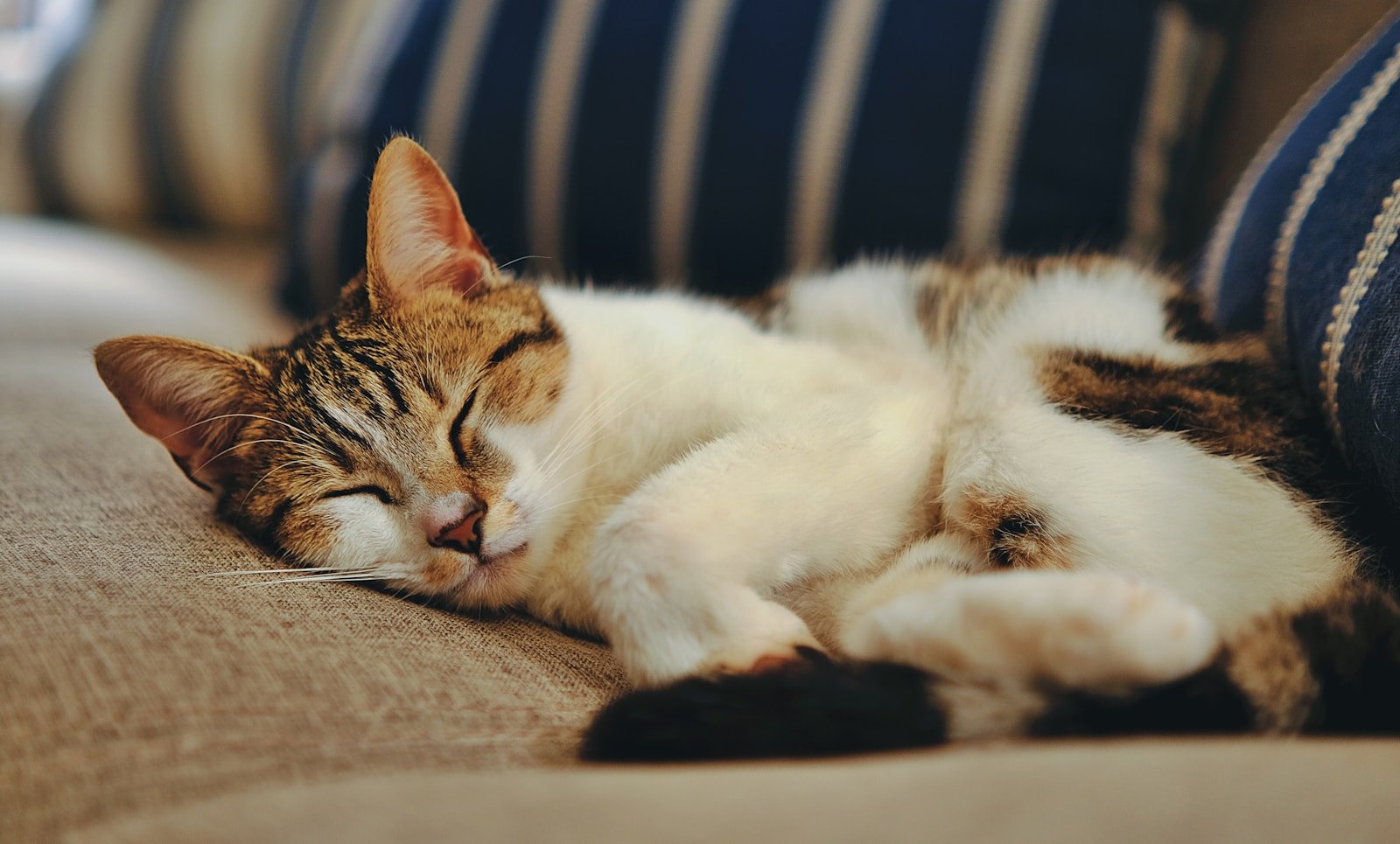
If your kitty chooses to nap on the couch in the middle of the living room rather than hiding, it’s a signal they feel secure in your home environment. An open nap in a busy room requires real trust. Your cat is essentially saying that they don’t need to hide, that nothing in this space threatens them.
A side-sleeping cat is a relaxed and happy cat, and it’s common to find them luxuriating like this on your floor in a nice patch of sunlight. Side sleeping is a vulnerable position. That cat is very secure and comfortable – you have made them feel safe. If your cat sprawls out belly-side in a shared space regularly, that’s genuinely high praise.
Hiding Under the Bed or in Dark Corners: Reading the Stress Signals
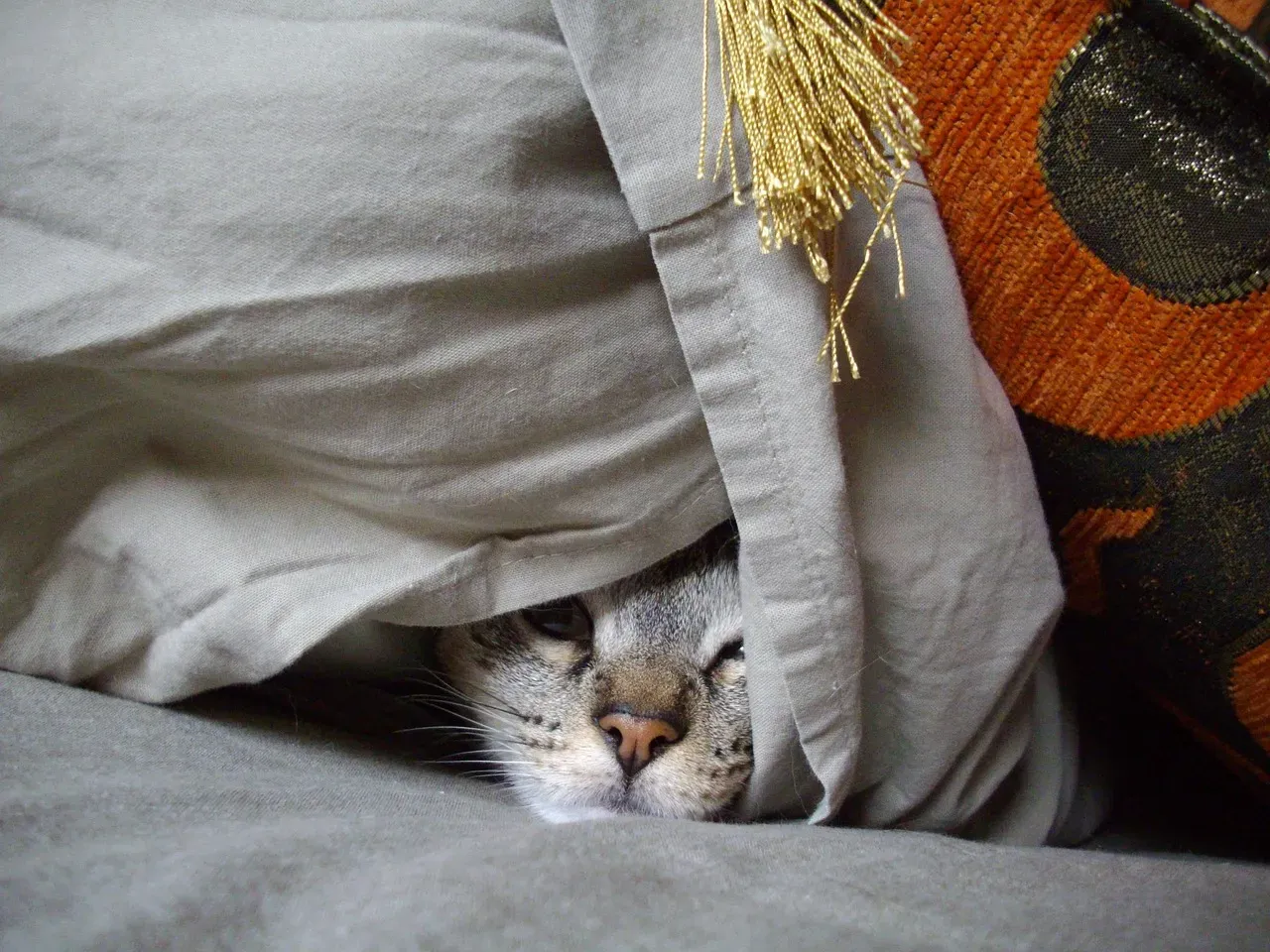
Cats are naturally cautious and territorial animals. Their choice of sleeping position and location is often tied to their feelings of safety and trust. When a cat feels vulnerable, it chooses enclosed or hidden spots for rest. On the contrary, a relaxed and open sleeping posture signals a deep sense of security.
Big life changes – like moving, a new baby, or another pet – can shake up your cat’s sense of security. When that happens, they often retreat to a “safe zone” to cope. Even smaller stressors like road work or guests can trigger this shift. If your cat disappears under the bed every time something changes in your home, it’s worth thinking about what may have unsettled them.
Sleeping Near Your Head or Pillow: The Scent Connection
If your cat prefers to sleep close to your head, it’s not just a random habit – it’s a behavior rooted in scent, comfort, and emotional bonding. Cats are highly reliant on their sense of smell to navigate their world and establish a sense of security. According to Rochlitz (2009), a cat’s sense of smell is approximately 14 times stronger than a human’s, making scent one of the primary factors influencing their sleeping preferences. Your head, specifically, produces the strongest scent due to hair, breath, and skin oils, making it a natural comfort zone for your cat.
Your head also moves around less than the rest of your body while you sleep, so your cat is less disturbed. Also, because many cats adapt to your sleep schedule however loosely, your cat may just want to be near you and sleep when you do. In short, your pillow is prime real estate, and your cat knows it.
Suddenly Switching Spots: When Change Means Something
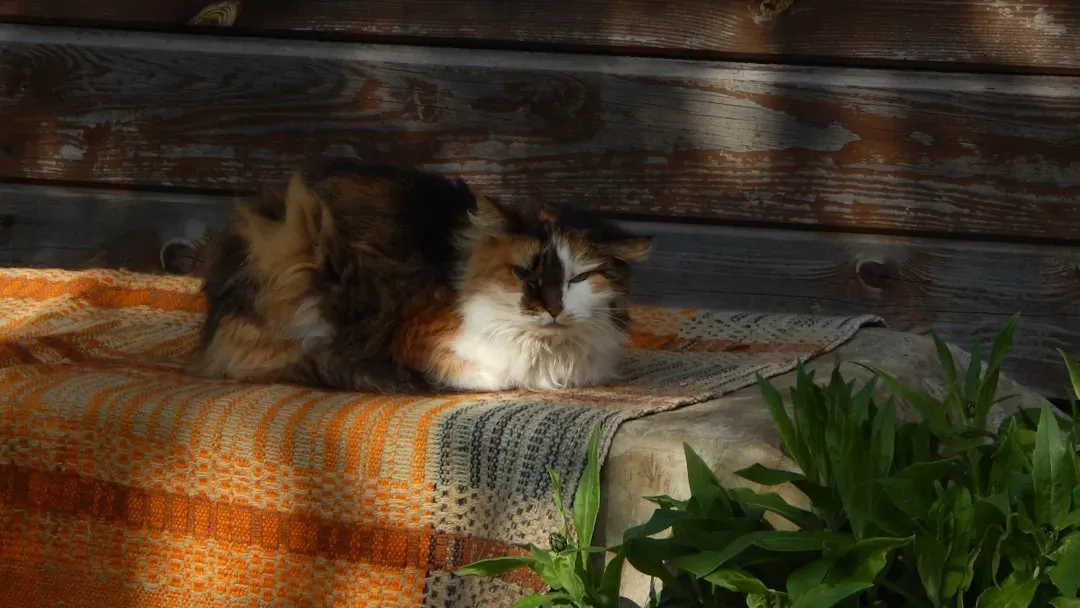
As descendants of wild felines, domestic cats retain the instinct to regularly change sleeping locations to avoid predators and parasites. This behavior, while seemingly odd in a safe home environment, serves several survival purposes. Cats naturally seek elevated or enclosed spaces that offer both security and a tactical advantage. When your cat chooses to sleep in a bookshelf or inside a cabinet, they’re following ancient instincts that helped their ancestors survive in the wild.
If your cat suddenly stops sleeping in your bed or dramatically changes their preferred position, take note. Abrupt changes in sleeping habits can sometimes point to pain, illness, or stress, and a quick check-in with your vet is always a good idea. Not every change is a warning sign, but a pattern of sudden withdrawal or hiding is worth paying attention to.
Sleeping Under the Covers: Warmth, Trust, and Total Surrender
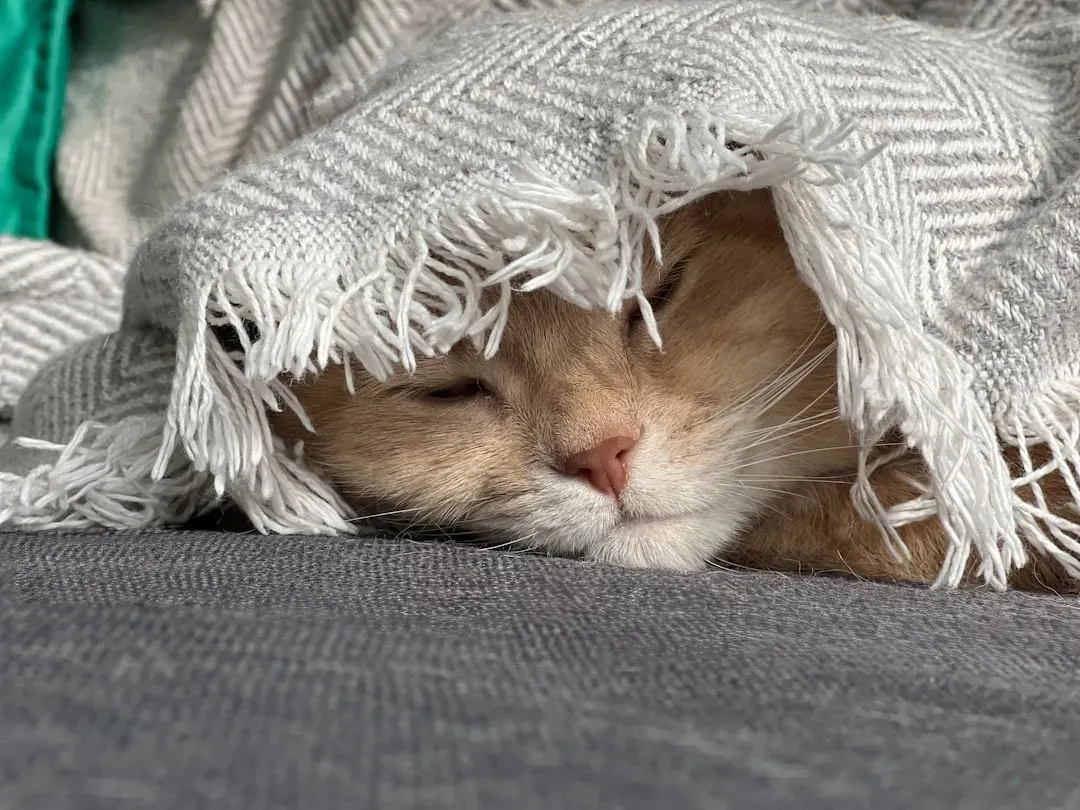
Does your cat wriggle under the covers with you at night? They likely love being close to you and feel warm and safe. The covers also tend to mask noises that your cat might find disturbing. It’s one of the more intimate napping choices a cat can make, trading all visibility and quick escape routes for closeness and warmth.
A cat who likes to sleep burrowed under a blanket may just be trying to keep warm. In terms of their comfort level and feelings of vulnerability, this is one of the few sleeping positions that could go either way. Some cats are just burrowers. In nature, they’re looking for bushes, porches, places that they can hide and hunker down, to protect them from the elements. When the burrowing happens specifically with you, under your blankets, the trust signal becomes unmistakable.
The Belly-Up Nap: The Ultimate Vote of Confidence
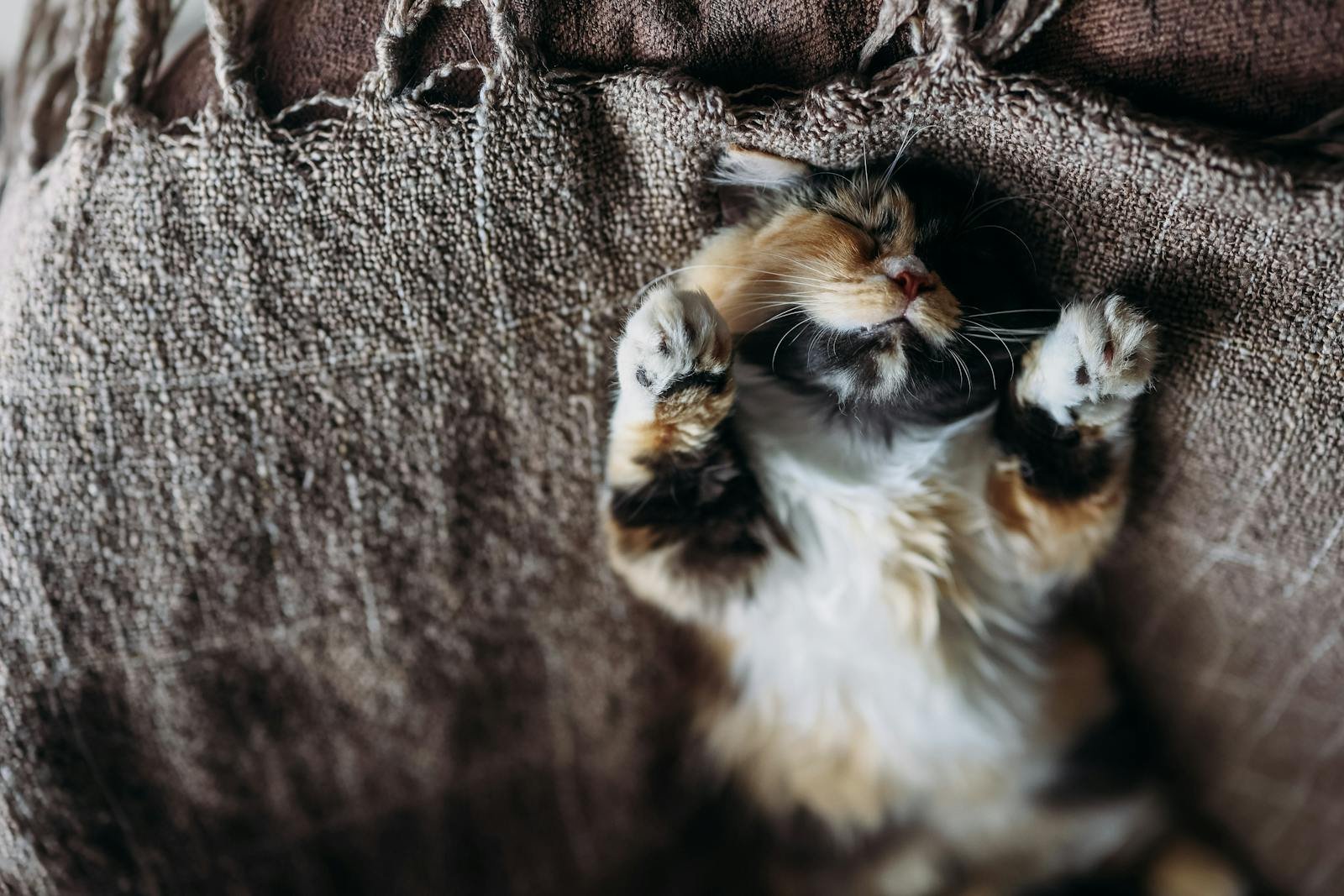
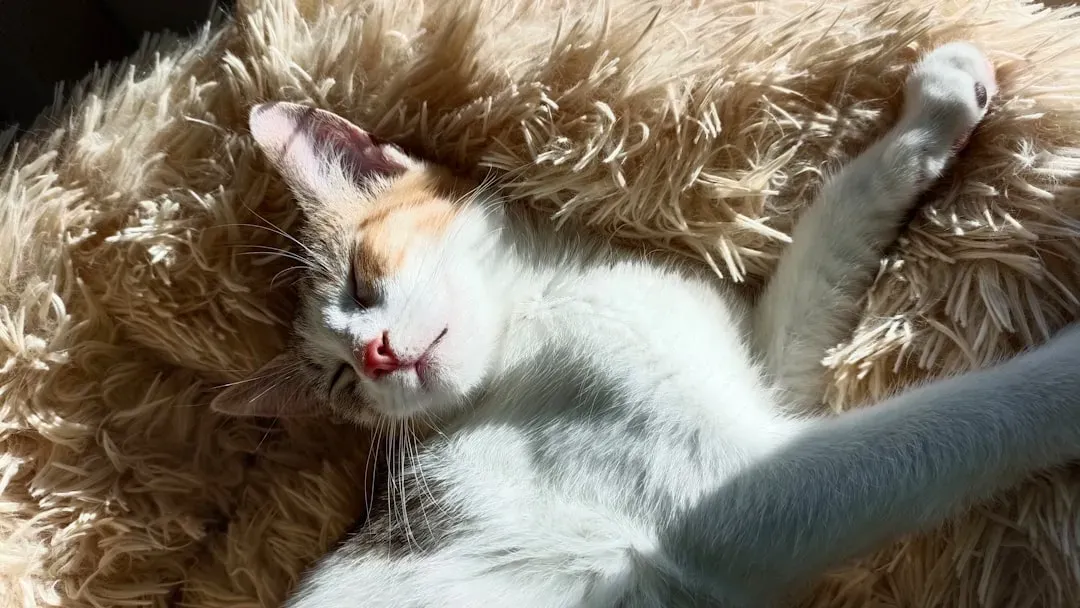
A cat sleeping on its back with its belly exposed is displaying complete trust in their environment and the people around it. The belly is a cat’s most vulnerable area, so this position means they feel entirely safe. Warm rooms and calm households encourage belly-up sleeping, though some cats simply never adopt this posture regardless of how secure they feel.
A cat who likes to sleep on their back is displaying the ultimate level of comfort, because not only are all of their internal organs exposed and unprotected, it’s a difficult position for them to get up and run from. It’s a sign of trust. If your cat naps belly-up in your home regularly, you’ve created something genuinely rare: a space where a naturally cautious animal feels safe enough to be completely unguarded.
Conclusion: Your Home Through Your Cat’s Eyes
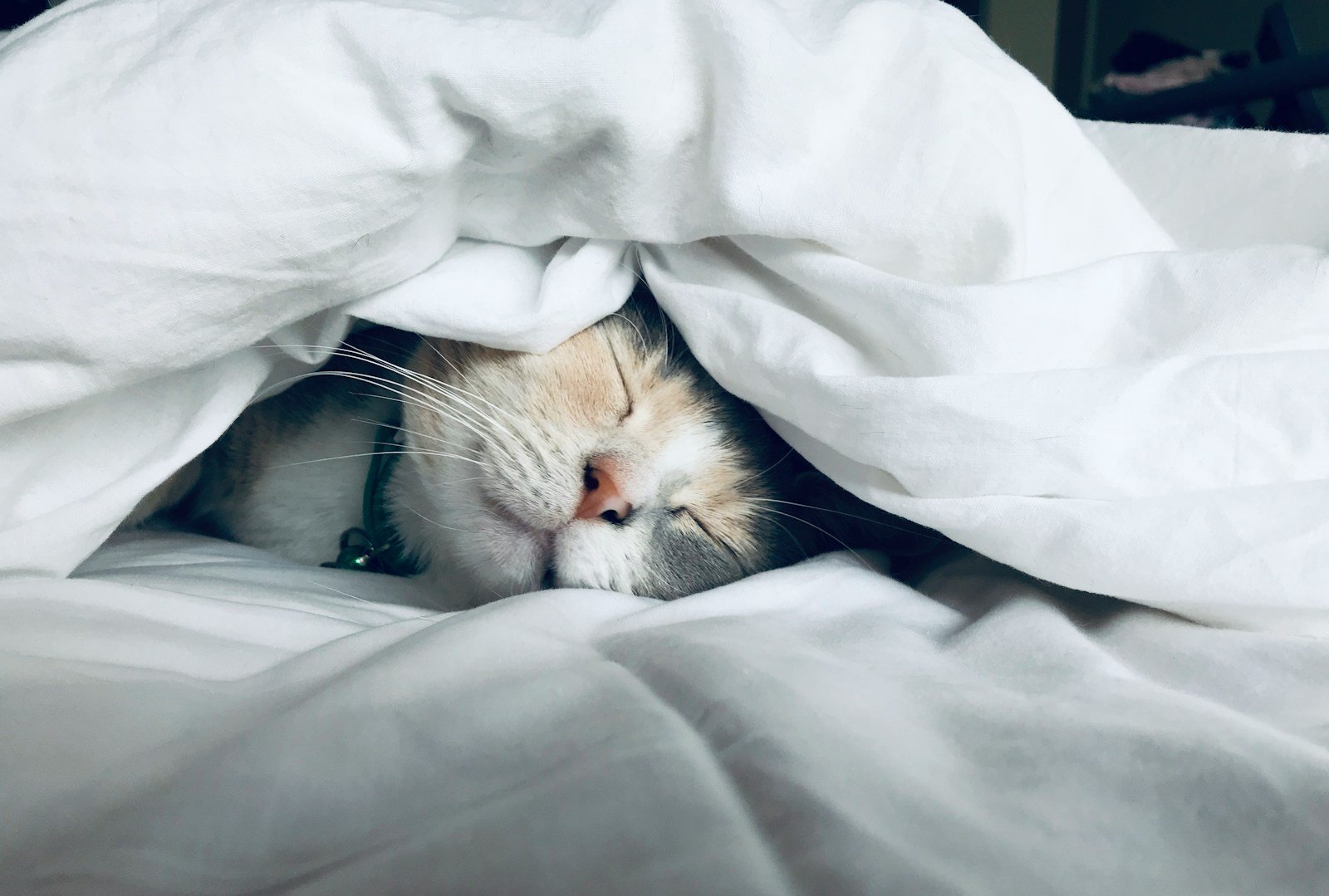
Your cat’s napping choices are, in many ways, an ongoing review of the home you’ve created for them. They don’t use words, but they communicate through proximity, posture, and the places they feel safe enough to close their eyes in.
Understanding where and how your cat sleeps can also give you insight into their mood and overall well-being, enhancing your ability to read their body language. A cat that naps openly, sprawled and unbothered, is one that feels genuinely at home.
The next time your cat settles into their favorite spot, resist the urge to move them. Respecting your cat’s sleep time and never disturbing them during deep sleep helps build feelings of safety. That small act of consideration reinforces exactly the kind of trust your cat is already choosing to show you, one nap at a time.
Kristina is a young writer from India. An arts graduate and an avid content creator, Kristina is passionate about animals and wildlife. She enjoys exploring topics related to pet care, animal behavior, conservation, and nature, combining thorough research with engaging storytelling.