Cats have a reputation for being low-maintenance pets, and for many breeds, that reputation is well-earned. You fill the bowl, clean the litter box, and get a purring companion in return. But that picture changes significantly the moment you bring home one of the more demanding breeds. Some cats require daily grooming routines, frequent vet visits, constant stimulation, or around-the-clock emotional attention – and underestimating that reality can lead to a stressful experience for both you and your cat.
High-maintenance cats are a unique category of felines that require more attentive care, commitment, and often greater financial resources from their owners. These cats typically demand a higher level of interactive engagement and may have specific health and grooming needs. Whether you’re a first-time owner or a seasoned cat person, knowing what you’re signing up for makes a real difference. Here are ten cat breeds that consistently rank among the hardest to care for.
1. Persian: The High-Upkeep Aristocrat
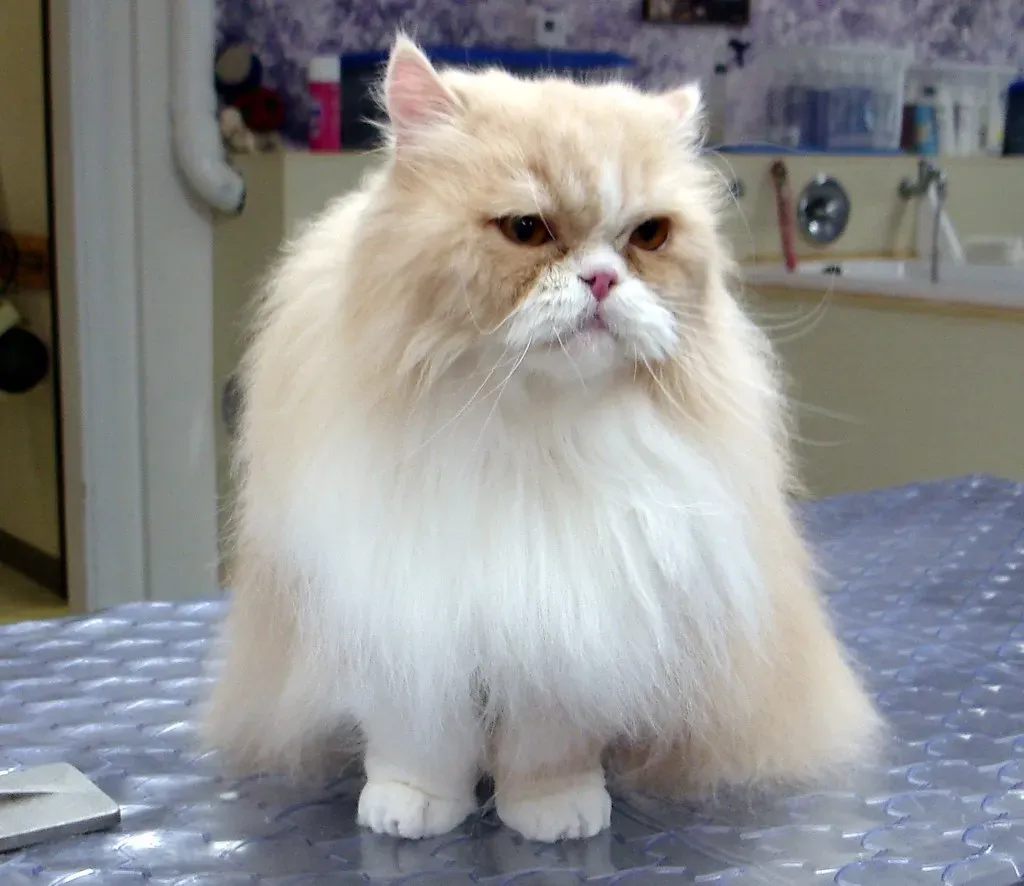
The Persian is arguably the most visually iconic of all domestic cat breeds, and its long, lush coat is the main reason it tops so many “high maintenance” lists. Persians are notorious for needing daily grooming. They have a dense and wooly undercoat and a long outer coat that needs brushing every day. Skip even a couple of days and you’re looking at knots and mats that can cause real discomfort.
Persians also need their faces and eyes cleaned quite regularly, and because of their flat faces, they can have breathing issues and are more prone to dental disease. The flat nature of the face increases the chances of eye disease, and the jaw abnormalities make grooming much more difficult. The tear ducts cannot follow their natural path and drain properly into the nose, so the eyes run constantly and cause tear-staining on the face and sometimes secondary sores. For you as an owner, this means daily face-wiping is simply part of the routine.
2. Sphynx: Hairless but Far From Hassle-Free
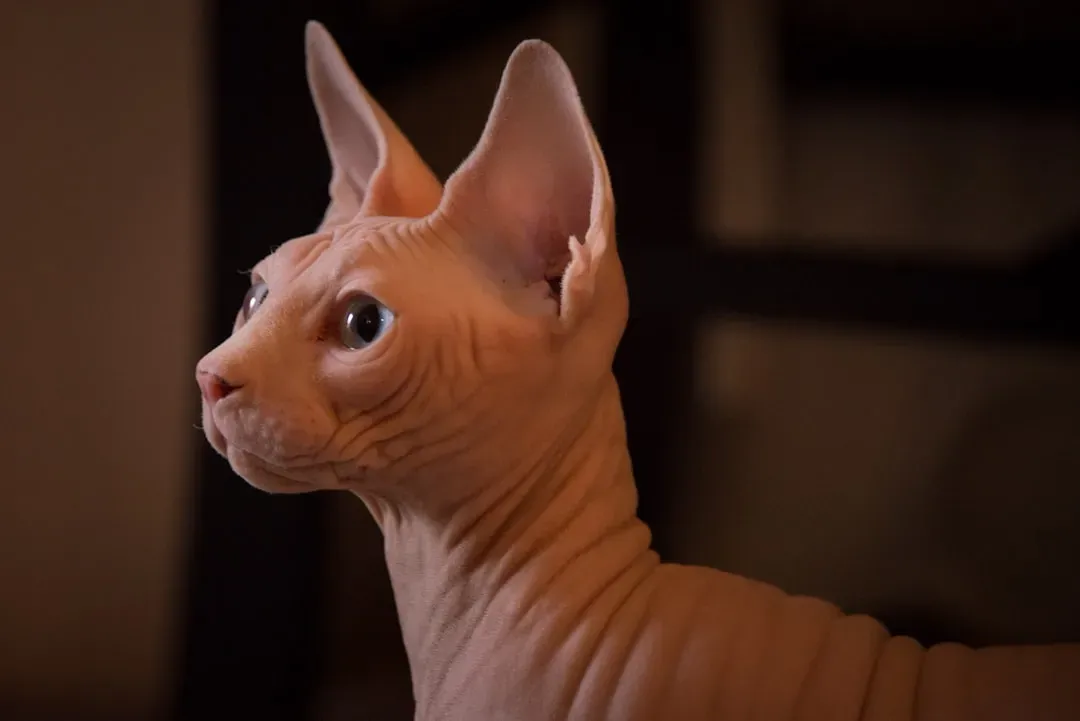
Most people assume a hairless cat would be easier to maintain. That assumption is wrong. The Sphynx is hairless and requires regular bathing to remove oils that would normally be absorbed by fur, as well as protection from cold temperatures. Without fur to act as a natural buffer, body oils accumulate quickly on the skin and in the folds of their wrinkled body.
Sphynxes are prone to hypertrophic cardiomyopathy, a thickening of the heart muscle, and a neurological disease called hereditary myopathy, which affects the muscles including the ability to swallow. Fortunately, the latter condition is rare and is being slowly bred out. Sphynx cats are also prone to some skin conditions, as well as to periodontal disease. So yes, you’ll have to brush their teeth. The level of hands-on care this breed demands can genuinely surprise even experienced owners.
3. Maine Coon: A Lovable Giant with Big Demands
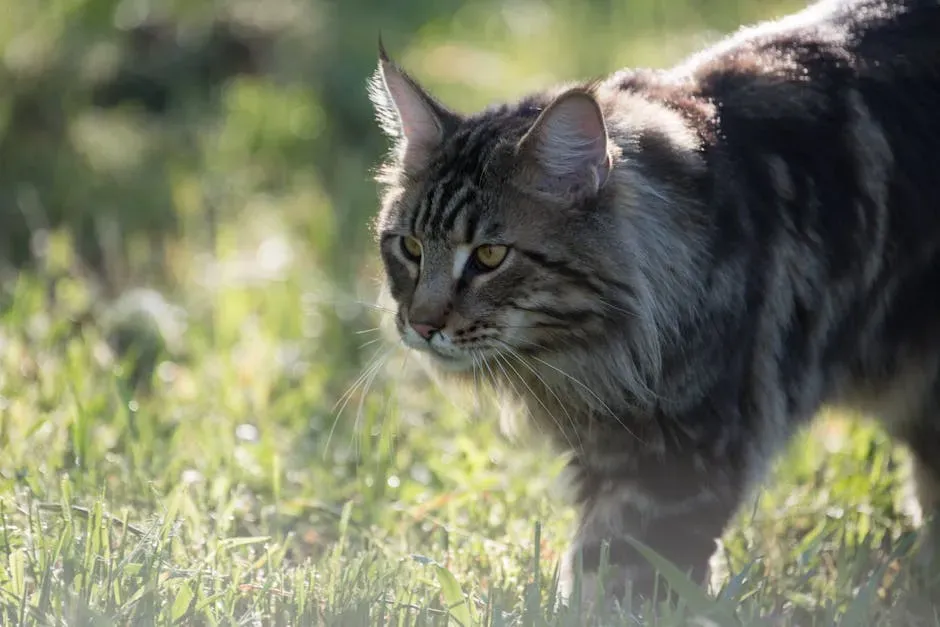
Maine Coons are gentle, sociable, and endlessly charming, but their size and personality come with a workload attached. Maine Coons are among the largest cat breeds, so sharing a smaller home or apartment with one is not ideal. Their coat comprises a short underlayer and a longer, thick, and waterproof top coat that requires frequent grooming. That double coat sheds considerably, especially through seasonal changes.
Maine Coons have a high prevalence of hypertrophic cardiomyopathy, a heart condition, as well as hip dysplasia. Patellar luxation, pyruvate kinase deficiency, and spinal muscular atrophy have also been identified in the breed. Maine Coons are also known for their susceptibility to hip dysplasia and hypertrophic cardiomyopathy. Regular veterinary screenings are genuinely important for this breed, not just recommended.
4. Siamese: Vocal, Demanding, and Deeply Emotional
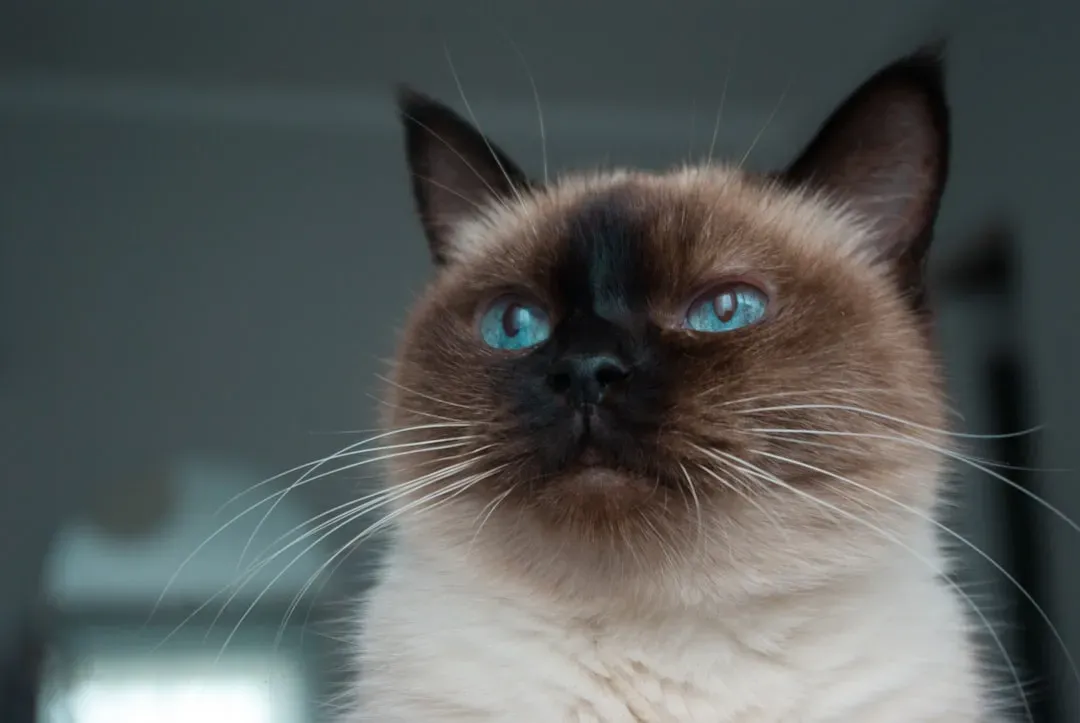
The Siamese is one of the world’s oldest and most recognizable breeds, but it’s also one of the most emotionally demanding. Siamese cats are an “agile and athletic breed that require stimulation or a lot of toys to keep them occupied.” Leave one alone for too long and you’ll likely come home to a cat that’s both unhappy and destructive.
Siamese cats often bond with a single family member, and they can turn aggressive if another person in the family tries to interrupt their snuggles. That can be problematic if you have kids in the house. Breaking them out of this habit can be nearly impossible, especially if you don’t have a history of training cats. Inherited conditions found more commonly in Siamese breeds include two forms of progressive retinal atrophy, which can lead to blindness. Their health profile combined with their intense emotional needs makes them a real commitment.
5. Scottish Fold: Adorable Ears, Serious Health Concerns
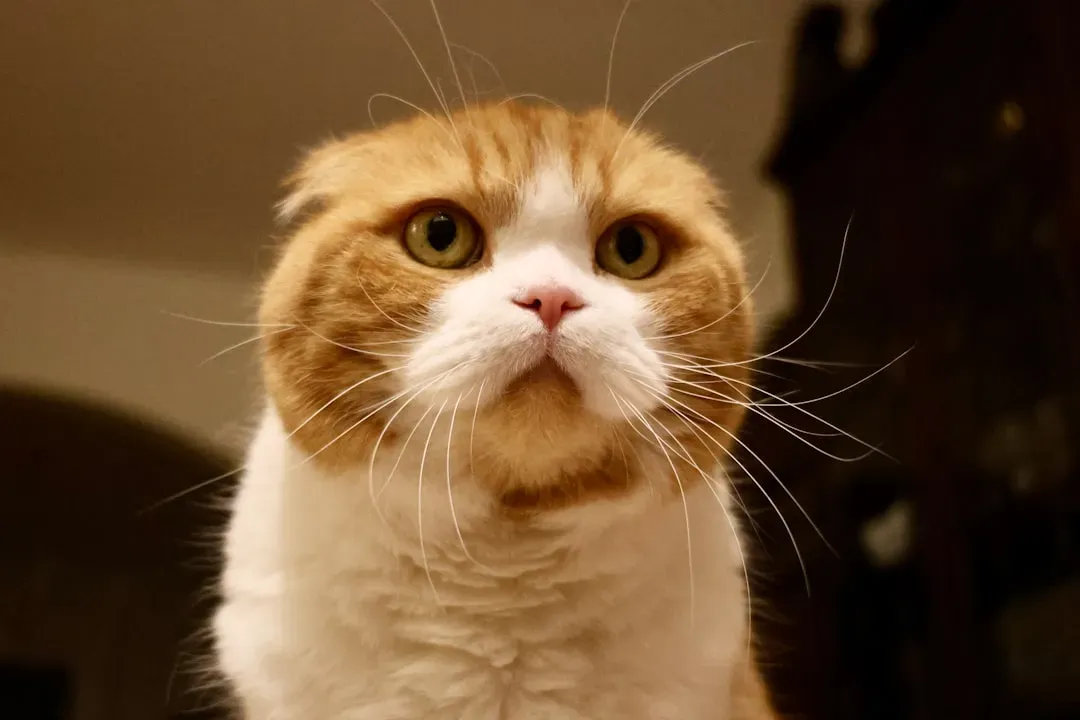
The Scottish Fold’s rounded face and signature folded ears make it one of the most photographed cats on social media. The reality behind that cute appearance, though, is sobering. The Scottish Fold carries a genetic mutation that alters cartilage development. While this mutation creates the breed’s signature folded ears, it also affects joints throughout the body. Many Scottish Folds develop early-onset arthritis, stiffness, chronic pain, and difficulty moving, sometimes while still young.
Scottish Fold cats frequently endure a multitude of health issues. Osteochondrodysplasia, a skeletal disorder, can cause severe pain and mobility problems. Heart disease and kidney disease are additional health concerns that afflict these felines. Some countries, including the Netherlands, have begun banning the breeding of specific cat breeds starting in 2026, and among the breeds affected are the Sphynx and the Scottish Fold. Caring for a Scottish Fold means staying closely in tune with signs of pain that your cat may try hard to hide.
6. Bengal: Wild Instincts in a Domestic Setting
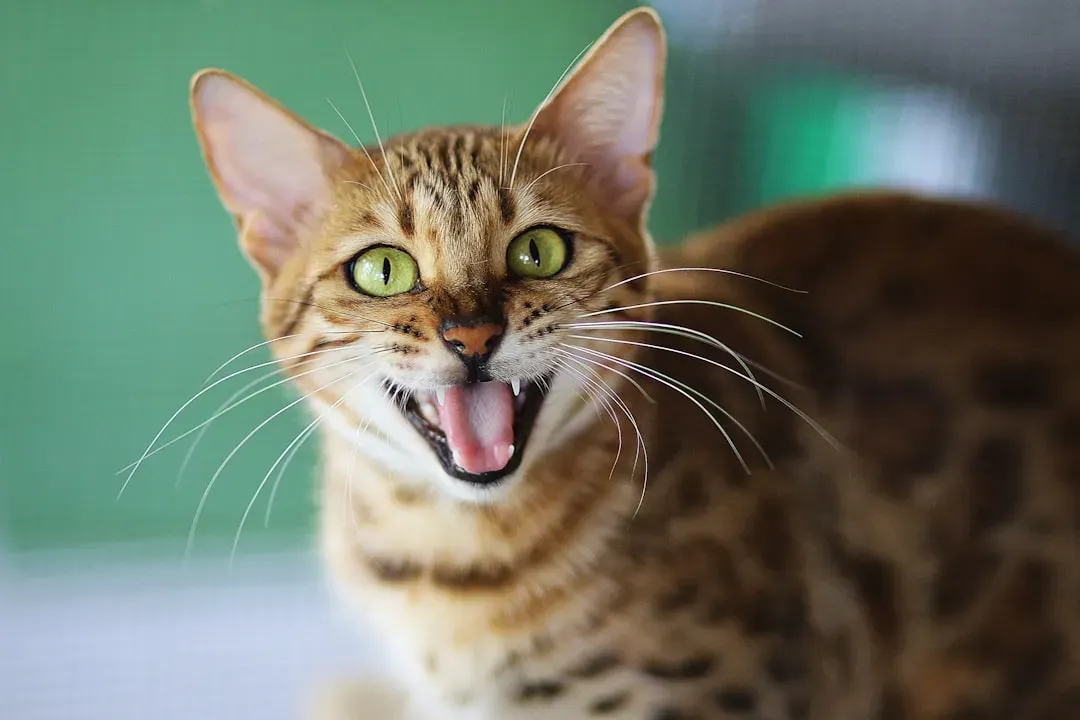
Bengals are stunning to look at – their short, spotted coats genuinely resemble a miniature leopard. That wild appearance isn’t purely cosmetic. Bengal cats have wild ancestry and may exhibit high energy and a strong hunting instinct, requiring an experienced owner to manage their behavior. They are not the kind of cat that settles quietly on a sofa for the evening.
Bengals are affectionate and curious cats who spend most of their waking hours playing, climbing, and chasing things. They also do not do well alone for a long time, so you should be prepared to have another pet to keep them company, or you’ll need to spend more time with them when at home. Bengals are known for hypertrophic cardiomyopathy, progressive retinal atrophy, and hip dysplasia. The combination of relentless physical energy and genetic health vulnerabilities makes this breed one of the more challenging choices you can make.
7. Himalayan: Grooming Every Single Day
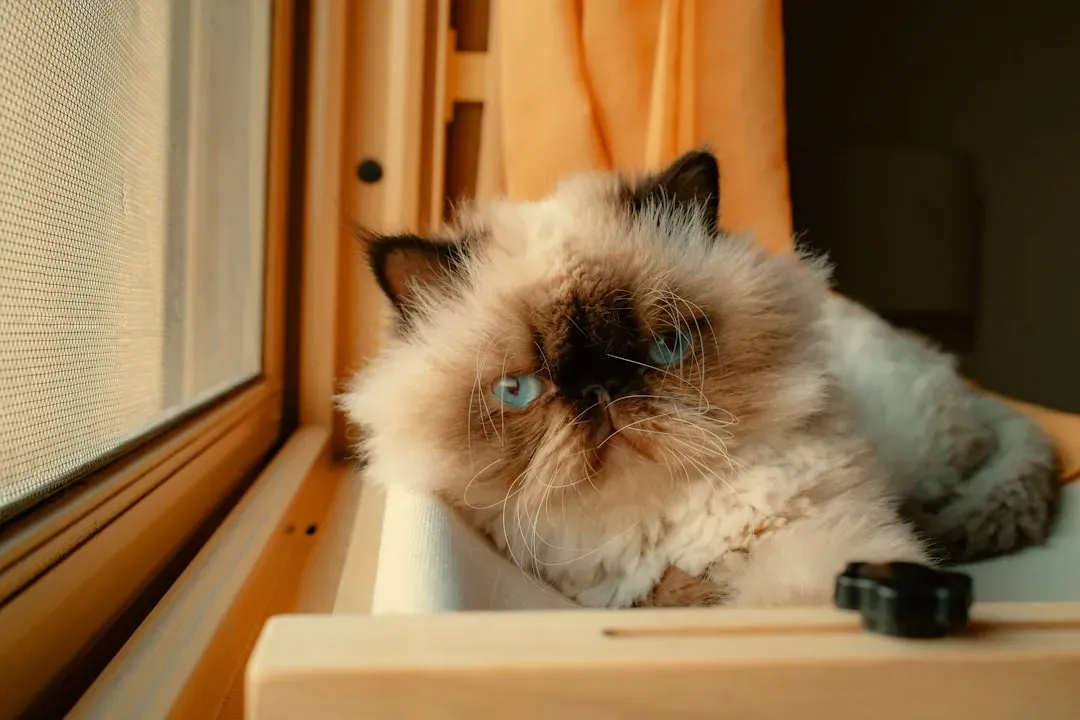
The Himalayan is essentially a cross between a Persian and a Siamese, which means it inherits demanding traits from both sides of the family. Himalayans inherit the long, dense coat of the Persian, necessitating daily grooming. They share the brachycephalic facial structure of Persians, often resulting in similar maintenance for facial hygiene. That flat face creates the same chronic tear-staining and breathing issues that make Persians so labor-intensive.
Like many flat-faced cats, Himalayans often have breathing problems due to deformed nasal passages. The breed is also at risk for polycystic kidney disease, which can cause kidney problems in adult animals. Screening tests are available, and when buying from a breeder, prospective buyers should ask to see proof that both the animal’s parents were free of kidney cysts. Himalayan cats may also have a predisposition for hip dysplasia, which is an abnormality of the hip joints causing lameness in the hind legs. The list of potential issues is long enough that routine vet care alone won’t be sufficient without proactive monitoring.
8. Abyssinian: Tireless Energy, Zero Tolerance for Boredom
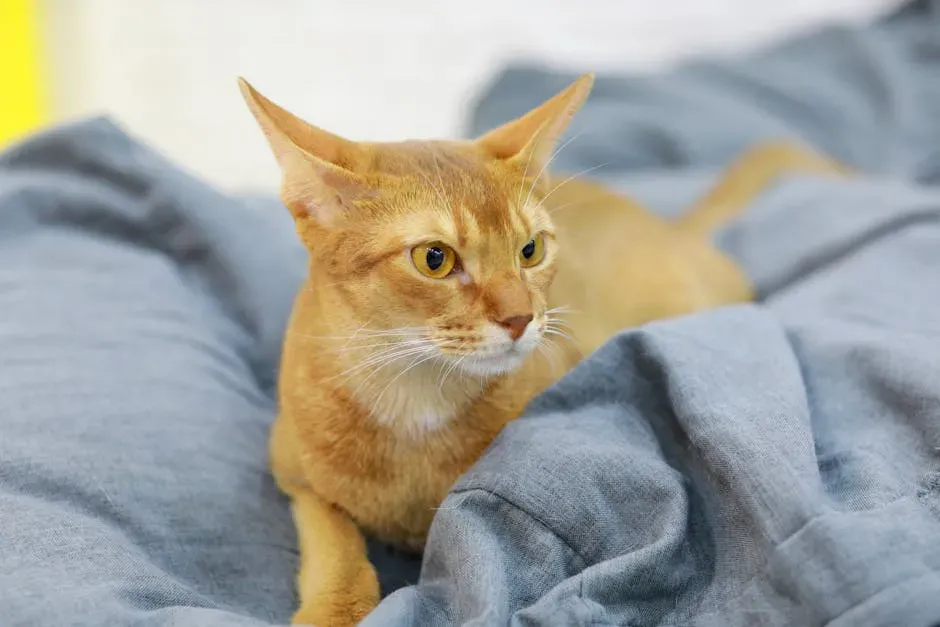
If you work long hours, travel frequently, or simply want a relaxed household companion, the Abyssinian is probably not the right fit for you. Abyssinians are highly energetic and playful, which can be demanding for owners who are not familiar with engaging cats in frequent activity and enrichment. They need interactive play, vertical space to climb, and mental challenges throughout the day.
Known for their striking ticked coats and playful personalities, Abyssinians are active and curious felines. However, they are susceptible to several health problems, including periodontal disease due to their thin enamel, hyperthyroidism, and patellar luxation, a condition where the kneecap dislocates. Inherited conditions found more commonly in Abyssinian breeds also include progressive retinal atrophy, which can lead to blindness. Dental care, in particular, is an easily overlooked aspect of owning this breed that owners quickly discover is non-negotiable.
9. Burmese: Sweet-Natured but Medically Complex
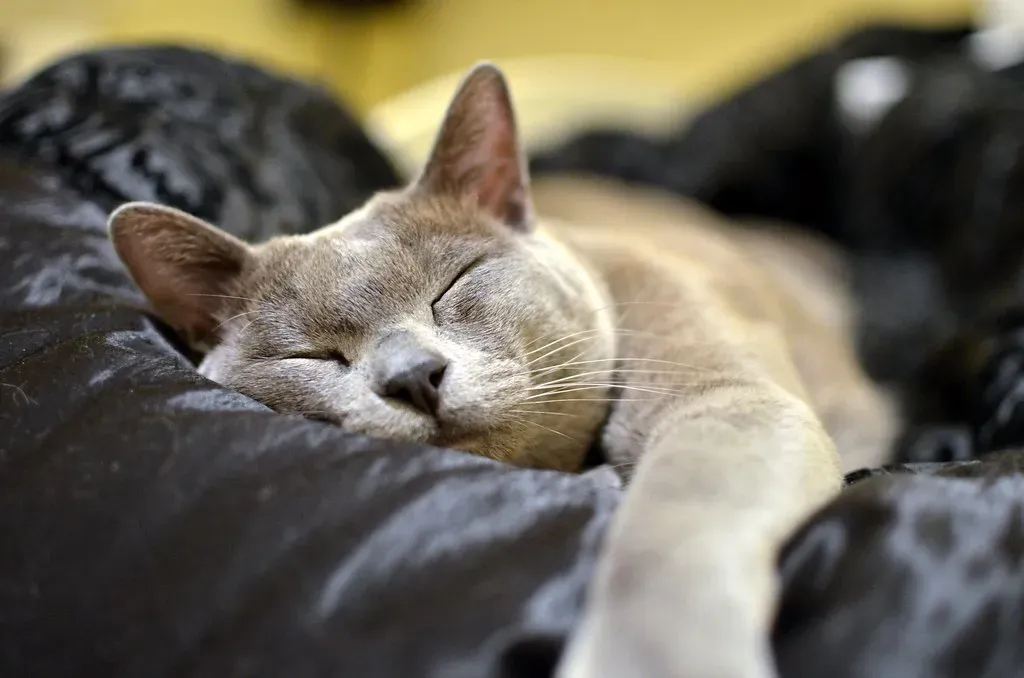
Burmese cats are warm, affectionate, and genuinely people-oriented, which makes them easy to fall in love with. What’s harder to love is their tendency toward serious medical conditions that demand consistent monitoring. Burmese are the most common cat breed to develop diabetes. The disease can cause weakness, blindness, excessive appetite and thirst, and may require daily insulin injections to control it. Burmese cats are also prone to hypokalaemic polymyopathy, a condition of low blood potassium which can cause skeletal muscle weakness, episodic in nature.
Periodic hypokalaemia polymyopathy in Burmese is an autosomal recessive disease affecting muscle function and causing affected cats to have problems walking and holding their head correctly. Burmese are also prone to respiratory problems, dental issues, and kidney disease. Owning a Burmese cat means building a strong relationship with a veterinarian, potentially for the lifetime of the animal. Their needs are real, ongoing, and sometimes expensive.
10. Devon Rex: Social Neediness Meets Physical Fragility
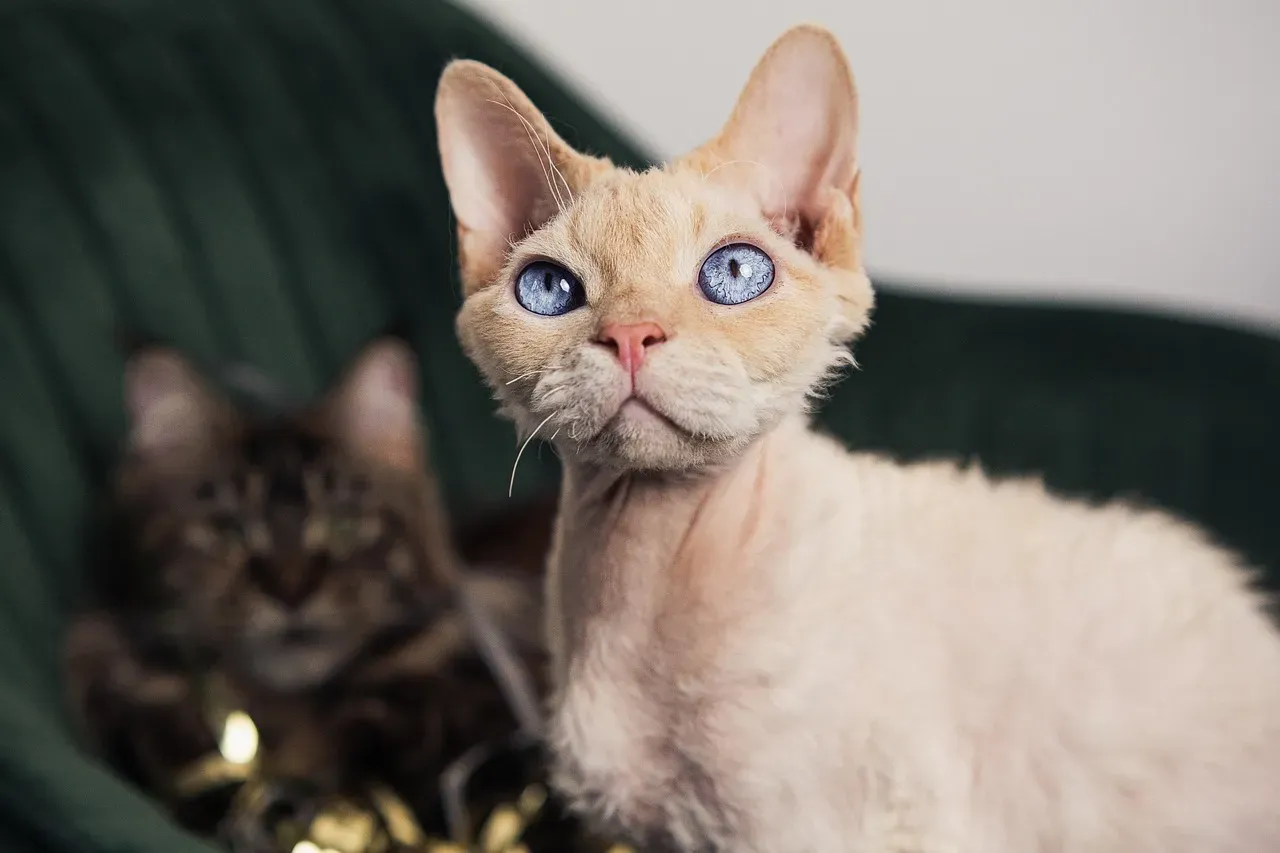
The Devon Rex looks like something out of a fantasy film – huge ears, enormous eyes, a curly wavy coat, and a compact body. In personality, they’re equally intense. The Devon Rex is an incredibly energetic breed that requires lots of attention and stimulation; otherwise, unwanted behaviors can pop up. The Devon Rex is tremendously social and needs a lot of time and attention from their owners. If you work several hours outside of the home, you’ll need to consider bringing another cat into the household.
Cats with a rex coat have hairs and often whiskers that are crimped, hooked, or bent. This can make the hair fragile and easily broken when brushed. The skin may be sensitive and itchy and may be prone to yeast infections. The Devon Rex is also susceptible to hyperthyroidism, skin problems, and heart disease. Their skin and coat require careful, gentle handling, and their social needs mean that leaving them home alone for extended periods isn’t really a fair option.
Conclusion: Choose With Eyes Wide Open
Every cat on this list is capable of forming a deep, rewarding bond with the right owner. None of them are “bad” cats. What they are is genuinely demanding, in ways that require time, patience, financial readiness, and sometimes a steep learning curve. Owners of high-maintenance breeds often face challenges such as allocating time for daily grooming, increased financial costs for health care, and ensuring enough environmental enrichment to satisfy their cat’s needs.
Prospective owners should consider a breed’s temperament, grooming needs, health predispositions, and whether their lifestyle can accommodate the cat’s care. The honest truth is that a beautiful, rare, or trendy breed isn’t worth much if your lifestyle and the cat’s needs are fundamentally mismatched. The breeds that challenge you most can also reward you most – but only when you’ve genuinely prepared for what they need. A well-informed choice, made before you bring a kitten home, is the most loving thing you can do for both of you.
Kristina is a young writer from India. An arts graduate and an avid content creator, Kristina is passionate about animals and wildlife. She enjoys exploring topics related to pet care, animal behavior, conservation, and nature, combining thorough research with engaging storytelling.