Your older cat may sleep more than they used to. They might pass up a toy they once obsessed over, or take longer to warm up to playtime. That’s completely normal. Senior cats tend to sleep more and be more sedentary than when they were younger, but you can keep them entertained through gentle play, food puzzles, games, and easy access to perches and high places.
What surprises a lot of cat owners is how much their senior pet still wants to engage when the right opportunity comes along. A lower energy level doesn’t mean your cat is no longer interested in play. Physical stimulation and mental enrichment are just as important for a senior as they are for kittens. The games below are designed with older cats in mind: low-impact, achievable, and genuinely fun.
1. The Feather Wand Chase
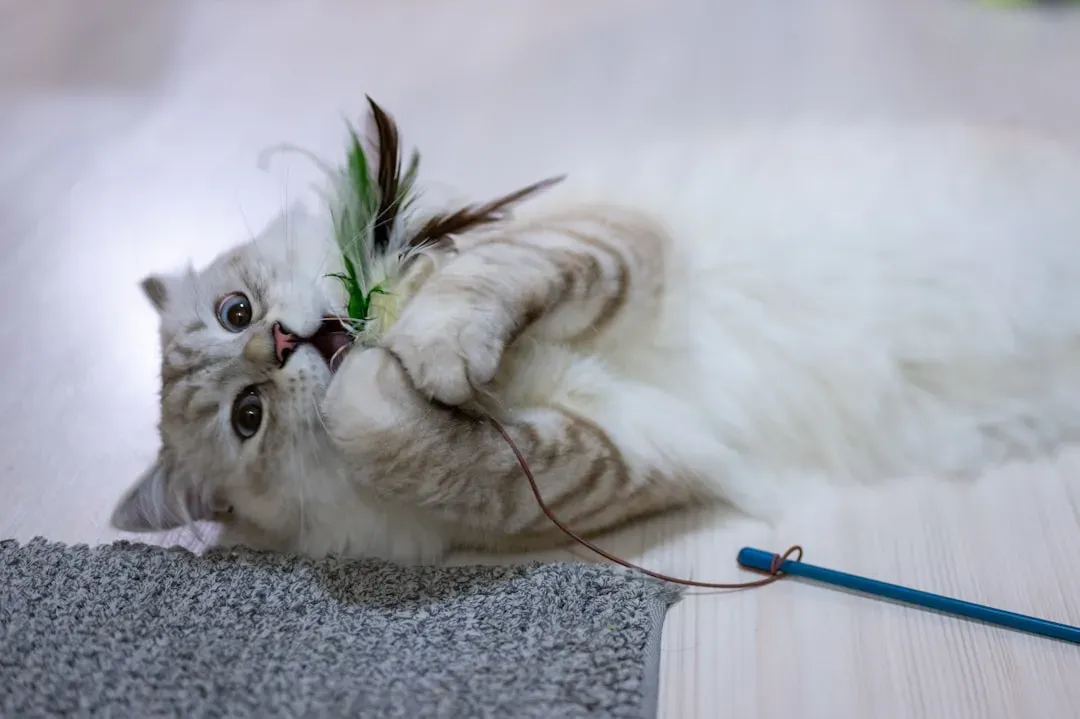
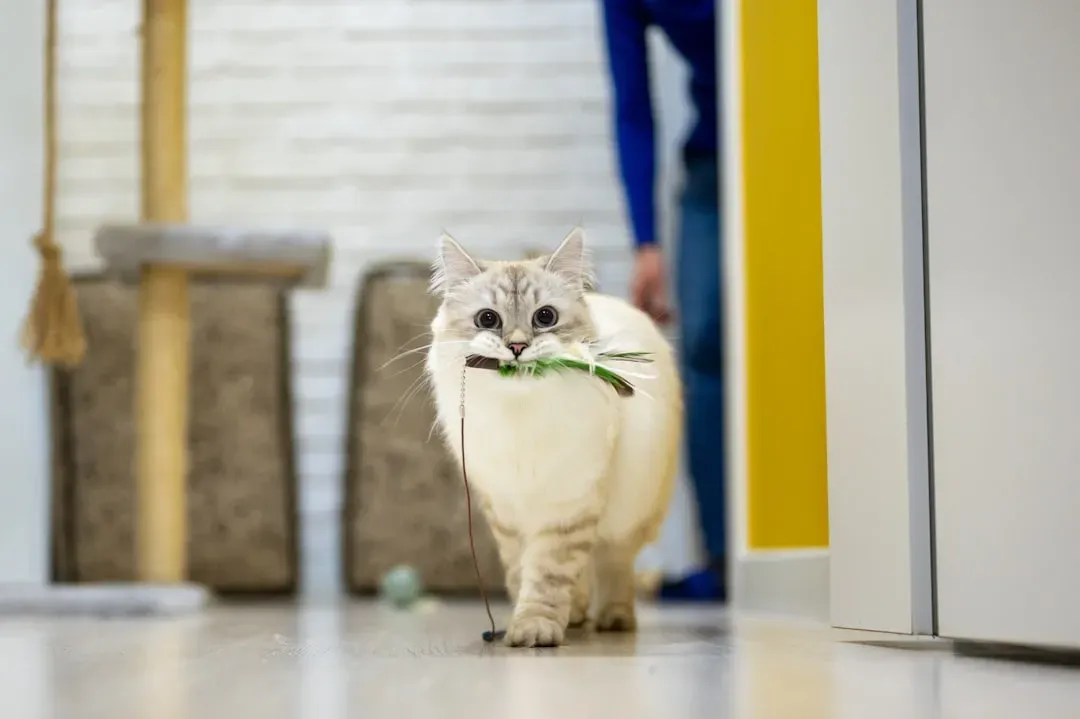
A feather wand is one of the most effective tools you can pick up for a senior cat, largely because you control the pace. A feather wand is a great play choice for your senior cat, as you can limit their leaps and bounds as they chase their prey. You can keep the action low to the ground, eliminating the need for big jumps or sudden direction changes that could strain aging joints.
Encourage your cat to play stalking and hunting games by dragging a feather toy along the ground, using short, sharp, darting movements to mimic the way a mouse or similar prey would move. Even a cat with mild arthritis can crouch, track, and pounce at ground level, and that sequence alone satisfies a deep instinctual need.
2. Puzzle Feeder Challenges
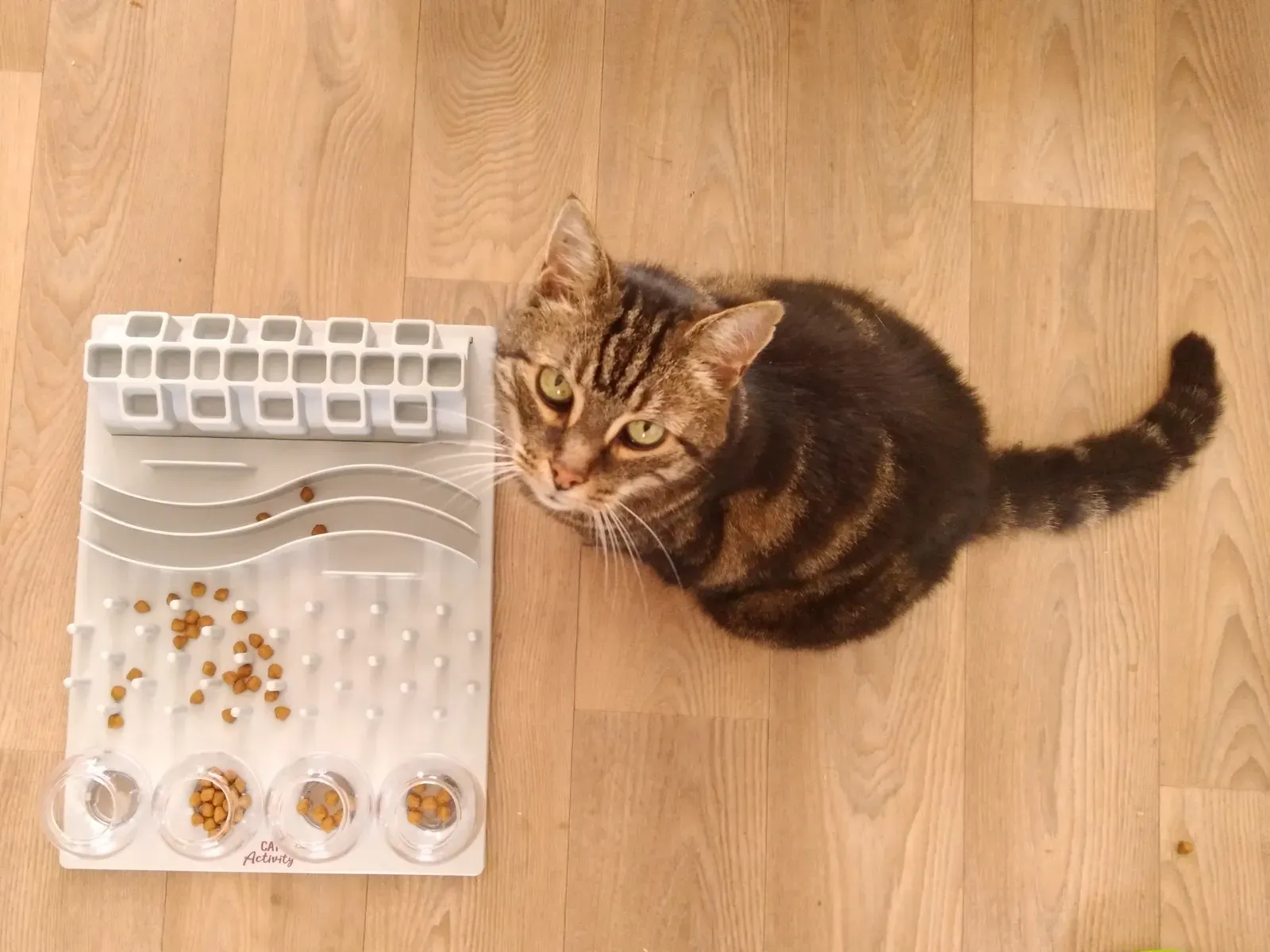
Many senior cats may struggle with mobility or suffer from arthritis, making traditional play activities challenging. Puzzle feeders are an excellent solution as they stimulate your cat mentally while providing a reward. These interactive feeders encourage your cat to work for their food, keeping their mind engaged and providing a bit of physical activity.
You can find various designs of puzzle feeders suited to different levels of difficulty, ensuring your senior cat can enjoy them without frustration. Always start with the easiest level so your cat experiences a win rather than a frustrating dead end. A satisfied hunter is a confident one.
3. Hide-the-Treat Treasure Hunt
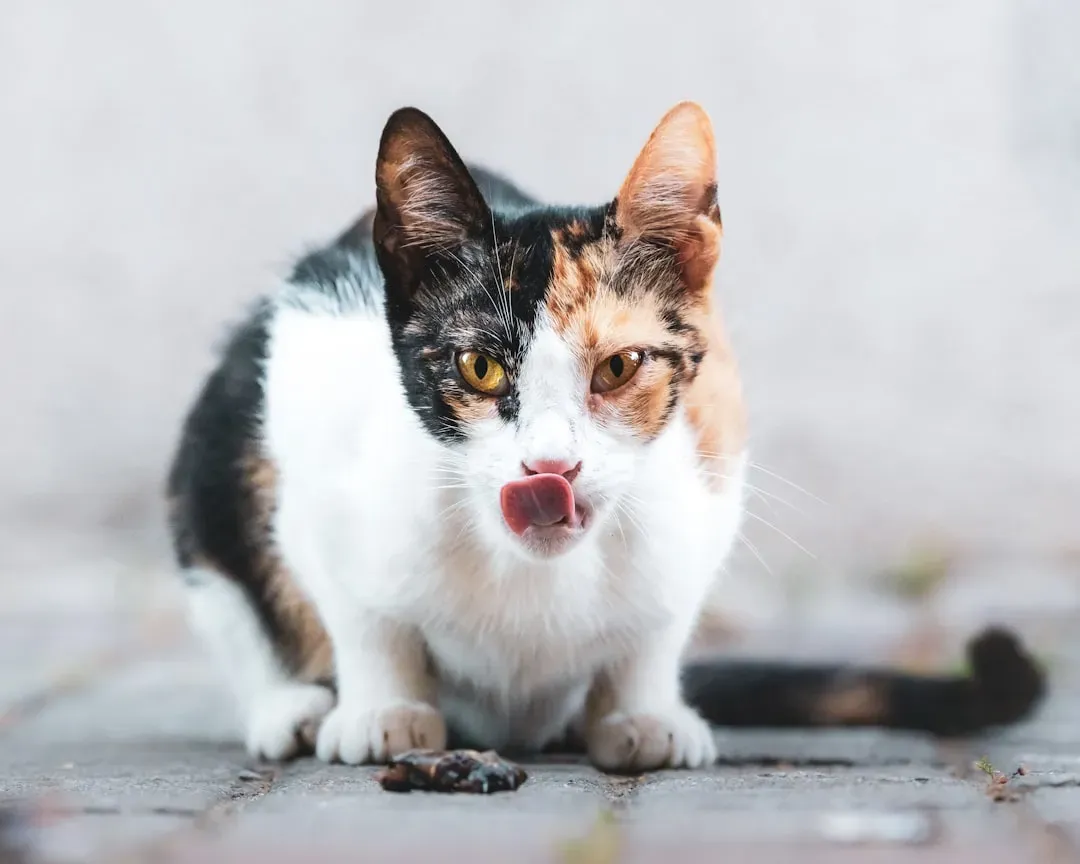
One way to keep your cat’s brain sharp is by playing food games with them. Hide mini meals throughout your house in place of a large mid-day meal, and encourage your cat to find them, strategically positioned in low to high spots so your cat will need to work for the meals. This taps directly into your cat’s foraging instincts without requiring sprinting or jumping.
Hiding treats around the house or using forage boxes where your cat can search for hidden goodies taps into their natural hunting instincts and keeps them mentally engaged. Just keep an eye on total daily calorie intake. The hunt is the reward, not just the treat itself.
4. The Ball and Track Game
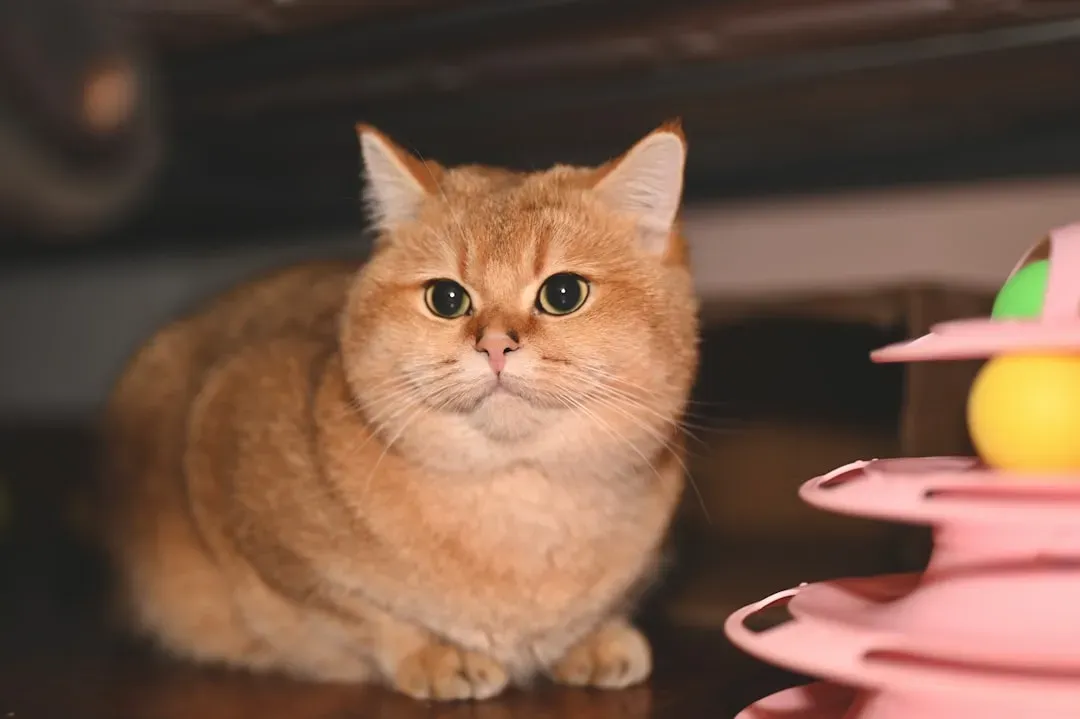
Ball and track toys allow your cat to swat at balls without needing to jump or run around excessively. These circular track designs are particularly well-suited to older cats because the action stays in one spot. Your cat can bat the ball, watch it spin, and re-engage whenever they feel like it, all on their own terms.
Not all enrichment has to be super active. Ball and track toys let older cats swat at the ball and watch it move. Toys that promote batting, kicking, and rolling encourage joint and muscle movement in older cats. It is important to keep their bodies moving to help maintain a healthy weight and joint health.
5. Cardboard Box Exploration
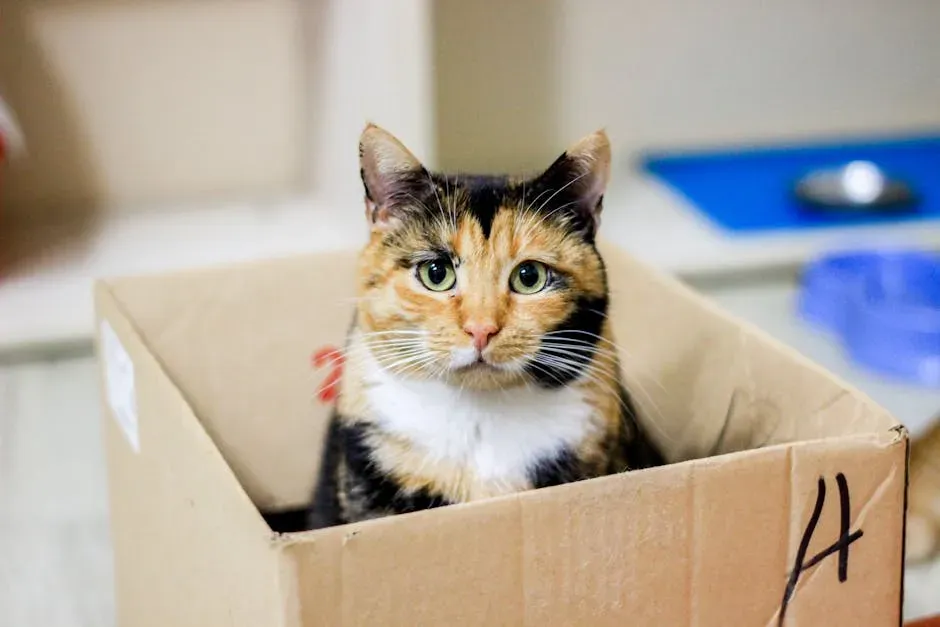
Cats are naturally inquisitive and enjoy exploring their surroundings, even as they grow older. Setting up a simple cardboard box with holes cut out can be a perfect way to promote exploration, especially if hidden treats or catnip sprays are involved. Paper bags with treats can also offer additional exploration and mental stimulation.
Exploring is in a cat’s DNA, and paper bags and boxes are a cat’s idea of kitty heaven. You can be creative and use boxes and bags in tandem to set up small mazes to stimulate their curiosity. If you want to layer on extra sensory interest, try bags with different textures and materials which will produce different noises to make your cat’s sensory experience unpredictable and interesting.
6. Catnip Toy Play
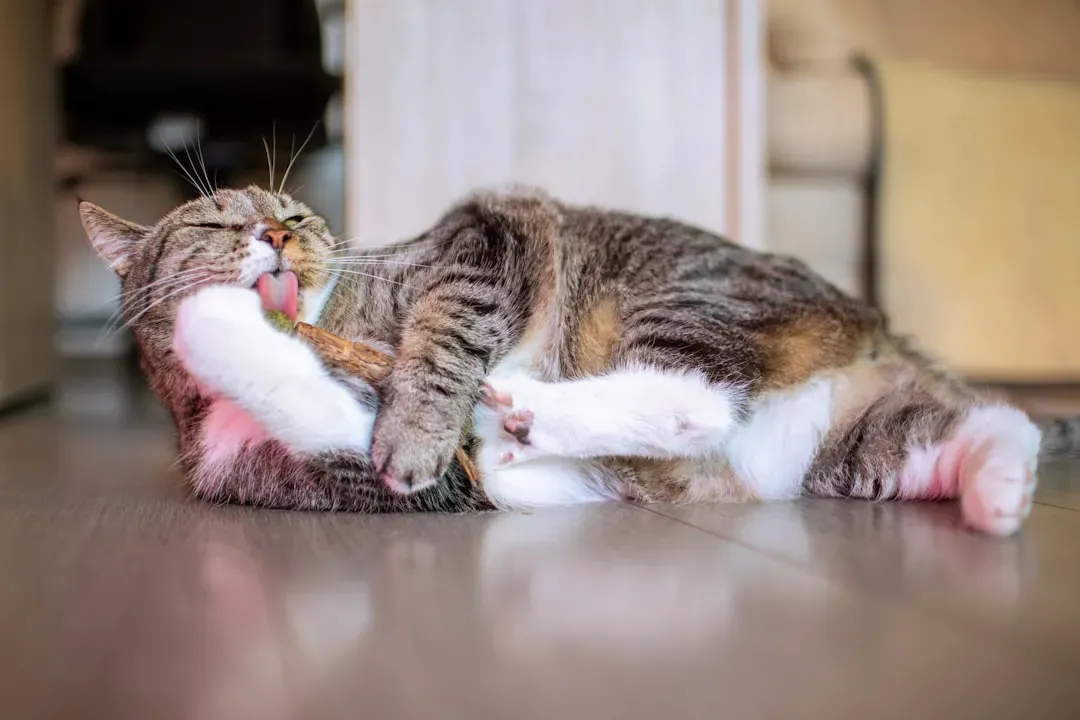
If your elderly cat has lost their enthusiasm for playing, a catnip toy could reignite that fire. Catnip is a member of the mint family, renowned for its effect on feline friends. Not every cat responds to catnip, but for those who do, it can be a remarkably effective way to revive interest in play that seemed completely gone.
Catnip and silvervine are natural herbs that can induce a euphoric response in cats. While not all cats are affected by these plants, many seniors still enjoy the stimulation they provide. Offering catnip-filled toys or silvervine sticks can entice your senior cat to play, explore, and even exercise a bit. Additionally, these herbs can help alleviate stress and anxiety, common issues in aging cats.
7. Clicker Training Sessions
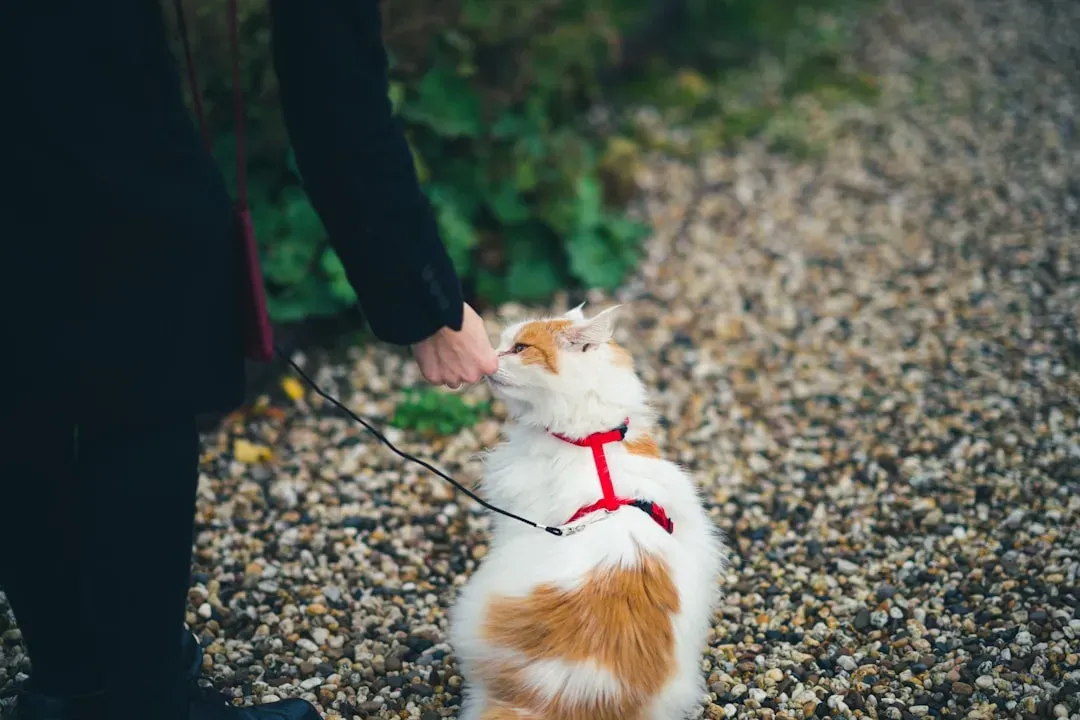
Clicker training is a positive reinforcement method that can teach your senior cat new tricks without requiring much physical exertion. It’s a fun way to bond while keeping their minds active. Simple behaviors like touching a target with their nose or lifting a paw are completely achievable for older cats and genuinely stimulating for their brains.
For less mobile senior cats, a few minutes each day spent on reward-based training is excellent mental stimulation without too much physical exertion. Clicker training your cat to touch a target is much easier than teaching complex commands, and since cats have shorter attention spans, keeping training sessions brief works best. Think of it less as obedience training and more as a daily brain workout with treats involved.
8. Window Watching With a Perch
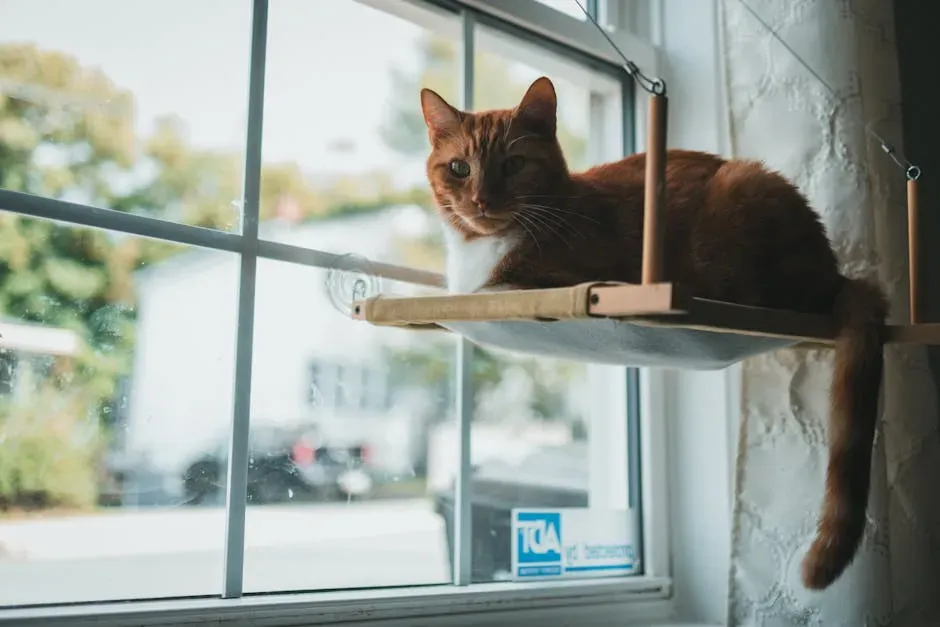
Installing a perch by a window so your cat can watch birds and other outdoor activities is a simple addition that can be incredibly enriching. This might sound passive, but for a senior cat, watching the outside world is genuinely stimulating. Movement, sound, shifting light, and the occasional squirrel create a constantly changing screen they never get bored of.
Simple additions like a bird feeder outside a window, a fish tank, or even a radio playing soft music can captivate your senior cat’s attention and provide mental stimulation. Additionally, introducing new scents or textures through cat-safe plants or soft blankets can engage their senses and spark curiosity. You can even boost the experience by placing a bird feeder just outside the glass within clear viewing range.
9. Gentle Interactive Toy Sessions
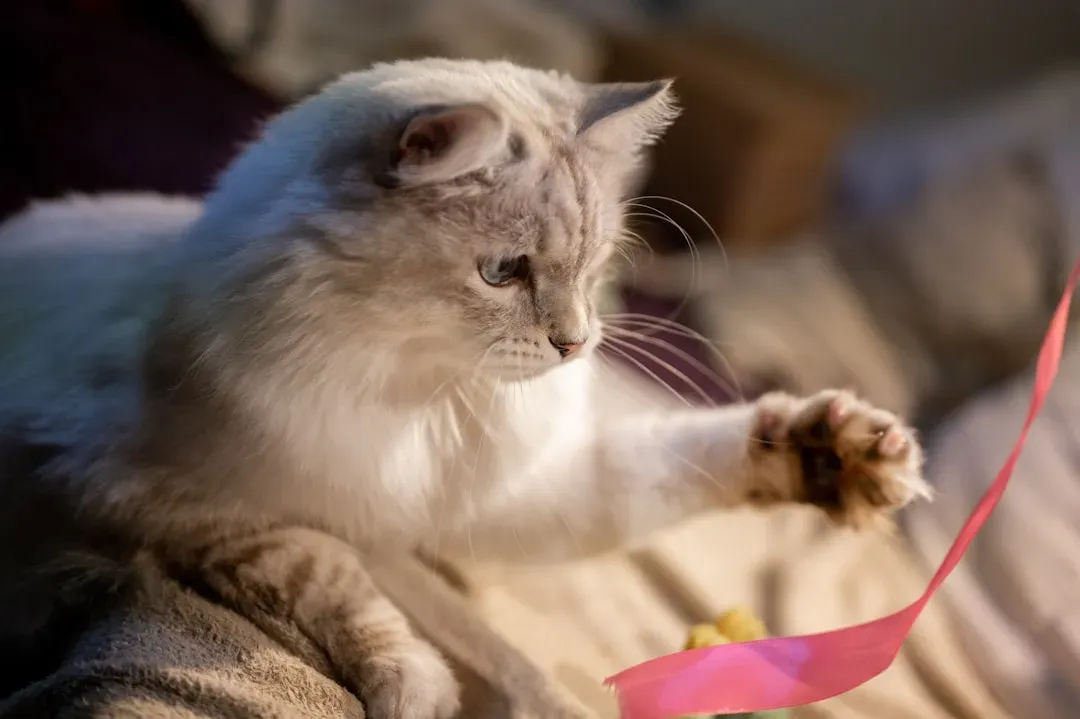
While some senior cats may not have the energy for vigorous play sessions, gentle interactive toys can still provide mental stimulation and light exercise. Toys such as feather wands or remote-controlled mice can engage your cat’s natural hunting instincts without requiring too much physical exertion. Just be mindful not to overdo it, and always supervise playtime to prevent exhaustion.
Older cats can tire more quickly, so it’s a good idea to have them engage in multiple short play sessions throughout the day rather than one long session. Sticking to one task at a time during play can also help them not tire too quickly. Even five minutes of genuine engagement is worth far more than a long session that leaves your cat exhausted and reluctant to play the next day.
10. Scent Exploration and Sniff Games
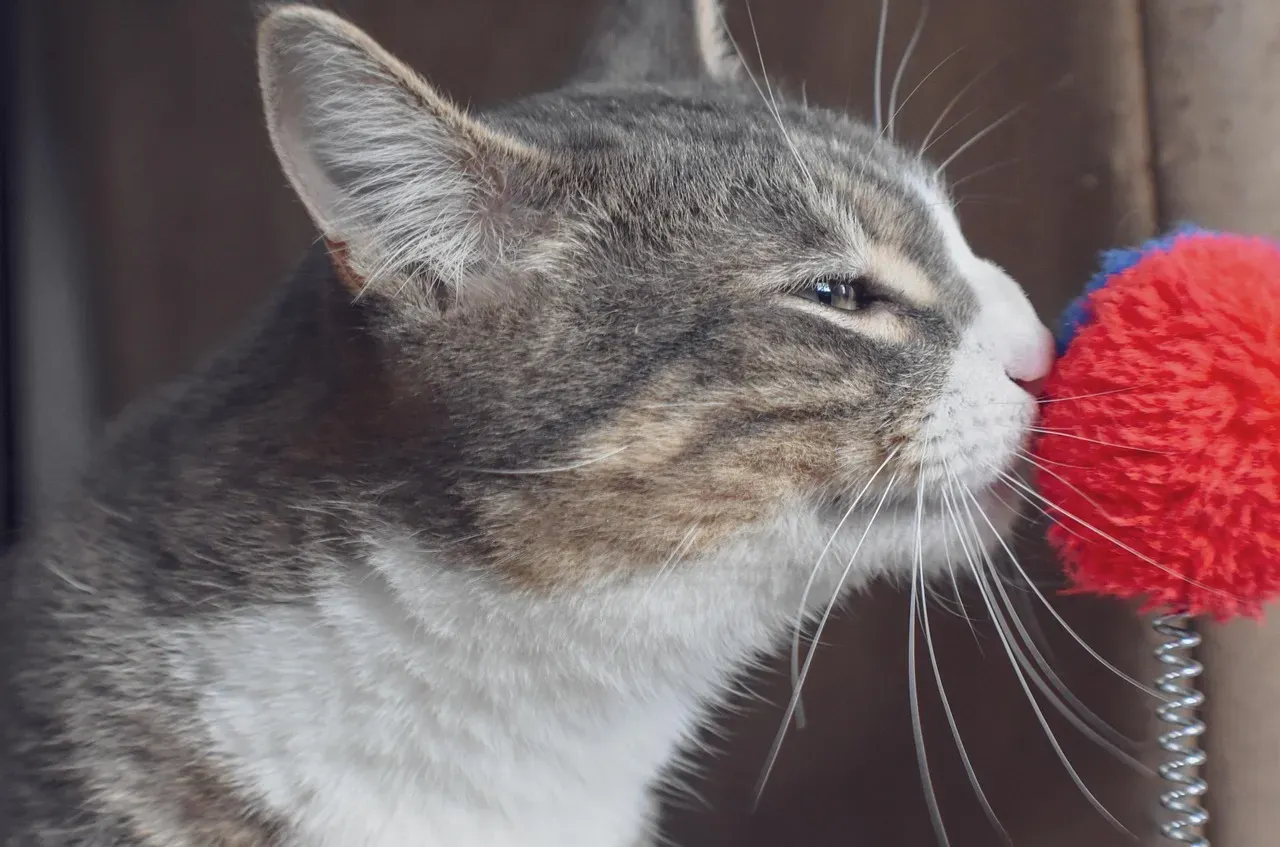
Introducing new odors and unfamiliar items can offer olfactory stimulation. Try sprinkling a little catnip on pieces of paper, crumple them up, and place them in a shallow-sided cardboard box for your cat to explore. You can also use strong-smelling treats or your cat’s kibble to encourage them to sniff out their snacks in hidden yet easily accessible spots around your home.
Exposing your cat to fresh smells to excite their curiosity works well, and you can make actual games out of scent work. The nose of a cat is remarkably powerful, and scent-based play is one of the few games that requires almost no physical effort yet delivers real mental engagement. It’s low-impact and highly rewarding for older cats who may be slowing down physically but remain mentally curious.
11. Gentle Grooming and Bonding Play
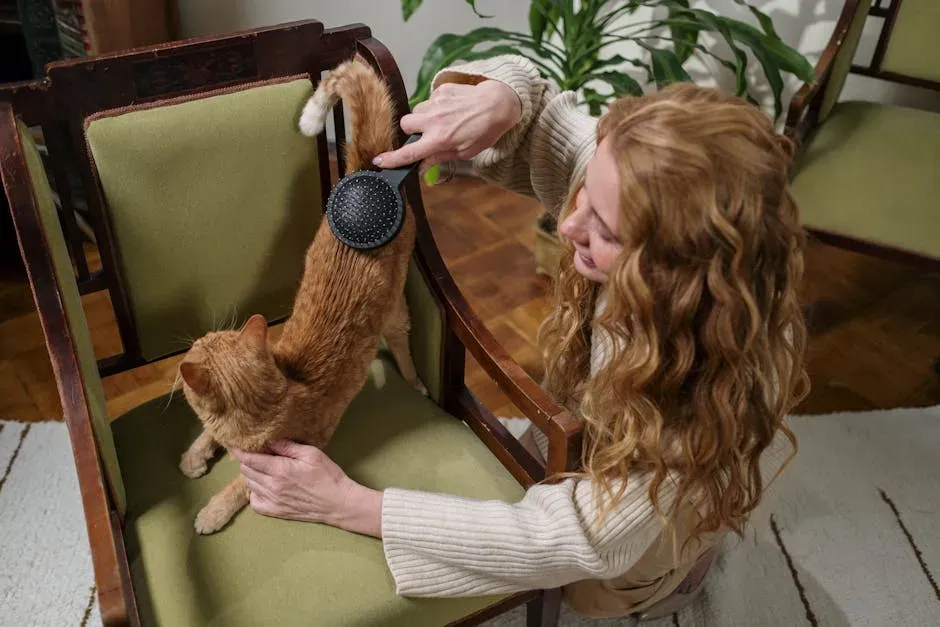
Spending quality time with you is beneficial for senior cat enrichment, as positive interactions not only strengthen your bond with your cat but also provide them with emotional support. Daily bonding activities like petting, grooming, and gentle interactive play provide stimulation for your older cat. This kind of interaction matters more than most people realize, particularly for cats who are becoming more homebound with age.
Consider how your cat likes to be petted, as the areas they like being touched may change as they get older, with different areas becoming more sensitive. Your older cat may also need extra support with grooming and nail maintenance, which can be a good bonding activity. Grooming sessions double as health checks, too. You’ll quickly notice changes in coat condition, weight, or sensitivity that are worth mentioning to your vet.
Conclusion: Play Is Never Too Late to Start
Your senior cat doesn’t need an obstacle course or a complex toy library to stay happy. What they need is your attention, a handful of well-chosen games, and the willingness to follow their lead. Every cat is different. Some older cats may remain active and playful, while others will prefer a more relaxed lifestyle. The key is to observe your older cat’s behavior and adjust your care accordingly.
Play is less about wearing them out and more about meeting that instinctual need to stalk, chase, pounce, and grab – hunting and catching their prey. Keep sessions short, keep the environment safe, and stay attuned to what your cat enjoys on any given day.
The games above aren’t about turning back the clock. They’re about making the present as rich and comfortable as it can be. A ten-minute feather wand session or a well-hidden treat can remind your older cat that life still holds genuine surprises. That’s worth a lot more than it sounds.
Kristina is a young writer from India. An arts graduate and an avid content creator, Kristina is passionate about animals and wildlife. She enjoys exploring topics related to pet care, animal behavior, conservation, and nature, combining thorough research with engaging storytelling.