Cats have always been private creatures. They carry their pain quietly, mask their vulnerability behind composure, and navigate the world on their own terms. It’s one of the things we admire about them, and one of the things that makes their final chapter so hard to read.
When the time does come, it can take us by surprise, because cats are remarkably good at hiding their pain. The signs are rarely dramatic. They’re the small, steady shifts in behavior and routine that you might almost miss if you weren’t paying close attention.
Cats give off both physical and behavioral cues when they’re nearing the end of life, though many of these signs could also indicate a treatable illness, which is why veterinary evaluation matters. This article is about understanding those quieter signals, the ones your senior cat is communicating without making a sound.
Withdrawing to Hidden, Quiet Places
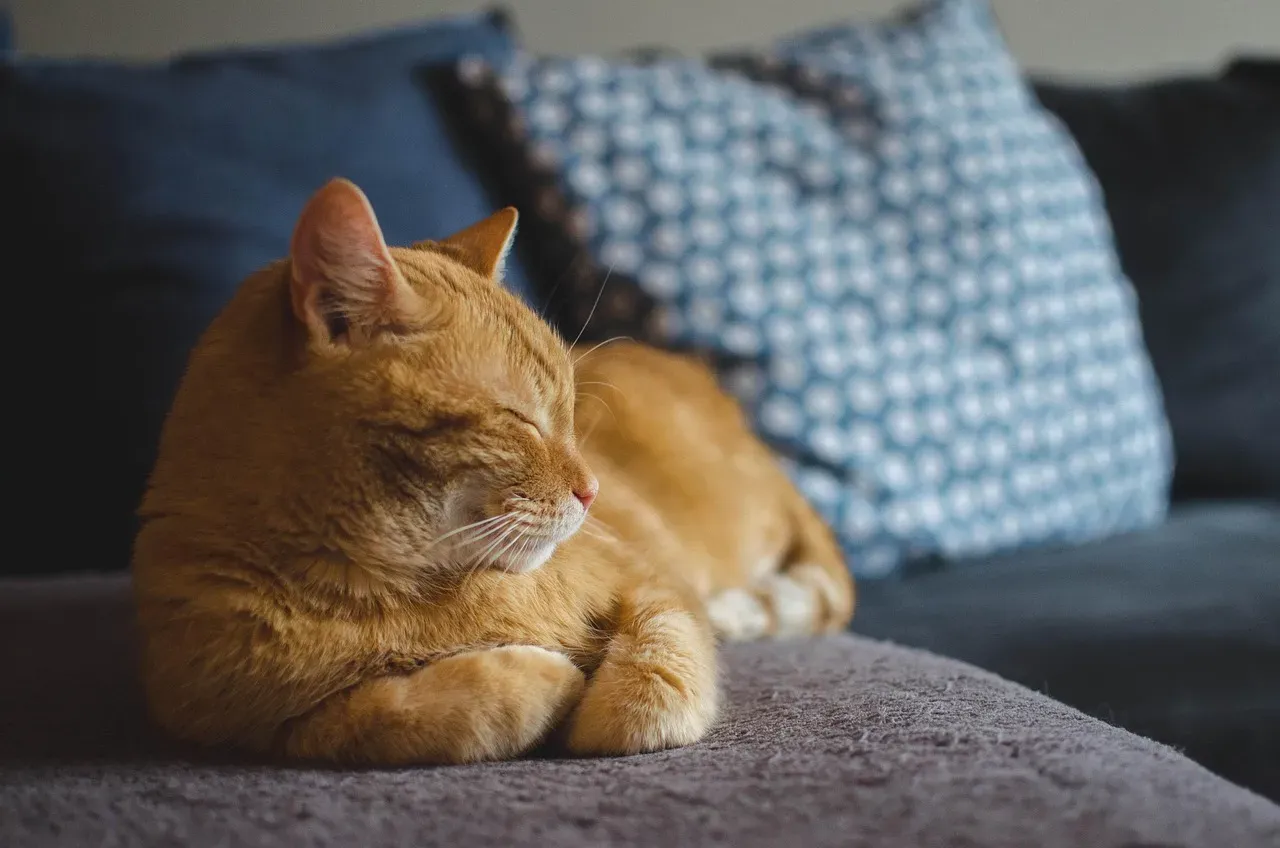
Many animals, including cats, will hide away when they are dying. Dying cats often secret themselves away somewhere safe and quiet, as an innate instinct to protect themselves from predators that would target a weak animal.
This withdrawal isn’t a rejection of your love. It’s an instinctual response to feeling vulnerable. Cats naturally seek safe, quiet spaces when they’re not feeling well, and this behavior becomes more pronounced as they approach the end of life. You might notice your cat no longer greets you at the door, doesn’t come when called, or seems to prefer solitude over the companionship they once enjoyed.
A Profound and Unusual Stillness
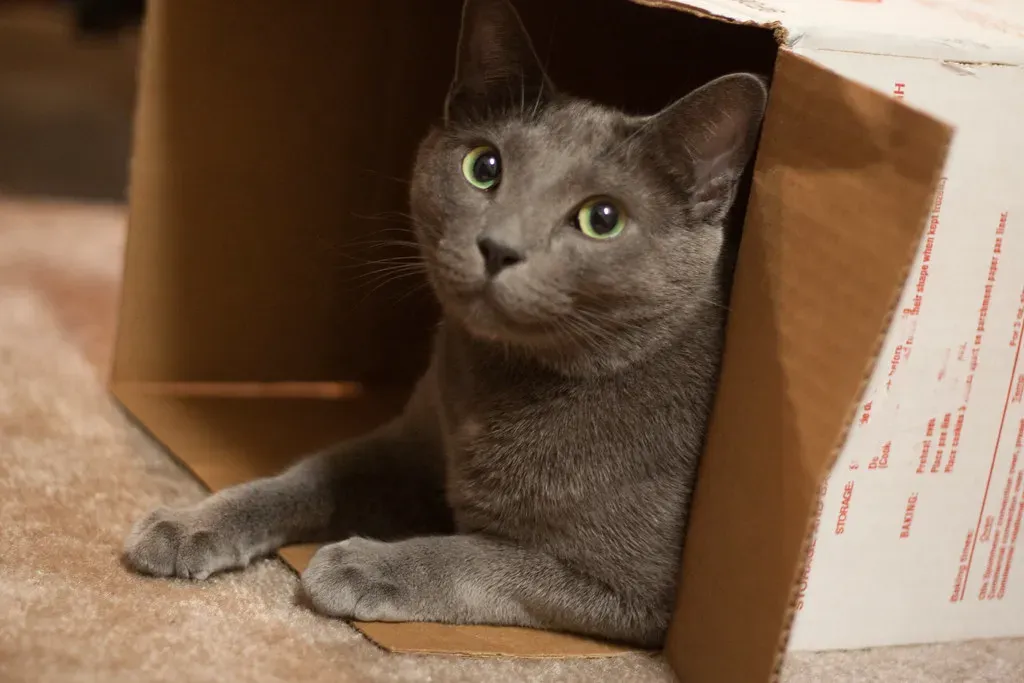
There is a clear difference between a lazy afternoon nap and terminal lethargy. A dying cat may sleep for up to 20 hours a day, and more importantly, they may become difficult to wake or lack the energy to move even for their favorite treats.
Cats nearing the end of their lives will often have less energy. They may spend a significant amount of time sleeping more than they previously did. They may seem uninterested in eating, grooming, or interacting with anyone else. Of course, cats sleep frequently and extensively anyway, so it’s important to compare this with your cat’s previous behavior.
Refusing Food Without Obvious Reason
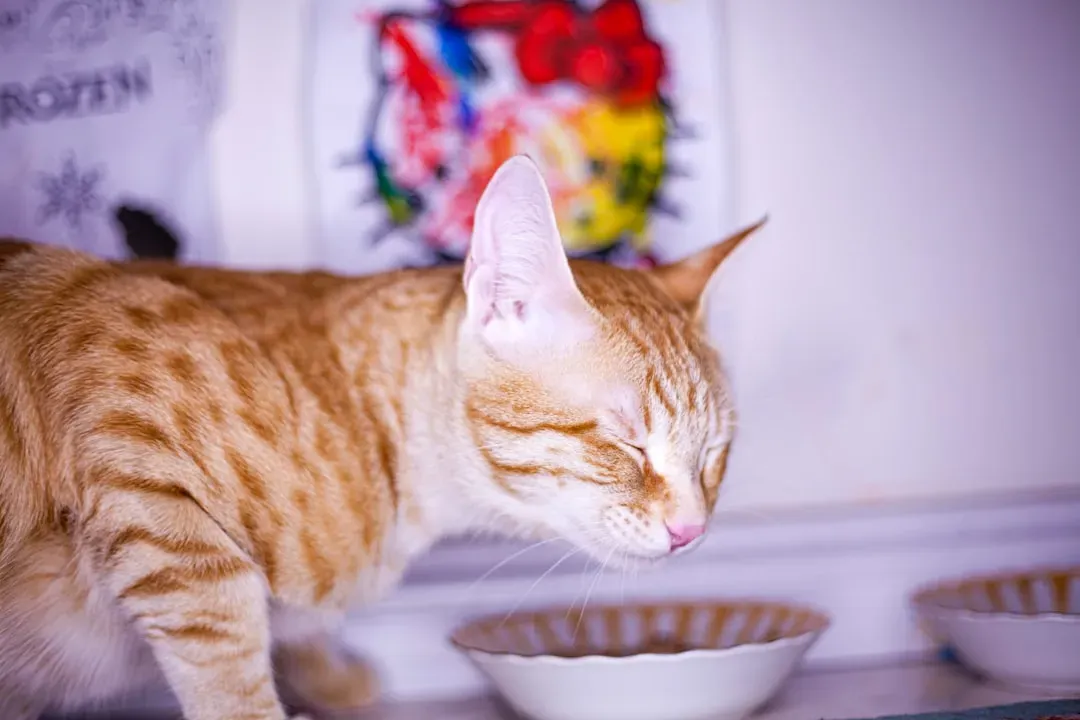
Refusal to eat is often the first physiological signal that the body is shutting down. It can start subtly. A few bites of their usual meal. A disinterested sniff, then walking away. What once drew them eagerly to the bowl starts to hold no appeal at all.
They may not feel like eating, or they may be nauseous, particularly if they’re experiencing end-stage organ disease or cancer. Some cats will eat, but only certain types of food, such as wet food, or they may just lick the gravy. Depending on the illness, the cat may initially drink more water than previously but afterward may just sit next to their water bowl and refuse to drink at all.
Grooming Less or Stopping Entirely
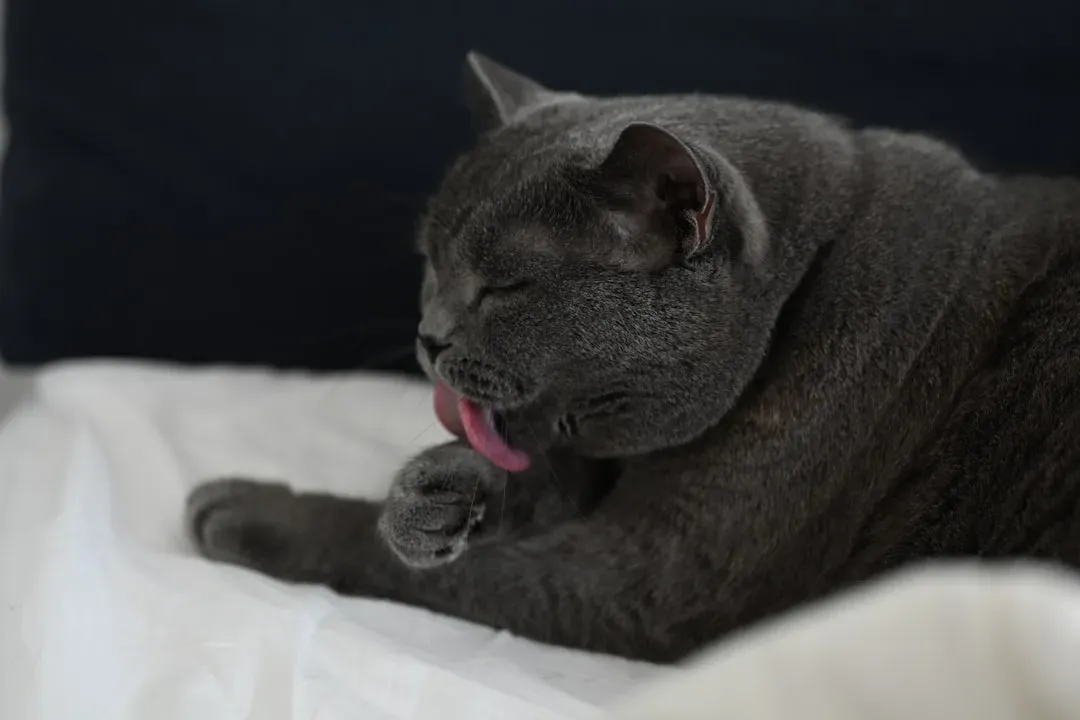
Cats are naturally meticulous groomers, so a noticeable decline in grooming behavior is often one of the more apparent signs of senior cat end-of-life changes. A cat’s coat may appear unkempt, matted, or oily, and they may develop a stronger odor than usual due to decreased self-care. This change occurs because grooming requires energy and flexibility that a senior cat may no longer possess.
Cats approaching the end of life often lose interest in activities that once satisfied them, including the maintenance of their appearance. Joint pain and muscle weakness can make the physical act of grooming uncomfortable or impossible. It’s a quiet signal, but one that rarely goes unnoticed by a devoted owner.
A Sudden Shift in Social Behavior
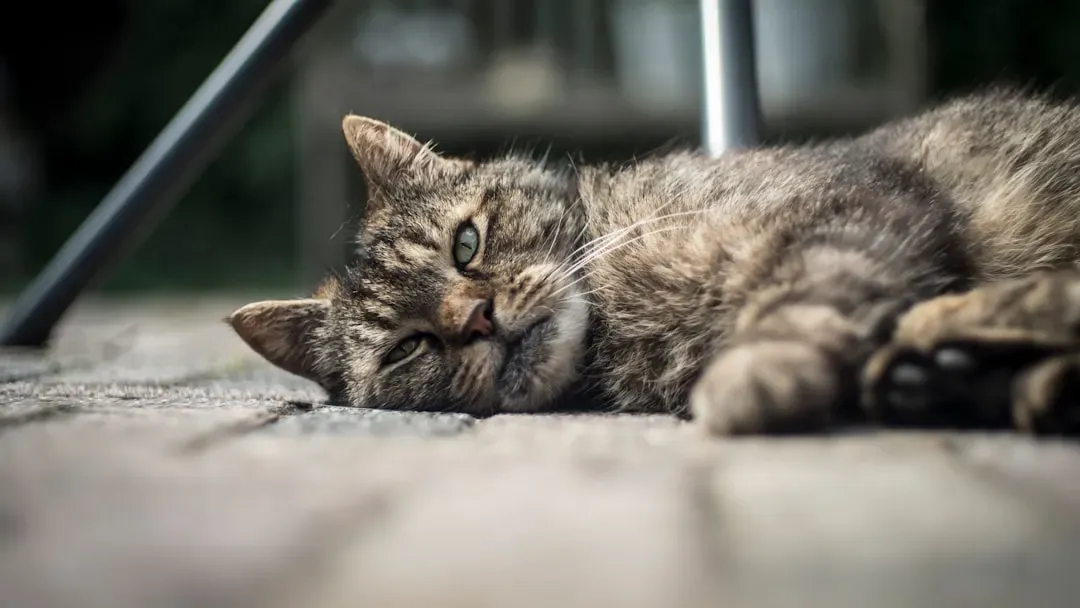
Sick cats can change how they interact with you or a family member. A cat that is usually cuddly and loves a purring lap snuggle might suddenly shy away from physical contact. Other cats might become intensely clingy. Both responses are real, and both matter.
That dramatic change in behavior can work either way. Many cats who usually prefer to be left to their own devices will suddenly be desperate for attention and soothing closeness when they can sense their end is coming. They may also start to follow you around where normally a brief leg-rub after feeding was all you’d get.
Losing Interest in Favorite Activities
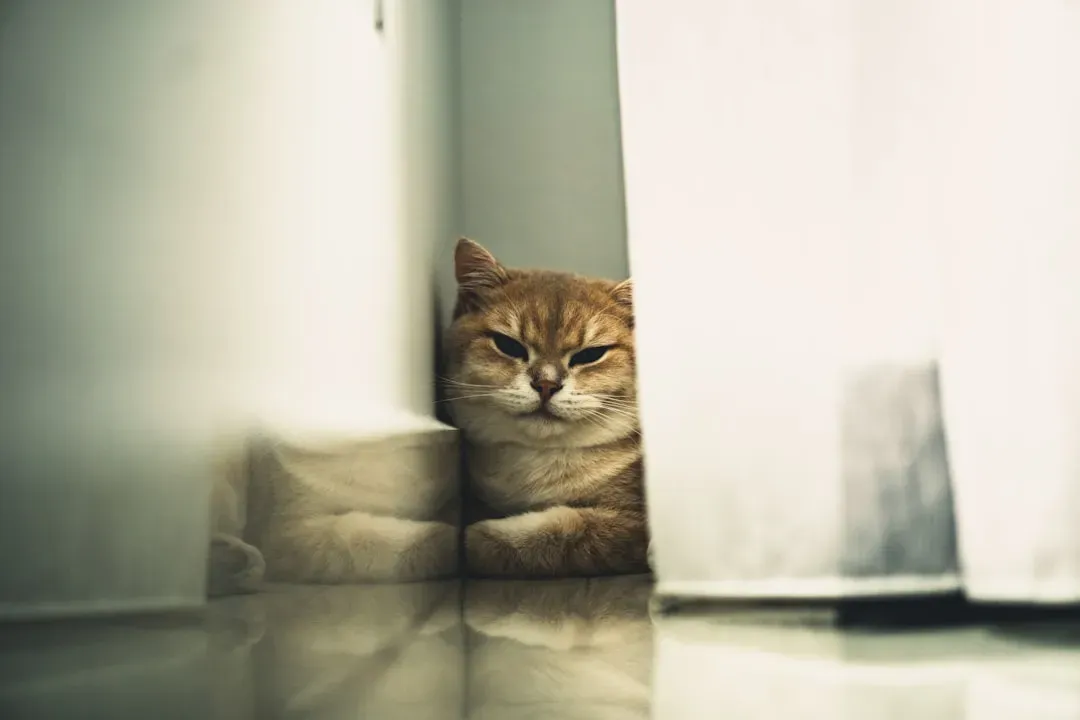
As a cat’s illness worsens and their end of life nears, their attitude, behaviors, and physical abilities may change. Cats may have diminished or no interest in favorite activities like playing, treats, scratching posts, jumping to elevated perches, or self-grooming.
Disinterest in the world around them and a lack of joy for things they once loved are signs that a cat may be ready to pass on. The toy that sparked a flicker of excitement just weeks ago gets ignored. The sunny window spot they claimed as their throne goes unoccupied. These small absences speak volumes.
Visible Weight Loss and Muscle Wasting
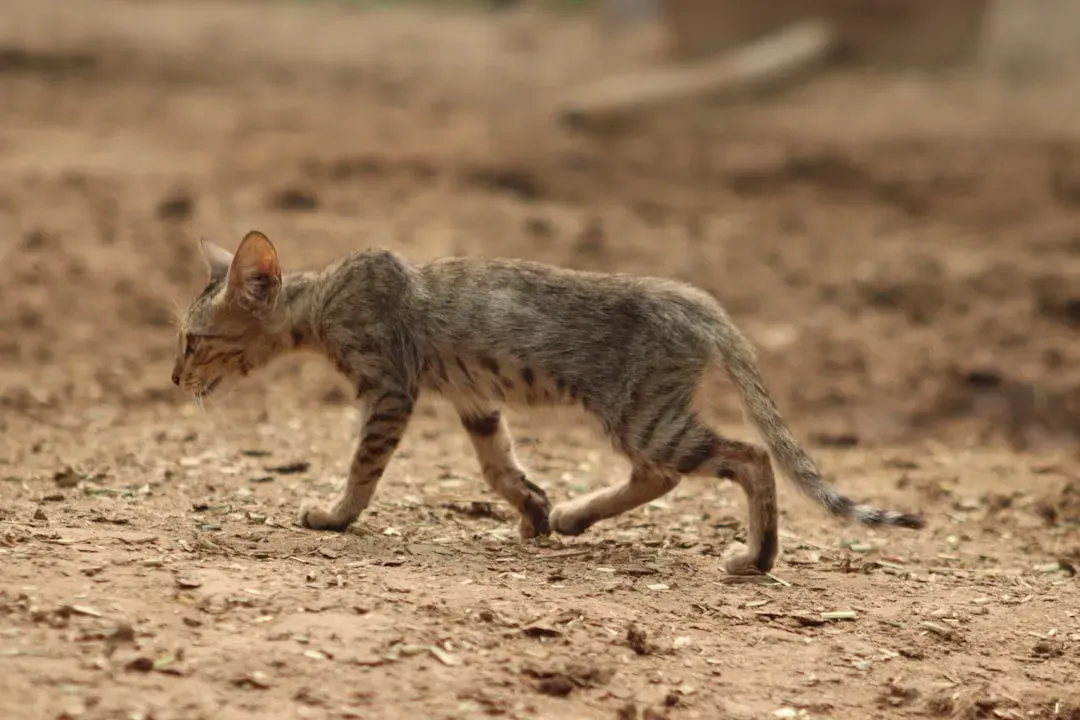
Weight loss is common in senior cats due to muscle loss and less efficient protein digestion. Even if your cat eats well, she may still lose weight. This can become extreme, with ribs, spine, and hip bones protruding.
Unlike acute illness, a gradual slowdown often precedes end of life in older cats. This includes gradual muscle loss, known as sarcopenia, thinning skin, and a dulling of the senses. Running your hand along their spine and feeling bones where there was once a soft, rounded frame is one of the more startling physical moments for any cat owner.
Changes in Mobility and Coordination
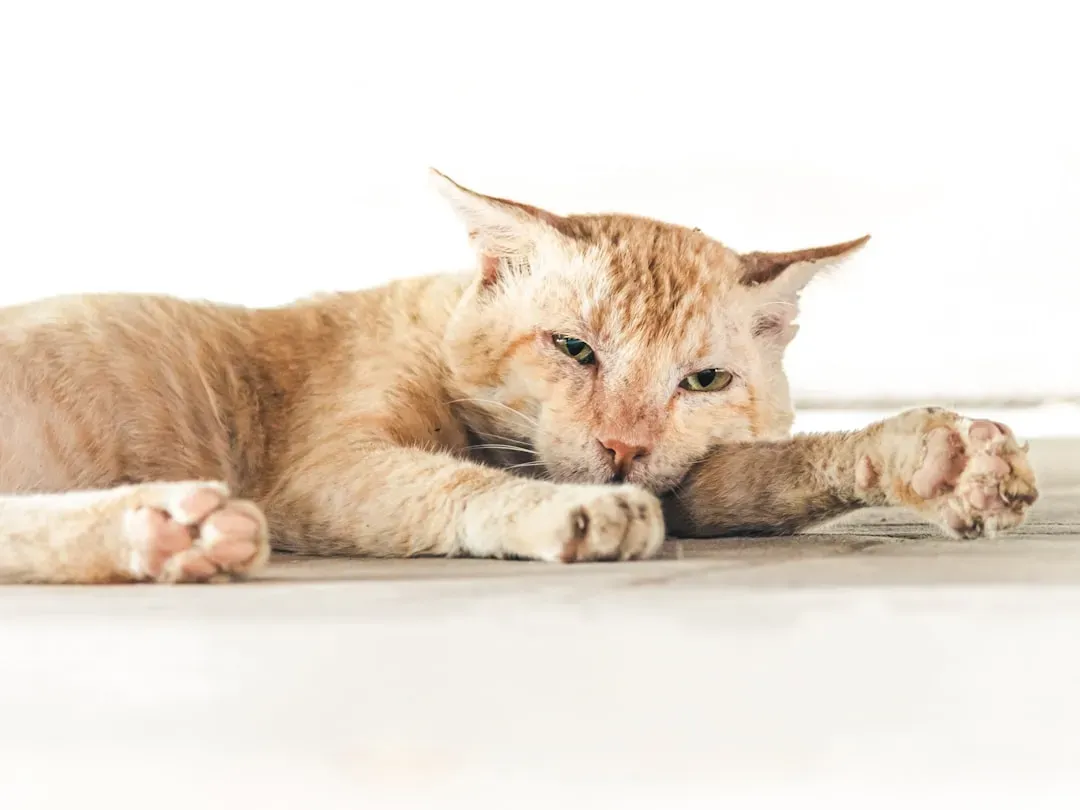
Severe arthritis and age-related weakness often precede the final stages. While manageable for years, there comes a point where a cat can no longer move without pain, signaling the end is near.
Cats may start limping or losing coordination if they are nearing death due to age-related conditions like arthritis or other joint issues. They may not have the energy to walk to the litter box or jump onto their favorite cat tree to watch the world go by. What was once a fluid, effortless creature becomes careful and slow.
Confusion or Cognitive Disorientation
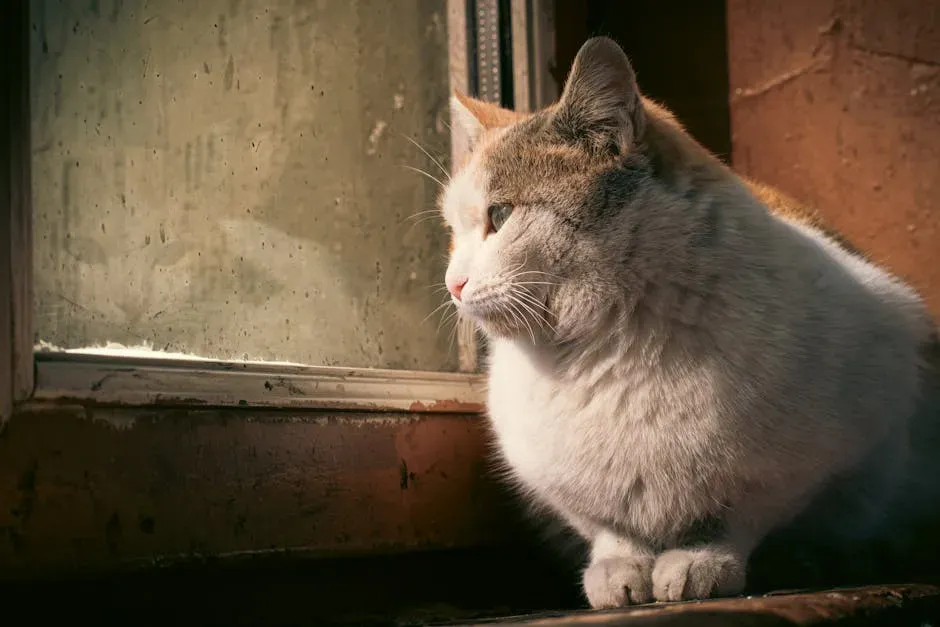
At the end of life, some cats might become confused, dull, or disoriented. They might appear uncoordinated, weak, or have a glazed look to their eyes. It can be unsettling to witness, especially in a cat you’ve known for many years.
Similar to dementia in humans, geriatric cats aged eleven years and older may experience cognitive decline. They may appear confused, get lost in corners of the house, or howl aimlessly at night. This cognitive dysfunction, akin to human dementia, may cause them to wander or vocalize more at night, and seem confused.
A Drop in Body Temperature
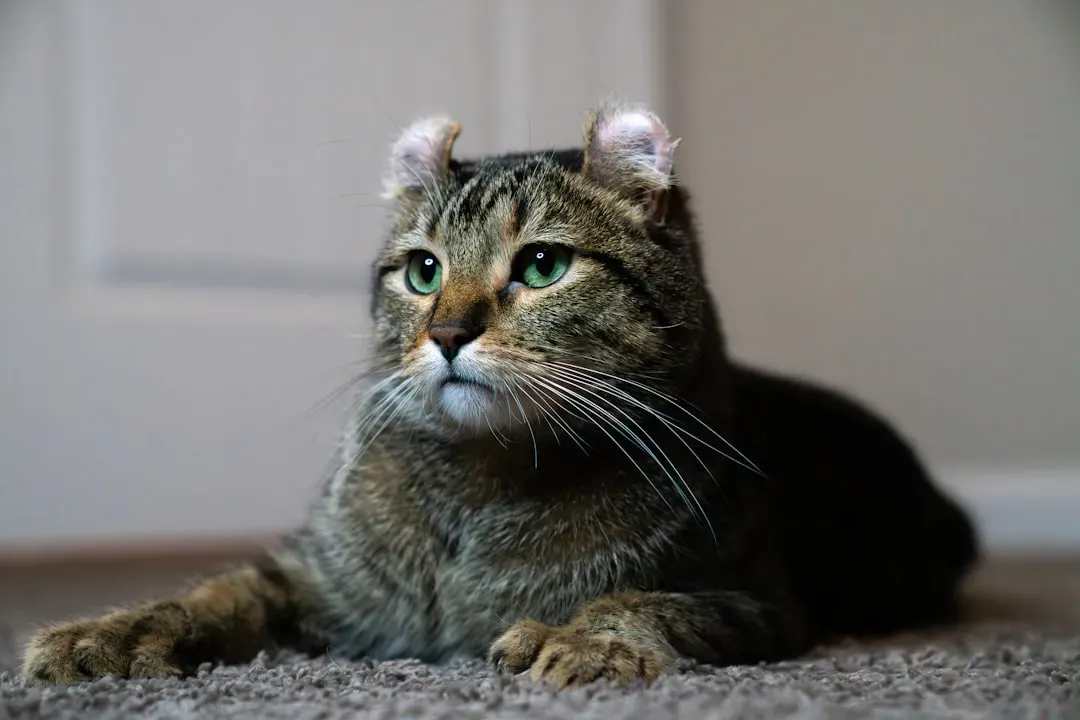
A dying cat may feel noticeably cooler to the touch, especially in the extremities like the ears and paws. This is a sign that circulation is slowing and the body is beginning to conserve what energy it has left. It’s one of the more physical, tangible signals that the end may be very close.
Watch for extreme lethargy combined with a complete loss of appetite and thirst, and a drop in body temperature evidenced by cold ears and paws. Together, these signs form a cluster that warrants a quiet, honest conversation with your veterinarian about what comes next.
Breaking Long-Established Routines
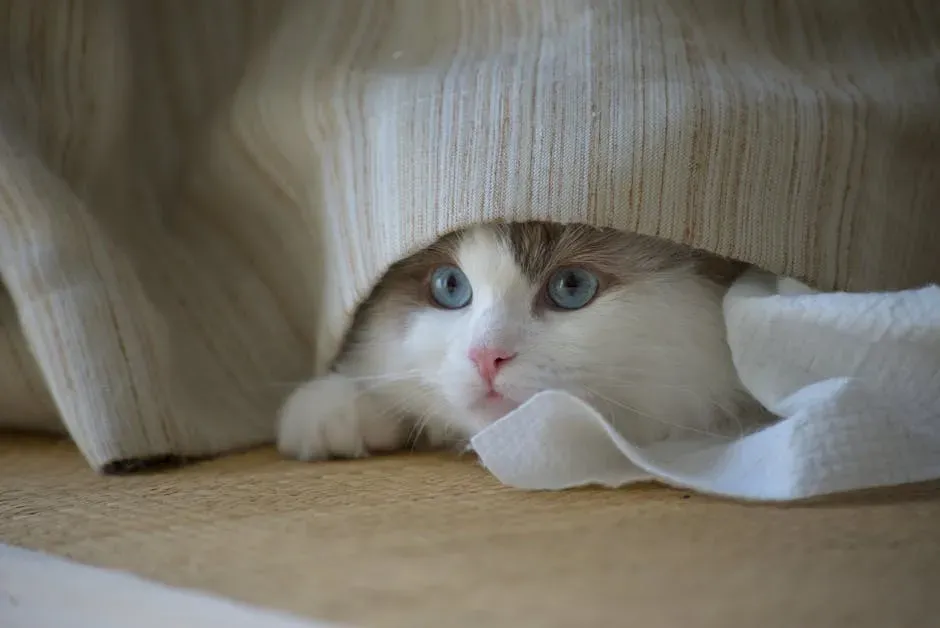
Cats are creatures of habit and often like to follow the same routines of mealtimes, nap spots, and favorite toys. If you notice any changes in your old or ill cat’s behavior, this could be a sign that they’re not feeling well. Your usually sociable cat might have taken to sleeping under the bed, or maybe they’ve completely stopped interacting and are mainly hiding and keeping to themselves.
Breaking long-established routines is a notable sign in domestic cats, such as suddenly avoiding favorite sleeping spots or changing preferred routes through the house. Cats live deeply inside their routines, so when those patterns dissolve without any external cause, it’s worth paying careful attention.
More Bad Days Than Good
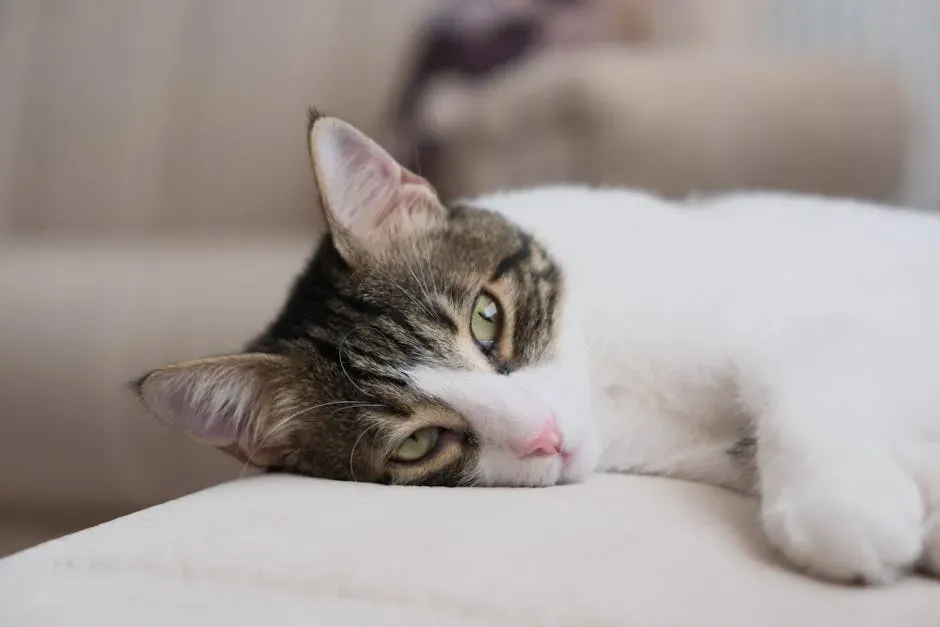
In the early stages of dying, cats are often still capable of having good days and deriving enjoyment from life. As their health declines, so does their quality of life. When the good days become few and far between, it’s a sign that a cat may be ready to depart.
When there are too many bad days in a row, or if the cat seems turned off to life, quality of life is compromised. Bad days may mean nausea, vomiting, diarrhea, seizures, frustration, pain, or inability to breathe. Veterinarians utilize a quality-of-life scale to help pet parents evaluate a pet’s overall condition and determine how close they are to the end. One commonly used scale is the HHHHHMM scale.
Conclusion: Listening When They Can’t Speak
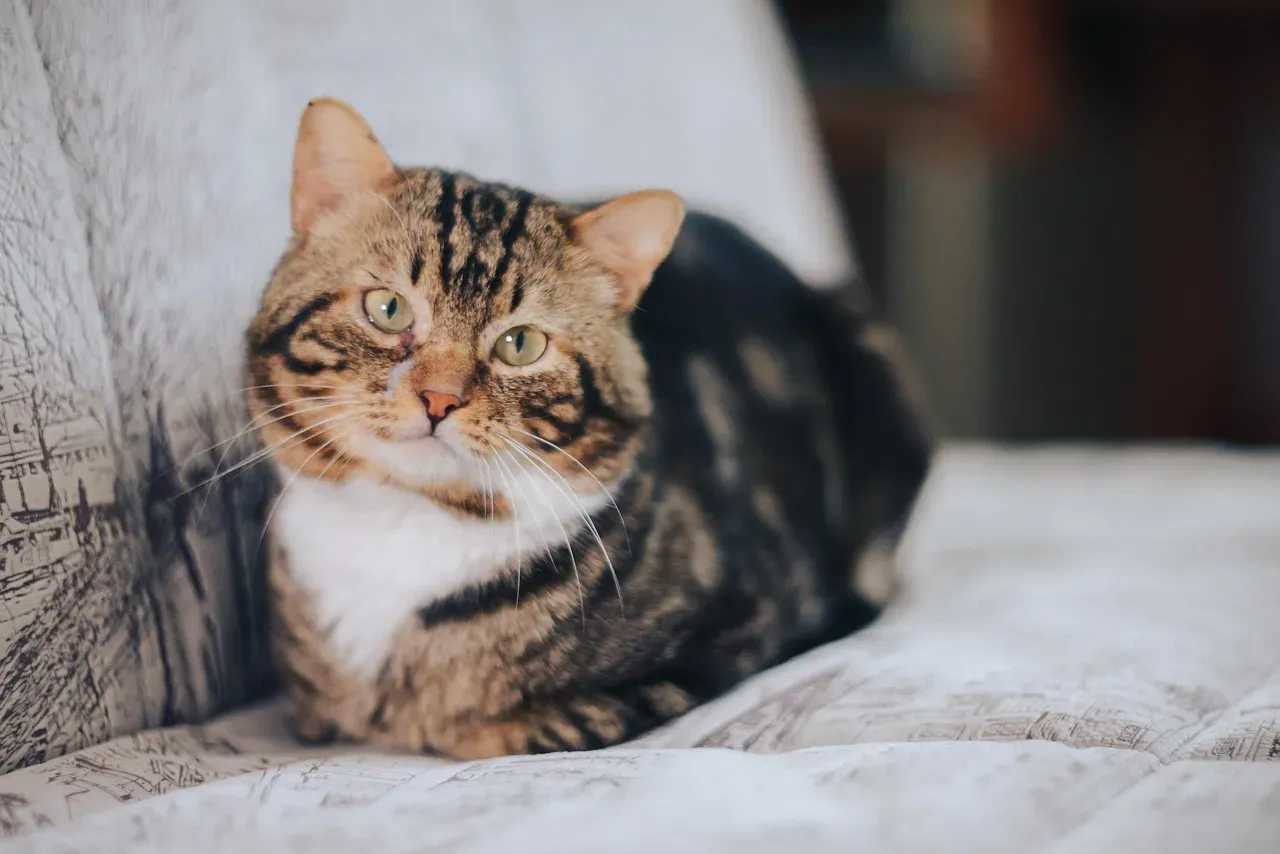
Cats communicate with us through body language, facial expressions, sounds, and behaviors. These cues teach us when it’s mealtime, playtime, lap time, and “leave me be” time. Cat language also helps pet parents recognize when their cats are ill.
Cats likely do not understand death as a concept, but they do sense physical changes when they’re ill or uncomfortable. Behavioral shifts like hiding, restlessness, appetite loss, or increased clinginess often reflect how a cat feels physically. What they’re telling us is rooted in sensation, not philosophy.
Planning ahead with your veterinarian helps ensure your cat’s final days are peaceful and free from unnecessary suffering. Veterinary evaluation is essential, as cats may also show some of these signs when they have treatable conditions. Never assume without checking first.
Watching a senior cat slow down is one of the quieter griefs in life. There are no dramatic announcements, no clear last words. There is only the soft weight of a cat who trusts you completely, and the responsibility of being present enough to listen. When they can no longer speak, the way you read their silence is, perhaps, the deepest form of love you can offer.

Hi, I’m Andrew, and I come from India. Experienced content specialist with a passion for writing. My forte includes health and wellness, Travel, Animals, and Nature. A nature nomad, I am obsessed with mountains and love high-altitude trekking. I have been on several Himalayan treks in India including the Everest Base Camp in Nepal, a profound experience.