Most people spend years convinced their cat barely notices them. That reputation – the aloof, indifferent creature who tolerates you mainly for the food bowl – has been thoroughly dismantled by science. Researchers have now confirmed that cats form genuine attachment bonds with their owners, bonds deep enough to trigger measurable stress hormones during separation. And when a beloved cat is aging, ill, or quietly nearing the end of their journey, something profound happens: they stay. They find you. They hold on in ways that will undo you if you know what to look for.
What follows isn’t a clinical checklist. It’s a translation. Each of these fifteen behaviors is your cat’s version of something they have no other way to say. Some of the signs are tender. Some are heartbreaking. And at least one – somewhere near the end of this list – will probably stop you mid-scroll.
#15 – They Follow You From Room to Room
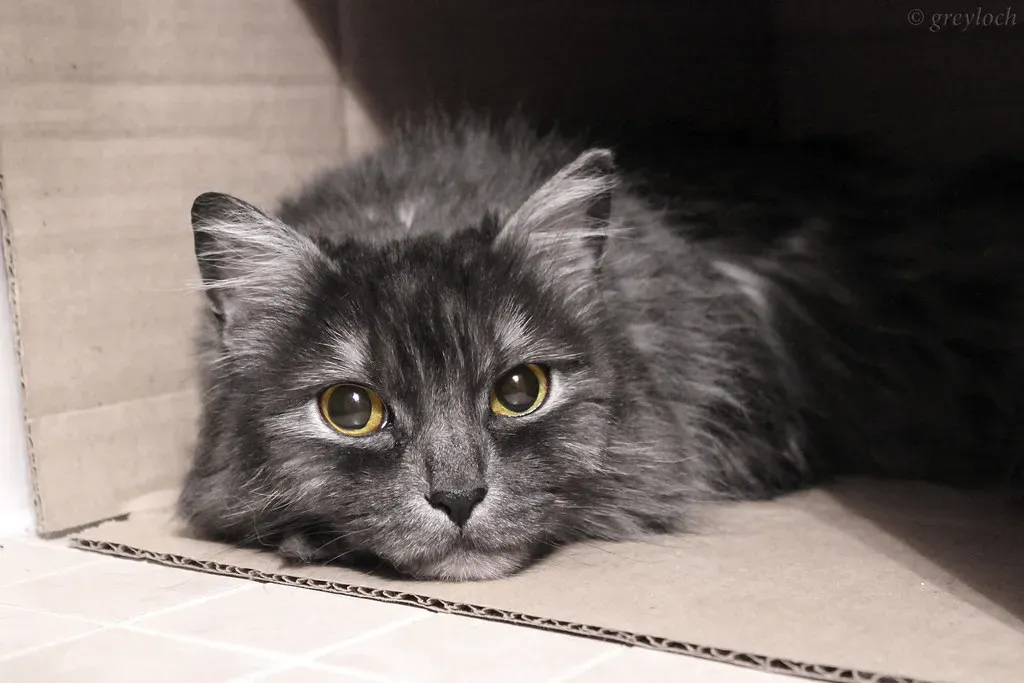
A cat who spent years doing everything on their own terms – sleeping where they chose, appearing only when they felt like it – suddenly materializes at your feet everywhere you go. Outside the bathroom door. Behind you in the kitchen. On your side of the bed at 2 a.m. That’s not coincidence. That’s a choice.
Cats nearing the end of life often become anxious or restless, and they seek comfort and closeness in ways that can feel startling coming from an animal who once prized independence above everything. What you’re witnessing is a cat orienting toward the one relationship that makes them feel safe – consciously choosing presence over solitude. Follow them right back. Every single time.
Fast Facts
- Oregon State University research found roughly 65% of cats are securely attached to their owners – mirroring the secure attachment rate seen in human infants.
- Cats showing secure attachment use their owner as a safe base in unfamiliar or stressful environments.
- Shadow-following behavior in cats is most commonly triggered by anxiety, illness, or emotional bonding – not just hunger.
- The same attachment styles observed in babies and dogs have now been empirically documented in domestic cats.
#14 – They Sleep Pressed Against You
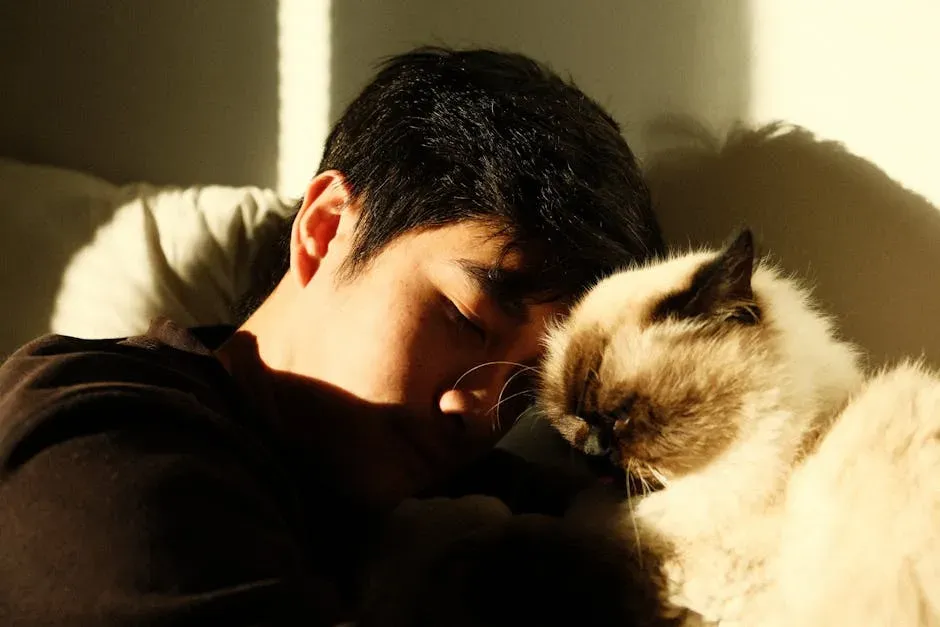
It’s one thing to sleep in the same room. It’s another thing entirely when your cat presses the full weight of their body against yours and refuses to move all night. The warmth of you, the rhythm of your breathing, the familiar smell of your skin – these are the things a cat in discomfort reaches for when the world starts feeling uncertain.
That pressed-body sleeping isn’t clinginess. It’s their version of reaching for a hand. Cats nearing end of life who don’t feel well can become more affectionate than they’ve ever been, turning toward their human and animal companions with a tenderness that can catch you completely off guard. When they choose you as their sleeping spot, let them stay as long as they want.
#13 – Their Purring Changes Tone or Timing
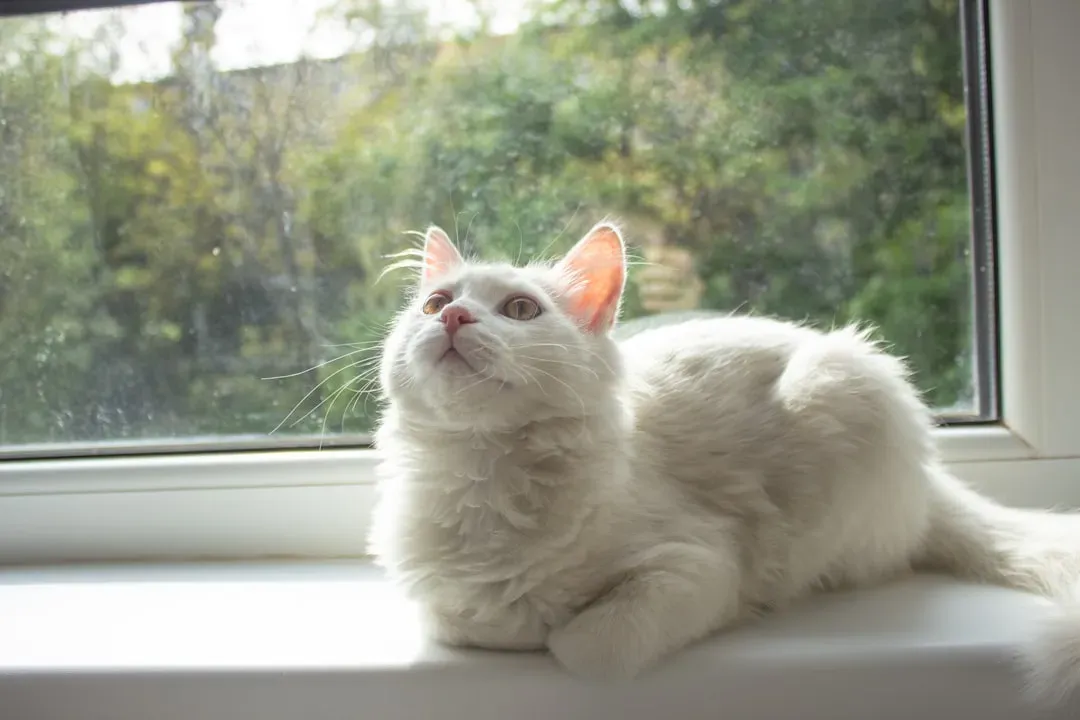
Most people assume purring means a cat is happy. Veterinarians will tell you that’s a meaningful oversimplification. Cats purr when content, yes – but also when they’re in pain, anxious, or attempting to self-soothe. Near the end of life, a cat’s purring can shift: softer, more continuous, and oddly timed – surfacing not during play or feeding, but during long, still moments when they’re simply lying against you.
Whether that purring is directed at you or aimed inward as comfort, pay attention to when it happens. A cat that begins purring more intensely while resting quietly in your presence may be using vibration as both medicine and message. Timing tells the real story. The purr that starts the moment you sit down means something different than the one that never stops.
Worth Knowing
- A cat’s purr vibrates at 25 to 150 Hz – a frequency range research links to reduced inflammation, improved circulation, and stimulated tissue healing.
- Frequencies between 25 and 50 Hz have specifically been shown to increase bone density in clinical studies.
- Purring triggers the release of oxytocin in both the cat and the person being purred on – the same bonding hormone associated with trust and emotional connection.
- Cats purr during both inhalation and exhalation, making it one of the most sustained, continuous healing sounds in the animal kingdom.
- Cat owners are statistically less likely to suffer heart attacks – a benefit some researchers partly attribute to regular exposure to purring vibrations.
#12 – They Stop Grooming – But Still Groom You
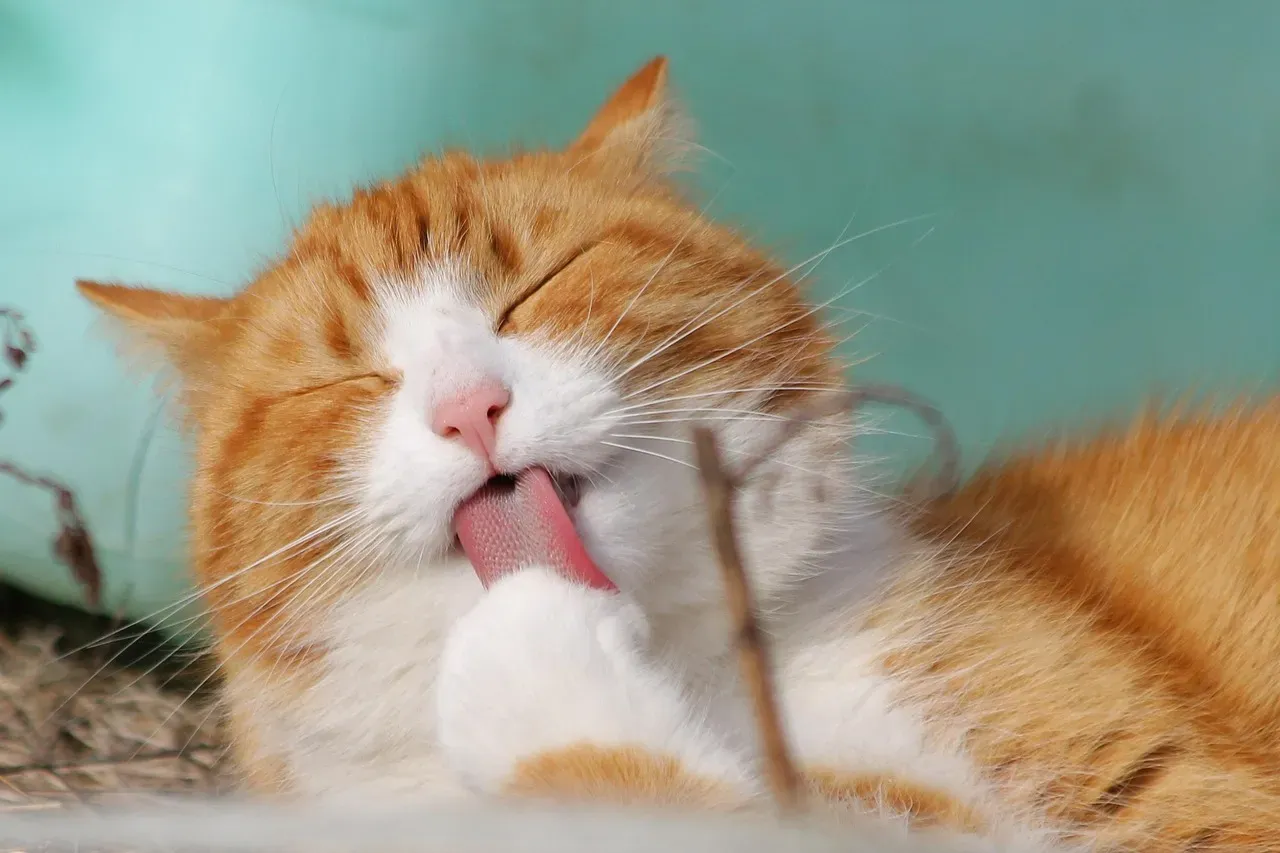
Here is a sign most owners misread entirely. When a seriously ill cat stops cleaning itself – you start noticing matted fur, a coat that’s lost its luster – but that same cat still licks your hand or nuzzles into your hair, that is not random behavior. Self-grooming demands energy a failing cat often cannot spare. And yet the bond still registers clearly enough to redirect what little energy remains.
The fact that a depleted, uncomfortable cat chooses to spend that energy grooming you is one of the most quietly heartbreaking expressions of love in this entire list. It means the relationship is still louder than the pain. Help them back – brush their coat gently, keep them clean and comfortable. It matters far more than it might seem.
[article_quiz]
#11 – They Seek Out Your Scent
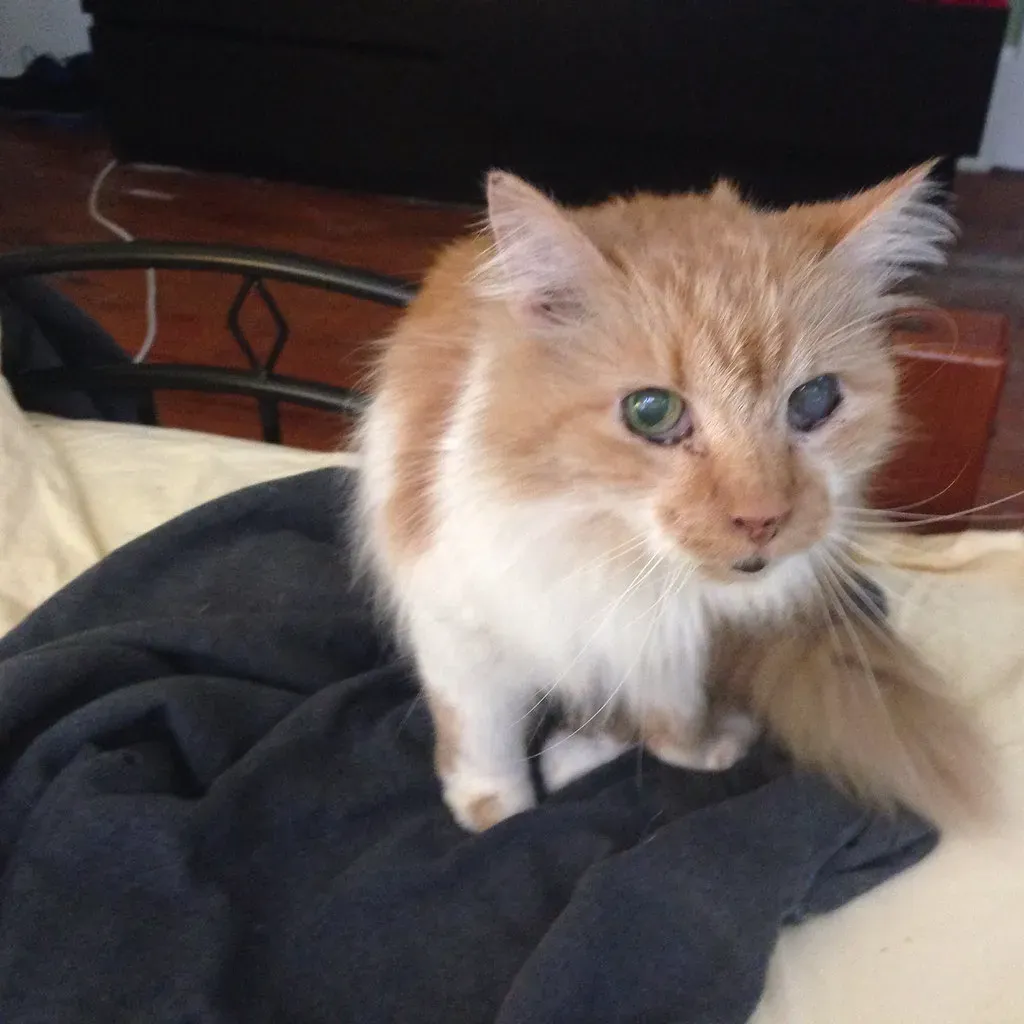
Cats identify their owners primarily through scent, and they process familiar smells at a neurological level that runs deeper than any other sense. For a cat whose vision may be blurring and hearing fading, your scent remains one of the most powerful signals still available to them. Your smell is safety. Your smell is home. So when a declining cat starts sleeping on your worn clothing or burrowing into your side of the bed, they’re not being peculiar – they’re anchoring.
A study published in Current Biology used the same attachment test originally designed for human infants and found that cats form genuine bonds with their owners, complete with measurable distress during separation and visible relief when their person returned. A cat rooting itself into your scent near the end of life is reaching for the one thing that has always meant security. Don’t underestimate what a worn t-shirt placed in their bed can do for their peace of mind.
#10 – They Look at You Differently
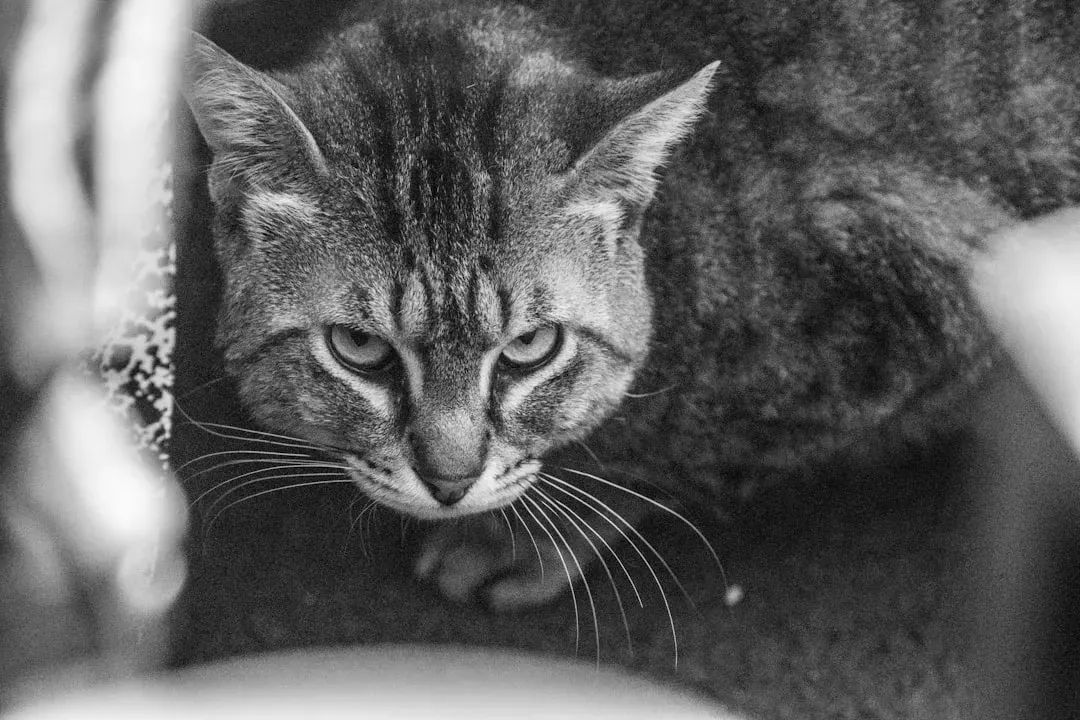
Longtime cat owners describe it in almost identical language, independently, across every corner of the internet: “She just looked at me differently.” There’s a reason that experience is so universal. It’s a long, still gaze that feels intentional – less like a cat watching you and more like a cat seeing you. Vets are careful to note that cats don’t have a conscious farewell mechanism, but that doesn’t make the look less real.
What families are often seeing are the physical effects of illness – muscle loss, pain, dehydration, weakness – combined with a shift in how the cat is relating to the world around them. Their world is narrowing, and you are still in it. Trust what you feel in those moments. Your instinct as their person is its own kind of data, especially when other signs are already present.
At a Glance: What the Eyes Are Telling You
- Slow blinking directed at you is a documented signal of feline trust – research from the University of Sussex confirmed cats respond positively to slow blinks from their owners.
- Prolonged, still gazing combined with physical stillness often signals a cat seeking emotional orientation rather than food or play.
- Dilated pupils in a calm environment can indicate emotional intensity – engagement, attachment, or quiet distress.
- A cat that makes repeated, deliberate eye contact before settling against you is actively choosing connection – not routine.
#9 – They Vocalize More – Especially at Night
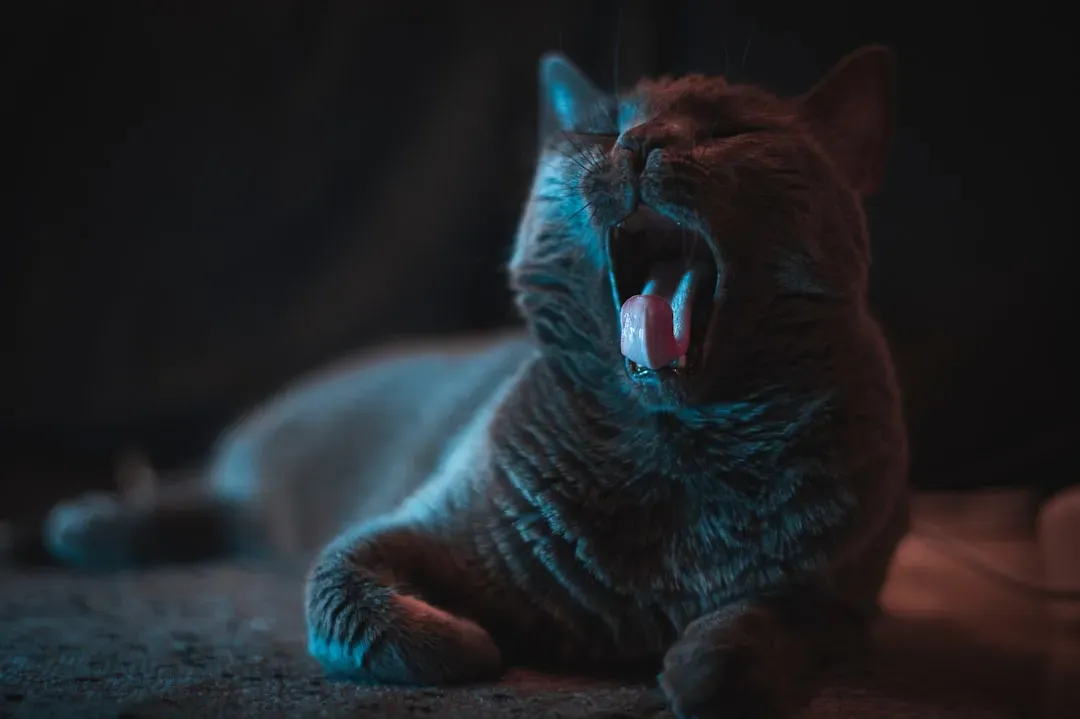
Your cat has been quiet for years. Then suddenly, in the dark, they cry out. It’s alarming – and it’s one of the more misunderstood signs of a cat holding on. Increased vocalization, especially nighttime yowling or persistent meowing, can reflect disorientation, discomfort, or a cognitive decline similar to dementia in humans. But there’s a specific pattern worth watching: some cats cry out precisely because they can’t immediately locate their person.
A cat that calls into the dark, then settles the moment you speak or appear, is giving you one of the clearest signals of attachment that exists. They weren’t just distressed – they were looking for you. Always have sudden vocalization changes checked by a vet. But also recognize what the quieting-when-you-arrive means. That silence when you walk in is its own kind of answer.
#8 – They Have Good Days That Seem Tied to You
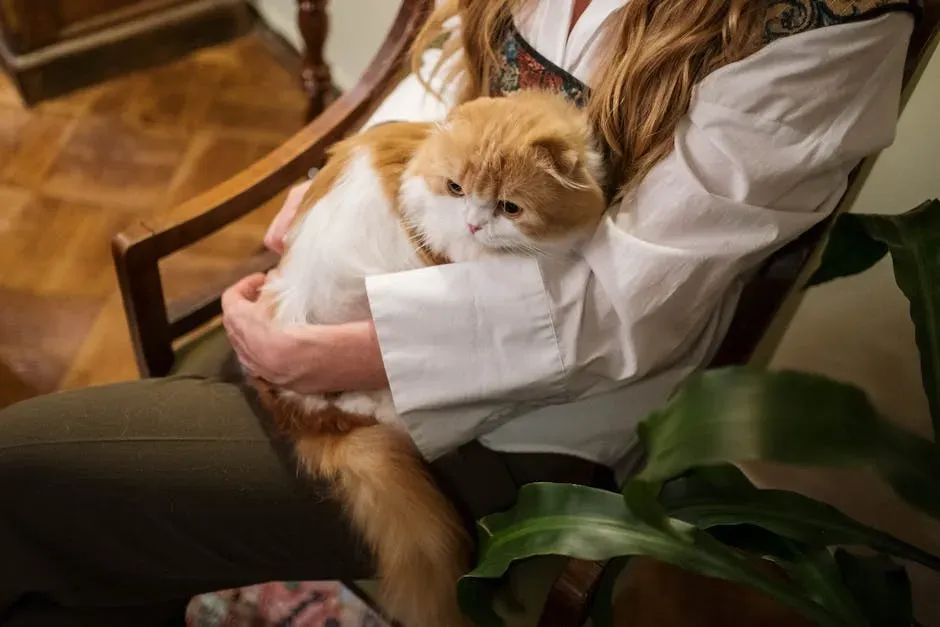
Hospice vets have noticed a pattern that’s difficult to explain medically but impossible to ignore: some failing cats rally – visibly, measurably – when their owner is present, calm, and close. A long afternoon on the sofa together. A quiet morning in a sunny room with their favorite person nearby. The good days that remain often correlate directly with quality time spent in each other’s company.
The idea that your presence actively contributes to your cat’s good days isn’t sentimental. It shows up in behavior – in appetite, in movement, in how long they stay awake and engaged. When the bad days begin outnumbering the good, that’s a signal worth taking seriously. But until then, be present on every good day. Each one counts more than the last.
#7 – They Return to Old Favorite Spots – Near You
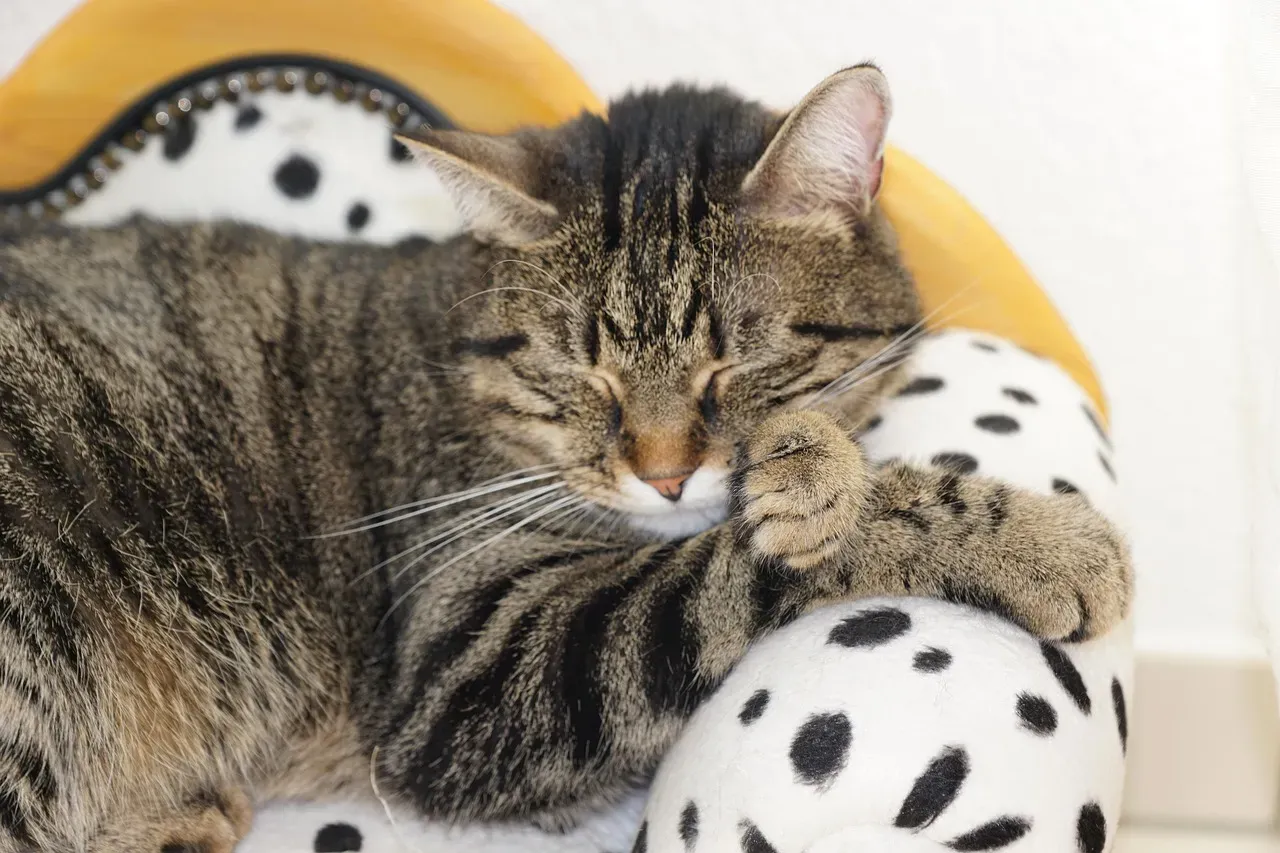
A cat that hasn’t jumped on your lap in two years suddenly reappears there. A cat that always slept alone starts turning up at the foot of your bed. This regression to old bonding spots isn’t random. It appears to be a comfort-seeking behavior – a cat navigating back to the emotional geography of safety, back to the places where the relationship was built in the first place.
Studies on feline grief and behavioral change have found that roughly 63% of cats alter their territorial behavior near a significant loss, and a notable portion seek out a person’s favorite spots – a particular chair, a specific side of the bed, a room they associate with calm and closeness. When a sick or elderly cat returns to those places, they are finding their way back to the anchor of everything that has ever felt right. Notice which spots they choose. Spend time there with them.
Quick Compare: Early Bond Behavior vs. End-of-Life Closeness
| Early in Life | Holding On |
|---|---|
| Sleeps nearby but not touching | Presses full body against you |
| Visits you on their own schedule | Follows you room to room |
| Plays independently, checks in | Loses interest in everything except you |
| Tolerates handling briefly | Seeks and accepts prolonged holding |
| Hides when unwell | Stays visible, stays close |
#6 – They Accept Handling They Previously Refused
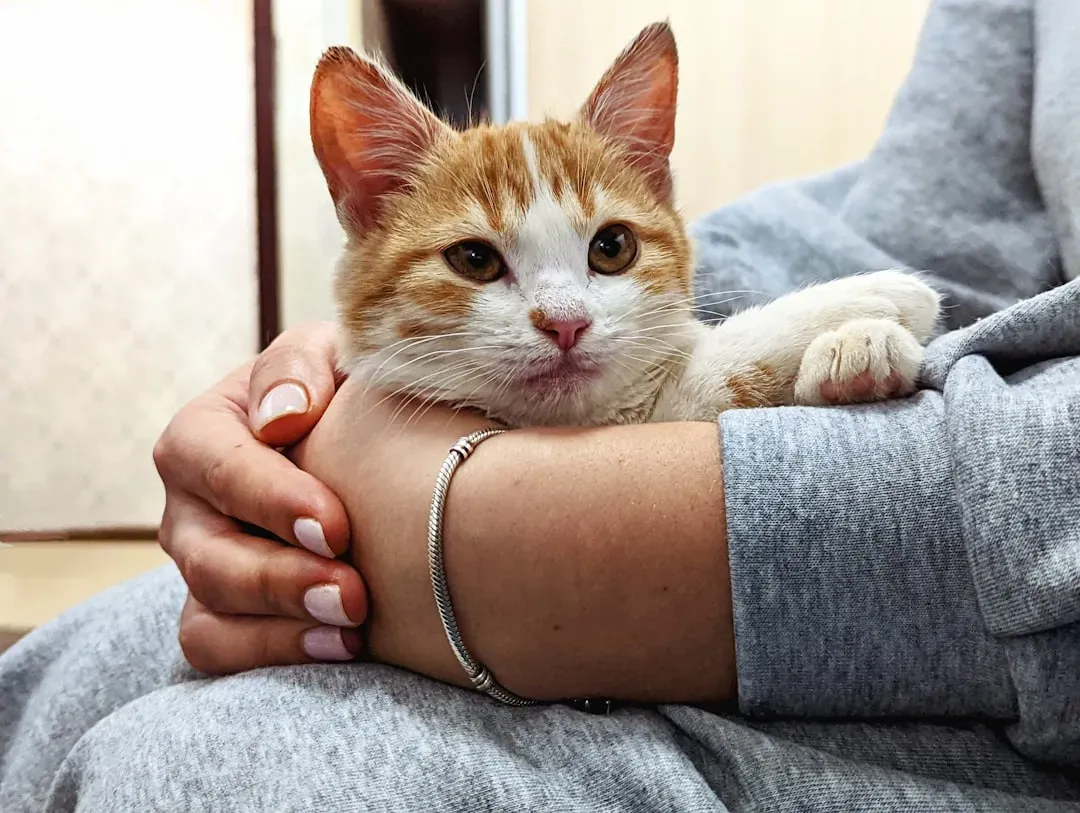
The cat that ran from the vet, hated being held, and swatted at unsolicited hugs – is now leaning into your arms. Most owners assume this means the cat has simply given up. Vets see it differently. A formerly touch-averse cat that now tolerates or actively seeks being held has shifted their internal calculation. Your touch no longer registers as a threat. It registers as necessary.
They are telling you, in the clearest physical language available to them, that the emotional value of your presence now outweighs every instinct they ever had for personal space. Take that surrender gently. Hold them softly. Speak to them in low, calm tones – your voice alone can regulate their nervous system in ways that go beyond comfort into something closer to medicine. Let them choose how long to stay.
#5 – They Lose Interest in Everything Except You
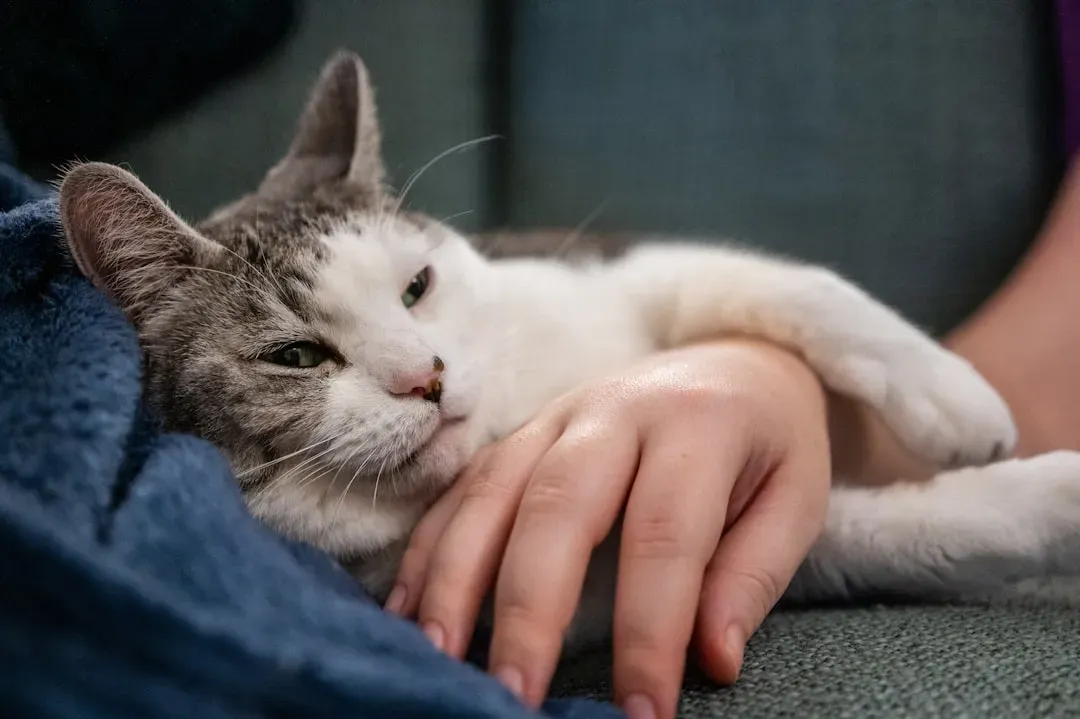
The feather wand does nothing. The treat bag gets ignored. The window perch they once guarded like territory sits empty all morning. But when you sit down on the sofa – they come. Everything else has gone quiet, and you are what’s left.
As a cat’s health deteriorates, they lose interest in toys, treats, play, and stimulation – one by one, the world shrinks. But what many owners notice is that human presence is the last thing to lose its pull. When your cat’s world contracts down to just you, that isn’t diminishment. That’s prioritization. You are the last thing that still lights something up. Be there to light it, every time you can.
#4 – They Show Distress the Moment You Leave
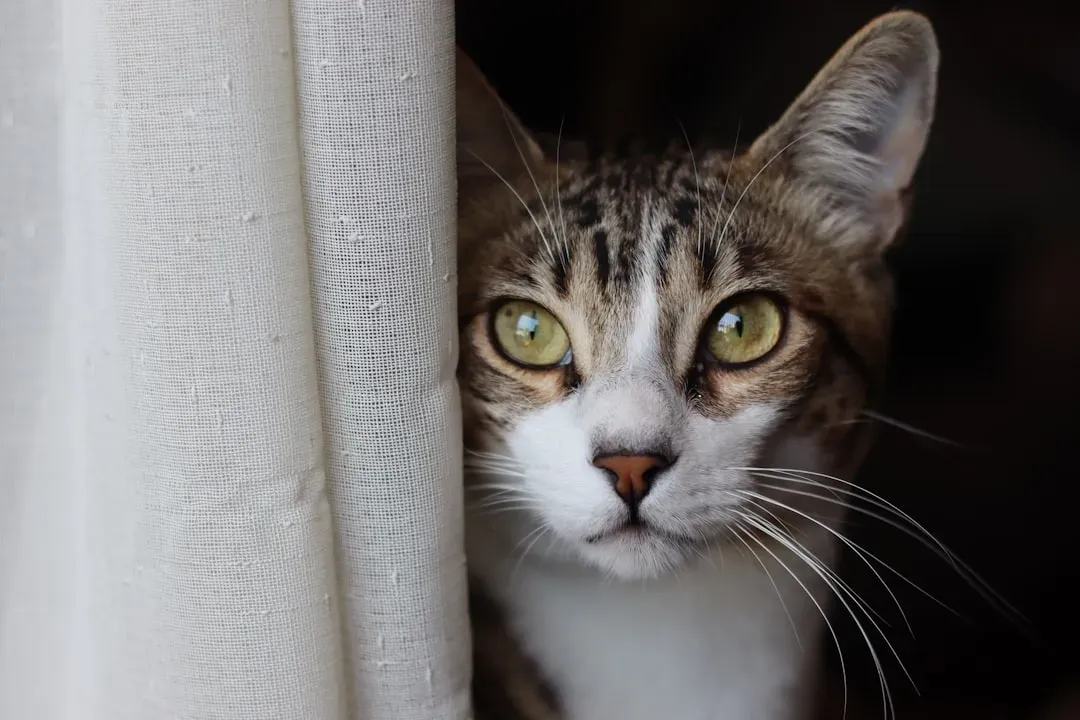
You get up. They stir immediately. You leave the room. They call out. You come back. They settle. This pattern – repeated across days and weeks – is not neediness. It is bonded attachment in its most exposed, unguarded form. And it has a measurable physical basis.
Research has shown that cats deprived of social contact with their primary person show significantly elevated cortisol – the body’s primary stress hormone – compared to cats with normal social contact. For a cat already weakened by illness or age, your absence can register as a genuine physiological stressor. When you return, you aren’t just providing company. You are providing calm that their body cannot produce on its own anymore.
#3 – They Stop Hiding – Even When Every Instinct Says They Should
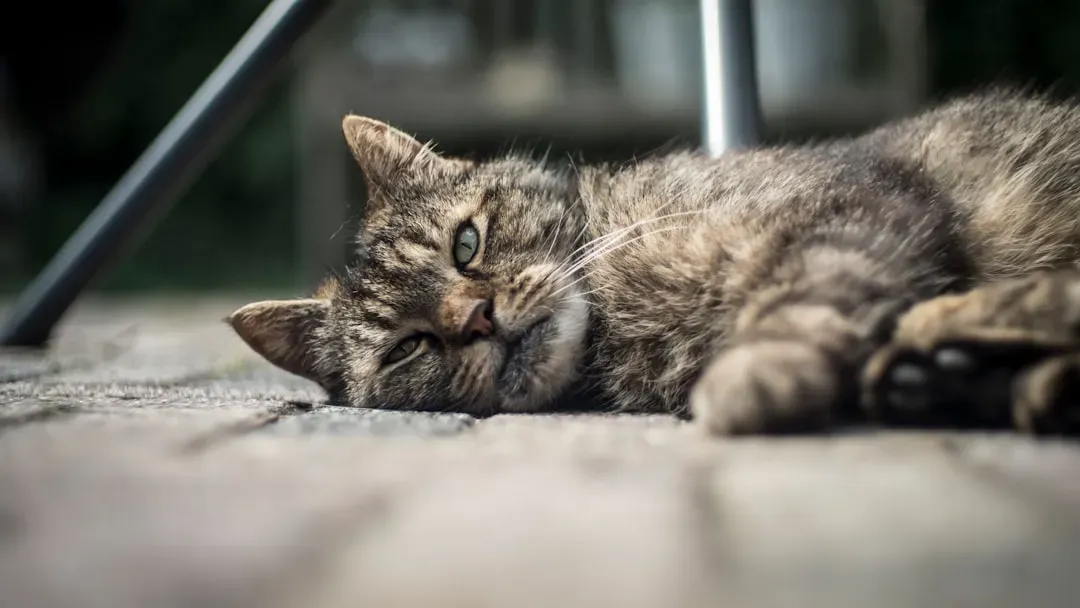
This is the one that surprises people most. Cats instinctively hide when they’re sick or vulnerable. It’s an ancient survival behavior – keeping a weakened animal out of sight, away from predators. It runs deep. So when a seriously ill cat doesn’t hide, when they stay in the open, visible, near you, that is remarkable in a way that’s hard to overstate.
A sick cat that suppresses its own survival instinct in favor of staying close to you is actively overriding biology for the sake of connection. That is an extraordinary act of trust. It may be the most honest thing your cat ever does – choosing your presence over every competing impulse their body sends them. Honor it by staying close in return.
Animals are such agreeable friends – they ask no questions; they pass no criticisms.
George Eliot
#2 – They Rally Briefly – Just Enough to Find You
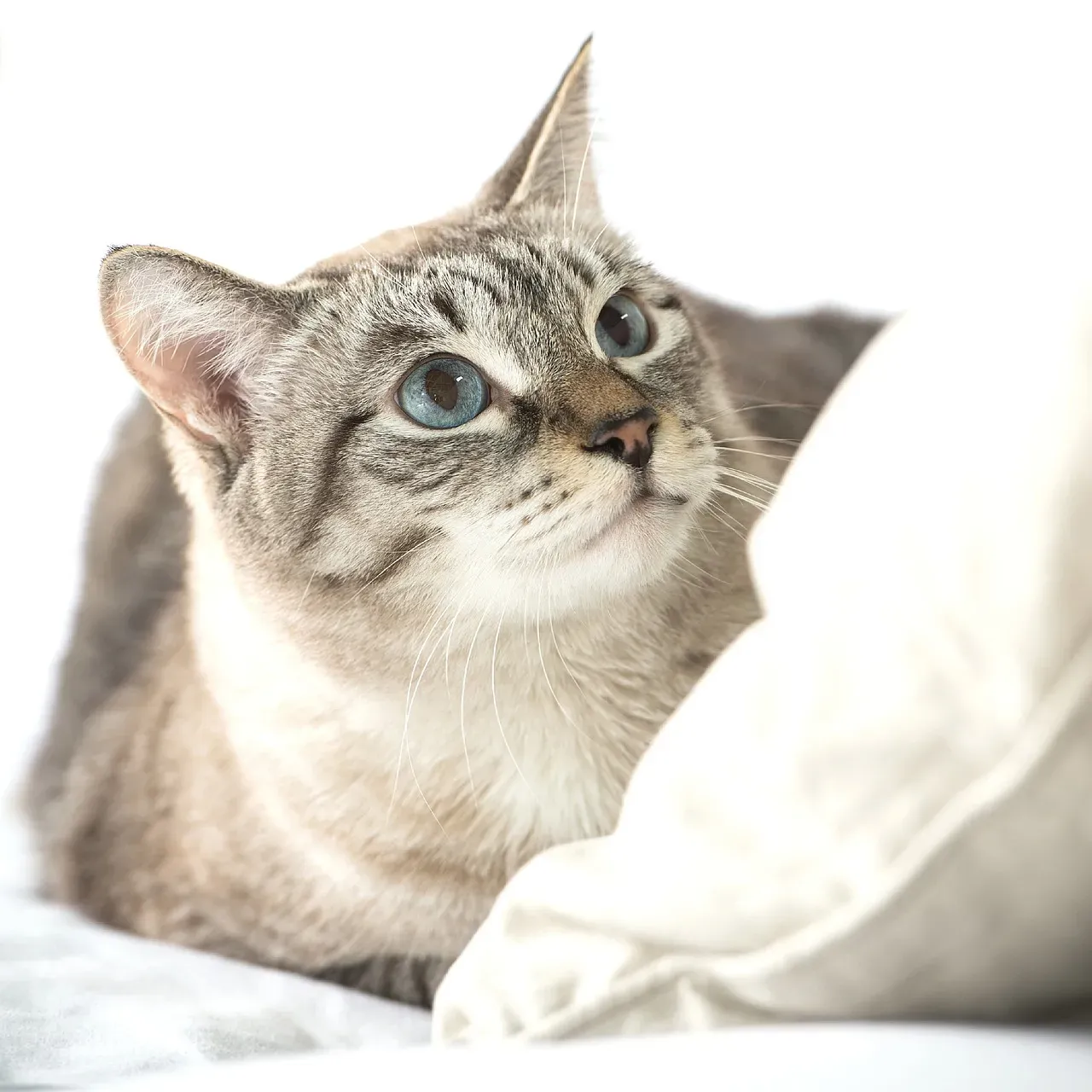
Vets describe something in humans called terminal lucidity – that strange, fleeting window of clarity that sometimes appears near the very end. Something similar has been observed in cats. A cat that had barely moved in days suddenly walks – slowly, unsteadily – to find you on the sofa. Climbs into a lap they had abandoned. Looks up. Owners describe this moment in nearly identical terms, across every breed and every household, and it is almost impossible to hear about without feeling it somewhere in your chest.
That brief rally – that small act of navigation toward you when the body has almost nothing left to give – is the clearest possible expression of a cat holding on specifically for you. If this moment comes, drop everything. Whatever is on your schedule, whatever is on your phone, none of it is more important than the next few minutes. Hold them. Tell them. Be completely present for what they came to find you for.
Why It Stands Out
- A brief rally is not a sign of recovery – it is a window, not a door. Treat it as the gift it is.
- Vets note that a cat’s ability to navigate toward a specific person – even in severe weakness – reflects deep-wired emotional memory, not instinct alone.
- These moments are often irreversible thresholds: owners who were present describe them as among the most meaningful experiences of their lives.
- If your cat rallies to find you, your calm presence matters – speak softly, breathe slowly, let them feel the same safety they always have.
[article_quiz]
#1 – They Stay Alive Longer Than Anyone Expected
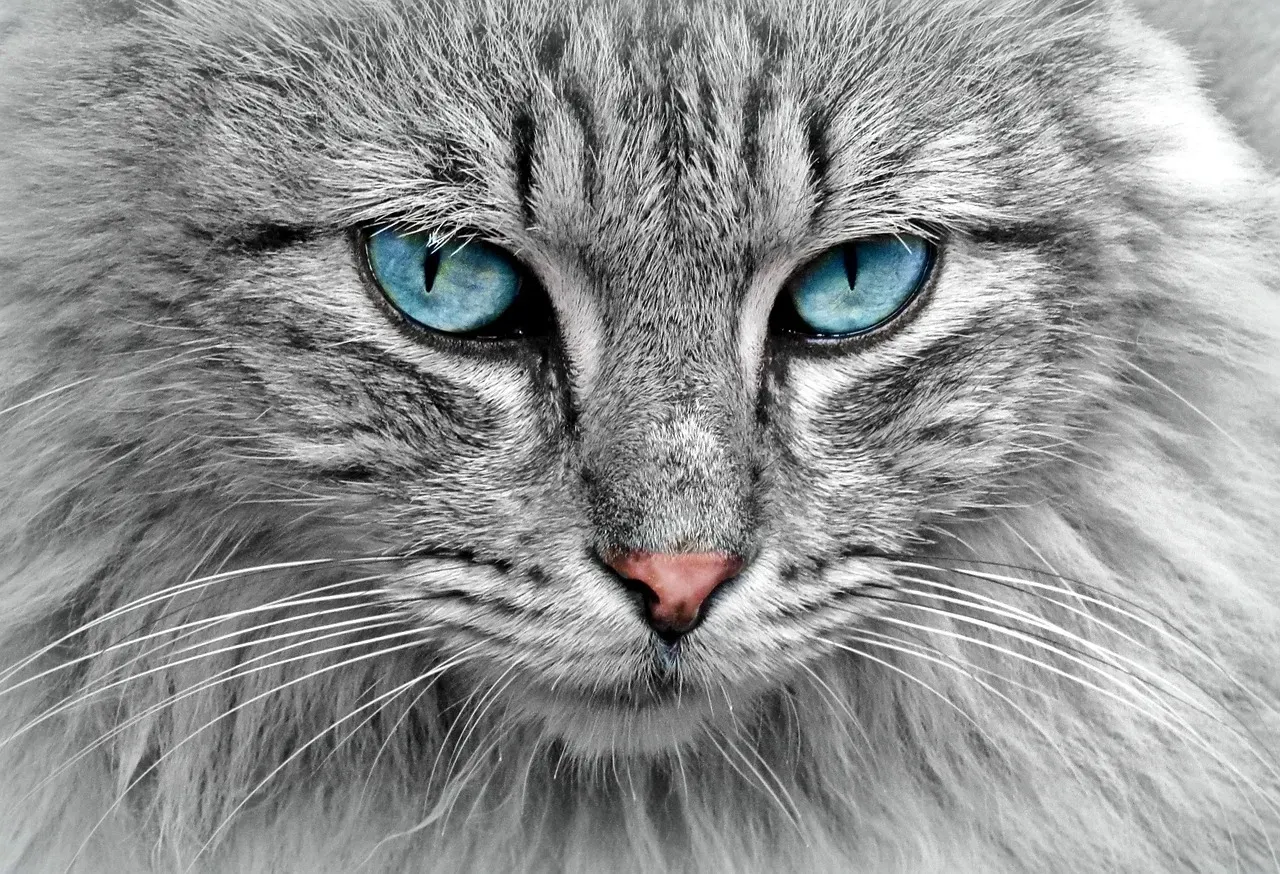
Veterinarians say it with quiet regularity, in exam rooms and in hospice consultations: “We honestly thought we’d lose her weeks ago.” And yet the cat is still there. Still breathing. Still finding you each morning. Still curling into the same warm spot beside you like it’s any other Tuesday. The dying process in cats – even in terminal illness or advanced old age – varies enormously from animal to animal, and some cats outlast every prognosis by a margin that medicine alone cannot fully account for.
The cat who keeps waking up, keeps locating your warmth, keeps purring the moment you speak – is not defying medicine by accident. For years, cats carried the reputation of aloof loners who tolerated humans mainly for food. Research has thoroughly dismantled that idea. The Current Biology attachment study found cats showing measurable distress when separated from their owners and visible relief when reunited – the same pattern seen in securely attached human infants with their caregivers. Your cat is not holding on out of confusion or habit. They are holding on because you are worth holding on for. That is not a small thing. That is everything.
A Final Word
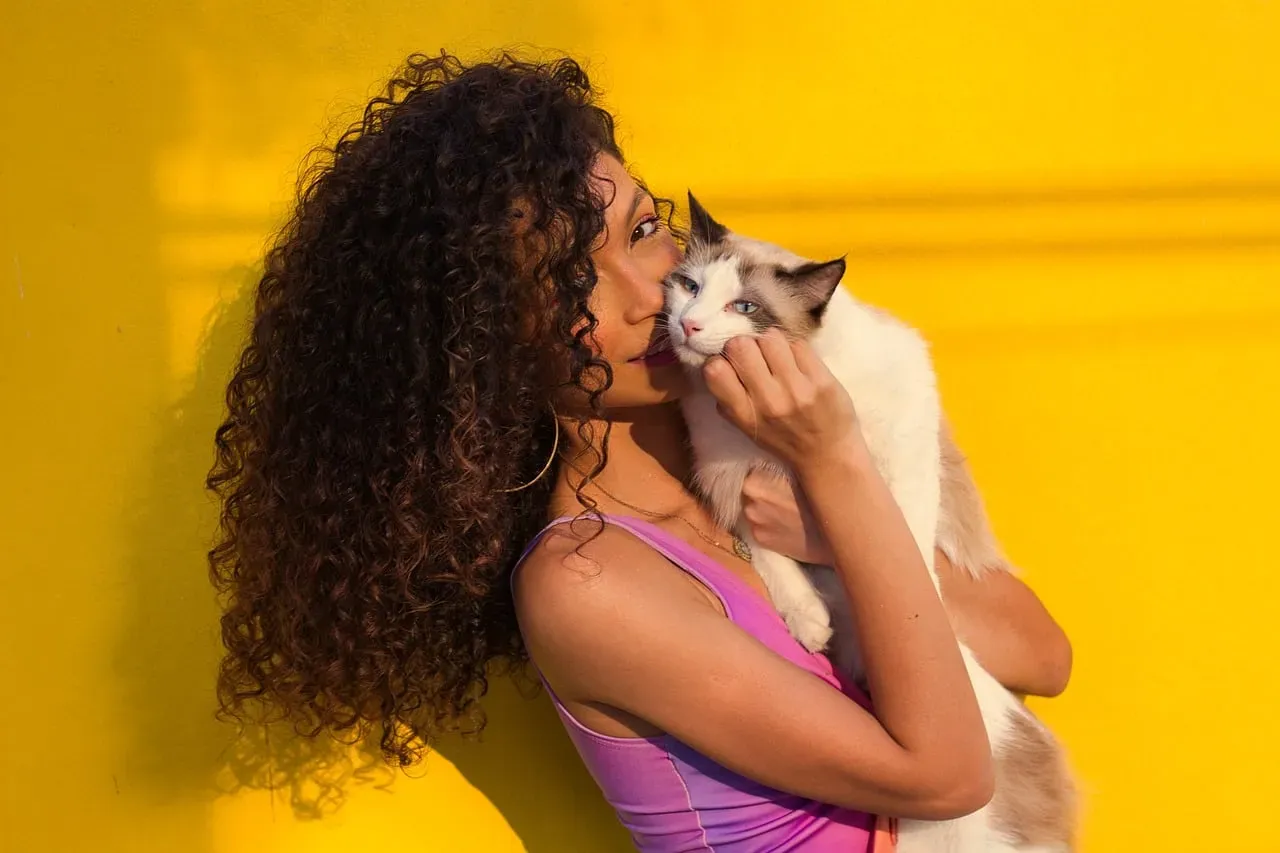
Most people spend years believing their cat barely tolerates them. Then, near the end, the cat follows them everywhere, sleeps pressed against them, rallies one last time to cross a room and climb into their lap – and suddenly the entire relationship snaps into focus. All fifteen of these signs are a cat’s clearest language. Presence is how they say I love you.
If your cat is showing several of these signs right now, don’t waste a single quiet evening. Sit with them. Let them find you. And if you’ve already been through this – if you recognized something in this list that brought someone back to you – share it. Someone reading this right now is in the middle of it and needs to know what they’re seeing is real.

Hi, I’m Andrew, and I come from India. Experienced content specialist with a passion for writing. My forte includes health and wellness, Travel, Animals, and Nature. A nature nomad, I am obsessed with mountains and love high-altitude trekking. I have been on several Himalayan treks in India including the Everest Base Camp in Nepal, a profound experience.