Most people believe cats are indifferent – that they’ll warm up to whoever fills the bowl fastest and couldn’t care less beyond that. Turns out, that’s one of the most persistent myths in pet ownership. Research into feline attachment behavior reveals that cats run a quiet, complex internal evaluation of every person in their world, weighing scent, energy, consistency, communication, and emotional safety before awarding that rare, precious designation: their person. It’s deliberate, it’s layered, and once you understand how it works, being chosen by a cat feels like an entirely different honor.
What’s even more striking is how many people are being chosen – and have absolutely no idea why. The reasons aren’t obvious, and a few of them will genuinely change how you see every interaction you’ve ever had with a cat. Here’s what the science and the behavior research actually say, ranked from the broad foundation all the way down to the single most powerful force of all.
#15 – Cats Are Hardwired to Bond Selectively, Not Broadly
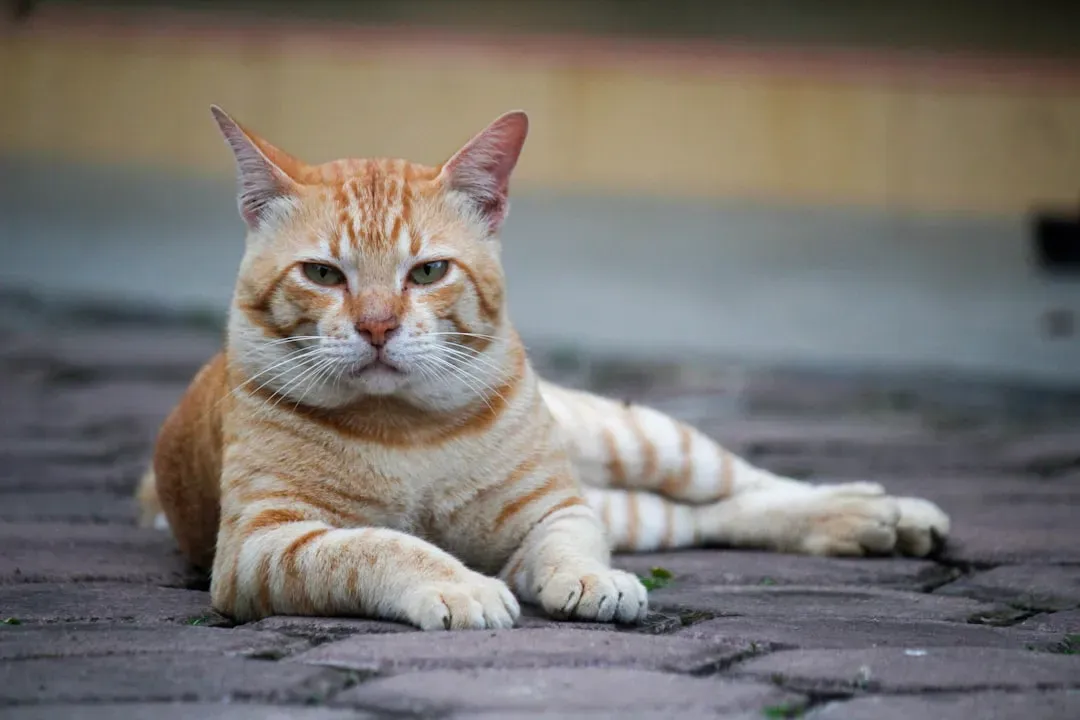
Most people assume cats are loners who occasionally tolerate humans. That misreads the entire species. Cats often form a primary bond with one specific person in a household, even when they’re perfectly friendly toward everyone else – and that bond is chosen, not assigned.
Unlike dogs, who tend to spread affection broadly across a household, cats pay close attention not just to what we do, but how we do it. They form relationships based on how safe, predictable, and respected they feel around a specific person. That selectivity isn’t a quirk – it’s the entire foundation that every other factor in this list is built on.
Fast Facts
- Research by Oregon State University found that about 65% of both kittens and adult cats are securely bonded to their caregivers – mirroring the exact rate seen in human infants.
- Cats adjust their behavior based on how much attention a specific person gives them – the relationship is actively shaped by interaction, not just proximity.
- A 2017 study found the majority of both pet and shelter cats preferred interacting with a person over eating food or playing with a toy.
- Secure attachment in cats remains stable over time – even after socialization training, attachment styles don’t significantly shift.
#14 – It Started 12,000 Years Ago: The Biological Roots of the Favourite-Human Bond
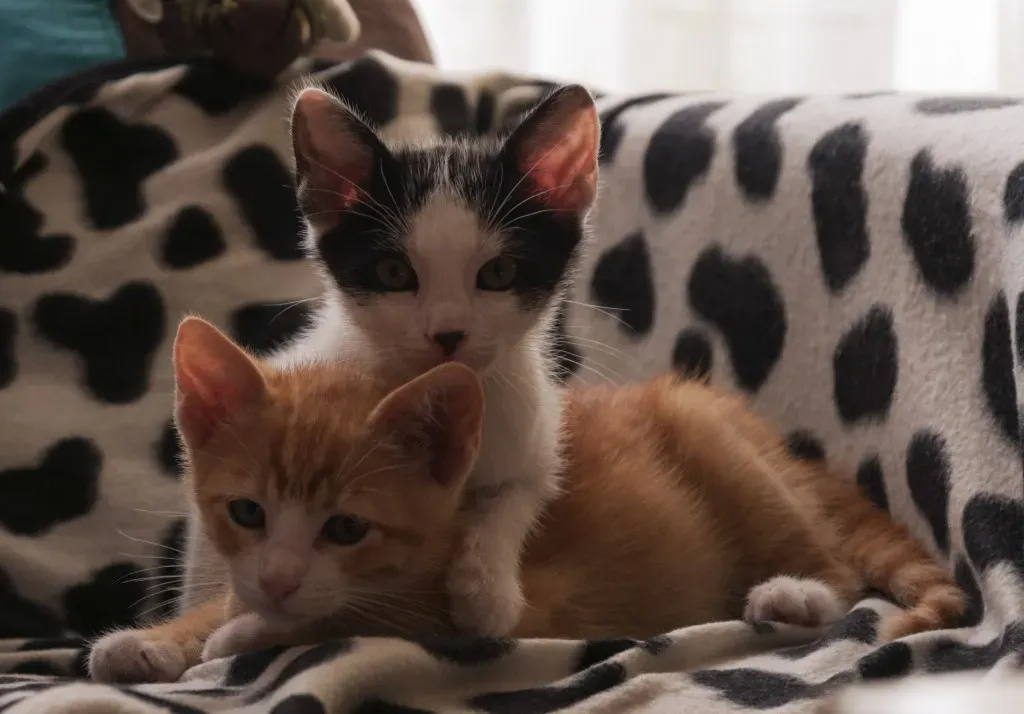
Before personality or routine even enter the picture, there’s a deeper origin story at work – one that goes back millennia. Around 12,000 years ago, cats’ wild ancestors essentially domesticated themselves when they discovered that humans were an excellent source of food and shelter. That ancient reliance is directly connected to why domestic cats today still tend to anchor their world around one trusted person.
The preference isn’t random. It echoes a survival strategy encoded across thousands of generations. The modern cat choosing a favourite human is, in a very real sense, running the same ancient calculation its ancestors ran at the edge of the first human settlements – who here is worth trusting with my survival?
#13 – The Critical Window: What Happened in Their First Seven Weeks Shapes Everything
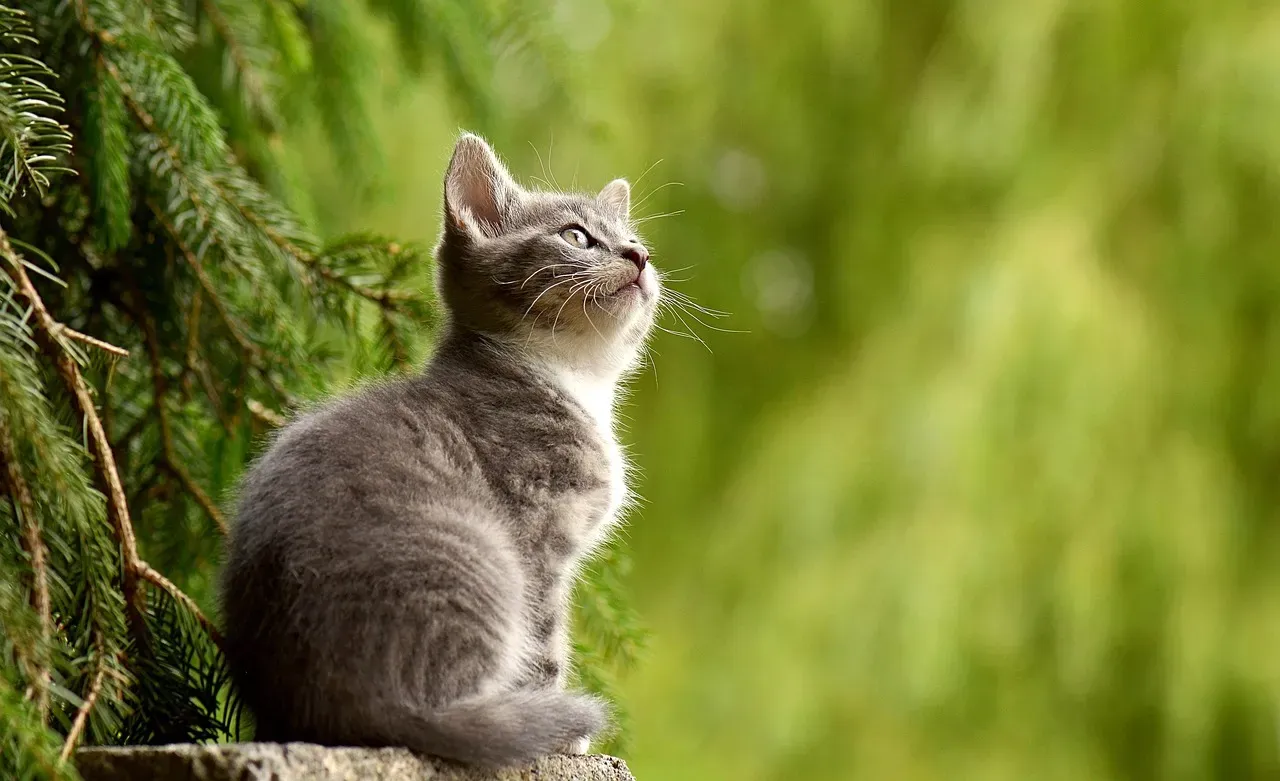
Here’s something most cat owners never learn until it’s too late to change: the first weeks of a kitten’s life are arguably the single most powerful bonding force in their entire existence. Between roughly two and seven weeks old, kittens go through a critical socialization window – and whoever shows up consistently during that time holds a lifelong advantage no latecomer can fully overcome.
Kittens who receive regular handling and positive exposure to different people, sounds, and environments during those weeks grow into confident, human-bonded cats. Kittens without that exposure become guarded, suspicious, or fearful – not out of stubbornness, but out of a neural wiring that set before they were old enough to choose otherwise. The person present in those early weeks often becomes the template for what “safe human” means – forever.
At a Glance: The Kitten Socialization Timeline
- 2–7 weeks: Primary socialization window – the single most impactful period for human bonding.
- 3 weeks: Self-play and social play with littermates begins; kittens start forming their first social impressions.
- 5 minutes a day of handling by multiple people during this window has documented lifelong benefits.
- 9–16 weeks: A secondary socialization window exists, but imprints less deeply than the primary one.
- By 4 months, kittens become increasingly wary of unfamiliar experiences – the window is effectively closing.
#12 – Scent Is Your Cat’s Secret Identity Check
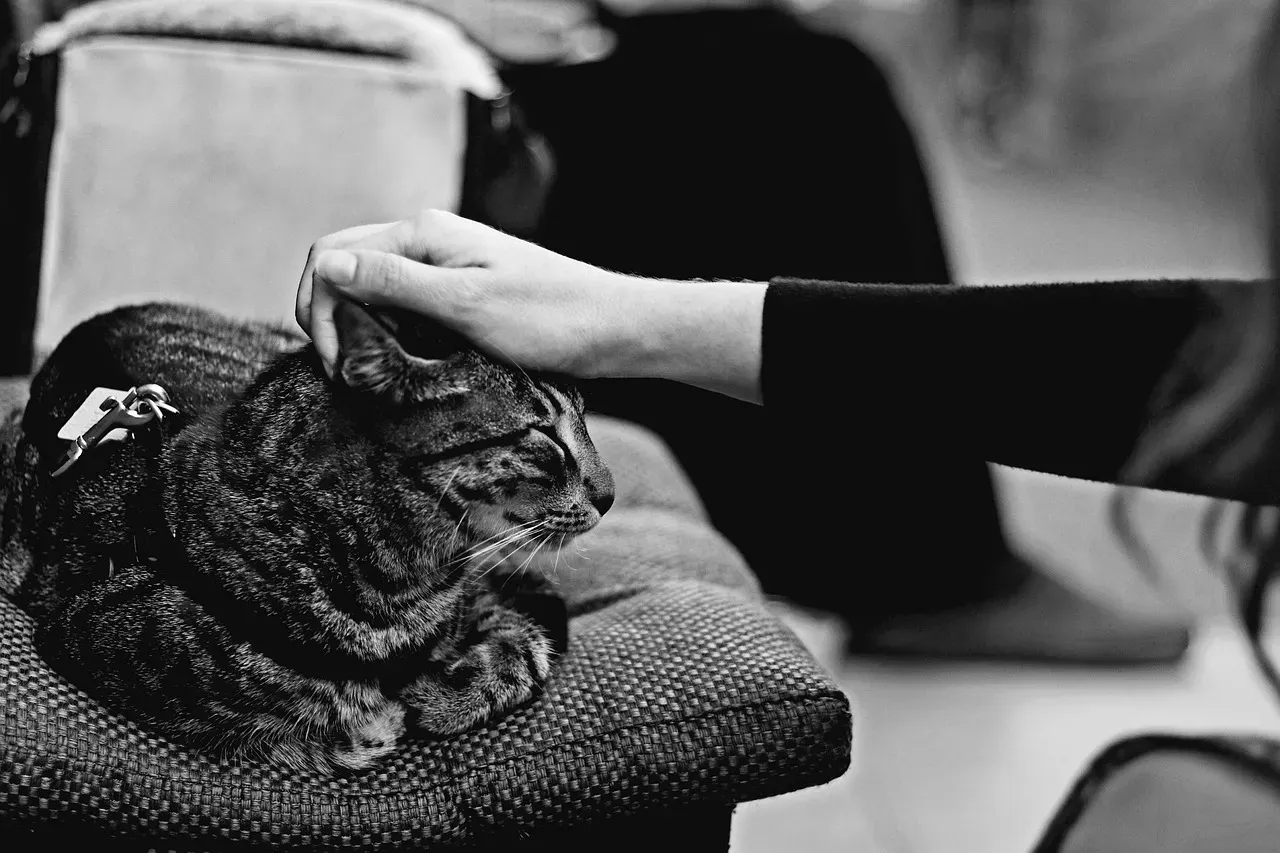
You think your cat is just rubbing against your leg affectionately. They’re actually filing your scent into a biological database and using it to decide whether you’re safe. Cats rub against humans to deposit facial pheromones that integrate the human into their social group – the same scent-bonding mechanism they use with other cats they trust in the wild.
Scent recognition is one of the quietest but most powerful factors in feline bonding. Cats rely heavily on smell to identify who is familiar and calming to them – which is exactly why a bonded cat will sleep on one person’s clothing, their pillow, or their side of the bed. If your cat is napping on your unwashed laundry, that’s not bad manners. That’s devotion expressed in the oldest language cats have.
[article_quiz]
#11 – Your Personality Has to Match Their Energy
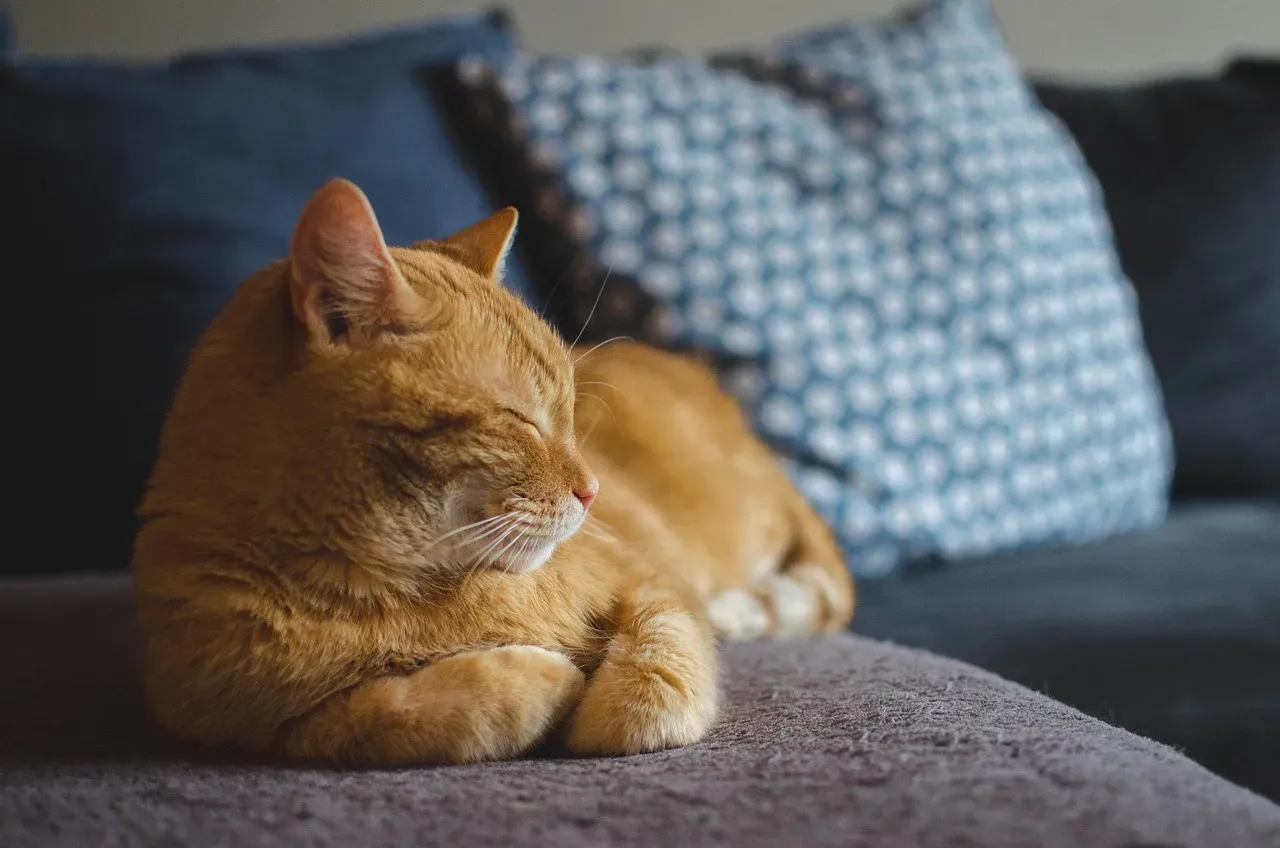
Cats don’t pick randomly from the available humans. They run a temperament assessment, and they’re surprisingly accurate about it. A calm, low-key cat will gravitate toward the quietest person in the room almost every time. A high-energy, playful cat will seek out whoever matches that restlessness with actual engagement – toys, movement, presence.
In a very real sense, a cat is choosing a personality mirror. The alignment isn’t accidental. A cat who bonds with someone whose energy clashes with theirs will stay politely distant no matter how much effort that person puts in. The ones who get chosen aren’t always the ones who tried hardest – they’re the ones who happened to already be what that particular cat needed.
#10 – Routine Is One of the Most Underrated Bonding Tools
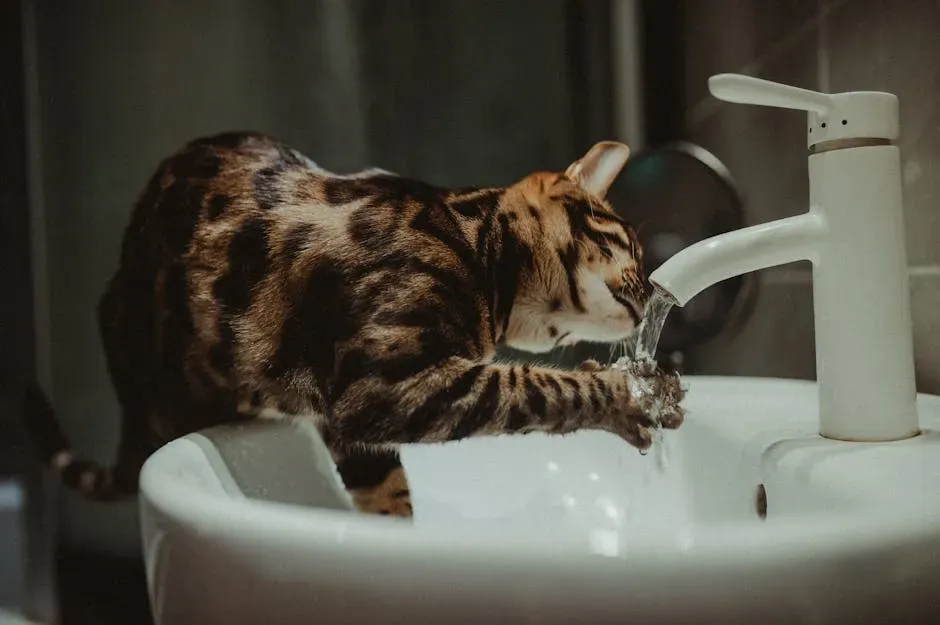
Nobody talks about this one enough. Your cat isn’t just attached to you – they’re attached to the you that shows up at the same time every single day. Cats are drawn to people with predictable schedules. Consistency signals safety. To a cat’s nervous system, an unpredictable person is, on some ancient instinctual level, a slightly unreliable one.
The person who feeds at 7 a.m. sharp, plays at the same window each evening, and moves through the house on a recognizable rhythm isn’t just convenient – they are, to the cat, the most reliable and therefore most loveable thing in the household. Routine isn’t boring to a cat. It is the single clearest signal that a person can be trusted.
#9 – Interaction Style Matters More Than Effort Level
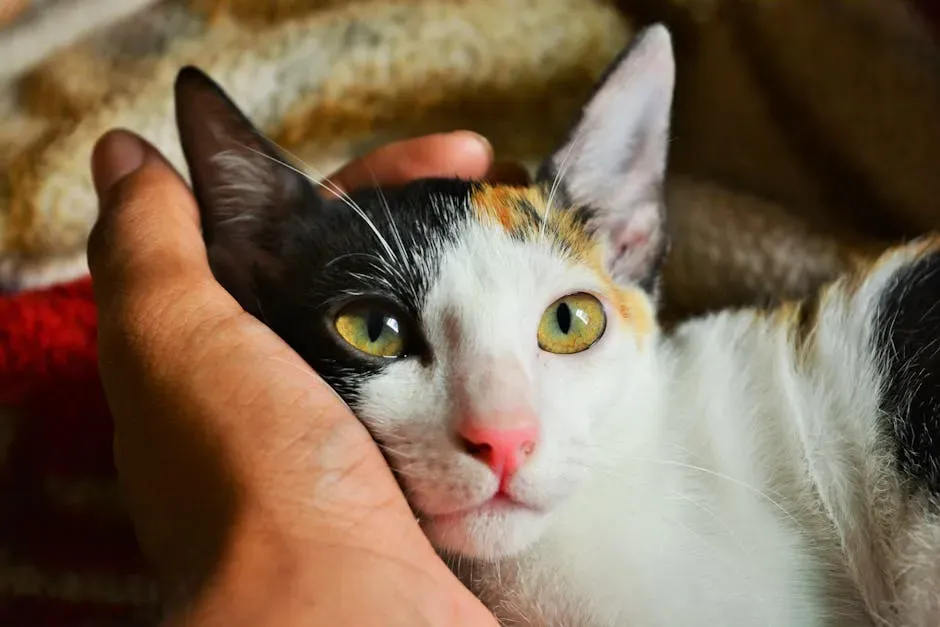
Here’s the one that genuinely shocks people: working hardest to win a cat’s affection is often the fastest route to losing it. Cats gravitate toward people who move calmly, speak softly, and don’t force contact. Someone who lets the cat initiate affection is far more appealing than someone who scoops them up uninvited. To a cat, being given a choice matters enormously.
This is why some cats seem preternaturally drawn to the one person in the room who isn’t trying – the guest who sits quietly, doesn’t reach out, and lets the cat come to them. It can look like indifference. To the cat, it looks like respect. The irony is almost cruel, but it reveals exactly how cats evaluate humans: not by enthusiasm, but by how well you honor their boundaries.
Quick Compare: What Wins a Cat’s Affection vs. What Pushes It Away
- ✅ Letting the cat initiate contact | ❌ Reaching for or scooping up uninvited
- ✅ Calm voice and slow movements | ❌ Loud, sudden, or excitable energy
- ✅ Sitting quietly and letting them approach | ❌ Hovering, pursuing, or over-engaging
- ✅ Respecting when the cat walks away | ❌ Prolonged holding or restraint
#8 – The Language of Slow Blinks and What It Really Means
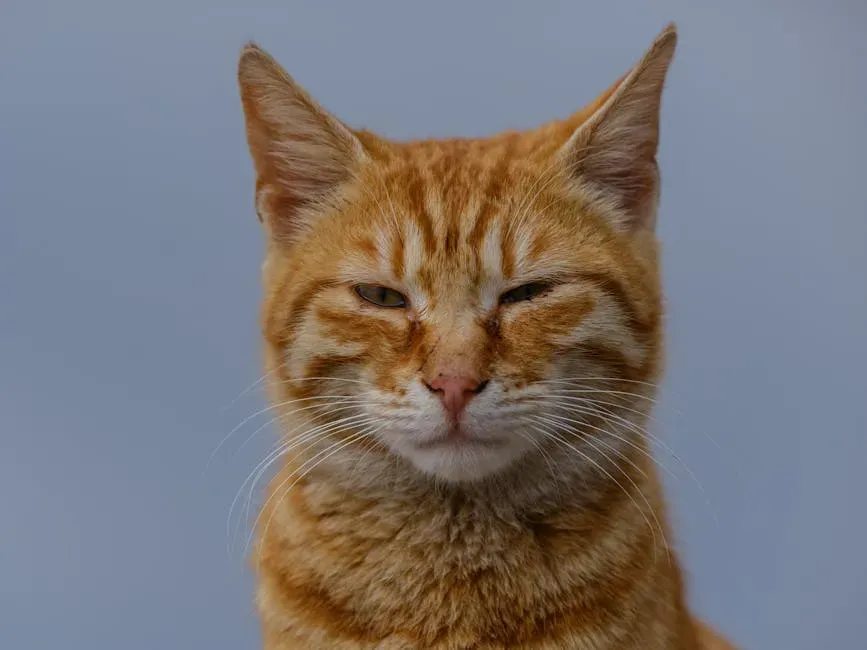
Forget the meowing and the purring for a moment. The single most intimate thing a cat can say to you requires no sound at all. In feline body language, a slow blink communicates safety and trust – while a hard, unbroken stare is actually a challenge. When your cat slow-blinks at you from across the room, they are saying, in the clearest terms their species has: I feel safe enough with you to lower my guard. For a prey-aware animal, that’s enormous.
Most people never try mirroring it back. The ones who do are usually stunned at how quickly a formerly distant cat begins to warm up. Respond to a slow blink with a slow blink of your own, and you’re not being silly – you’re speaking their language instead of expecting them to learn yours. That shift alone can change the entire dynamic of a relationship. A University of Sussex study found that cats are not only more likely to slow-blink back when humans initiate it – they will also preferentially approach people who slow-blinked at them over those with neutral expressions.
#7 – Cats Form Attachment Bonds Like Human Infants – This Is Not a Metaphor
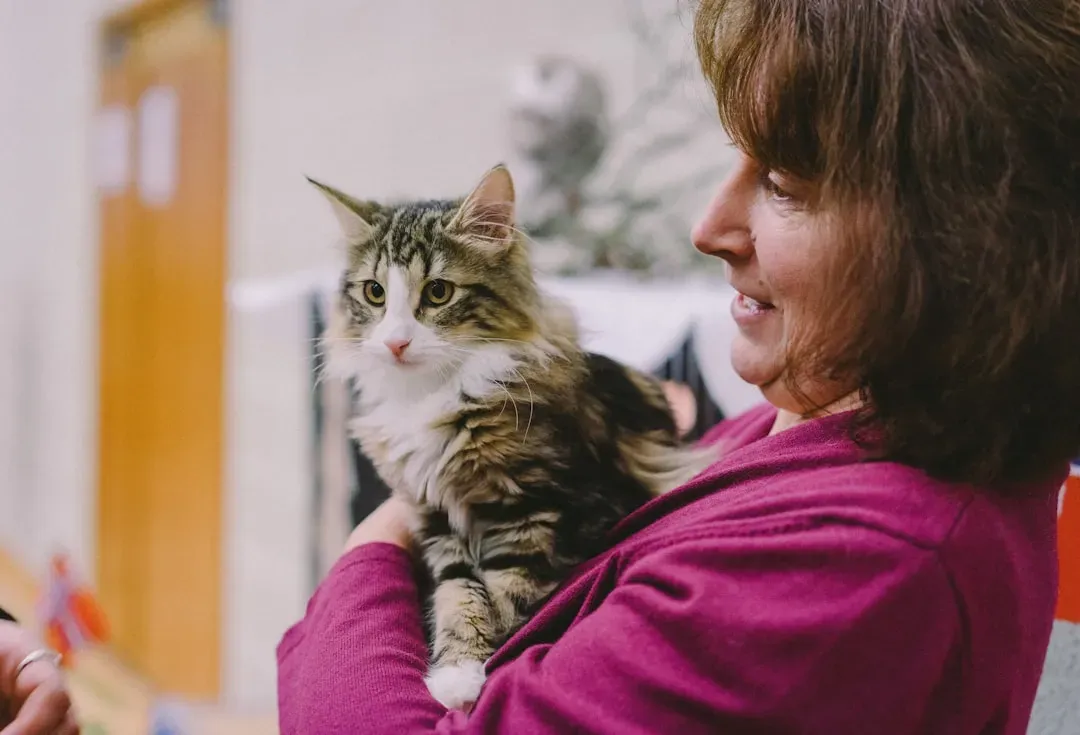
For years, scientists assumed attachment theory – the framework built around how babies bond with caregivers – applied only to primates and dogs. Cats quietly proved everyone wrong. Research putting cats through a feline version of the Ainsworth Strange Situation Test found that cats display attachment behaviors toward their owners strikingly similar to those of one- and two-year-old children: more playful and communicative with their person present, more withdrawn and door-focused when left with strangers.
The cat is not a small dog. It is not a mini-human. It is a cat – and that is reason enough to try to understand it on its own terms.
Jackson Galaxy, cat behaviorist and author
A securely attached cat behaves around their chosen person the way a toddler behaves around a trusted parent – seeking proximity, using them as a safe base, settling noticeably in their presence. This isn’t cute anthropomorphism. It’s documented, peer-reviewed science. The cat who waits for you by the door every evening isn’t being dramatic. They’re being measurably, deeply attached.
#6 – Why Cats Sometimes Choose the “Wrong” Person in the Room
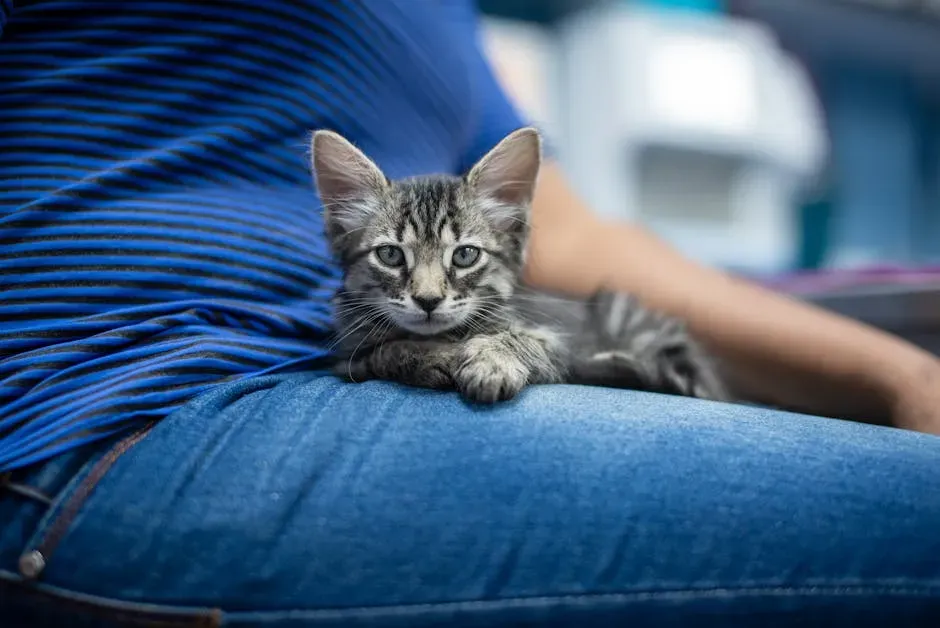
If you’ve ever watched a cat ignore its devoted owner and walk directly into the lap of the one guest who’s allergic, you’re not imagining the injustice – and there’s an actual explanation. Cats who dislike being held or overwhelmed will seek out the person giving them the most space. The allergic guest isn’t leaning over the cat, reaching for it, or baby-talking at it from two inches away.
To the cat, that restraint reads as ideal company. The devoted owner hovering nearby, hoping to be chosen, is sending every wrong signal. The guest trying their hardest not to touch the cat is accidentally sending every right one. It’s not personal. It’s a very logical, very consistent system – the cat just never thought to explain the rules.
#5 – Past Trauma and Negative Experiences Rewire the Selection Process
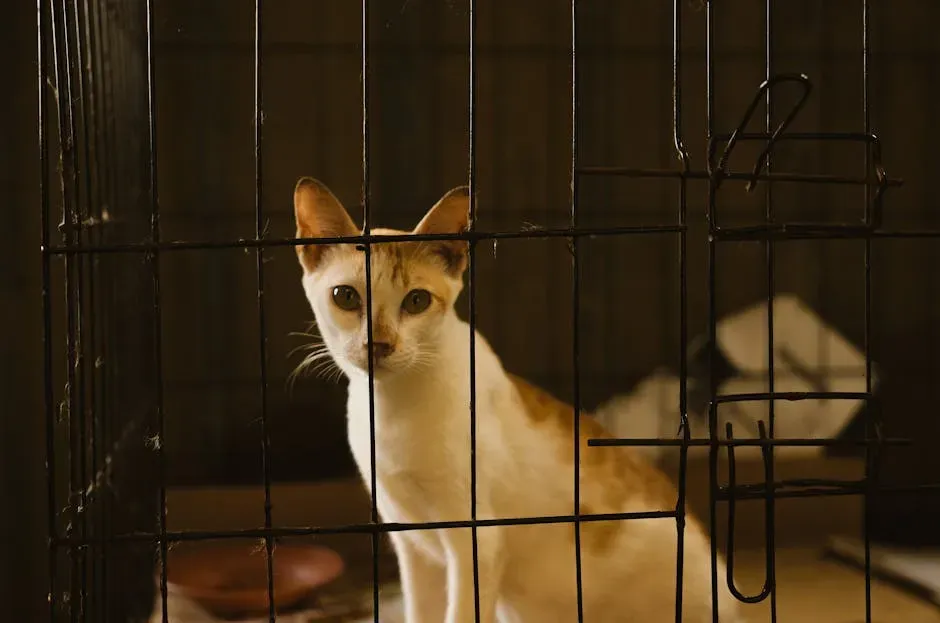
Rescue cats and cats with difficult histories aren’t broken. They’re operating from a completely different – and completely logical – set of internal rules. If a cat had negative experiences involving a certain type of person, voice pattern, or movement style, they’ll carry that wiring forward. It’s not stubbornness. It’s self-protection running on memory.
Understanding this is the difference between a frustrated owner who feels rejected and a patient one who eventually earns a bond no one else could. Rescue cats who finally choose someone are doing something genuinely brave – overriding fear with accumulated evidence that this particular human is different. When that choice comes, it tends to be total. And it tends to last.
#4 – Certain Breeds Are Wired to Go All-In on One Person
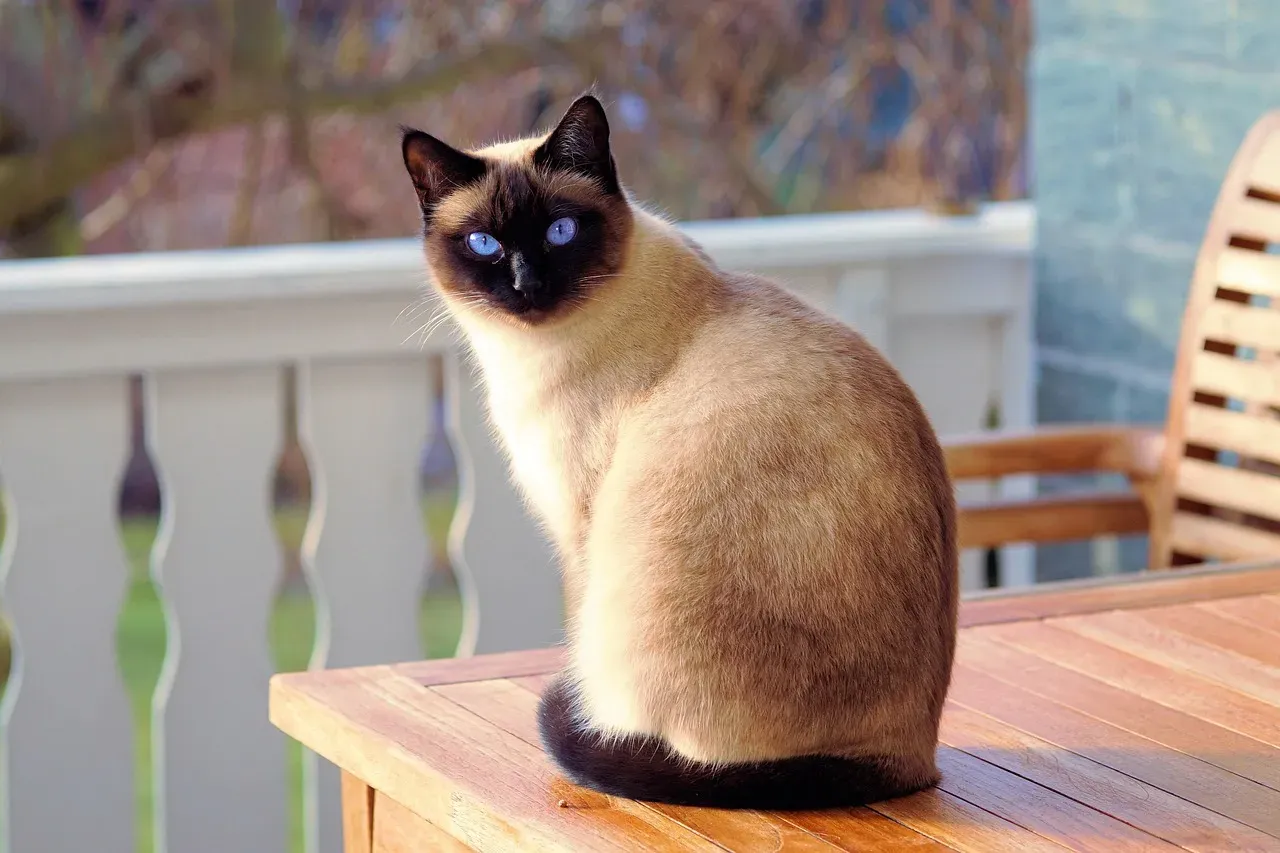
While any cat of any breed can form a deep single-person attachment, some are essentially engineered for it – and if you own one of these breeds, “choosing a favourite” is less of a tendency and more of a certainty. Siamese cats are particularly known for intense one-on-one bonding, often shadowing their chosen person from room to room and using their famously vocal nature to maintain a near-constant conversation with them.
Ragdolls often choose a single human as their emotional anchor, following them throughout the home and greeting them at the door – quietly but devotedly. Russian Blues form deep connections with one person while remaining reserved or shy around everyone else in the household. The point isn’t that mixed-breed cats bond less deeply – they absolutely don’t. It’s that if you share your home with a Siamese and it has chosen you, there’s no ambiguity involved. You have been formally, permanently claimed.
Worth Knowing: One-Person Bonding by Breed
- Siamese: Intense single-person loyalty; highly vocal with their chosen human; does poorly when ignored for long periods.
- Ragdoll: Follows their chosen person room to room; greeting at the door is a signature behavior; gentle rather than demanding.
- Russian Blue: Forms a deep bond with one person while remaining shy or distant around unfamiliar people.
- Burmese: Classic “Velcro cat” – shadows their favourite human and insists on being part of daily life.
- Maine Coon: Quietly chooses one person as an emotional anchor; shows loyalty through steady presence rather than neediness.
#3 – The Signs Your Cat Has Chosen You (Some Are Surprisingly Subtle)
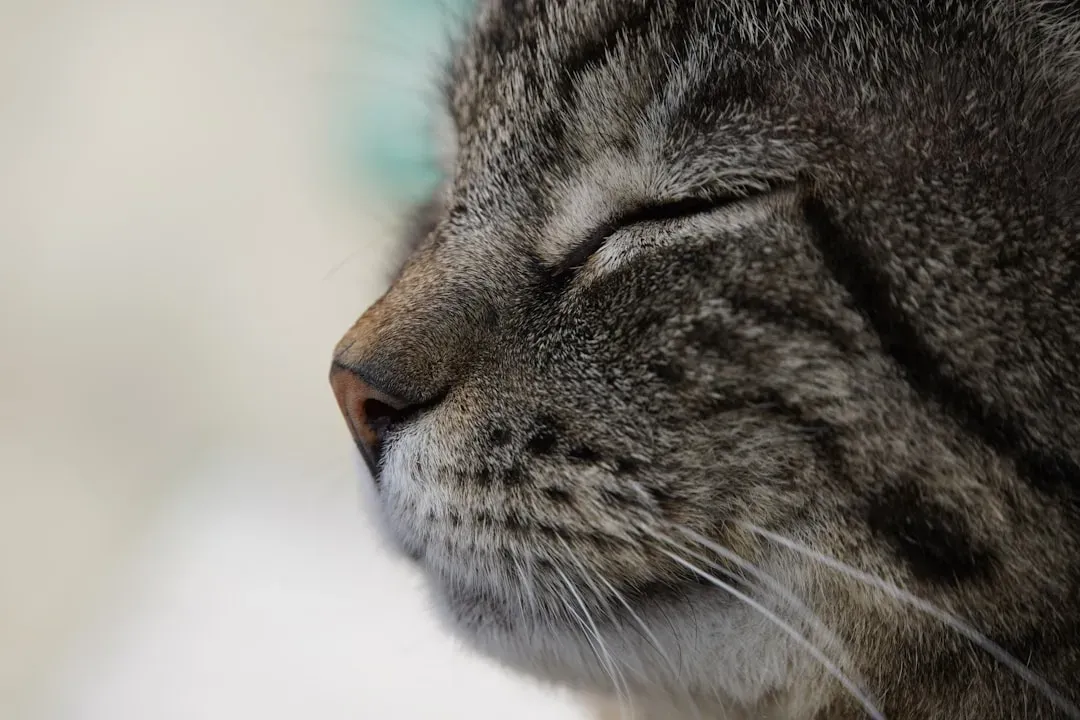
People often miss the quieter signals entirely. Cats don’t always announce their attachment with dramatic leaps into your arms. Sometimes they whisper it. A cat who sits near you without touching, slow-blinks from across the room, or reliably settles within arm’s reach each evening is expressing deep trust – even if it looks like nothing at all.
The louder signals are easier to read: sleeping on your head, pressing a paw to your face, following you from room to room, vocalizing specifically to get your attention, or presenting you with a toy as a gift. These aren’t random. They are deliberate acts of inclusion – a cat’s way of saying you are part of their world in a way no one else quite is. The cat that parks itself three feet from you every single night isn’t being aloof. It’s being specifically, intentionally close to you.
Why It Stands Out: Signs You’ve Been Chosen
- Slow blink from across the room – the feline equivalent of “I love you.”
- Head bunting (rubbing their face on you) – they’re depositing pheromones to mark you as safe and theirs.
- Belly exposure – the abdomen is a cat’s most vulnerable area; showing it signals profound trust.
- Grooming you – mutual grooming is reserved only for cats a feline fully accepts into their social circle.
- Consistent proximity without contact – sitting 2–3 feet away, every evening, is intentional closeness disguised as aloofness.
- Bringing you “gifts” – prey offerings are acts of deliberate inclusion in their world.
#2 – How Women and Men Are Chosen Differently – What the Research Found
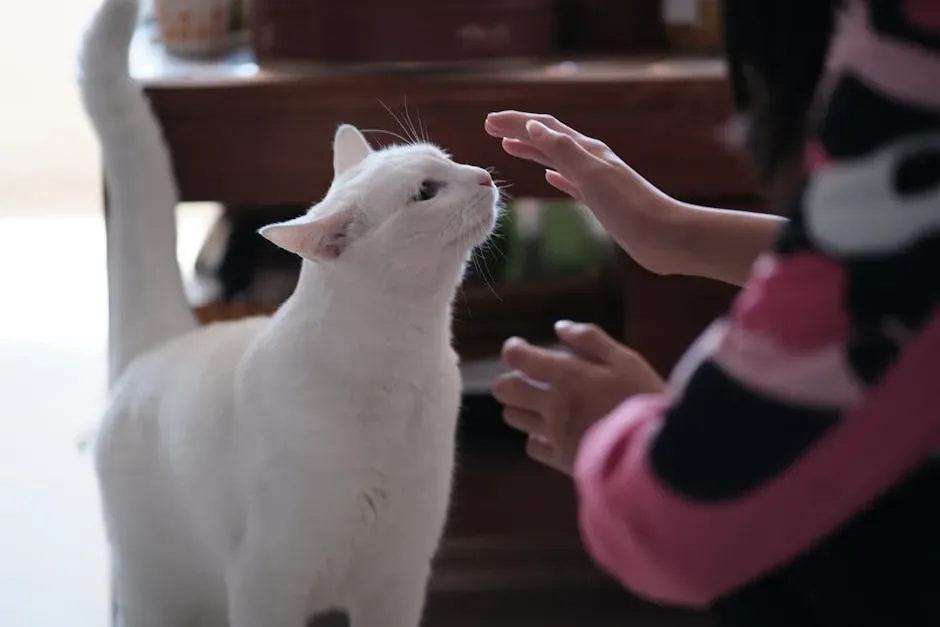
This one surprises people. It turns out gender plays a measurable, documented role in how cats assign their top spot. Research has shown that women tend to engage in a higher number of tactile interactions with cats than men – more gentle touches, more initiated contact, more responsiveness to the cat’s signals – which statistically makes it more likely for a cat to name a woman as their favourite person.
That said, individual effort matters far more than any group average. According to research by the pet nutrition company Canadae, the person who makes the most consistent effort to understand a cat’s cues and communicate on the cat’s terms is the one who earns the top spot – regardless of gender, age, or how long they’ve lived in the house. Effort, empathy, and attention beat demographics every single time.
[article_quiz]
#1 – Trust Is the Final Currency – And It Cannot Be Rushed
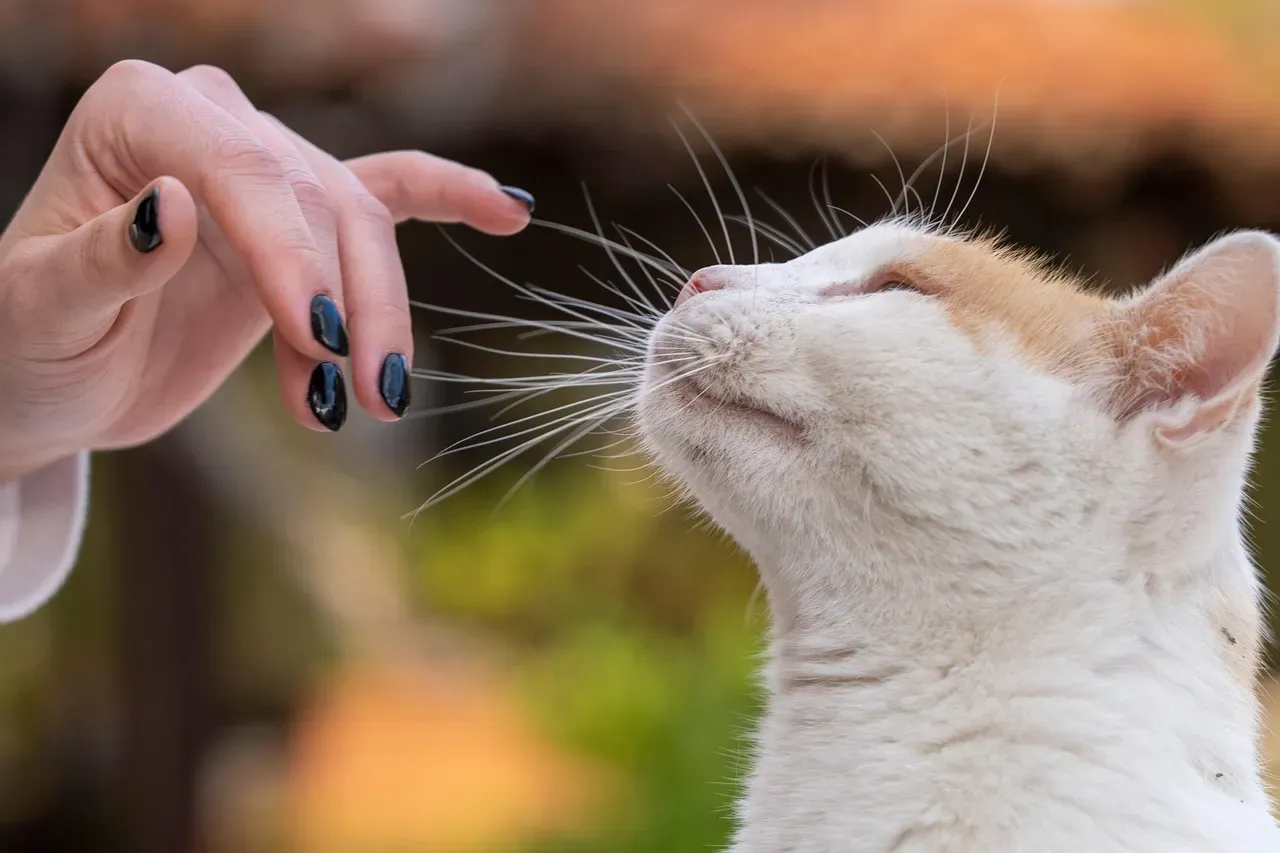
Every factor in this list – the scent, the routine, the energy match, the interaction style, the slow blinks, the patience with trauma – is just a different path toward one thing: trust. And trust, in the feline world, is the rarest and most valuable currency there is. Cats may form exclusive bonds with only one person precisely because the process of learning to trust is genuinely slow, and they take it seriously.
There are no shortcuts. No tricks that reliably work. Just time, consistency, and a willingness to show up the same way, day after day, without pressure or performance. When a cat finally chooses you – not because you fed it first, but because you earned it – that is not a small thing. That is one of the most deliberately, earnestly given forms of love any living creature can offer another. The cat had options. It picked you anyway.
The Bottom Line
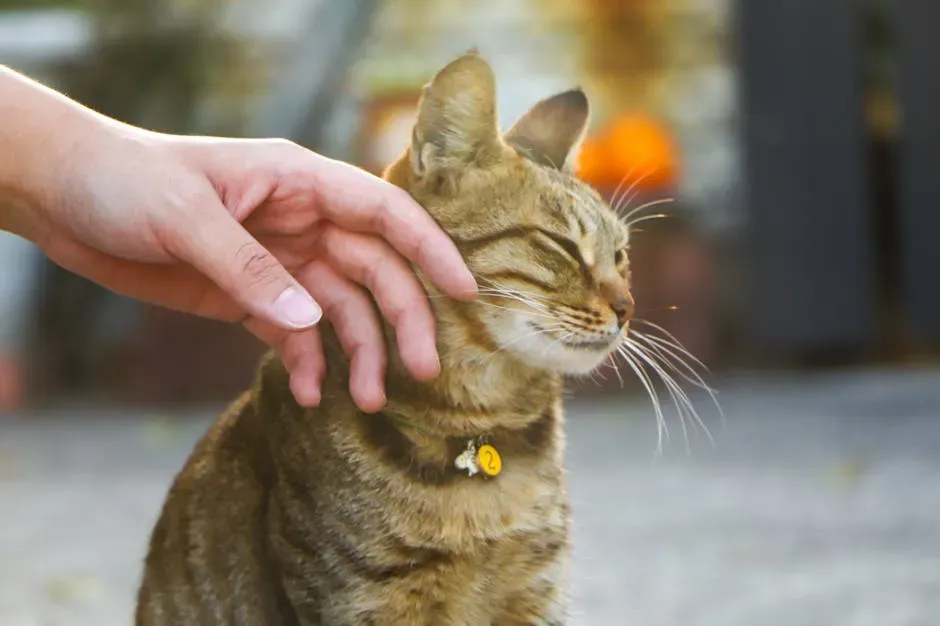
Cats don’t choose their favourite person by accident, whim, or bowl placement alone. They run a quiet, layered evaluation built on scent familiarity, early-life experience, personality alignment, consistent routine, respectful interaction, and – above everything else – earned trust. The science is clear: feline attachment is real, measurable, and in many ways mirrors how human infants bond with caregivers. The cat curled on one person’s lap in a room full of people isn’t being rude to everyone else. It’s being precise.
The person who gets chosen is the one who learned to listen in a language most humans never bother to study. Which of these surprised you most – and does it change how you see your own cat?

Hi, I’m Andrew, and I come from India. Experienced content specialist with a passion for writing. My forte includes health and wellness, Travel, Animals, and Nature. A nature nomad, I am obsessed with mountains and love high-altitude trekking. I have been on several Himalayan treks in India including the Everest Base Camp in Nepal, a profound experience.