Cat Behavior Clues That Flag Health Concerns
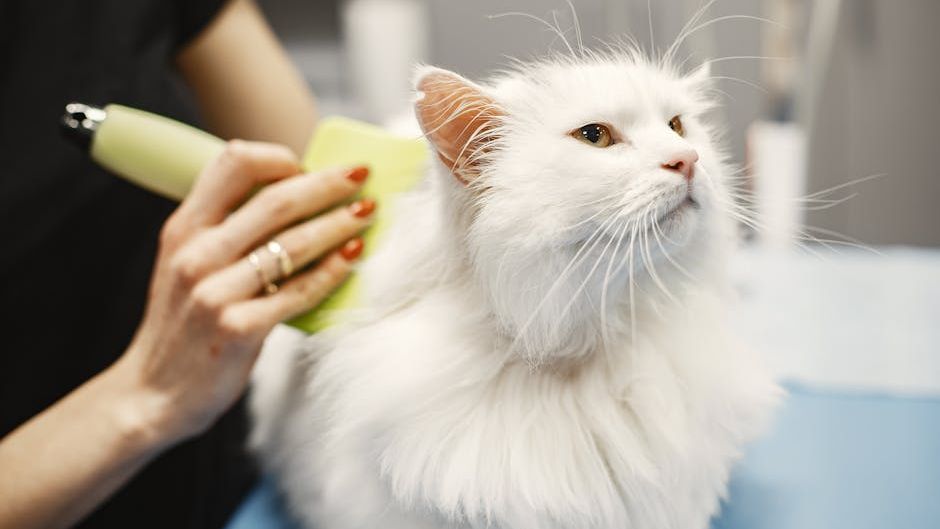
Crucial Cat Tips & Strategies from Head to Tail - Image for illustrative purposes only (Image credits: Pexels)
Cats devote hours each day to grooming, yet a sudden rise in this activity can point to discomfort rather than routine cleanliness. Veterinary observations link such shifts to issues ranging from skin irritation to joint pain, and early recognition often helps owners intervene before conditions worsen. These patterns, along with other subtle changes, form part of ongoing efforts to interpret feline signals more accurately and reduce the need for urgent care.
Excessive Grooming as an Early Indicator
Normal grooming keeps a cat’s coat clean and distributes natural oils, but when the behavior becomes repetitive or focused on one area, it may reflect irritation or underlying pain. Owners sometimes notice bald patches or red skin developing in spots the cat licks repeatedly. Research into feline dermatology continues to explore how allergies, parasites, or even stress contribute to these habits, though exact causes vary by individual cat and environment. Still, not every increase signals disease. Some cats groom more during seasonal changes or after new household additions, which makes consistent observation essential. Tracking the frequency and location of grooming sessions provides clearer context than isolated incidents.
Other Shifts That Warrant Attention
Beyond grooming, alterations in appetite, litter box habits, or activity levels frequently accompany health concerns. A cat that suddenly avoids play or hides more than usual may experience discomfort that it cannot express in words. These signs often appear gradually, which is why daily routines offer the best baseline for comparison. Changes in vocalization or posture can add further clues. A normally quiet cat that begins meowing at odd hours, or one that hunches while walking, sometimes reveals muscle or abdominal issues. Because cats mask pain effectively, combining several observations strengthens the case for a veterinary check rather than relying on any single behavior.
Practical Monitoring Approaches
Owners can build useful records by noting daily patterns in a simple log. Focus on grooming duration, eating amounts, and energy levels over several days to spot trends. This approach turns vague worries into concrete details that help professionals during examinations. A compact comparison often clarifies what stands out:
| Behavior | Typical Pattern | Potential Concern |
|---|---|---|
| Grooming time | Steady, spread across body | Repetitive focus on one spot |
| Appetite | Consistent meals | Skipping meals or sudden increase |
| Activity | Regular play and rest cycles | Prolonged hiding or reduced movement |
Such records remain most effective when kept over time rather than after a single unusual day.
Current Limits in Interpretation
While behavior provides valuable hints, it does not replace professional diagnosis. Many conditions produce overlapping signs, and individual cats differ in how they respond to discomfort. Ongoing studies continue to refine these connections, yet gaps remain in understanding how environment, age, and breed influence expression of symptoms. Consulting a veterinarian remains the reliable next step when multiple changes appear together. Early discussion often leads to simpler interventions and fewer emergency situations, though outcomes still depend on the specific health issue involved. Paying steady attention to these signals equips owners to support their cats more effectively as understanding of feline communication grows.