Five Simple Adjustments for Better Cat Health
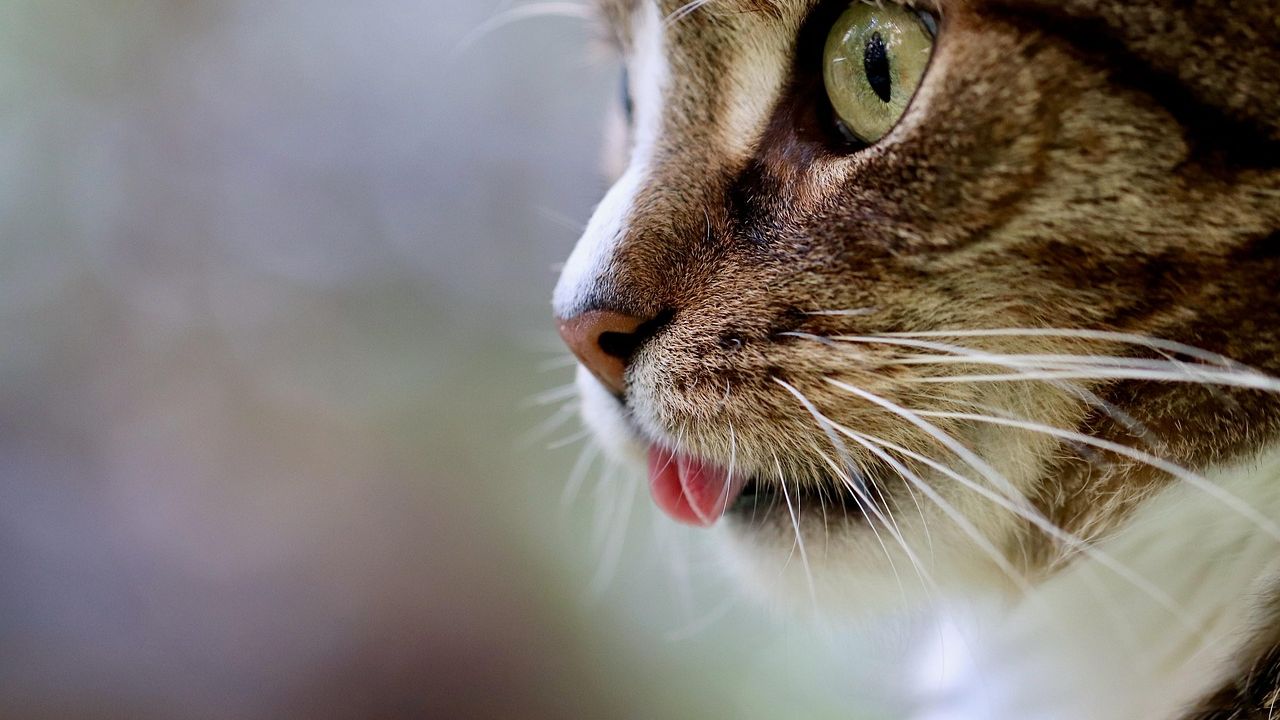
Boost Your Cat's Health Instantly with These 5 Simple Cat Tips - Image for illustrative purposes only (Image credits: Pixabay)
Cat owners often seek straightforward ways to support their pets without major overhauls. Small shifts in daily routines around water intake and food choices can contribute to improved vitality over time. These adjustments draw from established principles of feline nutrition and hydration, though individual results vary based on age, breed, and existing health conditions.
Why Hydration Matters More Than Many Realize
Cats naturally drink less water than dogs or humans, which can lead to concentrated urine and potential urinary tract issues if not addressed. Providing fresh water in multiple locations around the home encourages more frequent sipping throughout the day. Wet food options also supply significant moisture that dry kibble alone cannot match.
Studies on feline kidney function highlight how consistent hydration supports long-term organ health, yet experts note that not every cat responds identically to increased fluid sources. Owners should observe their pet's habits closely rather than assume uniform benefits. Gradual introduction of new water bowls or fountains helps avoid rejection of the change.
Shifting Focus to Protein-Rich Nutrition
High-quality protein forms the foundation of a cat's diet because felines are obligate carnivores that rely on animal-based amino acids for energy and muscle maintenance. Selecting foods with clearly listed meat ingredients as the primary components can align better with these biological needs. Portion control remains essential to prevent excess calorie intake that might affect weight.
Nutritionists emphasize reading labels carefully, as marketing terms like "premium" do not always guarantee optimal protein levels. Some cats with sensitivities may require veterinary guidance before switching formulas. Ongoing research continues to explore how different protein sources influence digestion and coat condition, leaving room for further refinement in recommendations.
Other Practical Tweaks That Add Up
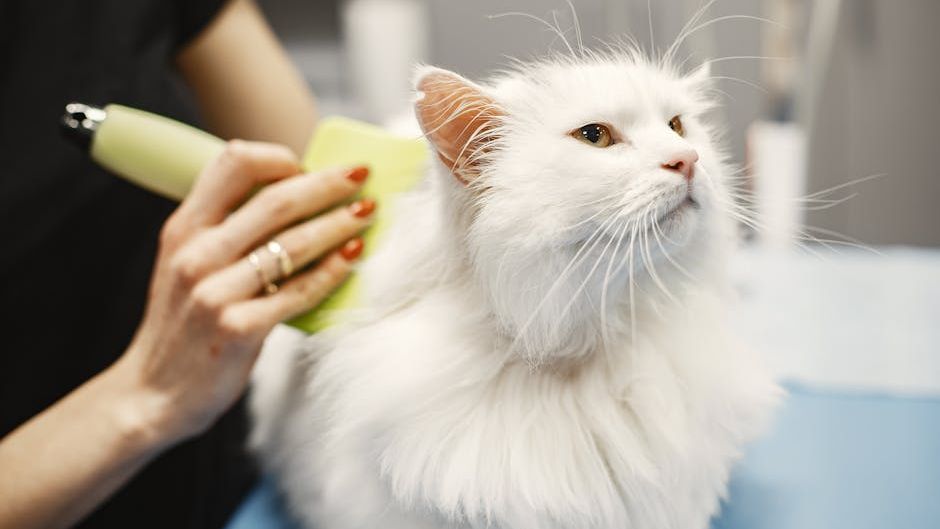
Beyond water and protein, minor environmental changes can support overall well-being. Regular play sessions promote physical activity that aids digestion and mental stimulation. Consistent grooming reduces hairball risks while strengthening the bond between owner and pet.
Scheduled veterinary check-ups allow early detection of subtle shifts that might otherwise go unnoticed. These steps work best when integrated steadily rather than implemented all at once. What matters now is recognizing that cumulative small efforts often yield more sustainable outcomes than dramatic interventions.
Putting the Changes into Practice
Start by assessing current routines to identify the easiest entry points. Track water consumption and food preferences over a week to establish a baseline. Adjustments should remain flexible, with readiness to consult a professional if any concerns arise.
Patience proves valuable here, as cats adapt at their own pace. Continued observation helps determine which modifications deliver the most noticeable support for each individual animal.