Everyone expects the ending to look like something out of a movie – a dramatic collapse, obvious pain, a moment nobody could miss. That’s the myth. The reality, according to longtime cat owners and the vets who’ve watched thousands of senior cats through their final months, is almost insultingly quiet.
Most of these signs don’t even register as goodbyes while they’re happening. They look like ordinary old-cat behavior – a little more sleep, a little less interest in toys, a meow that sounds slightly off. It’s usually only afterward, when an owner starts replaying the last few months in their head, that every one of these small shifts suddenly reads as a message. Here are the 15 quiet signals worth knowing before you miss them too.
#1 – She Starts Disappearing Into Rooms She Never Used Before
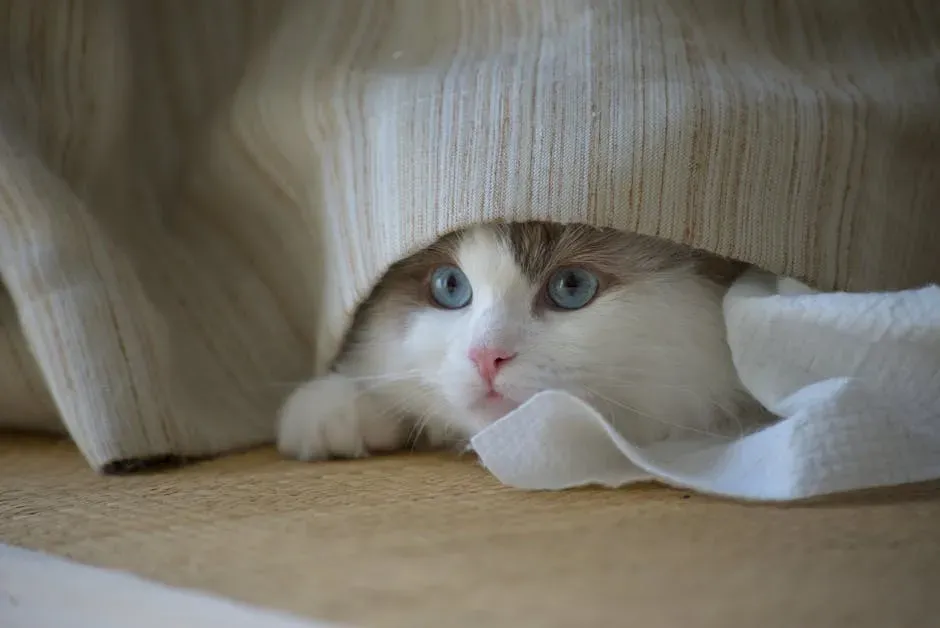
It looks like she just wants peace and quiet. But when an old cat starts claiming a closet floor or a spot behind the couch she never once cared about before, it’s rarely random. It’s a deliberate retreat from the noise and motion of daily life, a way to conserve energy while still staying within earshot of the people she loves.
Here’s the detail most owners miss until much later: she almost always positions herself where she can still hear voices without being seen. It feels like normal senior napping in the moment. It only looks like something else once you realize those spots were never her favorites – until suddenly they were the only ones she wanted.
#2 – Her Purr Changes Pitch – And It’s Not About Happiness Anymore
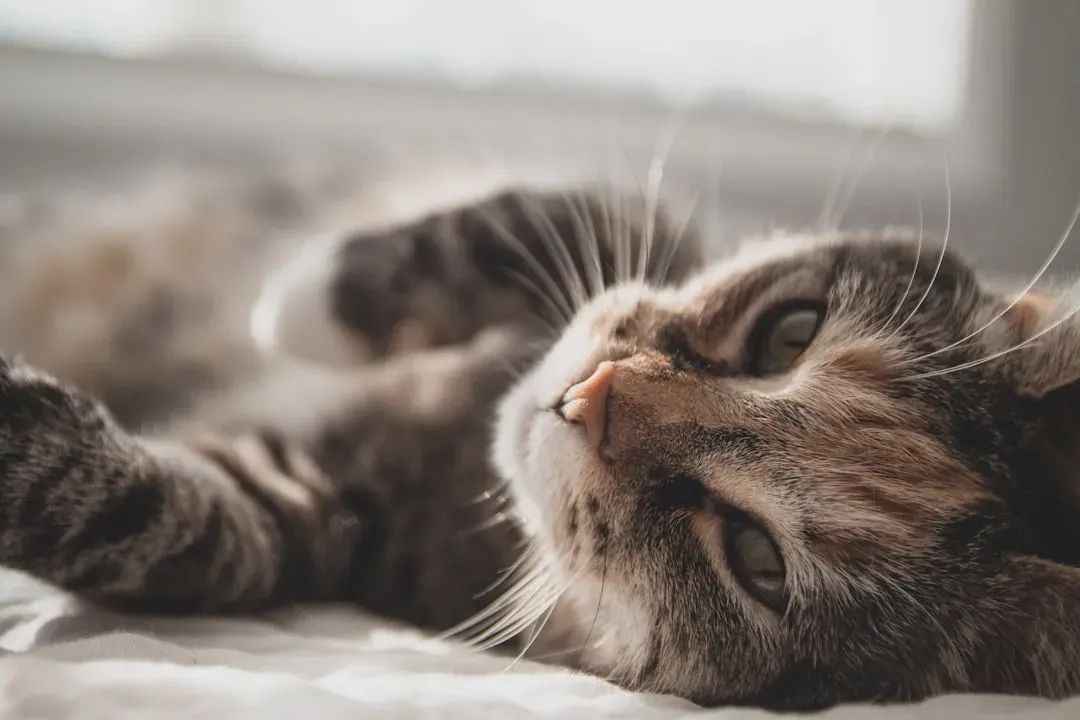
A cat’s purr is supposed to mean contentment, but in the senior years the sound itself can shift – softer, lower, shorter than it used to be. Owners often notice petting sessions that used to stretch on for twenty minutes now wrap up much faster, even though she still leans into your hand when you offer it.
What most people don’t realize is that purring later in life may be less about pure joy and more about self-soothing. She’s quietly reassuring herself as much as acknowledging you. These tiny shifts in sound rarely register in the moment – they only stand out when you go back and watch old videos and realize how different she sounded even a year earlier.
Fast Facts
- A cat’s purr typically falls between 25 and 150 Hz, with everyday purring usually landing closer to 25-50 Hz
- Purring happens continuously through both the inhale and the exhale, unlike most vocalizations
- Cats purr to self-soothe and manage discomfort, not only to express contentment
- Kittens can purr within their first two days of life, using it to bond with their mother
#3 – The Hit-and-Run Visits: Following You, Then Leaving Fast
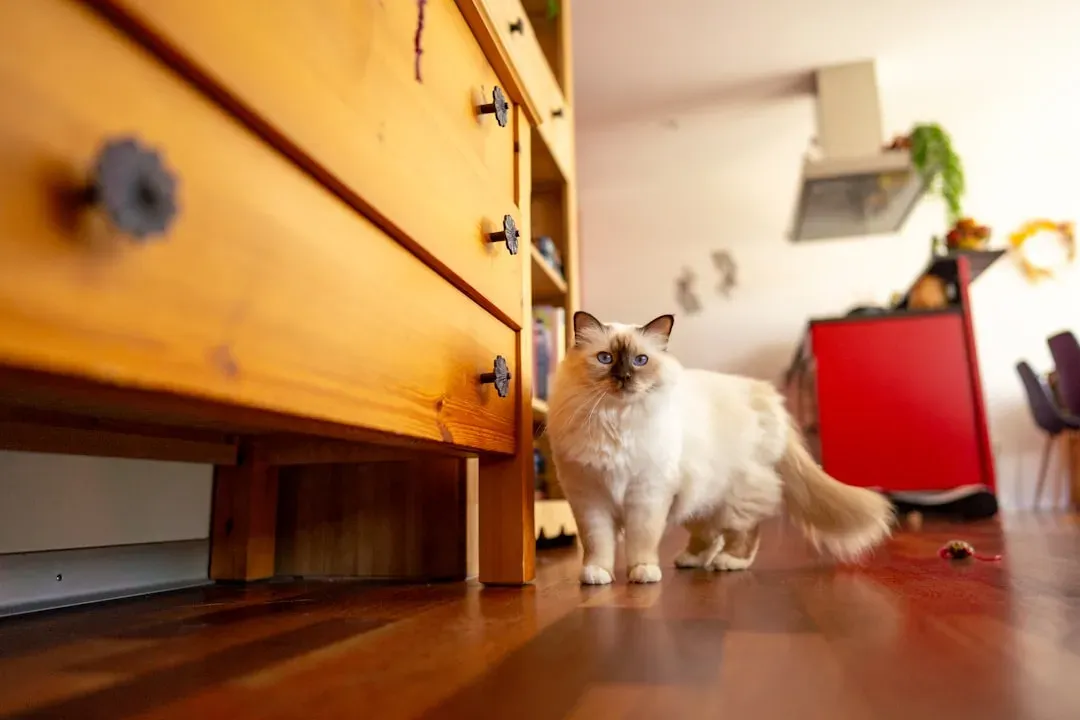
She trails you from the kitchen to the bedroom to the hallway, then bolts the second you sit down. It feels like clinginess at first, until you notice the pattern repeats every single day without ever turning into an extended stay.
Behaviorists describe this as a check-in ritual – a way to track where you are without spending energy on prolonged interaction. The part owners almost never catch until later is the timing: these visits often happen right before you’re about to leave the house, as if she’s confirming your location one last time before you go.
#4 – The Grooming Stops, and the Mats Tell the Real Story
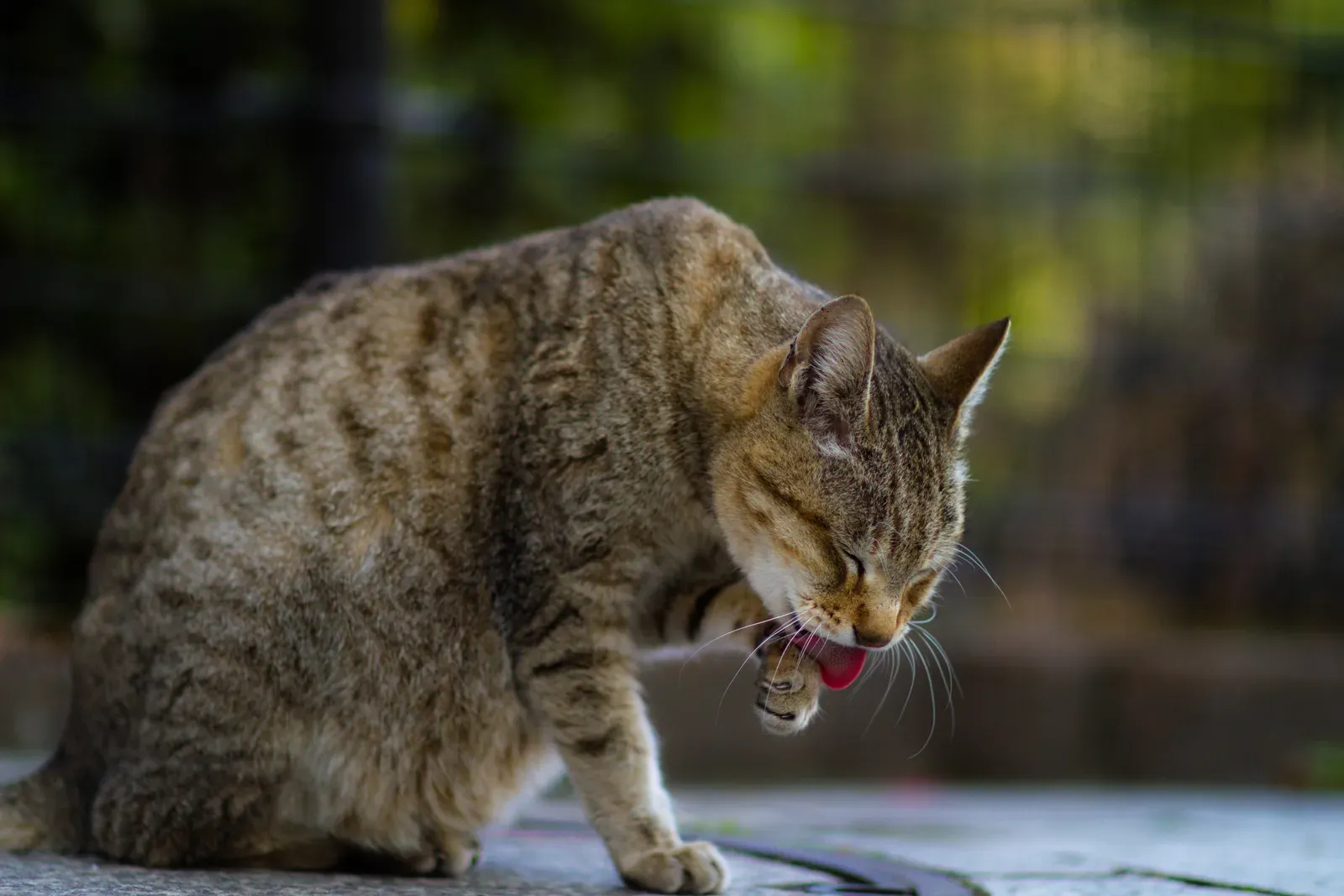
Matted fur behind the ears or along the spine tends to creep in gradually, and it’s easy to blame entirely on stiff joints or arthritis. Often the real reason is simpler and sadder: she’s stopped reaching those spots because the effort no longer feels worth it. Grooming sessions get shorter, then skip days entirely, and nobody notices the exact moment it started.
Here’s the twist that surprises most owners – she may keep grooming you or a housemate pet even as she gives up on herself. The energy for self-care fades, but the instinct to maintain the bond doesn’t. The shift usually only becomes obvious months later, staring at old photos and wondering when her coat started looking different.
#5 – Suddenly, Only One Food Will Do
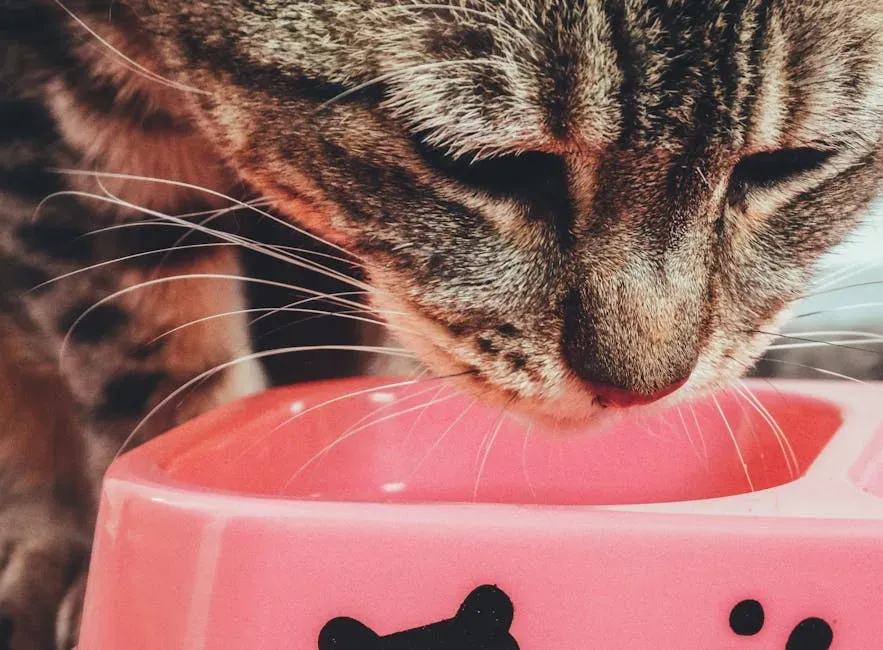
She turns her nose up at almost everything except one specific thing – plain chicken, a particular pouch of wet food, nothing else. It isn’t pickiness for its own sake. It’s her body narrowing its focus to whatever is easiest to digest and least demanding to process.
What owners rarely clock until later is that she may only eat that food when someone is nearby watching her do it. Food becomes tied to presence, not just hunger. Looking back, that narrowing appetite wasn’t stubbornness – it was her conserving what little energy she had for the moments that mattered.
#6 – The Stares Get Longer, and Strangely Calmer
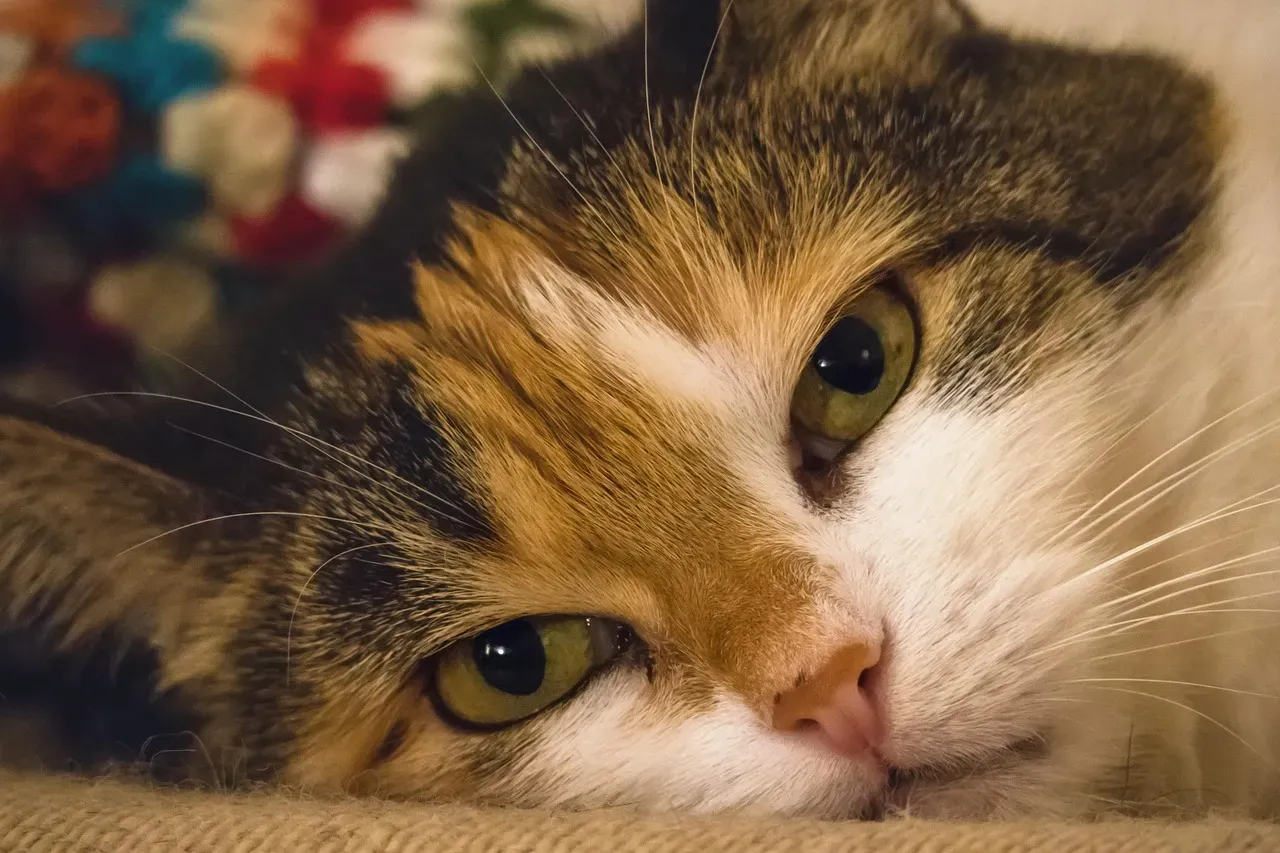
Eye contact that used to last a second or two now stretches on, often from clear across the room. It reads as affection, and it is – but there’s a different quality to it than the playful glances of a younger cat. It’s steadier, almost assessing, like she’s taking something in rather than asking for something.
The part that catches owners off guard is that she usually looks away first, almost as if she’s satisfied the moment was noticed. No drama, no lingering. Owners who lose their cats often say, without being prompted, that these quiet stares are the memories that surface first.
#7 – Small Shifts in the Litter Box Nobody Talks About
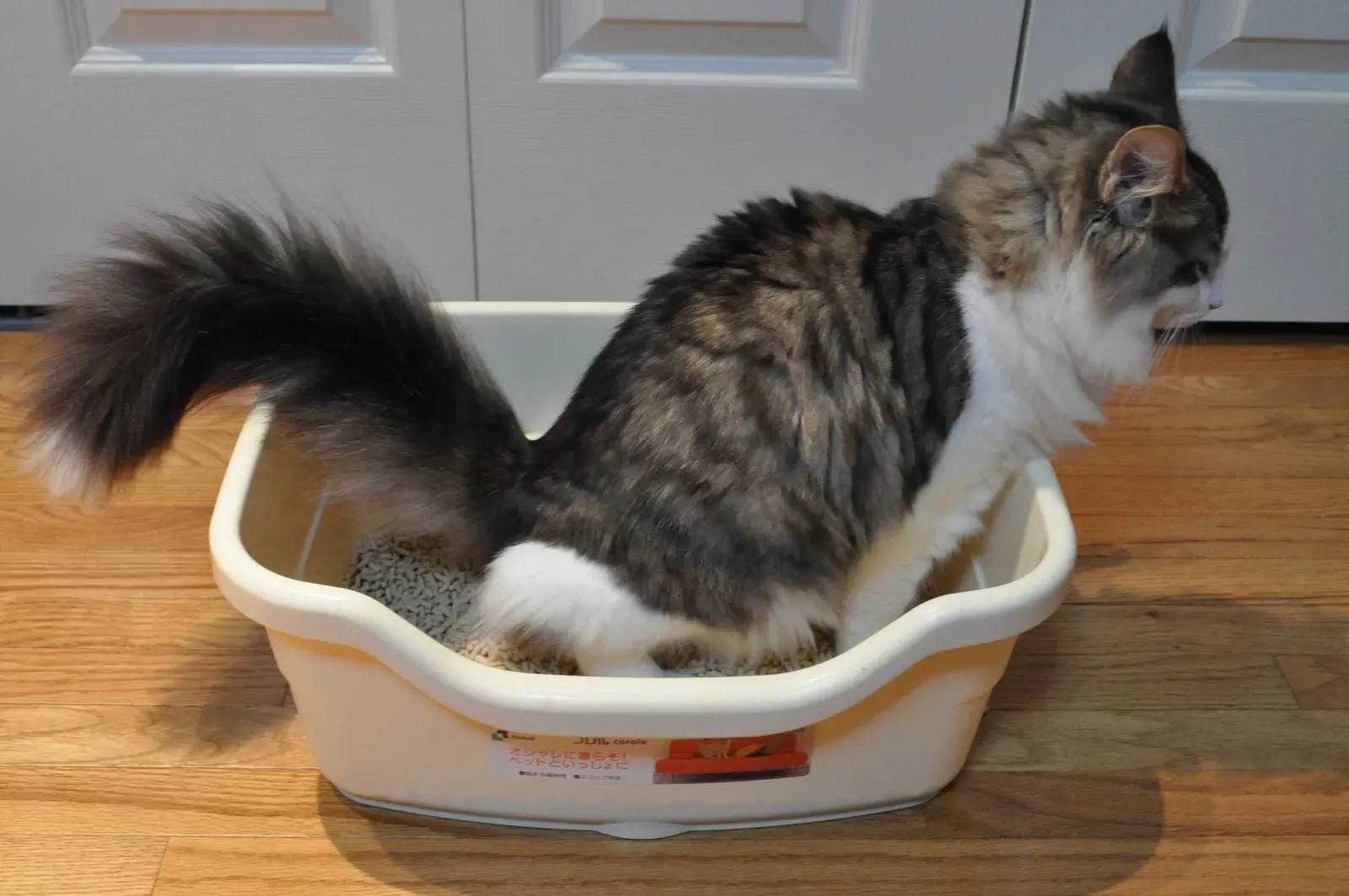
She starts using the box at slightly different times of day, or standing a little differently inside it. It’s easy to write off as joint stiffness, and sometimes that’s part of it. But often these micro-changes reflect her choosing whatever position feels safest or most private as her body changes.
Some cats start covering waste more thoroughly than before; others suddenly stop bothering at all. Either direction can be a comfort response rather than a mess. It’s a strange thing to notice in hindsight – how consistent and deliberate those small adjustments actually were.
“It really comes down to understanding what pain looks like in cats.”
Margaret Gruen, NC State University College of Veterinary Medicine
#8 – Chasing Warmth on Your Schedule, Not Hers
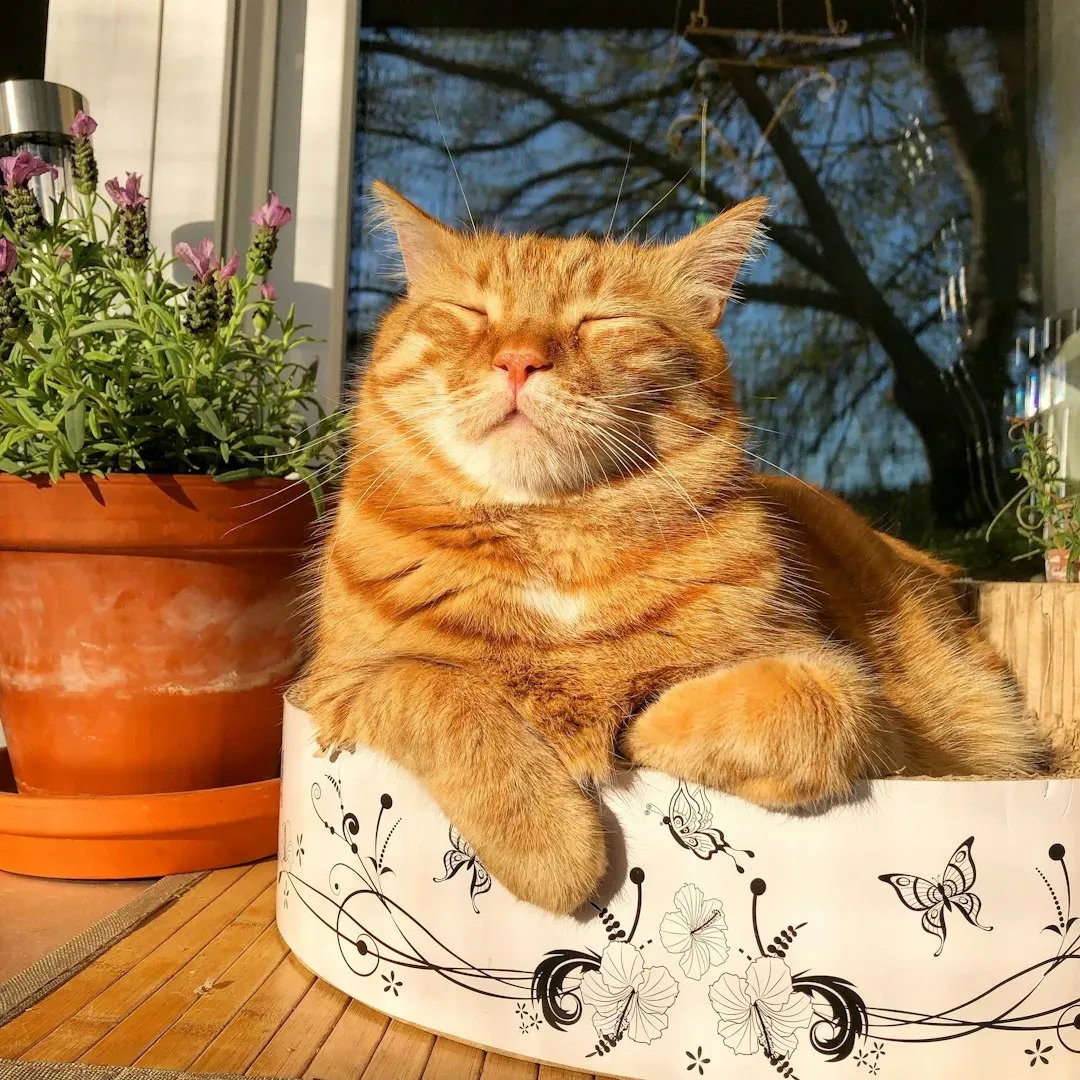
She claims the sunbeam or the heating pad at almost exactly the time you usually settle in nearby. It looks like coincidence, like she just happens to want warmth when you want company. Tracked over several days, though, the timing lines up too well to be random.
Here’s the catch most people never notice: the moment you get up and move, she often abandons the spot entirely, chasing the warmth rather than following you. It’s proximity without demand – she wants to be near the routine, not necessarily the person in that exact second. It only clicks as intentional once you start paying attention to the pattern instead of the moment.
#9 – Watching From the Sidelines Instead of Playing
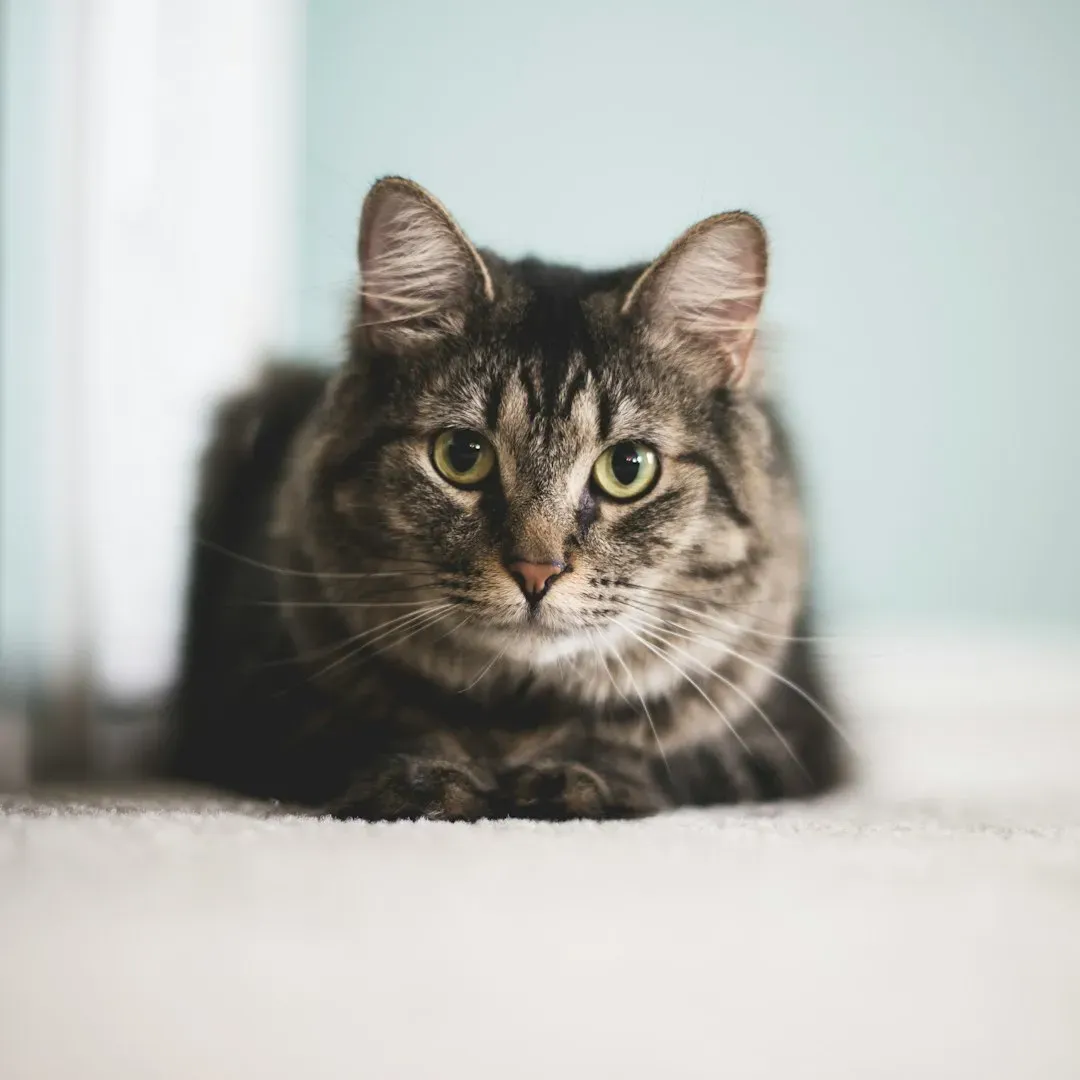
She used to chase the feather toy or wrestle the younger cat. Now she just watches, fully alert, completely uninterested in joining. Owners tend to read this as peaceful retirement, and there’s truth in that – but it’s also a trade-off, energy conserved by swapping participation for observation.
The tell is her body language. She isn’t drowsy or checked out during these sessions; she’s actually watching closely, ears up, eyes tracking. It’s a quieter way of staying involved in family life, and most owners only recognize it as involvement once the watching stops too.
Quick Compare
- Normal senior slowing: More naps, less sprinting, but still eating, drinking, and grooming on a regular schedule
- Worth a vet visit: Sudden appetite loss, hiding for days on end, or a noticeable drop in weight
- Normal senior slowing: Occasional stiffness after a long nap that eases once she starts moving
- Worth a vet visit: Limping, refusing to jump at all, or crying out when touched
#10 – Her Breathing Slows to Match Yours
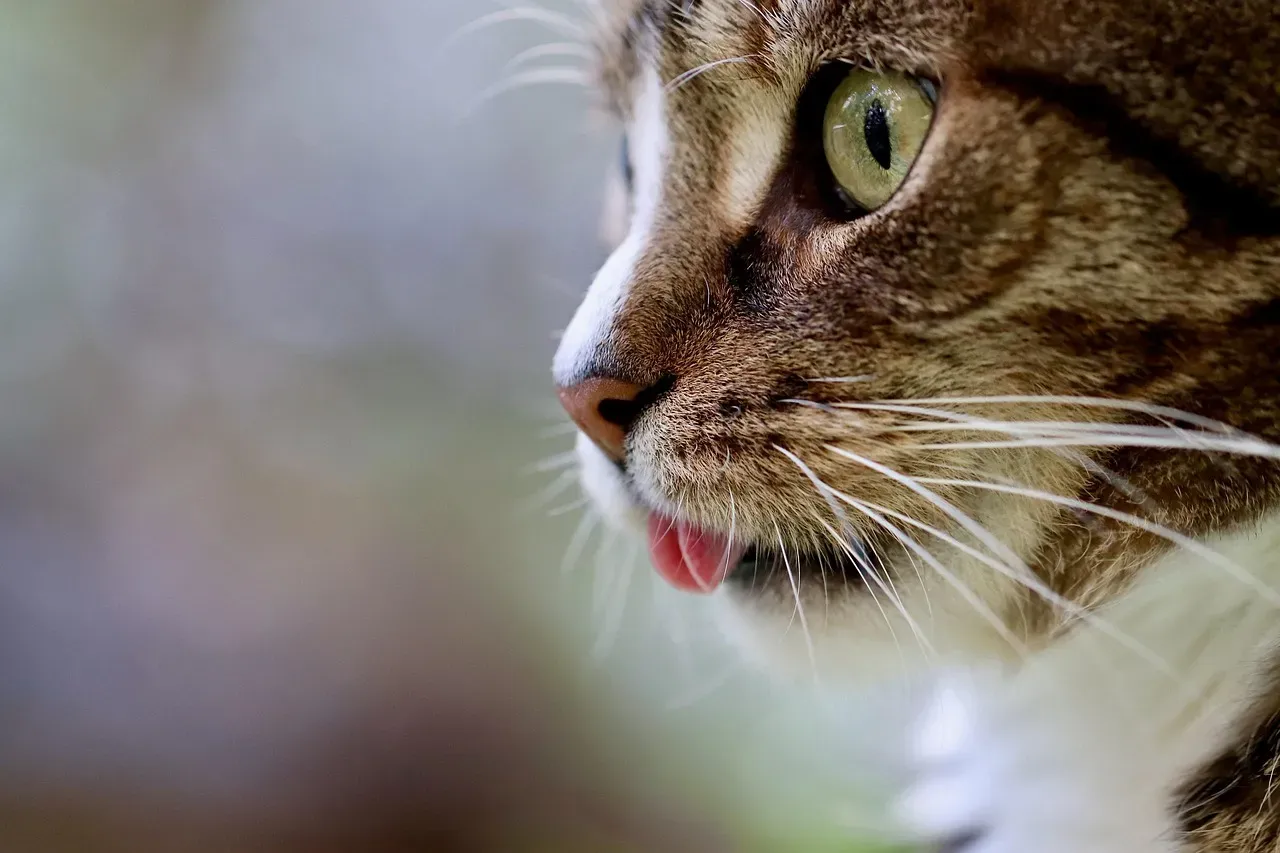
During deep rest, her breaths can become slightly shallower or more even, subtle enough that you’d only catch it if you were listening closely. It’s easy to mistake for simple relaxation, and vets generally say there’s no cause for alarm at this stage on its own – it just means the body is running at a lower gear.
What’s stranger, and sweeter, is that some cats seem to fall into rhythm with the breathing of the person holding them, syncing up during close contact without anyone trying to make that happen. It’s the kind of detail nobody notices until the rhythm eventually changes for good – one of the quietest forms of connection a cat can offer.
#11 – She Finally Lets You Touch the Spots She Always Guarded
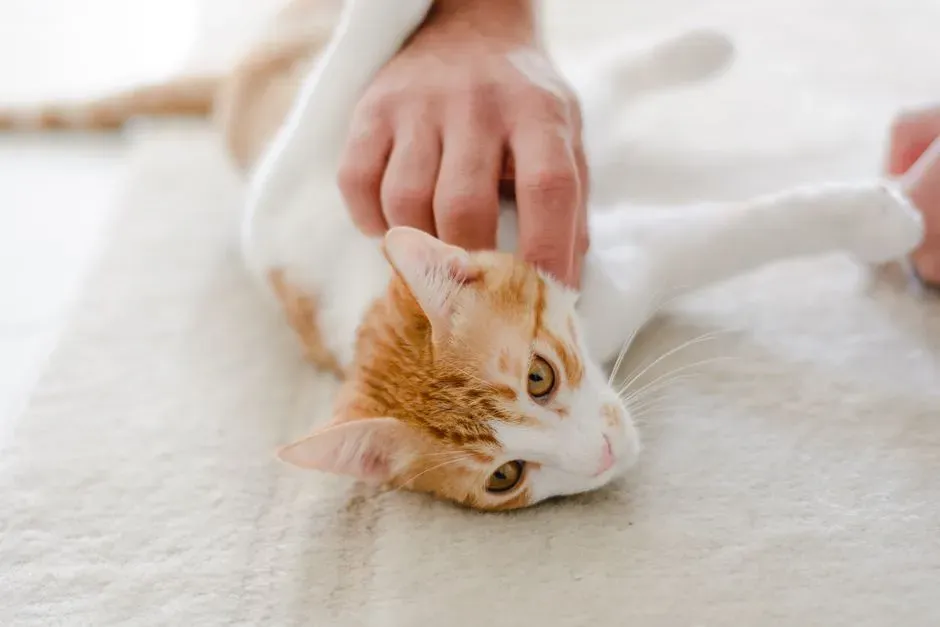
The belly, the paws, the base of the tail – areas she’s defended her whole life suddenly become fair game. It feels like a breakthrough in trust, and in a way, it is. But it also tends to show up specifically when she’s choosing connection over the usual boundaries she’d normally enforce without thinking twice.
This new tolerance is selective, though – it shows up mainly during your calmest, quietest moments together, not just anytime. She’s maximizing meaningful contact without spending more energy than she has to. Many owners look back on this shift as one final, generous gift of closeness.
#12 – Curling Up Beside Your Shoes, Your Keys, Your Chair
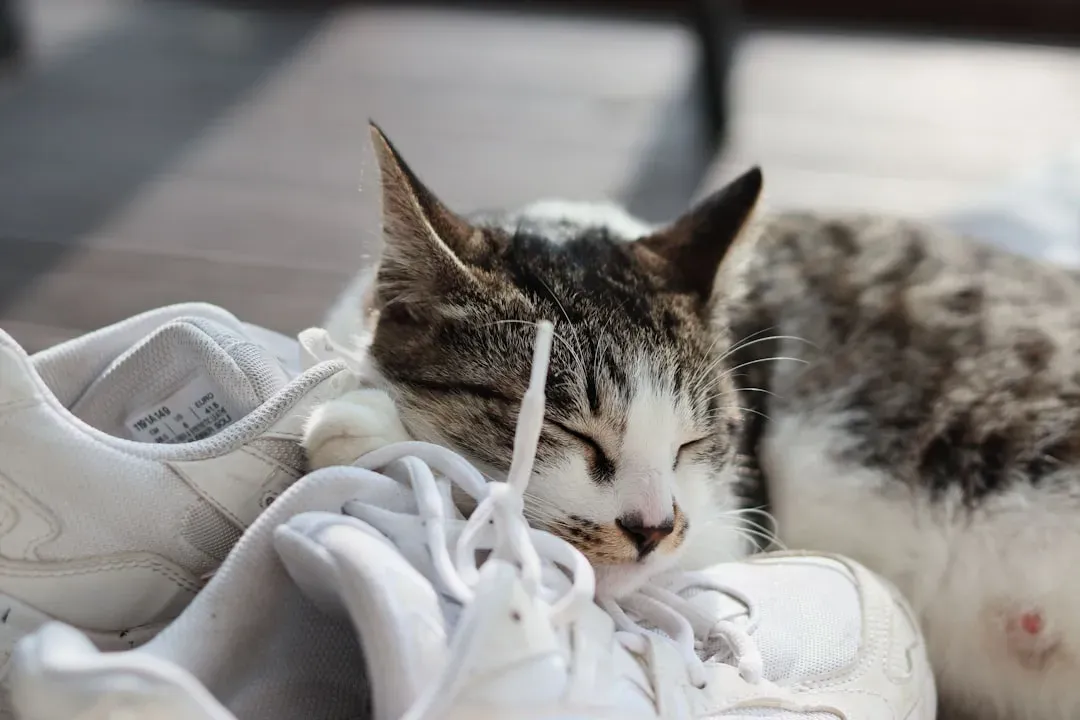
She rests next to your sneakers by the door, your keys on the side table, your favorite chair – never on them, never claiming them, just beside them. The first time it looks accidental. When it happens every single day, it stops looking that way.
What’s easy to miss is that she leaves everything undisturbed. She’s not marking territory or seeking attention through your belongings – she’s simply staying close to your scent and your routine. It’s a small, quiet form of attachment that most owners only recognize as deliberate once they notice how consistent it was.
#13 – That One-Second Delay Before She Responds to Her Name
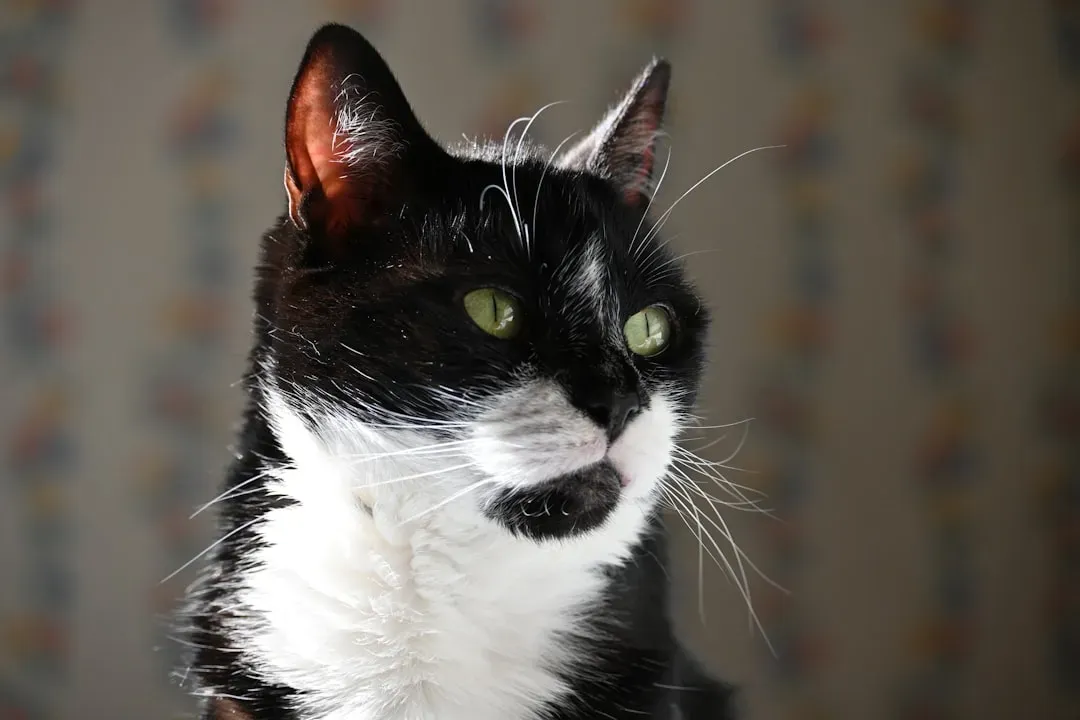
You call her, and instead of the instant head-turn you’re used to, there’s a beat of hesitation before she reacts. It’s tempting to chalk this up to hearing loss, which is common enough in older cats. But often it’s less about not hearing and more about choosing when to engage rather than reacting automatically.
Even when she doesn’t get up, she’ll usually still turn her head toward the sound of your voice – proof she heard you and registered it, even without acting on it. Owners tend to connect this later to something simpler: she was saving her limited energy for the interactions she actually wanted, not every single call.
At a Glance
- Age-related hearing decline is common in cats past the age of ten, much like presbycusis in older humans
- High-pitched sounds are often the first to fade, while lower, rumbling ones stay noticeable longer
- A cat losing her hearing may stop startling at the doorbell but still turn toward a familiar voice
- Vets recommend ruling out hearing loss before assuming a senior cat is simply choosing to ignore you
#14 – One Last Quiet Evening, Just Sitting With You
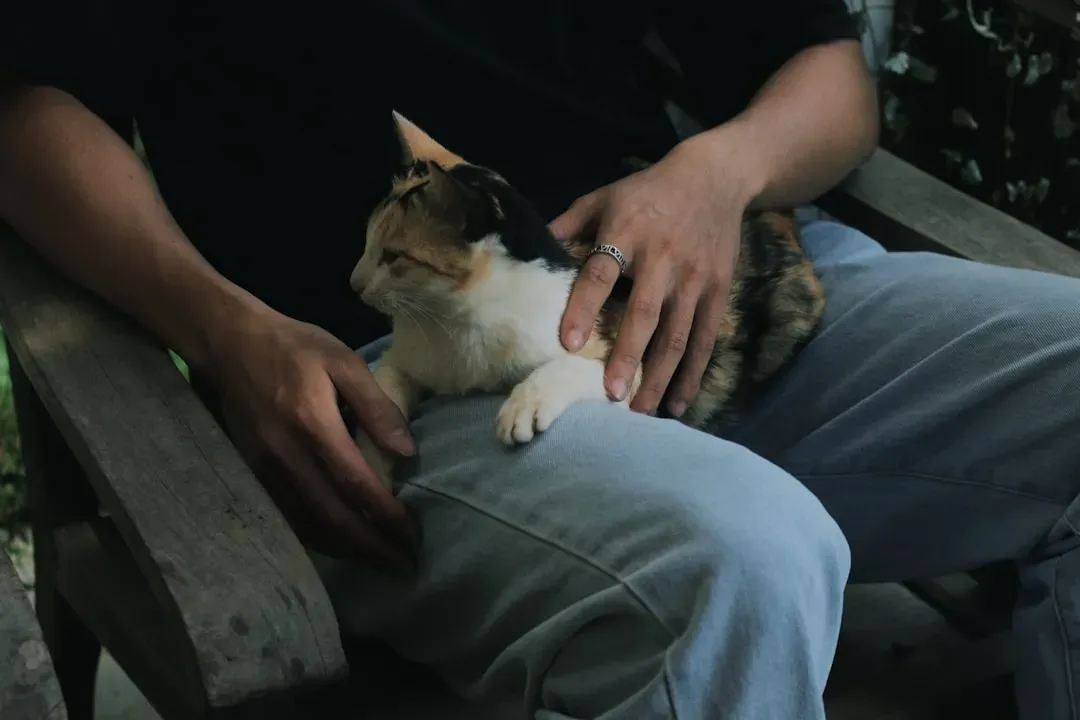
At some point, the interactive play stops mattering as much as simply being in the same room. She picks one evening – your evening routine, the couch, the low light – and just stays there. No demands, no requests, just shared space that feels almost too ordinary to notice.
What’s easy to overlook in the moment is the timing: she tends to choose the moments you’re most relaxed, not the busiest or most stressful ones. It’s a small act that prioritizes your comfort right alongside her own. Owners often say, without being asked, that this simple, unremarkable evening becomes the memory that outlasts almost everything else.
#15 – The Long, Steady Look That Says Everything
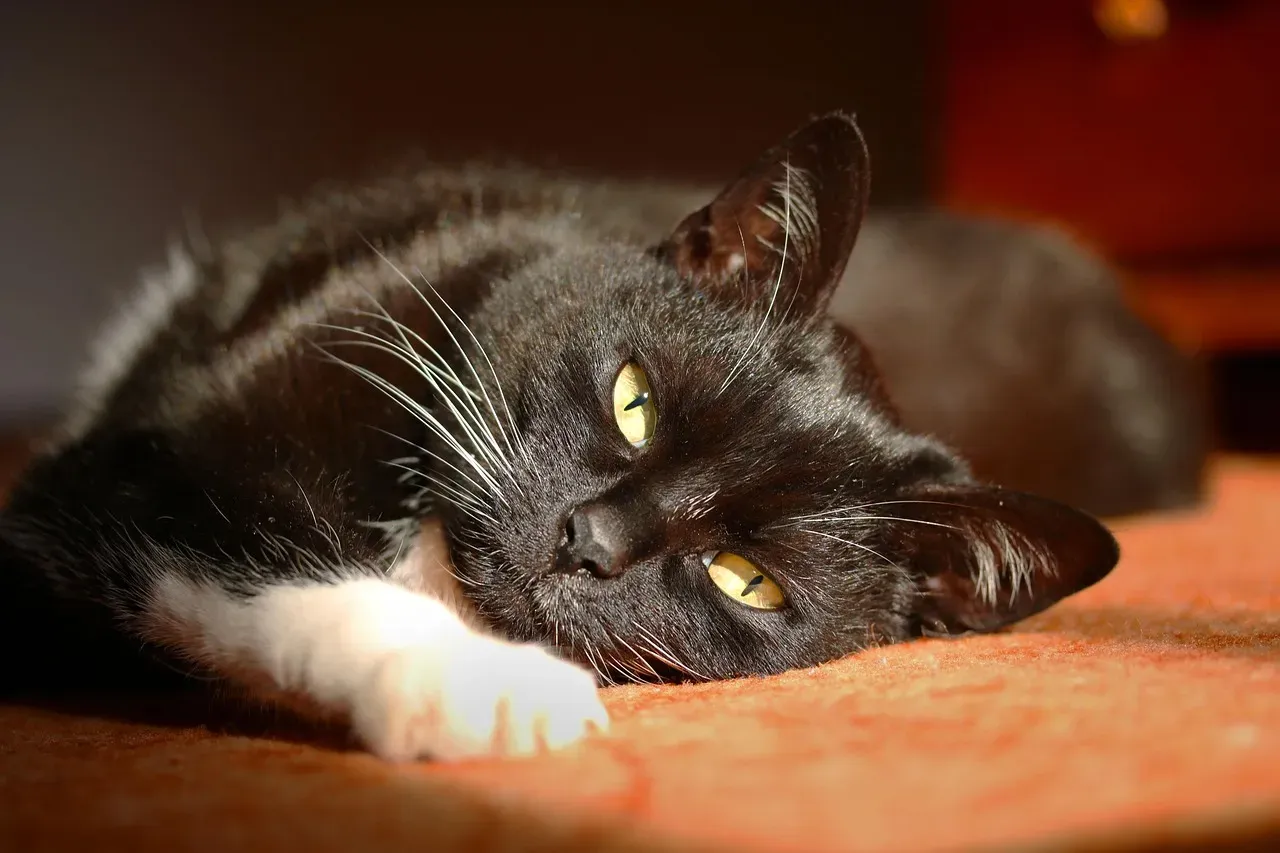
In the final days or hours, many cats offer one last sustained, peaceful look directly at their person – no darting eyes, no urgency, no sign of distress. It’s not a dramatic scene. It usually happens during something completely ordinary, which is exactly what makes it so unmistakable when you’re living through it.
Owners consistently describe this moment as the instant everything else quietly falls into place – the solitude, the shorter purrs, the hesitations, the evenings on the couch. None of it reads as a goodbye on its own. Together, in that final steady gaze, it finally does.
Here’s the part that’s easy to resist but hard to argue with: cats don’t owe us a dramatic ending, and expecting one is mostly about our own need for clarity, not theirs. The quiet version – solitude, shorter purrs, one-second delays, a long last look – isn’t a lesser goodbye. If anything, it’s a more honest one, stripped of performance, built entirely out of small choices about where to rest, who to watch, and how long to hold a gaze. The real disservice isn’t missing these signs the first time around. It’s assuming next time will look any louder.
Kristina is a young writer from India. An arts graduate and an avid content creator, Kristina is passionate about animals and wildlife. She enjoys exploring topics related to pet care, animal behavior, conservation, and nature, combining thorough research with engaging storytelling.