Every “friendliest cat breeds” list on the internet is selling you the same easy fantasy – Ragdolls, Persians, the cuddly all-stars who love everyone on sight. Nobody warns you about the cats that actually matter: the moody, demanding, borderline-impossible ones that make you question your life choices for the first few weeks.
Here’s the part the glossy breed guides leave out. Vets, breeders, and longtime owners keep saying the same thing, almost word for word: the harder a cat is to win over, the harder it falls once you’ve actually earned it. These 12 breeds get filtered out of adoption applications, mocked in comment sections, and labeled “too much.” What happens after that first rocky stretch is the part nobody talks about.
#1 – The Siamese: Loud, Bossy, and Obsessively Loyal
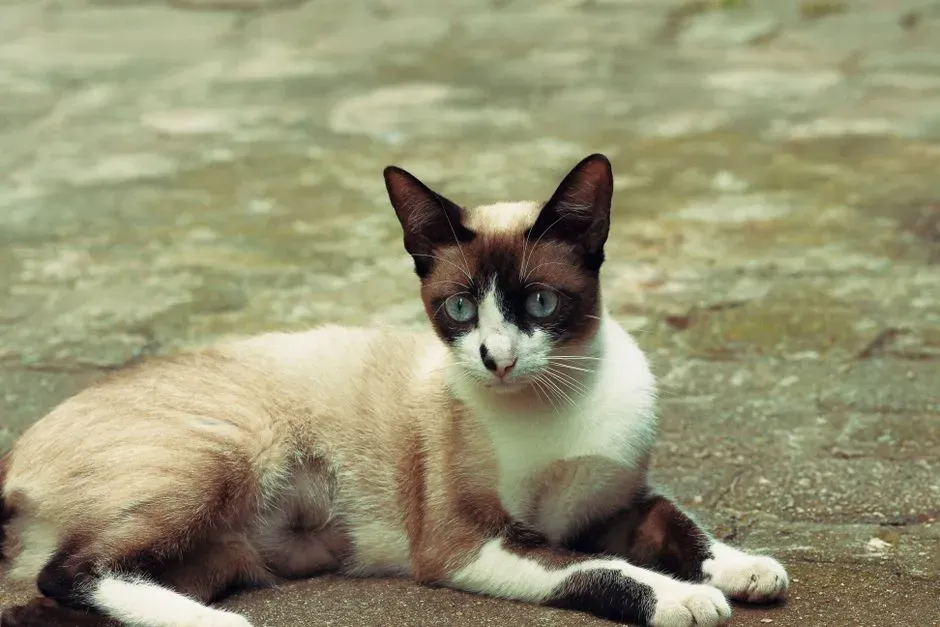
The Siamese has a reputation problem, and it’s earned. This breed will narrate your entire day in a raspy, insistent yowl, and it will not stop until you acknowledge it exists.
New owners often describe the first few weeks as exhausting – constant vocalizing, constant demands, zero patience for being ignored. But here’s the twist almost nobody mentions in the breed guides: Siamese cats frequently bond to a single person with an intensity closer to a dog than a cat.
They’ll follow that person room to room, sleep pressed against them, and grow visibly distressed when separated. Once a Siamese decides you’re “theirs,” the demanding personality flips into something closer to devotion – greeting you at the door, refusing to eat until you’re home, inserting itself into every task. It’s not annoying anymore. It’s a cat that’s chosen you, permanently.
#2 – The Bengal: A Wild Streak That Turns Into Fierce Attachment
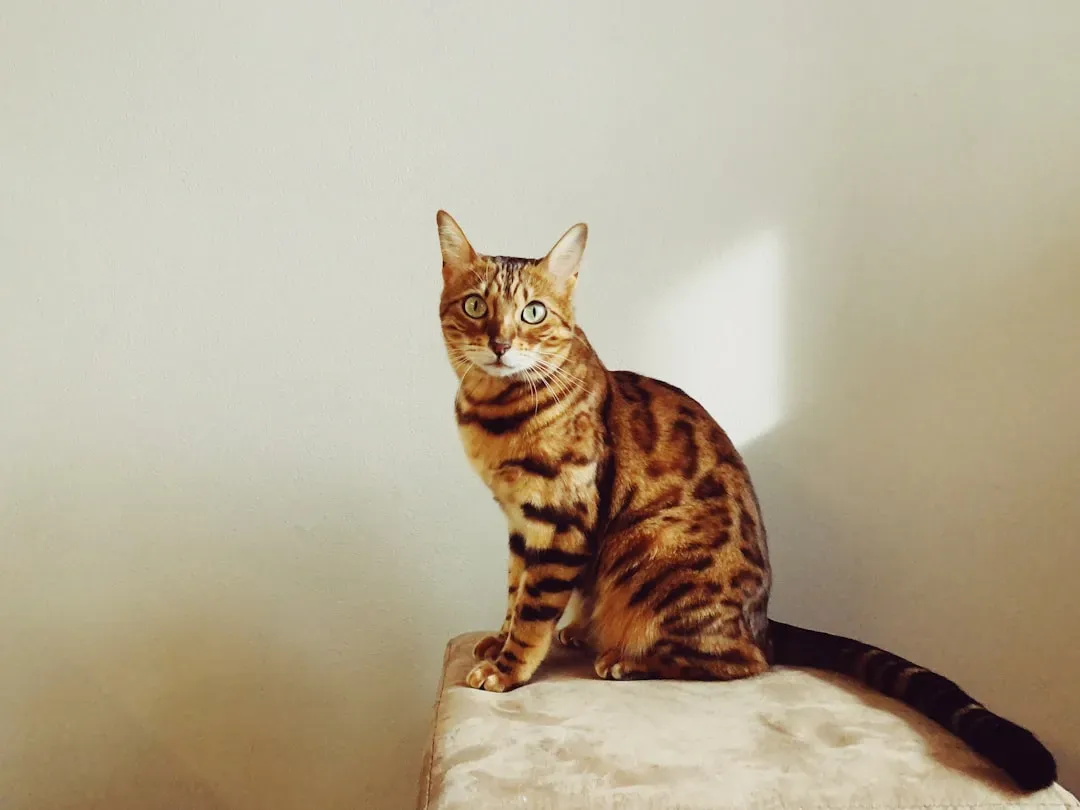
Bengals get filtered out of a lot of adoption applications for one blunt reason: they’re a lot. Bred from wild Asian leopard cats, they carry a high-energy, high-intelligence temperament that bores easily and destroys furniture when understimulated.
Fast Facts
- Bengals were developed by crossing the Asian leopard cat with domestic shorthairs, with serious breeding work taking shape in the U.S. through the 1960s and beyond.
- Breeder Jean Mill is widely credited with shaping the modern Bengal and pushing for its official recognition.
- The breed’s name comes from the leopard cat’s scientific name, not the Bengal tiger, despite the common assumption.
- Unlike most cats, many Bengals actively seek out water and can even be taught to walk on a leash.
Here’s what surprises new owners most – once a Bengal bonds with its household, it often becomes almost obsessively attached, following its person from room to room like a shadow. Many compare the shift to owning a dog. Bengals learn routines, greet people at the door, and get visibly anxious during long absences.
This is also where opinions get heated in cat circles. Some breed experts argue Bengals shouldn’t be marketed as “just another spotted cat” at all, because their emotional needs run closer to a working dog breed than a typical house cat. Skip the bonding phase, and you get a destructive, standoffish animal. Push through it, and you get a cat that treats you like the center of its universe.
#3 – The Sphynx: Needy, Intense, and Impossible to Ignore
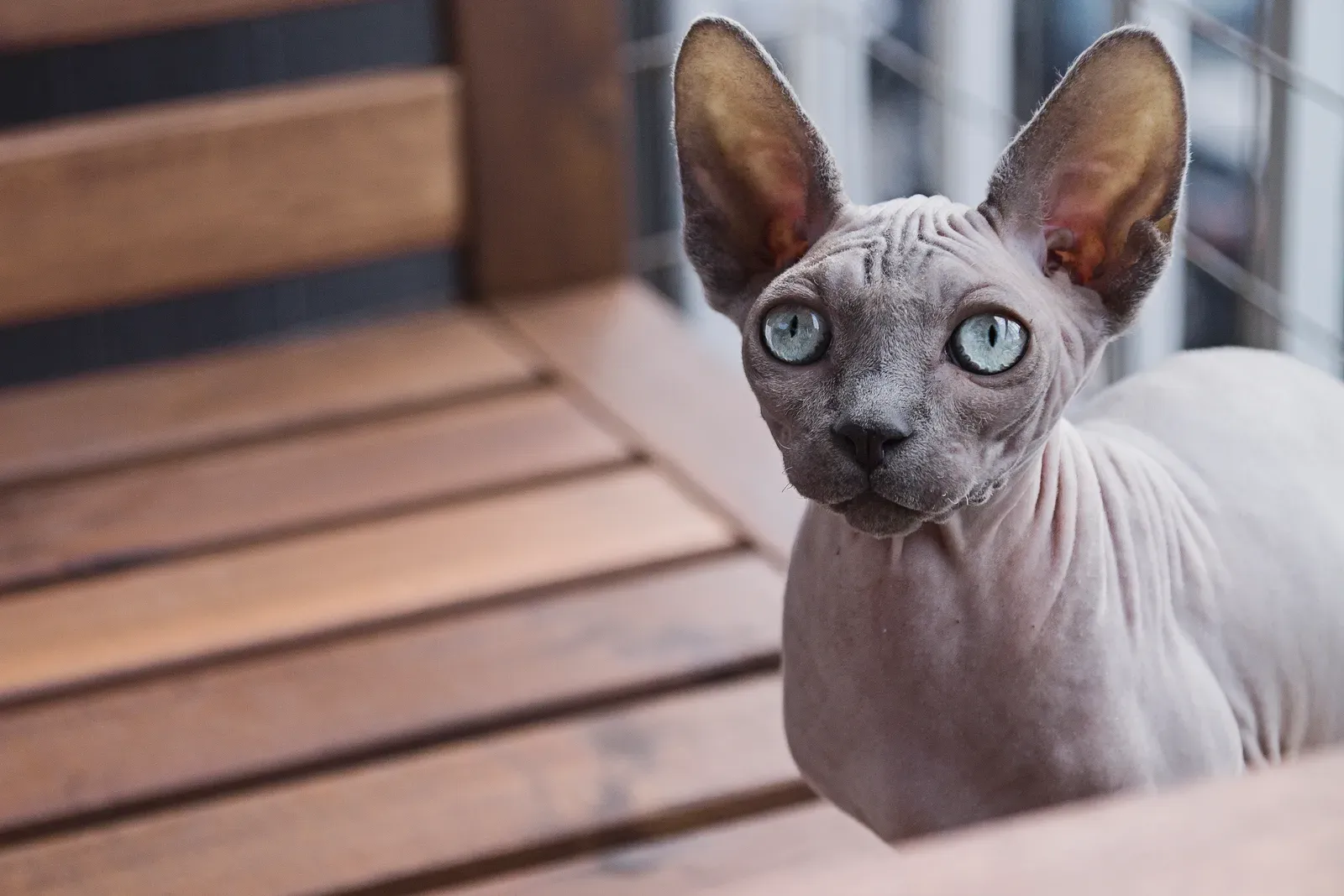
Hairless and hard to read at first, the Sphynx often gets mislabeled as “cold” simply because its face doesn’t have the soft, fluffy cues people associate with affection. Early on, Sphynx cats can seem intense – staring, following, inserting themselves into everything you do, which some new owners find overwhelming rather than charming.
That intensity, though, is the whole point. Sphynx cats are famous among breeders for craving physical closeness almost constantly, often burrowing under blankets or pressing directly against their owner’s skin for warmth. This isn’t background affection – it’s a breed that actively seeks out contact throughout the day.
Owners who stick with the early adjustment period consistently describe their Sphynx as the most emotionally present cat they’ve ever owned, practically shadowing them room to room. It’s a demanding breed to earn trust from, but once it’s given, the Sphynx rarely holds back.
#4 – The Russian Blue: Shy With Strangers, Devoted at Home
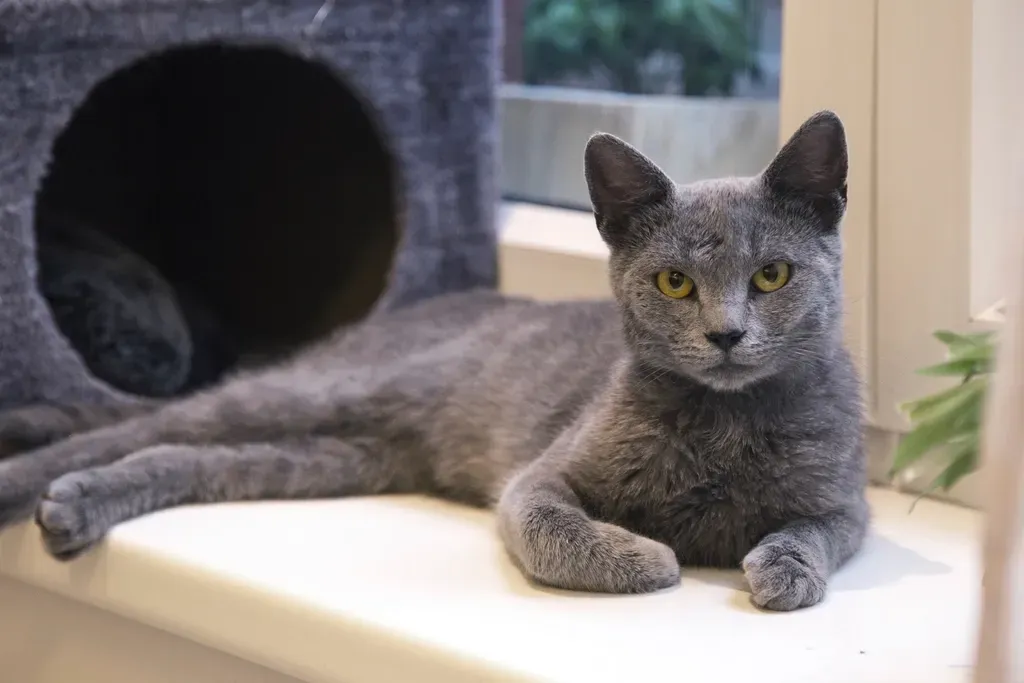
The Russian Blue has a reputation for being reserved to the point of standoffish, especially around new people. This breed is famously wary of strangers, often bolting to hide the moment an unfamiliar guest walks in the door.
But that same caution is exactly why the payoff feels so significant. Russian Blues are known for forming quiet, steady bonds with their core household, often shadowing one person specifically while remaining distant with everyone else. They’re not lap-cat cuddlers in the traditional sense – affection looks more like sitting nearby, following you room to room, or waiting by the door.
Some owners find this frustrating at first, expecting more overt cuddling. But longtime Russian Blue owners argue this quieter form of devotion is actually more meaningful, because it’s never performative. When a Russian Blue chooses to be near you, it means something.
#5 – The Egyptian Mau: Skittish First, Devoted Second
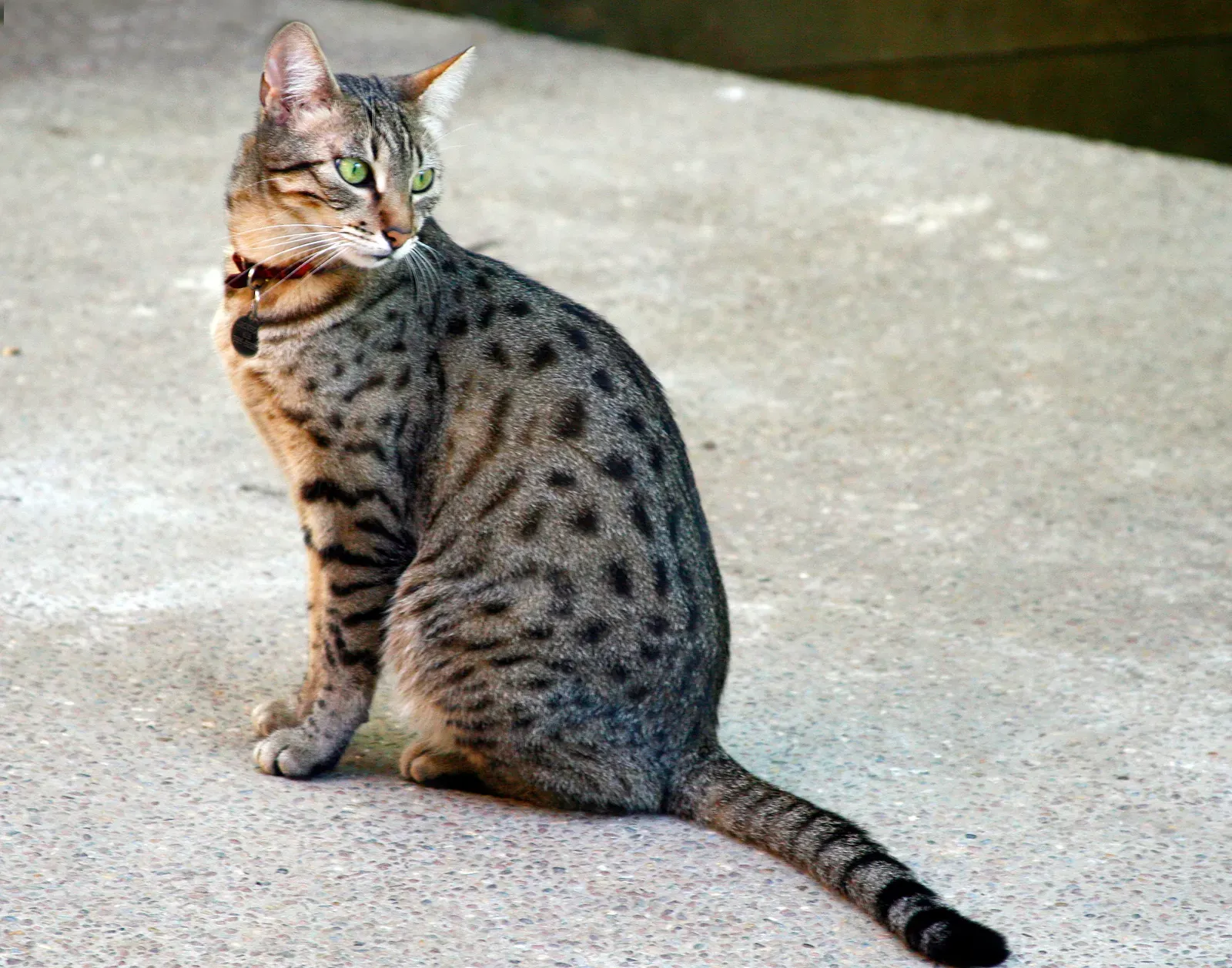
Egyptian Maus are often described as high-strung, and it’s not an exaggeration. This breed startles easily, dislikes sudden changes, and can take an unusually long time to settle into a new home compared to more adaptable breeds.
That slow-burn trust-building process, though, is where the Mau’s real personality shows up. Once comfortable, Egyptian Maus are known for chirping, chattering, and following their owners with an almost dog-like devotion that surprises people expecting a purely aloof cat. They tend to bond hard to specific routines and specific people, becoming visibly unsettled when either changes.
This is a controversial point among breeders: some argue Maus are wrongly recommended to first-time cat owners, because the early skittishness scares people off before the loyalty phase even begins. Patience is non-negotiable with this breed, but so is the payoff once it arrives.
#6 – The Turkish Van: Independent, Strong-Willed, and Deeply Attached
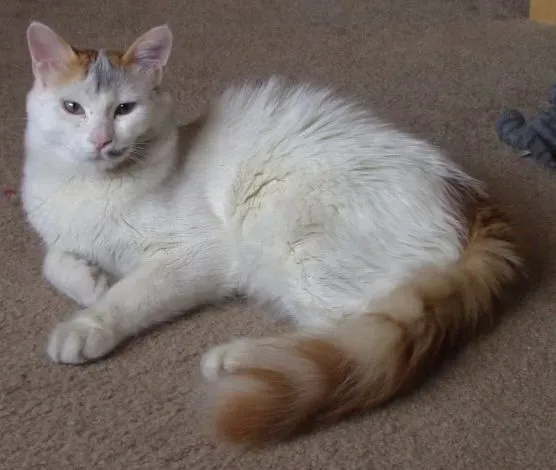
The Turkish Van doesn’t do “lap cat.” This breed is famous for its independence, strong opinions, and an unusual love of water that catches new owners off guard. It’s also stubborn – Vans don’t take direction well and often do exactly what they want, when they want.
Quick Compare
- Water: Turkish Vans often seek out water and even join owners in the bath, while most cats avoid it entirely.
- Affection style: Vans pick one or two people for life instead of spreading attention evenly across the household.
- Control: A typical cat often adapts to your schedule; a Van decides when, where, and how affection happens.
Underneath that independence, though, is a breed that tends to pick one or two people and stay glued to them for life, often following that person from room to room throughout the day. Turkish Vans are known for showing affection on their own terms – hopping into the bath with you, sitting nearby while you work, or greeting you enthusiastically after time apart.
It’s not a breed that begs for affection; it’s a breed that decides you’re worth its attention. Owners often say that decision, once made, doesn’t waver.
#7 – The Abyssinian: Hyperactive, Demanding, and Fiercely Loyal
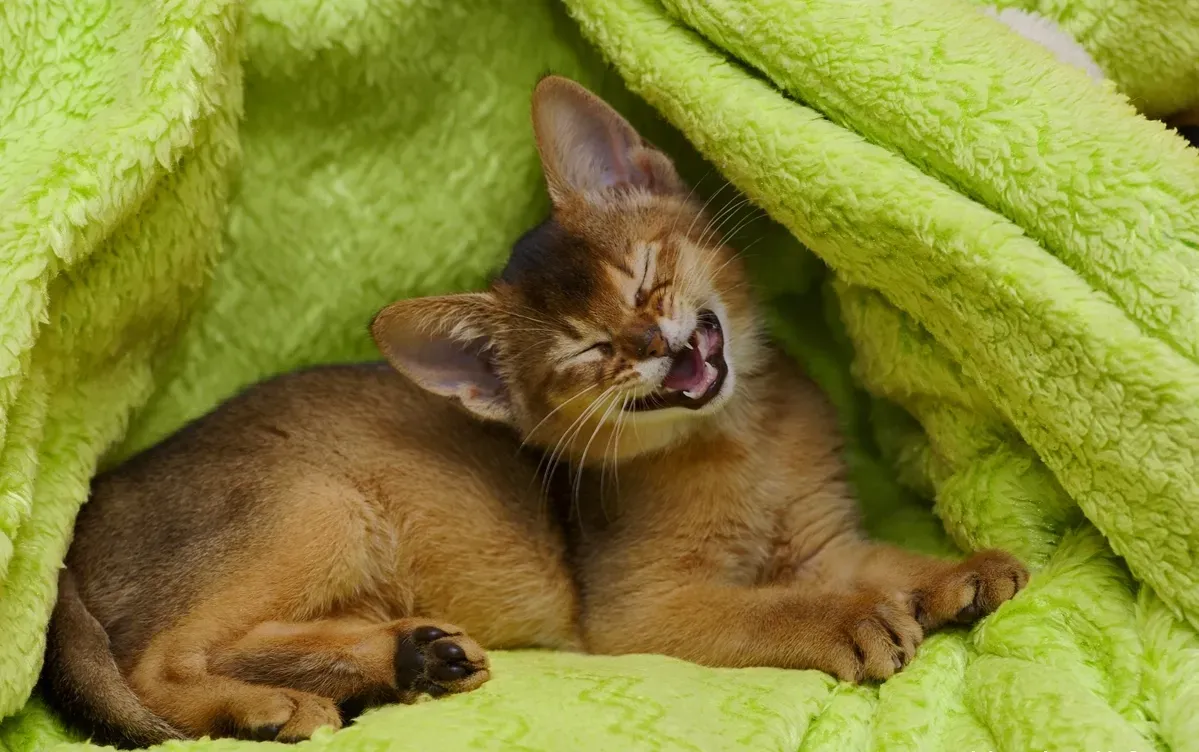
Abyssinians are relentless. This breed needs constant stimulation, climbs everything in sight, and gets destructive fast when bored – traits that make it a genuinely difficult fit for low-energy households.
The upside is that Abyssinians channel much of that intense energy directly into their favorite humans, often becoming highly interactive, people-focused companions who insist on being involved in whatever you’re doing. They’re not a breed that naps quietly in a corner. Once bonded, an Abyssinian wants to help you cook, supervise your work, and sit as close to you as physically possible.
Some cat behaviorists argue this breed is chronically mismatched with apartment living because its loyalty comes bundled with an activity level most owners underestimate. Meet that need, though, and you get one of the most engaged, people-oriented cats in existence.
#8 – The Norwegian Forest Cat: Aloof With Guests, Loyal to the Core
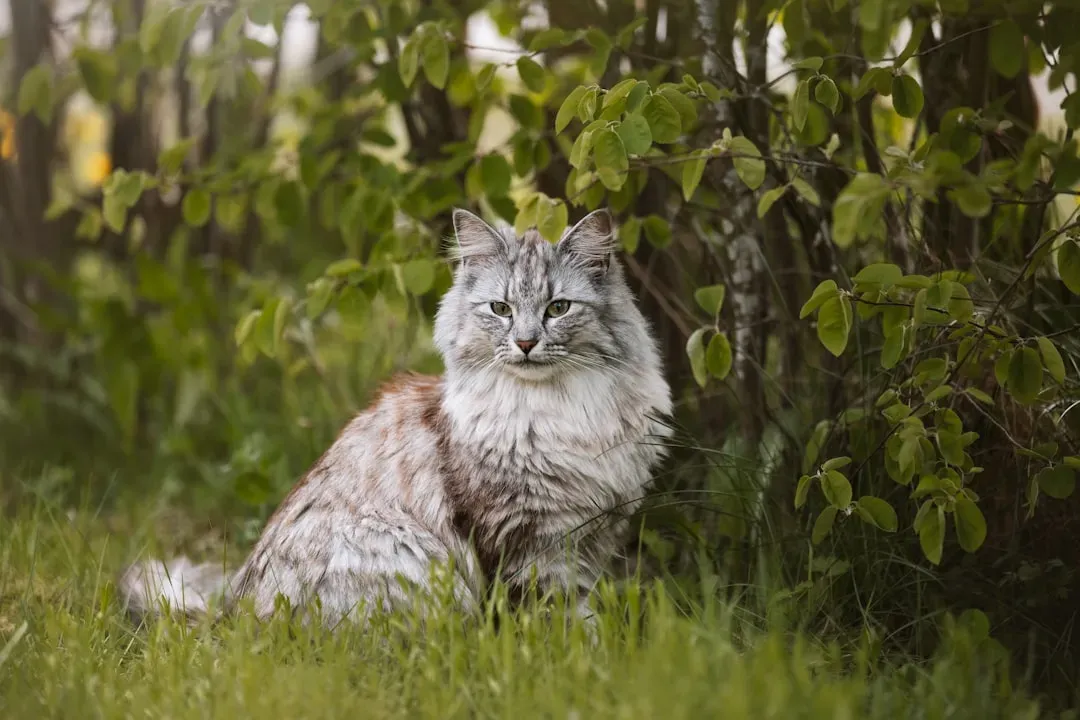
Norwegian Forest Cats carry themselves with a certain independence that can read as coldness, especially around unfamiliar people. They’re not typically eager greeters, and new owners sometimes mistake this reserved nature for disinterest.
That reserved exterior, though, hides a breed known for quietly following its chosen humans room to room and settling nearby rather than demanding constant physical contact. Their affection tends to be steady rather than showy – less lap-sitting, more “always in the same room as you.”
Because they’re naturally independent, Norwegian Forest Cats don’t need constant reassurance, but they do form strong, lasting attachments to their household once comfortable. Owners frequently describe the shift as subtle but unmistakable: a cat that once ignored them suddenly can’t stand being on the other side of a closed door.
#9 – The Devon Rex: Mischievous, Demanding, and Impossible to Distract From
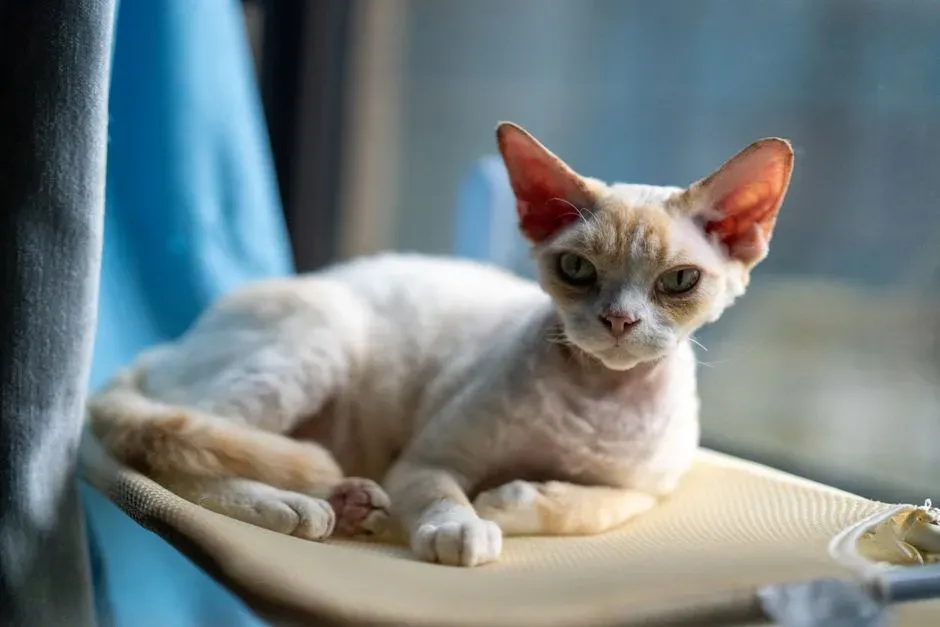
Devon Rex cats have a well-earned reputation for mischief – getting into cabinets, knocking things over, and generally refusing to leave anything alone. Their high energy and constant need for interaction can wear down owners who expected a calmer companion.
At a Glance
- Nicknamed “Velcro cats” for their habit of sticking close to their favorite person all day long.
- Known for perching on shoulders and inserting themselves into laps, invited or not.
- Highly food-motivated, which makes them surprisingly easy to train with treats.
- Curious to a fault – cabinets, drawers, and countertops are treated as personal territory.
But that same relentless curiosity is aimed almost entirely at their people. Devon Rex cats are known for perching on shoulders, inserting themselves into laps uninvited, and following owners so closely they’re sometimes nicknamed “Velcro cats.” This isn’t occasional affection – it’s a near-constant presence.
Some owners initially find this smothering, especially those used to more independent breeds. But once you accept that a Devon Rex simply wants to be wherever you are, the relationship becomes less about managing mischief and more about appreciating a cat that has fully, unapologetically chosen you.
#10 – The Korat: Reserved, Watchful, and a True One-Person Cat
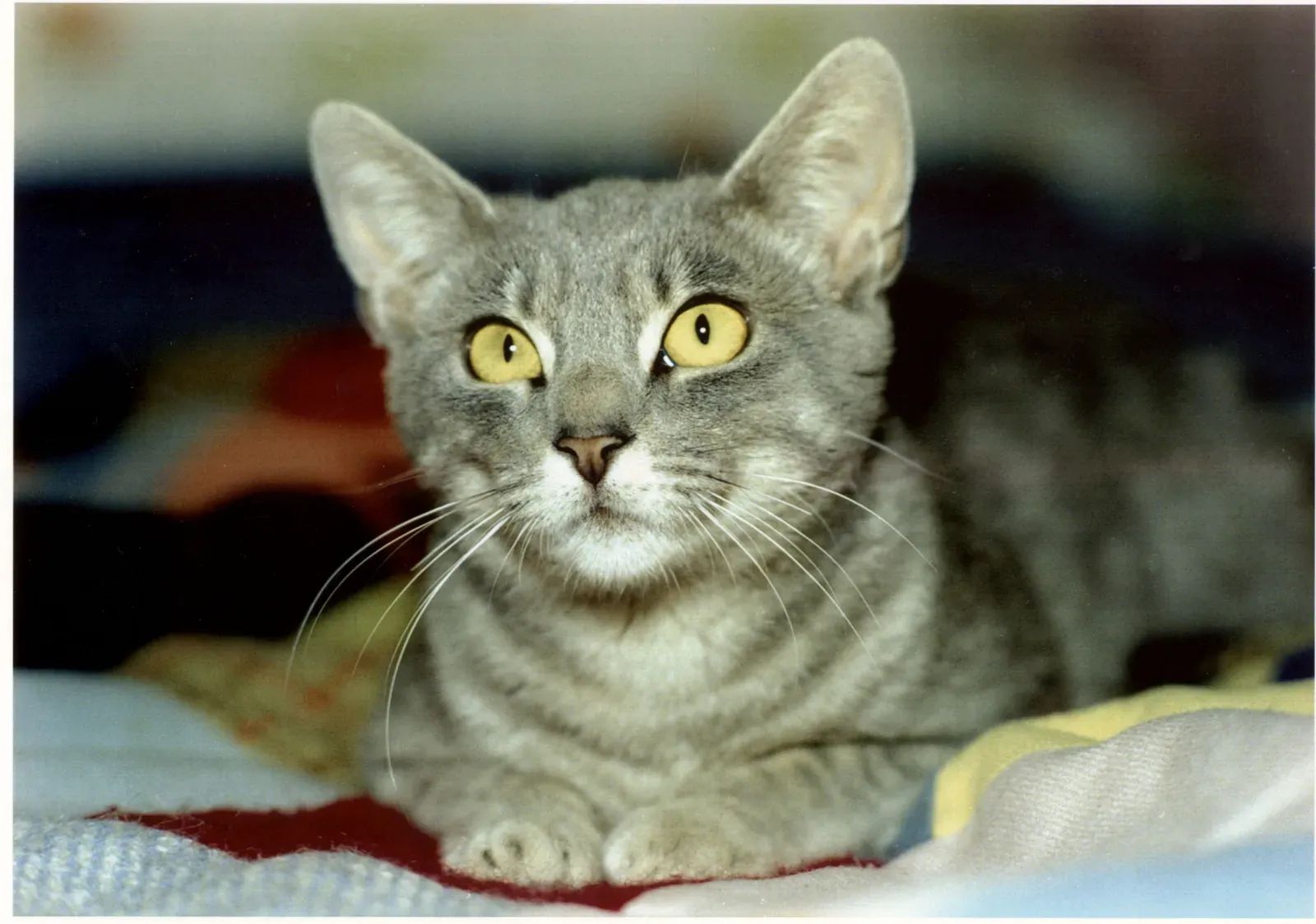
Korats take their time. This breed is naturally cautious, slow to warm up to new people, and known for closely observing before ever engaging – traits that can make early ownership feel emotionally distant.
That caution, though, is exactly what makes the eventual bond so specific and strong. Korats are frequently described as true one-person cats, forming an intense attachment to a single household member while remaining polite but distant with everyone else. This isn’t a breed that spreads affection evenly.
Once a Korat commits, it tends to follow that one person obsessively, seeking them out specifically rather than accepting attention from just anyone in the house. Some owners find this exclusivity frustrating if they were hoping for a family cat. But for the person chosen, the loyalty is close to unconditional.
#11 – The Singapura: Tiny, Shy, and Surprisingly Clingy
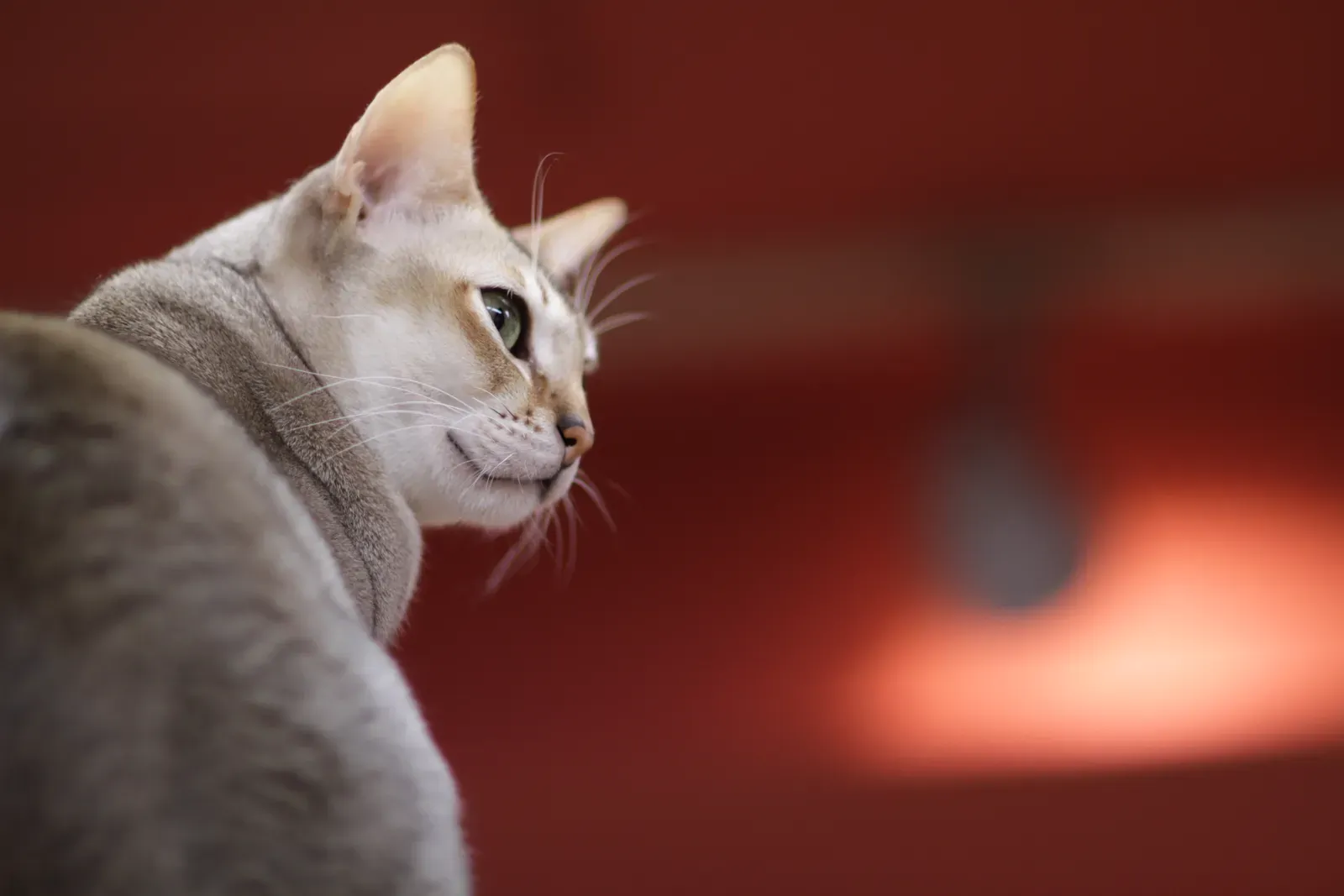
Singapuras are small, quiet, and notoriously shy around strangers or unfamiliar environments. New owners often mistake this timidity for a lack of personality, especially compared to louder, more demonstrative breeds.
That first impression couldn’t be further from the truth. Once settled, Singapuras are known for becoming intensely people-focused, often following their owners closely and seeking physical closeness far more than their initial shyness would suggest. They tend to bond hard to routine and to specific people, becoming distressed by sudden changes in either.
This breed rewards patience specifically – rushing a Singapura’s trust-building process tends to backfire, prolonging the shy phase rather than shortening it. Owners who give it time consistently describe their Singapura as clingy in the best possible way.
#12 – The Savannah: Wild-Hybrid Intensity That Becomes Unshakable Devotion
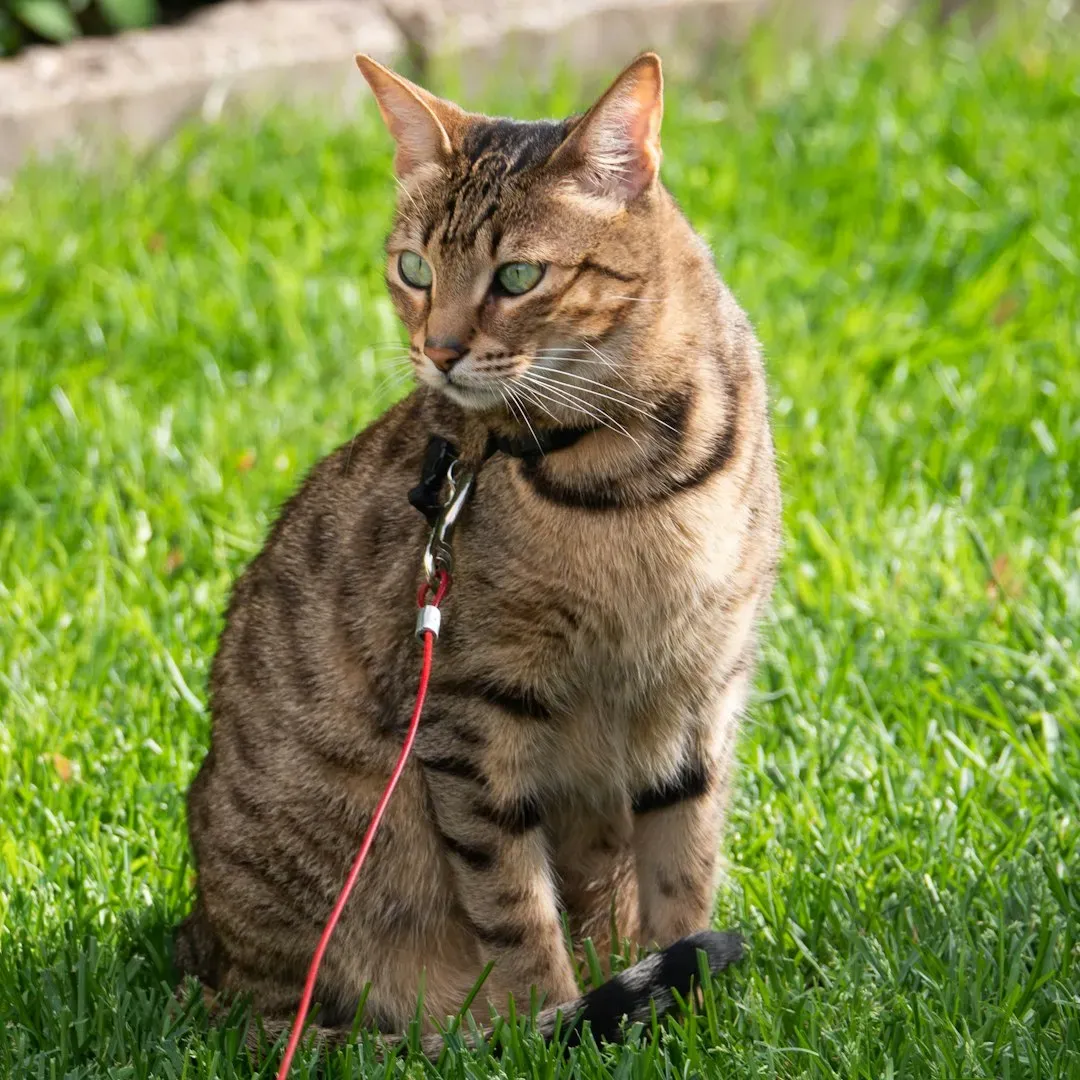
No breed on this list generates more controversy than the Savannah. Part domestic cat, part serval, this breed comes with a reputation for being difficult to manage – high energy, strong prey drive, and a temperament that some argue is simply too intense for average households.
Worth Knowing
- Savannahs are hybrids between a domestic cat and the African serval, a wild cat native to sub-Saharan Africa.
- Generation labels like F1 and F2 show how many generations removed a cat is from its serval ancestor, with F1s carrying the highest percentage of wild genes.
- Earlier generations tend to be larger and more demanding, which is why breeders often steer first-time owners toward later generations.
- Ownership rules vary widely by location, with some states restricting or banning certain generations outright.
Yet Savannahs are consistently described by owners as forming intensely dog-like bonds, following their chosen person everywhere, greeting them at the door, and even learning to walk on a leash. This is arguably the most polarizing breed here: critics say Savannahs shouldn’t be marketed as typical house cats at all, given how demanding their exercise and engagement needs are.
But those who commit to meeting those needs describe a level of loyalty that borders on obsessive – a cat that doesn’t just tolerate you, but actively chooses to be near you at every opportunity. It’s the clearest example on this list of difficulty converting directly into devotion.
The pattern here isn’t subtle. Every breed on this list gets a reputation for being “difficult” for the same basic reason: they don’t hand out affection for free. They’re cautious, demanding, or fiercely independent right up until they decide you’re worth trusting – and then they commit hard.
Honestly, that’s a more honest form of loyalty than any instantly cuddly breed offers, because it’s earned rather than default. If you’ve ever been “chosen” by a cat everyone warned you was too much work, you already know exactly what we’re talking about. Which one of these matches your cat? Tell us in the comments.
Kristina is a young writer from India. An arts graduate and an avid content creator, Kristina is passionate about animals and wildlife. She enjoys exploring topics related to pet care, animal behavior, conservation, and nature, combining thorough research with engaging storytelling.