Every cat owner swears up and down that they’re just “the help” in their own house. What they won’t admit is the borderline unhinged routine they run every single day just to keep one small, judgmental animal content. Baby-talking to a creature that could not care less. Rearranging an entire schedule around a nap. Pressing their face into a cat’s fur like they’re sampling a fine wine.
Here’s the part that actually surprised us: it’s not just your house. The same secret rituals show up in nearly every cat household, decade after decade, city after city, and almost nobody says them out loud because they sound completely irrational. Cat behaviorists have documented it, vets have watched it happen in their waiting rooms, and if you own a cat, you’re about to recognize every single one of these, including a few you swore you’d never confess to a living soul.
#1 – Narrating Their Cat’s Every Move Like a Nature Documentary
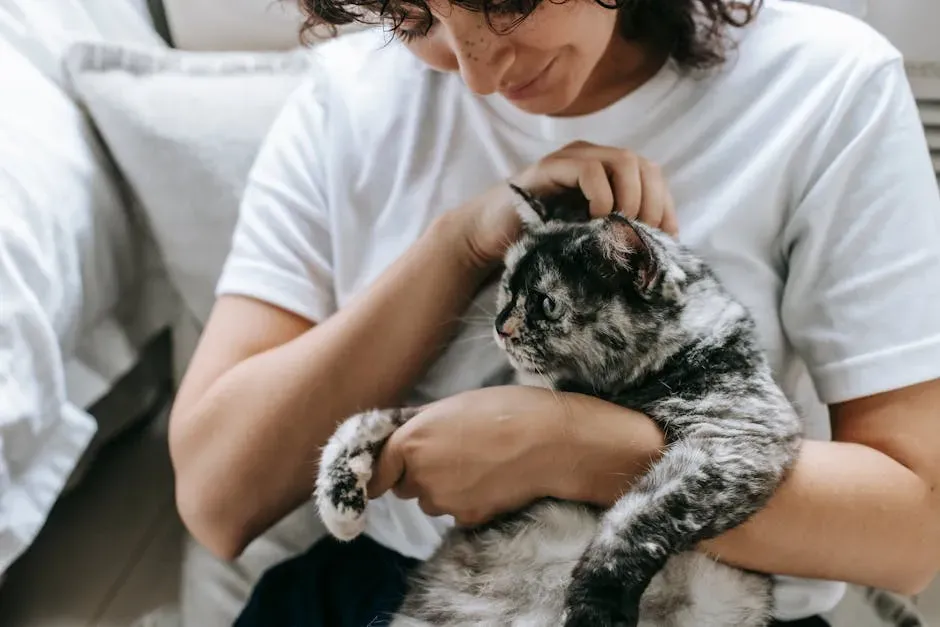
Nearly every cat owner has caught themselves whispering a full play-by-play while their cat stalks a dust bunny across the living room floor. It starts innocently enough, then suddenly you’re doing a David Attenborough impression in your own kitchen at 7 a.m. Most owners do this even when nobody else is home to hear it, which somehow makes it stranger, not less embarrassing.
Behaviorists say this narrating habit isn’t actually pointless. It’s a subconscious way humans bond with non-verbal companions, filling in “dialogue” the same way parents do with infants. The difference is your cat isn’t going to grow up and understand English, but you’ll keep doing the voices anyway. Ask any owner if they do this and they’ll deny it immediately, then laugh nervously because they know it’s true.
#2 – Letting the Cat Win the Staring Contest Every Time
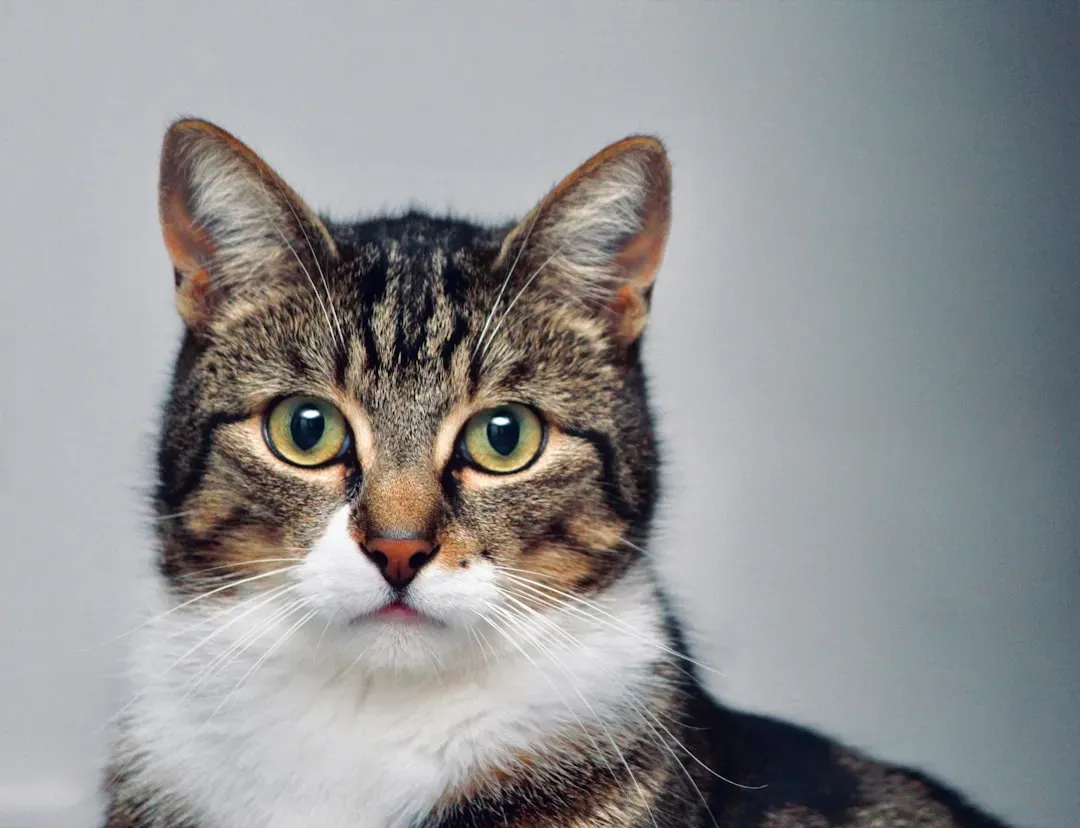
Cat owners will insist they’re in charge of the household, yet somehow lose every single staring contest with their own pet. There’s an unspoken rule that you blink first, you look away first, and you definitely don’t maintain eye contact for too long because slow blinking is basically cat sign language for trust. Most owners have Googled “what does it mean when my cat stares at me” more than once, usually at 2 a.m.
This isn’t just superstition. Slow blinking has actual documented meaning in feline communication, often compared to a small, friendly smile between cats and their humans. Owners who learn this fact take it way too seriously, turning it into a nightly ritual instead of a passing curiosity. That one’s tame compared to what happens with #3.
#3 – Buying an Expensive Cat Bed That Gets Completely Ignored
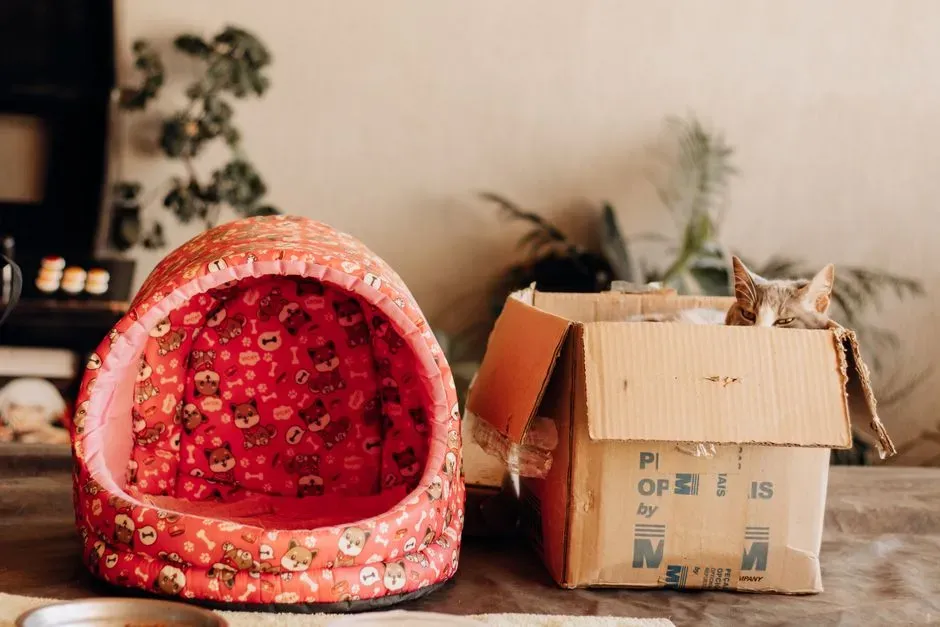
Every cat owner has purchased at least one plush, orthopedic, ridiculously overpriced cat bed only to watch their cat sleep in the empty cardboard box it came in instead. It’s a rite of passage nobody warns you about before you become a cat person. Most owners buy a second or third bed anyway, hoping this time will be different, despite overwhelming evidence it won’t be.
The reason isn’t stubbornness on the cat’s part, it’s actually about texture, warmth retention, and enclosed spaces that feel safer than an open bed. Boxes trap body heat and mimic the tight, secure hiding spots cats instinctively prefer in the wild. Owners know this logically, yet they keep buying beds anyway because hope springs eternal in cat parenting. Admitting defeat means admitting the box wins, and nobody wants to say that quietly.
#4 – Sniffing Their Cat’s Head on Purpose
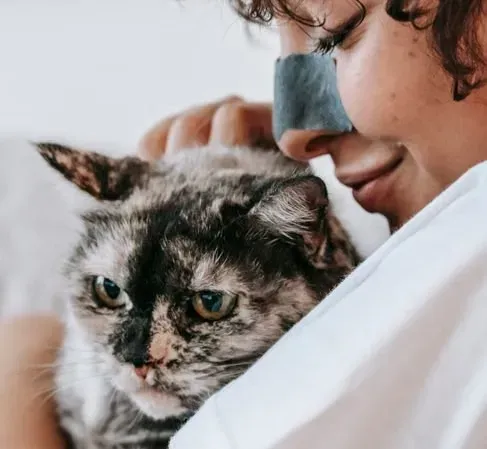
This one sounds strange written down, but almost every cat owner does it: pressing their nose right into their cat’s fur and taking a deep breath. It’s not gross, it’s oddly comforting, and owners will absolutely deny doing it in public. Most describe the scent as warm, slightly sweet, and strangely calming, almost like a stress-relief ritual disguised as affection.
There’s actually something to this beyond pure sentimentality. Cats groom constantly, and their fur picks up subtle scent traces that many owners subconsciously associate with comfort and familiarity. It becomes a habit that feels almost meditative after a long day. Try telling a non-cat-person about this ritual, though, and watch their face change instantly.
#5 – Apologizing to the Cat After Bumping Into Furniture
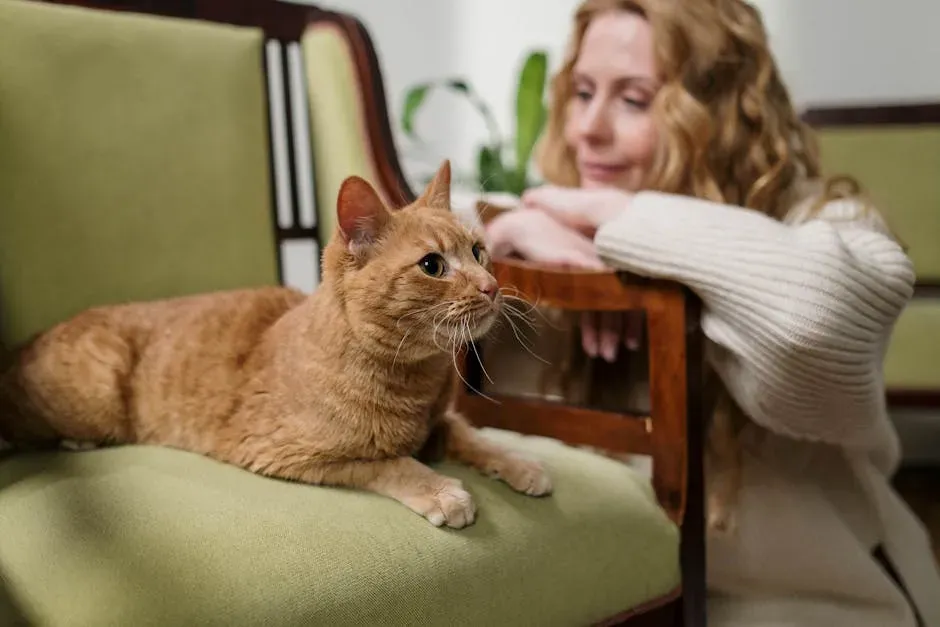
Somehow, cat owners develop the instinct to apologize to their cat if they accidentally bump a chair the cat wasn’t even near. It’s an automatic reflex, almost like the cat is a roommate whose feelings need managing at all times. Most owners say “sorry” out loud to an animal that has zero idea what an apology even is, and they do it constantly without noticing.
This habit ties back to how deeply humans anthropomorphize pets, treating them as emotional equals rather than animals with a completely different cognitive framework. It’s harmless, but it reveals just how much emotional labor goes into cat ownership. Owners aren’t apologizing for the cat’s benefit, they’re doing it because ignoring the “disruption” feels rude somehow.
#6 – Changing Their Entire Walking Pattern to Avoid Waking the Cat
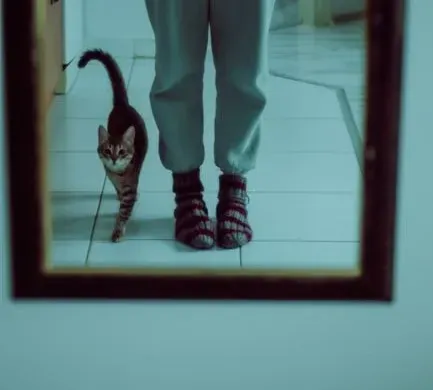
Cat owners develop an almost tactical awareness of every squeaky floorboard in their home just to avoid disturbing a sleeping cat. Tiptoeing through your own living room like a cat burglar, ironically, becomes second nature. Most owners have paused mid-step, arms out, silently praying not to wake a cat that will absolutely fall back asleep in ten seconds anyway.
This behavior stems from genuine guilt about disrupting a cat’s rest, even though cats are famous for sleeping between twelve and sixteen hours a day regardless of interruptions. Owners know logically the cat will be fine, yet the instinct to protect that peaceful nap persists. It becomes a nightly obstacle course nobody signed up for but everyone quietly accepts.
#7 – Letting the Cat Dictate What Time You Wake Up
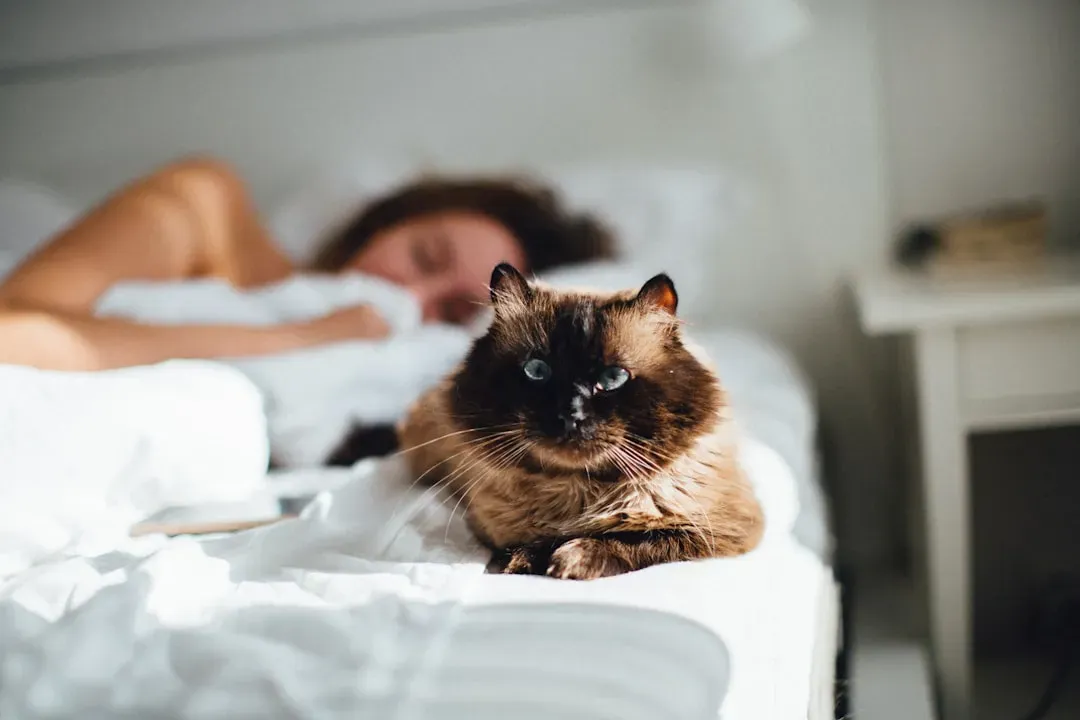
Alarm clocks become optional once a cat decides breakfast happens at a specific hour, regardless of weekends, holidays, or how tired you actually are. Most owners admit their cat’s internal clock is more reliable than any phone alarm they’ve ever set, and yet they still let it run their entire morning schedule.
This isn’t just a cute quirk, it’s rooted in a cat’s strong circadian rhythm and their instinctive expectation of consistency, especially around feeding times. Cats will meow, paw at faces, or knock things off shelves with impressive precision until the human complies. Owners rarely fight it because the alternative is worse: an increasingly annoyed cat escalating tactics by the minute. And that’s mild compared to what’s coming at #8.
#8 – Talking to the Cat in a Voice Reserved Only for the Cat
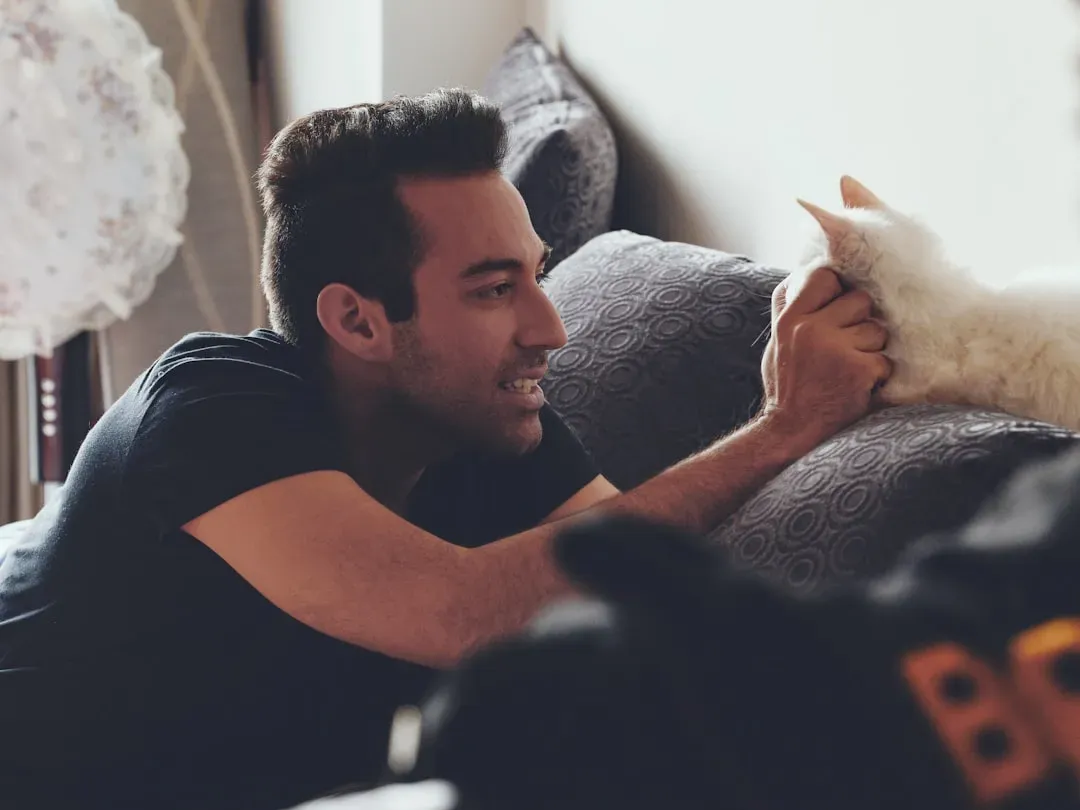
Every cat owner has a special voice, higher pitched, softer, almost sing-song, that comes out exclusively around their cat and absolutely nobody else. Most people would be mortified if a coworker walked in mid-sentence and heard the tone shift happening in real time.
Vocal pitch shifts like this are common across pet ownership, often unconsciously mimicking the tone used with infants because it signals safety and non-threat. Cats respond better to higher, gentler tones than flat or deep voices, which reinforces the habit without owners even realizing why they do it. Ask someone to demonstrate their “cat voice” on command, though, and most will refuse immediately out of pure embarrassment.
#9 – Holding Their Bladder Because the Cat Is Sitting on Their Lap
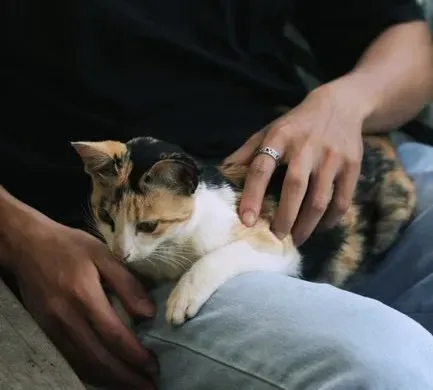
There’s a very specific type of paralysis that happens when a cat curls up and falls asleep directly on your lap. Most owners will genuinely delay bathroom breaks, meals, or important calls rather than disturb a sleeping cat, even when it’s mildly uncomfortable to keep sitting still.
This isn’t just cuteness overload, it taps into something deeper: the release of oxytocin, the same bonding hormone triggered by human touch, which activates during calm interactions with pets. Moving means breaking that physical connection, and something about it feels almost rude, even selfish. Owners will sit in genuine discomfort rather than lose that moment of closeness.
#10 – Checking If the Cat Is Still Breathing While It Sleeps
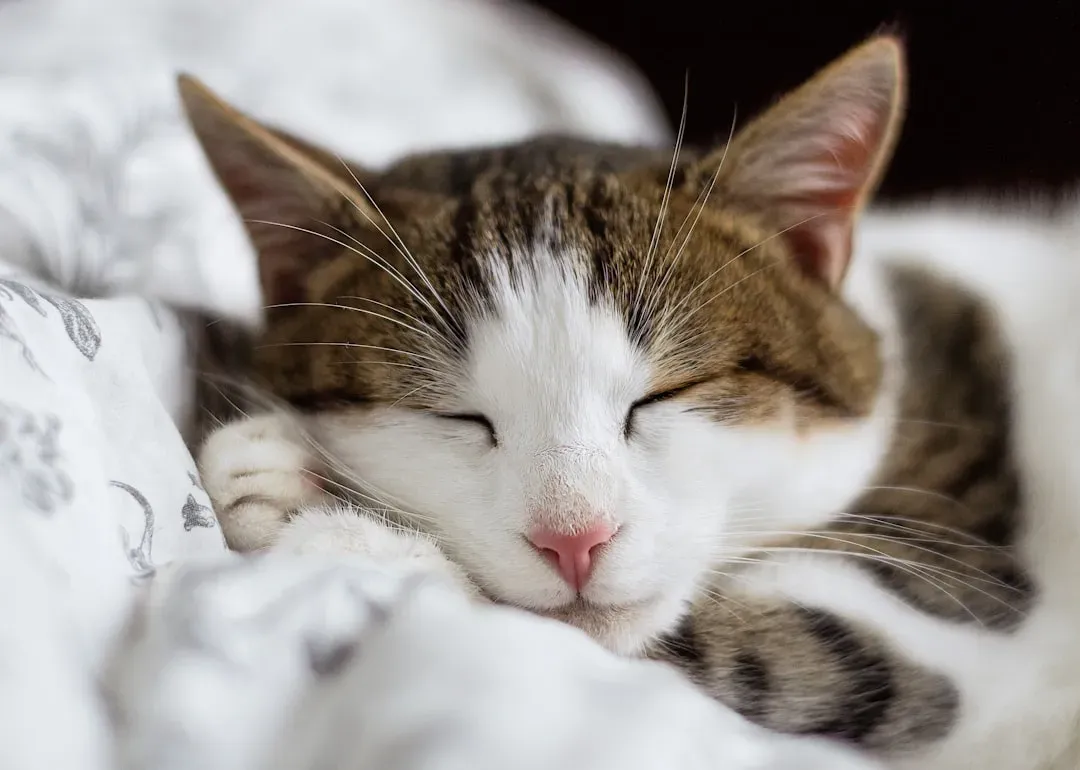
Cats sleep so still and so deeply that owners regularly panic-check for breathing, especially during those deep, motionless naps that stretch on for hours. Most owners have hovered a hand near their cat’s side just to confirm it’s still rising and falling, then felt slightly silly afterward.
This concern isn’t irrational, cats can enter incredibly deep sleep phases where breathing slows dramatically, which can look alarming to an untrained eye. It’s an instinctive protective behavior, similar to how new parents check on sleeping infants. Most owners never grow out of this habit, no matter how many times they’ve confirmed the cat is simply fine.
#11 – Full Conversations With the Cat About the Day
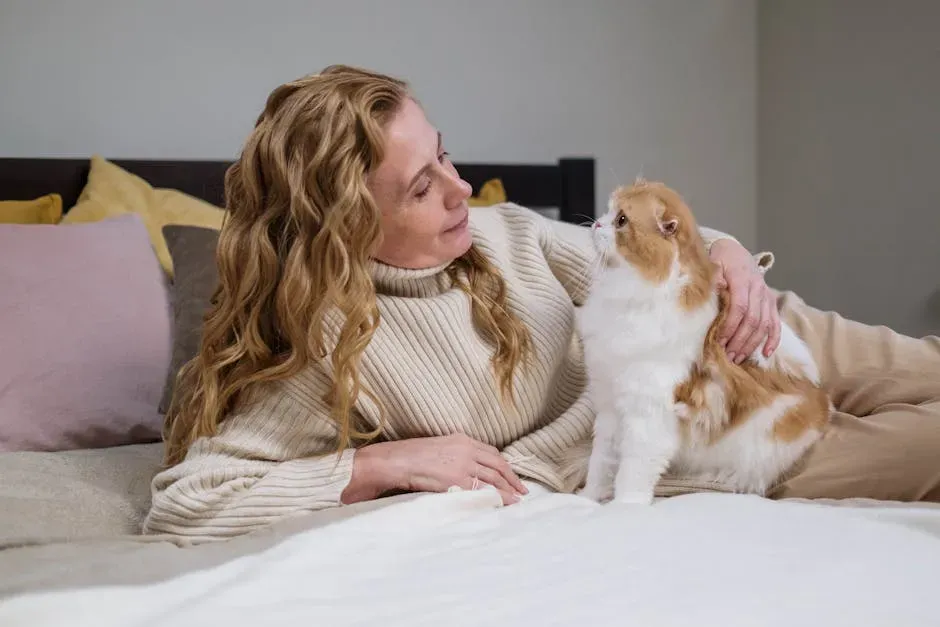
Owners regularly tell their cats about work stress, relationship drama, or grocery store frustrations as if the cat is an active listener taking mental notes. Most people talk to their cat more consistently than they talk to some actual humans in their life, which says a lot about modern loneliness and companionship.
This habit isn’t as strange as it sounds. Verbalizing thoughts out loud has documented benefits for processing stress, and having a non-judgmental “listener” nearby makes the habit feel safe and low-stakes. Cats don’t respond with opinions, arguments, or unsolicited advice, which oddly makes them ideal conversational partners.
#12 – Letting the Cat Choose the Seating Arrangement
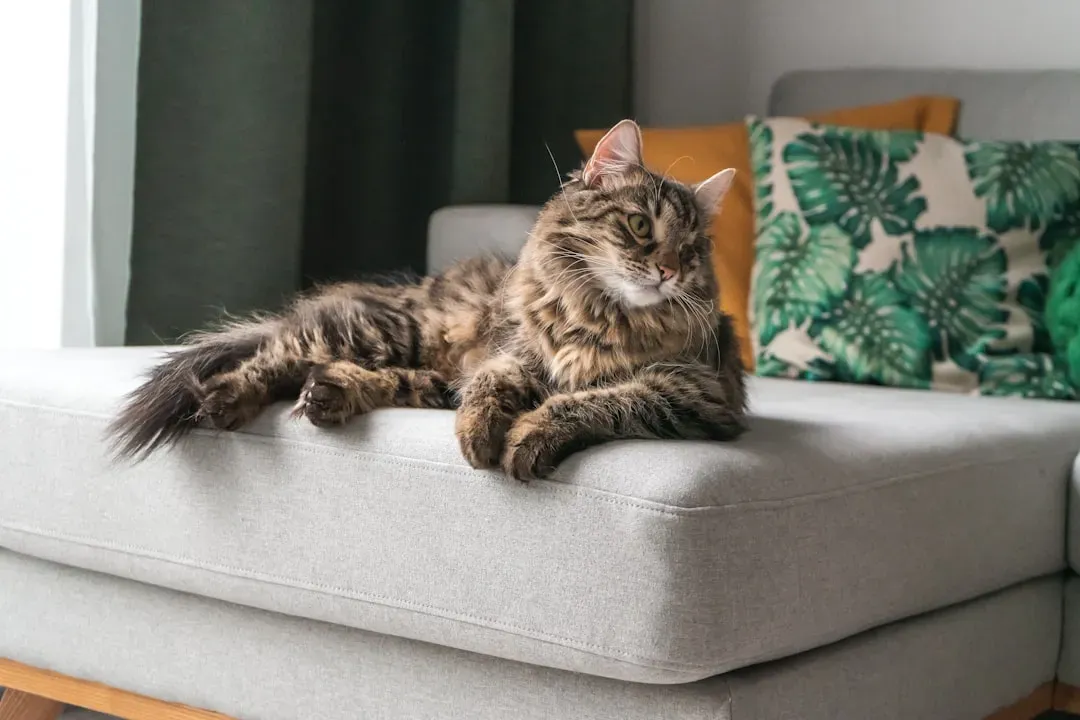
Somehow, cats end up dictating exactly where humans are allowed to sit on their own couch, and owners comply without question. Most people will sit in an uncomfortable position for hours rather than disturb a cat occupying prime real estate.
This behavior reflects how deeply territorial dynamics shift once a cat enters the home, subtly reshaping daily habits around its preferences. Cats naturally gravitate toward warm, elevated, or centrally located spots, and owners unconsciously accommodate that preference over time. It becomes second nature to ask, “Is the cat on the couch?” before deciding where to sit.
#13 – Buying Treats That Cost More Than Their Own Snacks
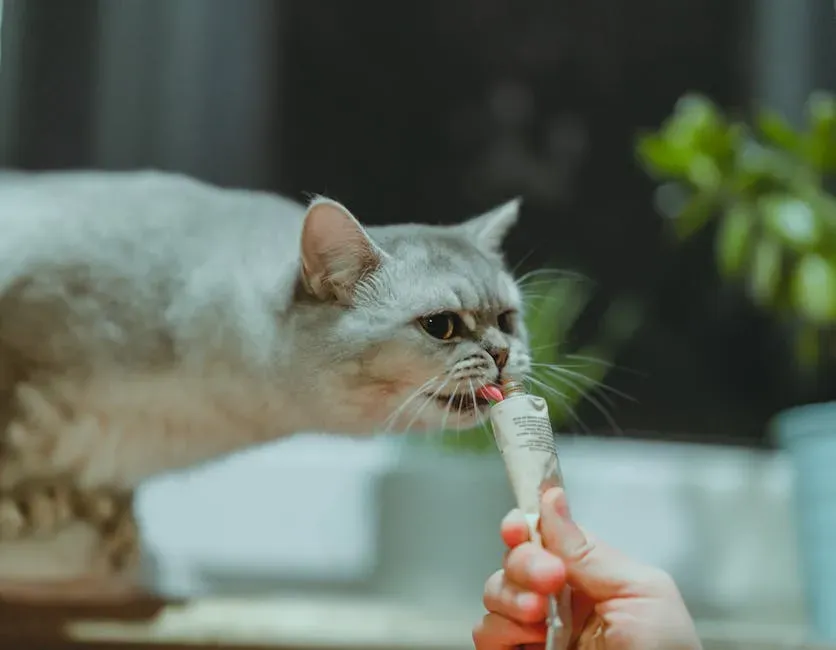
Somewhere along the way, cat owners start buying gourmet, freeze-dried, single-ingredient cat treats that cost noticeably more than their own groceries. Most owners have paid more for cat treats than for their own lunch that same day, without blinking twice.
This spending pattern isn’t unusual within pet ownership circles, where premium pet food and treats have become a booming category driven by owners wanting the “best” for their companions. Guilt plays a role too, especially for owners who work long hours and want to make it up to their cat somehow. Wait until you see how #14 sounds in real time.
#14 – Doing a Full Investigation When the Cat Makes an Unusual Sound
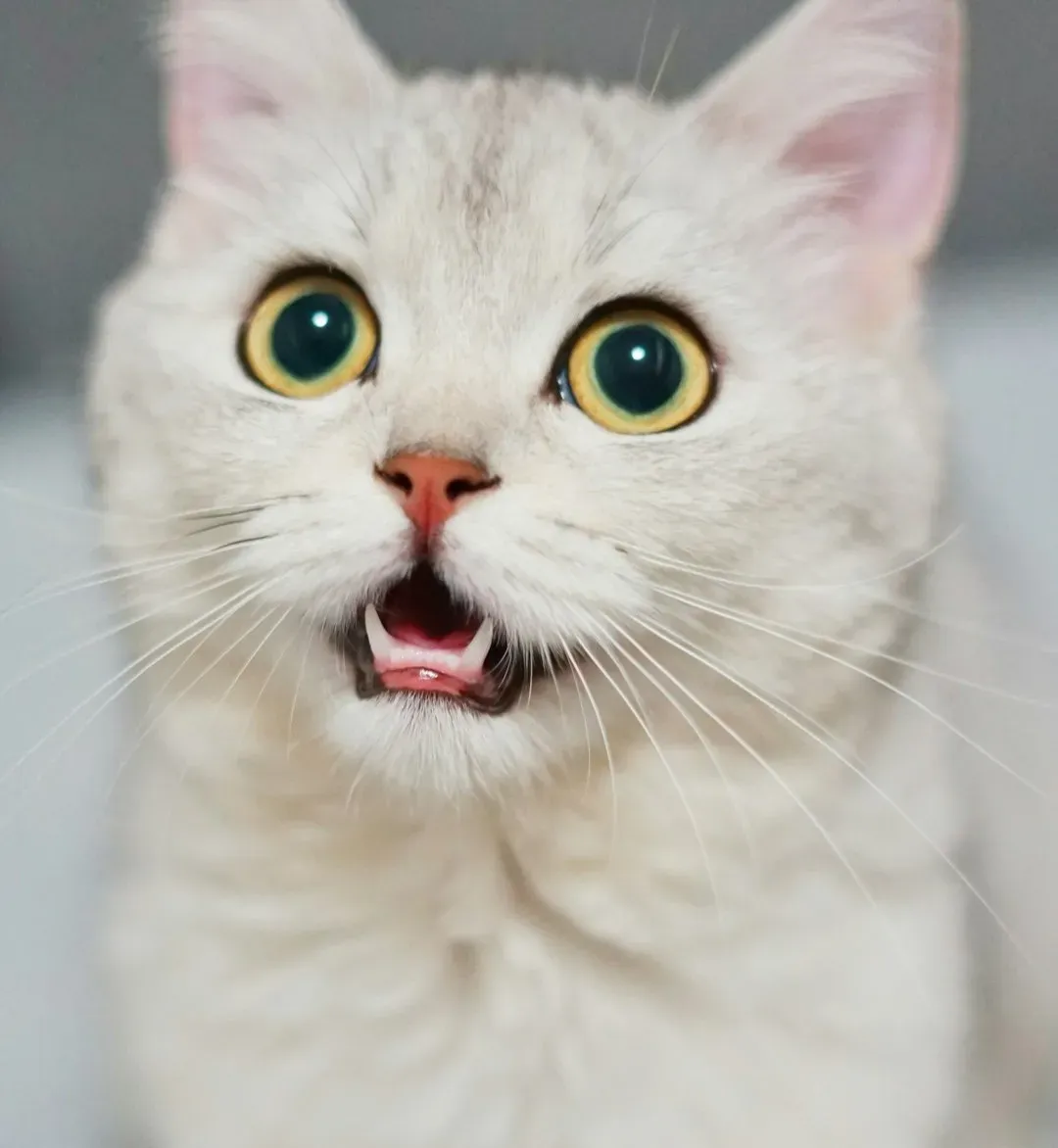
One weird noise, even a single unfamiliar chirp, sends owners into full detective mode checking for injuries, distress, or hidden mischief. Most owners can distinguish between at least five or six different meows and immediately know which one means trouble.
This heightened awareness develops naturally, since cats use vocalizations differently with humans than they do with other cats, and owners become fluent in interpreting them over time. A single unusual sound can trigger an immediate scan of the room, a check of food bowls, and sometimes a full-blown panic search under furniture. It’s a skill owners don’t realize they’ve developed until someone points out how quickly they reacted.
#15 – Letting the Cat “Help” With Chores
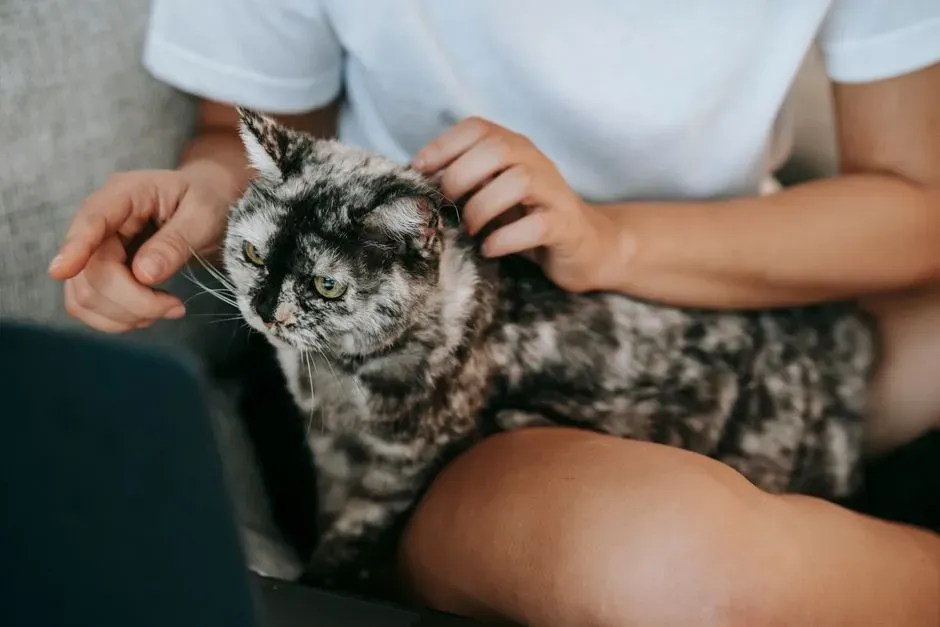
Somehow, laundry folding, box packing, and even typing on a laptop become significantly harder the moment a cat decides to “help.” Most owners will let the cat sit directly on top of whatever they’re working on rather than gently move it away.
This tolerance ties back to how cats seek warmth, attention, and physical closeness, especially during activities that involve movement or new objects entering their space. Owners rarely push back because the interruption, while inconvenient, is also oddly endearing. It becomes an accepted part of daily life, even when deadlines are involved.
#16 – Keeping a Running Mental List of the Cat’s “Favorite Spots”
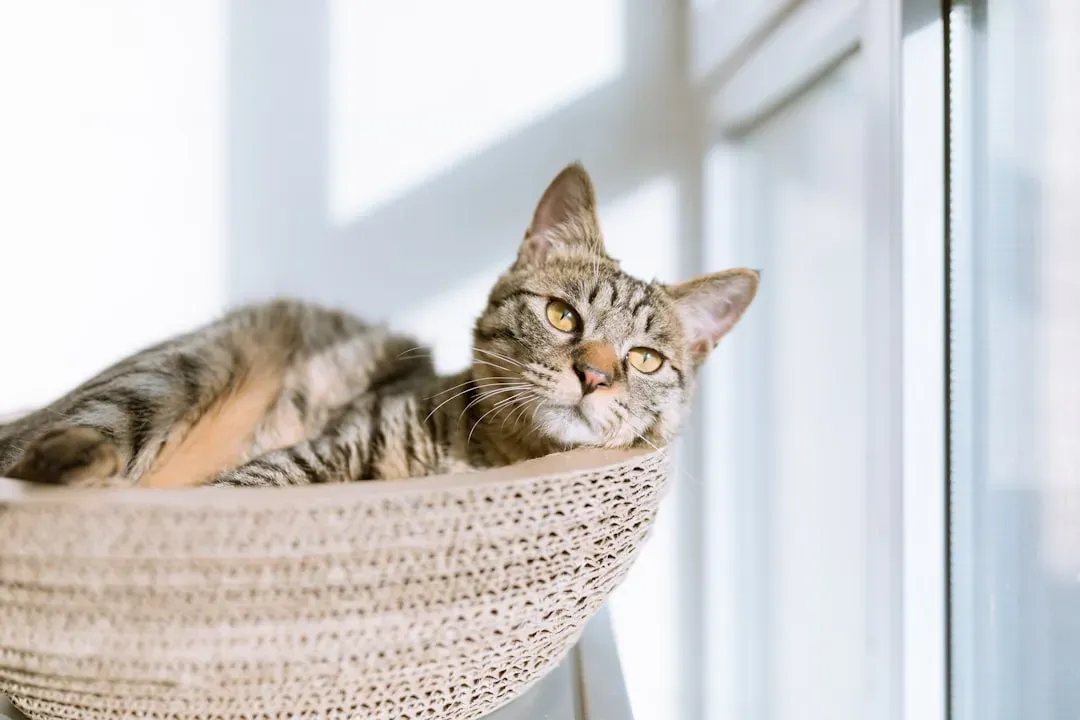
Cat owners develop an internal map of every sunny windowsill, warm laundry pile, and cardboard box their cat prefers throughout the day. Most owners can predict exactly where their cat will be at any given hour without even looking.
This pattern recognition develops because cats are creatures of habit, often returning to the same handful of spots based on temperature, light, and safety. Owners start structuring cleaning schedules, furniture placement, and even blinds around these preferences without fully realizing it. Admitting you’ve rearranged blinds specifically for optimal cat sunbathing, though, tends to raise eyebrows.
#17 – Feeling Immense Pride Over Being “Chosen” by the Cat
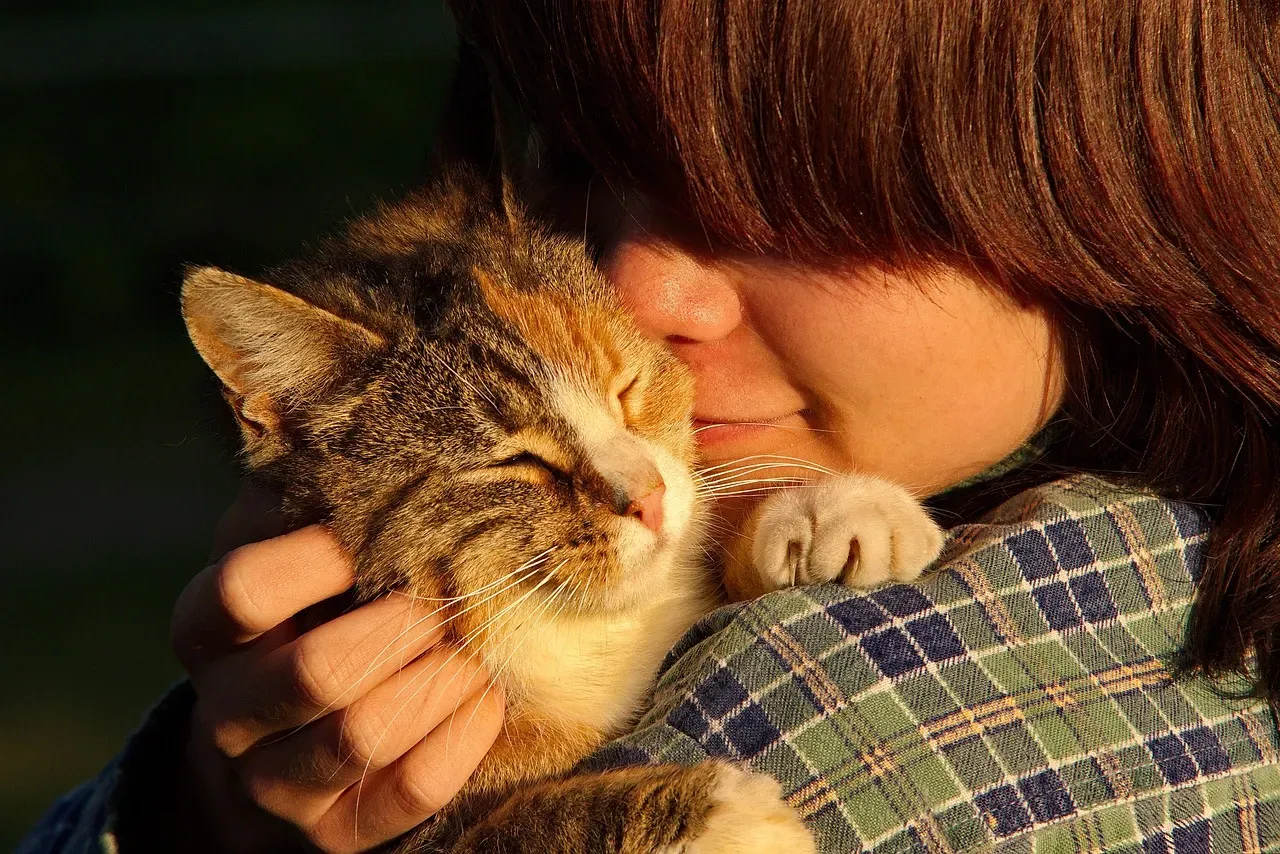
There’s a specific type of validation that comes from a cat choosing to sit near you instead of literally anywhere else in the house. Most owners treat this moment like a genuine personal achievement, even though the cat probably just wanted warmth.
Cats are territorial and selective by nature, so their choice to approach or stay near a specific person can feel more meaningful than it might with more universally affectionate pets. This selectivity is exactly why owners take it so personally when their cat picks them over guests or family members.
In ancient times cats were worshipped as gods; they have not forgotten this.
Terry Pratchett
It becomes a small internal victory that owners rarely explain out loud, mostly because it sounds a little dramatic for what is essentially a nap decision.
#18 – Refusing to Move the Cat Even When It’s Extremely Inconvenient
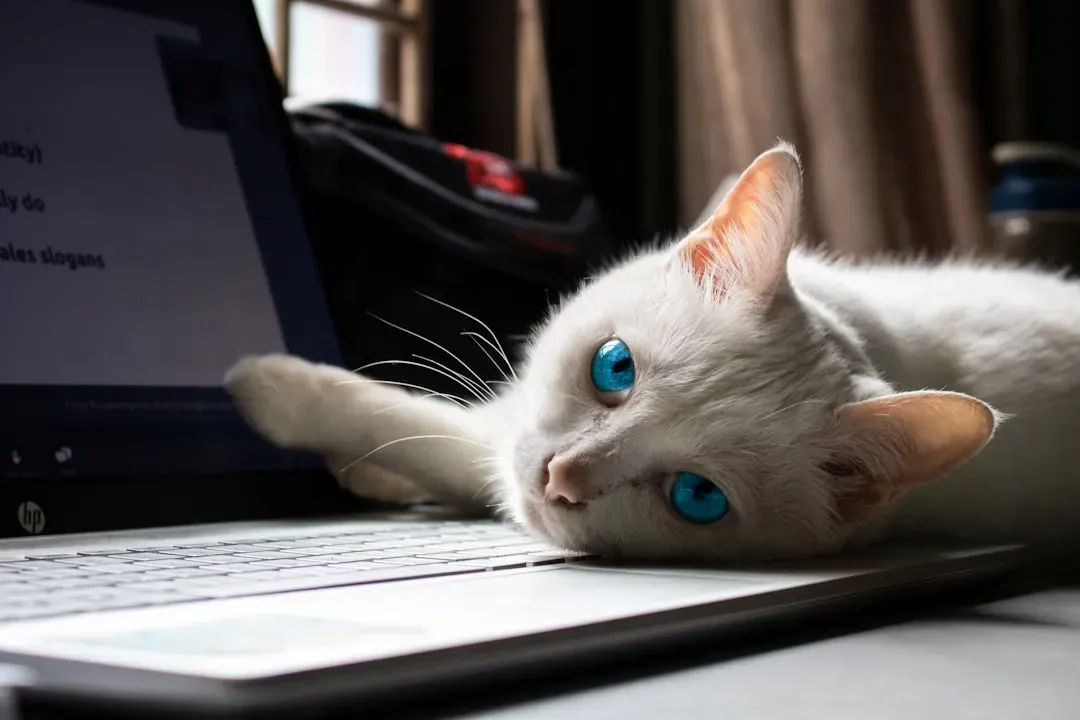
Whether it’s blocking a doorway, sitting on a keyboard, or lounging directly on top of important paperwork, owners will work around the cat instead of moving it. Most owners have typed an entire email around a cat sitting on half the keyboard rather than disturb it.
This reluctance ties back to that same guilt-driven instinct seen throughout cat ownership, where disrupting comfort feels disproportionately unkind compared to the actual inconvenience caused. Owners will contort themselves, adjust their grip, or simply accept a slower workflow rather than move a comfortable cat. It becomes an unspoken rule in the household that certain surfaces are cat territory the moment they’re occupied.
#19 – Saving Hundreds of Nearly Identical Cat Photos Like They’re Rare Treasures
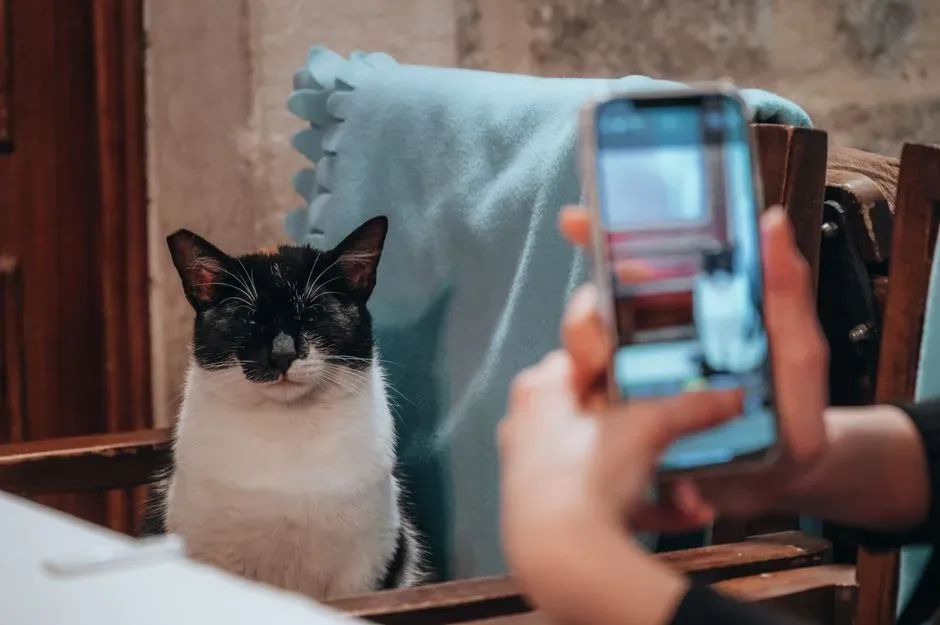
Cat owners accumulate hundreds, sometimes thousands, of nearly identical photos of their cat sleeping, yawning, or staring blankly into space. Most owners have more photos of their cat than of actual family members, and they genuinely don’t see the problem with that.
This obsessive documentation isn’t unique to any one person, it reflects a broader pattern in modern pet ownership where cats become central figures in daily digital life. Every slightly different angle feels worth saving, even if the difference is barely noticeable to anyone else. None of that beats the confession waiting in #20.
#20 – Speaking For the Cat in a Different Voice
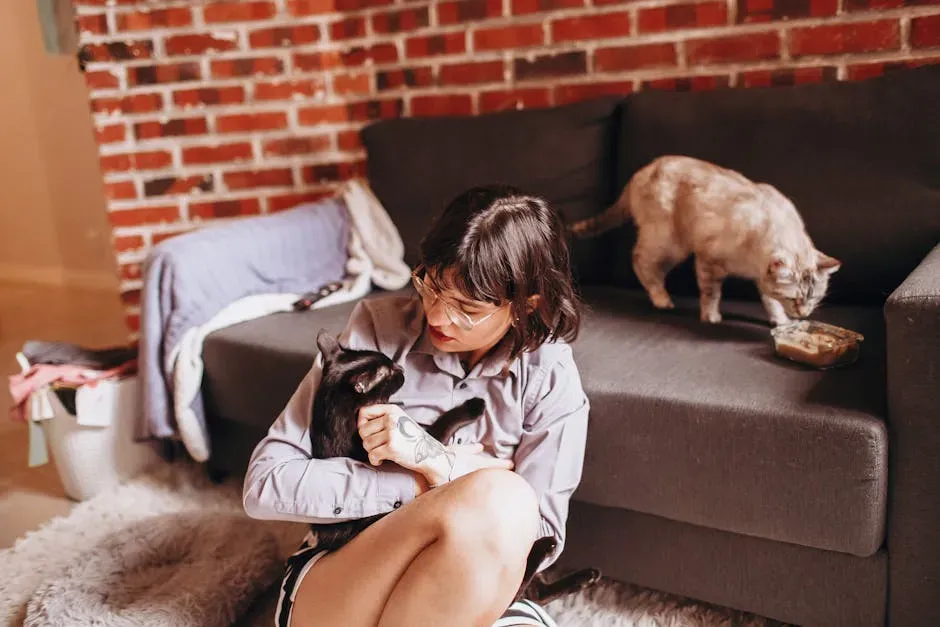
Beyond just narrating, some owners take it further by giving their cat an entire “voice” and personality, responding to their own comments as if the cat is talking back. Most owners have had full two-sided conversations, doing both voices themselves, without a hint of self-awareness in the moment.
This habit often develops from spending significant amounts of time alone with a pet, especially for owners working from home or living solo. It becomes a playful outlet, blending humor with genuine affection, even if it looks a little unusual from the outside. The cat’s “voice” often develops a sarcastic or blunt personality, oddly mirroring the owner’s own sense of humor.
#21 – Becoming an Amateur Nutrition Expert Overnight
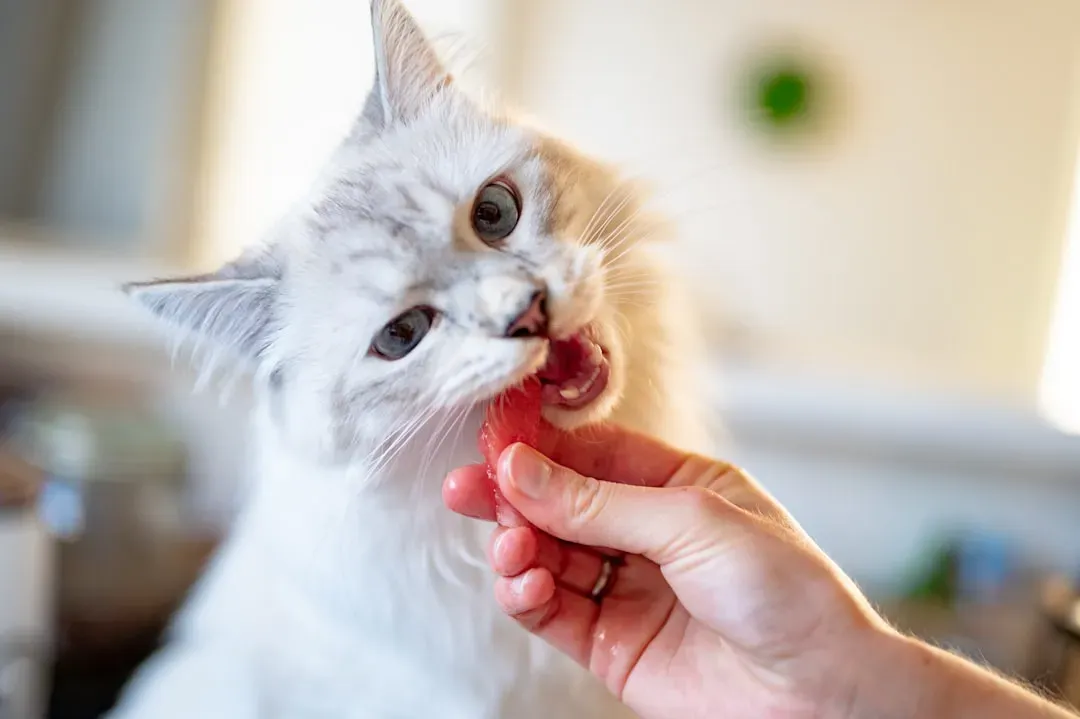
The moment a cat enters the picture, owners suddenly become fluent in ingredient lists, protein percentages, and grain-free debates they never cared about before. Most owners can recite their cat’s dietary requirements faster than they can recite their own.
This shift happens because cat nutrition directly ties to visible health outcomes, coat quality, energy levels, and digestive issues that owners notice almost immediately. It creates a steep, fast learning curve that turns casual owners into label-reading skeptics within weeks. Few admit how much research goes into a decision that ultimately comes down to whichever food the cat deigns to actually eat.
#22 – Feeling Genuine Guilt Over Vet Visits
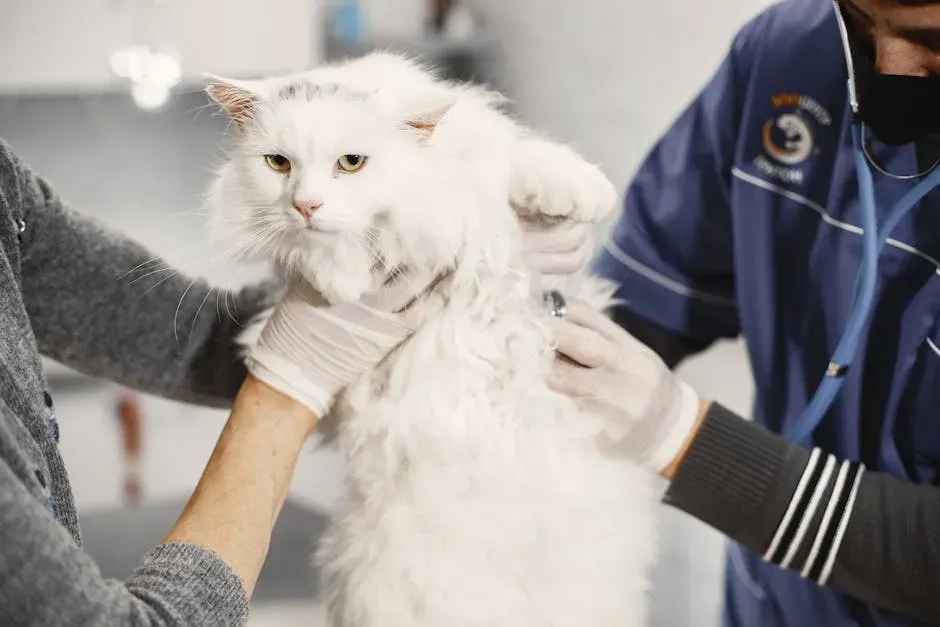
Owners often feel disproportionate guilt scheduling a vet visit, as if their cat will somehow understand the appointment is coming and hold a grudge. Most owners have apologized out loud while placing their cat into a carrier, fully aware the cat has no concept of betrayal.
This guilt stems from the strong emotional attachment owners develop, treating routine healthcare like a personal failure rather than responsible care. Cats’ stress responses during travel, loud meowing, hiding, or resistance, reinforce this guilt even further, making owners feel like they’re doing something wrong. It becomes an emotionally taxing ritual every single time, regardless of how routine or necessary the visit actually is.
#23 – Freezing in Place So a Ridiculously Positioned Sleeping Cat Doesn’t Wake Up
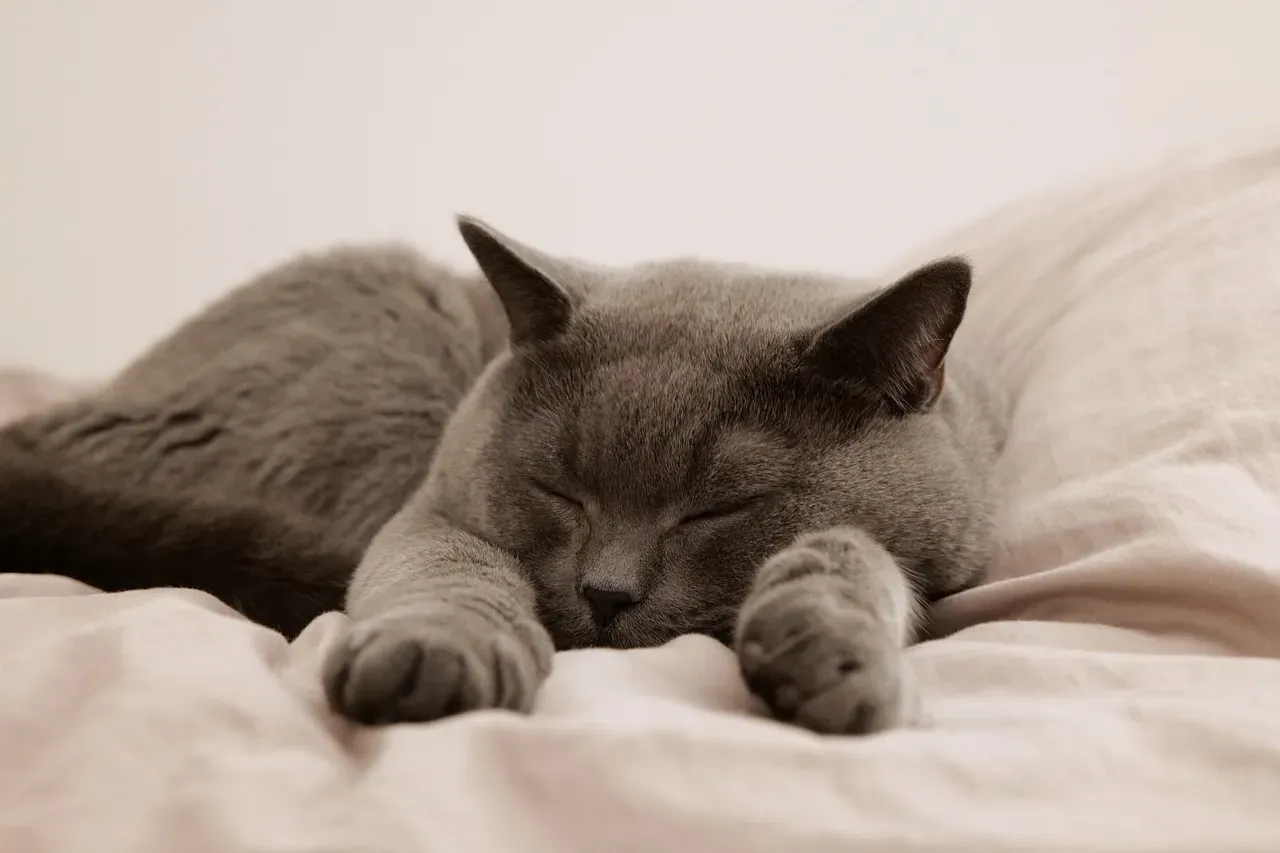
Cats twist themselves into physically improbable positions, and owners will avoid moving entirely just to preserve the moment. Most owners have stayed uncomfortably still for extended periods purely to avoid disturbing an oddly positioned sleeping cat.
This behavior connects back to that same reluctance to disrupt comfort, layered with genuine curiosity about how flexible cats actually are. Cats’ skeletal structure allows for extreme flexibility, letting them sleep in positions that would be impossible for most other animals. Owners often photograph these moments obsessively, adding to that growing pile of nearly identical images mentioned earlier.
#24 – Assuming the Cat Understands Full Sentences
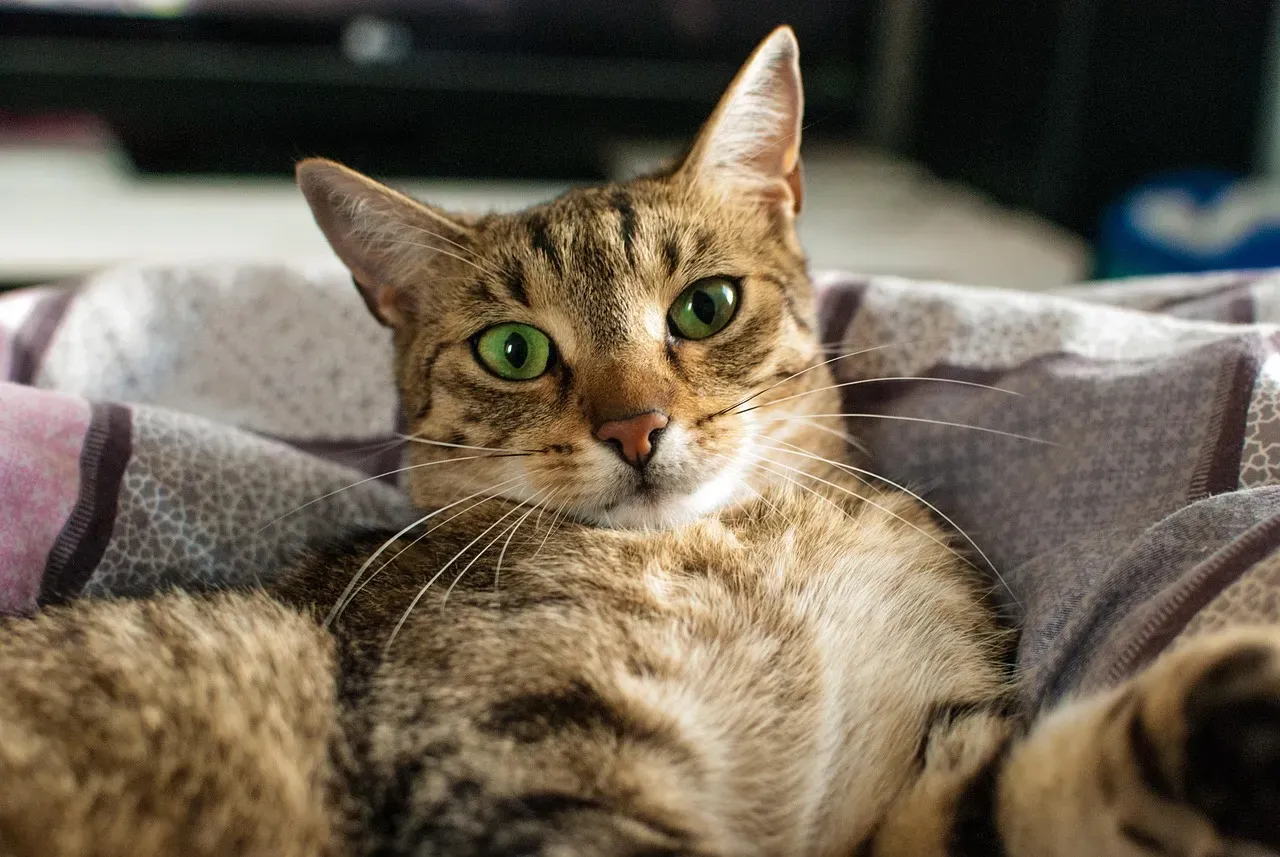
Despite knowing better, most owners speak to their cats in complete, detailed sentences as if they’re having a genuine two-way conversation. Most owners have explained why they’re leaving the house, in full detail, to a cat that is already asleep again.
This habit persists because cats do respond to tone, familiar words, and routine cues, even if they don’t understand full sentence structure the way humans assume. Owners interpret this partial responsiveness as full comprehension, reinforcing the belief that the cat genuinely understands every word. Which brings us to the most universal one on this whole list.
#25 – Missing the Cat Within Minutes of Being Away From Home
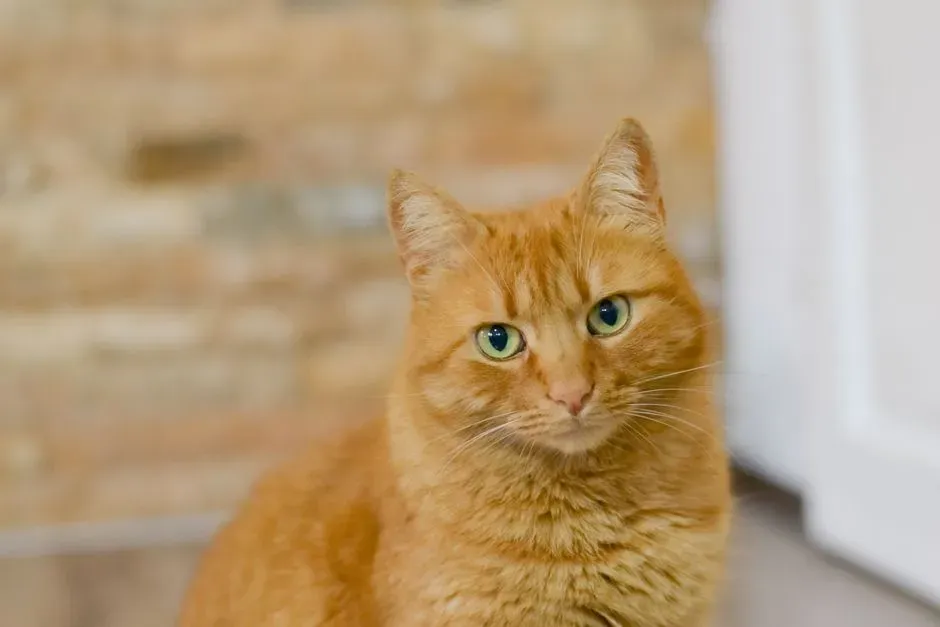
The moment owners step outside for errands, vacations, or even short trips, a strange kind of longing sets in almost immediately. Most owners have texted a house-sitter or family member for cat updates within the first hour of leaving.
This attachment reflects genuine emotional bonding, not exaggeration, since pet ownership consistently produces strong attachment styles between owners and their animals over time. It’s not unusual for owners to cut trips short, rush home early, or check pet cameras obsessively just to catch a glimpse of their cat doing absolutely nothing. This constant pull back home reveals just how central cats become in daily emotional life, even if owners downplay it to avoid sounding overly attached. It’s the one habit almost every owner secretly relates to, no matter how independent they claim to be.
The Bottom Line
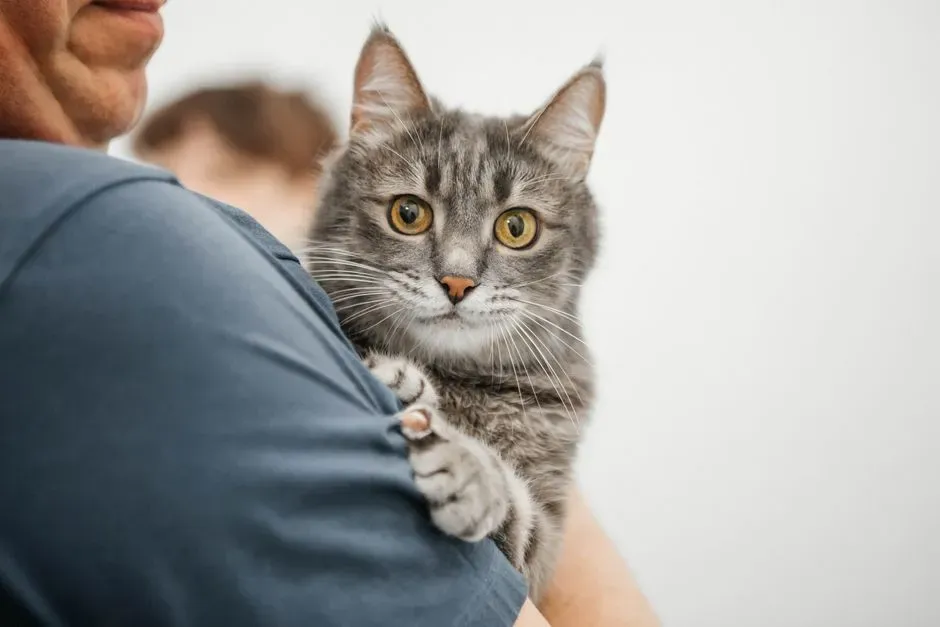
None of these habits are actually crazy. They’re proof of how deeply cats integrate into daily life, shaping schedules, spending habits, and even vocal tone without owners fully realizing it.
The most surprising truth is how universal these behaviors are, spanning different ages, lifestyles, and personalities. Cat ownership quietly rewires priorities, turning logical adults into people who apologize to furniture-adjacent pets and panic-check breathing during naps.
Honestly, the real mistake is pretending any of this is unusual when nearly every cat owner does the exact same thing behind closed doors. Which one of these hit a little too close to home? Drop it in the comments.
Kristina is a young writer from India. An arts graduate and an avid content creator, Kristina is passionate about animals and wildlife. She enjoys exploring topics related to pet care, animal behavior, conservation, and nature, combining thorough research with engaging storytelling.