Your friend swears her cat understands full sentences. She apologizes to it before leaving the house. She’s rearranged her furniture around where the cat prefers to nap, and she once left a work call early because the cat sneezed twice in a row.
None of this makes sense to you. It doesn’t need to. Cat owners have built an entire invisible rulebook that non-cat-people never get handed, and once you see it, you can’t unsee it. Some of these habits sound completely unhinged from the outside. Turns out, most of them are backed by real feline science. Here’s the list that finally explains what’s actually going on in that house.
#1 – Talking in a Voice That Doesn’t Exist Anywhere Else
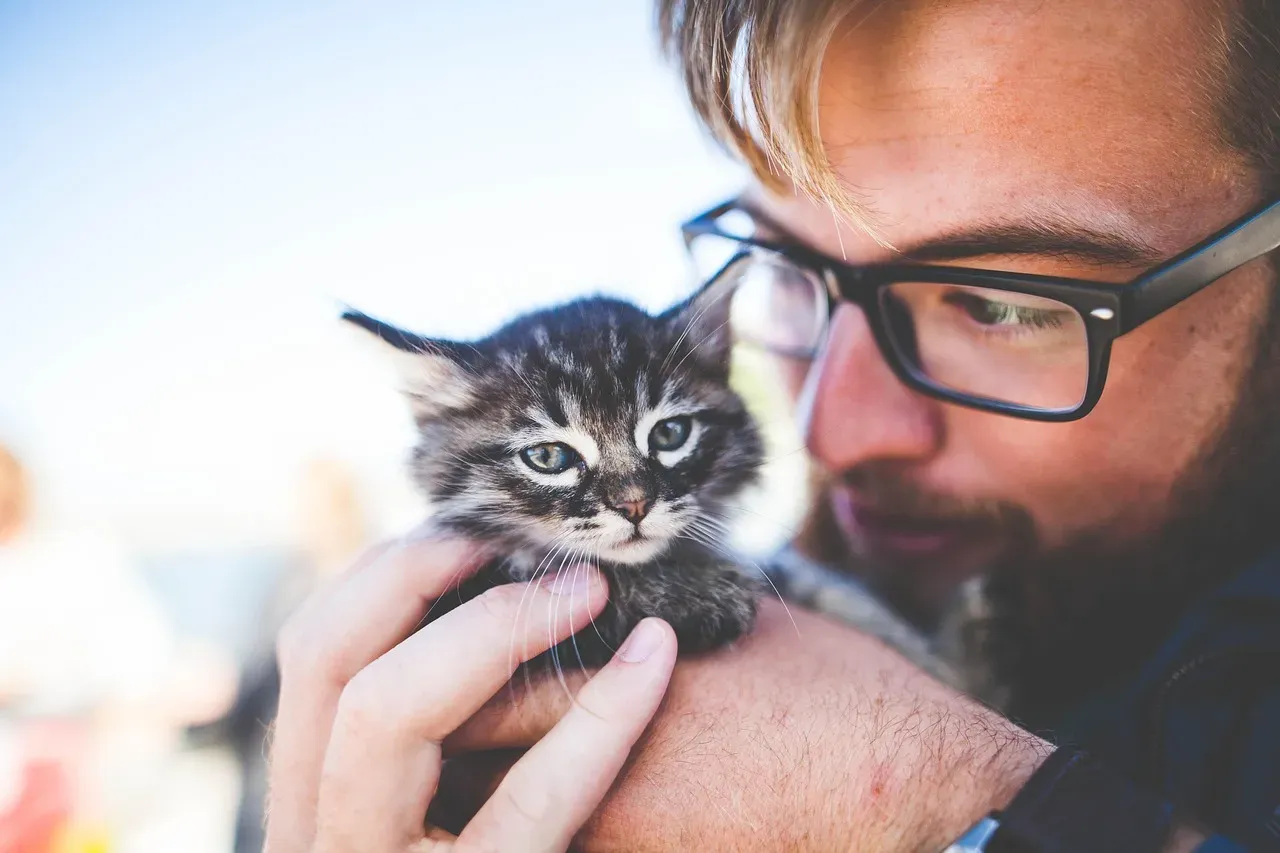
Cat owners have a special voice reserved exclusively for their pet, and it emerges without warning, even in public.
This isn’t random. Cats respond more to high-pitched, sing-song tones because it mimics the vocal register of their own vocalizations and signals non-threatening intent. Most owners don’t even realize they’ve switched voices until someone points it out. The cat, for its part, seems to genuinely prefer it, tilting its head and perking its ears in response. Non-cat-owners find this baffling because dogs respond to firm, clear commands, while cats respond to something closer to baby talk.
#2 – Buying Expensive Toys the Cat Completely Ignores
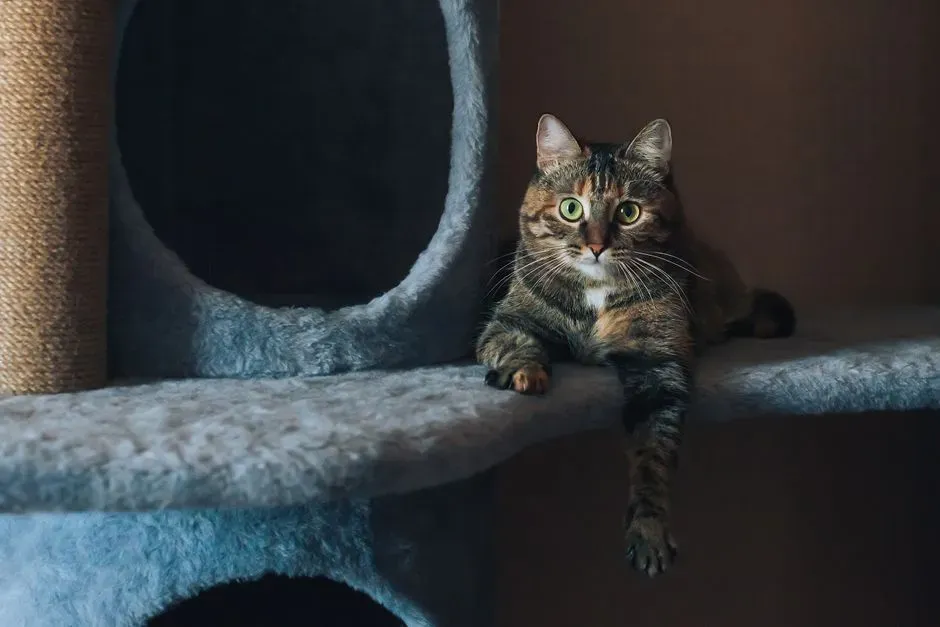
Cat owners will drop serious money on a plush cat tree, only to watch their cat choose the cardboard box it shipped in instead.
This happens so consistently it’s become a running joke in the cat community, but there’s a real reason behind it. Boxes provide enclosed, secure spaces that reduce stress hormones in cats, according to feline behavior researchers. Cats prefer tight, enclosed spaces because it mimics the safety of a den, not because they’re being ungrateful. Owners eventually stop being surprised and start buying boxes on purpose, skipping the toy aisle altogether.
#3 – Knowing Exactly What Each Meow Means
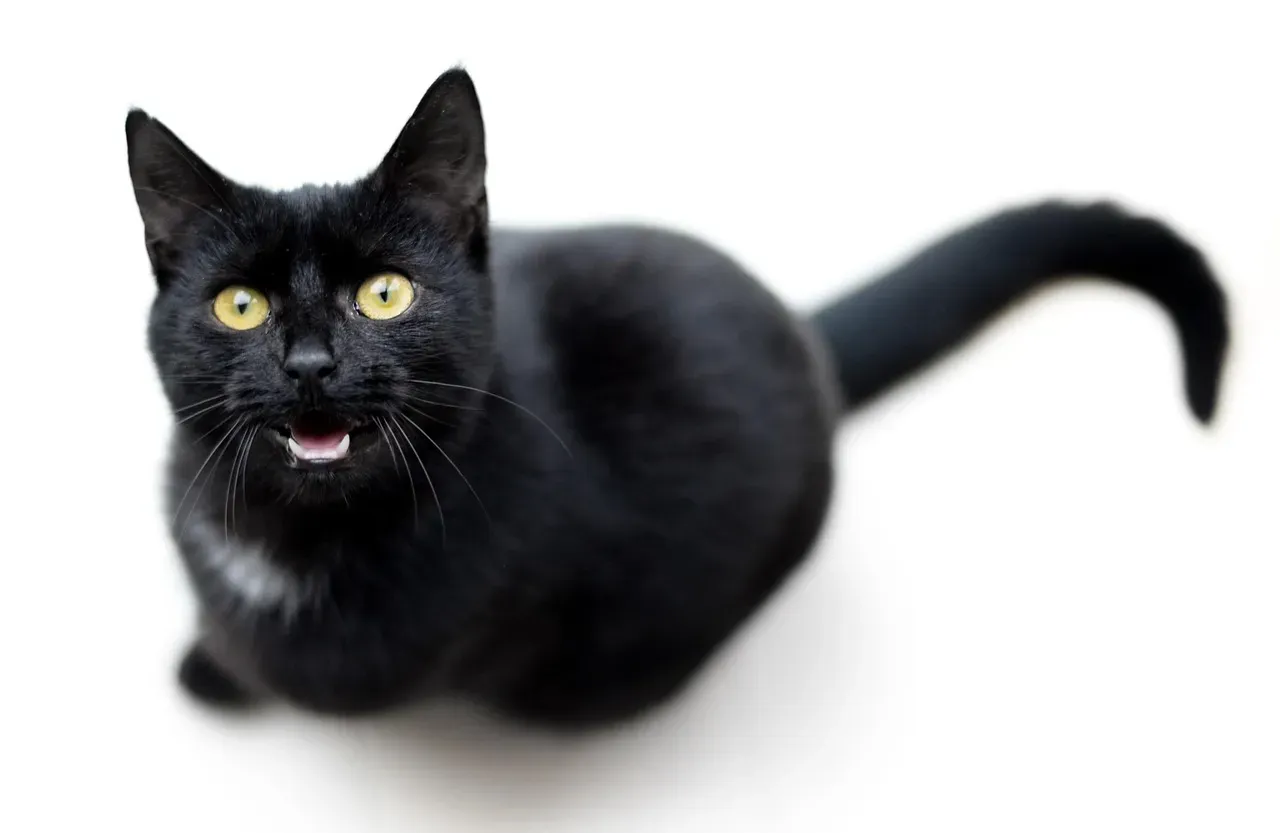
Cat owners can distinguish between a “feed me” meow, a “let me outside” meow, and a “why are you still on that phone call” meow.
This skill isn’t imagined. Research on cat vocalization suggests cats meow primarily to communicate with humans, not with other cats. Adult cats rarely meow at each other at all; the sound is essentially a language developed specifically to manipulate their owners. Cats have essentially trained humans through trial and error which sounds get the fastest response. Non-owners hear a single “meow” and assume it means one universal thing.
#4 – Reading Tail Position Like a Mood Ring
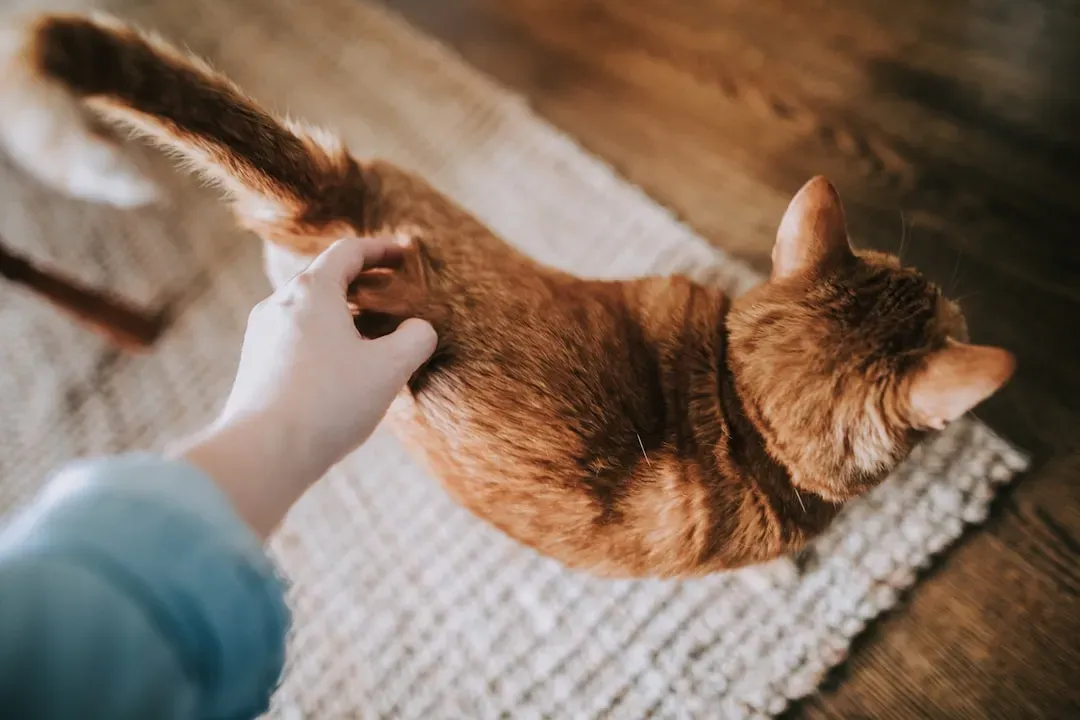
Cat owners glance at a tail and instantly know whether to approach, retreat, or leave the room entirely.
A tail held straight up usually signals confidence and friendliness, while a puffed tail signals fear or aggression. A slow, low sweep can mean irritation is building. Owners treat tail language as more reliable than facial expressions, because cat faces are notoriously hard to read compared to dogs. They’ll casually mention “she’s twitching her tail, better back off” as if it’s obvious to everyone.
At a Glance: Tail Talk
- Straight up with a slight curve at the tip: a confident, friendly greeting
- Puffed to nearly double size: fear or a perceived threat (piloerection)
- Slow, low sweeping motion: irritation is building, best to back off
- Wrapped around the body or another cat: contentment and trust
#5 – Scheduling Life Around “Crazy Hour”

Cat owners plan their evenings around a specific window of time when their cat sprints through the house for no apparent reason.
This burst of energy, often called the “witching hour,” typically hits at dusk or dawn. It lines up with cats’ natural crepuscular hunting instincts, when wild ancestors would have been most active chasing prey. Owners will clear breakable objects off shelves in advance, treating it like a scheduled weather event that everyone in the house just knows to expect.
#6 – Following the “One Litter Box Per Cat, Plus One” Rule
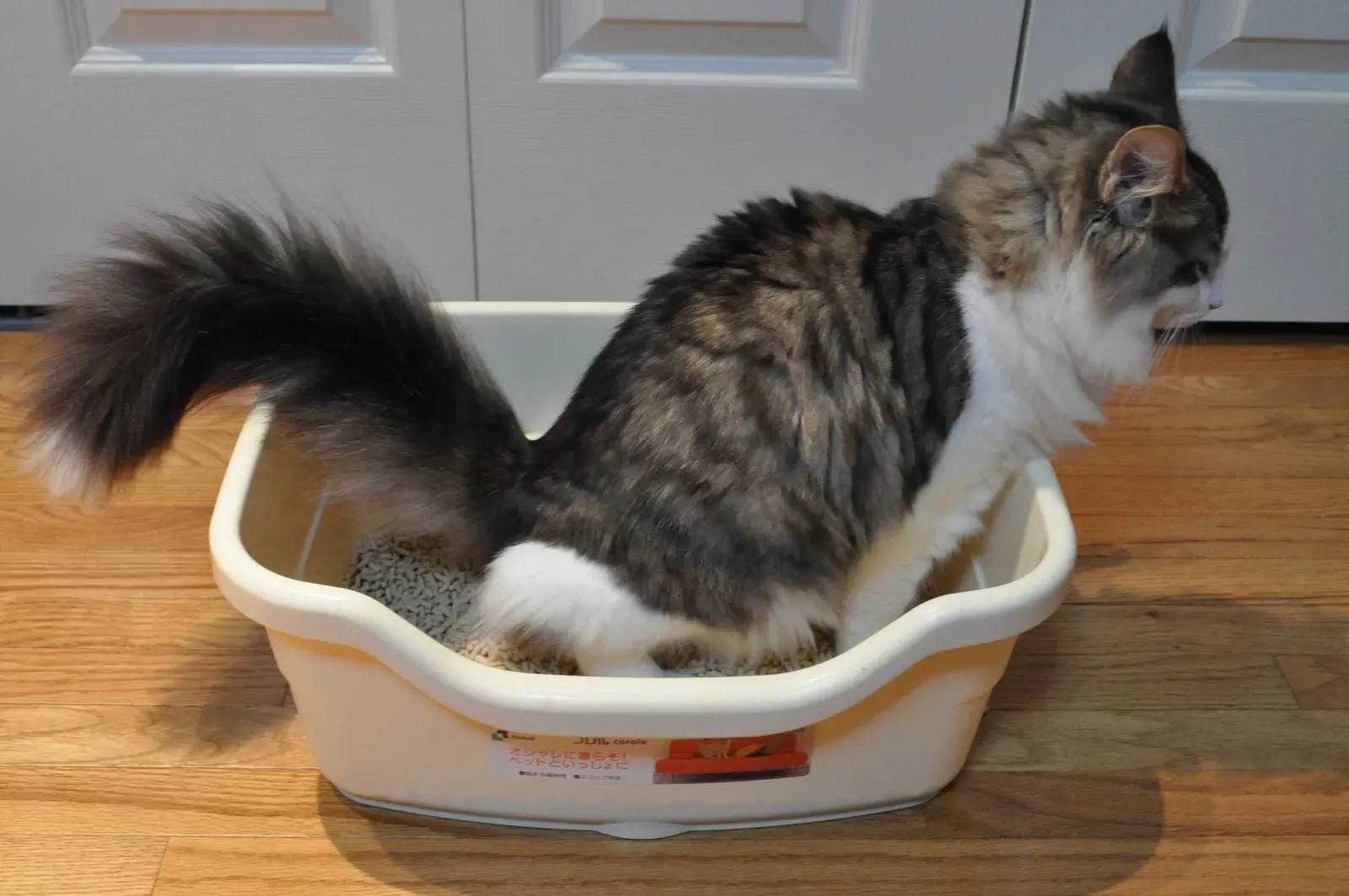
Cat owners with two cats often own three litter boxes, spread across different rooms of the house.
Veterinary behaviorists recommend this exact ratio because cats can develop litter box aversion if forced to share, sometimes leading to accidents elsewhere in the home. Multiple boxes reduce territorial stress between cats living in the same space, even if the cats appear to get along fine otherwise. Owners will rearrange furniture to accommodate box placement without a second thought.
Fast Facts: The Litter Box Rule
- Vets recommend one litter box per cat, plus one extra – the “N+1 rule”
- Boxes should measure at least 1.5 times the cat’s nose-to-tail length
- Never cluster boxes together; cats often treat grouped boxes as a single shared space
- Inappropriate elimination is one of the leading behavioral reasons cats are surrendered to shelters
#7 – Narrating the Cat’s Entire Inner Monologue
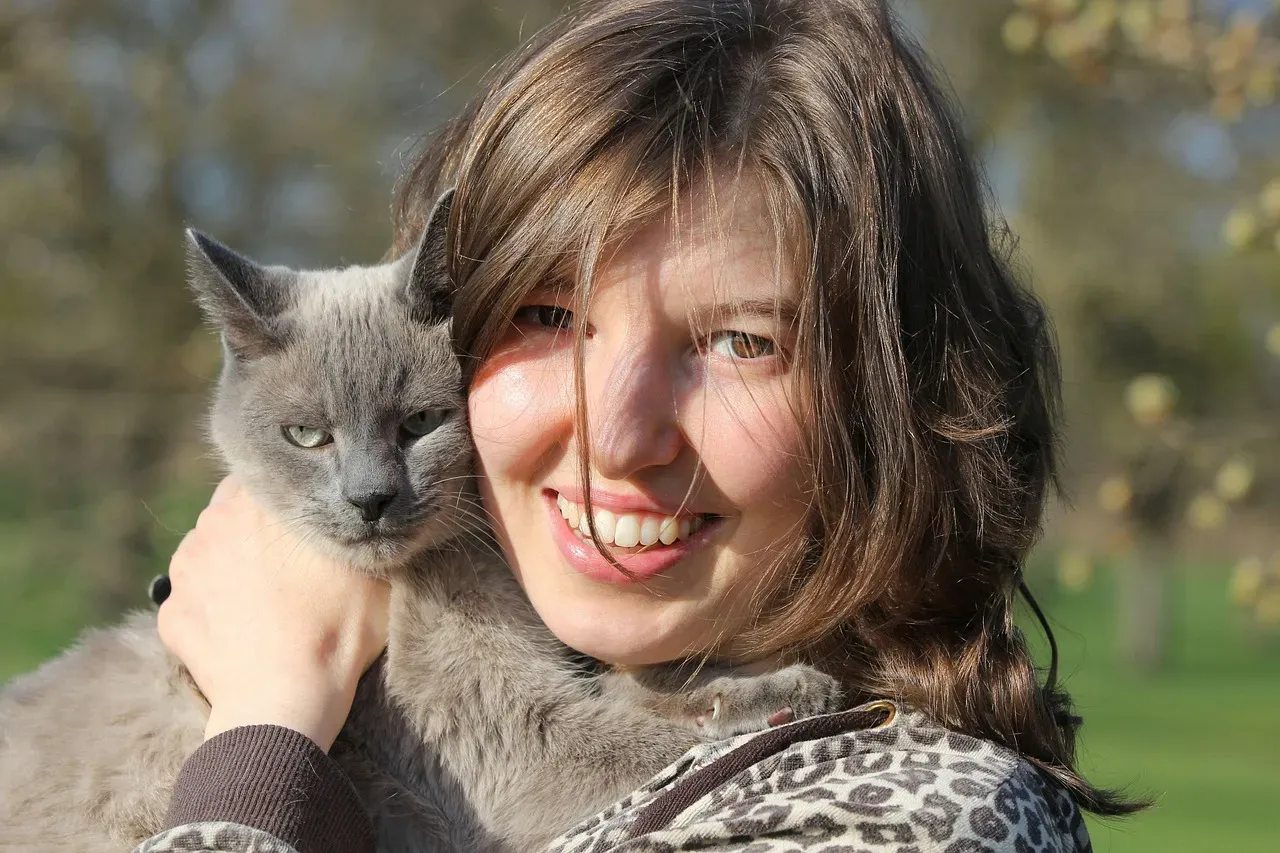
Cat owners will speak entire sentences on behalf of their cat, giving it opinions, sarcasm, and a distinct personality complete with vocabulary.
This habit isn’t a sign of loneliness, according to most owners, but a way of interpreting subtle body language into words. A cat staring at an empty food bowl becomes “well, this is unacceptable” in the owner’s imagined script, and the whole household understands the reference immediately. Owners barely notice they’re doing it until a guest reacts with visible confusion.
#8 – Refusing to Move Because the Cat Is Asleep
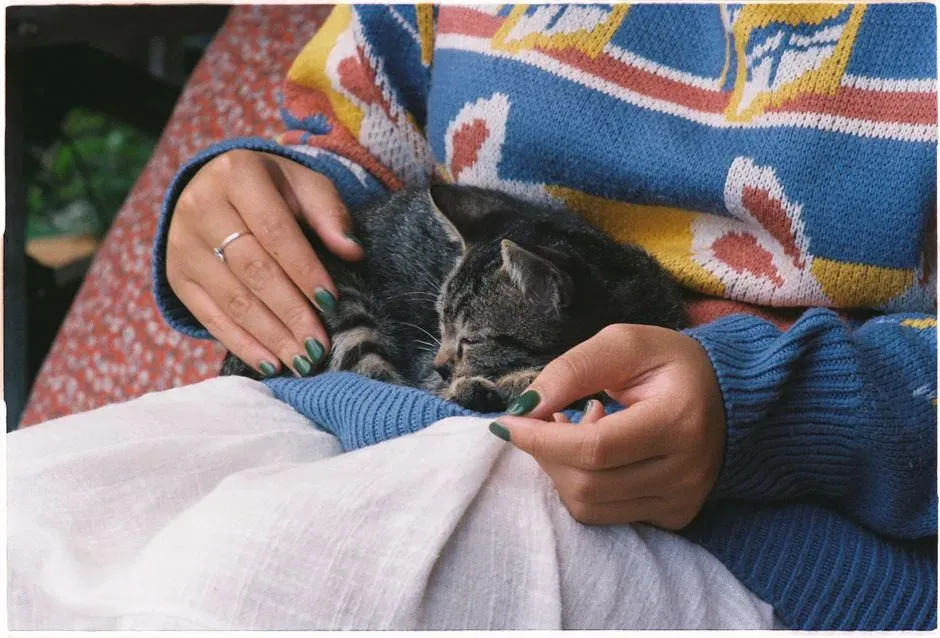
Cat owners will sit in an uncomfortable position for hours, arm completely numb, rather than disturb a sleeping cat.
This isn’t just sentimentality. Cats sleep between 12 and 16 hours a day, and much of that sleep occurs in light stages where sudden movement can startle them awake. Owners will genuinely skip bathroom breaks or let food go cold rather than risk waking a napping cat. To someone without a cat, that kind of sacrifice looks completely irrational.
#9 – Keeping Citrus Peels Around as Furniture Protection

Cat owners will scatter orange peels, tape strips, or foil sheets across counters and furniture to keep cats away from certain areas.
This works because most cats have a strong aversion to citrus scents and dislike the texture and sound of foil or sticky tape underfoot. Owners treat these household items as legitimate training tools, arranging them like a booby trap before leaving the house each morning. Guests walking into a kitchen lined with orange peels understandably assume something strange is going on.
#10 – Panicking Over a Single Sneeze
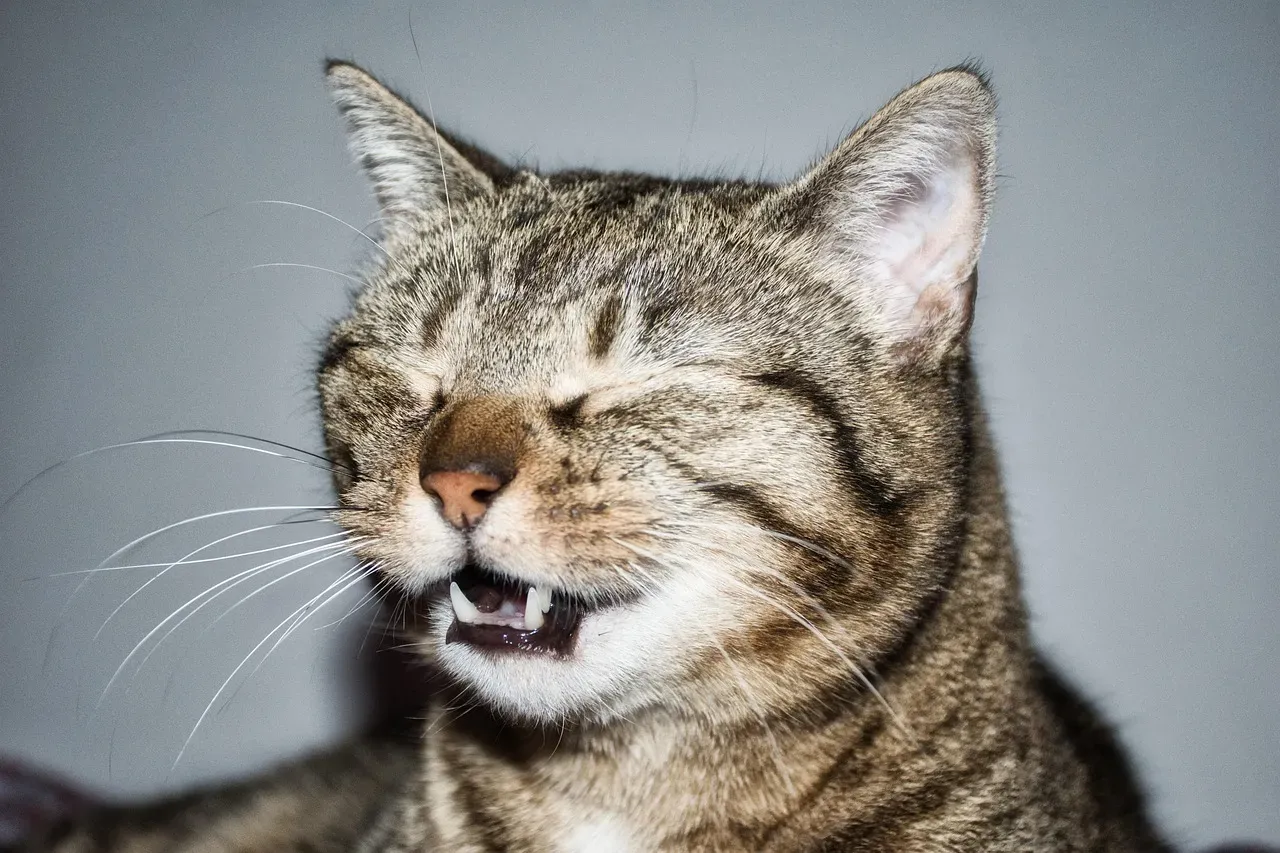
Cat owners will spiral into worry and immediately search symptoms online after hearing their cat sneeze just once.
This heightened concern exists because cats are notoriously good at masking illness, an evolutionary trait that hid vulnerability from predators in the wild. Veterinarians confirm that subtle symptom changes in cats often indicate real problems, since cats rarely show obvious signs of pain or sickness the way dogs do. For an owner, one sneeze is never nothing.
#11 – Being Thrilled Over “Gifts” of Dead Bugs or Prey
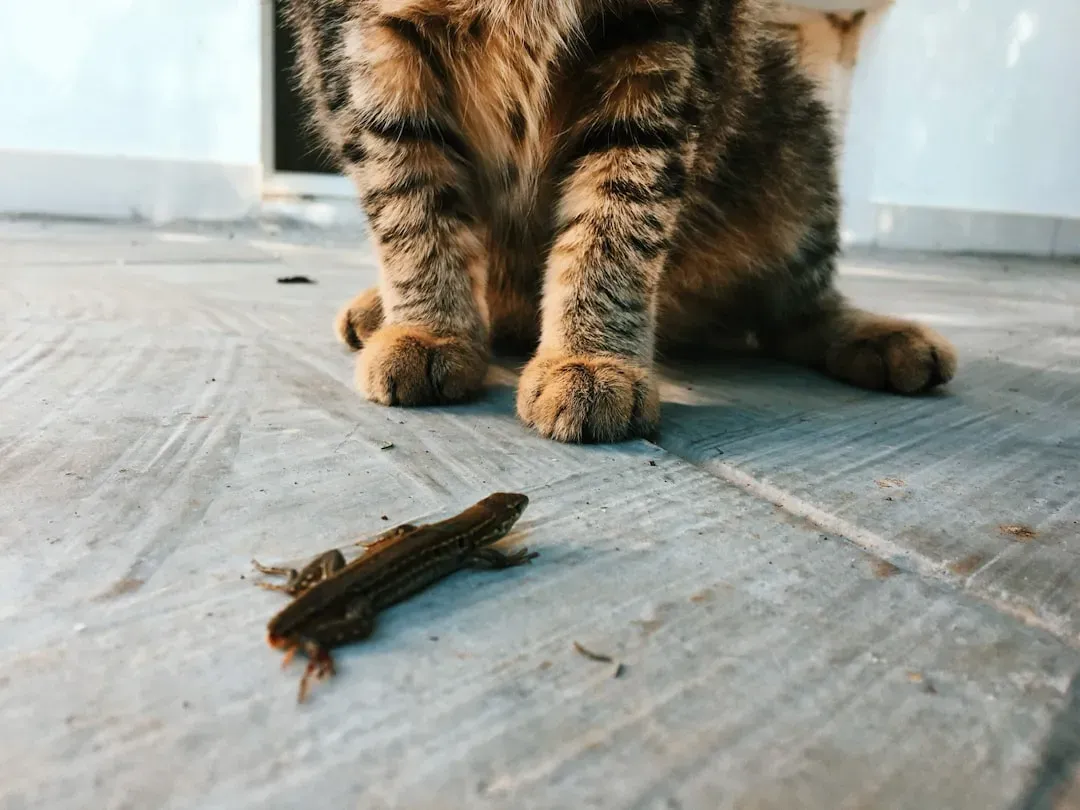
Cat owners will praise their cat enthusiastically after finding a dead insect, moth, or small creature left on the floor.
Instead of disgust, most owners respond with genuine pride, treating it as an accomplishment worth celebrating. Behaviorists suggest this hunting instinct is deeply rooted, even in cats who’ve never needed to hunt for food a day in their lives. Owners will praise a cat for “gifts” the same way they’d praise a child’s report card. To someone unfamiliar with cats, that reaction looks bizarre, even unsanitary.
#12 – Buying a Cat Wheel or Full Catio Setup
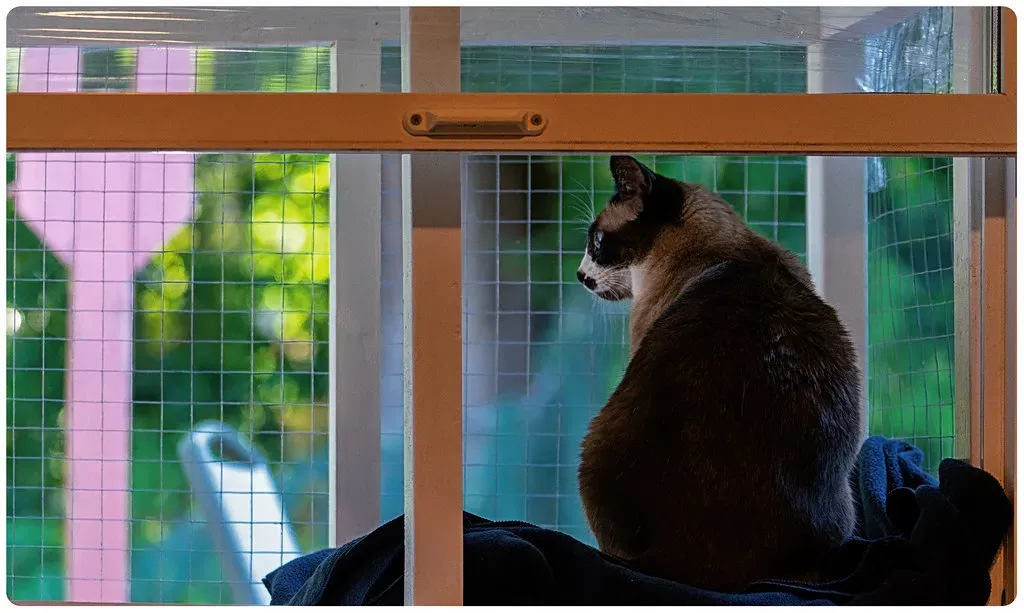
Cat owners will renovate part of their home or yard specifically to give their cat an enclosed outdoor space or an exercise wheel.
These setups, often costing hundreds of dollars, exist because indoor cats can develop boredom-related behavioral issues without enough stimulation or exercise. Some owners spend more on their cat’s enclosure than on their own home office furniture, prioritizing enrichment over convenience. Non-owners see this and assume it’s excessive for an animal that sleeps most of the day.
Quick Compare: Catio vs. Cat Wheel
- DIY catio kit: roughly $100 to $500
- Custom-built catio: $1,000 to $10,000+, depending on size and materials
- Basic cat exercise wheel: around $60 to $120
- Premium, large-diameter cat wheel: $300 to $500 or more
#13 – Rotating Toys Like a Seasonal Wardrobe
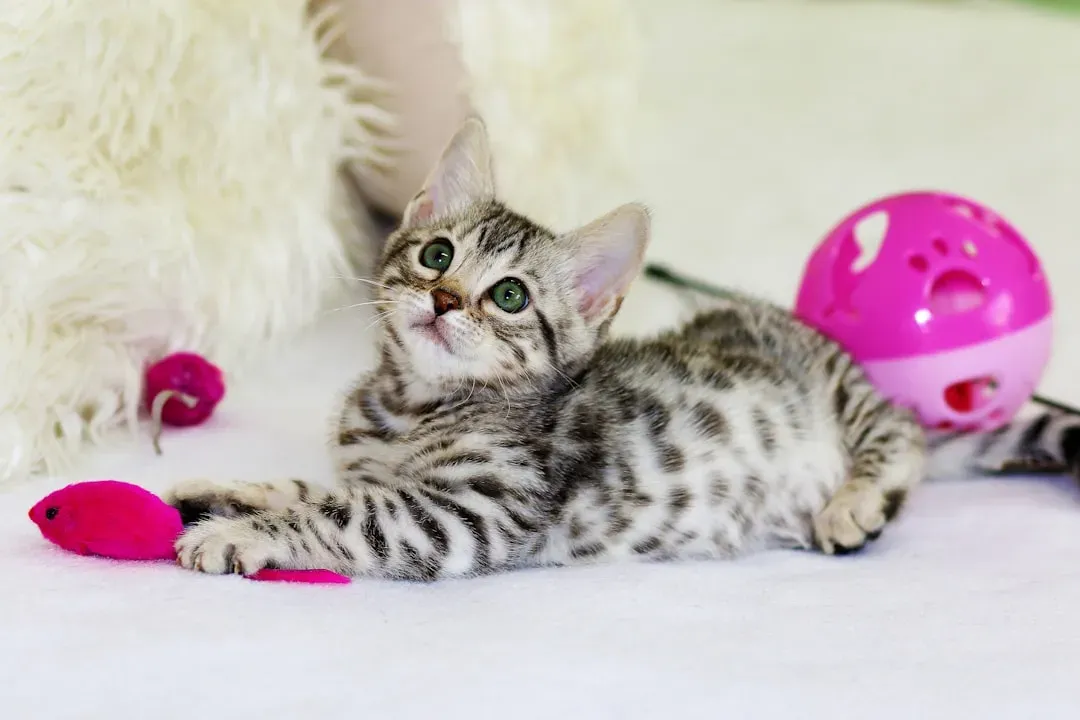
Cat owners will hide half their cat’s toys in a drawer, only to reintroduce them weeks later as if they’re brand new.
This trick works because cats can lose interest in toys that stay visible and accessible all the time, a form of sensory habituation. Rotating toys resets a cat’s curiosity almost instantly, making an old toy feel novel again with zero cost involved. It’s a well-known trick passed down through cat forums and vet recommendations alike.
#14 – Timing Meals to the Exact Minute
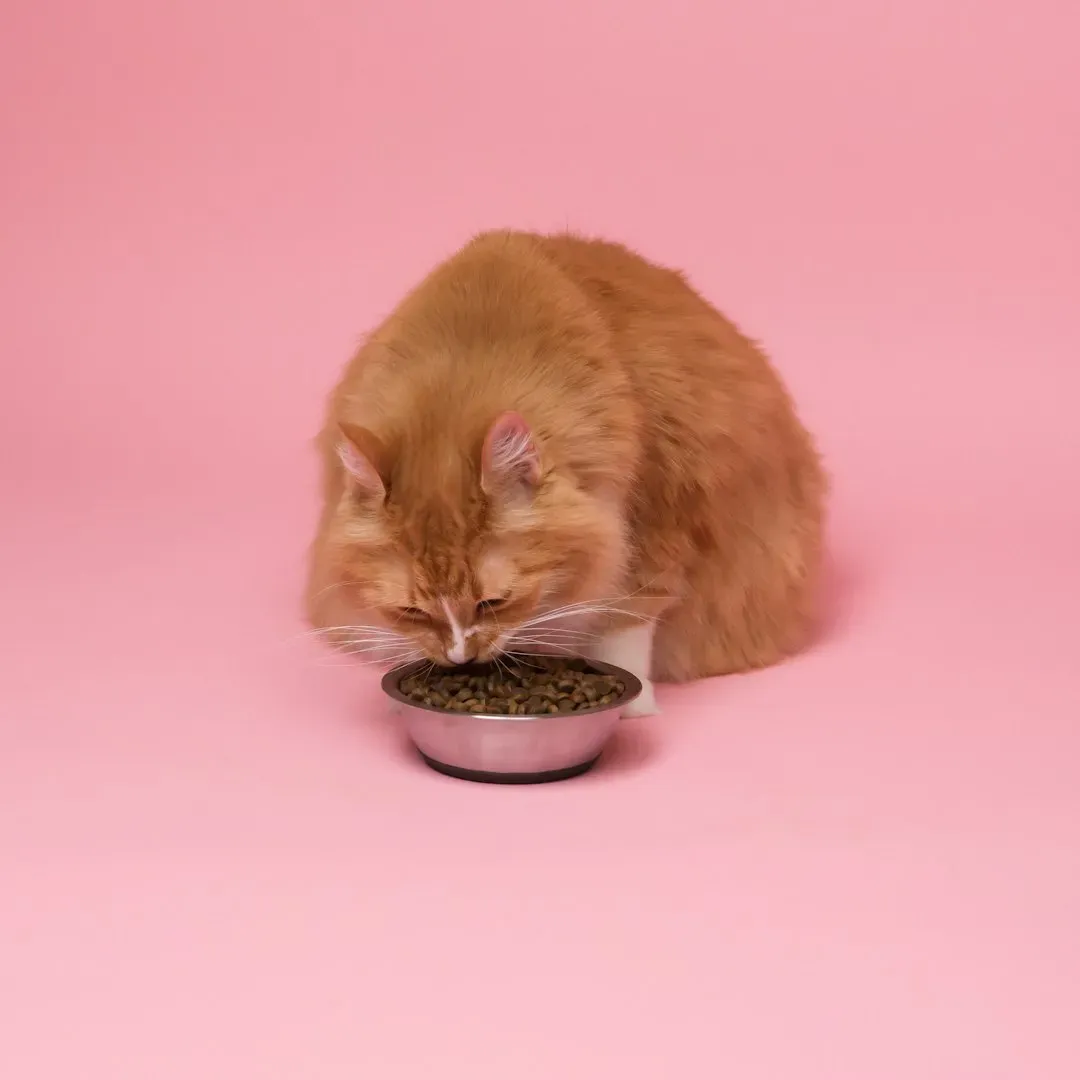
Cat owners will set alarms, buy automatic feeders, and still personally show up at the same time every day to feed their cat.
This precision exists because cats are creatures of habit, and disrupted feeding schedules can lead to increased vocalization, anxiety, or even aggressive begging behavior. Owners will leave social events early or reschedule plans entirely just to stay on feeding schedule. To them, it’s basic responsibility, no different than any other scheduled care routine.
#15 – Letting the Cat Supervise Every Task
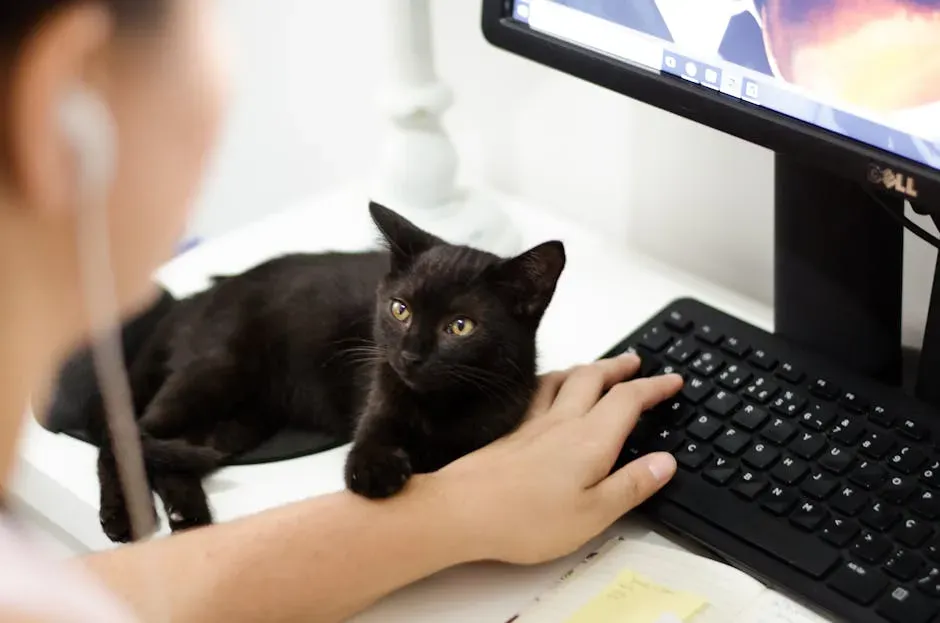
Cat owners report their cat showing up specifically when they sit down to work, cook, or use the bathroom.
This isn’t coincidence, according to many behaviorists – cats are drawn to their owner’s stillness and routine, often choosing to nap or sit nearby during predictable moments of the day. Owners will work around a cat sitting directly on top of their keyboard rather than move it. To an outsider, that constant interruption looks like poor boundary-setting.
#16 – Buying Furniture Based on Cat Approval
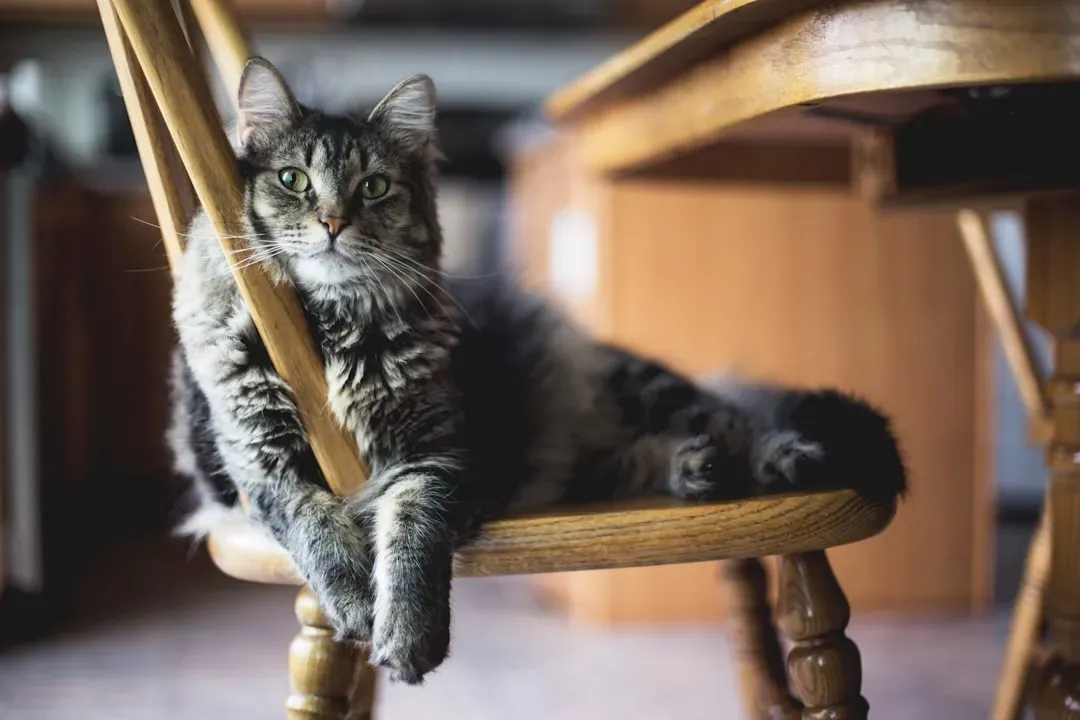
Cat owners will return a couch, blanket, or bed if their cat refuses to use it, regardless of cost or reviews.
This happens because cats are highly sensitive to texture, scent, and placement, and will avoid items that feel unfamiliar or unsafe. Some owners have returned multiple beds in a row simply because the cat wouldn’t sit on any of them, treating cat approval as the final word on any purchase. It’s an unavoidable part of shared living, whether outsiders understand it or not.
#17 – Knowing the Difference Between a Slow Blink and a Stare
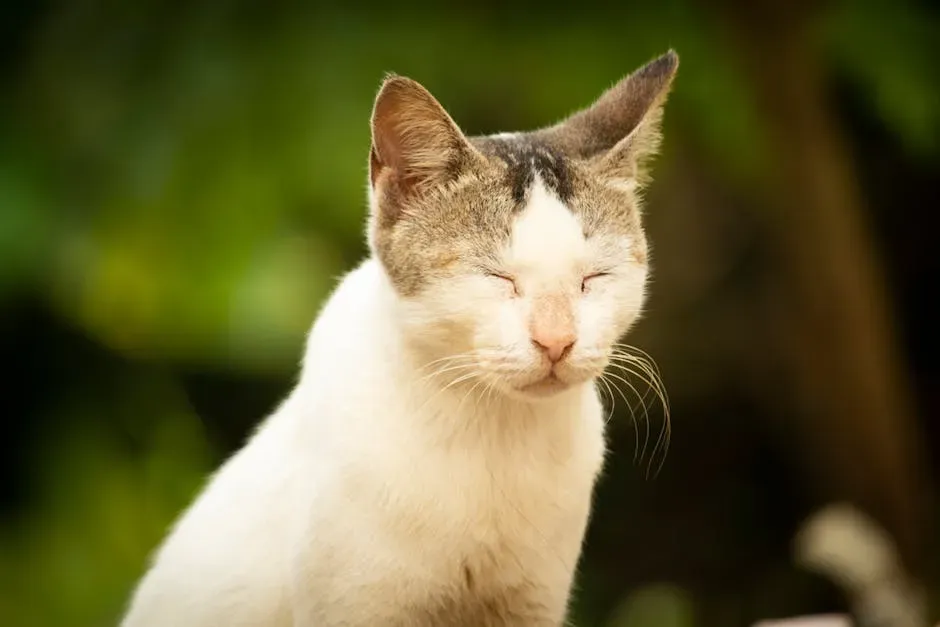
Cat owners will slow-blink at their cat across a room, fully expecting a slow blink back as a sign of affection.
This isn’t superstition. A 2020 study from the University of Sussex found that cats slow-blink toward owners and unfamiliar humans, and that slow-blinking back at a cat can help build a positive connection. Owners genuinely believe this exchange is a form of communication, and the research backs them up.
A cat has absolute emotional honesty: human beings, for one reason or another, may hide their feelings, but a cat does not.
Ernest Hemingway
#18 – Interpreting Purring as A Health Signal, Not Just Happiness
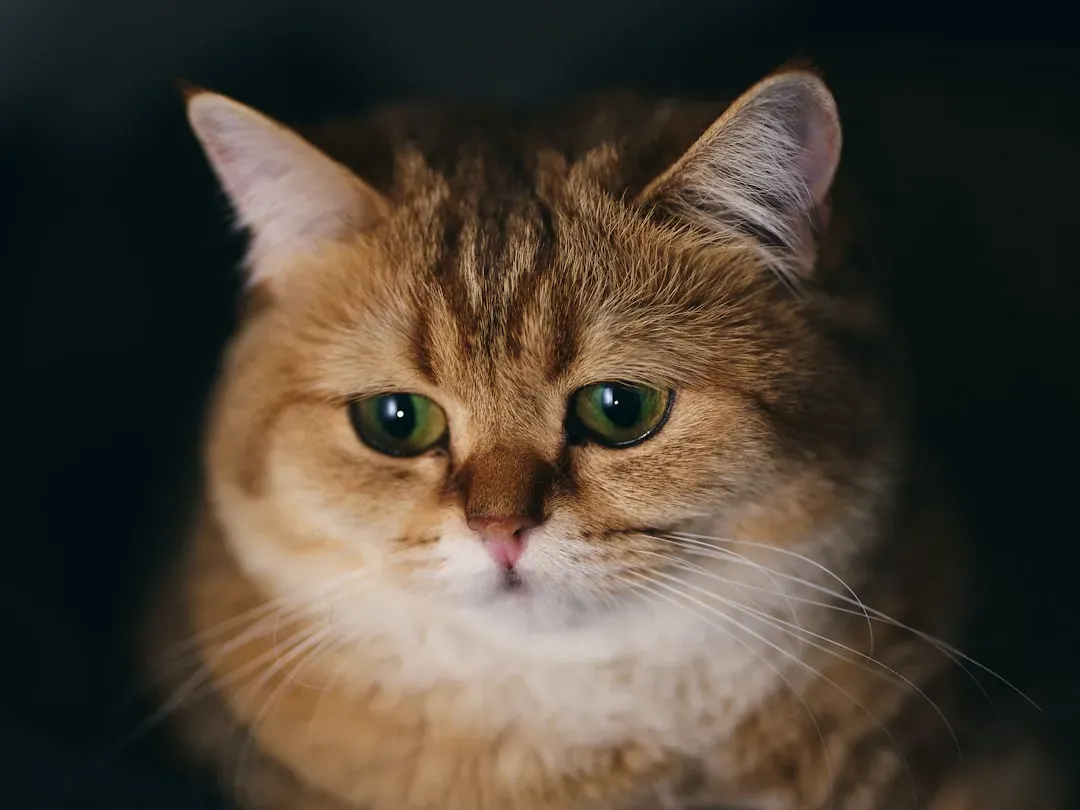
Cat owners know purring doesn’t always mean contentment, and will actually worry more when a stressed or injured cat starts purring.
Cats purr in a frequency range that some researchers associate with self-soothing and even physical healing processes, which explains why cats sometimes purr while in pain or during vet visits. Owners treat purring as a signal requiring context, not just a universal sign of happiness. They watch body language alongside the sound before drawing any conclusions.
Fast Facts: The Science of Purring
- Purring frequency typically falls between 25 and 150 Hz
- The 25 to 50 Hz range overlaps with frequencies used in therapeutic bone-healing treatments
- Cats purr on both the inhale and exhale, unlike most other vocalizations
- Purring shows up during injury, labor, and even at the end of life, not just relaxation
#19 – Defending a Cat’s “Resting Jerk Face”
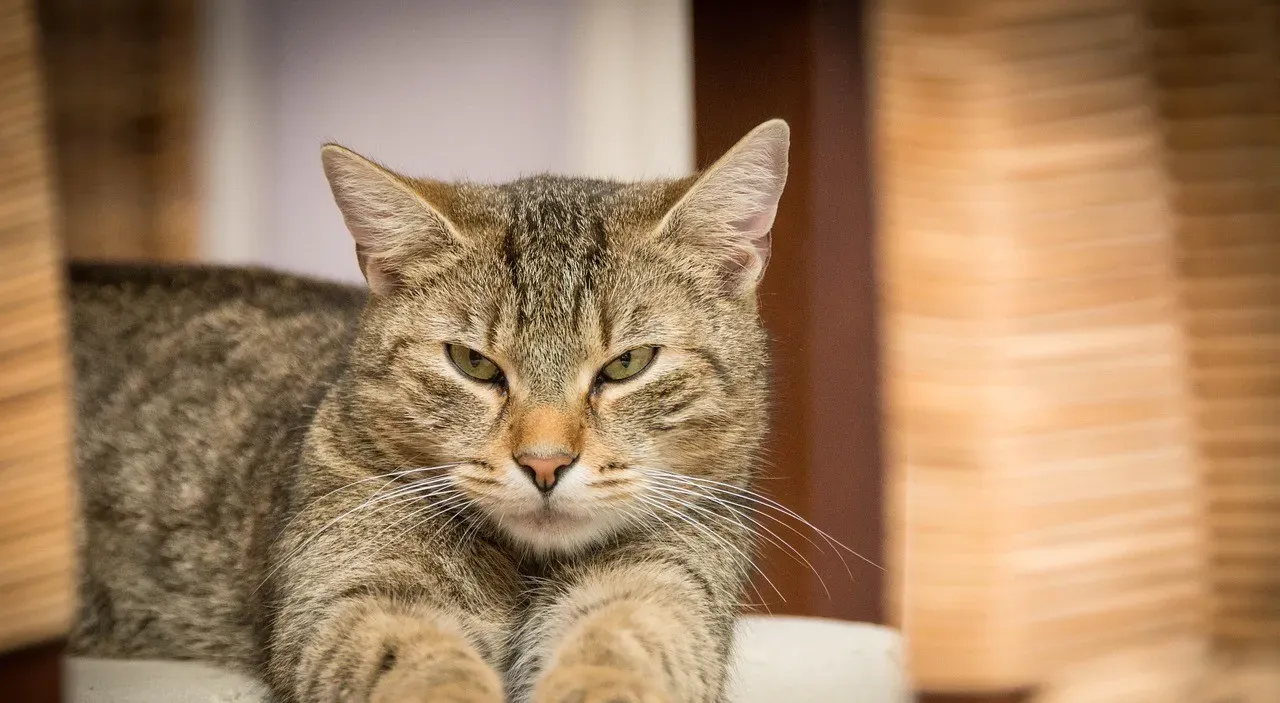
Cat owners will insist their cat is sweet and loving, despite a permanent expression that looks annoyed or judgmental to everyone else.
This happens because cat facial anatomy doesn’t shift dramatically to express emotion the way human or dog faces do, leaving many cats with a naturally flat or unimpressed look regardless of mood. Owners learn to separate facial expression from actual temperament almost immediately. Newcomers meeting the cat assume it dislikes them based on expression alone, and owners insist nothing could be further from the truth.
#20 – Speaking Cat-to-Cat Through the Window
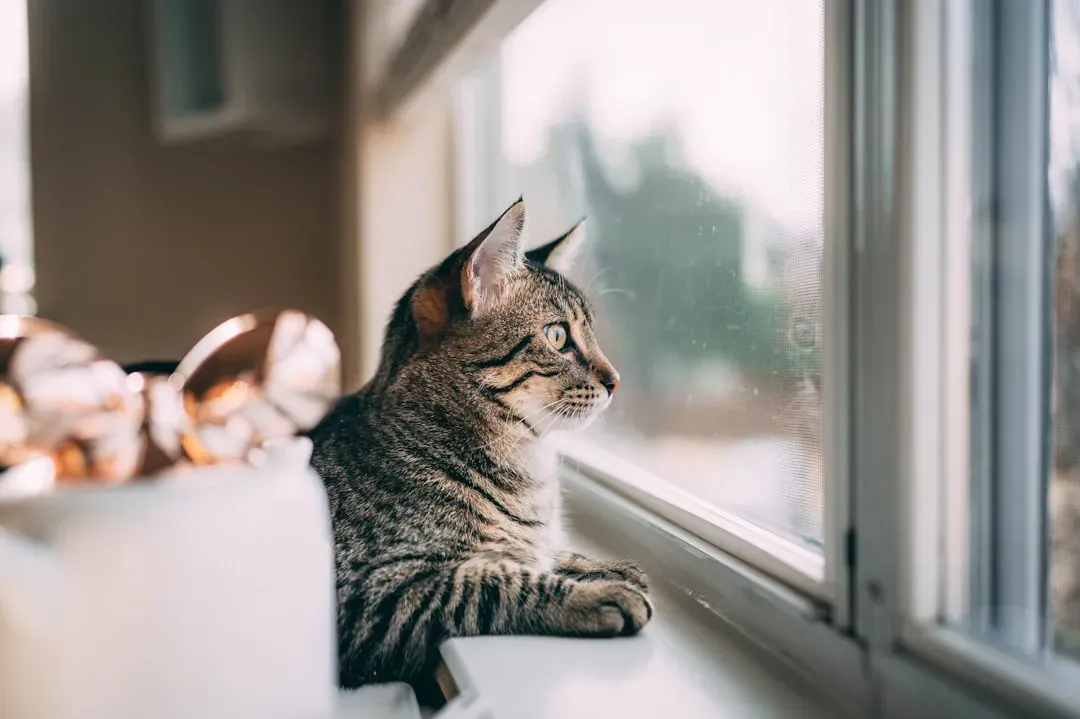
Cat owners will encourage their indoor cat to “chat” with birds, squirrels, or neighborhood cats through a window, complete with running commentary.
This chattering sound, often accompanied by rapid jaw movement, is linked to a mix of excitement and frustrated predatory instinct, according to behaviorists studying feline vocalizations. Owners will record this chattering sound repeatedly, convinced it’s the funniest thing their cat does. To an owner, it’s peak personality on display, worth filming every single time.
#21 – Choosing the Cat’s Comfort Over Their Own Sleep Schedule

Cat owners will wake up at odd hours because their cat decided it was time for attention, food, or simply company.
This happens because cats are naturally more active during dawn and dusk hours, conflicting directly with a typical human sleep schedule. Owners will accept being woken up nightly rather than shutting the cat out of the bedroom entirely, prioritizing the relationship over uninterrupted rest. It’s simply the price of admission for the companionship they’ve come to depend on.
The Bottom Line
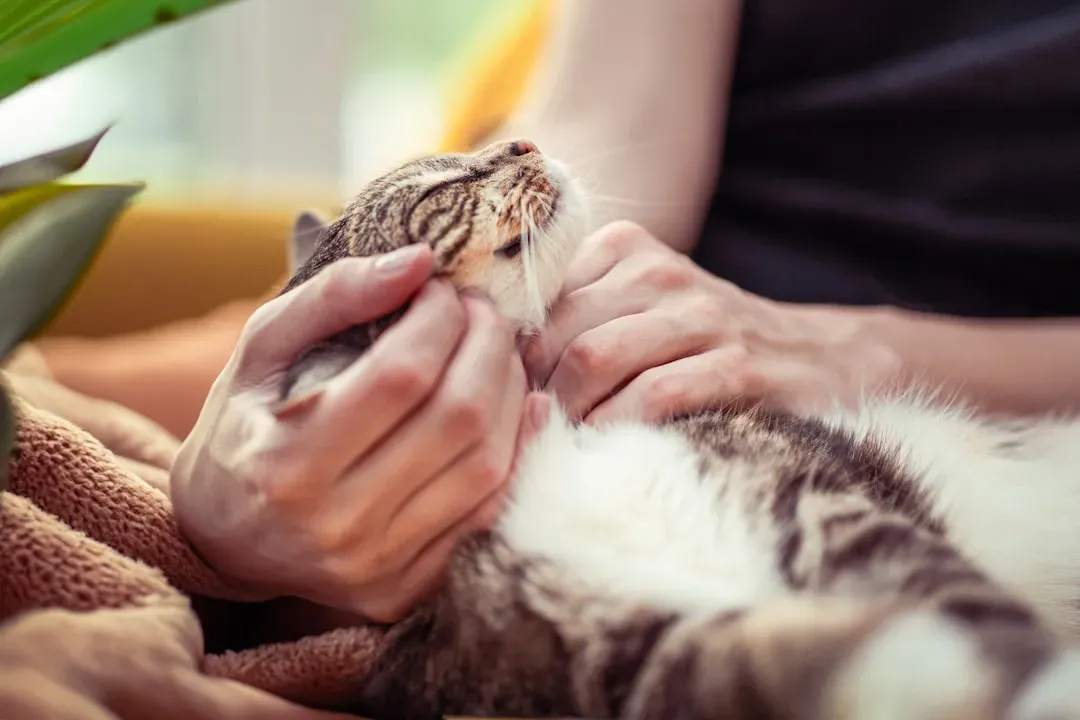
Cat ownership rewires normal behavior in ways outsiders rarely understand until they’ve lived it themselves. From decoding slow blinks backed by real research to scheduling life around a cat’s crazy hour, none of this is random. Every strange ritual on this list traces back to genuine feline psychology and instinct.
Here’s my honest take: cat people aren’t confused, they’re just fluent in a language the rest of the world never bothered to learn. Which one of these hits closest to home for you? Drop your own cat confession in the comments.
Kristina is a young writer from India. An arts graduate and an avid content creator, Kristina is passionate about animals and wildlife. She enjoys exploring topics related to pet care, animal behavior, conservation, and nature, combining thorough research with engaging storytelling.