Most cat owners think they know their cat. They don’t.
Over 373 million pet cats live in homes worldwide, yet researchers say the average owner misreads more than half of their cat’s daily signals. That slow blink? Not random. That 3am sprint down the hallway? Not chaos. That box obsession? Not quirky – it’s survival wiring passed down from wild ancestors.
True cat people don’t just love their cats; they’ve cracked a code most people never bother to learn. Here’s what feline behaviorists actually say is happening behind those eyes – and why the things that annoy you most about your cat are usually the things that prove how much they trust you.
#1 – Your Cat Isn’t Nocturnal. It’s Something Weirder.
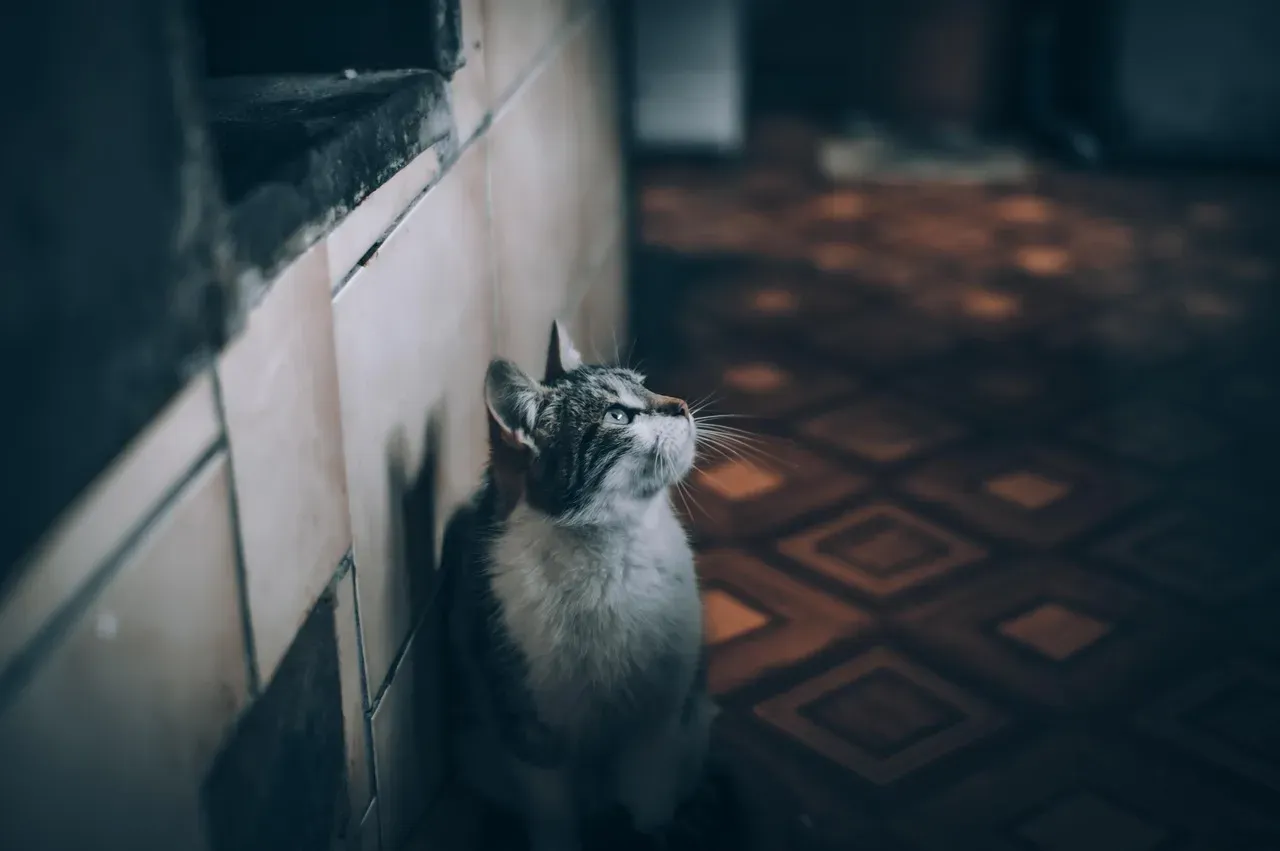
Most people assume cats are night owls. They’re actually crepuscular, meaning they’re hardwired to be most active at dawn and dusk, not the dead of night.
This schedule comes straight from their wild ancestors, who hunted small rodents most active during twilight hours. That’s why your cat treats 5am like a starting gun and goes eerily quiet at 2pm. Owners who fight this rhythm – expecting a cat to sleep through sunrise – usually lose. The smart move is working with the schedule: a play session right before bed can shift some of that dawn energy later.
#2 – That Purr Might Not Mean What You Think
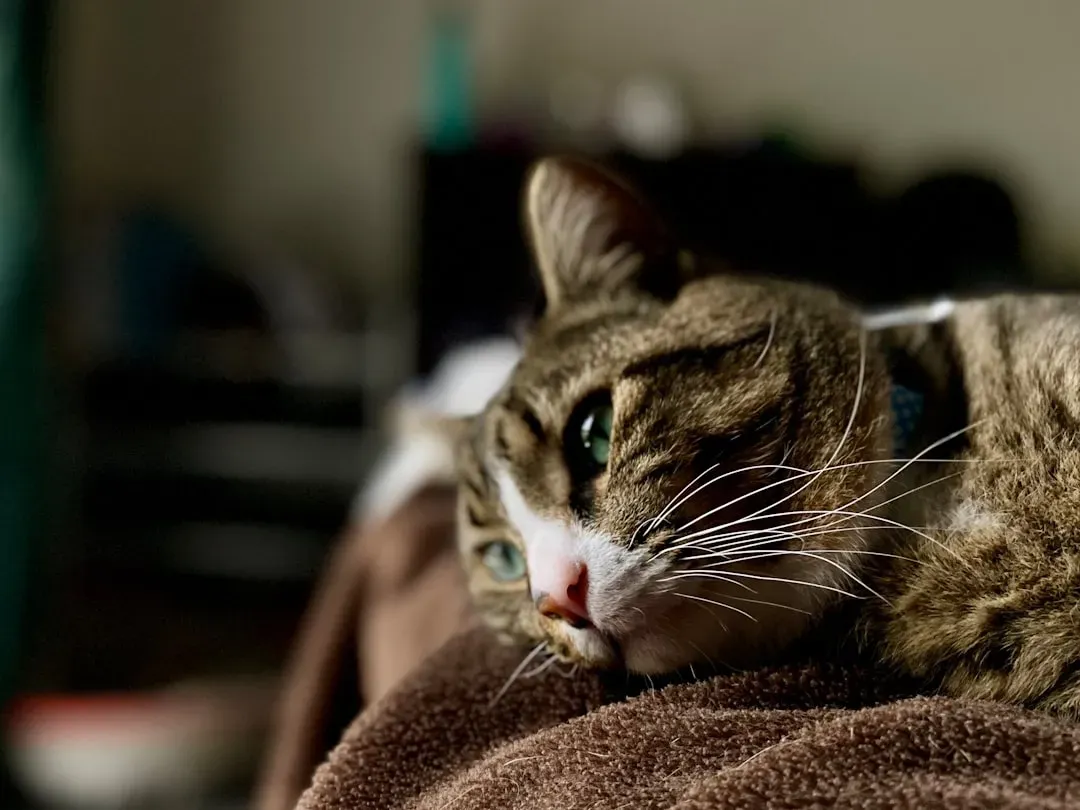
Purring is assumed to be a happiness signal. Turns out, it’s far more complicated than that.
Cats purr when content, sure, but they also purr when injured, frightened, giving birth, or even dying. Researchers believe the frequency range of a cat’s purr, roughly 25 to 150 Hertz, overlaps with frequencies used in therapeutic healing for bones and soft tissue. Some scientists genuinely believe cats purr partly to self-soothe and speed up their own recovery. So that purring lump on your lap after surgery isn’t just happy – it might be self-medicating. Ignoring a purring cat that’s acting “off” is one of the biggest mistakes new owners make.
#3 – The Slow Blink Is a Real Message
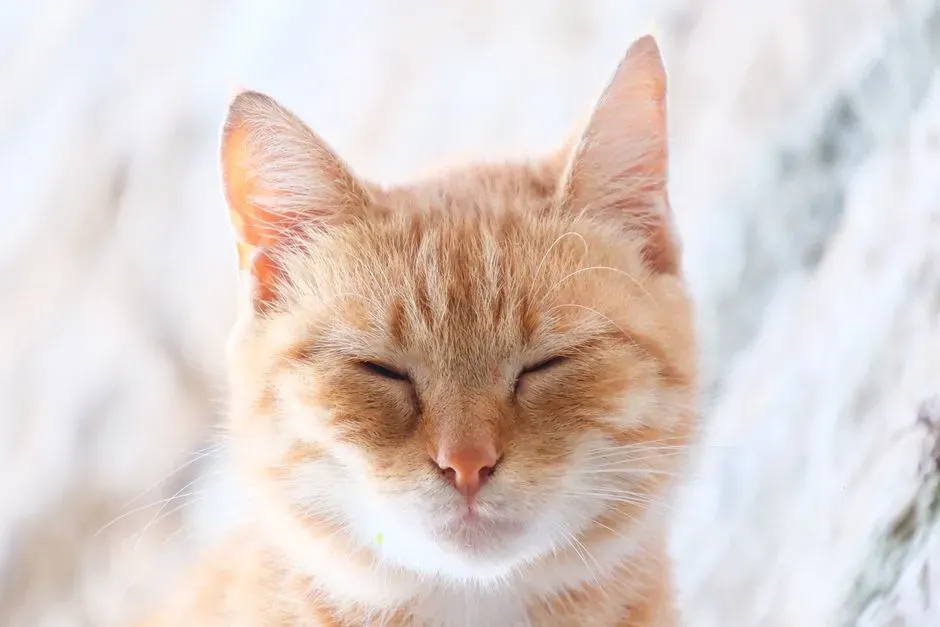
Most owners think a cat staring at them blankly is just, well, a cat being a cat. Secretly, it’s saying something specific.
A slow, deliberate blink – where the eyes close gently and reopen just as slowly – is widely regarded by behaviorists as a trust signal, sometimes nicknamed a “cat kiss.” Cats do this far more often with humans they feel safe around than with strangers. You can actually test it: slow-blink back at your cat, and many will return the gesture within seconds. Owners who never learn this miss out on an entire silent conversation happening daily.
#4 – Kneading Is a Baby Habit That Never Left
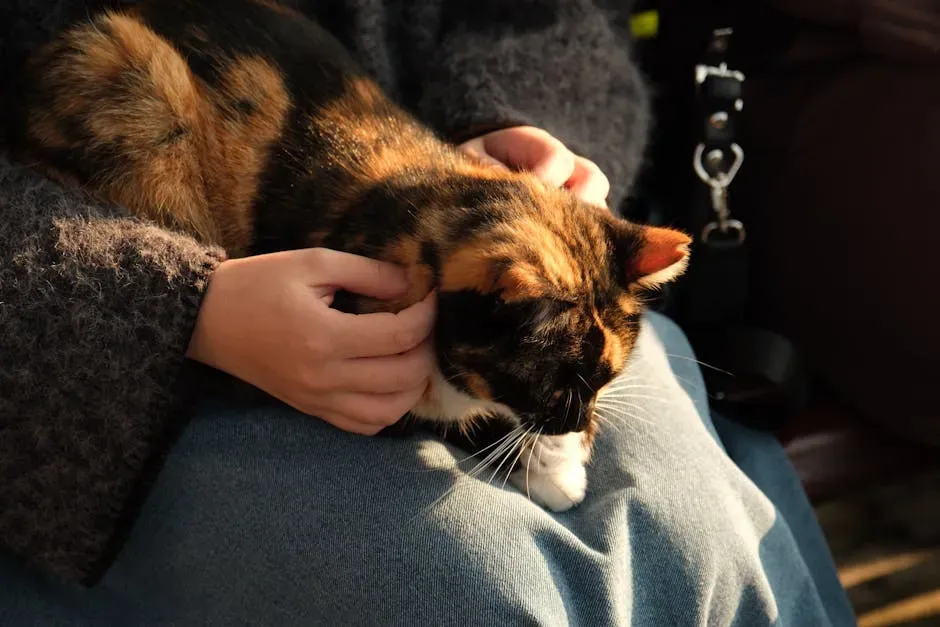
That rhythmic paw-pressing on your lap, your blanket, or your stomach looks cute. It’s actually leftover infant behavior.
Kittens knead their mother’s belly to stimulate milk flow while nursing. Most cats never outgrow the motion, even decades after weaning, which is why adult cats knead soft objects, sometimes while purring or drooling slightly. Some behaviorists connect excessive kneading to comfort-seeking or stress relief, similar to a security blanket. Declawing to stop this, as some owners still attempt, is now widely condemned by veterinary associations as unnecessary and painful.
#5 – Whisker Fatigue Is a Real Thing, and It’s Ruining Dinnertime
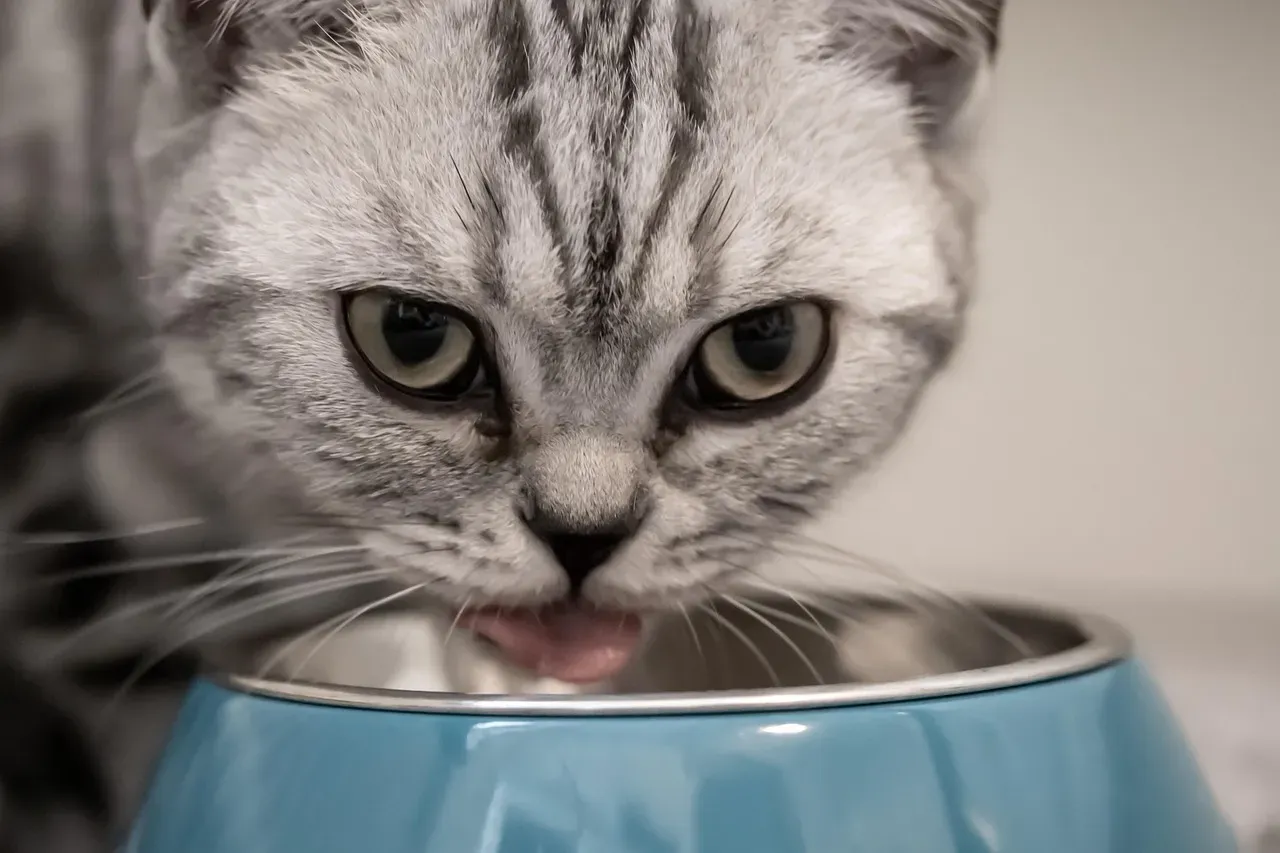
A cat pawing food out of a bowl instead of eating from it looks like pickiness. It’s often something else entirely.
Whiskers, or vibrissae, are packed with nerve endings and function as precision sensory tools, detecting air currents and spatial gaps. Deep, narrow bowls that press against whiskers repeatedly during eating can cause real discomfort, a phenomenon some vets call “whisker fatigue.” Switching to a wide, shallow dish solves the problem for many cats almost overnight. Owners who dismiss this as nonsense are usually the same ones wondering why their cat won’t finish a meal.
Worth Knowing
- Whisker follicles sit far deeper than regular fur and are wired with dense nerve clusters.
- Warning signs include pawing food onto the floor, hovering over the bowl, or only eating from the center.
- Wide, flat plates or saucers usually fix the issue without any diet change.
- Water dishes can trigger the same discomfort, not just food bowls.
#6 – Cats Basically Domesticated Themselves
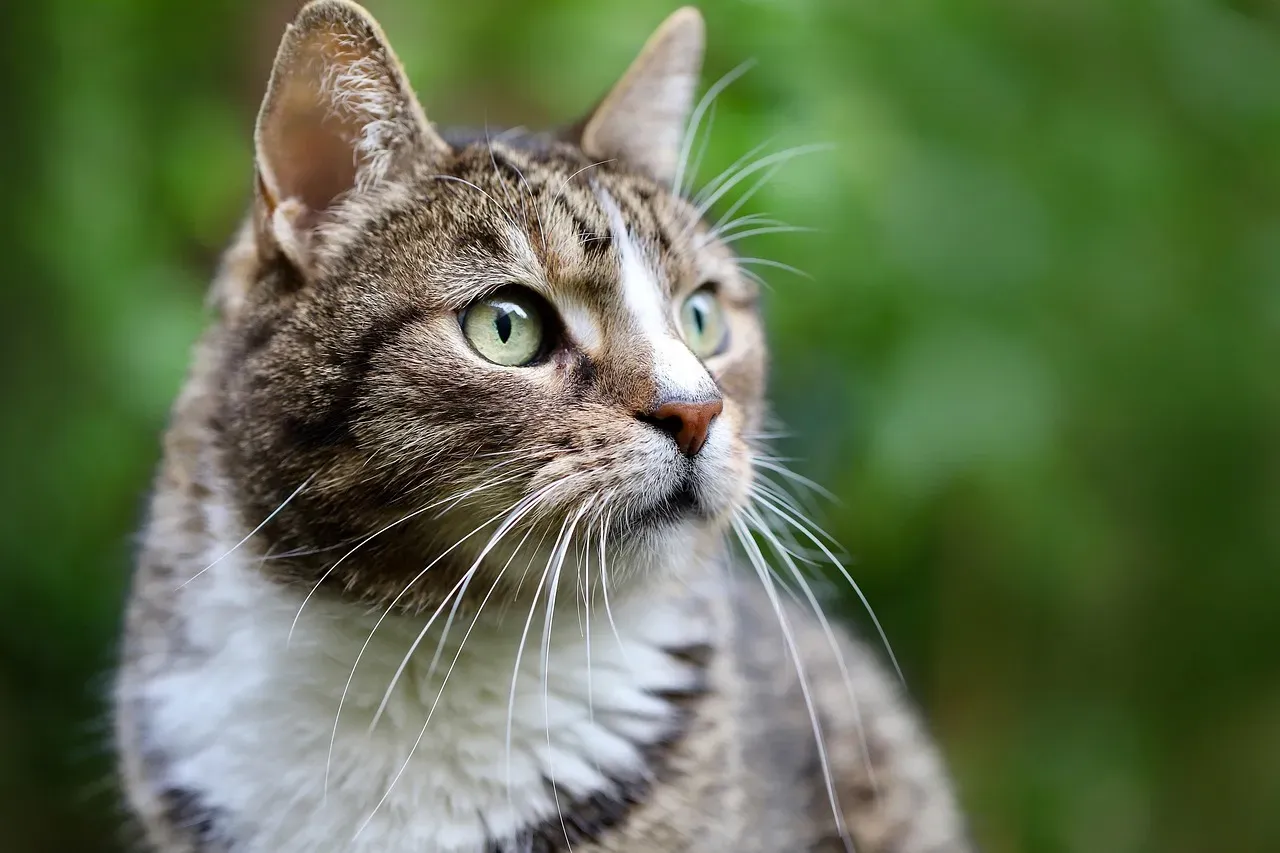
Dogs were bred by humans for specific jobs. Cats took a completely different, far less cooperative path.
The leading theory among archaeologists is that wildcats began hanging around early grain stores roughly 10,000 years ago to hunt rodents, and humans tolerated – then welcomed – the arrangement. Unlike dogs, cats were never selectively bred for obedience, which is part of why they still act more independent and less eager to please. Cats chose humans as much as humans chose cats, and honestly, that explains their attitude perfectly.
#7 – Litter Box Habits Reveal More Than You’d Guess
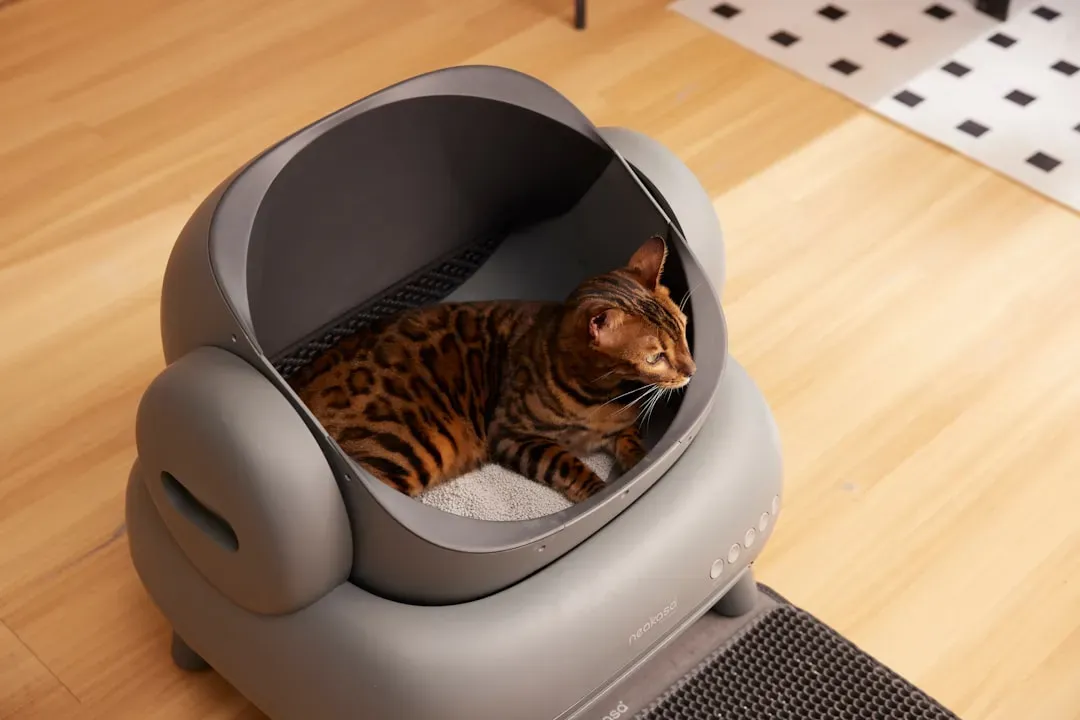
An occasional accident outside the box isn’t defiance. It’s almost always a message.
Cats are naturally fastidious, and sudden litter box avoidance is one of the most reliable early signs of stress, illness, or an unclean box. Veterinarians consistently point to litter box aversion as one of the top reasons cats are surrendered to shelters, despite it usually being a fixable problem. The general rule experts recommend is one box per cat, plus one extra, placed in low-traffic, low-stress locations. Ignoring these signals and assuming “bad behavior” is one of the costliest misreads new owners make.
#8 – Cats Rarely Meow at Other Cats
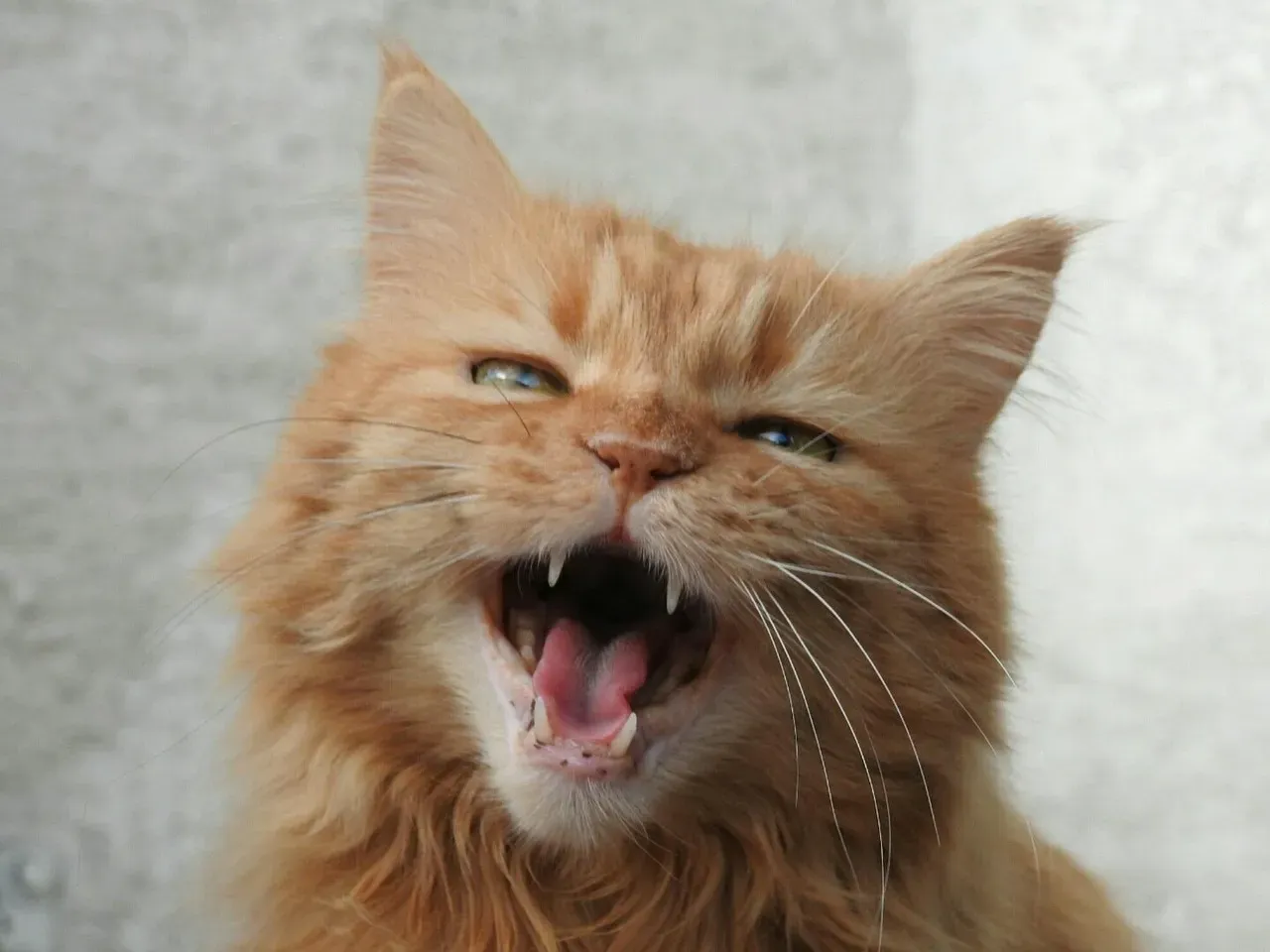
Adult cats meowing constantly at humans seems normal. It’s actually a behavior mostly reserved just for us.
Kittens meow at their mothers, but that vocalization largely fades once cats reach adulthood – except when directed at humans. Researchers believe adult cats developed and refined meowing specifically as a tool to communicate with people, since it reliably gets a response. Adult cats mostly communicate with each other through scent marking, body language, and occasional hisses or growls, not meows. That means your cat’s whole meow vocabulary was essentially built to manipulate you. And it clearly works.
#9 – Every Cat Has a Unique Nose Print
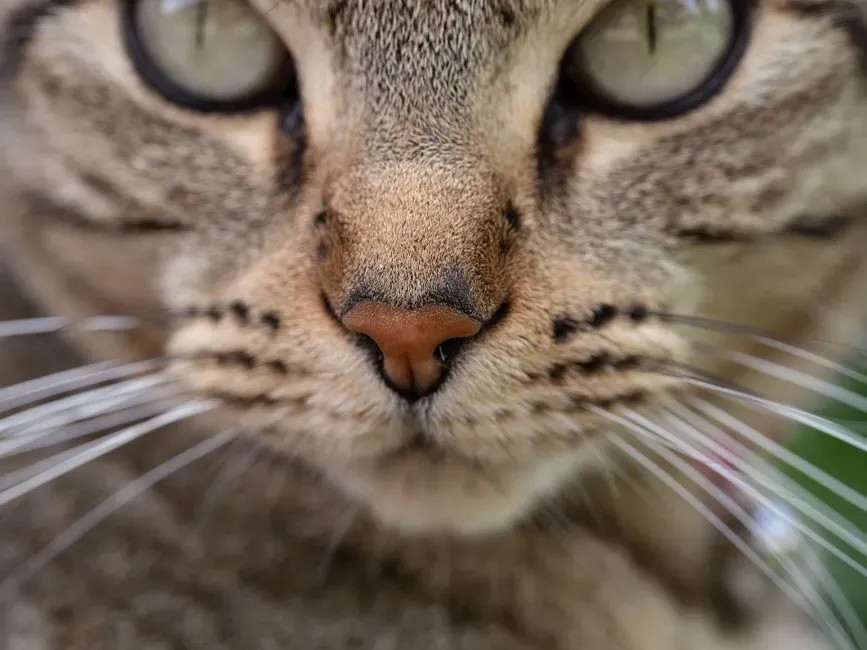
Fingerprints are considered uniquely human identifiers. Cats have their own version, and almost nobody talks about it.
The ridged pattern on a cat’s nose, formed by bumps and creases, is distinct to each individual animal, similar in concept to a human fingerprint. Some animal identification researchers have explored nose prints as a potential biometric ID method for pets, separate from microchips. It’s a strange little fact that goes completely unnoticed by most owners petting that nose daily, and it reinforces just how distinct each cat’s identity really is.
#10 – Dead “Gifts” Aren’t Random Cruelty
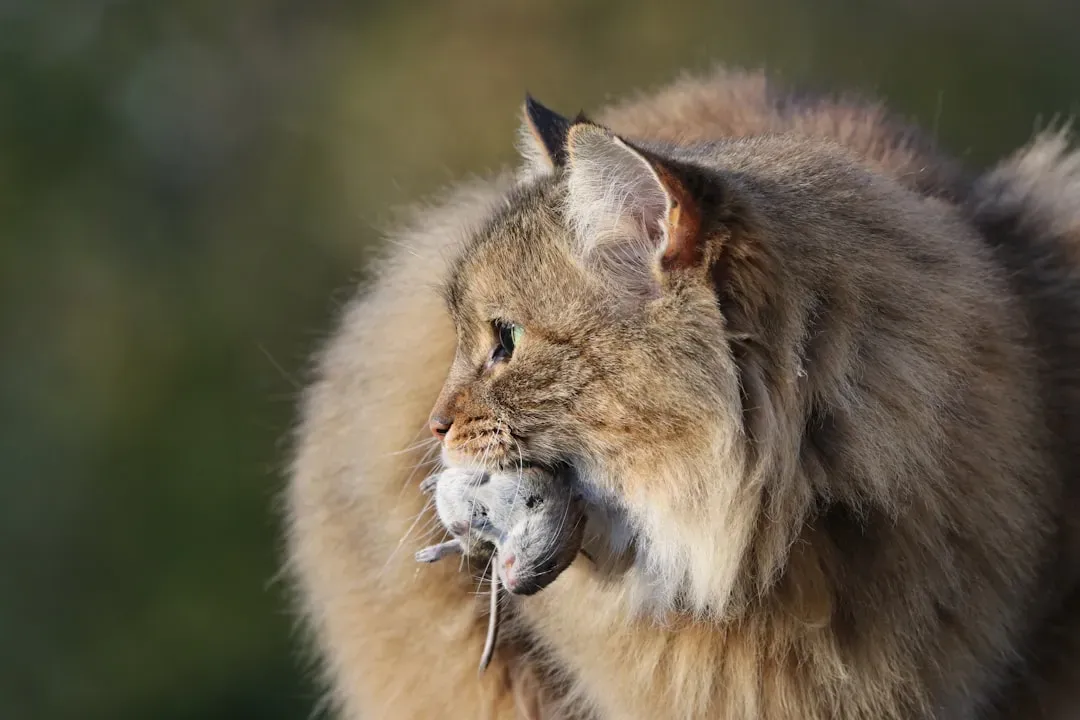
Finding a dead mouse on the doormat feels like an insult. Behaviorists say it’s closer to a compliment.
The behavior traces back to wild feline instincts, where mother cats bring prey back to teach kittens hunting skills. Many behaviorists interpret gift-giving in domestic cats as an extension of that instinct, essentially treating owners like undertrained kittens who need feeding lessons. Indoor cats with strong prey drive but no outdoor access sometimes redirect this instinct toward toys instead. Punishing a cat for this only confuses an animal doing something deeply natural.
#11 – Cats Sweat Through Their Paws Only
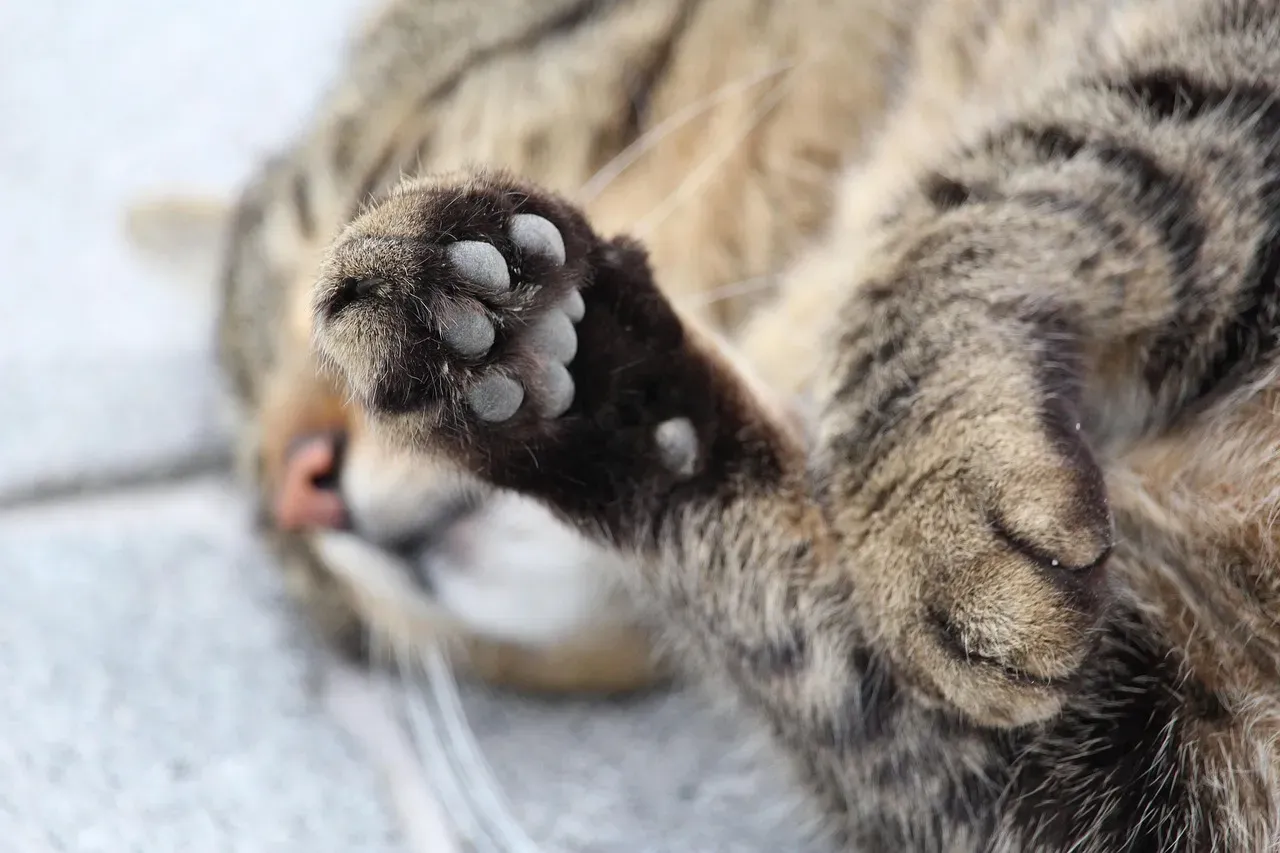
A cat panting from heat is rare, and there’s a physiological reason behind it.
Cats have a very limited number of sweat glands, concentrated almost entirely in their paw pads, which is why hot pavement or stressful vet visits can leave damp little footprints behind. Because cats can barely sweat, they rely mostly on grooming, seeking shade, and stretching out to cool their bodies instead. This is also why excessive panting in cats is considered a red flag for heatstroke or distress, unlike in dogs where panting is routine.
#12 – The “Always Land on Their Feet” Myth Isn’t Fully True
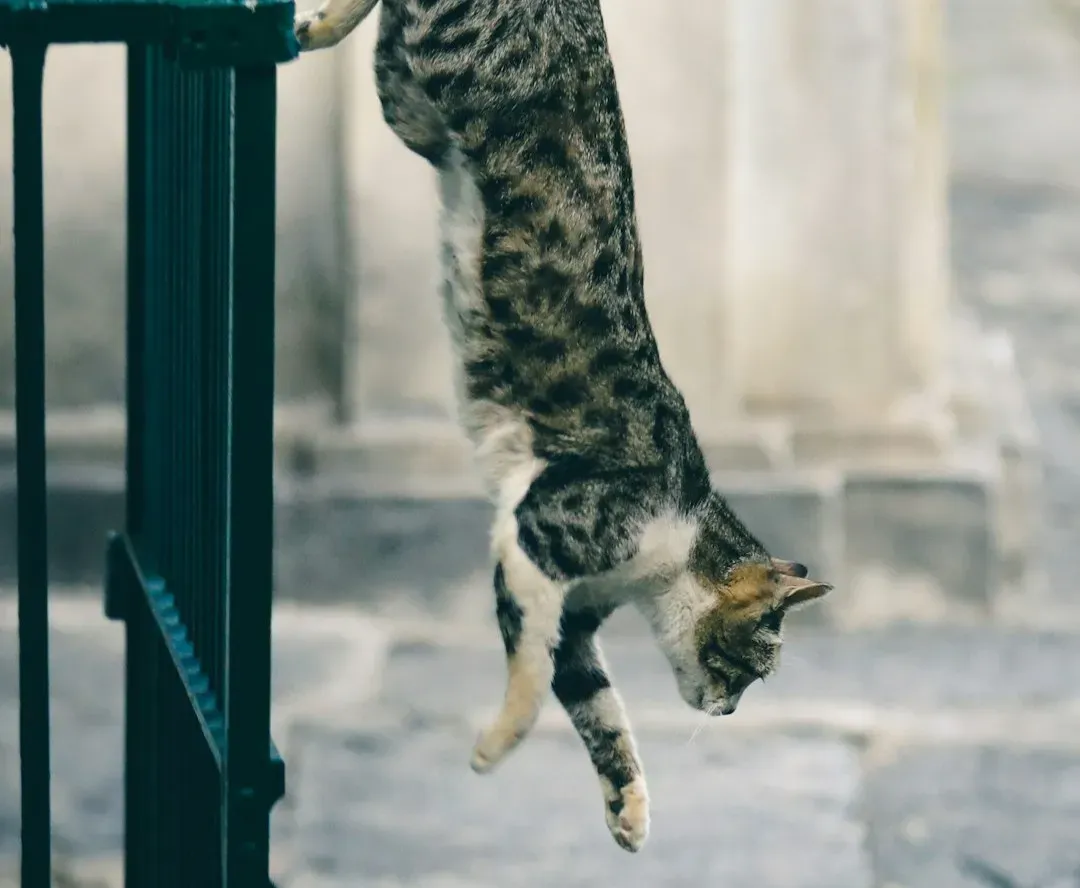
This is one of the most repeated cat facts, and it’s only partially accurate.
Cats do have a righting reflex, an inner-ear-driven ability to twist their bodies mid-air and orient themselves before landing. Veterinary studies on “high-rise syndrome” have found that cats falling from very short distances, like a bed or couch, are sometimes more likely to be seriously injured than those falling from higher up, because there isn’t enough time to fully correct their position. This reflex is impressive, but treating cats like they’re immune to fall injuries is a genuinely risky assumption.
Quick Compare
- Short falls (couch, bed, counter): Little time to right the body, so landings are often stiff and awkward.
- Mid-range falls: Enough time to partially correct position, but injury risk still climbs.
- Higher falls: More time to spread the body and fully orient before impact, which can sometimes reduce relative injury severity.
- Every scenario: Falls of any height can still cause fractures or internal injury, so “cats always land safely” is a myth worth retiring.
#13 – Cats Physically Cannot Taste Sweetness
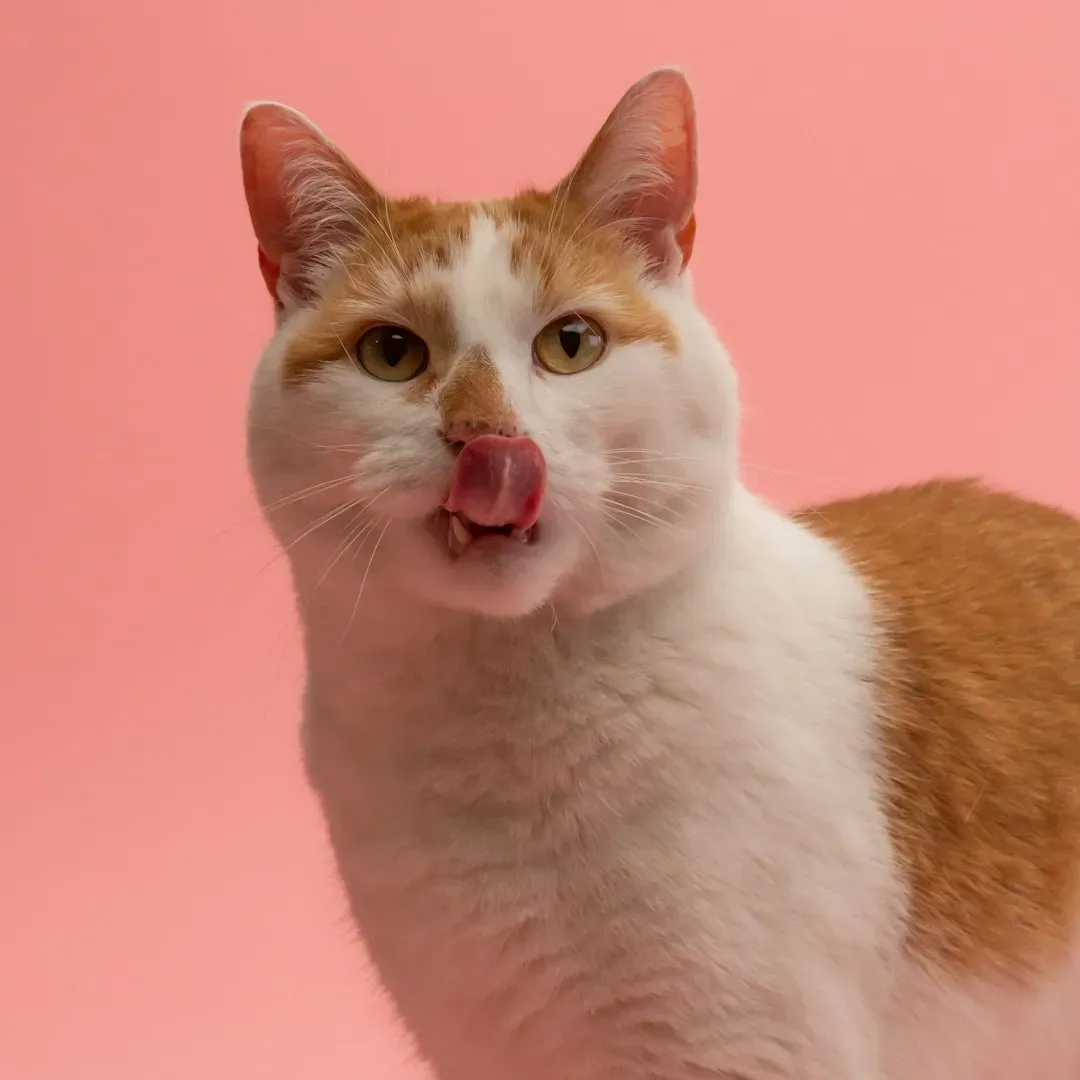
That begging behavior near your dessert plate isn’t about sugar at all.
Cats lack a functional gene needed to detect sweetness, meaning they’re the only major domesticated animal known to be entirely insensitive to sugary taste. This is why a cat eyeing your ice cream is almost certainly reacting to fat, texture, or smell, not sweetness itself. This taste blindness lines up with cats being strict carnivores, since sweetness detection was never useful for an animal that historically ate almost nothing but meat.
#14 – That Third Eyelid Isn’t Something to Ignore
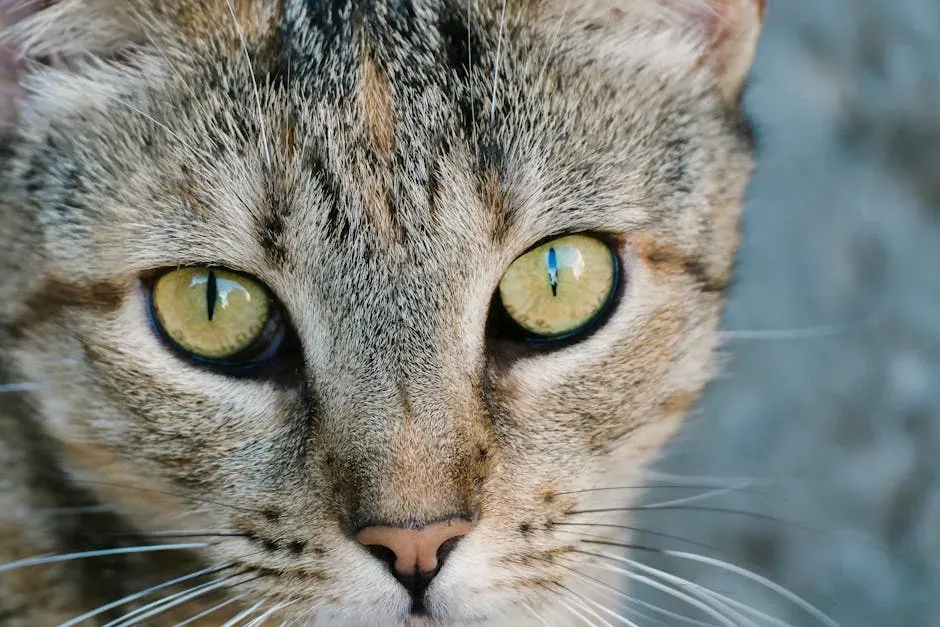
A thin, pale membrane creeping across a cat’s eye looks alarming, and honestly, it should get your attention.
Cats have a nictitating membrane, sometimes called a third eyelid, which normally stays tucked away and hidden. A visible third eyelid in an awake, alert cat is frequently flagged by veterinarians as an early sign of illness, dehydration, or pain, even when no other symptoms are obvious yet. Some cats show a sliver of it while deeply relaxed or sleepy, which is normal, but persistent exposure while awake is different.
#15 – Grooming Eats Up Nearly Half a Cat’s Day
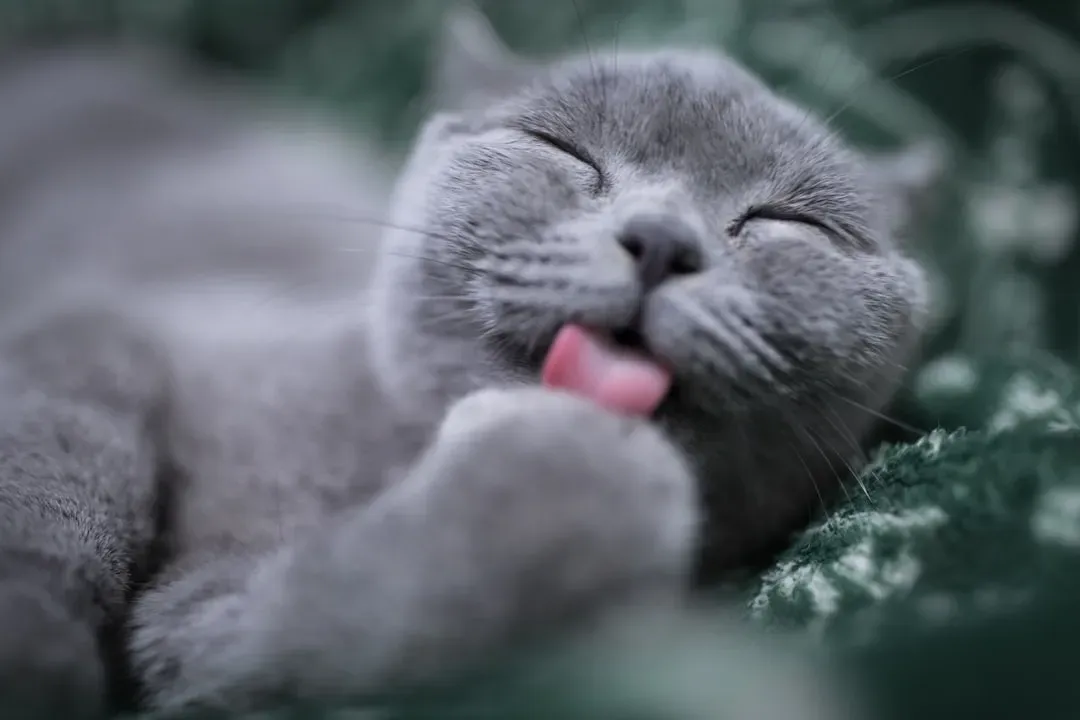
That constant licking looks obsessive. It’s actually closer to a full-time job.
Cats are estimated to spend somewhere between 30 and 50 percent of their waking hours grooming themselves, a level of upkeep that dwarfs almost any other common pet. This isn’t just about cleanliness – grooming also regulates body temperature, distributes natural oils, and helps calm cats down during stress, functioning almost like a built-in coping mechanism. A sudden drop in grooming, or overgrooming to the point of bald patches, is usually a sign something’s wrong.
#16 – Cats Can Squeeze Through Impossibly Small Gaps
That trick where a cat pours itself under a door isn’t an illusion. It’s anatomy.
Cats have a uniquely flexible skeletal structure, including a floating collarbone that isn’t rigidly attached to other bones, allowing their bodies to compress dramatically. As a general rule, if a cat’s head fits through a gap, the rest of the body usually can follow, since the skull is typically the widest fixed structure. Underestimating a cat’s ability to escape through “impossible” gaps is a classic rookie mistake.
#17 – The Box Obsession Isn’t Random Comedy
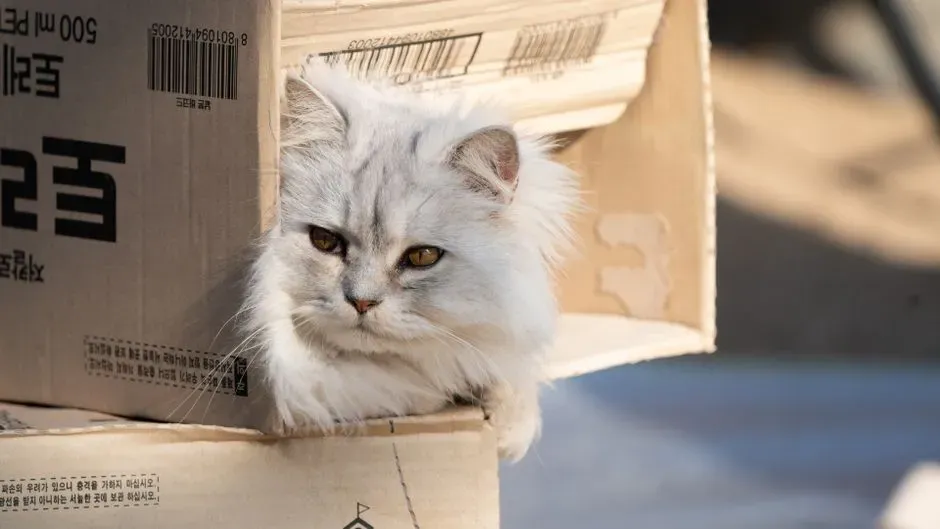
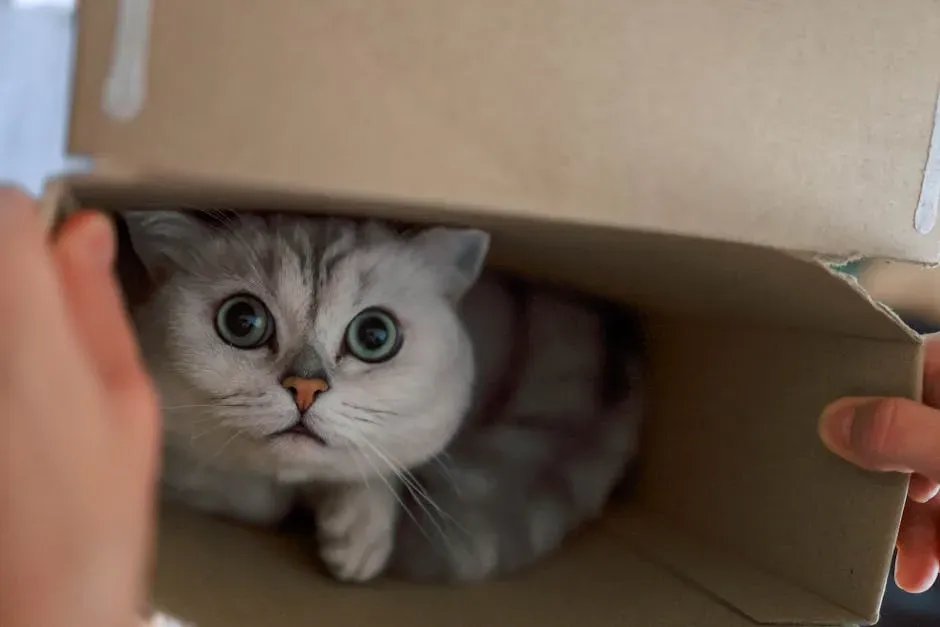
A cat crammed into a box too small for its body looks absurd. It’s actually a documented stress-reduction behavior.
Enclosed spaces make cats feel physically secure by limiting exposure and reducing perceived threats, tapping into instincts from their days as both predator and prey in the wild. Some studies on shelter cats have found that access to a hiding box measurably lowered stress indicators compared to cats without one. This is why boxes work better than expensive cat beds half the time – the enclosure itself is the appeal, not comfort or softness.
Why It Stands Out
- Enclosed spaces cut down the number of things a cat has to visually monitor at once, easing anxiety.
- Shelter cats given hiding boxes have shown lower observable stress behaviors than those without one.
- Plain cardboard often wins over plush, heated beds simply because of the walls, not the material.
- The instinct traces back to a cat’s dual role in the wild as both hunter and potential prey.
#18 – Indoor Cats Live Dramatically Longer
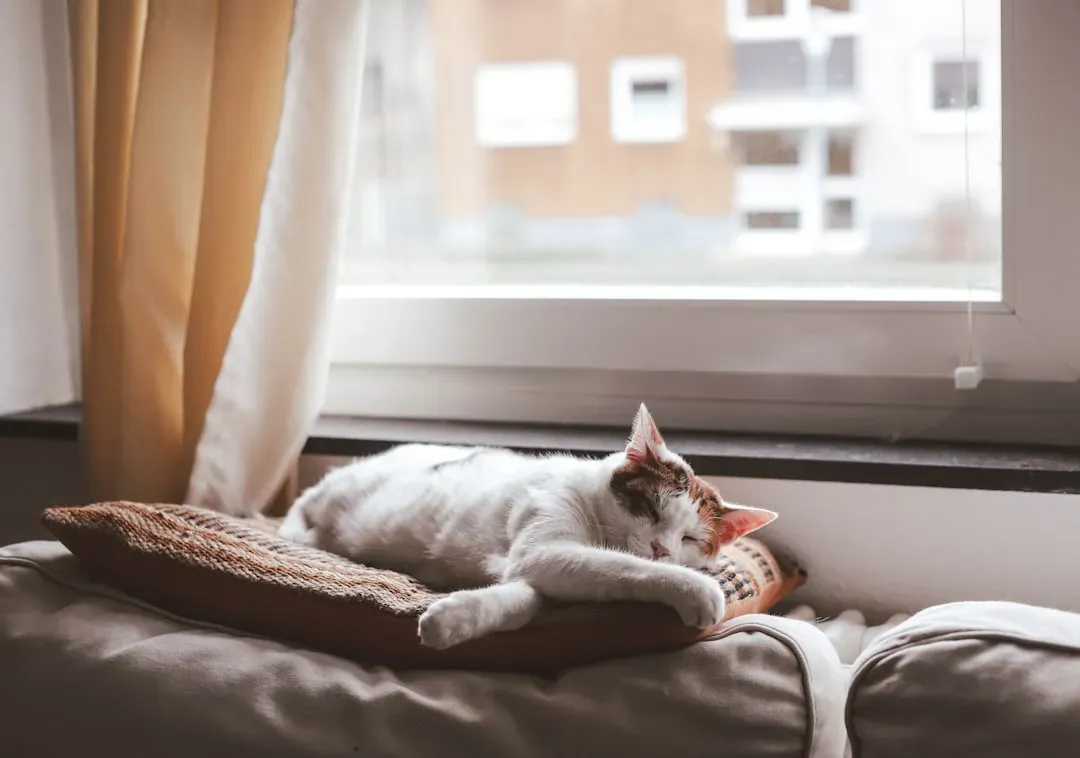
This one is genuinely controversial among cat owners, and the data leans hard in one direction.
Indoor cats are widely reported by veterinary sources to live significantly longer on average than outdoor or free-roaming cats, largely due to reduced exposure to traffic, predators, disease, and fights. While plenty of owners insist outdoor access improves quality of life, most veterinary behaviorists now argue the safety trade-off simply isn’t worth it in urban and suburban areas. Enriched indoor environments – window perches, climbing shelves, puzzle feeders – can replicate much of the stimulation cats would seek outside.
Cats are intended to teach us that not everything in nature has a function.
Garrison Keillor
#19 – The Tail Is Basically a Mood Broadcast
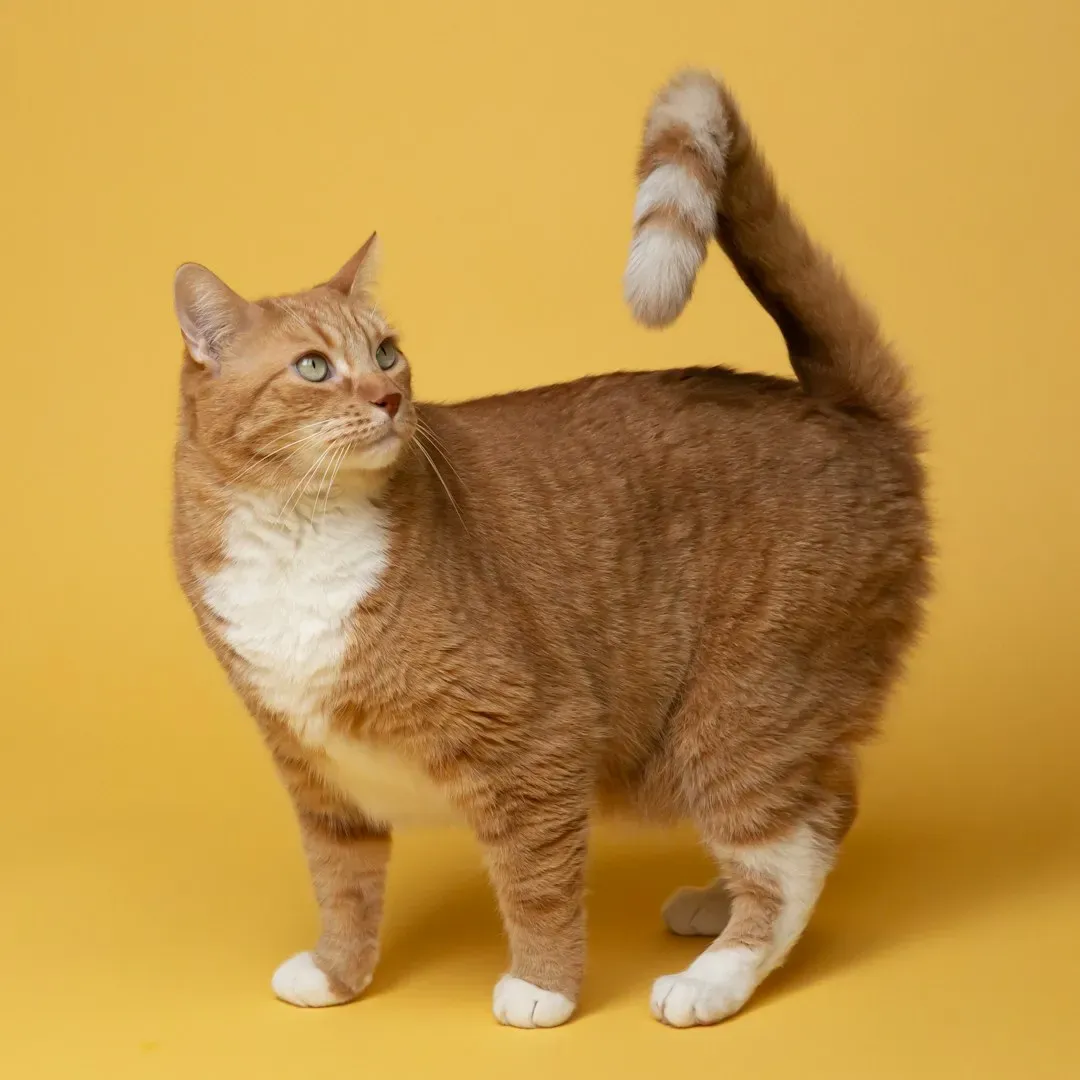
Most owners glance at a cat’s face for mood cues. Actual behaviorists watch the tail first.
Tail position and movement communicate an enormous amount: a tail held straight up typically signals confidence or friendliness, while rapid low thrashing usually signals irritation or overstimulation. A puffed-up tail is a fear or defense response, triggered by the same piloerection reflex found in humans getting goosebumps. Even subtle tip-twitching while a cat otherwise looks calm can indicate mounting annoyance before a bite or swat happens.
#20 – Cats Have a Dominant Paw, Just Like Humans
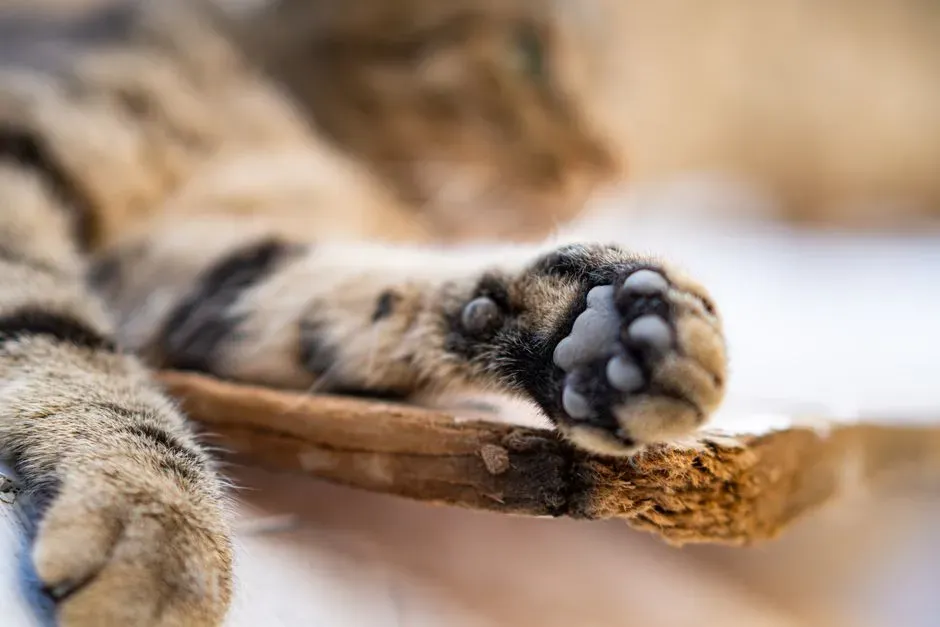
The idea of a “leftie” or “rightie” cat sounds made up. Research suggests it’s real.
Studies observing cats reaching for food or navigating obstacles have found consistent paw preferences in individual animals, similar to human-hand dominance. Some research has even suggested a link between sex and paw preference, with male cats trending toward left-paw dominance and females trending right, though findings vary across studies. Watching which paw your cat consistently uses to bat at toys can actually reveal this pattern fairly quickly.
#21 – That Eerie Nighttime Glow Has a Purpose
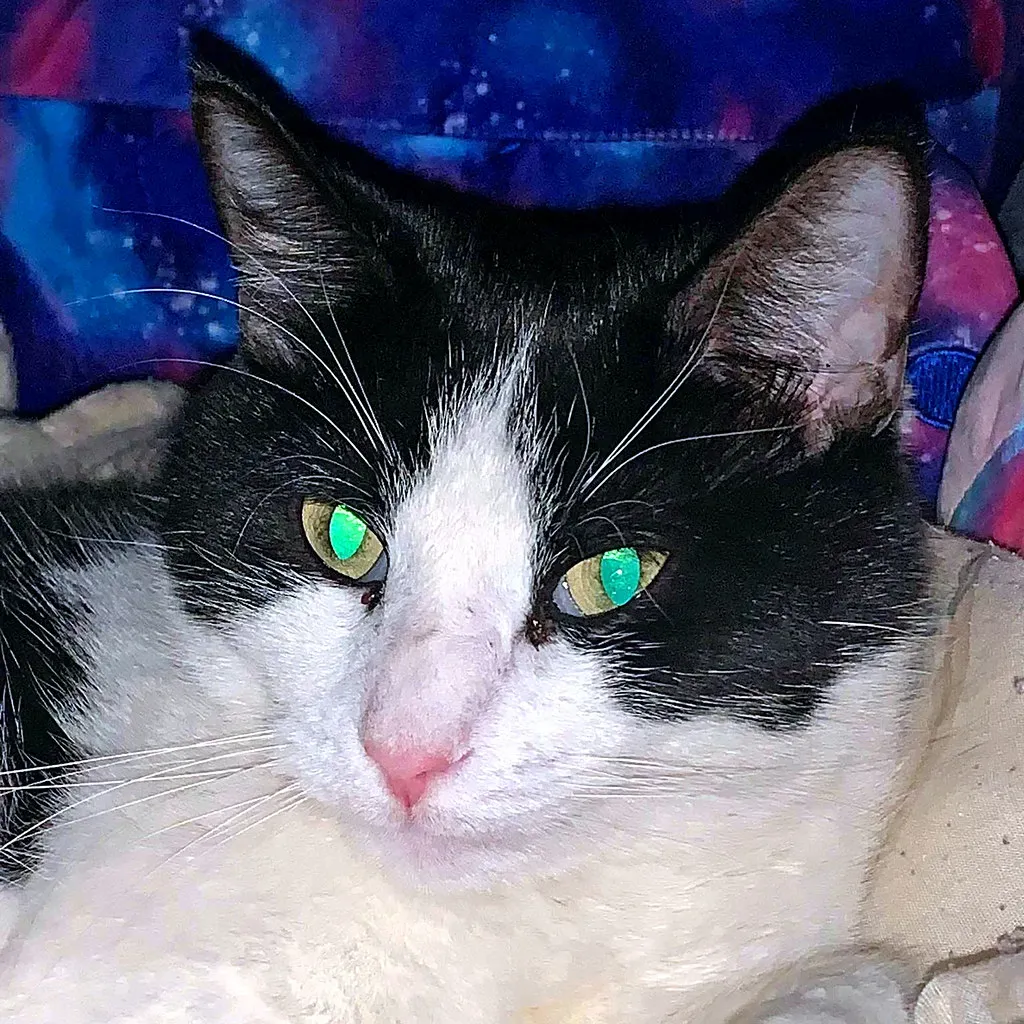
Cat eyes glowing in photos or flashlight beams look almost supernatural. It’s actually precision engineering.
Cats have a reflective layer behind the retina called the tapetum lucidum, which bounces light back through the eye a second time, dramatically boosting night vision sensitivity. This structure is a major reason cats can function in light levels roughly six times dimmer than what humans need to see clearly. The visible “eyeshine” in photos is simply light escaping back out after bouncing off that layer.
Fast Facts
- The tapetum lucidum gives light a second pass through the retina, boosting low-light sensitivity.
- Cats can see clearly in light roughly six times dimmer than what humans require.
- Eyeshine color can appear green, gold, or blue depending on the individual cat.
- Even with this advantage, cats still need at least some ambient light – true total darkness blinds them too.
#22 – Head-Butts Are a Territorial Love Language
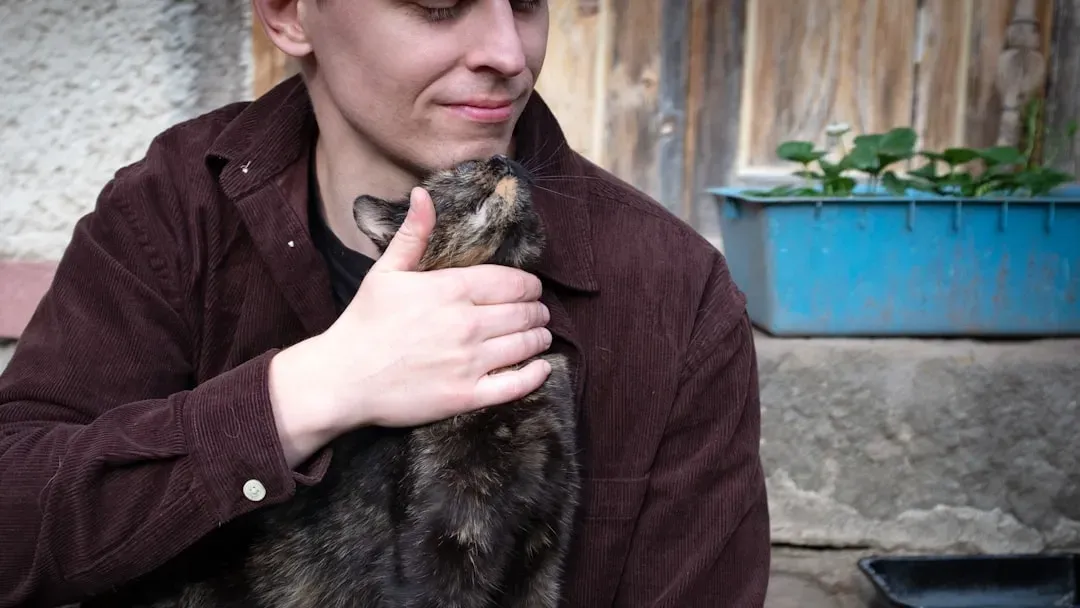
A cat slamming its head into your hand or leg looks affectionate. It’s also strategic.
This behavior, often called bunting, involves scent glands located on a cat’s cheeks, forehead, and chin, which deposit pheromones onto whatever – or whoever – they’re rubbing against. Cats use bunting both to show affection and to mark you as part of their territory, essentially claiming ownership through scent rather than sentiment alone. Cats that bunt frequently toward one person over others in a household are typically signaling a stronger attachment to that specific person.
#23 – Cats Have a Massive Vocal Range, Mostly for You
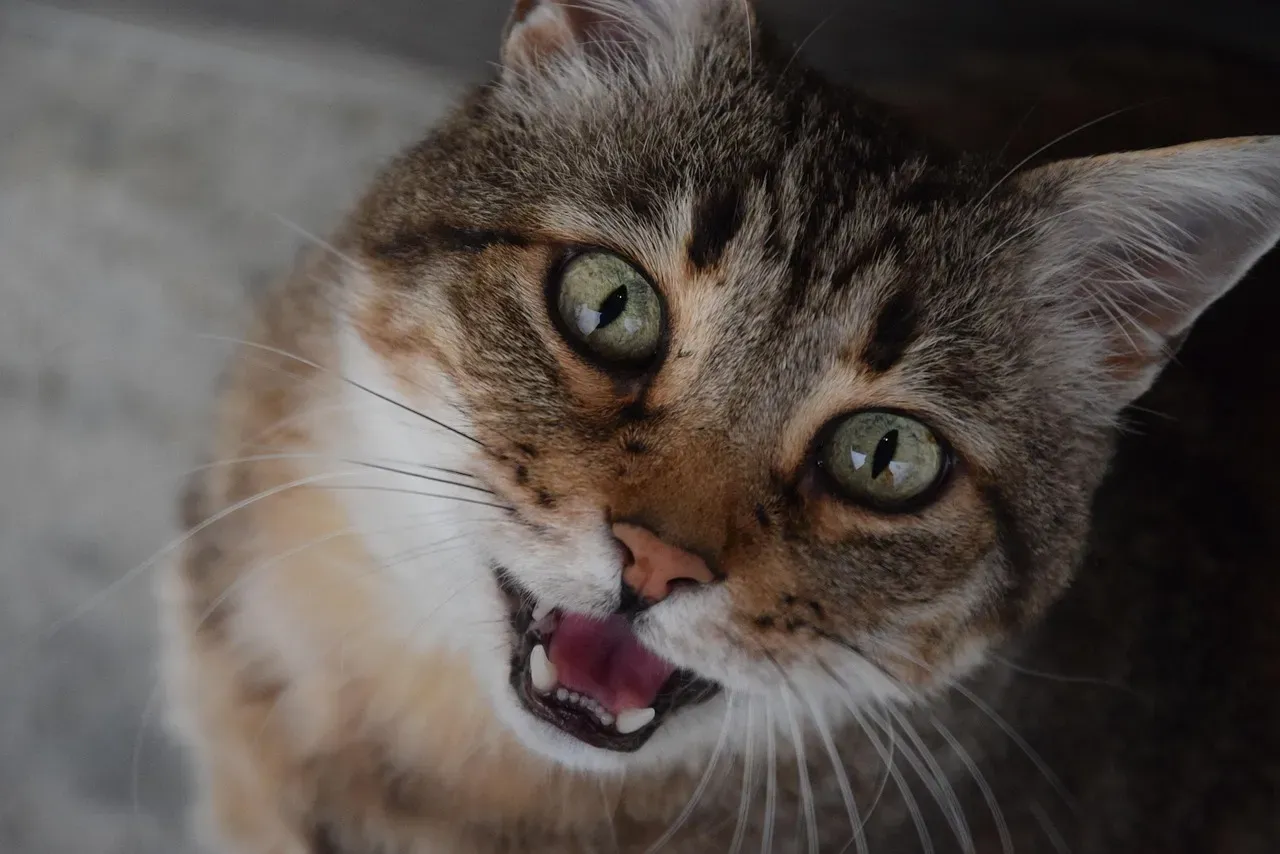
Cats are often assumed to be quieter than dogs. Vocally, they’re actually far more complex.
Researchers have documented well over a hundred distinct vocalizations in domestic cats, ranging from chirps and trills to yowls and full-throated demands. Much of this vocal range appears to have developed specifically around human interaction, since adult cats rarely use most of these sounds with each other. Each cat also tends to develop a slightly unique vocal “dialect” shaped by repeated interactions with its specific owner.
#24 – Scratching Isn’t About Sharpening Claws
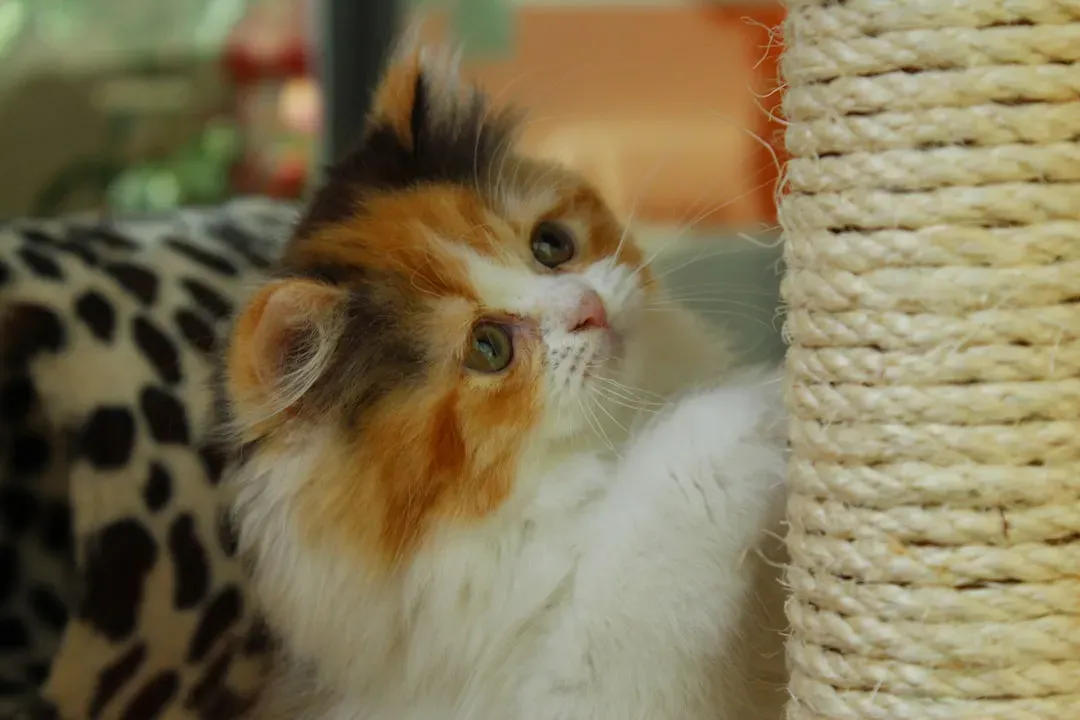
Furniture destruction feels like pure chaos. There’s actually a precise biological reason behind it.
Scratching does help remove the outer sheath of a cat’s claws, but that’s only part of the story – cats also have scent glands in their paw pads, meaning every scratch leaves behind a territorial marker invisible to humans. This is why cats often scratch prominent, high-visibility furniture rather than hidden spots – the marking is meant to be seen and smelled by other animals. Providing appropriately sized, sturdy scratching posts near those “problem” areas is far more effective than punishment, which typically just relocates the behavior elsewhere.
#25 – Cats Are Experts at Hiding Pain
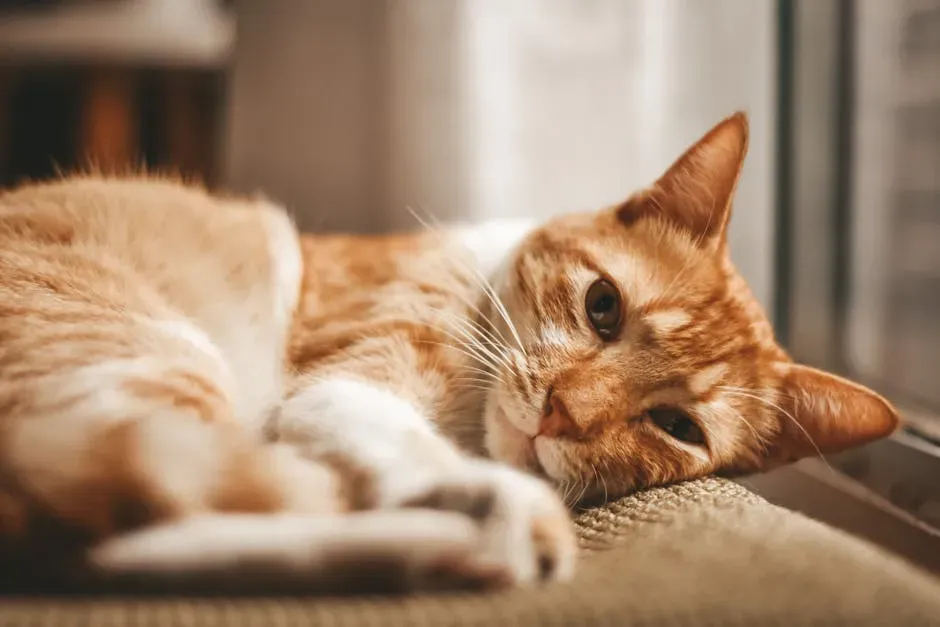
A cat acting “totally normal” right up until a medical emergency is disturbingly common. There’s a survival reason behind it.
In the wild, showing visible weakness or pain makes an animal a target for predators or rival competition, so cats evolved to mask illness and discomfort as long as physically possible. This instinct is so strong that veterinarians frequently note cats can appear symptom-free until a condition has progressed significantly, making routine checkups far more important than they seem. Subtle changes – slightly reduced appetite, quieter behavior, sleeping in new spots – are often the only visible clues something is wrong.
#26 – Cats Secretly Crave Routine More Than Independence
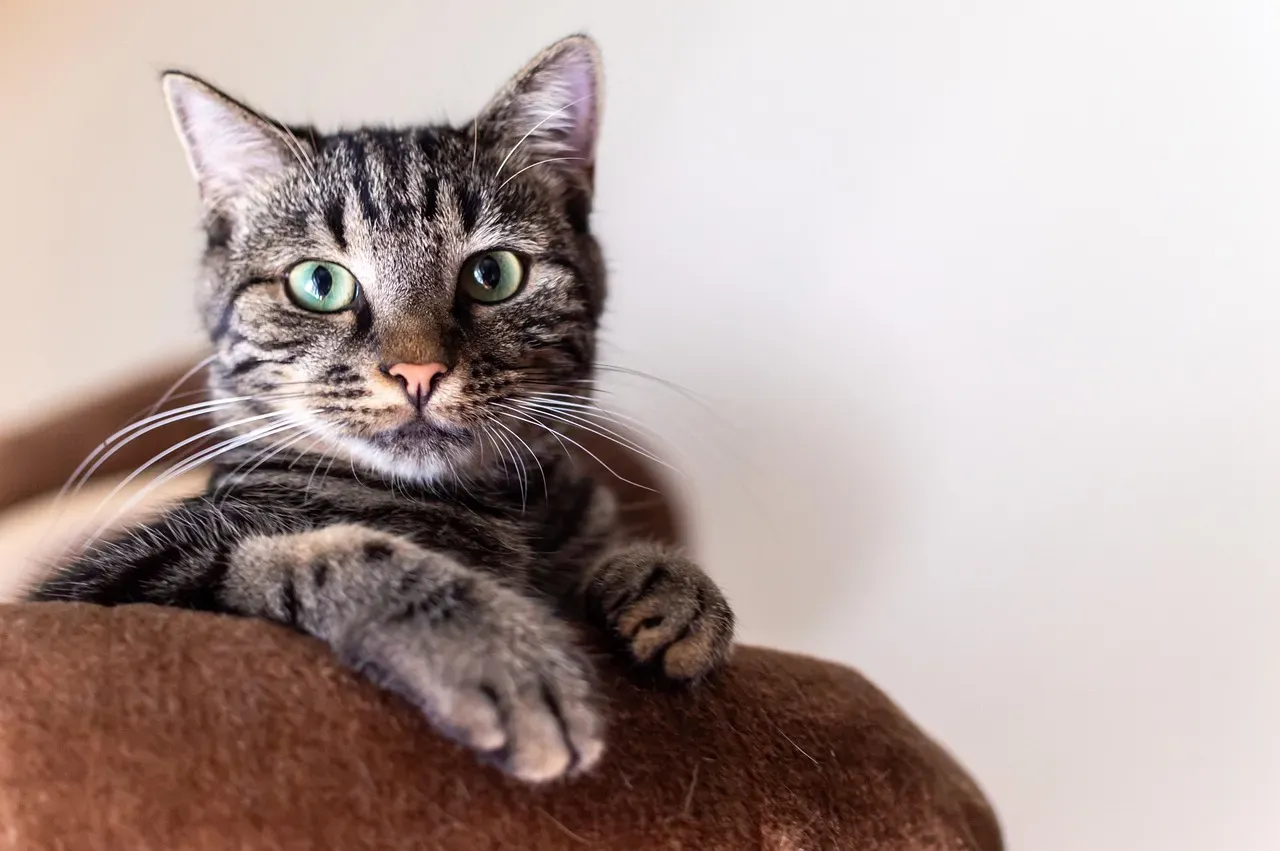
Cats have a reputation for being aloof, low-maintenance, and easygoing about change. In practice, that reputation is largely wrong.
Sudden changes to feeding times, furniture layout, litter box location, or household routine are well-documented stress triggers for domestic cats, sometimes leading to behavior changes or even physical symptoms like digestive upset. Feline stress responses to environmental change can be significant enough that veterinary behaviorists specifically recommend gradual transitions when introducing new pets, moving homes, or altering daily schedules. The “aloof cat” stereotype largely ignores just how much structure they quietly depend on.
#27 – Cats Form Genuine Attachment Bonds, Not Just Convenience
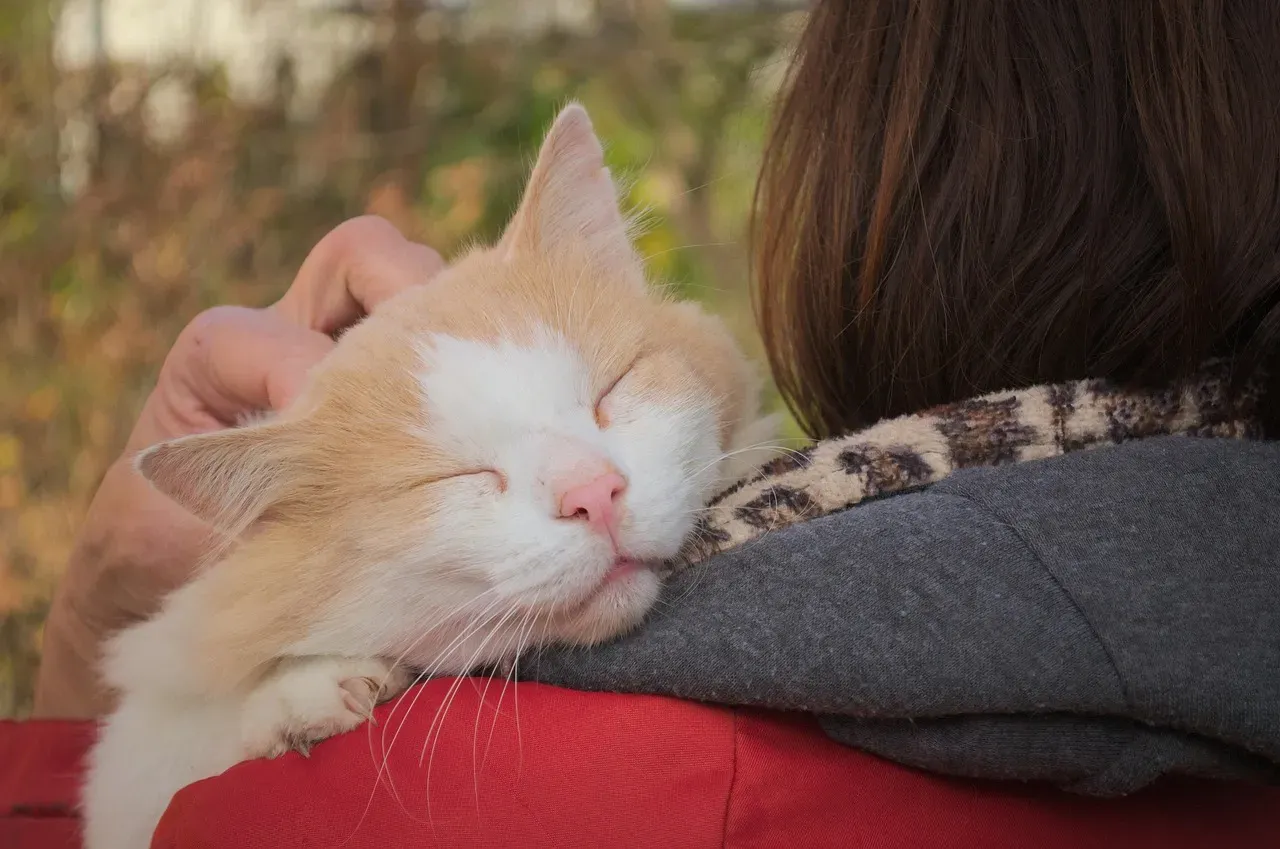
This is the fact that finally shuts down the tired “cats don’t really bond with people” argument for good.
Researchers studying feline-human attachment have used modified versions of the same “secure base” test originally developed to study infant bonding with caregivers, and found that a majority of cats displayed secure attachment patterns toward their owners. In these studies, cats consistently sought out and were calmed by their owner’s presence after a brief separation, a hallmark sign of genuine attachment rather than simple food-motivated behavior. Anyone who’s had a cat wait by the door, follow them room to room, or press against them during a storm already knew this instinctively – science just finally caught up.
The Bottom Line
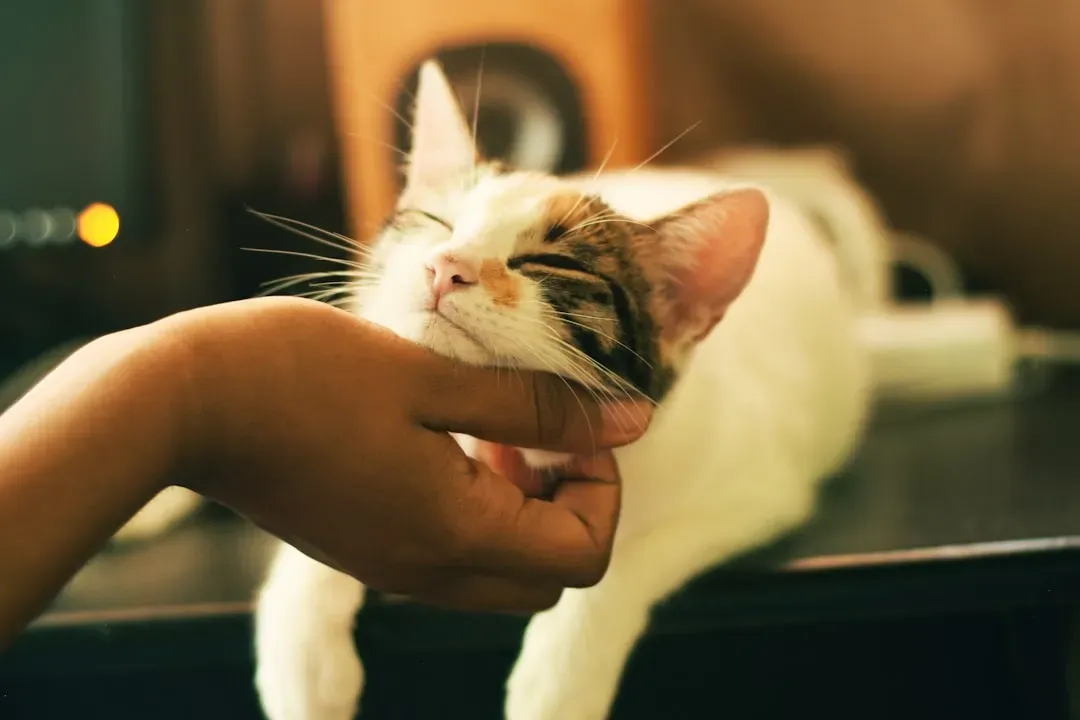
Cats aren’t mysterious because they’re emotionless. They’re mysterious because most owners never bother learning the actual science behind the behavior sitting on their lap.
The slow blinks, the head-butts, the box obsession, the hidden pain tolerance – none of it is random, and almost all of it points to an animal that’s far more attached, communicative, and biologically fascinating than the “aloof cat” stereotype suggests.
If there’s one opinion worth defending here, it’s this: dismissing cats as low-effort, low-emotion pets is outdated and, frankly, lazy pet ownership. The data increasingly shows cats bond like dogs do, just on their own terms. Which of these facts changed how you see your own cat? Drop it in the comments.
Kristina is a young writer from India. An arts graduate and an avid content creator, Kristina is passionate about animals and wildlife. She enjoys exploring topics related to pet care, animal behavior, conservation, and nature, combining thorough research with engaging storytelling.